Fan-page
 Youtube
 TikTok
 Aviamuseum
 State Aviation Museum
70 років першому в світі реактивному літаку вертикального злету та посадки X-13 Vertijet
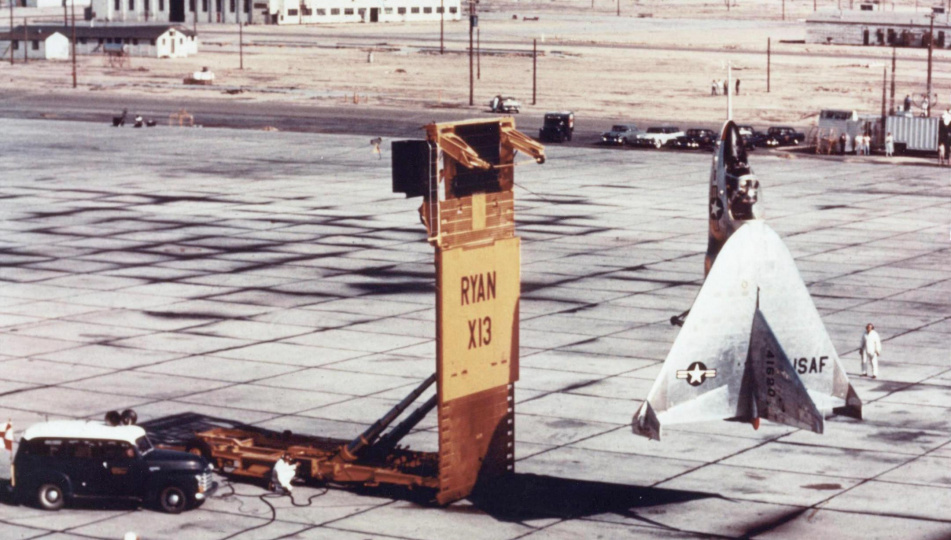
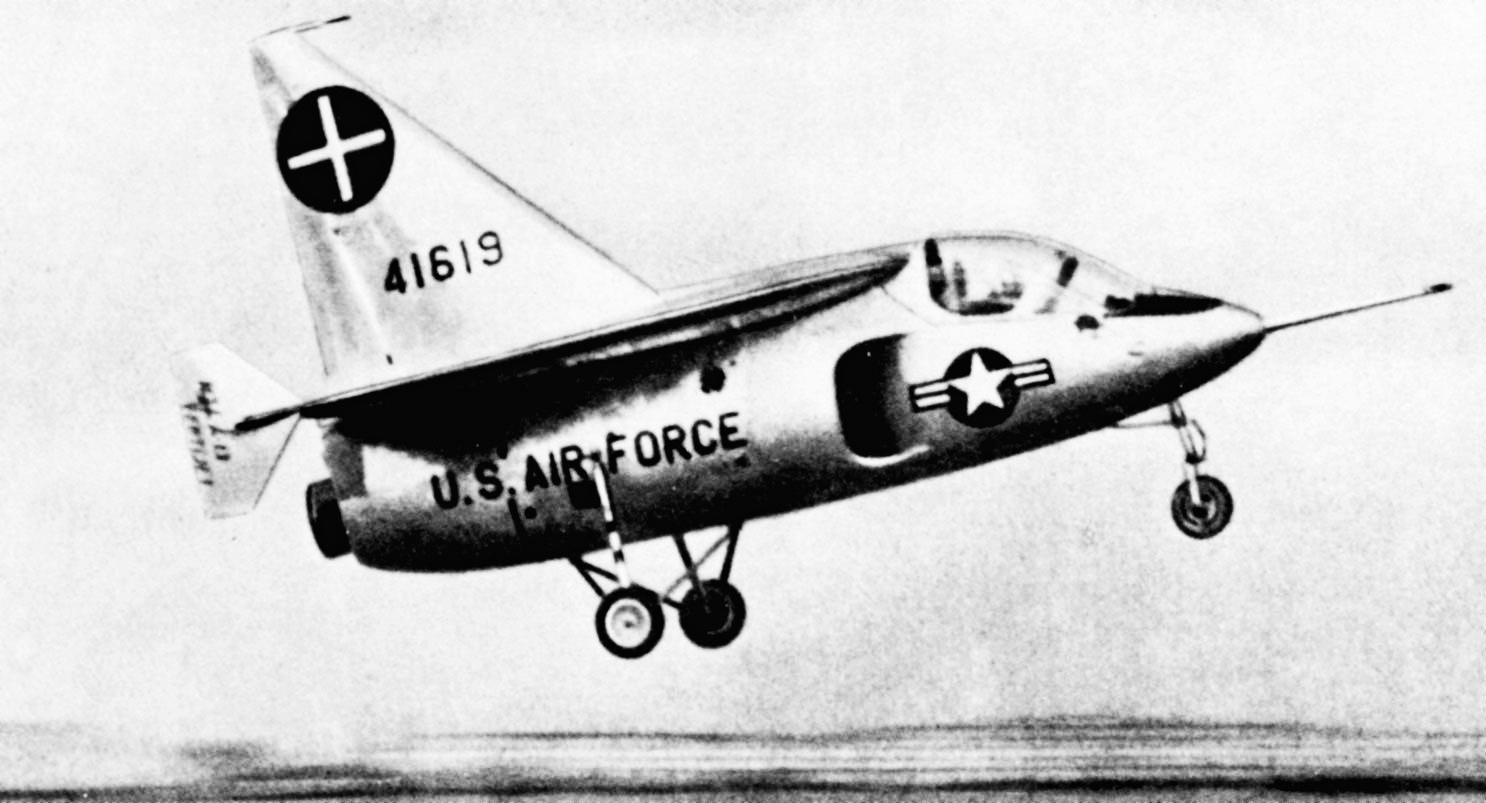
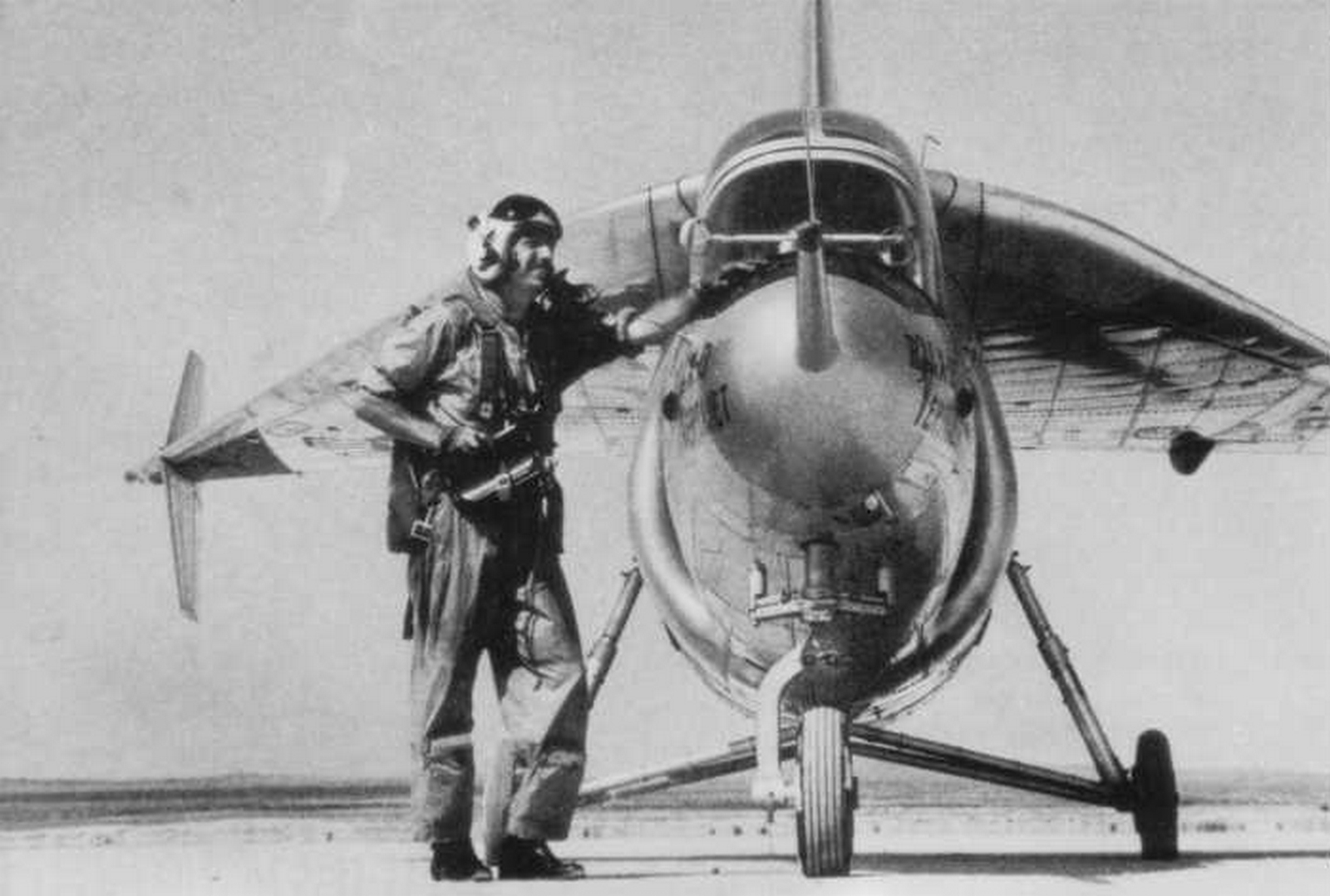
10 грудня виповнилося 70 років першому в світі реактивному літаку вертикального злету та посадки X-13 Vertijet, який створила американська компанія Ryan Aeronautical. Того дня 1955 року здійснив політ його перший екземпляр.
Ця програма була започаткована ще 1947-го і спершу передбачала дослідження з метою створення спеціального літака для розміщення на субмаринах. Поступово вона трансформувалася у проєкт експериментального винищувача вертикального злету та посадки, який міг базуватися і на кораблях, і на суходолі.
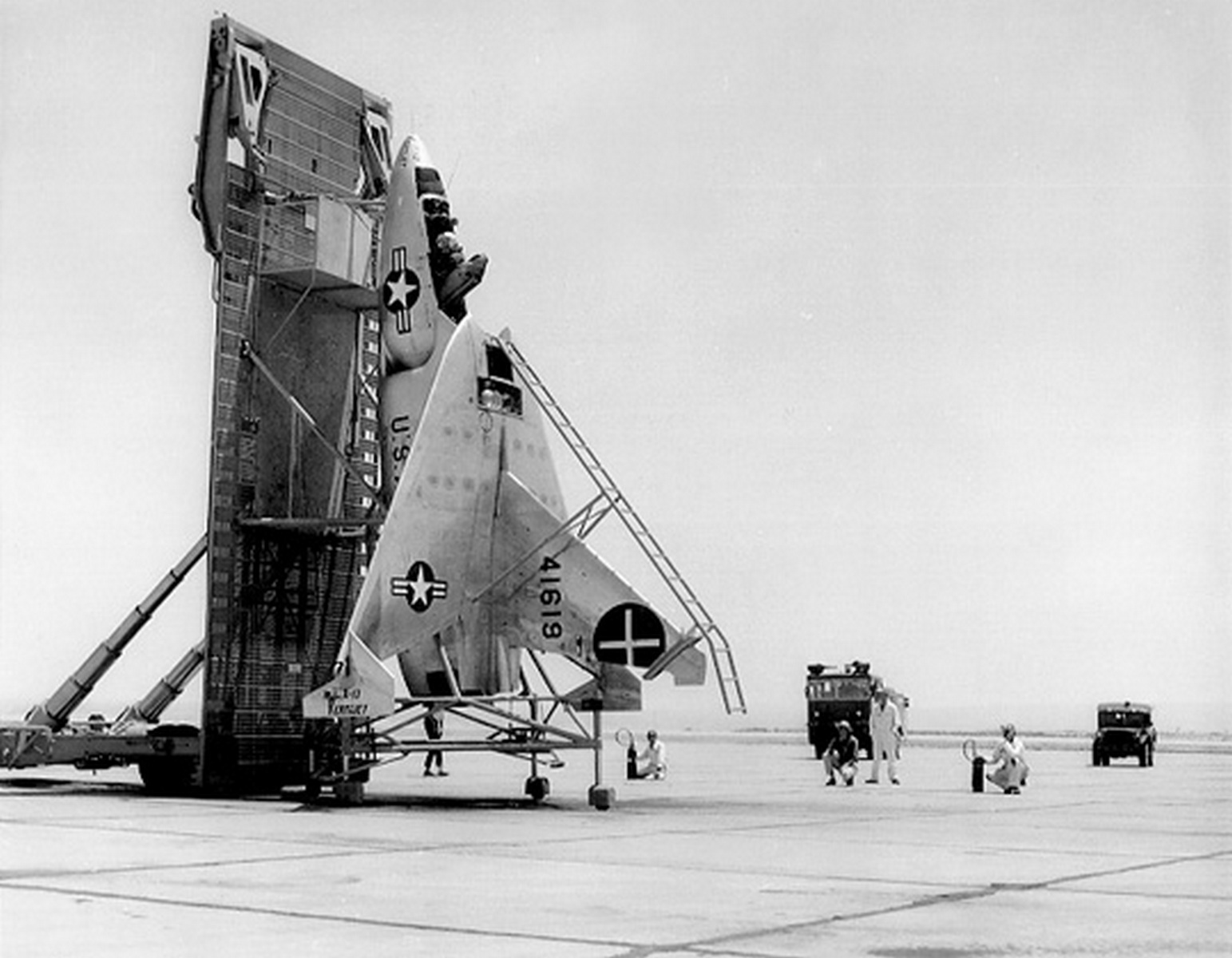
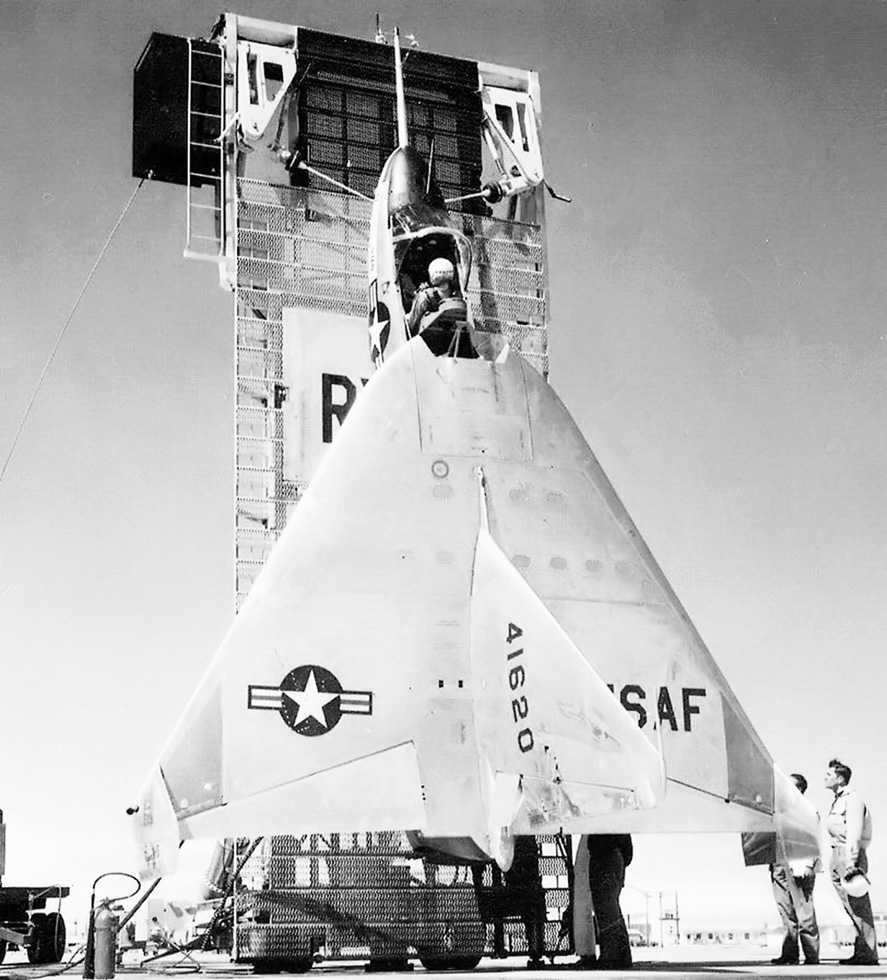
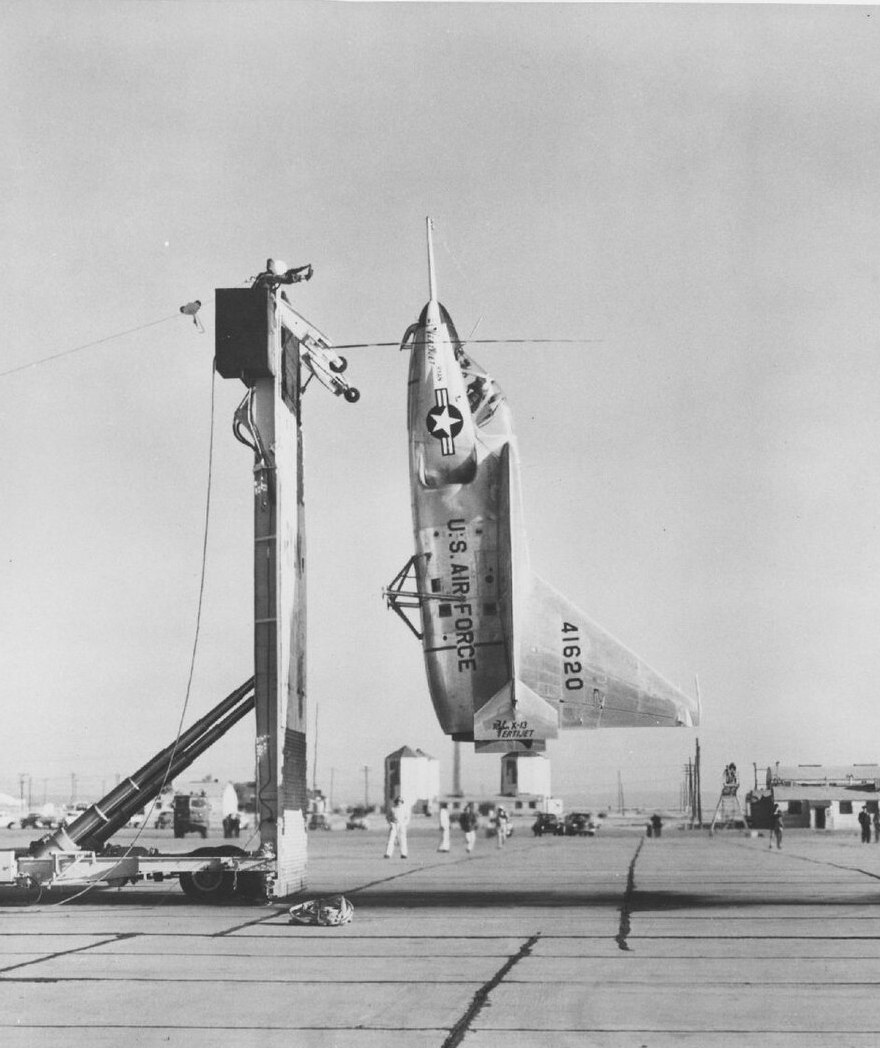
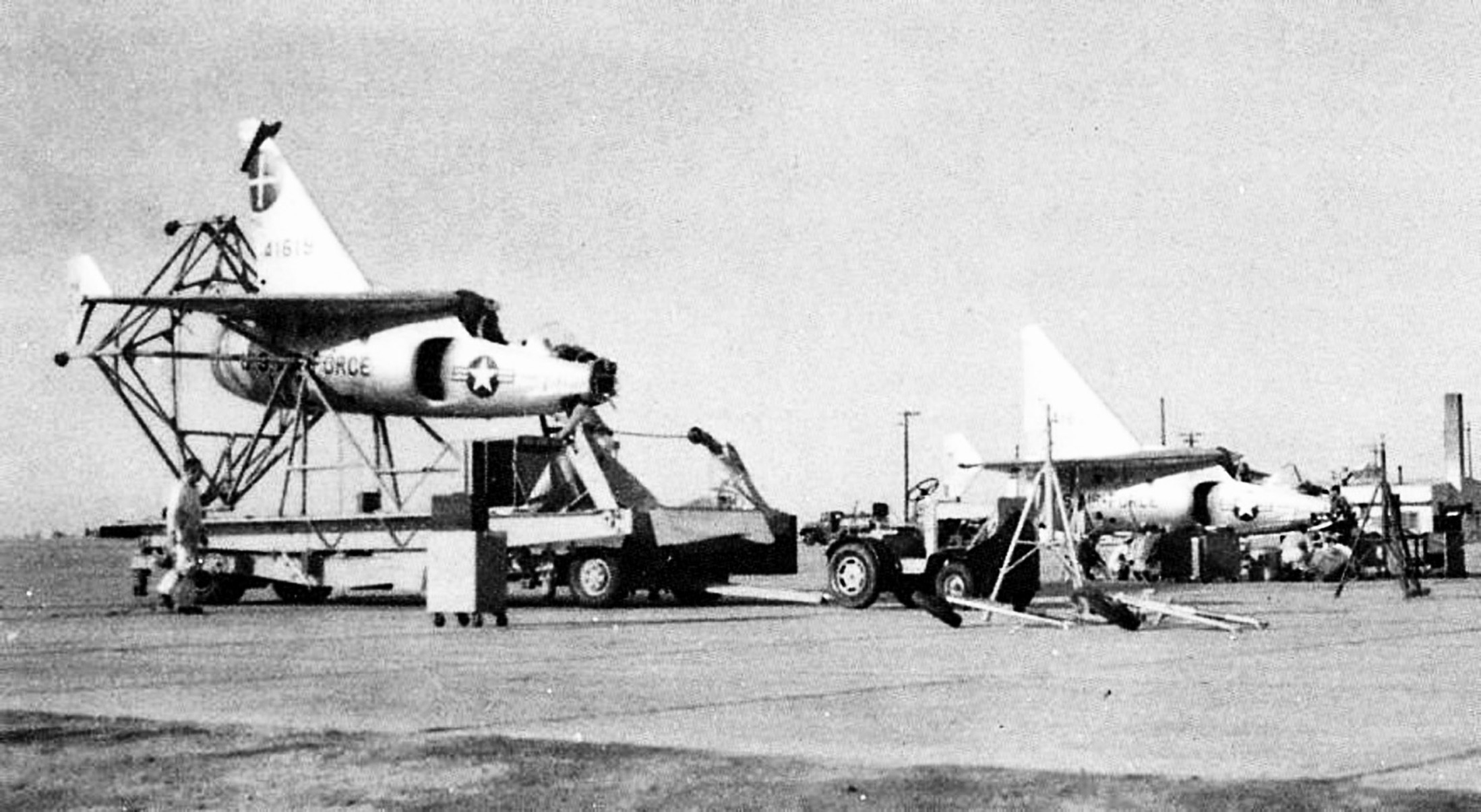
Концепція літака будувалася на можливості забезпечити вертикальний злет та посадку за допомоги лише одного турбореактивного двигуна та використання злітно-посадкової платформи, на якій винищувач знаходився у вертикальному положенні. Замість звичного шасі передбачалися вузли кріплення до платформи. Однак перший екземпляр оснастили тимчасовим шасі, на якому розпочали польоти з аеродрому для оцінки стійкості та керованості машини.
Х-13 був невеликим апаратом схеми «безхвостка». Він мав довжину 7,14 м, розмах дельтаподібного крила – 6,4 м, максимальну злітну масу – 3272 кг, максимальну швидкість – 560 км/год. Літак оснастили двигуном Rolls-Royce Avon RA.28 максимальною тягою 4,5 тс.
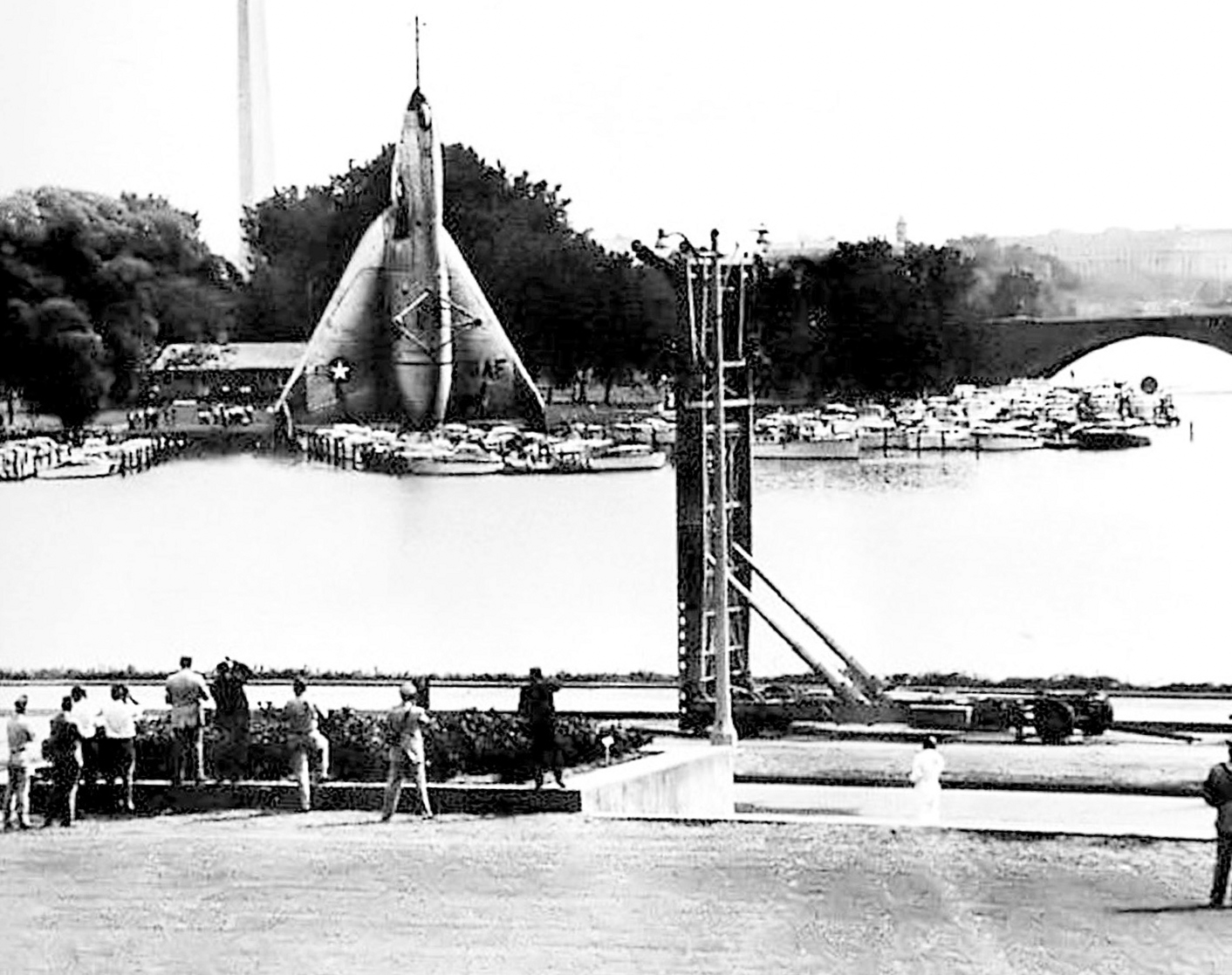
Побудували лише два льотні екземпляри. Перший політ за повним циклом, коли літак злетів вертикально з платформи, перейшов у горизонтальний політ, а потім повернувся на платформу, відбувся 11 квітня 1957 року. Хоча «Вертіджети» літали цілком успішно, але зліт-посадка виявилися дуже складними, і освоїти їх могли лише досвідчені пілоти. Попри ефектні демонстраційні польоти, зокрема біля самого Пентагону, американські військові втратили інтерес до програми, і вона не вийшла за межі суто експериментальної.
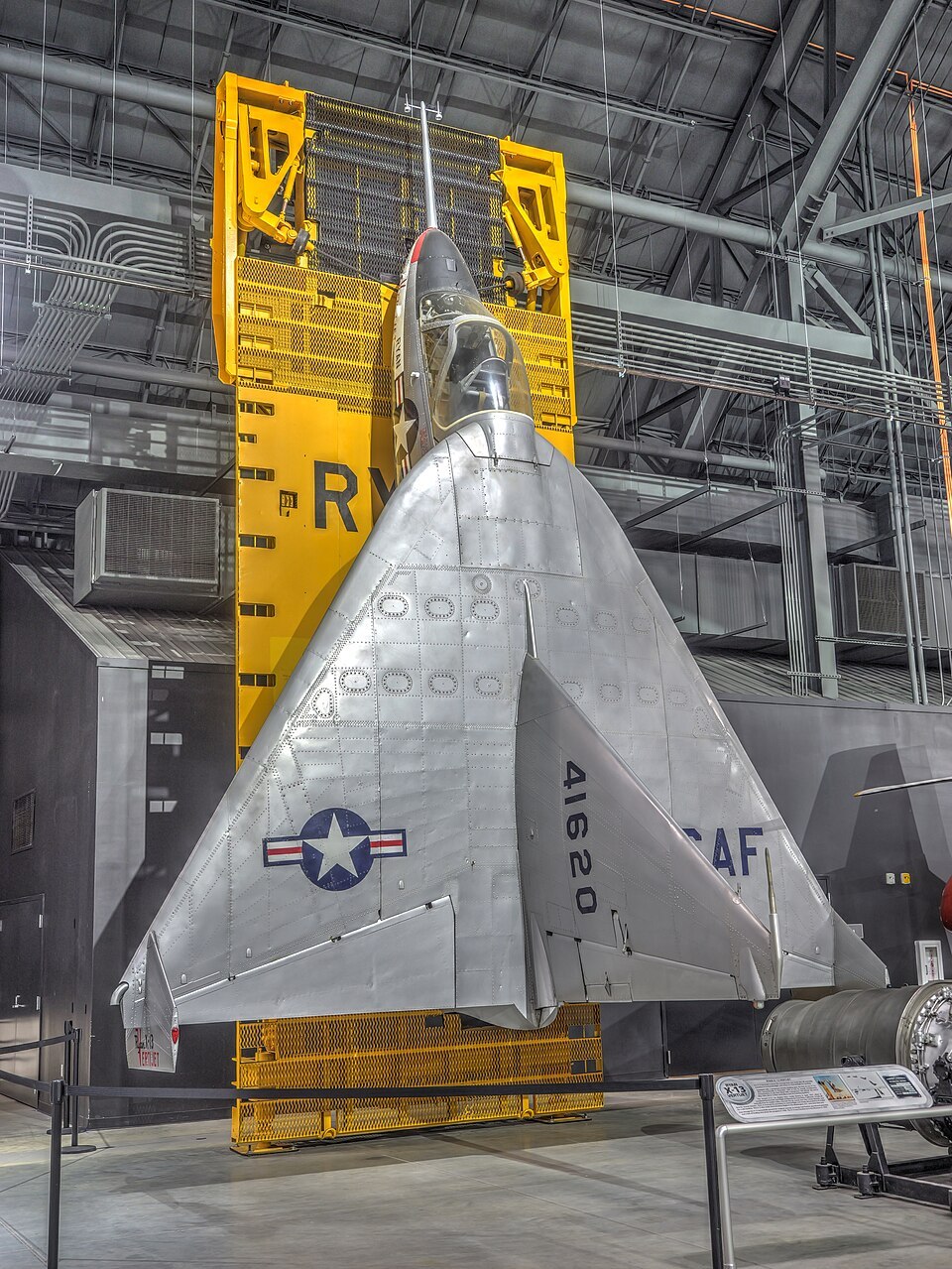
Останній раз Х-13 підіймався в повітря у вересні 1957-го. Однак екзотичні «Вертіджети» не відправили на металобрухт, а зберегли як пам’ятки інженерної думки. Машина із серійним № 54-1619 належить Музею авіації та космонавтики у Сан-Дієго, а № 54-1620 – Національному музею ВПС США в Дейтоні.