Fan-page
 Youtube
 TikTok
 Aviamuseum
 State Aviation Museum
From the history of the Kiev Aircraft Plant. On the old territory
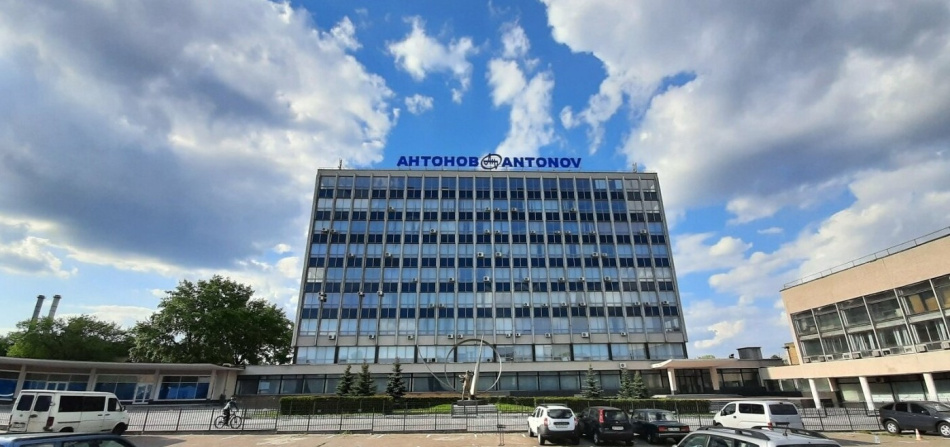
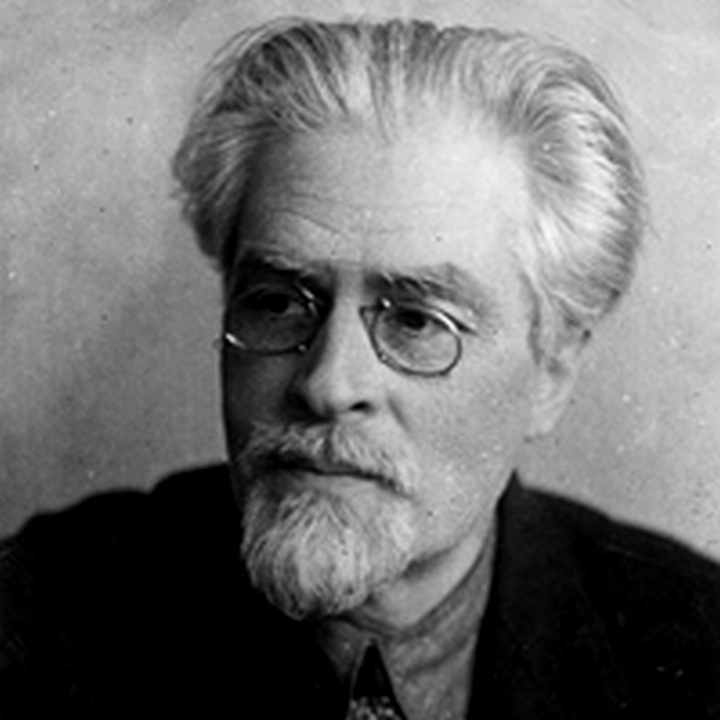
Today, this enterprise is fully integrated into the Antonov Joint Stock Company. However, its dramatic history should not be forgotten. It began with the initiative of one extraordinary person—Viktorin Bobrov. He became fascinated with aviation while still a student at the Kyiv Polytechnic Institute, which he graduated from in 1910, and belonged to the famous group of aviation enthusiasts that formed around this university in those years. During World War I, he served in the 5th Air Park located in Kyiv. At the very beginning of autumn 1920, the new Bolshevik government decided to disband it and even began to transport the equipment to Yelets, in the RSFSR. Engineer Bobrov was categorically opposed to this and put forward a counter-proposal – to create a full-fledged factory on the basis of the air park's workshops.
He knew how to persuade and find allies to implement his plans. On September 9, 1920, Order No. 15187 of the Military Industry Council under the Extraordinary Representative of the Defense Council for the Supply of the Red Army and Navy was issued on the creation of State Aviation Plant No. 12 in Kyiv. It was headed by Viktor Bobrov. The enterprise was located in Shulyavka.
Its first specialization was the repair of military aircraft, mainly of foreign design, which remained in service with the air units of the Ukrainian Military District. Already in 1922, the plant received the appropriate name “Rempovitria-6.” There was a lack of equipment, qualified workers, and even technical documentation for full-fledged operation. The latter problem was to be solved by a small design bureau, which in 1923 was headed by former military pilot Konstantin Kalinin. He was a creative person and suggested not limiting themselves to repairs and creating their own aircraft. In the tradition of those times, the idea was supported not only by his closest colleagues, but also by the entire staff of the enterprise. The result was the first passenger aircraft developed in Ukraine, the K-1, which took to the skies on July 26, 1925. Overall, the aircraft was a success, but it never went into mass production. Kalinin himself accepted an offer to move to Kharkiv, the Ukrainian capital at the time.
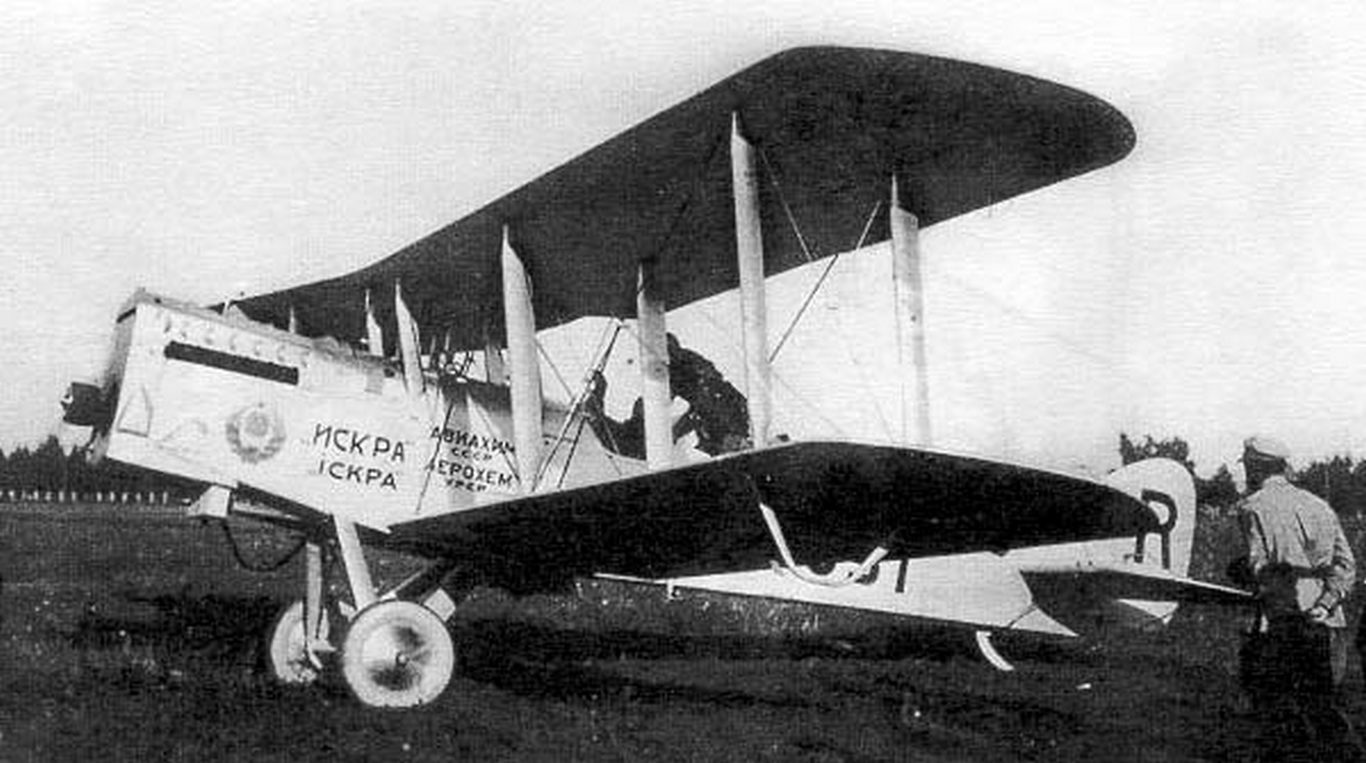
The plant continued to repair aircraft, gradually switching to Soviet models. In particular, the Kyiv workers mastered the R-1 reconnaissance aircraft and were also involved in the restoration of aircraft engines. However, production capacity remained small. For example, in 1927-28, 57 aircraft and 55 engines of various types were repaired.
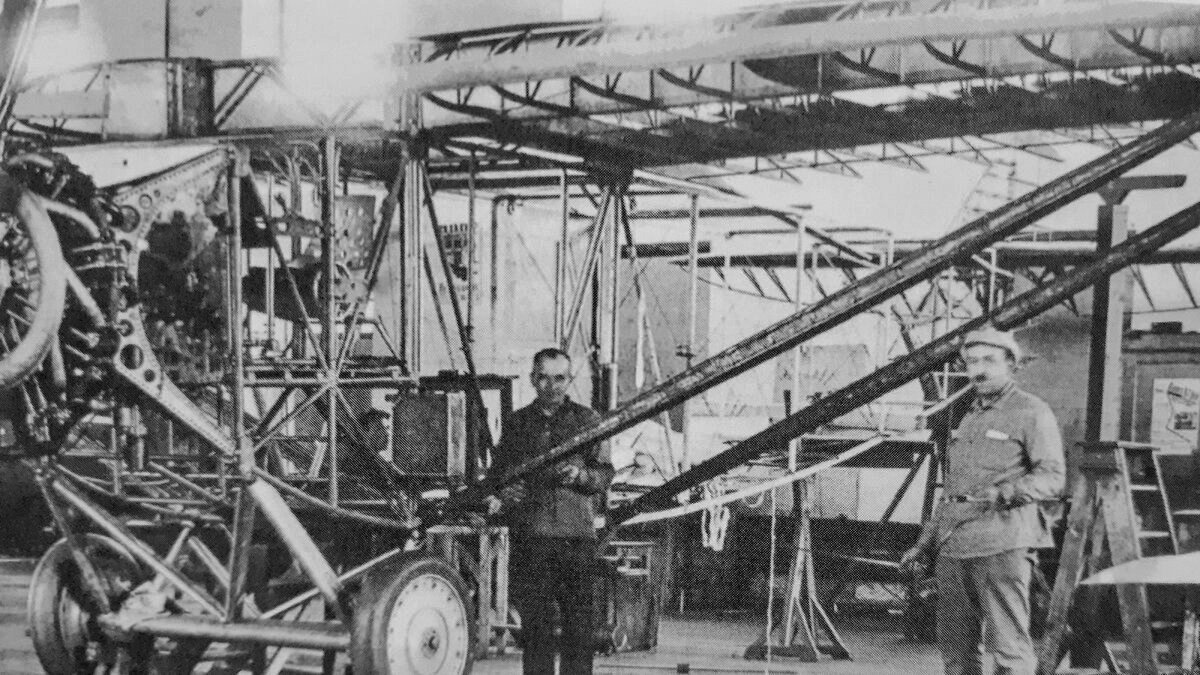
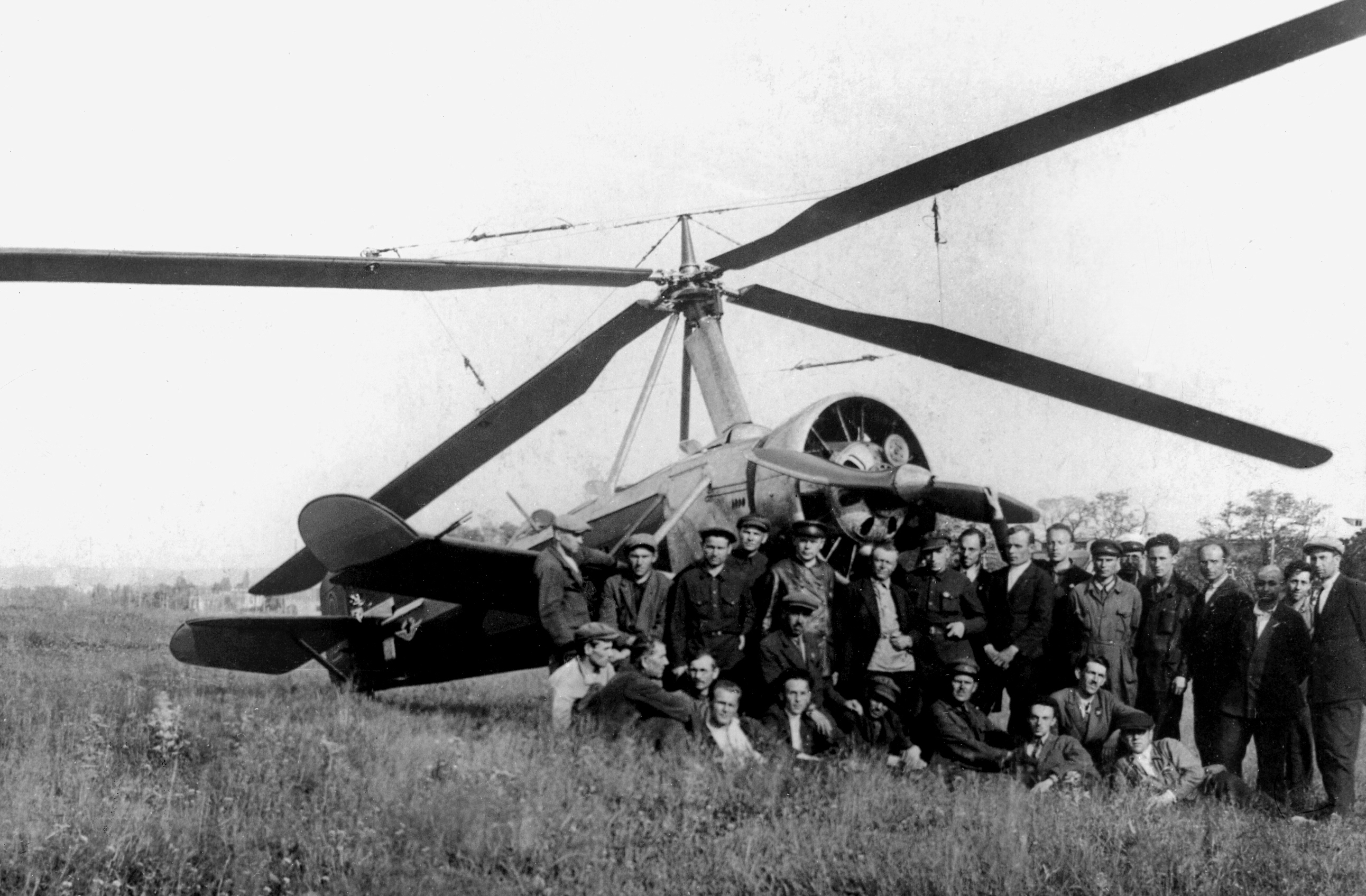
The enterprise was renamed Plant No. 43. In the early 1930s, for the first time in its history, it began serial production of aircraft. However, this was not mass production, but only a trial batch of an aircraft that was exotic for its time—the TsAGI-4 autogyro, which became the first serial helicopter in the USSR. A little over a dozen such machines were built and distributed to various aviation units. The military was very critical of them and showed no interest in further use.
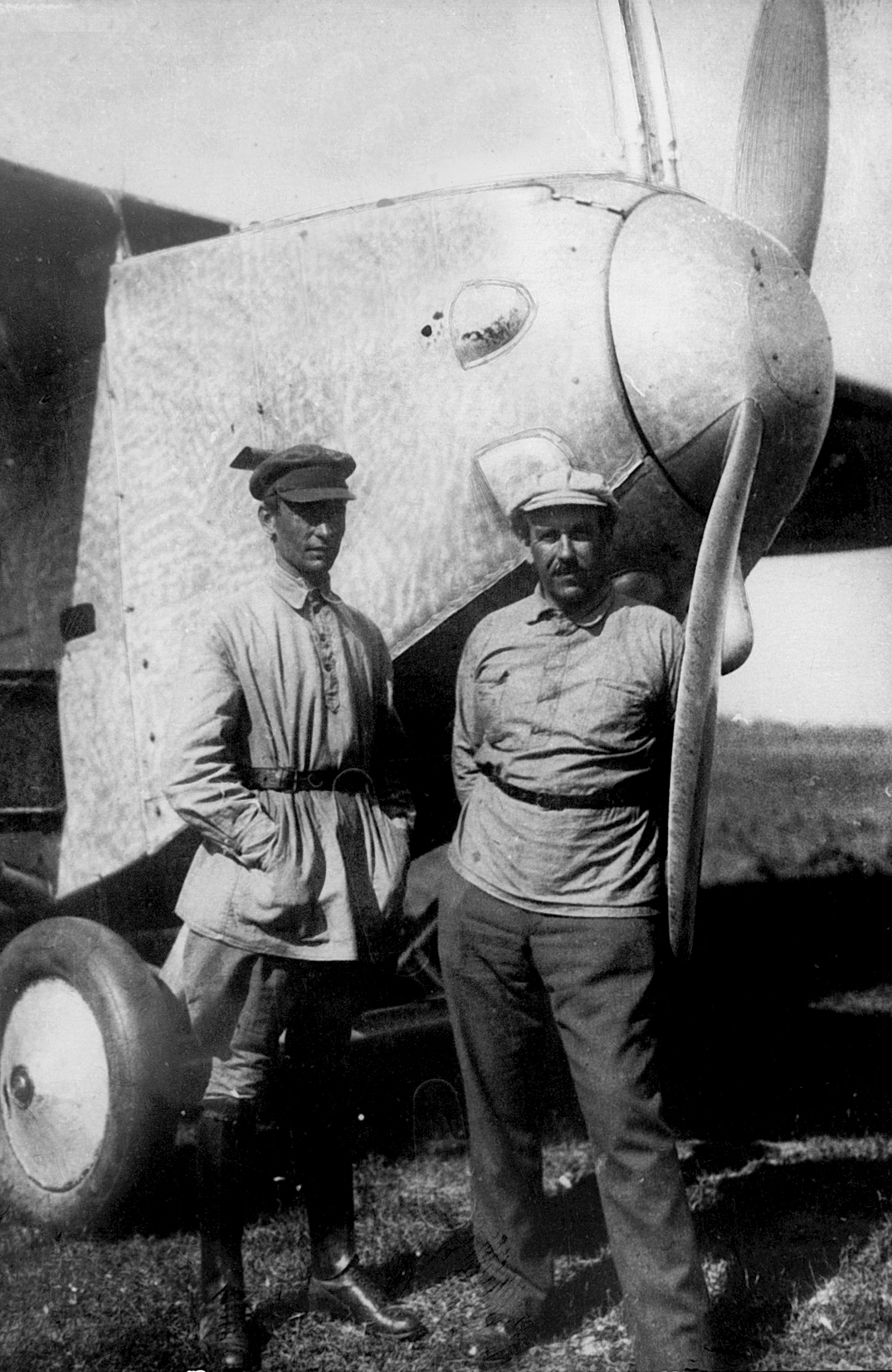
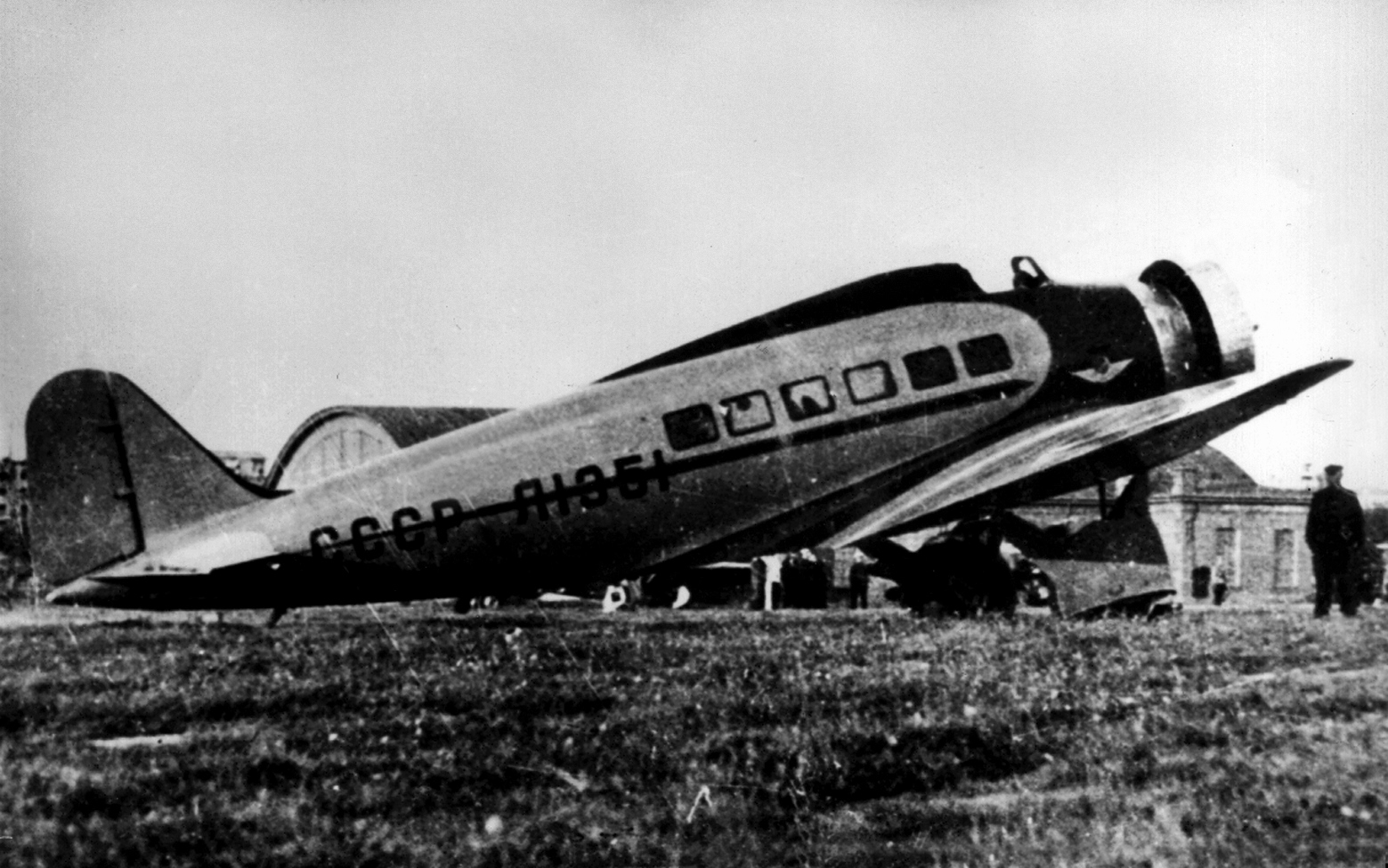
The passenger KAI-1, considered the first aircraft in Europe with retractable landing gear, could have been a milestone for the enterprise. It was created in Kharkiv under the leadership of Yosyp Neman. This all-wooden aircraft reached a speed of 319 km/h during tests, which was comparable to the performance of fighter planes at the time. However, it proved to be technologically complex for the Kyiv aircraft factory, and the quality of the serial XAI-1s was the subject of complaints for quite some time. The company made considerable efforts to rectify the situation. The newly created research and design department (which went down in history under the Russian abbreviation OKO), headed by Vsevolod Tairov, significantly improved a number of the aircraft's components. In total, 38 XAI-1 aircraft were built in Kyiv between 1934 and 1937. They were actively used for passenger and mail transport, but it would be difficult to call this aircraft mass-produced.
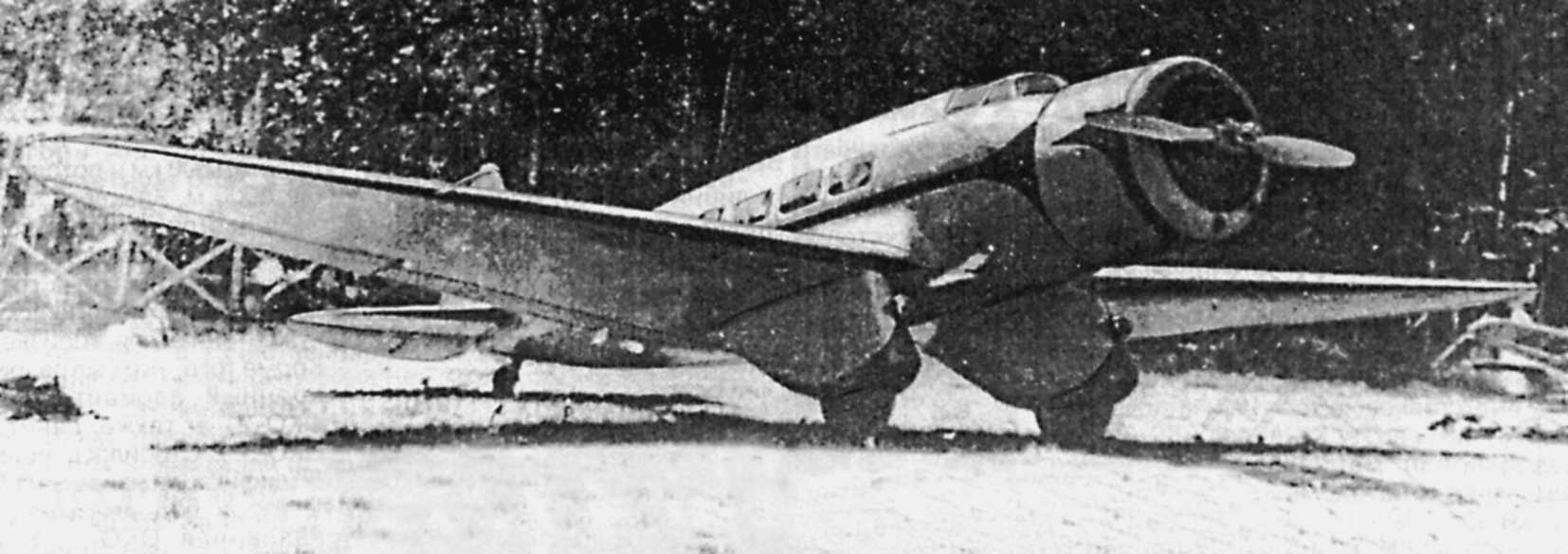
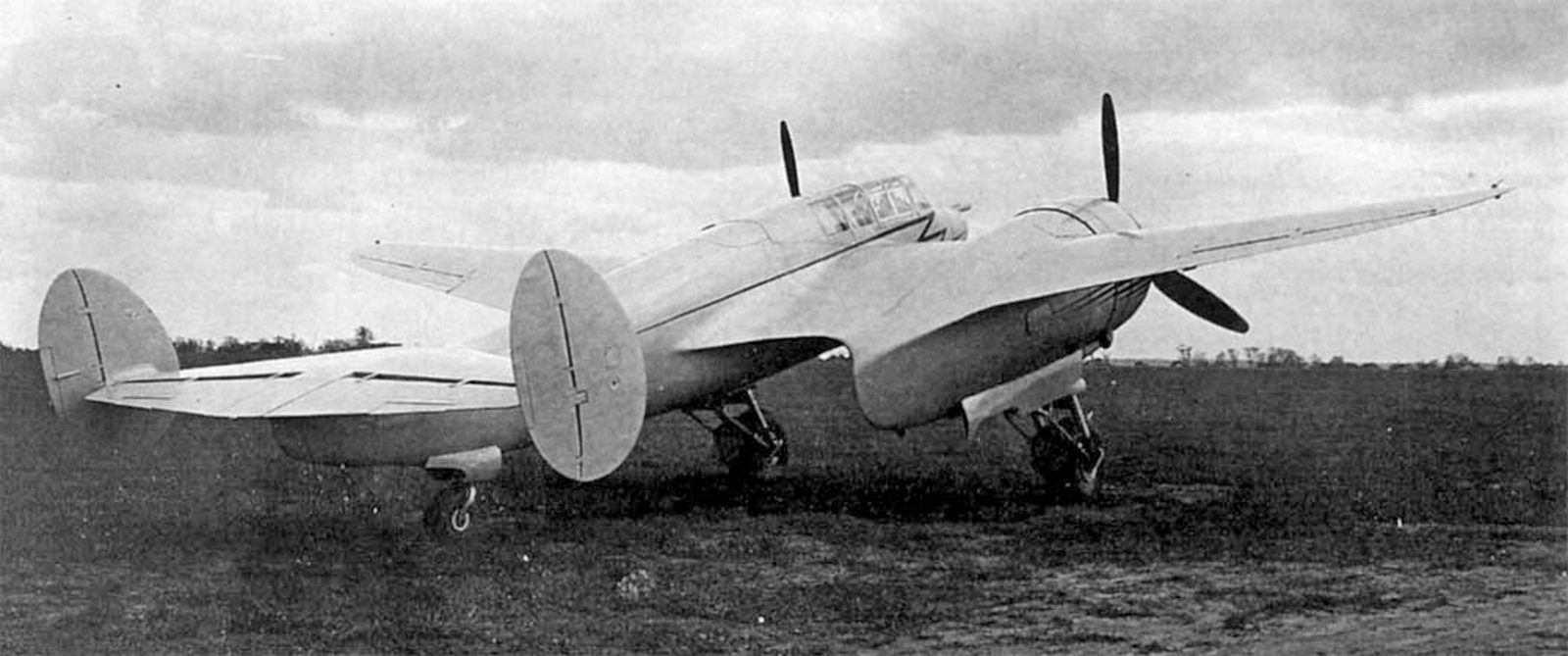
Tair's department set about creating its own aircraft. The first was the 6-seat OKO-1 passenger aircraft, which began flying in the fall of 1937. There were other projects, including a twin-engine escort fighter and an OKO-6 attack aircraft for combating armored vehicles, which reached the flight test stage. The Tairov machines were considered quite promising, but like any new technology, they required further development. This process was delayed, and none of them went into production.
For the most part, Plant No. 43 remained a repair facility. Among the aircraft that passed through its workshops were the R-5, I-5, and I-16, as well as the M-17, M-22, and M-25 aircraft engines. For example, during 1938, 207 combat aircraft and 266 engines were repaired here.
In Shulyavka, they planned to build new factory buildings and sought to expand the territory. However, this contradicted the development plans for Kyiv, and the local authorities were opposed not only to increasing the land area of the enterprise, but to any construction at the factory at all. The matter was referred to the Politburo of the Central Committee of the Communist Party of Ukraine, which decided on March 3, 1936:
"1. In accordance with the general plan for the reconstruction of Kyiv, it is deemed necessary to prohibit the construction of Plant No. 43 on the site it currently occupies.
2. To propose to the director of the plant, Mr. Isakov, together with the City Council, to find a new site for Plant No. 43 within five days."
Several options were considered. However, by the start of the German-Soviet war, the enterprise remained in its old location. Plans to launch production of the new MiG-3 fighter at Plant No. 43 were also not implemented.
There is a widespread belief that on the first day of Germany's attack on the USSR, June 22, 1941, the Luftwaffe bombed the Kyiv aircraft factory. However, in reality, this happened three days later. At 7 a.m. on June 25, German bombers attacked enterprises in Shulyavka. The aircraft factory was also hit, causing destruction and casualties among the staff.
An evacuation plan had been prepared before the war. However, Stalin categorically refused to surrender Kyiv for too long, which affected the pace of transporting the factory's property and employees to the east. Although trains began to depart at the end of July, not everyone was able to leave, and some of the equipment had to be left behind.
On September 19, the occupiers took Kyiv. Soon, announcements spread throughout the city—the new authorities ordered everyone to report to their workplaces. Abandoned to their fate, the aircraft builders had no choice but to go to the factory.
Among them was the minor Volodymyr Kabanov, who began working at the enterprise as an apprentice mechanic. According to his recollections, the Germans immediately established a very strict regime at the factory (as well as in the city). For example, being late for work could result, at best, in being sent to forced labor in Germany. Every day, hostages were designated who would be executed in the event of sabotage or subversion.
There were significantly fewer people working than before the war. They had to repair military vehicles. The Germans brought in almost no additional equipment or tools, and the production facilities destroyed by bombs were not restored. The new administration in the workshop where Volodymyr worked was represented by a single German senior foreman. The meager wages were paid in food stamps or so-called occupation Reichsmarks. Workers received irregular rations — a few loaves of very low-quality black bread, sometimes a little herring or some kind of “kombizhir.” In fact, people were doomed to starve. At the same time, they actively encouraged people to go to Germany, promising a better life there. But those who worked at the factory and had the appropriate “Ausweis” were not forcibly taken away.
As soon as the markets started operating, Kyiv residents had to take some of their belongings there in order to survive. Most often, they did not sell their belongings, but exchanged them with peasants for any food. Over time, having become accustomed to the new order, the factory workers began to quietly “moonlight” — making various simple items that could be easily sold at the market. For example, needles for cleaning stoves. In addition, there were a lot of leftover aluminum materials at the factory that the Germans were not interested in for some reason. They began to cut them into small pieces and sell them to local craftsmen who managed to organize a foundry somewhere and made various household items. It is unlikely that the occupiers did not notice such “business,” but Kabanov did not recall them punishing anyone for it. In general, the Germans gradually relaxed their regime, especially after the defeat at Stalingrad. It seemed that the worse the situation on the front, the more indifferent they became in the rear. Nevertheless, before retreating from Kyiv, the Germans eagerly looted the factory and took away everything they could.
On November 6, 1943, the Red Army drove the Nazis out of the Ukrainian capital. The restoration of the aircraft factory began quickly, in accordance with Resolution No. 4879 of the State Defense Committee dated January 3, 1944. Work was carried out simultaneously at three sites: the old site in Shulyavka, the hangars at Zhuliany airfield, and the new site in Svyatoshyn. A whole new era in the history of the enterprise began, which deserves a separate story.
Rostyslav Maraev