Fan-page
 Youtube
 TikTok
 Aviamuseum
 State Aviation Museum
Alexander Lippisch: The Unruly Engineer (In Honor of His 130th Birthday)
The German aircraft designer and aerodynamics scientist Alexander Lippisch was born on November 2, 1894, in Munich. Coming from an artistic family, he initially intended to follow his father's path. Lippisch was studying at an art academy when World War I broke out. After being mobilized, he joined the aviation sector, working in aerial reconnaissance from 1915 to 1918. After the war, he gained experience at the aircraft company Zeppelin-Werk Lindau under Claude Dornier’s supervision, about whom there’s a separate article on our website.
Lippisch was a brilliant, creative individual with a complex and fiery temperament—a bundle of nerves. His unyielding drive to pursue his own projects made teamwork difficult for him. The young designer also became captivated by the “flying wing” concept in aerodynamics, which posed significant practical challenges. Though still unclear about the difficulties he would face, he set out to chart his own course.
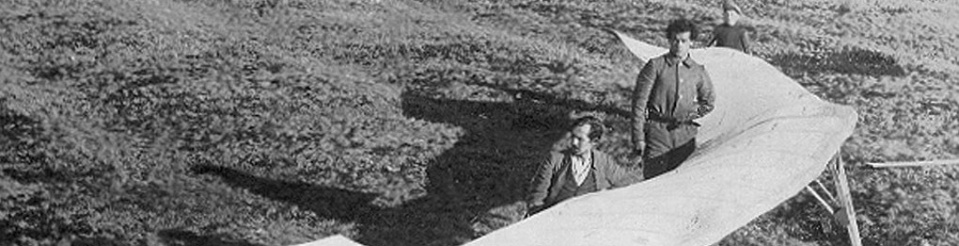
In 1921, Lippisch and his friend Gottlob Espenlaub built the E-2 glider, which came close to embodying the “flying wing” concept. However, test flights revealed serious stability and control issues. Lippisch made further attempts to create aircraft with this configuration but was mostly met with disappointment. He found greater success with tailless designs, delta-wing configurations, and “conventional” gliders.
Lippisch quickly became respected among designers of motorless aircraft. This recognition enabled him to become the director of the Rhön-Rossitten Gesellschaft glider company in 1925. The “conventional” gliders produced there performed well, but the tailless Storch series struggled, failing to attract interest from either state institutions or private industry.
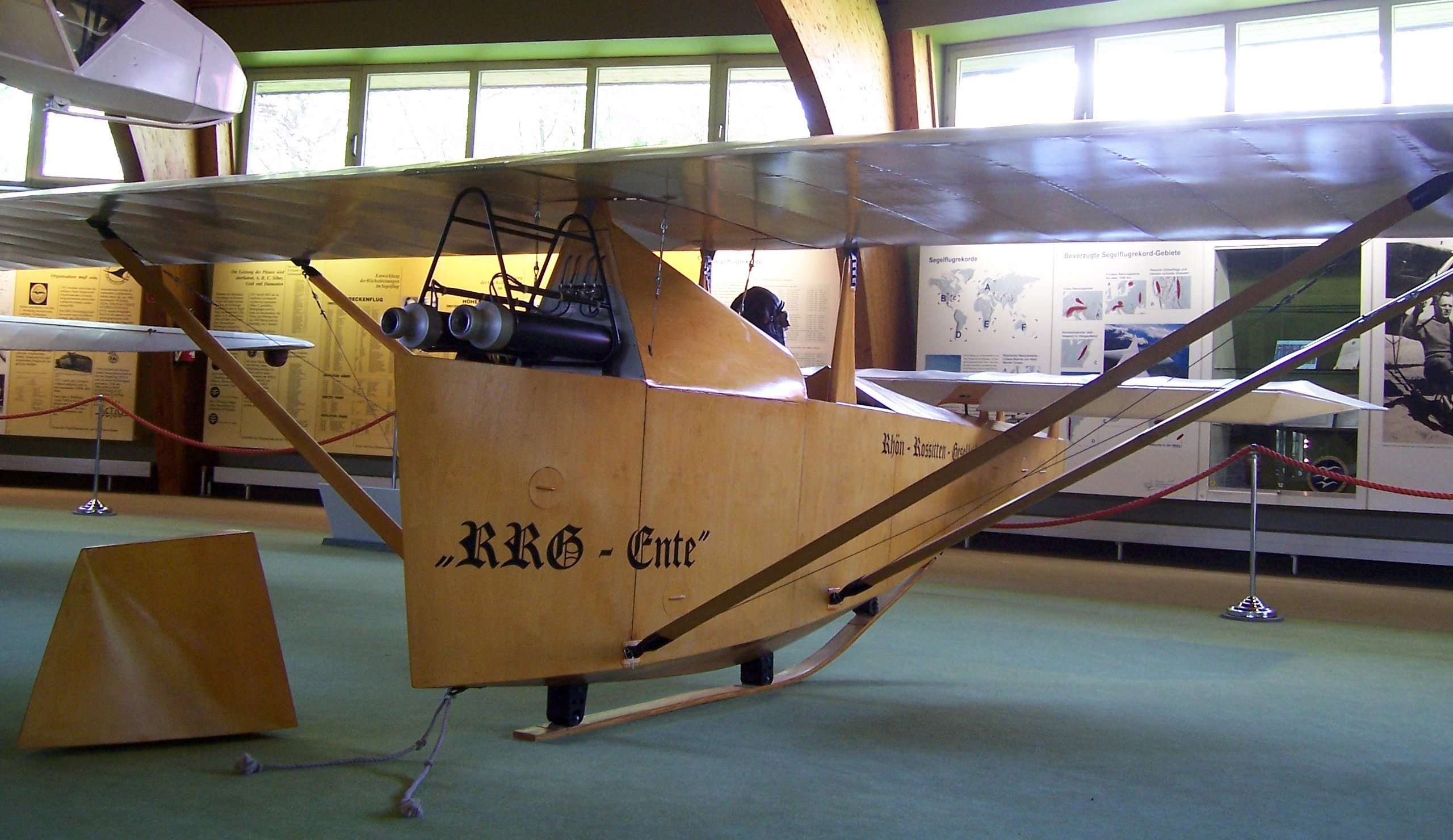
However, Lippisch made aviation history by creating the first rocket-powered aircraft during this period. In 1928, his “duck” configuration glider, Ente, attracted the attention of Opel-RAK program leaders Fritz von Opel and Max Valier. They equipped Ente with two solid-fuel engines to be fired sequentially. The first flight was successful, but during the second flight, both “rockets” were ignited at once for greater acceleration. One of them exploded, completely destroying the glider, with test pilot Fritz Stamer narrowly escaping with his life.
From 1931 to 1939, Lippisch developed a series of tailless aircraft with delta and swept wings. Despite facing continuous stability and control challenges, he achieved his best result with the Delta IV (DFS 39), which performed relatively well in flight but also experienced a major crash.
During this period, Lippisch faced personal challenges. His wife Katharina, with whom he had two sons, passed away in 1938. A year later, he married Gertrud Knoblauch, and the couple had two daughters, building a happy family life together.
The experience Lippisch gained with the Delta series proved invaluable during World War II. He contributed to the development of the Messerschmitt Me 163 Komet, the first-ever rocket-powered interceptor, which was produced in series and deployed against Allied bombers from 1944 onward.
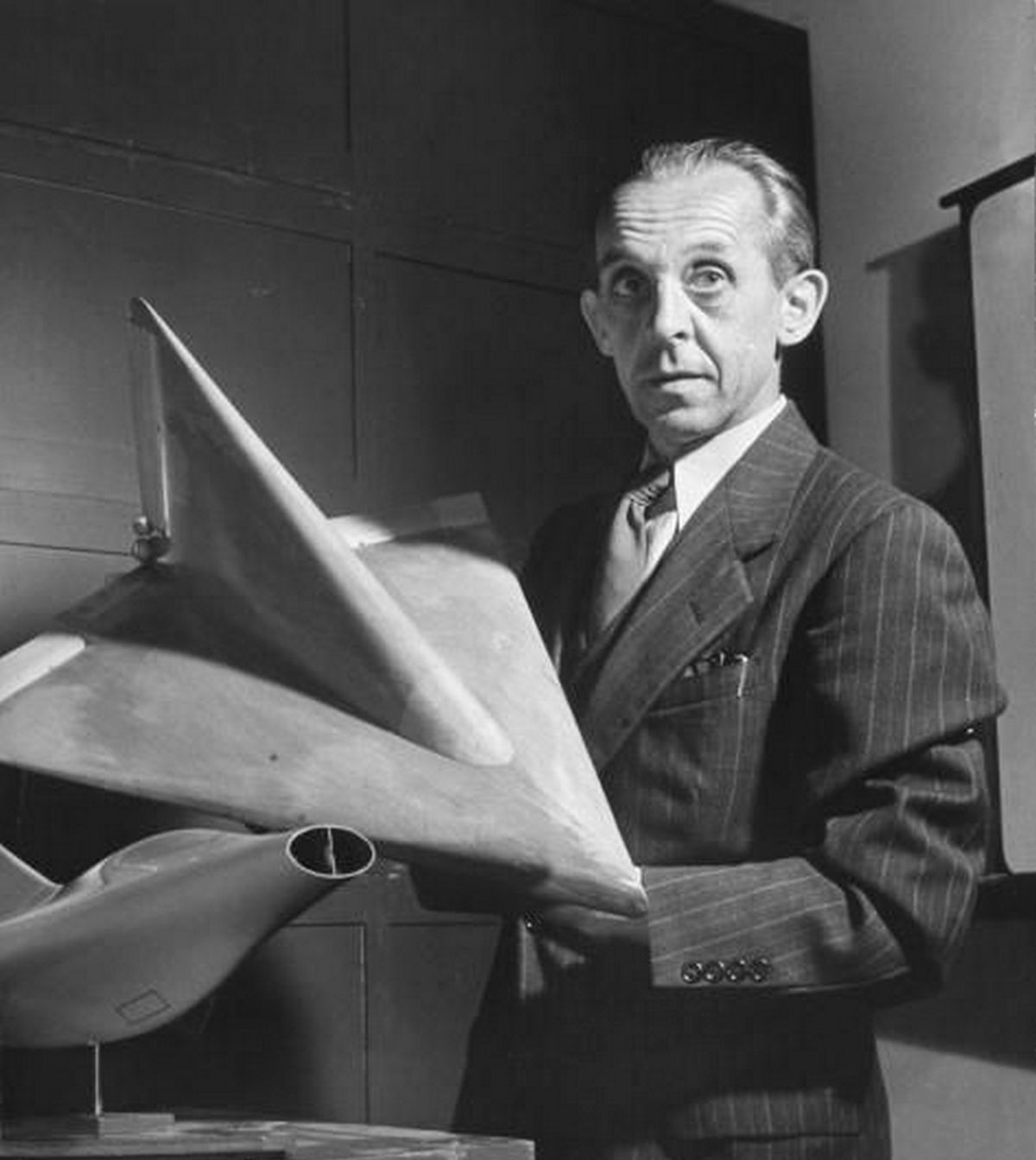
Even during the war, Lippisch remained unruly and clashed with Willy Messerschmitt. In 1943, he transferred to the Vienna Institute for Aviation Research, where he formed his own design group. That same year, he earned a PhD in engineering from Heidelberg University. Until the end of the war, Lippisch worked on high-speed flight, including the P.13a supersonic fighter with a delta wing, which reached only the test glider prototype stage, the DM-1.
Following Germany’s defeat, Lippisch, like many other scientists, was deported to the United States. There, his work was taken seriously, especially in the White Sands Missile Range. Convair eventually developed delta-winged supersonic interceptors, though Lippisch’s direct role in these projects remains a topic of debate. Through scientific publications and the intelligence-gathering efforts of various countries, Lippisch became globally renowned, with his contributions impacting the development of aviation.
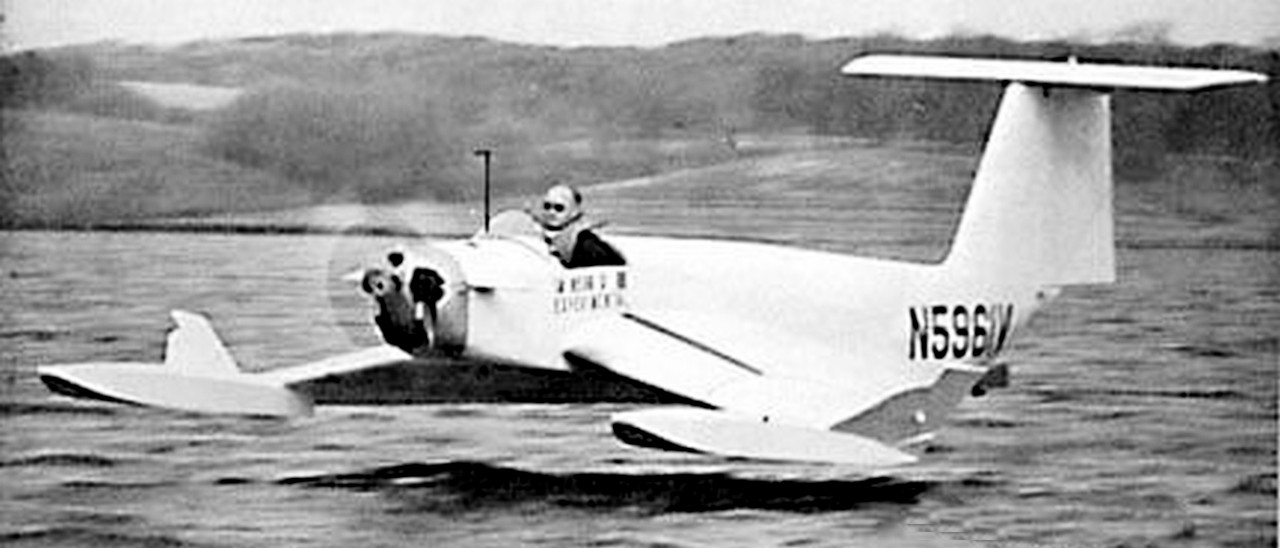
When Lippisch joined the aviation division of Collins, he became fascinated with ground-effect vehicles. He created the X-112, a research vehicle, but a cancer diagnosis forced him to leave Collins before completing the project. Fortunately, his treatment was successful, and he recovered.
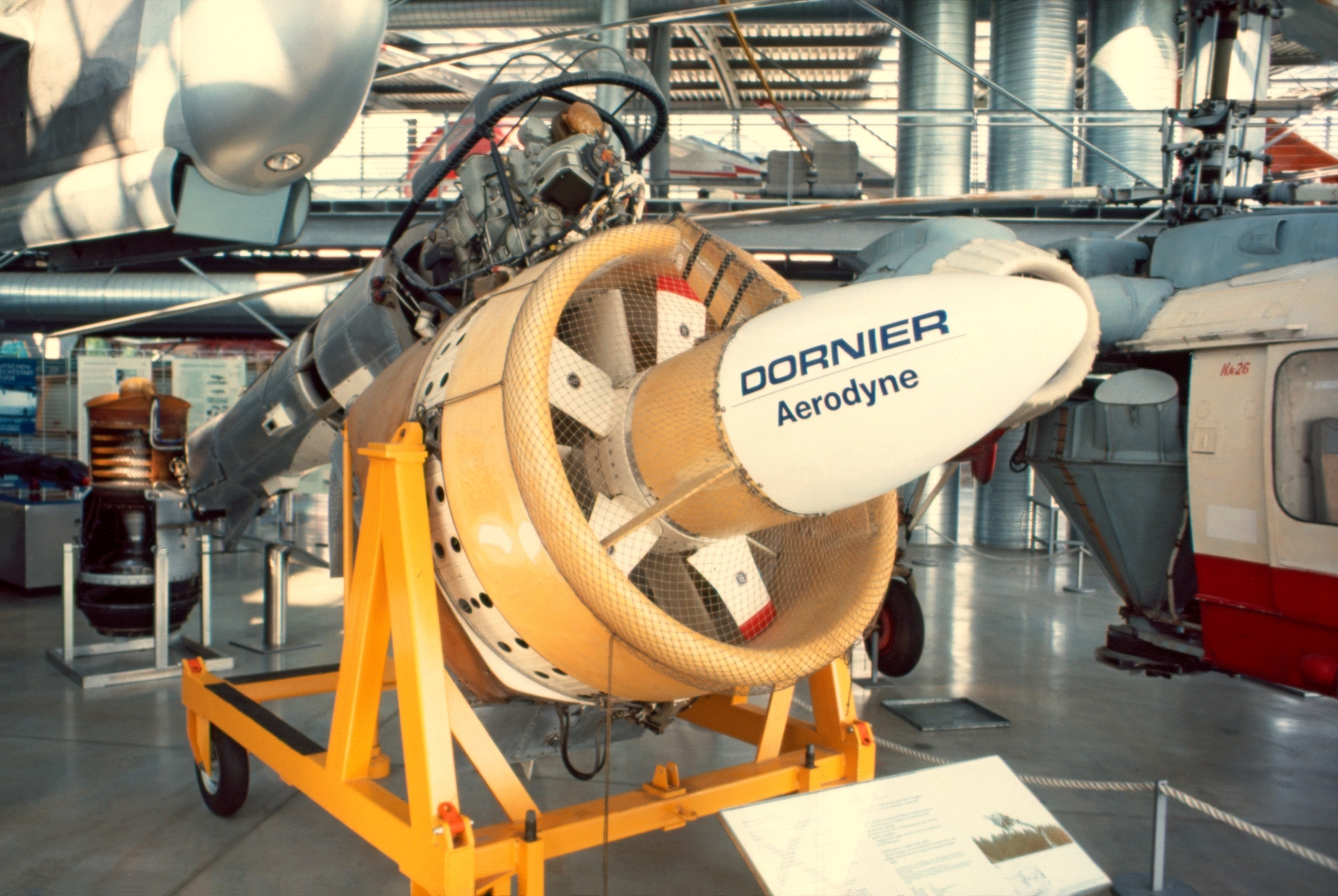
In 1966, Lippisch founded the Lippisch Research Corporation. He returned to Germany, where he secured government funding and private contracts. He continued working on ground-effect vehicles and invented a vertical takeoff and landing apparatus called the “Aerodyne.” He collaborated with Dornier, which, in 1972, developed an Aerodyne E1 unmanned reconnaissance drone for the West German Defense Ministry. Although tests were successful, the military ultimately favored helicopters over this technology.
In his later years, Lippisch mostly lived in the United States. He passed away on February 11, 1976, in Cedar Rapids, Iowa, and was laid to rest in his homeland at the Nonnenhorn Cemetery near Lake Constance.
Rostyslav Maraiev
Photos
1- Alexander Lippisch and Gottlob Espenlaub (left to right) by the E-2 glider prototype, 1921.
2 - Lippisch (left) by the Storch V prototype.
3 - Model of the rocket glider Ente from the German Gliding Museum collection.
4 - Lippisch with models of the supersonic aircraft P.13a and the DM-1 glider.
5 - X-112 experimental ground-effect vehicle.
6 - Aerodyne E1 unmanned reconnaissance drone.