Fan-page
 Youtube
 TikTok
 Aviamuseum
 State Aviation Museum
Fifty Years of the Super-Étendard: The Combat Legacy of a French Fighter-Bomber
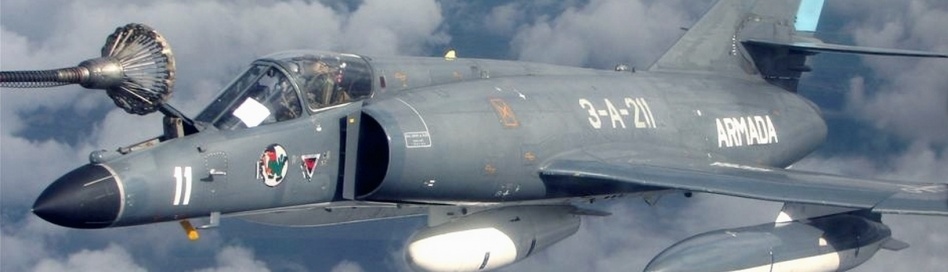
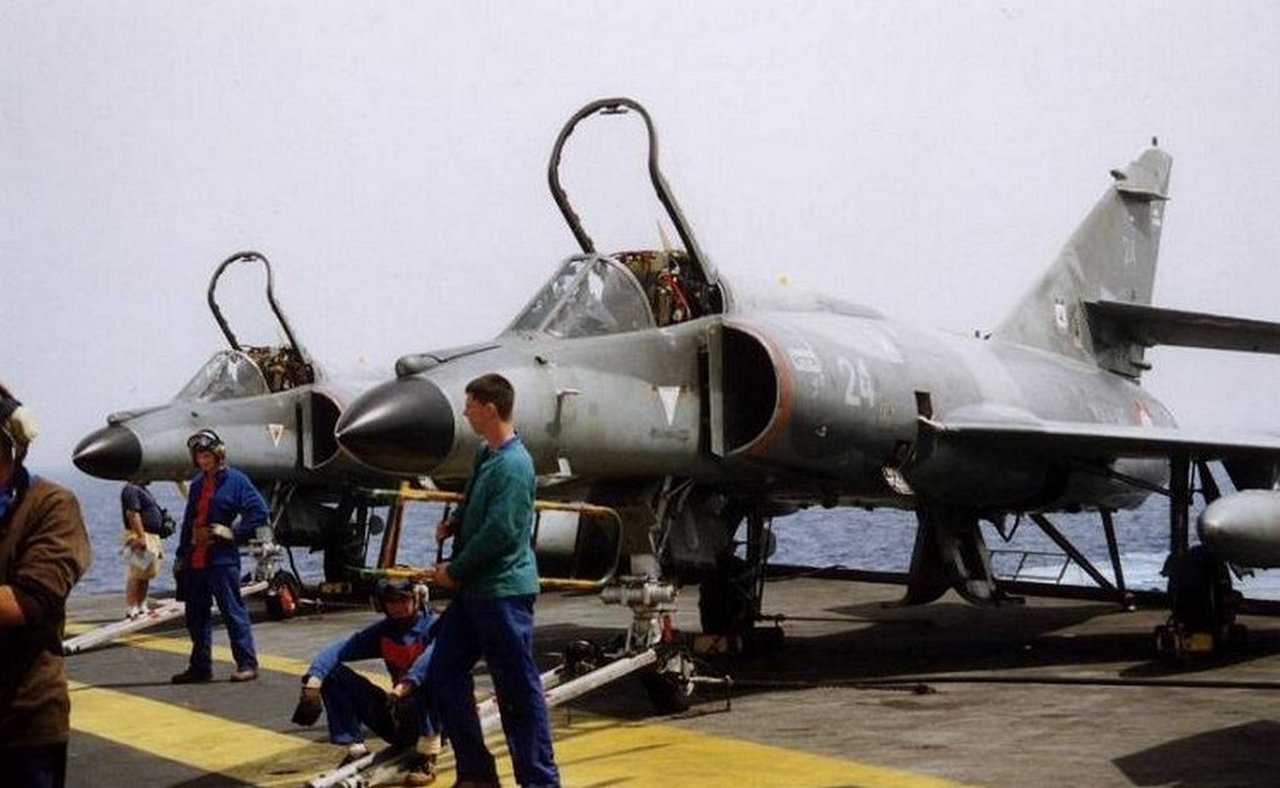
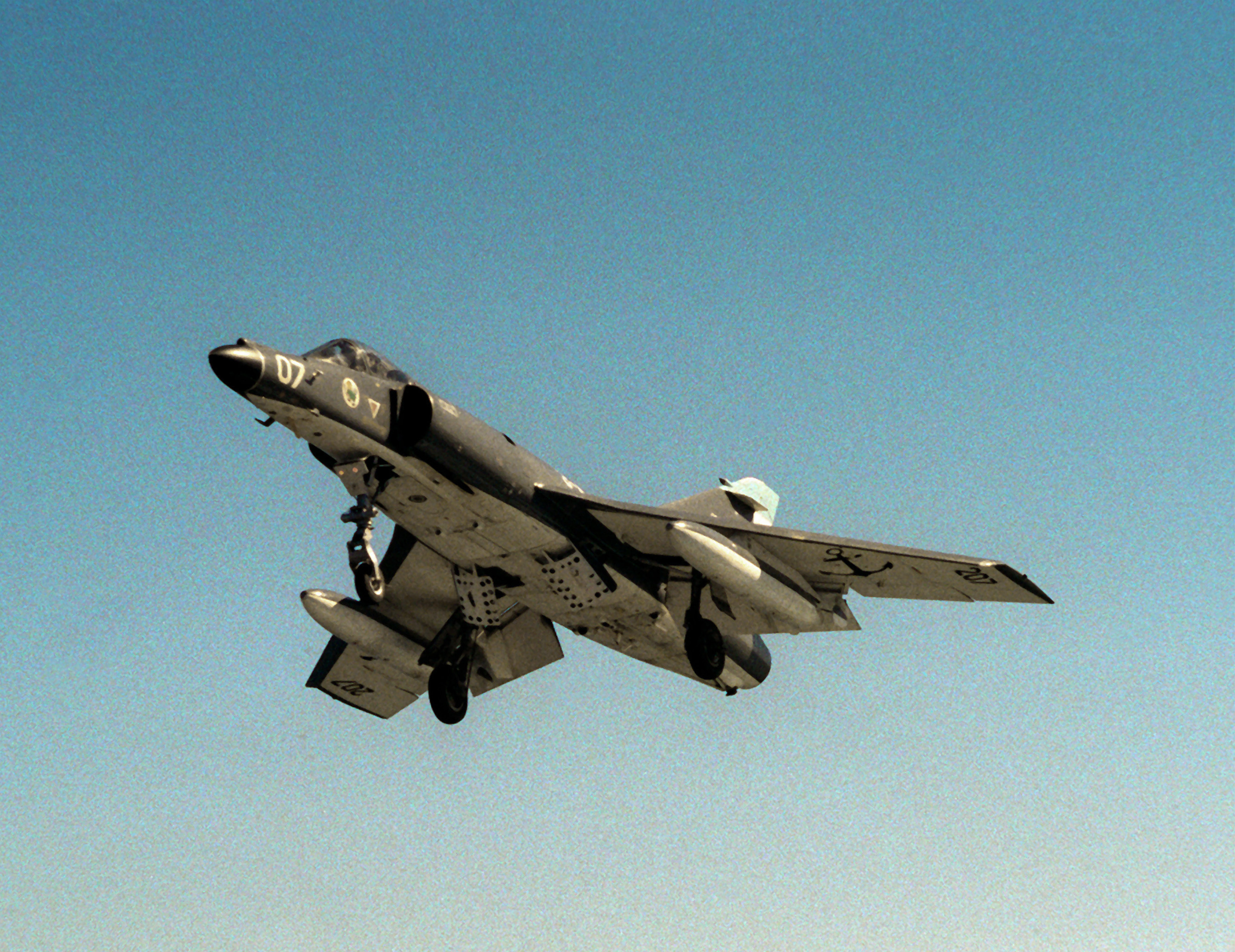
October 28 marks the 50th anniversary of the French carrier-based fighter-bomber, the Super-Étendard, developed by Dassault. On this day in 1974, its first prototype took to the skies. This single-seat aircraft was designed as a successor to the earlier Étendard IV, which first flew in 1958. The new fighter-bomber received significantly enhanced avionics, along with a different engine and wing design, resulting in improved flight characteristics and expanded combat capabilities through the integration of precision-guided munitions.
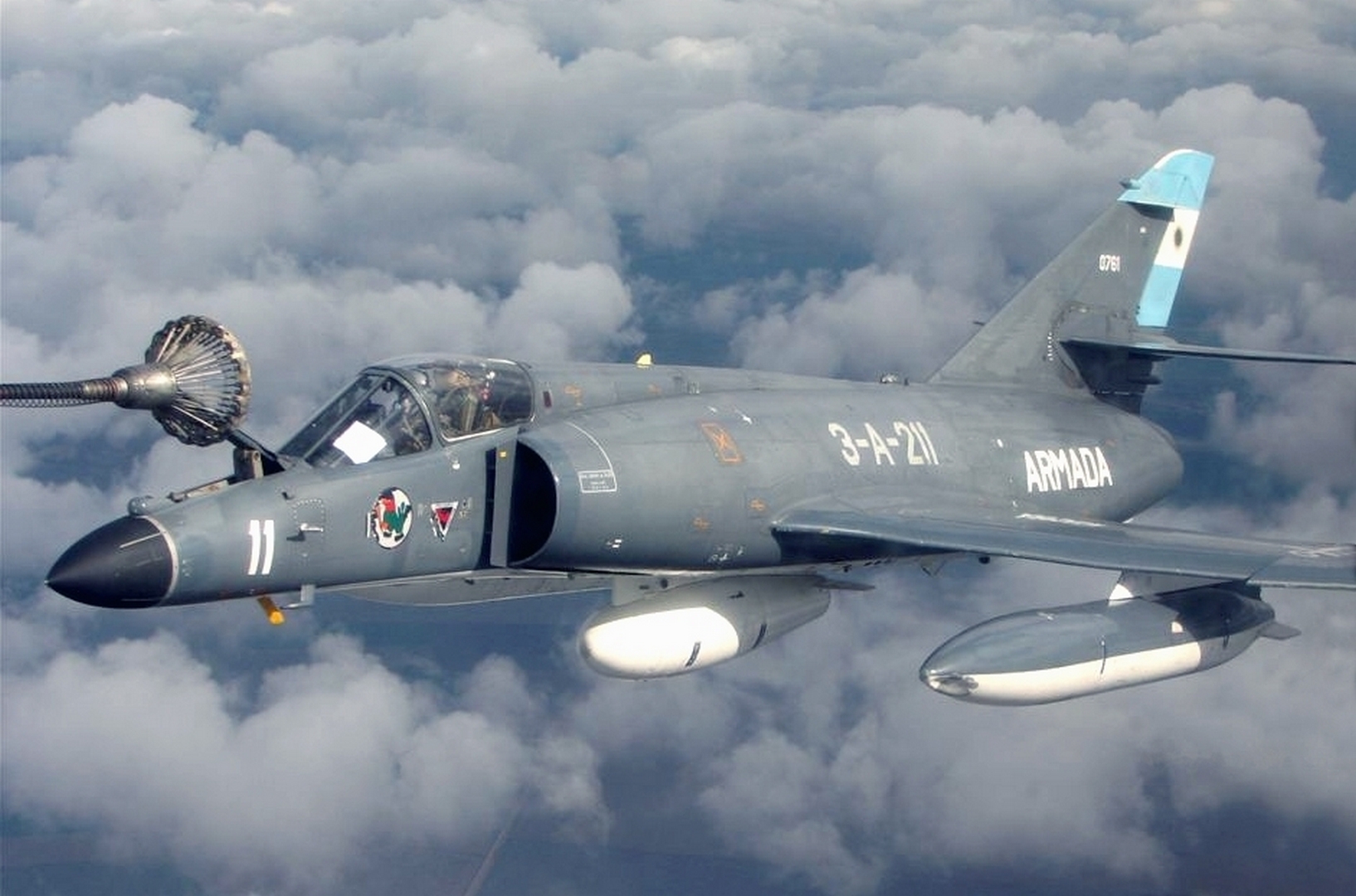
The Super-Étendard was powered by a single SNECMA Atar 8K-50 turbojet engine with a thrust of nearly 5,000 kgf. The aircraft measured 14.3 meters in length, with a wingspan of 9.6 meters, a maximum takeoff weight of 12 tons, a top speed of 1,380 km/h, and a ferry range of 2,100 km. Aerial refueling capability was also included. Armaments consisted of two 30 mm cannons with a total ammunition supply of 250 rounds. Its five external hardpoints allowed for up to 2,100 kg of weaponry, including the AM-39 Exocet anti-ship missile, Matra R550 Magic II air-to-air missiles, guided and unguided bombs, and rockets. The Super-Étendard could also carry nuclear payloads.
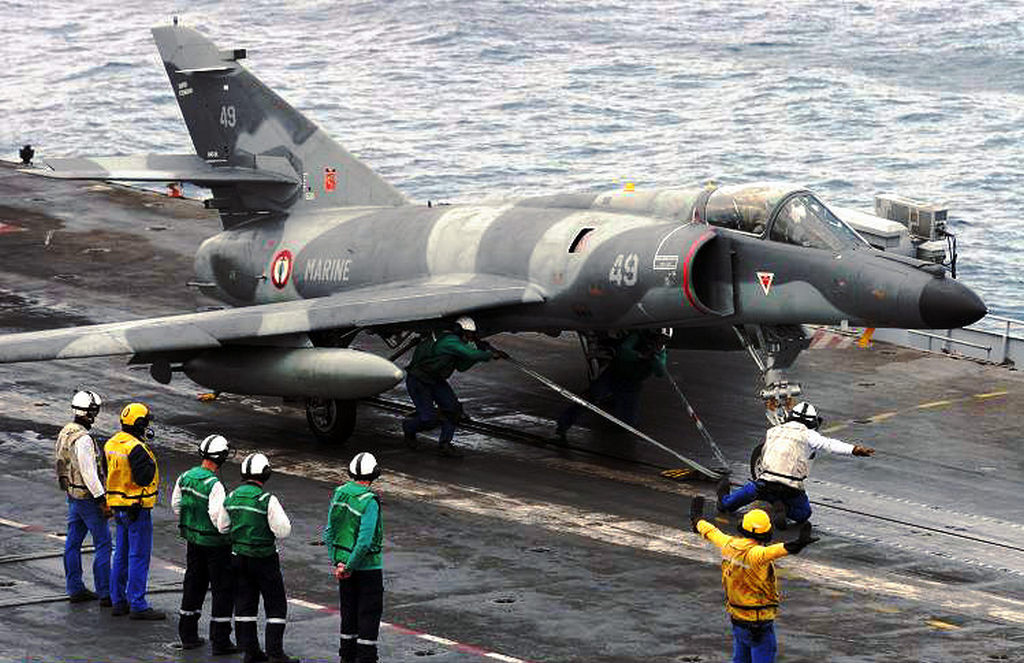
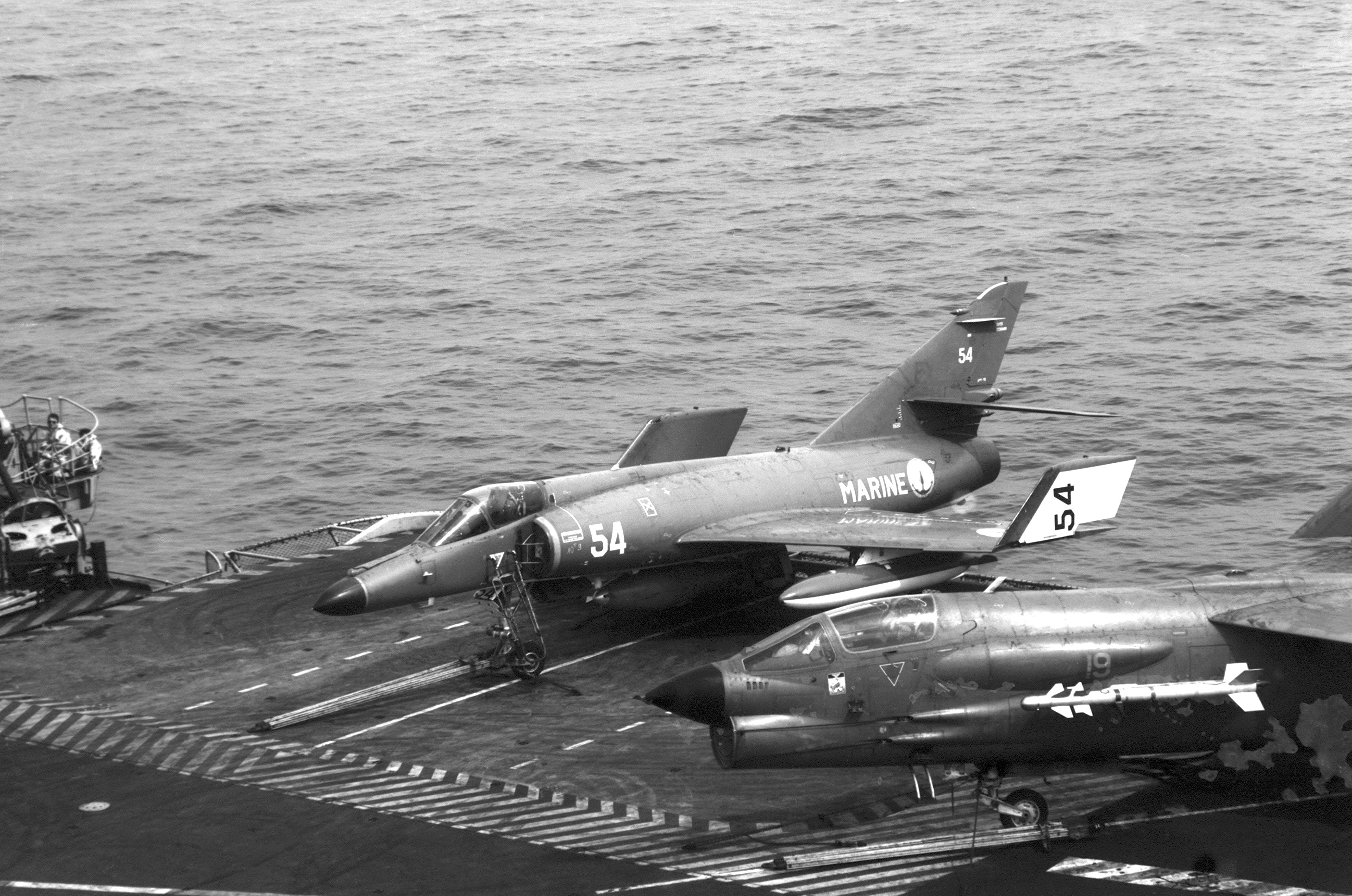
In total, 85 Super-Étendards were built, with the French Navy acquiring 71 and Argentina purchasing 14. Additionally, Iraq leased five aircraft. French Super-Étendards were primarily intended for operation from the carriers Clemenceau and Foch, later also the Charles de Gaulle. They participated in several campaigns, such as NATO operations in Yugoslavia in 1999 and against ISIS in 2015, carrying out sorties from both carriers and land bases, exclusively targeting ground objectives and without notable achievements.
In contrast, the Argentine Super-Étendards made history for their effectiveness against naval targets. In May 1982, four aircraft executed highly successful missions against the British fleet during the South Atlantic conflict. Using Exocet missiles, they sank the modern destroyer Sheffield and the requisitioned container ship Atlantic Conveyor, which had been adapted as an auxiliary carrier.
In France, the Super-Étendard served until 2016, and in Argentina until 2023. There was a proposal to transfer five decommissioned Argentine aircraft to Ukraine following their repair and modernization in France; however, the project was abandoned due to the aircraft's evident obsolescence.
_underway_1981_1730098151_1.jpg)