Fan-page
 Youtube
 TikTok
 Aviamuseum
 State Aviation Museum
50 Years of the British Hawk Aircraft: A Story of Success

On August 21st, the British training aircraft Hawk turned 50 years old. On that day in 1974, the first prototype took off from Dunsfold Aerodrome in Surrey, South East England. The aircraft was developed by Hawker Siddeley Aviation, which became part of the national consortium British Aerospace (BAe, later BAE Systems) in 1977.
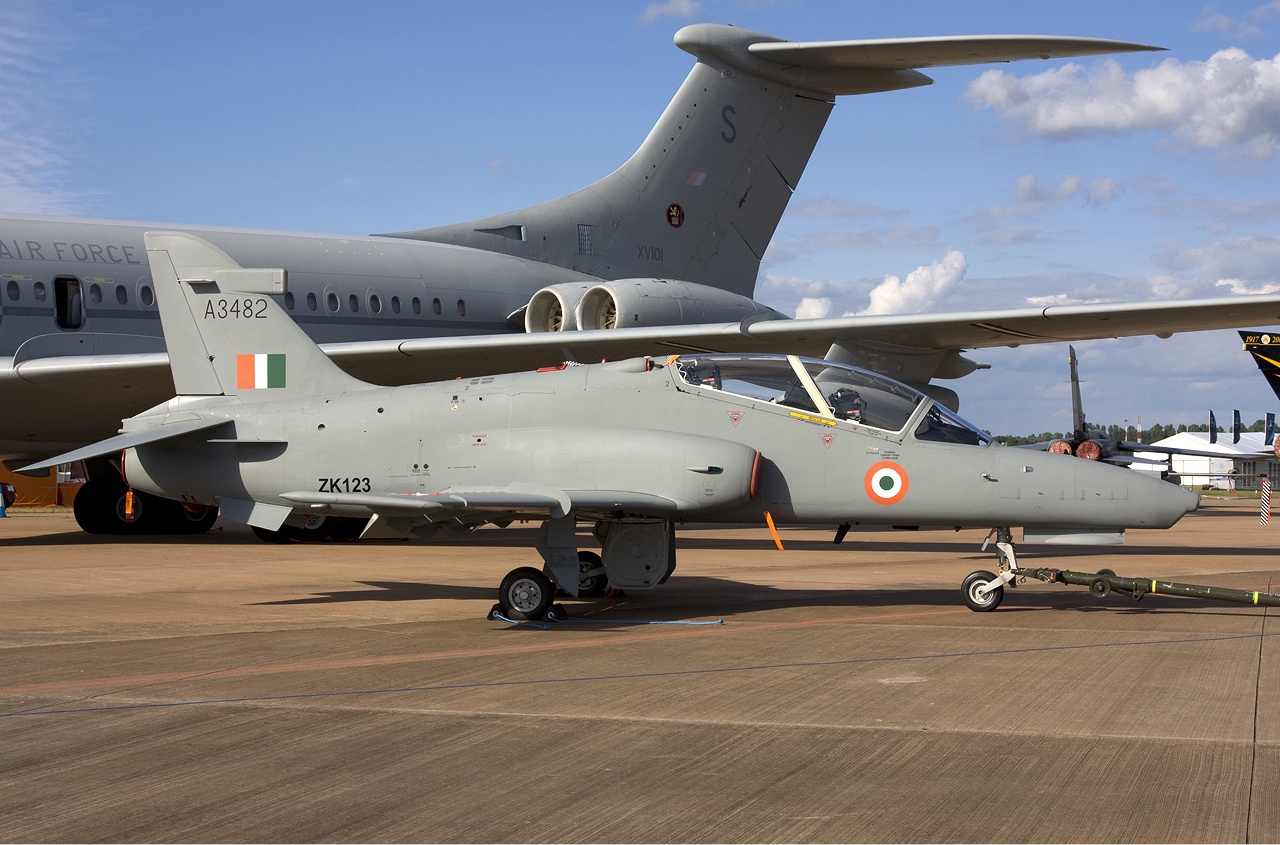
The Hawk was designed without unnecessary frills and entered serial production the following year. It became the basis for an entire family of aircraft. Among them are the light combat aircraft Hawk 200, as well as the T-45 Goshawk, a training aircraft for the U.S. Navy, which was a joint development between BAe and the American company McDonnell Douglas. Additionally, the Indian corporation HAL established licensed production of a specially adapted version of the Hawk. The total number of aircraft in this family has long exceeded 1,000 units, and production continues.
In total, over 40 variants of the Hawk are known. The latest generation includes the Hawk 128 (or Hawk T2) advanced trainer with digital avionics, which first flew on July 27, 2005. It is powered by a Rolls-Royce Turbomeca Adour Mk. 951 twin-spool turbofan engine with a thrust of 2960 kgf. The aircraft has a length of 12.43 meters, a wingspan of 9.94 meters, a maximum takeoff weight of 9,100 kg, a top speed of 1,028 km/h, and a range of up to 2,520 km with additional fuel tanks. It can carry over 3,000 kg of weapons on five external hardpoints, including an ADEN 30mm cannon, ASRAAM air-to-air missiles, and Umbani precision-guided bombs.
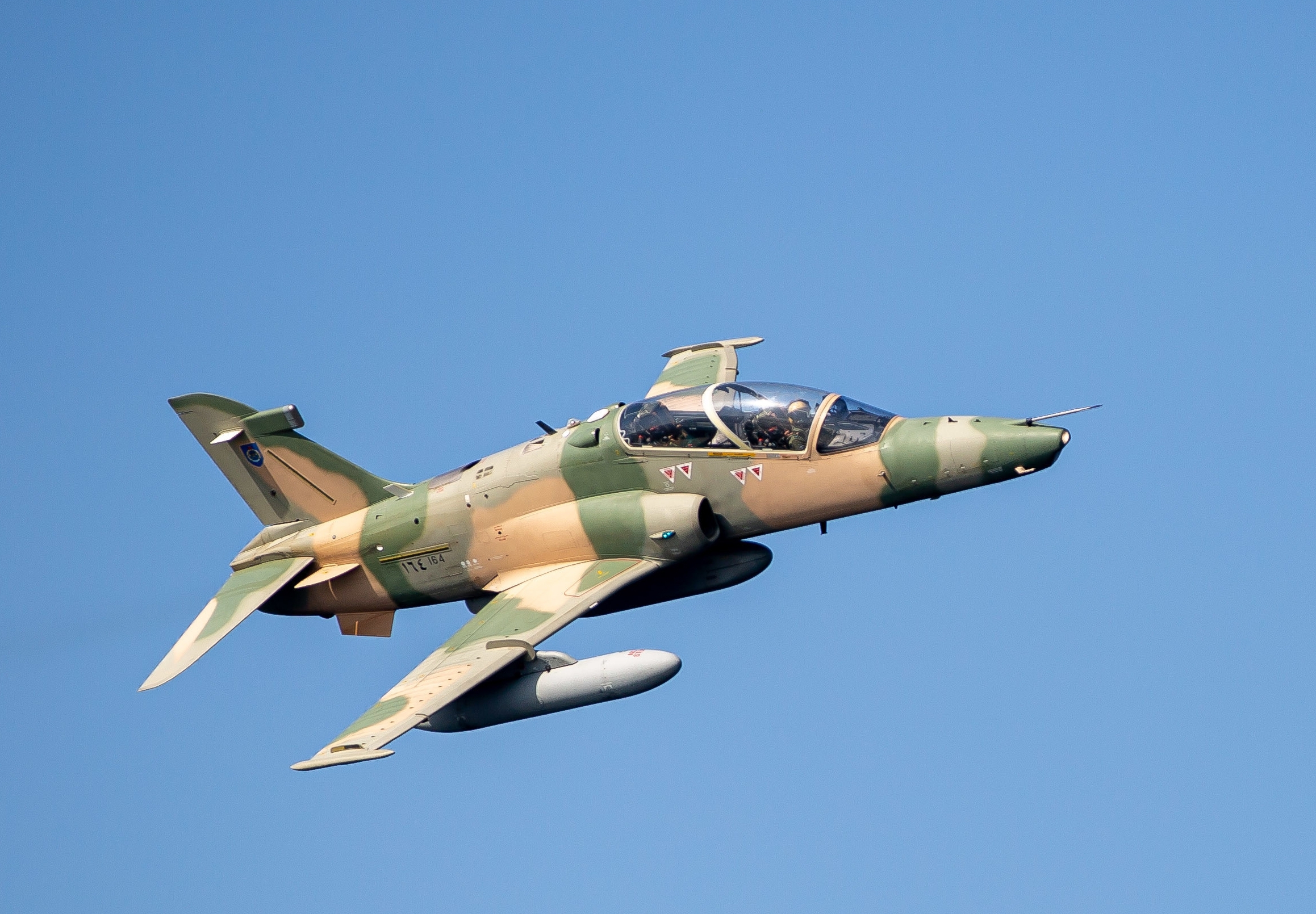
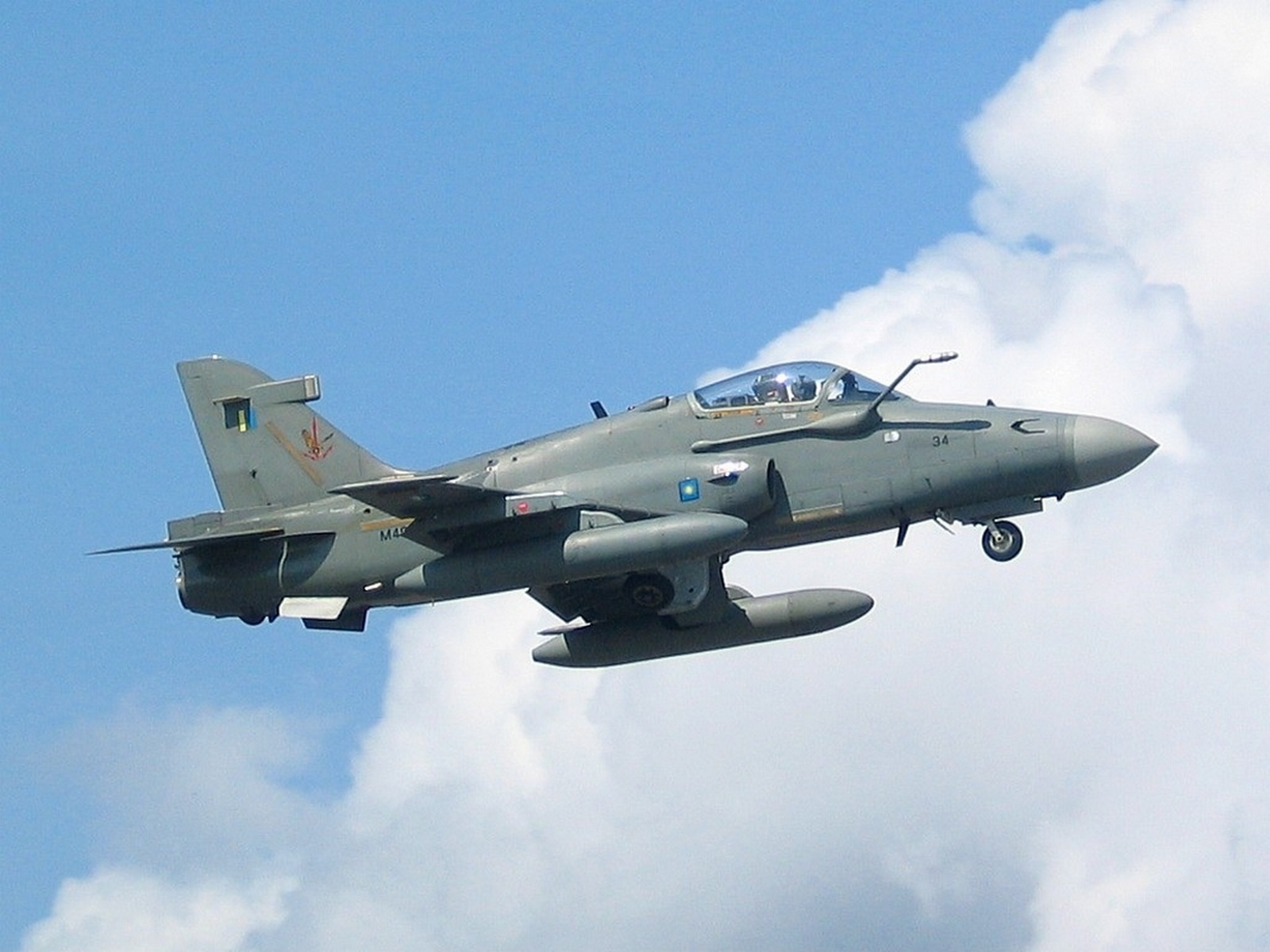
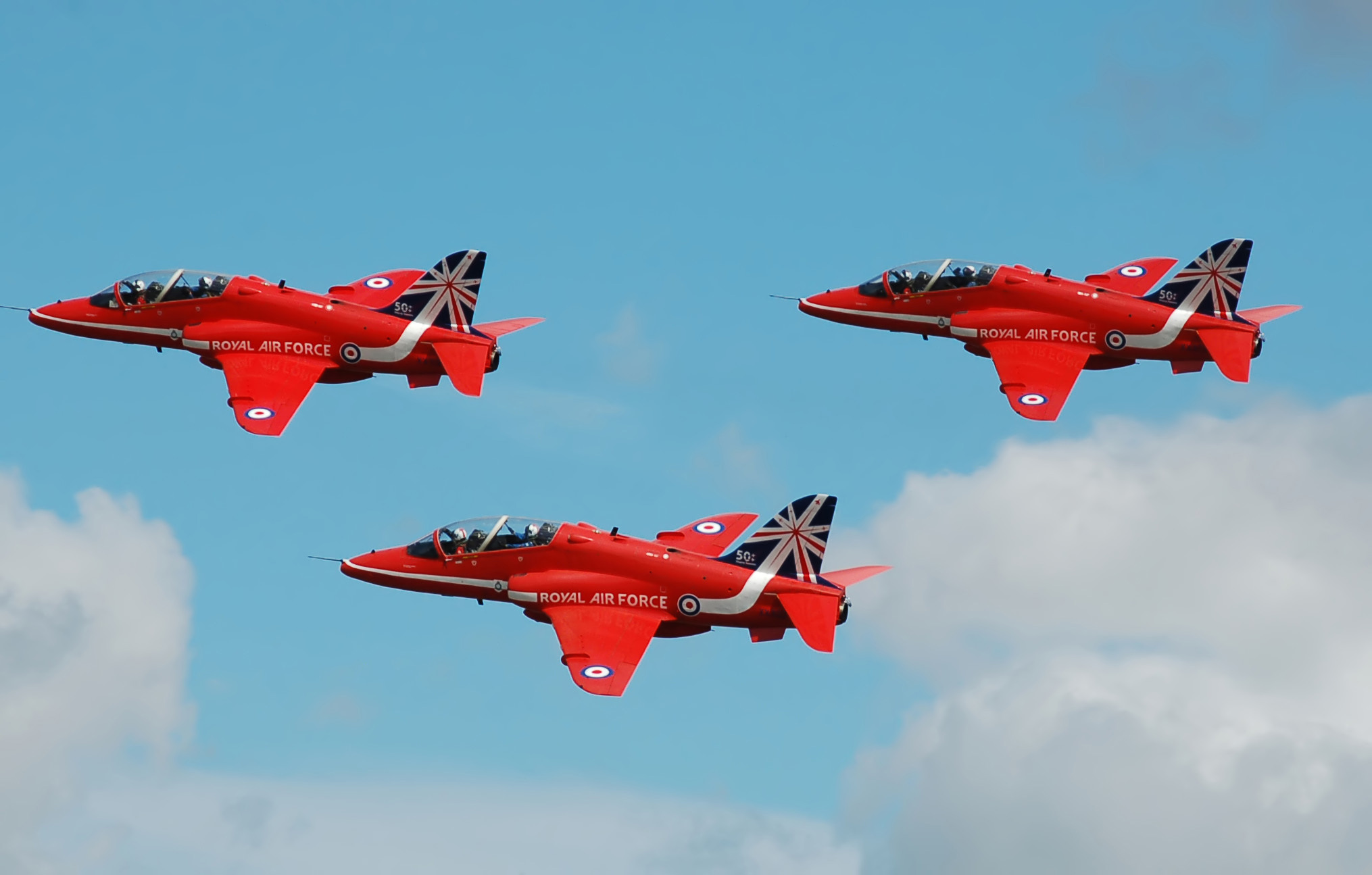
In addition to the previously mentioned countries, various Hawk variants have been purchased by 17 other nations, including Australia, Indonesia, Canada, Malaysia, Zimbabwe, Oman, Finland, and Switzerland. The growing popularity of the Hawk was greatly supported by the exceptional skill of the pilots in the Royal Air Force's Red Arrows aerobatic team, who performed worldwide. In 1990, they could even be seen in the skies over Kyiv.
Simple to pilot and maintain, reliable and easygoing, the Hawk has enabled thousands of pilots to learn the profession. Combat-capable versions of the aircraft have been used in several local conflicts, including the Malaysian Security Forces' operation against local militants in Lahad Datu District and the so-called Second Congo War, where Zimbabwean Hawks played a notable role.
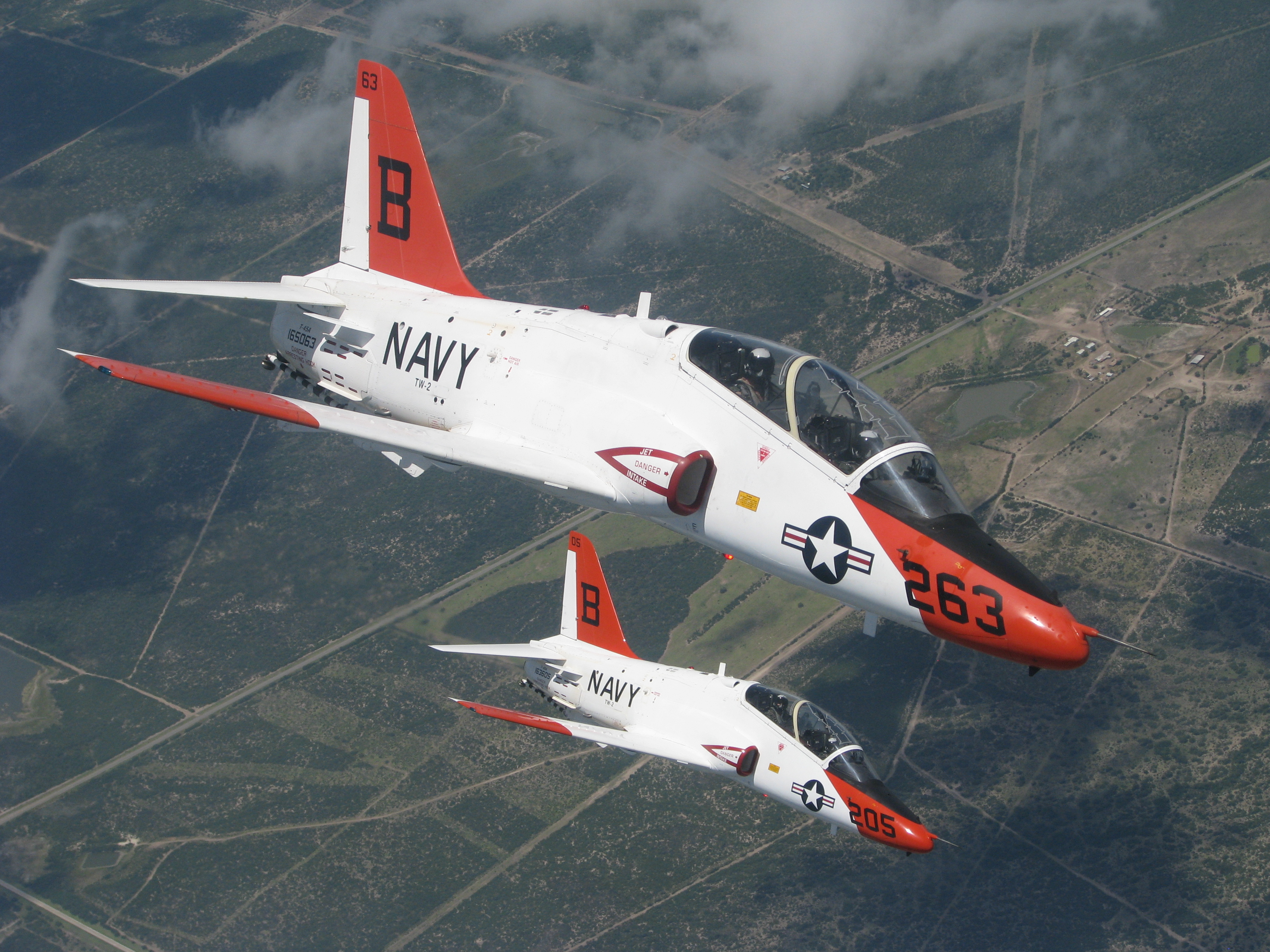
_1724228140_1.jpg)