Fan-page
 Youtube
 TikTok
 Aviamuseum
 State Aviation Museum
Embraer: 55 Years of Brazilian Success

On August 19, 1969, the Brazilian government announced the creation of the aircraft manufacturing company Embraer SA. Embraer is a Portuguese acronym for Empresa Brasileira de Aeronáutica (literally: Brazilian Aeronautics Company). Today, its headquarters and main production base are located in the city of São José dos Campos, São Paulo State.
After World War II, Brazil began to place increased emphasis on the development of aviation at the state level. Notably, the well-known German engineer Henrich Focke was invited to work, despite his tarnished reputation due to his work under the Nazi regime. Focke arrived with a group of his colleagues and focused on developing vertical takeoff and landing aircraft. After designing several experimental machines, Focke returned to his homeland, but left behind a unique design school. The experience gained allowed local experts to create their own aircraft under the Embraer umbrella. Brazilians also continued the practice of inviting foreign specialists.
The first aircraft under the Embraer brand was the multipurpose EMB 110 Bandeirante, powered by two turboprop engines, which first flew in 1968, even before the official announcement of the company's creation. An important step in its early development was the licensed production of the Italian jet trainer Aermacchi MB-326, which was locally named the AT-26 Xavante. In the mid-1970s, Brazilians established a partnership with the American company Piper Aircraft and began licensed production of several types of general-purpose aircraft.
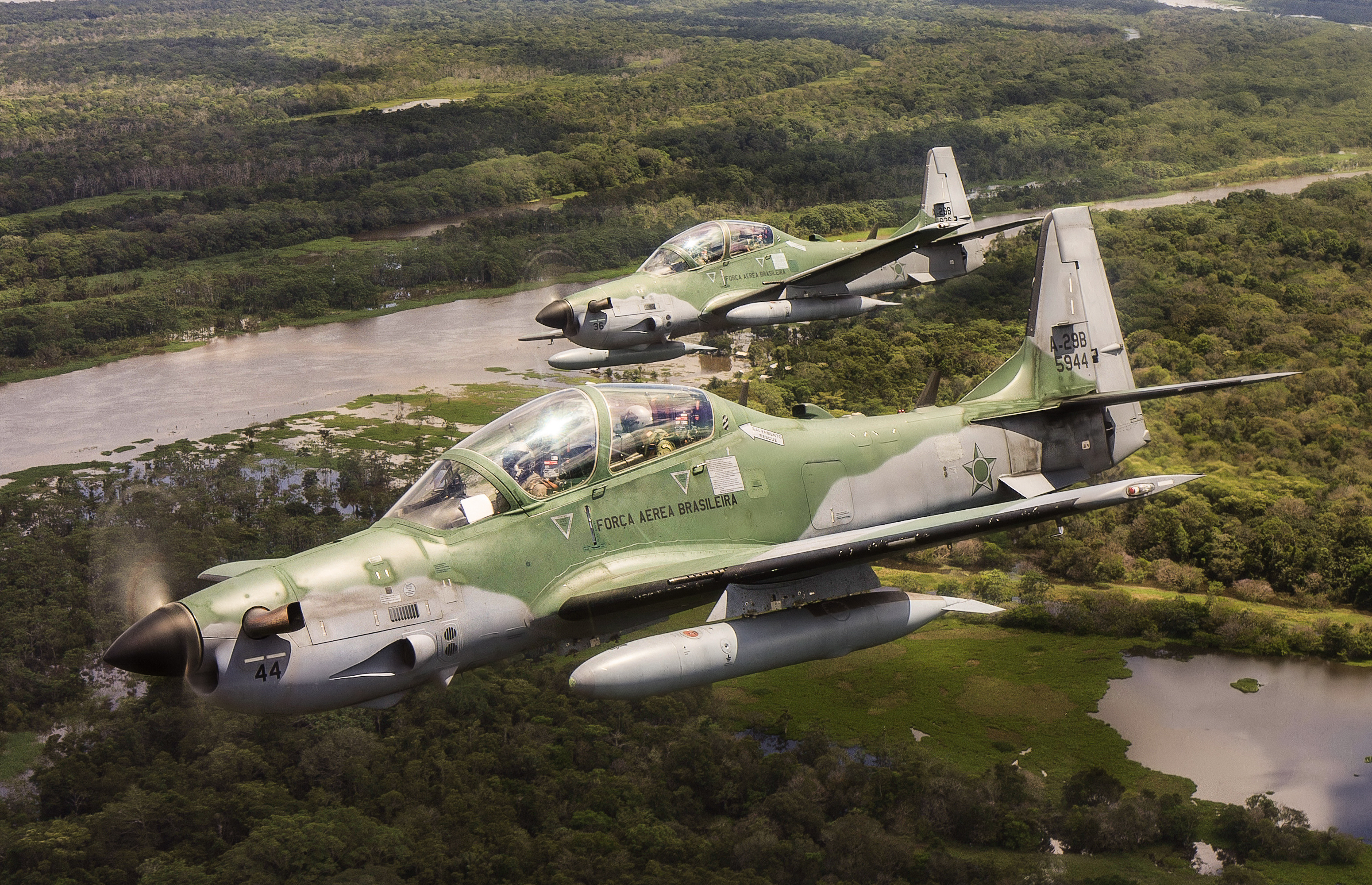
More significant was the creation of the EMB 312 Tucano turboprop in 1980. It proved to be not only a convenient "flying desk" for future aces but also a capable light attack aircraft, particularly effective against various insurgents. The aircraft enjoyed considerable export success, leading to the development of the EMB 314 Super Tucano, which is still in production today. In Ukraine, there has been ongoing discussion for several years about acquiring the Super Tucano. These aircraft would be very useful in countering strike drones like the infamous Shahed in the war against Russian aggressors, but progress has been slow.
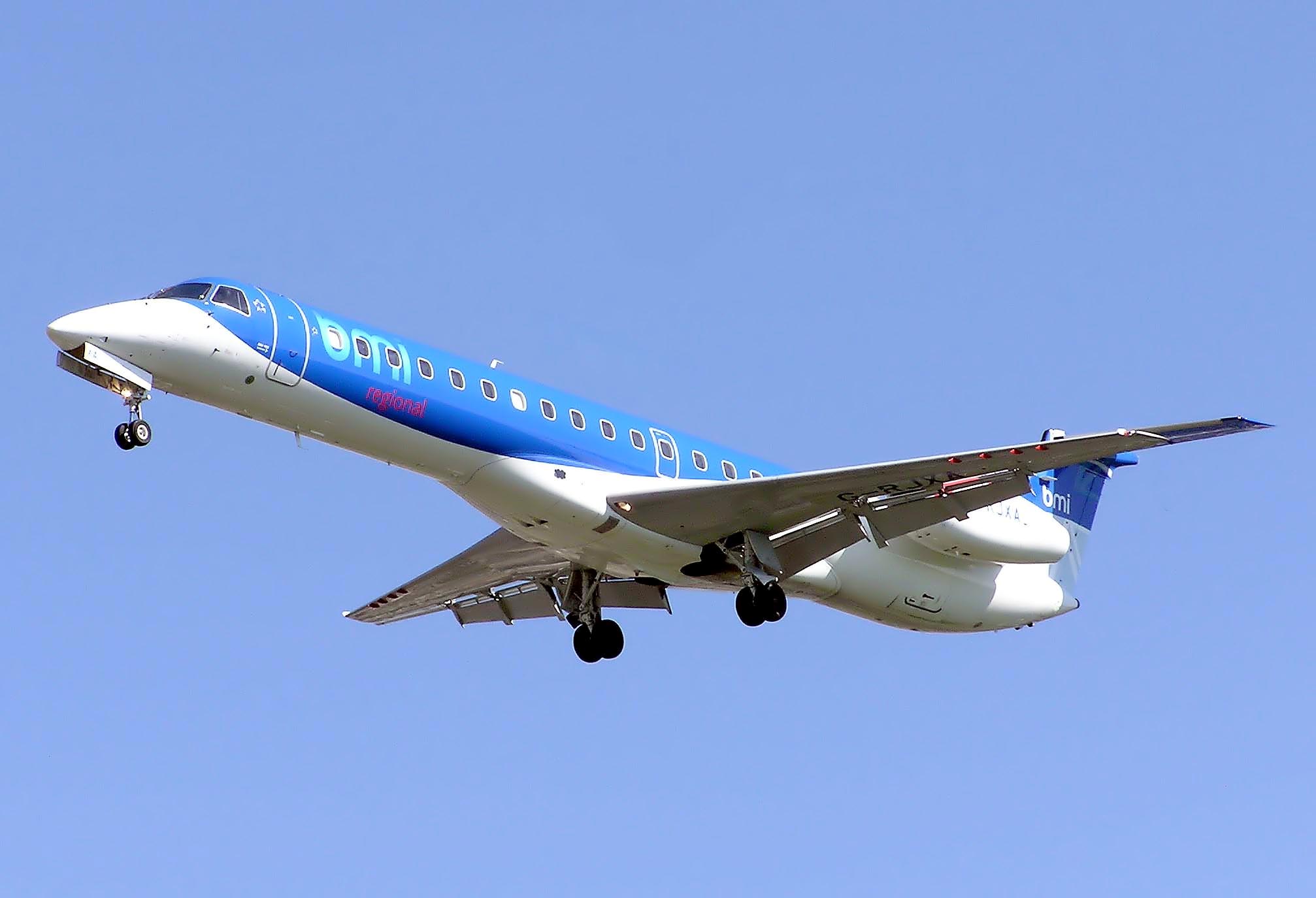
Embraer gained significant international recognition not through military, but passenger aircraft. In the mid-1980s, the turboprop EMB 120 Brasilia, aimed at regional routes, entered service. In the following decade, regional jet airliners from the ERJ 135/140/145 family began gaining popularity, eventually leading to the development of business jets. Finally, in the early 2000s, the company introduced the E-Jet family to the global market, which now includes the ERJ 170/175 with 66–90 seats and the ERJ 190/195 with 96–146 seats.
Several Ukrainian airlines have operated Embraer aircraft. For example, Dniproavia operated flights with the ERJ 145, while UIA and Windrose Airlines used the ERJ 190. Currently, 11 airliners from the Brazilian manufacturer are listed in the State Register of Civil Aircraft of Ukraine.
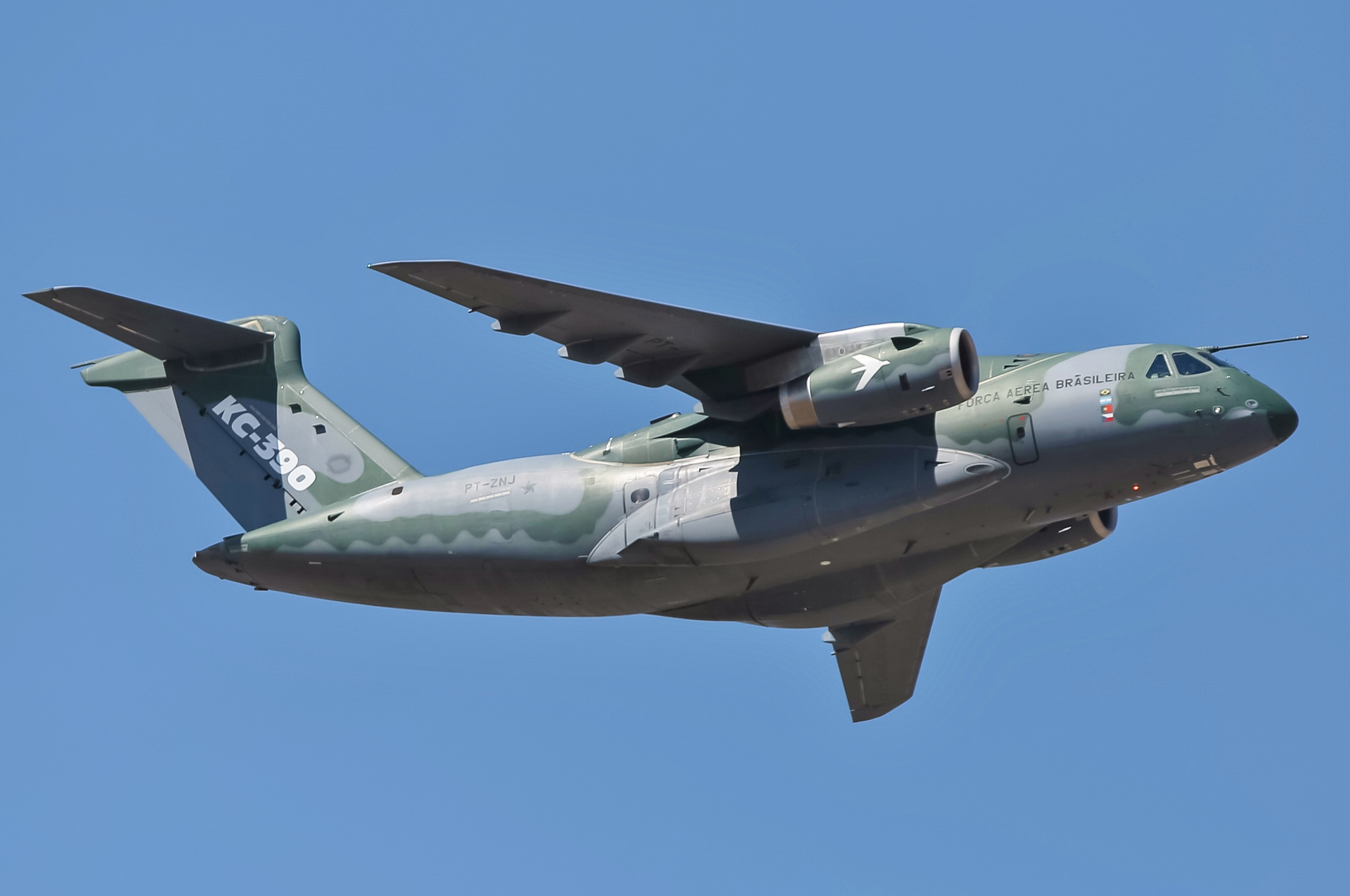
Embraer has not abandoned military projects either. In 2015, testing began on the C-390 Millennium medium transport aircraft. The program has faced challenges but is gradually gaining momentum, with serial production now underway and international orders being fulfilled.
Originally founded as a state-owned company, Embraer was privatized in 1994. Great expectations were placed on a joint venture with American Boeing, announced in 2018. However, due to the negative impact of the global COVID-19 pandemic on the aviation industry, as well as the scandalous consequences of the Boeing 737 MAX crashes, the Americans withdrew from this partnership. Embraer itself also faced difficulties, suffering multimillion-dollar losses in 2020. Despite this, the company continued to develop and managed to close 2023 with a net profit of $164 million USD. Today, Embraer holds an honorable third place in the world in terms of civil aircraft production.
Rostyslav Maraiev
Photo
1 – The first Embraer multipurpose aircraft, EMB 110 Bandeirante
2 – The AT-26 Xavante training aircraft
3 – The EMB 314 Super Tucano trainer and light attack aircraft
4 – The regional passenger aircraft EMB 120 Brasilia
5 – The regional passenger aircraft ERJ 145EP
6 – The next-generation passenger aircraft ERJ 190-E2
7 – The medium military transport aircraft C-390 Millennium



_(cropped)_1724051446_1.jpg)