Fan-page
 Youtube
 TikTok
 Aviamuseum
 State Aviation Museum
«Ilya Muromets» Over Kyiv
In the afternoon of June 29 (Gregorian calendar) in 1914, at the Kurenivsky Airfield in Kyiv, located near the modern Pochaivska metro station, those who were privy to the events began to gather. They awaited the arrival of the world's largest airplane, "Ilya Muromets," created by the young Kyiv native Igor Sikorsky. Although various rumors began to spread throughout the city, the airfield was surrounded by soldiers, and access was restricted.
By 2 PM, there was no news of the extraordinary plane. Of course, keeping journalists outside the airfield was impossible, and the next day, the newspaper "Kievlyanin" wrote (here and further, the language, style, and spelling are of the original): "Here we learned that the arrival of I. I. Sikorsky was known to only a few and was a surprise for Kyiv residents. The day before, I. I. Sikorsky's assistant K. K. Ergant, who arrived in Kyiv, informed us that I. I. Sikorsky did not want to publicize his long flight and... conveyed to Ergant, who was heading to Kyiv, that he, with one pilot and two mechanics, would depart from St. Petersburg on 'Ilya Muromets' at dawn, expecting to land in Orsha at 9 AM, where a mechanic had been sent in advance from St. Petersburg to refuel and fly from Orsha to Kyiv, aiming to arrive there by 3 PM."
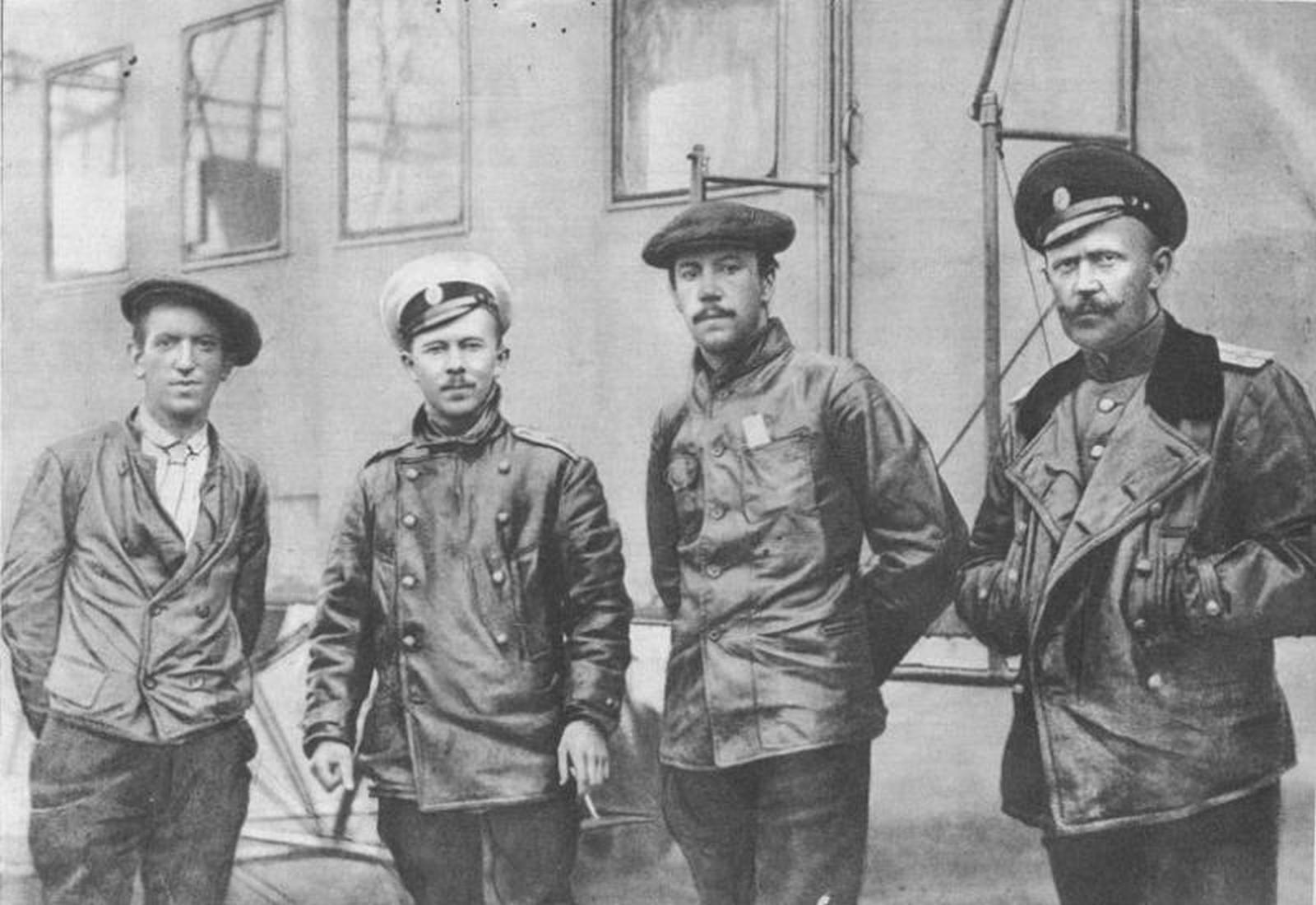
Around 6 PM, a telegram arrived from Orsha, stating that "Muromets" should not be expected earlier than two to two and a half hours. However, these hopes were also not realized—Sikorsky and his crew, which included military pilots Christian Prussis and Georgy Lavrov, as well as mechanic Vladimir Panasyuk, could not reach Kyiv that day. Due to an unfortunate breakdown, they had to make an emergency landing near the Kopys station and decided to depart from there the next morning.
On June 30 at 3:25 AM, Sikorsky and his comrades set off for Kyiv. The weather was bad and rainy. They had to fly in the clouds or descend below them to navigate. The turbulence was severe. Finally, the crew saw the Dnieper River, corrected their course, and then ascended to 1800 meters above the clouds, where the sun was shining brightly, and the air was calm. They now followed the compass exclusively. After about two hours, they decided to descend. The plane dove back into the clouds and emerged from them at an altitude of 600 meters.
Directly below them was the Dnieper, with the Chain Bridge visible ahead and the golden domes of the Lavra churches in the distance. It had been raining in Kyiv since nightfall, and access to the Kurenivsky airfield was muddy. Few people were willing to brave the mud, so the number of those who greeted the aviators was quite small.
"Kievlyanin" wrote that day: "'Ilya Muromets' was spotted on the horizon at the beginning of the 9th hour. Initially, a dark dot appeared, growing as it approached the airfield. Soon, the sound of engines was heard, and the airplane became clearly visible, growing with each minute and noticeably descending. After a few minutes, the enormous airship hovered over the airfield, describing a large circle. On the bridge stood the faithful mechanic of I. I. Sikorsky—Vladimir Panasyuk, cheerfully waving his hat to his native Kurenivsky airfield. After circling, 'Ilya Muromets,' piloted by I. I. Sikorsky, smoothly landed on the airfield at 8:45 AM."
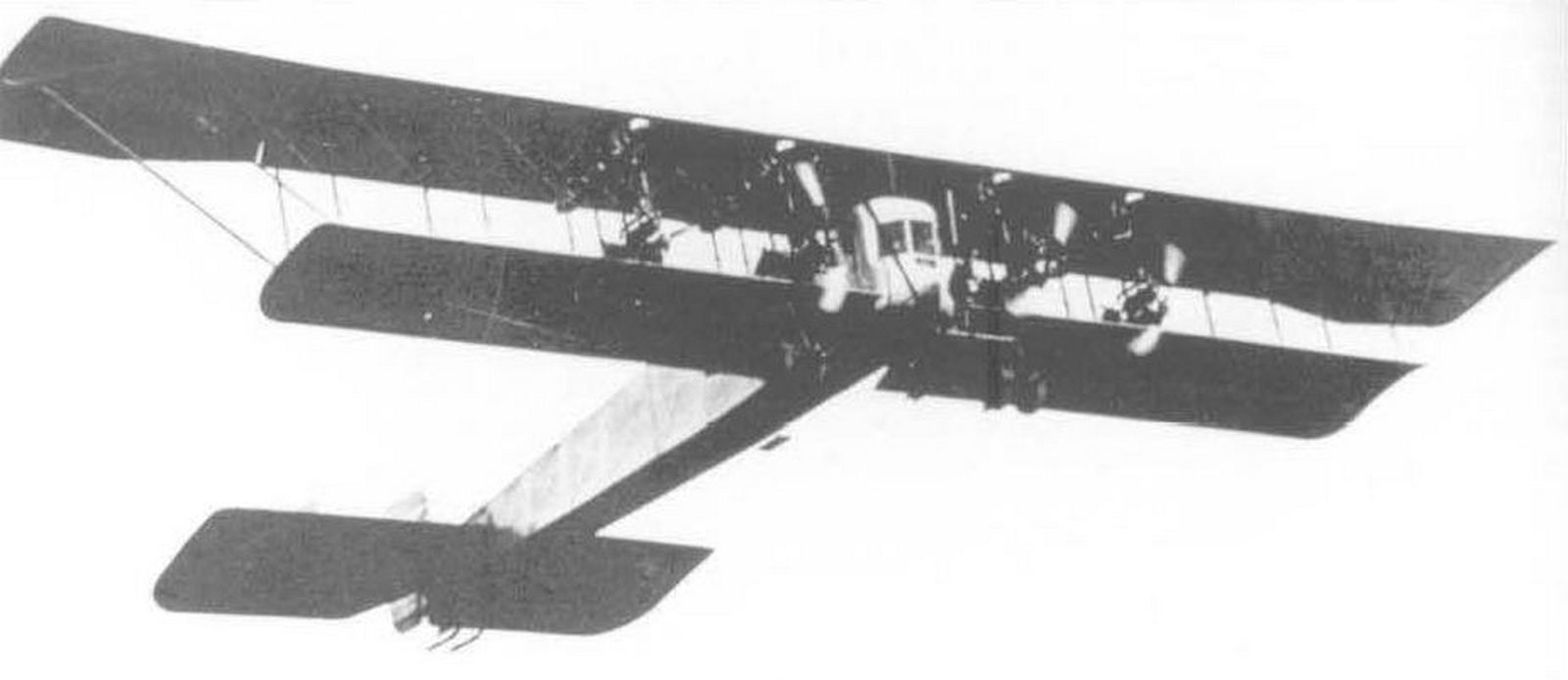
In total, the airship covered 1280 km in 12 hours and 50 minutes of flight time. This was the second version of "Muromets," specially created for long flights—a bit smaller and lighter than the first prototype but equipped with more powerful engines. It was later named "Kyivsky."
The friendly Kyiv residents held a grand celebration for the participants of the flight, who were seen as true heroes by the contemporary public. Sikorsky received the greatest honors, being awarded the Great Gold Medal by the Kyiv Society of Aeronautics.
In the following days, crowds of citizens visited the Kurenivsky airfield to see the marvel of technology. Fulfilling their expectations, Sikorsky performed ten demonstration flights, taking passengers on each one. The first of these took place on July 2. "Ilya Muromets" took off at 5:50 PM, carrying eight people, including the designer's sister, Olga Sikorsky.
After spending over a week in Kyiv, Sikorsky's crew attempted to embark on their return journey on July 9. However, the flight had to be canceled that day due to an engine malfunction. Only on July 11 did "Ilya Muromets" take off from the Kurenivsky airfield and head north. At 8:42 AM, the ship passed Orsha at an altitude of 1250 meters, Vitebsk at 9:35 AM, and landed for refueling near the Novosokolniki station an hour and a half later. The stop was brief, and the takeoff went smoothly. But soon, the plane encountered a zone of forest fires. The updrafts of air heated by the fire were so strong that "Muromets" was constantly lifted several hundred meters. Controlling the aircraft under such conditions required great effort from Sikorsky. Additionally, the vibration caused the nuts on one engine's crankcase cover to loosen, threatening a fire. Sikorsky handed control to Lavrov, stepped out onto the wing, and tightened the troublesome nuts.
At 4:15 PM, "Muromets" safely landed at the Corps Aerodrome in St. Petersburg. This time, the route length was 1200 km, and the flight time was 13 hours and 5 minutes. Overall, during the flight, Sikorsky's crew set three world records for distance and duration.
Rostislav Marayev
Photo
1 - "Ilya Muromets Kyivsky" airplane
2 - The flight participants in front of their plane (from left to right): Vladimir Panasyuk, Georgy Lavrov, Igor Sikorsky, and Christian Prussis