Fan-page
 Youtube
 TikTok
 Aviamuseum
 State Aviation Museum
Operation Overlord
On June 6, it was 80 years since the beginning of Operation Overlord - the landing of Allied forces on the western coast of France, in Normandy, which was then occupied by Nazi Germany. It became the largest amphibious operation in history. Aviation played a significant role in these events.
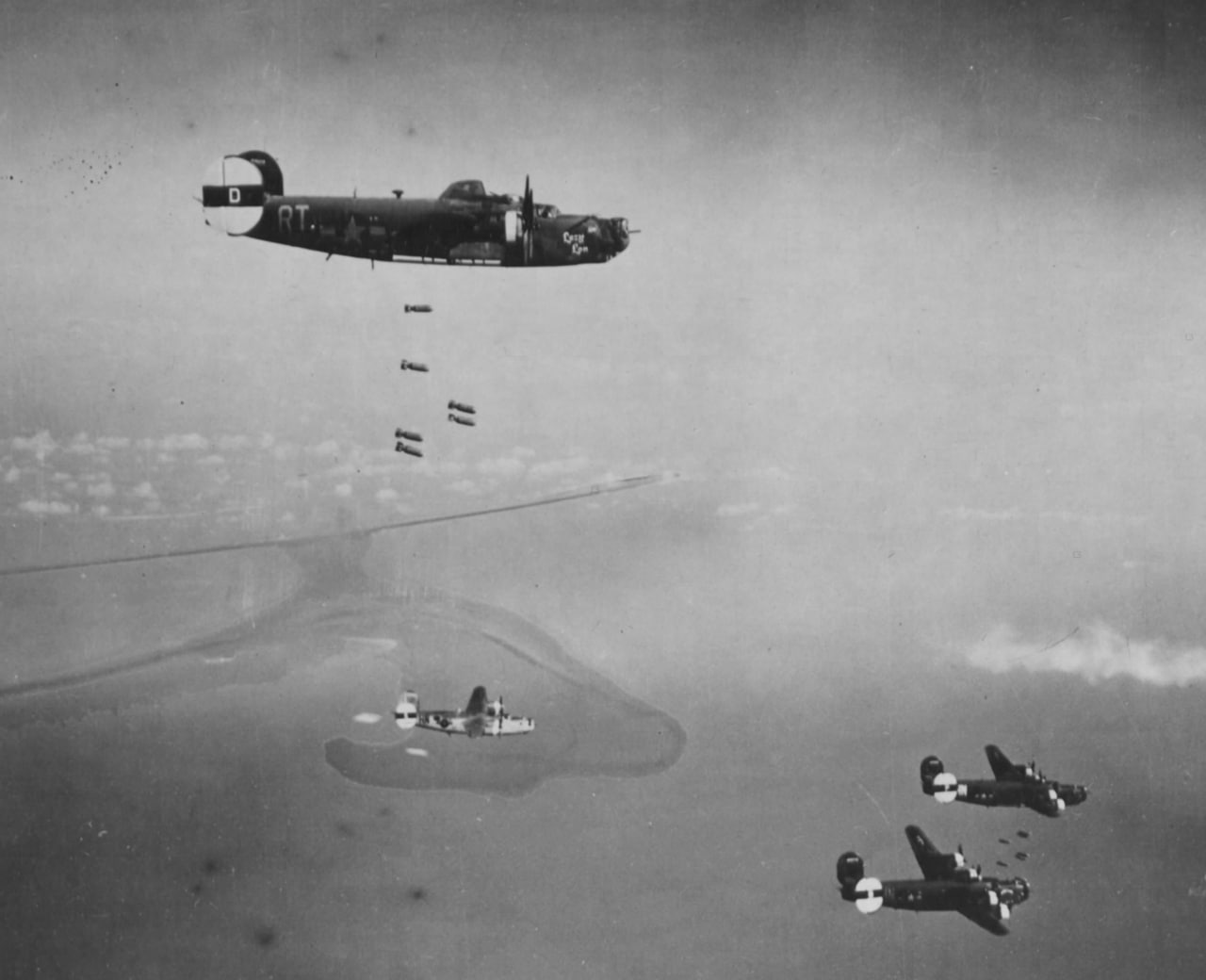
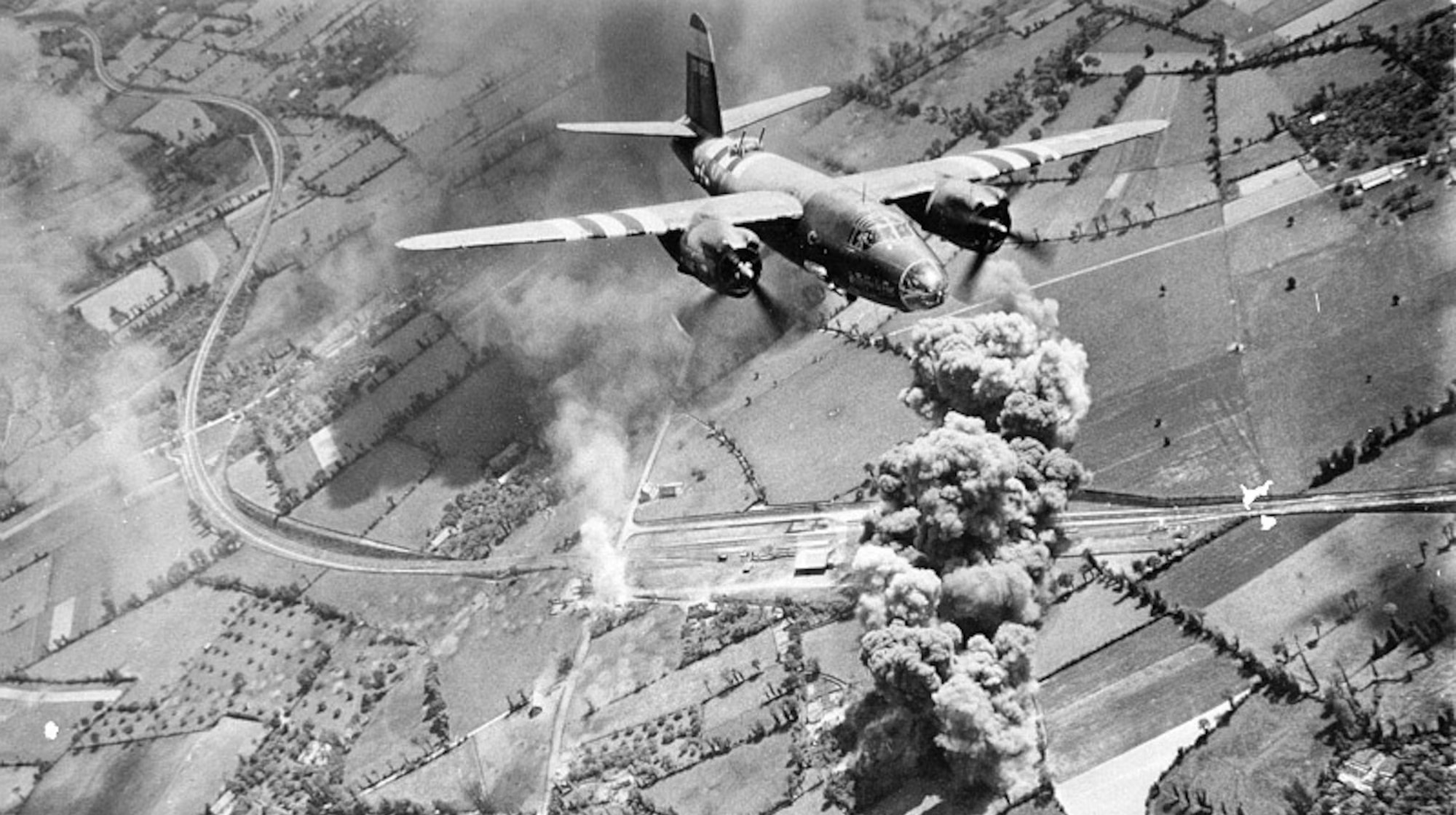
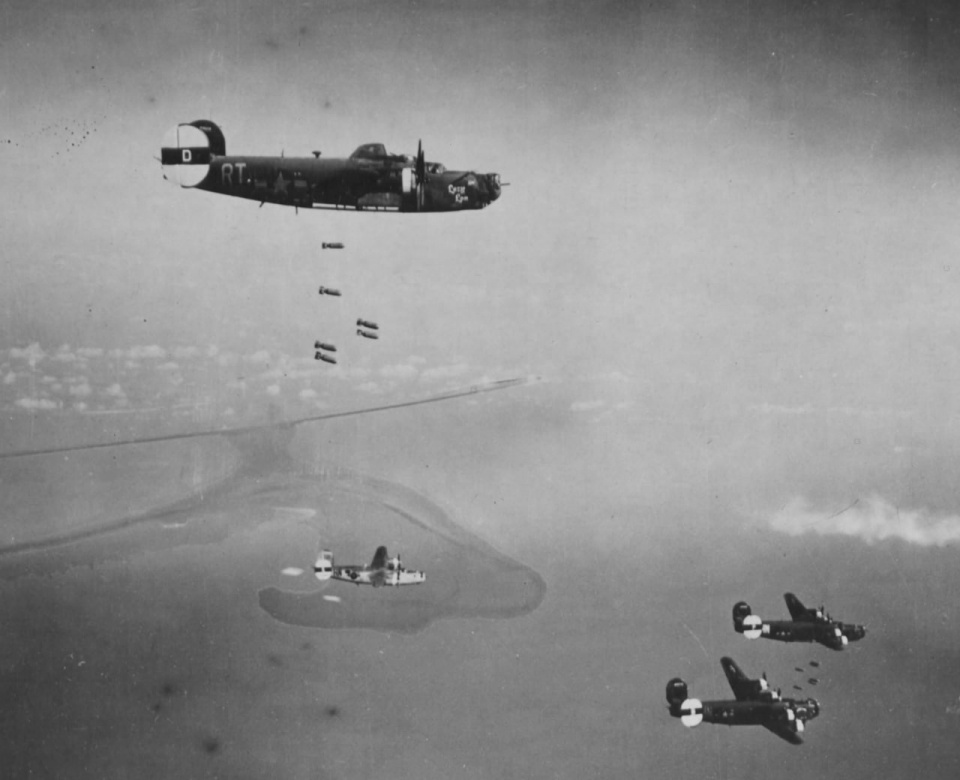
The landing was preceded by a two-month air campaign, the main goal of which was to disrupt the enemy's ground communications, as the Germans had a developed network of French railways and highways at their disposal. Allied aviation delivered massive strikes on sorting stations, railway tracks, bridges, and highways day and night. As a result, rail transport in France fell by 70% compared to January 1944. At the same time, not only the occupiers but also many French civilians, forced laborers, and prisoners of war perished. However, no one paid attention to this, and even Charles de Gaulle, the leader of the "Fighting France" movement, called such sacrifices a necessary evil.
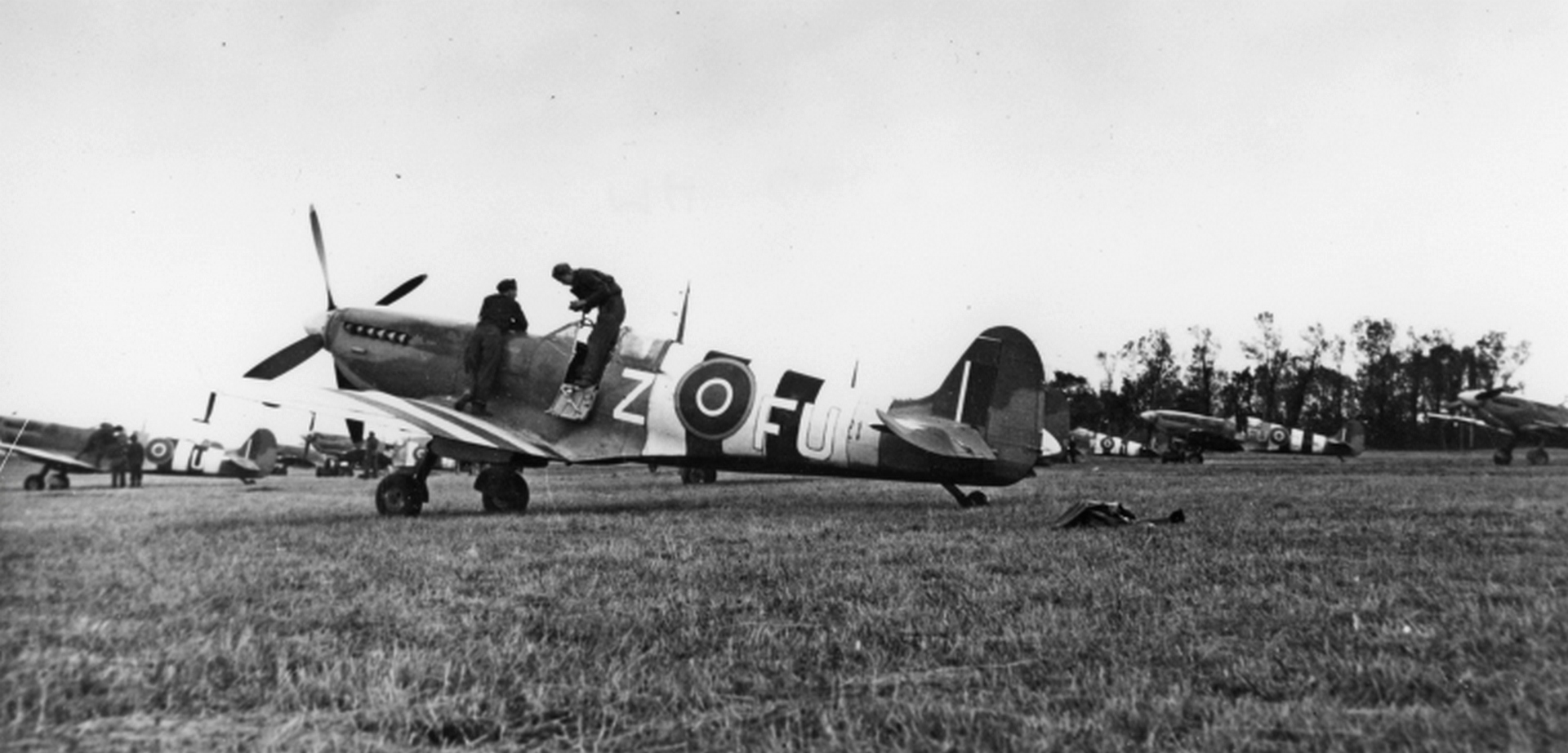
To directly support the landing in Normandy, the Allies concentrated a very powerful air grouping. According to various sources, it included from 10,859 to 11,590 combat aircraft, over 2,300 transport aircraft, and 2,600 gliders. 3,700 fighters covered the landing forces on the coast and the fleet in the English Channel from German air strikes. Among the pilots were natives of 14 countries: Great Britain, the USA, Canada, Australia, New Zealand, South Africa, Rhodesia, Poland, France, Belgium, Norway, Czechoslovakia, the Netherlands, and Denmark.
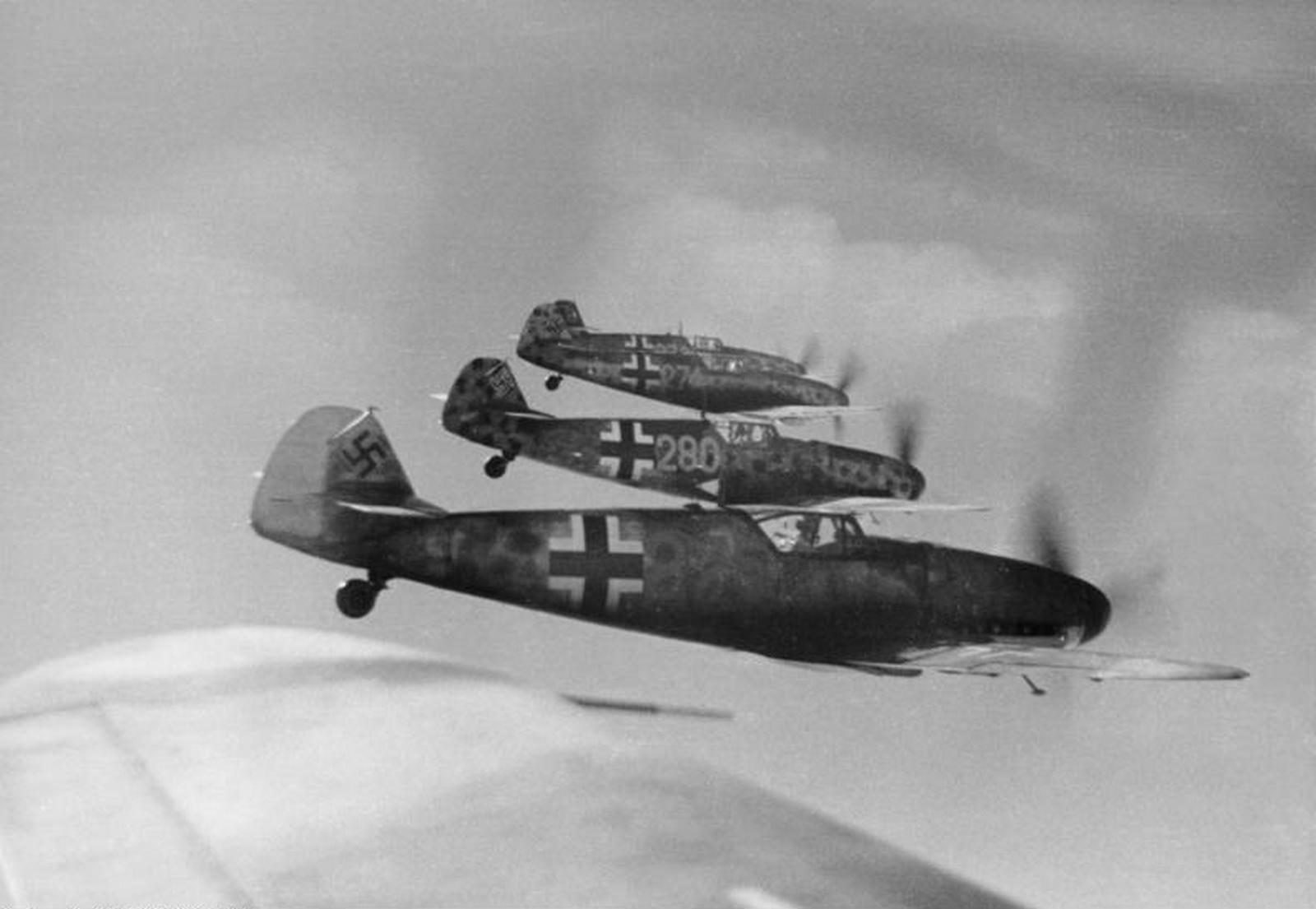
The Allies' air superiority was overwhelming. The 3rd Air Fleet of the Luftwaffe could only oppose no more than 350 operational aircraft. In the first day of the operation, they made only about 100 sorties, while the Allied aviation made over 14,600.
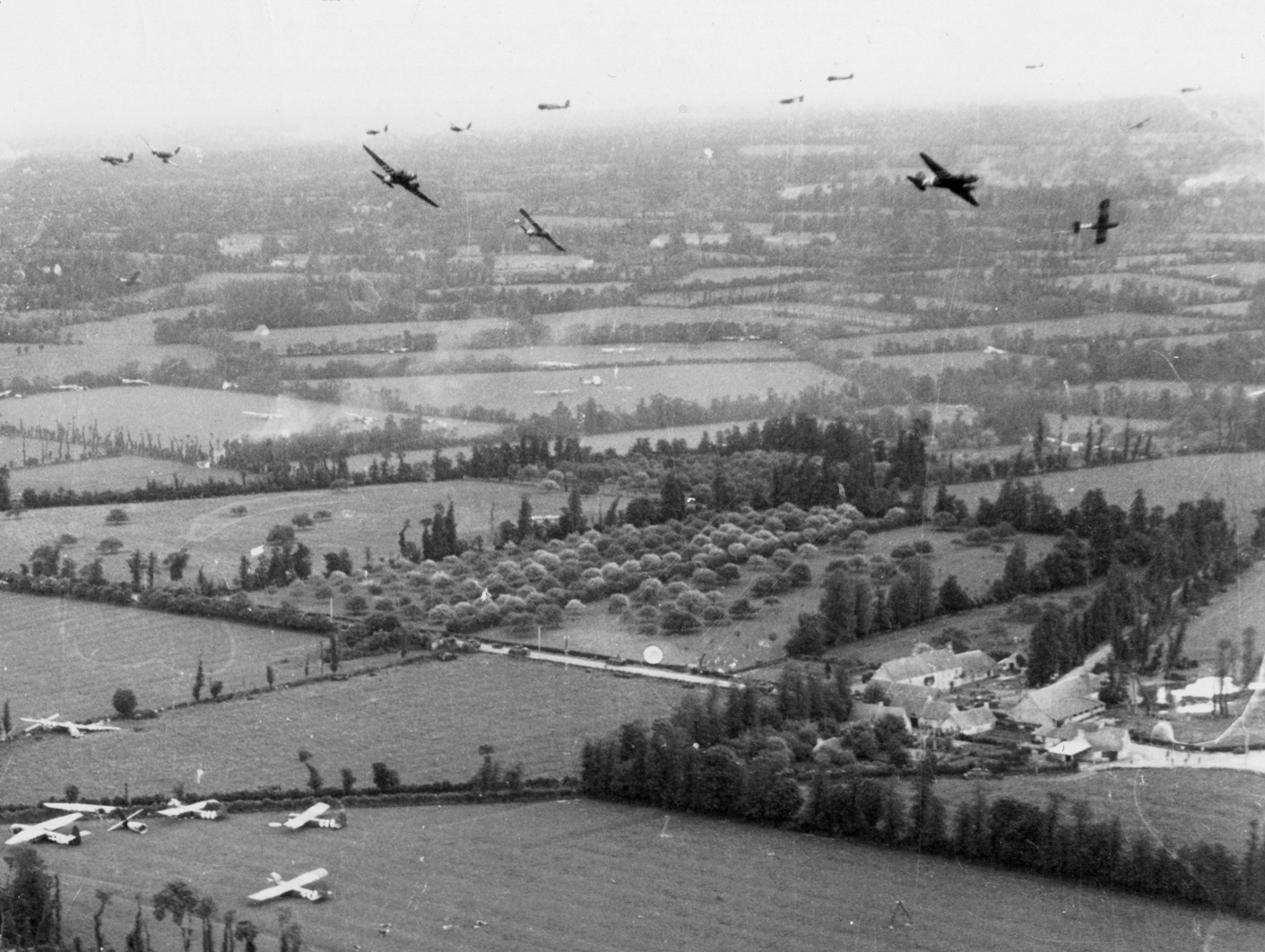
The landing itself on June 6, 1944, began with a large airborne assault involving 3 American and British airborne divisions, as well as 1,400 transport aircraft. The paratrooping began at midnight, with around 24,000 troops dropped overall. Due to dense clouds, anti-aircraft fire, and the inexperience of many pilots, the paratroopers were scattered over a large area, suffering heavy losses in some places, but they managed to draw German attention. The defenders could not determine the paratroopers' objective, scattered over such a large area, and were forced to stretch their forces to counteract them.
Allied aviation unconditionally dominated the skies, inflicting heavy losses on the enemy. In particular, during one of the raids, the commander of the 84th Army Corps, Artillery General Erich Marcks, the developer of the first version of the invasion plan of the USSR, was killed.
Overall, the German command could not decipher the enemy's intentions and determine the landing site in advance. Therefore, the Normandy operation was unexpected, there were not enough forces for defense, and reserves were brought in too late. As a result, the Allies captured all five planned beachheads, secured themselves on the coast, and began to amass forces for the advance into the depths of France.