Fan-page
 Youtube
 TikTok
 Aviamuseum
 State Aviation Museum
Alouette III
_1709130625_1.jpg)
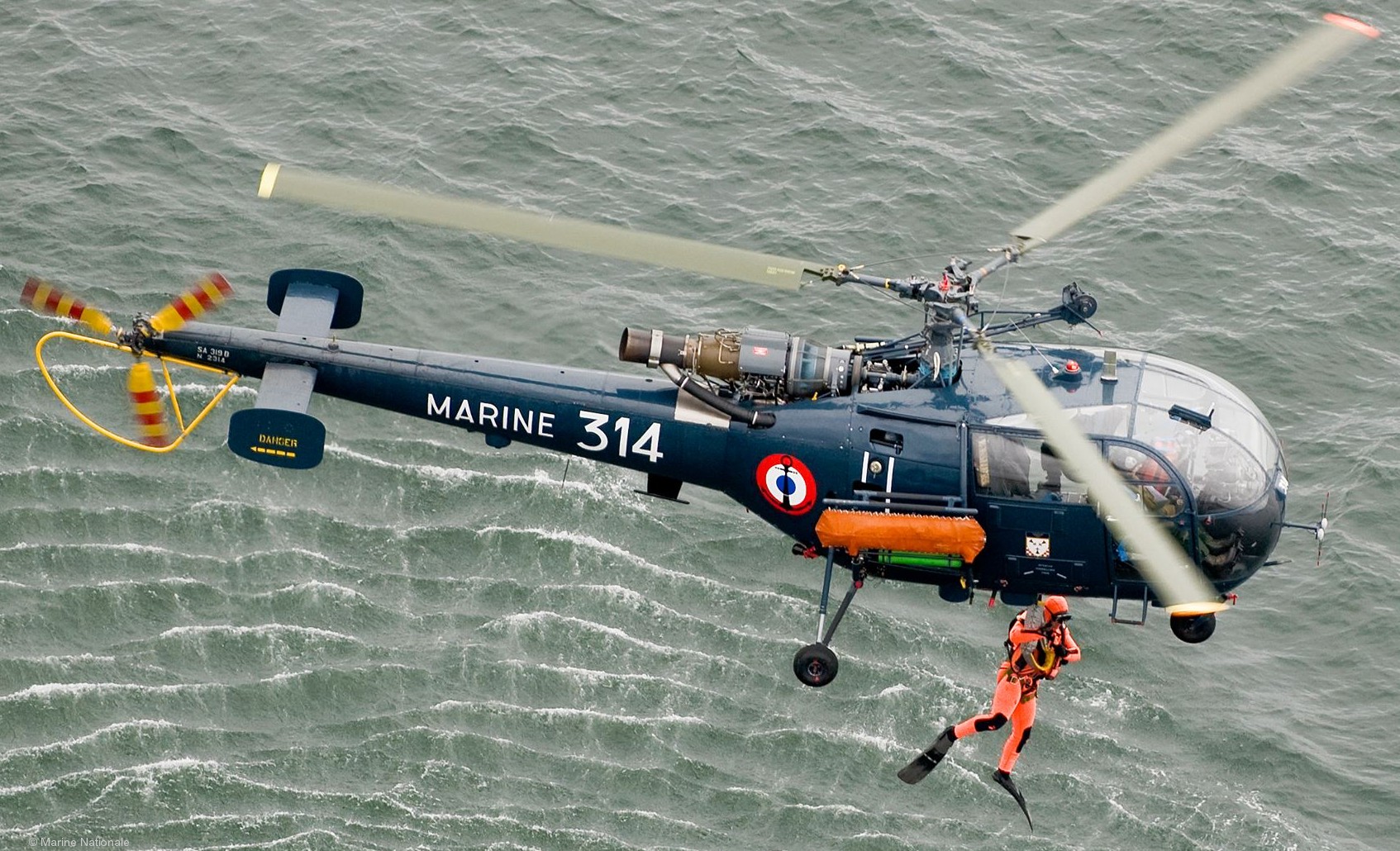
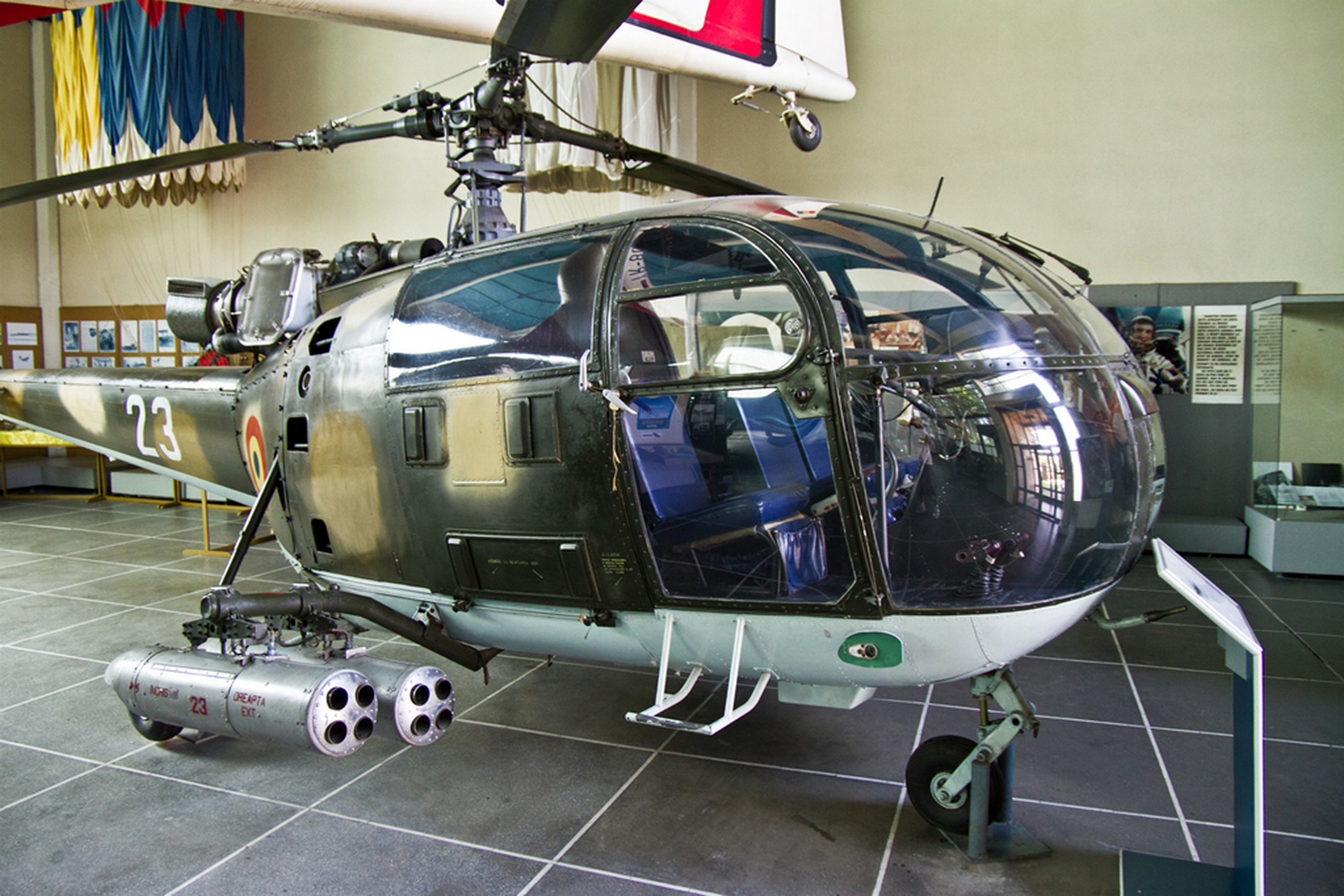
On February 28, the versatile helicopter Alouette III celebrated its 65th anniversary, marking a significant milestone in European helicopter manufacturing. On that day in 1959, the first prototype of the helicopter took off from Le Bourget Airport, constructed at the Aérospatiale factory located in the Parisian suburb of La Courneuve.
While previous Alouette models had a truss structure, the new machine featured a semi-monocoque fuselage and tail boom. The enlarged cabin could accommodate one pilot and six passengers. Serial production of the Alouette III in France continued until May 1985, with a total of 1453 units built. Additionally, 590 helicopters of this type were produced under license in Switzerland, India, and Romania. There were 10 basic variants of the helicopter and numerous modifications.
The serial SA 316B variant was powered by a single Turbomeca Artouste IIIB turboshaft engine with 870 hp. It had a length of 12.84 meters, a rotor diameter of 11.02 meters, a maximum takeoff weight of 2200 kg, a payload capacity of 750 kg, a maximum speed of 210 km/h, and a practical range of 540 km. The helicopter could be equipped with armaments, including a 20mm cannon, up to four guided anti-tank missiles, or up to four pods of 68mm unguided rockets. The SA 319B variant was equipped with a Turbomeca Astazou XIVB engine with 590 hp.
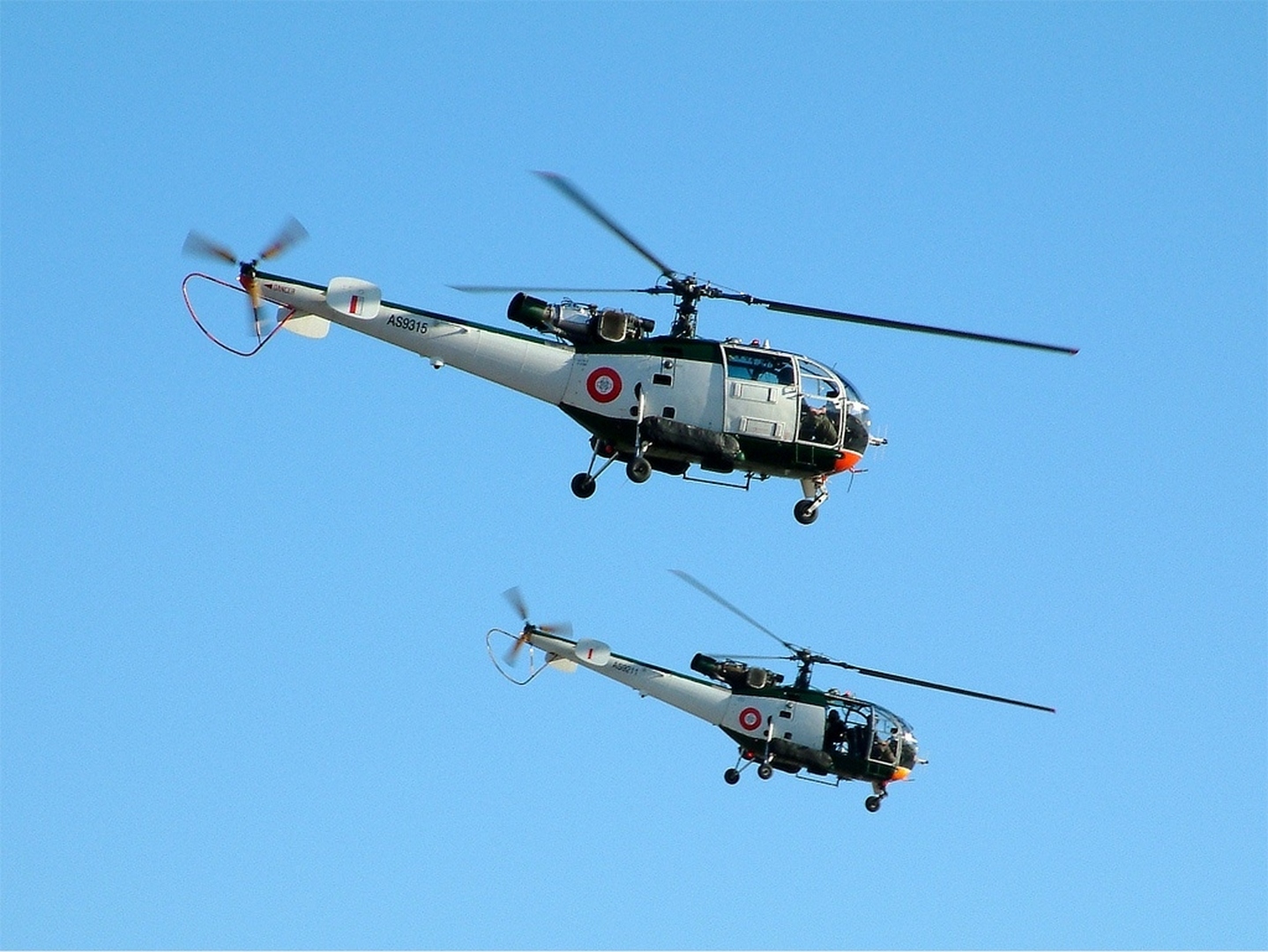
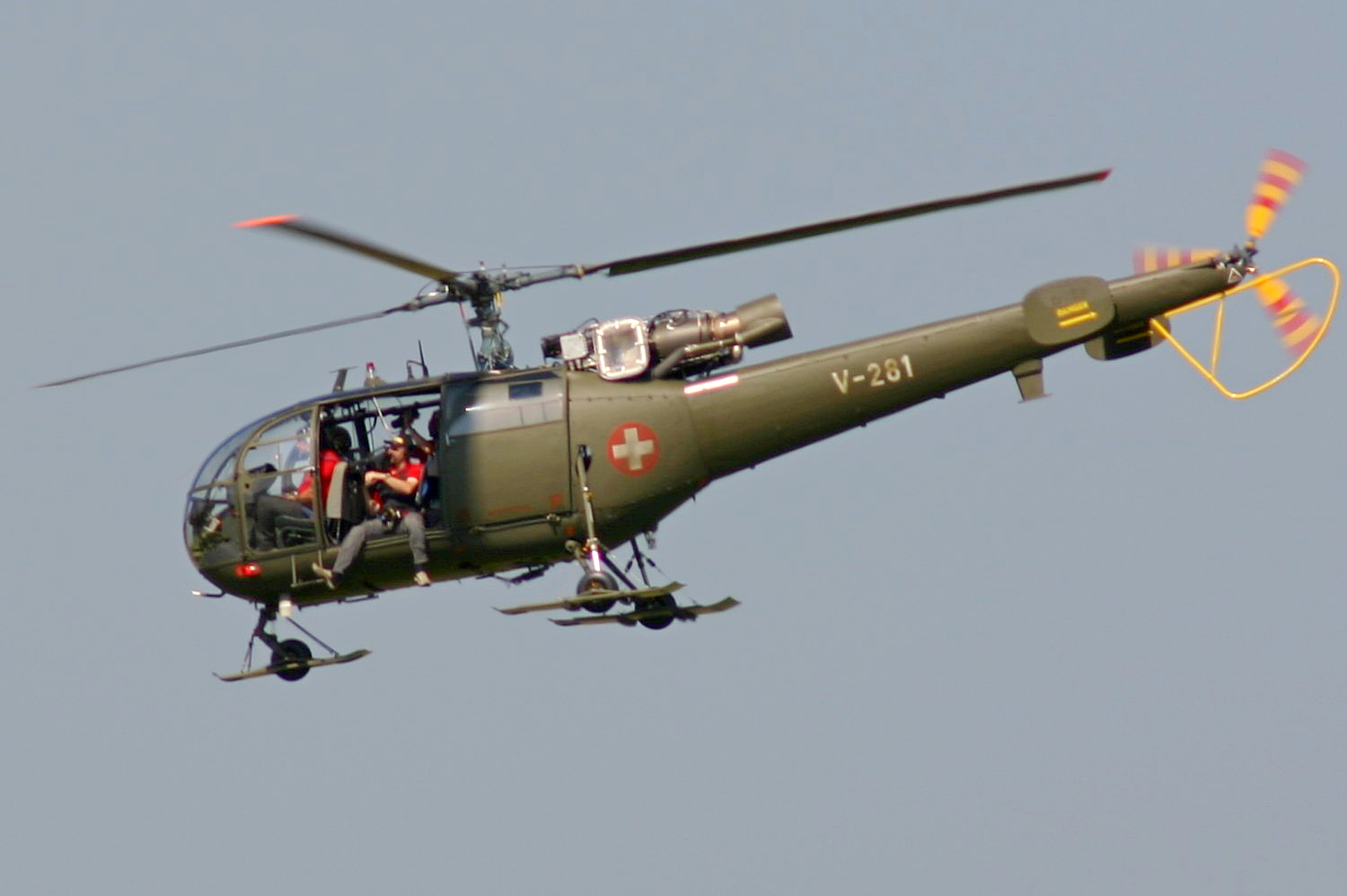
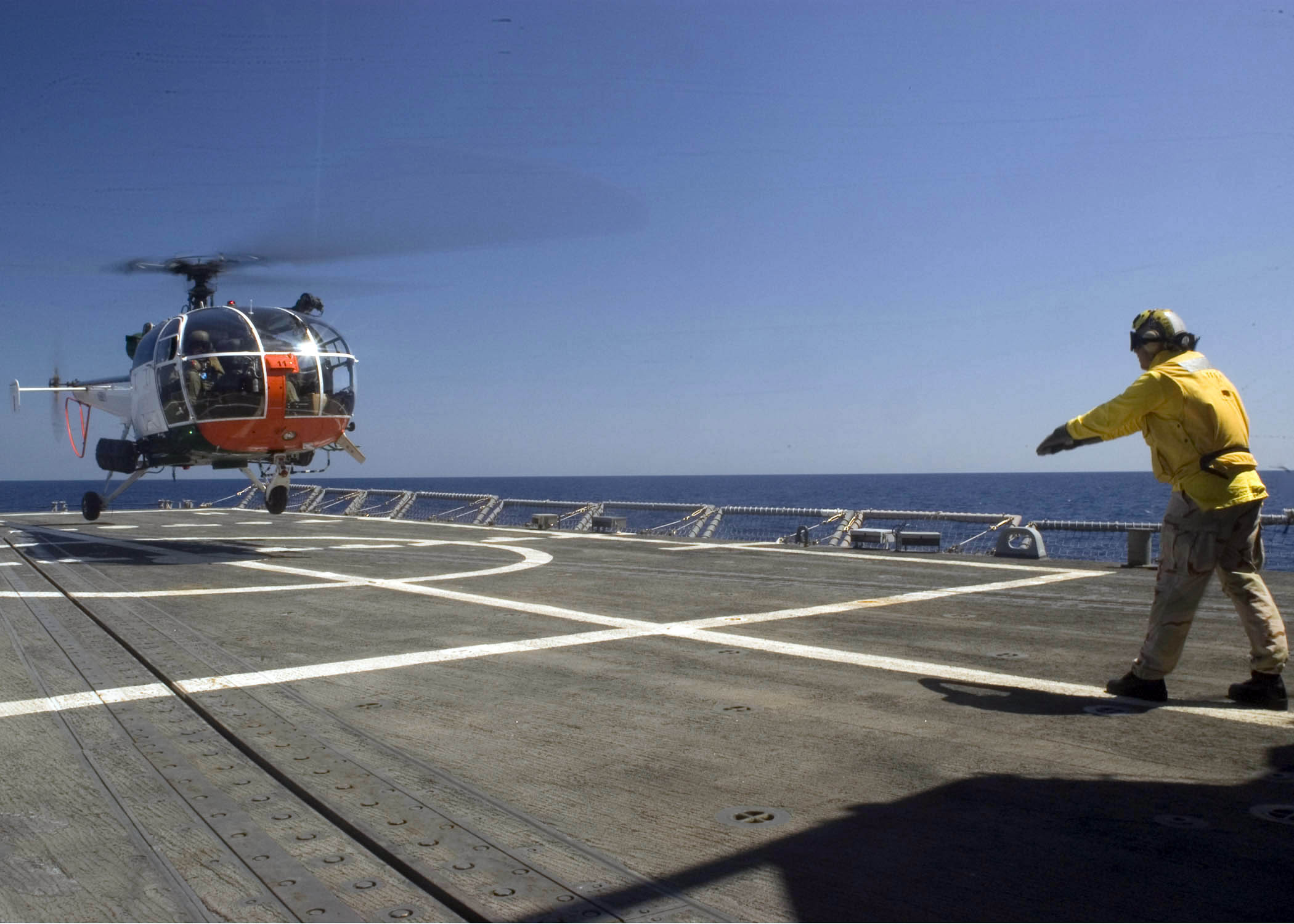
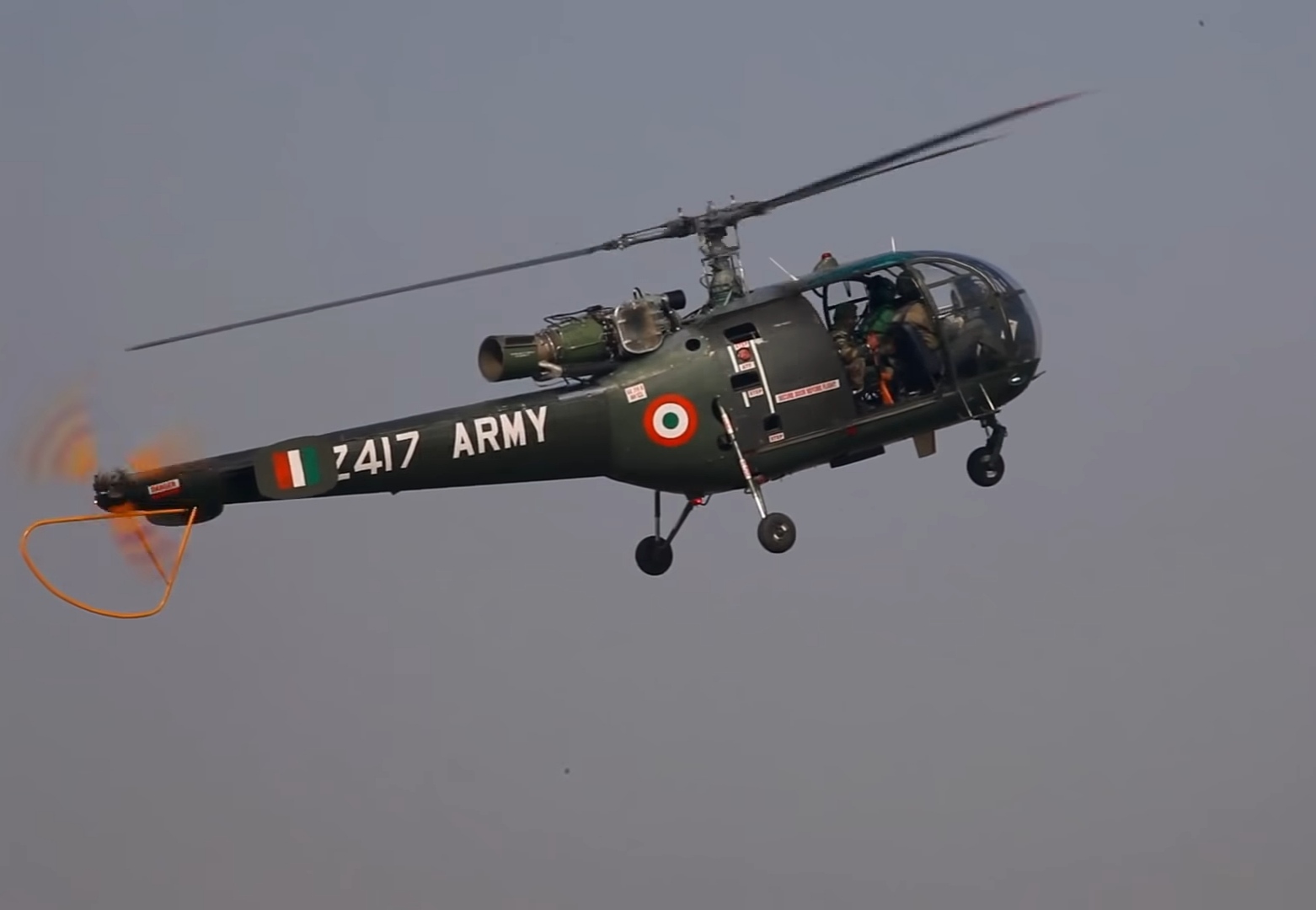
The Alouette III earned a high reputation and popularity worldwide. Besides the manufacturing countries, its civilian and military variants were used by nearly 80 countries, including Austria, Angola, Argentina, Denmark, Spain, Jordan, Cambodia, Mexico, the Netherlands, Pakistan, South Korea, Saudi Arabia, and Tunisia. The helicopter was purchased not only by government agencies and various companies but also by private owners. The operation of this remarkable machine continues to this day.
The Alouette III helicopters faced numerous challenges in their history, including participation in conflicts in the Middle East, Indochina, between India and Pakistan, and in the Persian Gulf.
_1709130743_1.jpg)