Fan-page
 Youtube
 TikTok
 Aviamuseum
 State Aviation Museum

70 Years of the B-58 Hustler Supersonic Strategic Bomber
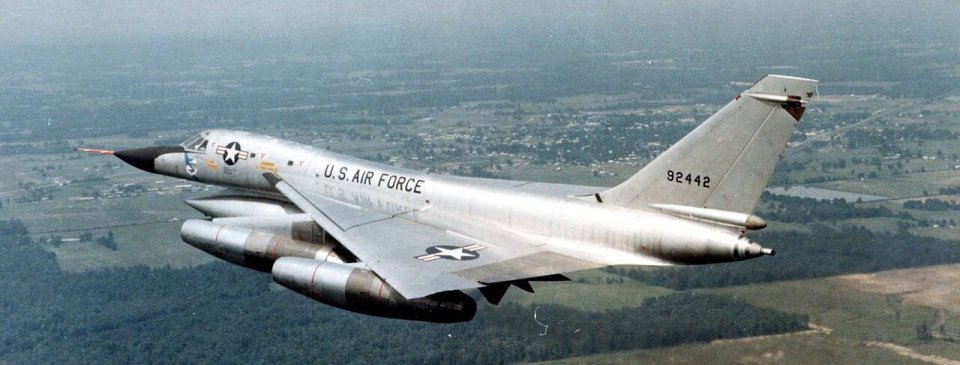
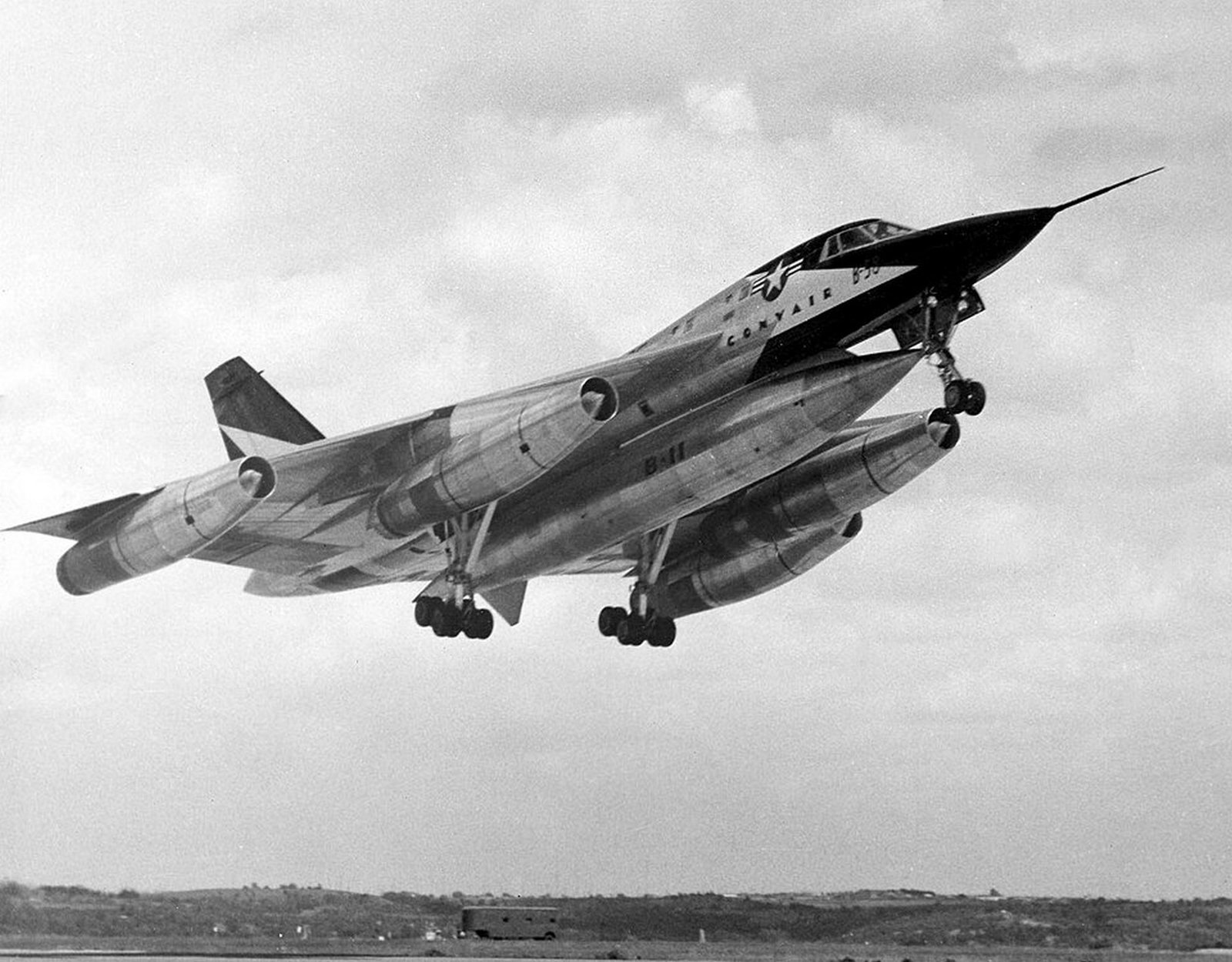
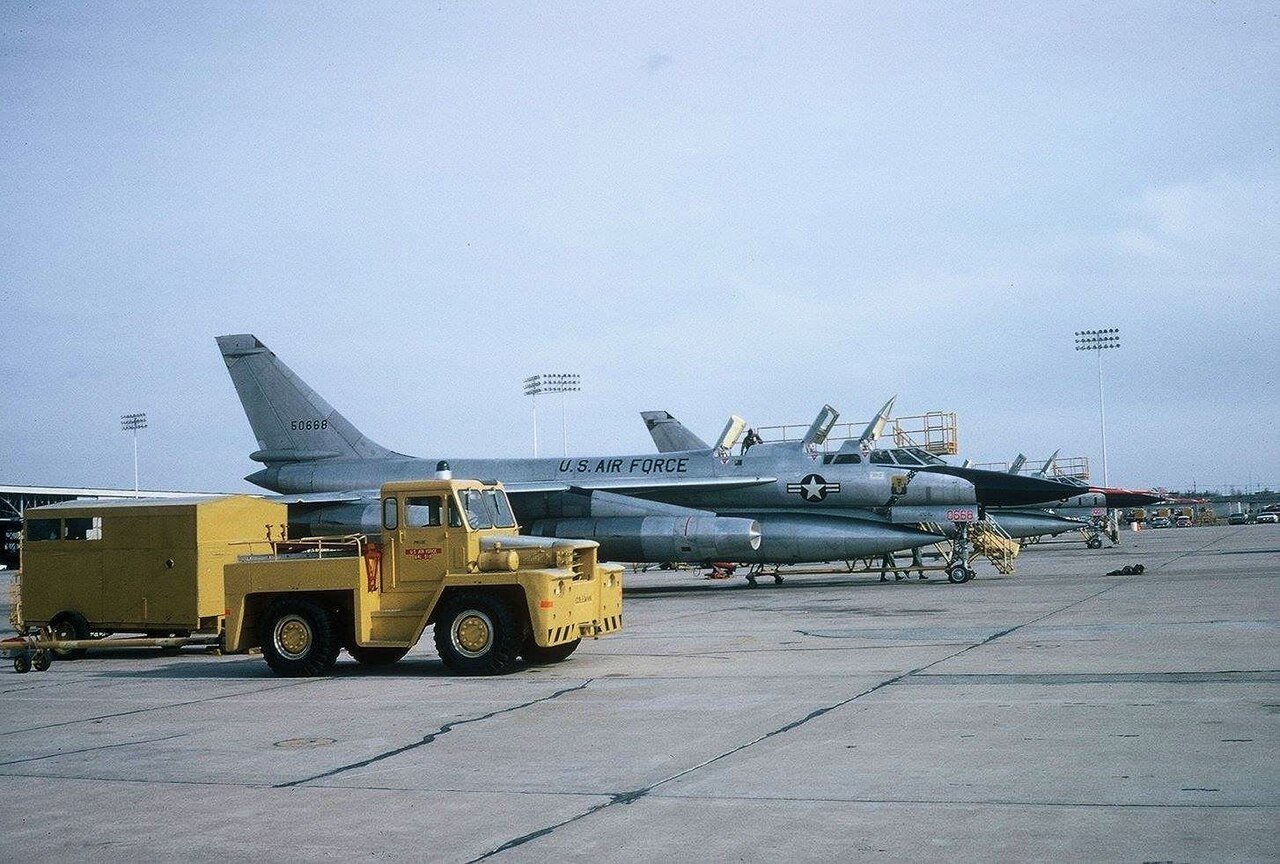
November 11 marked the 70th anniversary of the world’s first supersonic strategic bomber, the B-58 Hustler, developed by the American company Convair (short for Consolidated Vultee Aircraft). On that day in 1956, its first prototype took flight.
As early as the 1950s, the customers set very high requirements for the future bomber. In particular, it was to penetrate the airspace of a potential adversary (i.e., the USSR) at high altitude and at speeds more than twice the speed of sound. This would have effectively made it impossible for the aircraft to be shot down by the air defense systems of the time. At the same time, it was required to have an intercontinental range while carrying a 4.5-metric-ton payload.
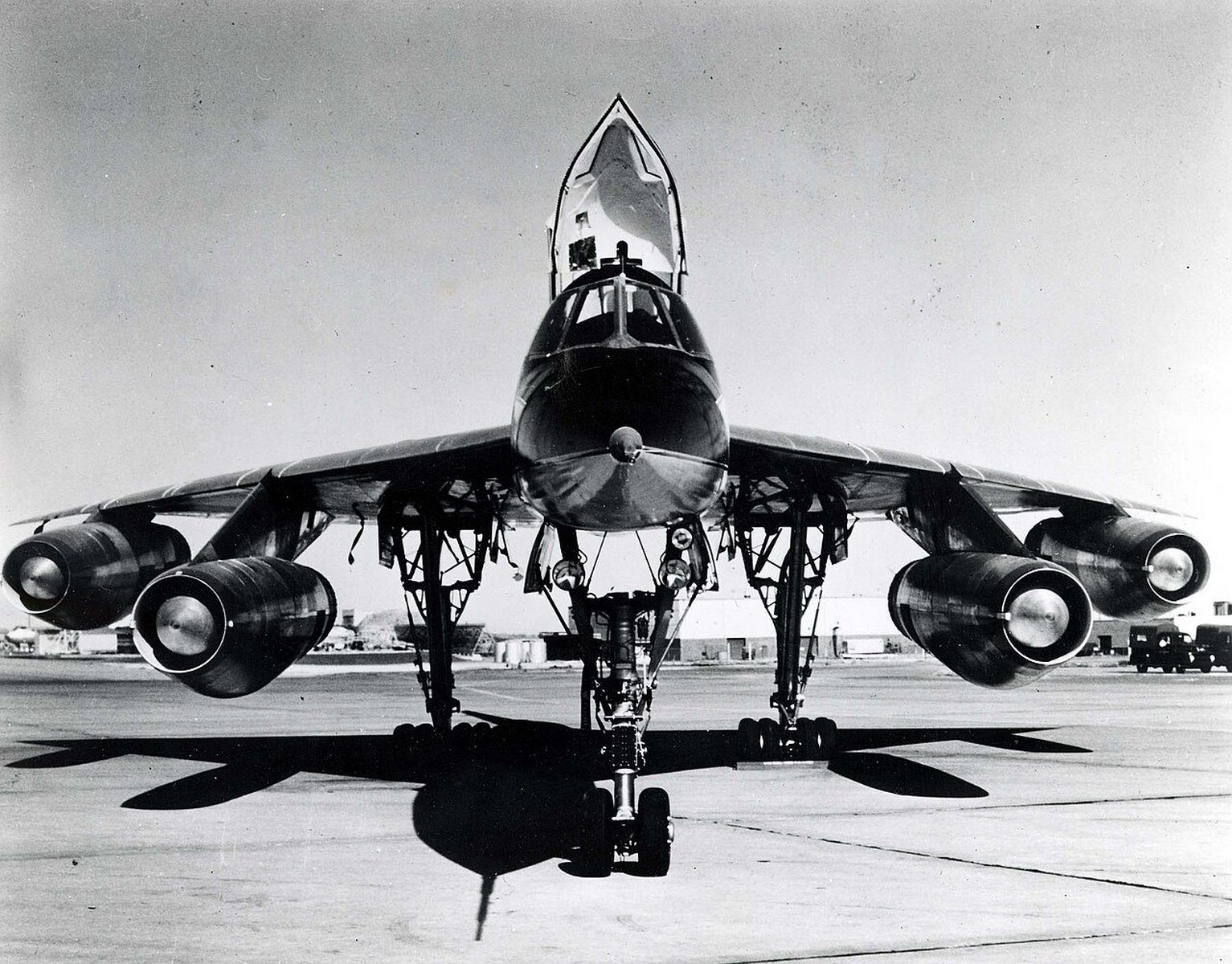
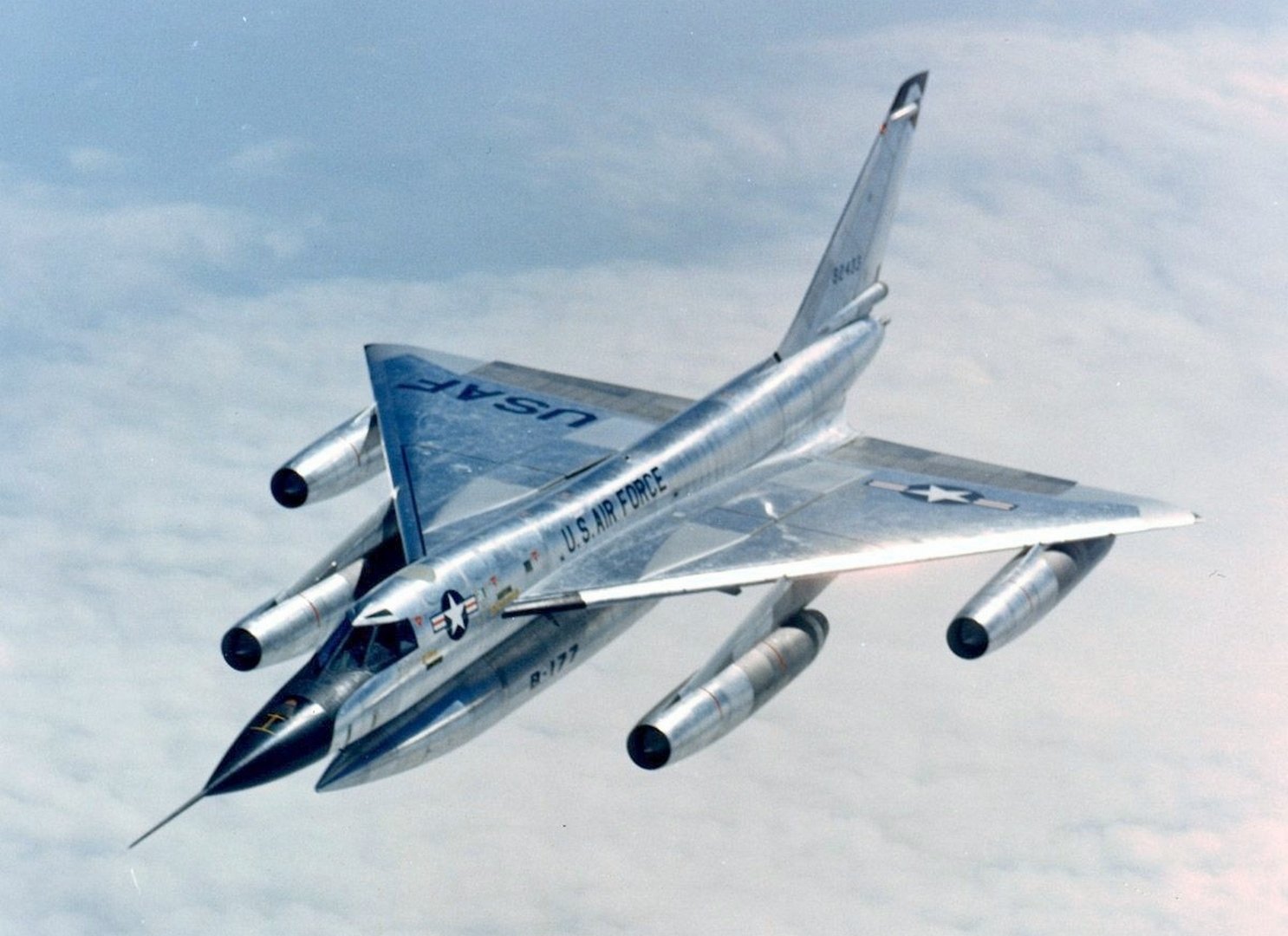
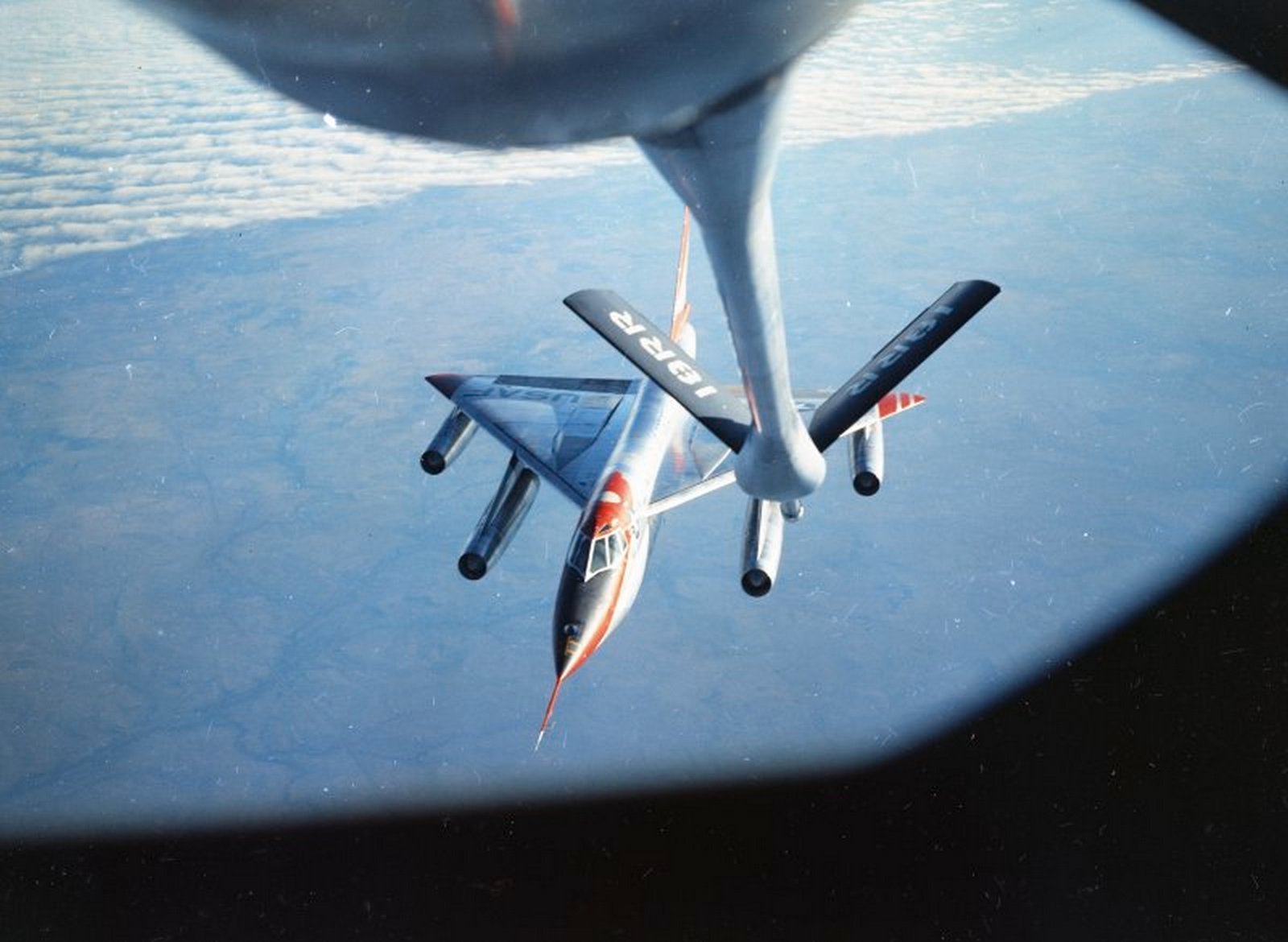
To meet this challenge, designers at Convair created a highly unconventional aircraft—a large tailless aircraft with a short-span delta wing and four engines mounted on pylons. In terms of its design, the “Hustler” remained one of a kind.
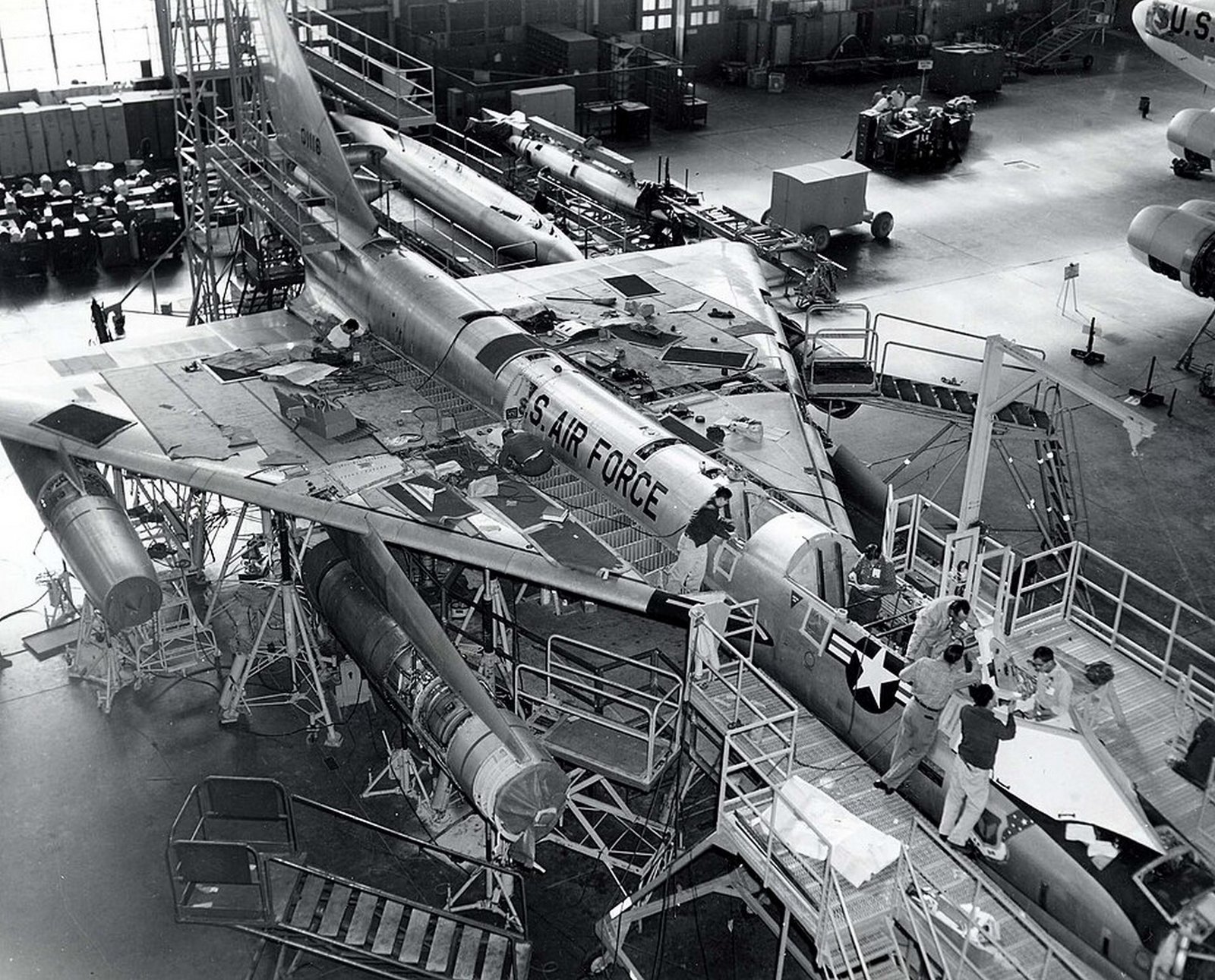
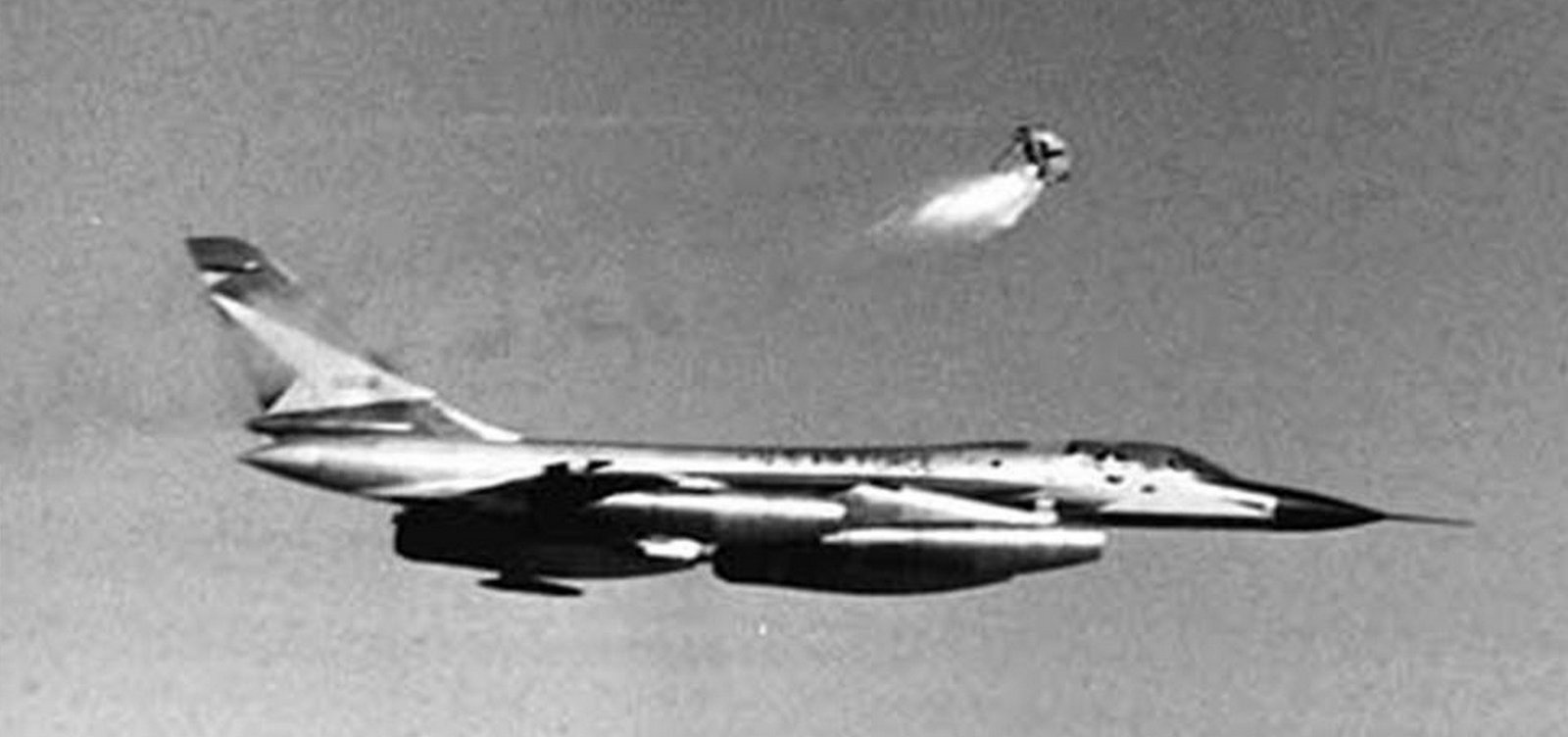
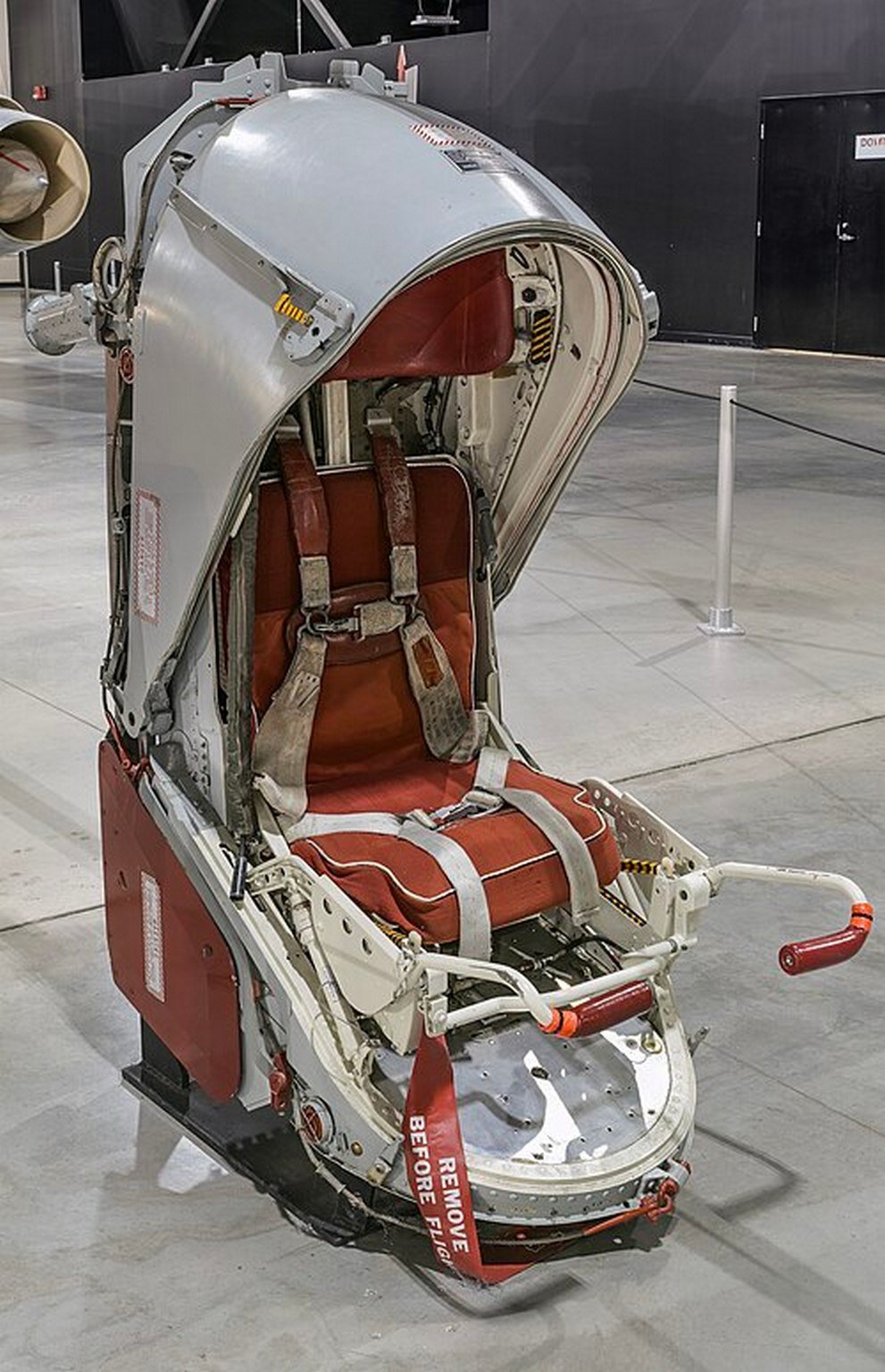
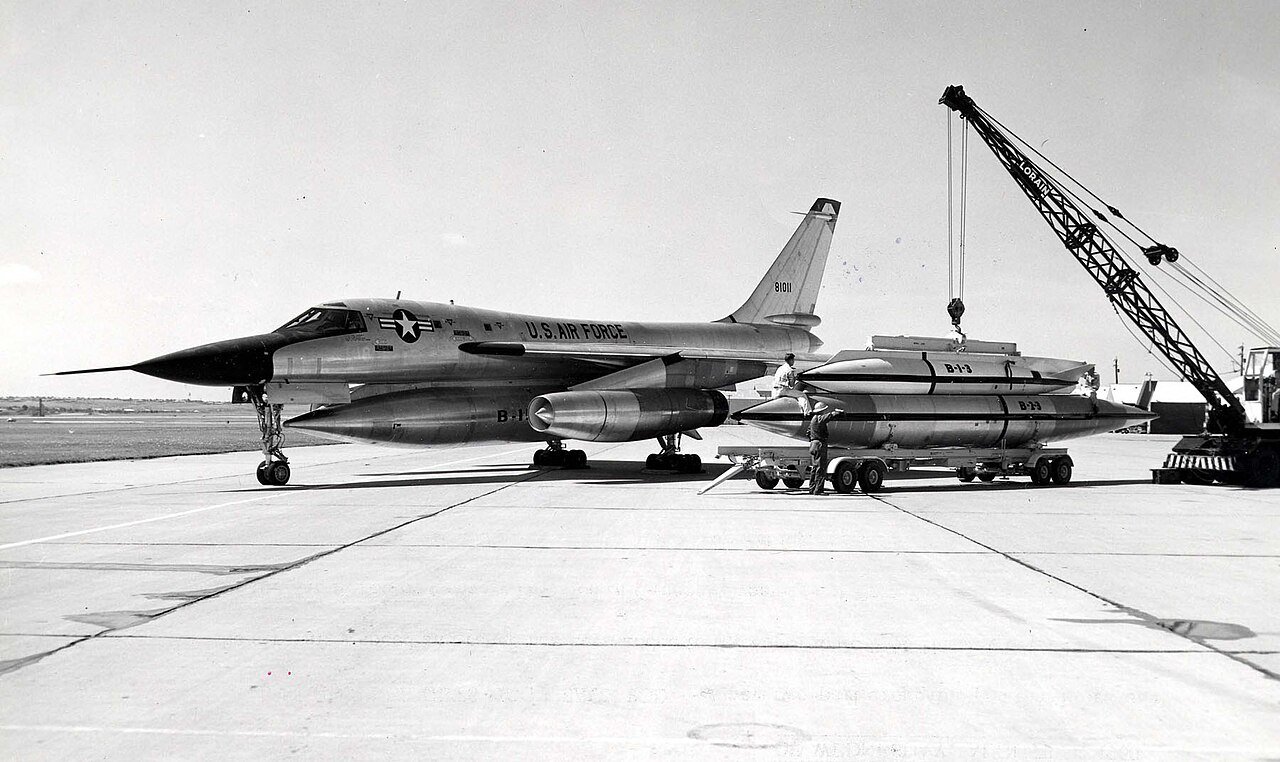
A number of innovative solutions were incorporated into the aircraft’s design and equipment. For example, the wing and fuselage were made into a single unit; to achieve this, 33 frames transitioned into an equal number of thin stringers. Nearly 80% of the skin consisted of panels, each of which was a glued “sandwich” of two duralumin sheets no more than 1 mm thick with a honeycomb core between them. Rescue capsules were used instead of conventional ejection seats. These were designed to ensure the crew’s survival during an emergency evacuation at high speeds and altitudes. Another unusual feature was the external fuel tank—nearly two-thirds the length of the fuselage—which also housed either a bomb bay or reconnaissance equipment.
Production of the aircraft was completed in 1962, with 116 units built in two main variants. The production B-58A was equipped with four General Electric J79-GE-5 turbojet engines, each producing 7,080 kgf of thrust on afterburner. The aircraft had a length of 29.5 m, a wingspan of 17.31 m, a maximum takeoff weight of 72,700 kg, a maximum speed of 2,120 km/h, a combat radius without in-flight refueling of 4,170 km, and a range of over 10,400 km. Its primary armament consisted of up to eight thermonuclear bombs with a total weight of 8,800 kg. A tail-mounted 20-mm cannon provided defense.
The “Hustlers” entered service with only two bomber wings of the U.S. Air Force Strategic Command. The price of the aircraft’s innovation was its enormous cost, as well as the difficulty in piloting and ground maintenance. Moreover, the aircraft proved to be highly accident-prone—26 bombers were lost in various flight incidents (the Soviet Tu-22 had a similar reputation). Furthermore, the development of anti-aircraft missile systems in the USSR quickly rendered the “Hustler” concept obsolete. It is therefore not surprising that the B-58 was retired as early as the beginning of 1970.