Fan-page
 Youtube
 TikTok
 Aviamuseum
 State Aviation Museum

The de Havilland Tiger Moth training aircraft turns 95
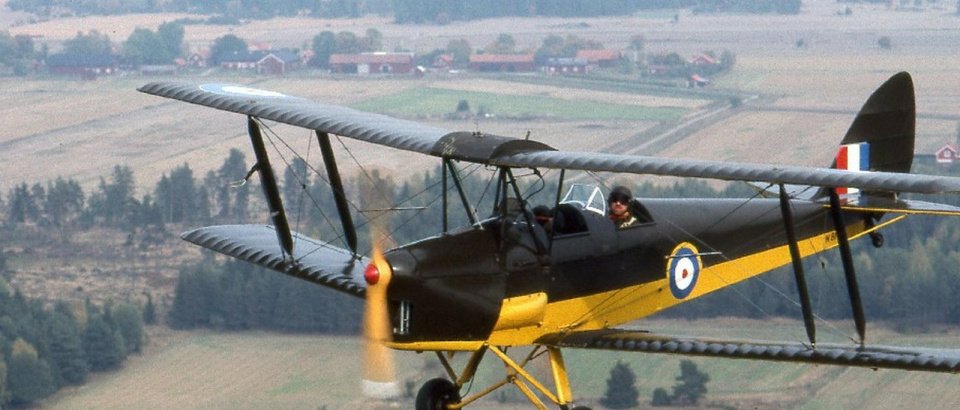
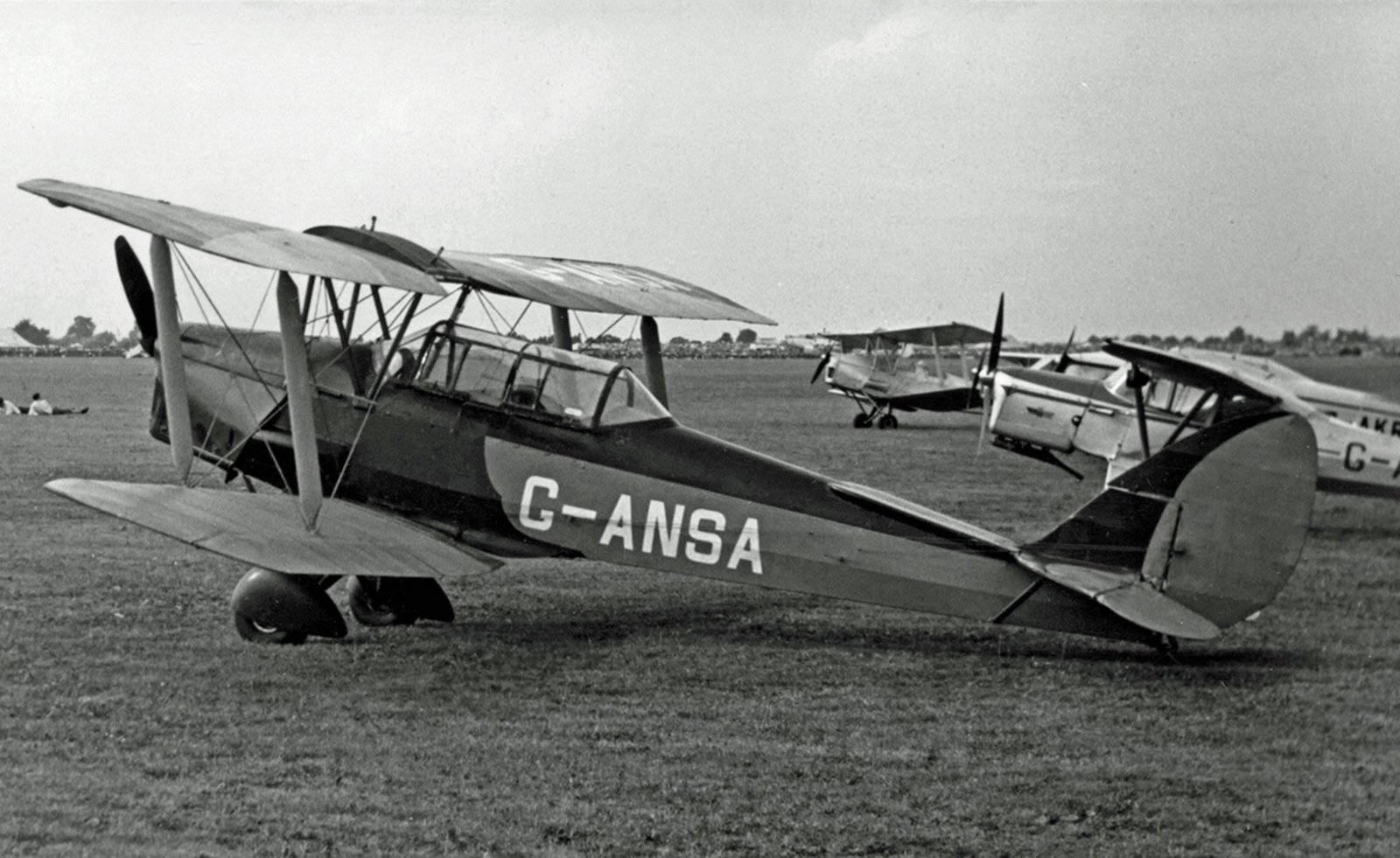
October 26 marked the 95th anniversary of the DH.82 Tiger Moth training aircraft, developed by the British company de Havilland Aircraft. On that day in 1931, its prototype, the E6, made its first flight at Stag Lane Airfield in the London suburb of Edgware.
The company’s founder and chief designer, Geoffrey de Havilland, was also a skilled pilot, so he understood well how important it was to create a simple, safe, and reliable aircraft for basic pilot training. Thanks to the experience gained while working on previous aircraft, the conceptual design was successfully implemented in the new aircraft, and it truly turned out to be a success.
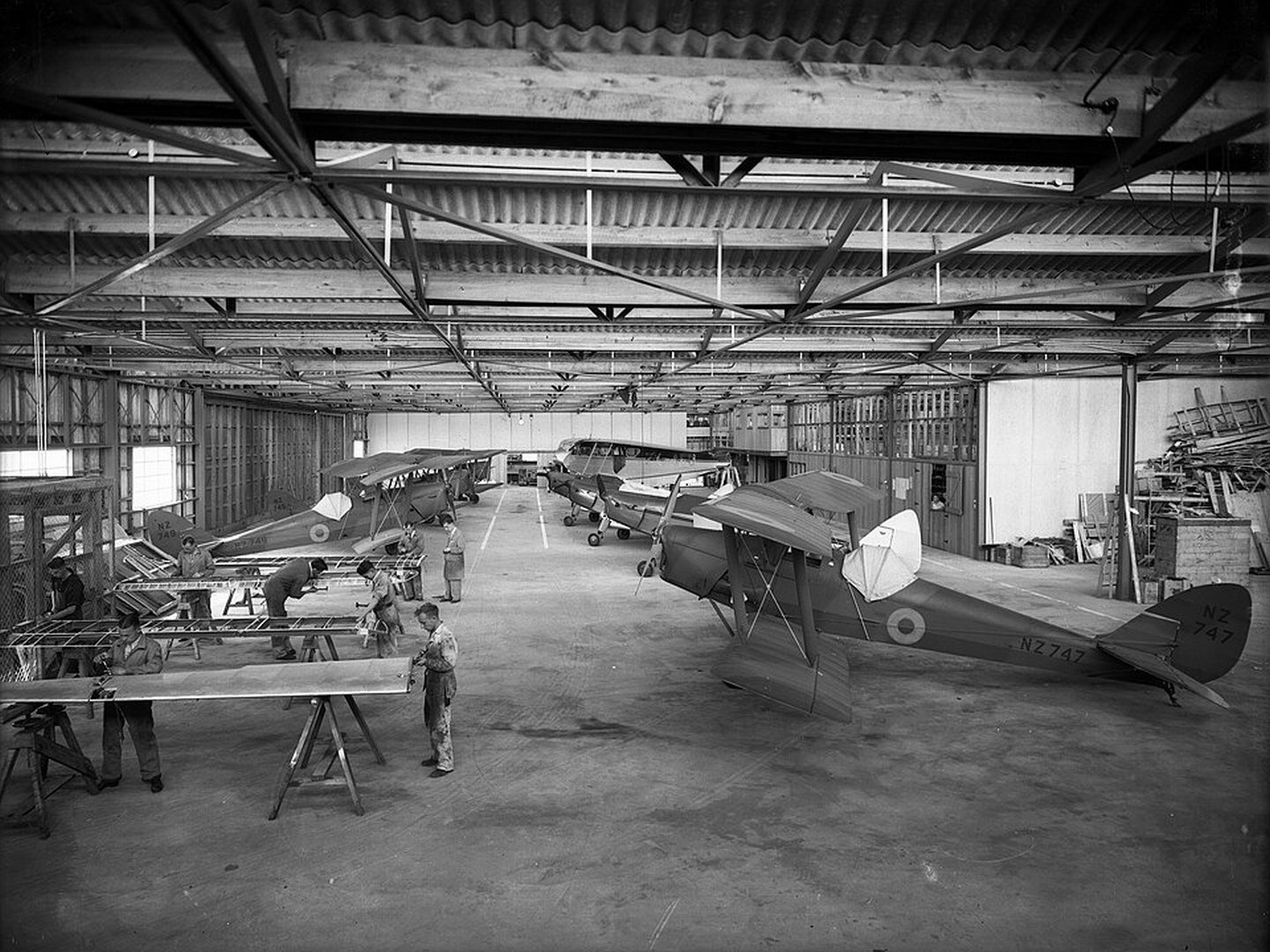
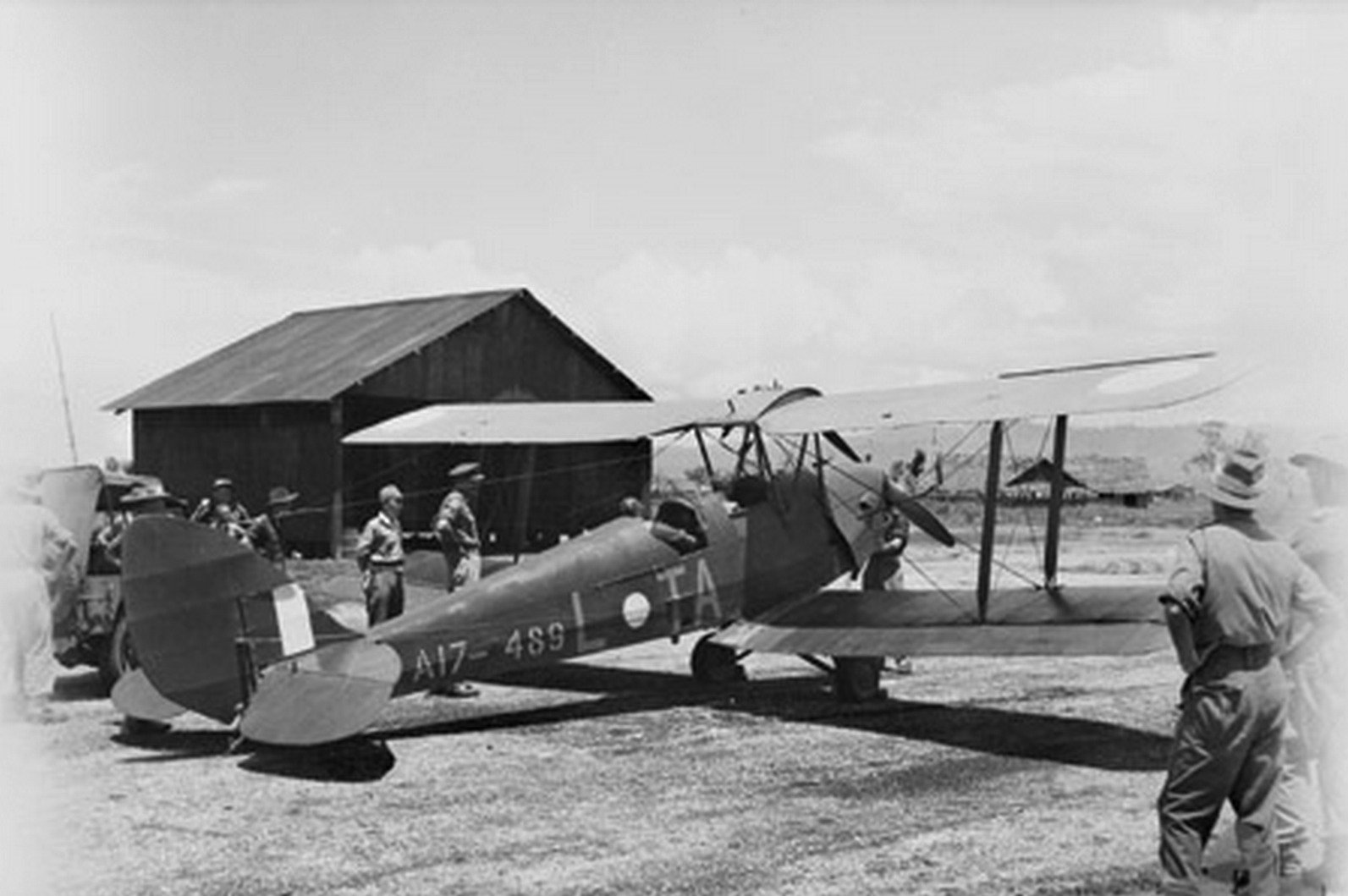
The Tiger Moth was mass-produced at two factories in England. In addition, the aircraft were built on a large scale in Canada and Australia, and on a much smaller scale in New Zealand, Norway, Portugal, and Sweden. In total, by the early 1950s, nearly 8,900 units had been built in four basic variants and dozens of modifications.
The two-seat DH.82A Tiger Moth biplane was powered by a single de Havilland Gipsy Major 1 piston engine rated at 130 k.s. The aircraft was 7.29 m long, with a wingspan of 8.94 m, a takeoff weight of 828 kg, a maximum speed of 175 km/h, and a practical range of nearly 500 km.
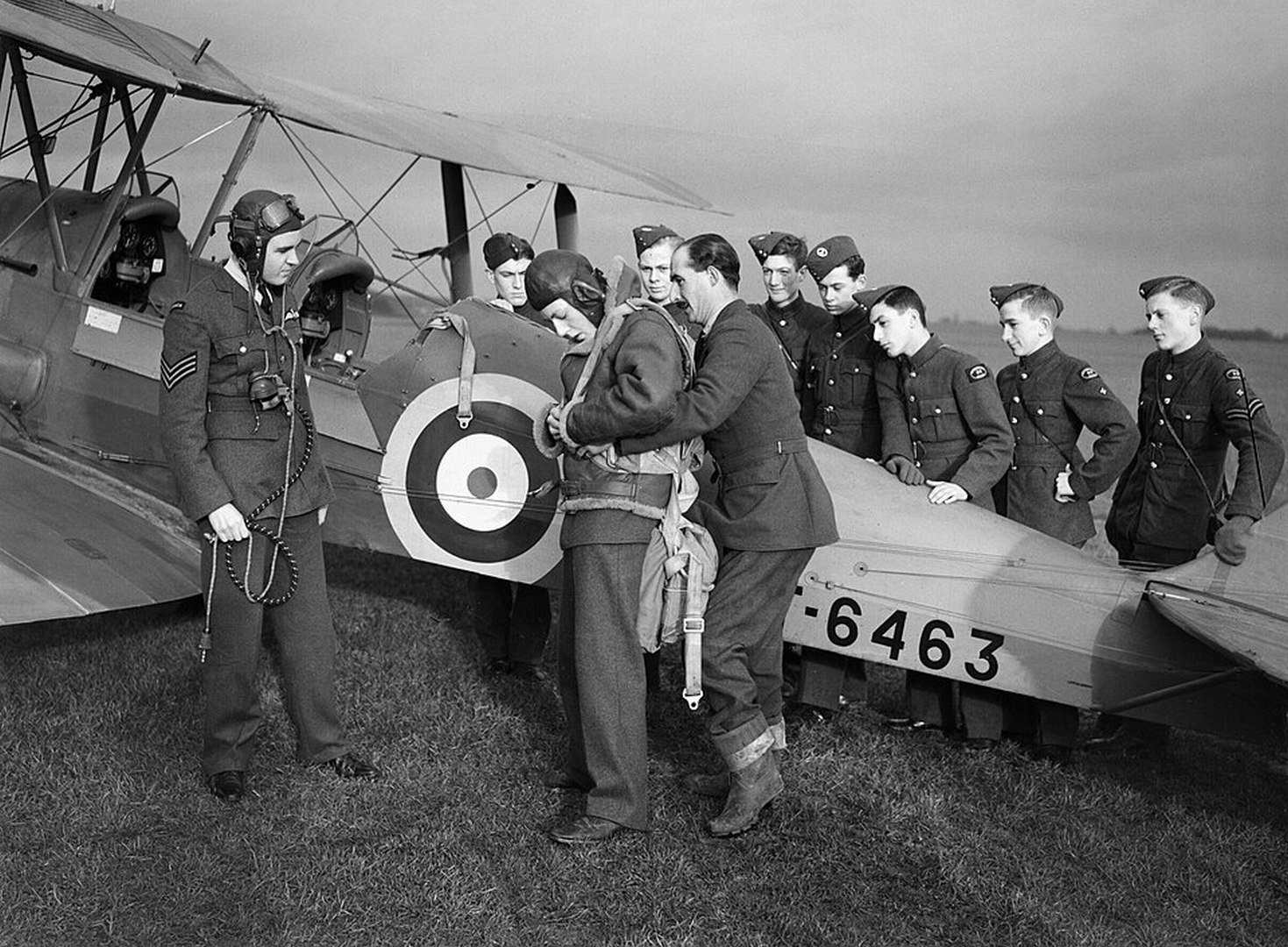
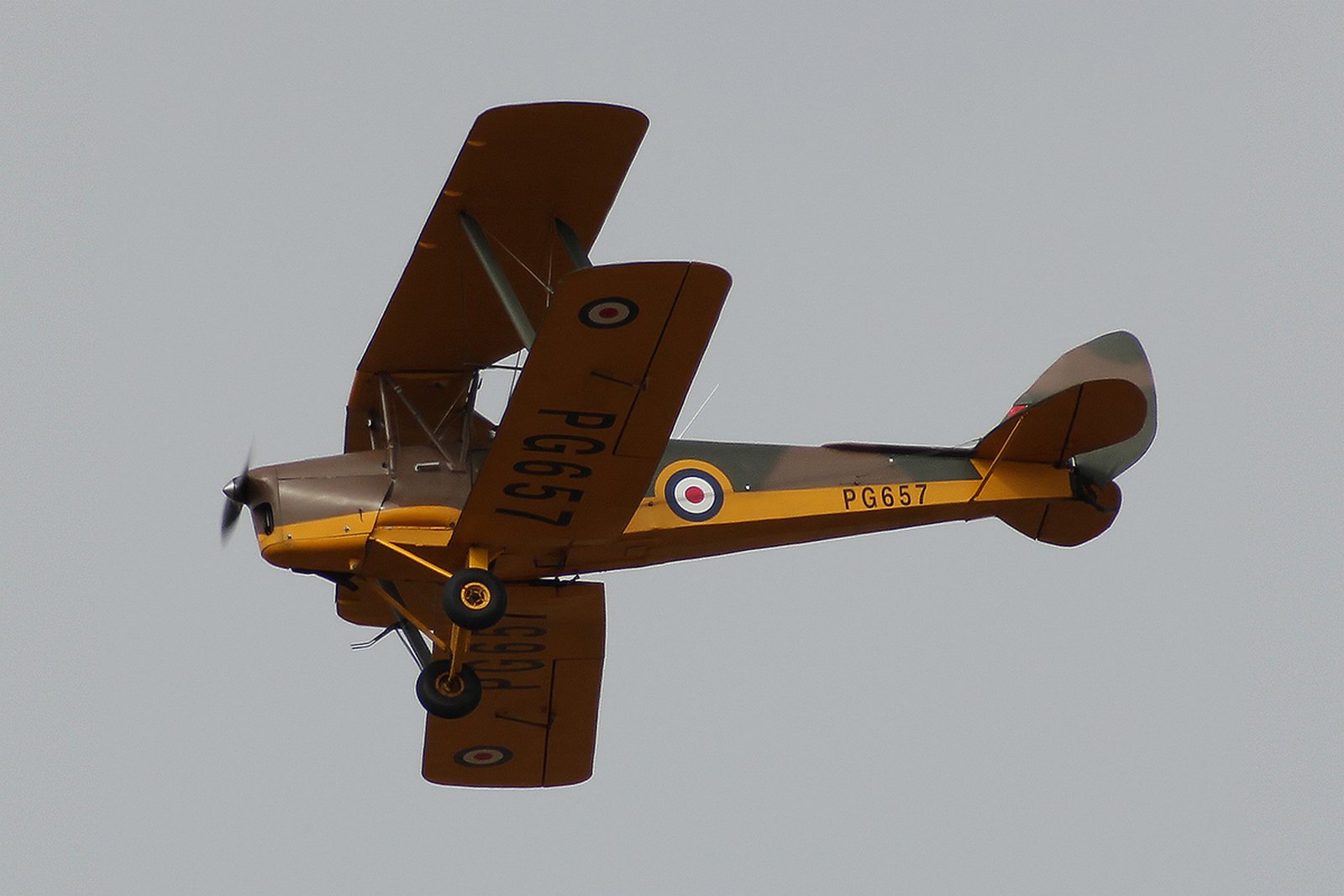
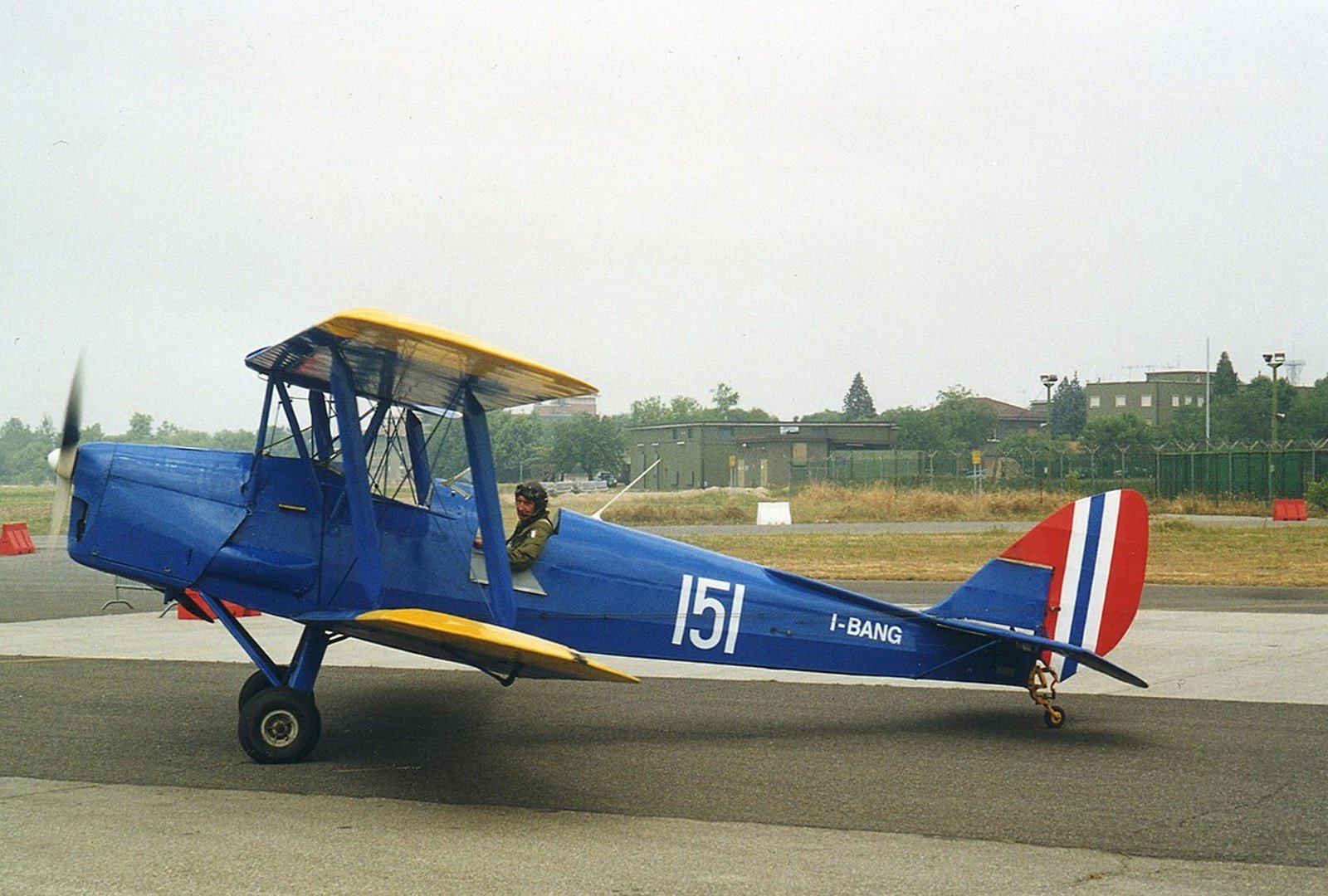
The Royal Air Force (RAF) began using these training aircraft in 1932. The aircraft quickly gained a good reputation and spread throughout the world. Before and during World War II, it was purchased by nearly 40 countries, including Brazil, Belgium, Greece, India, Iran, Spain, the Netherlands, Poland, Czechoslovakia, Finland, and France.
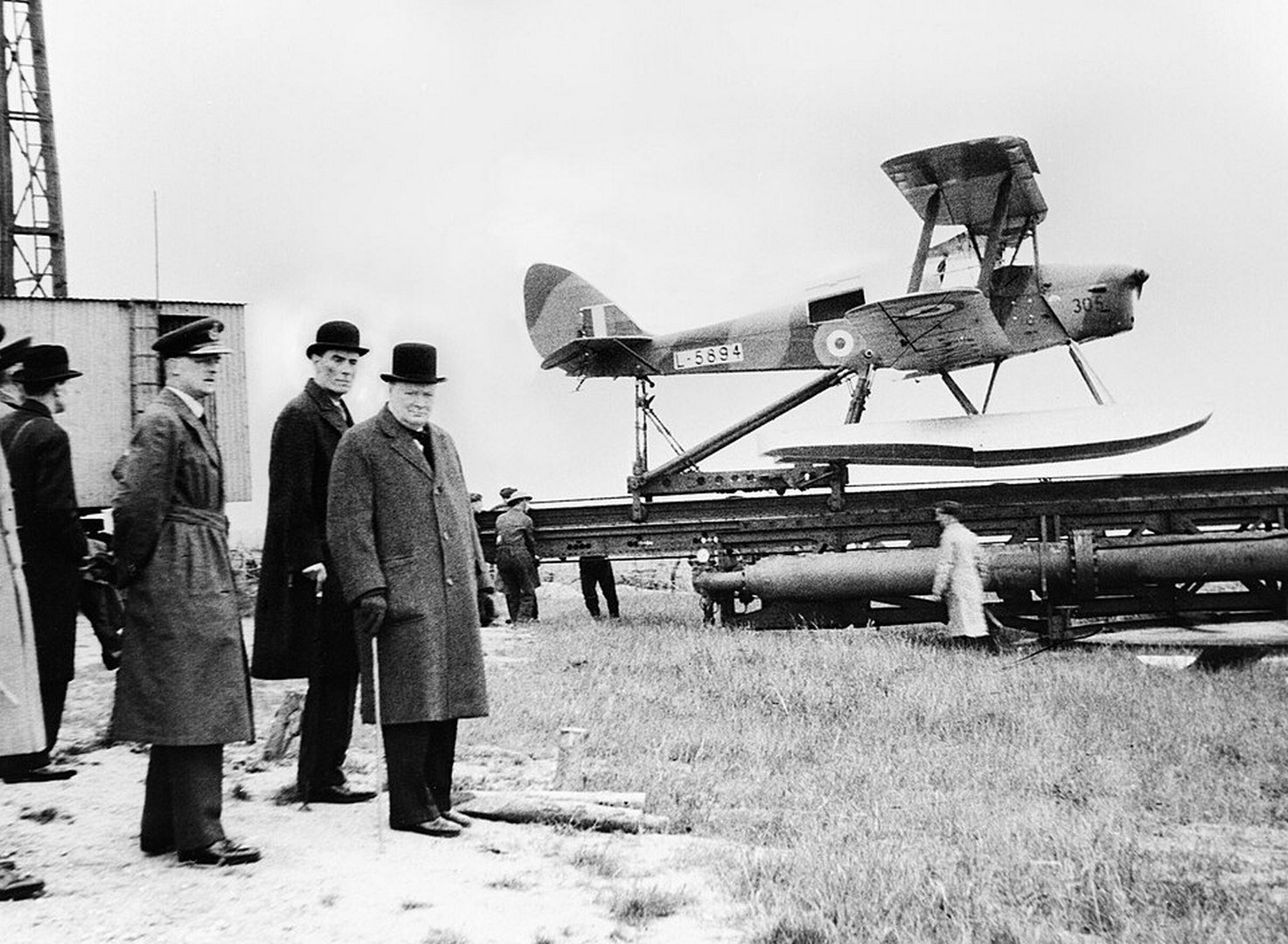
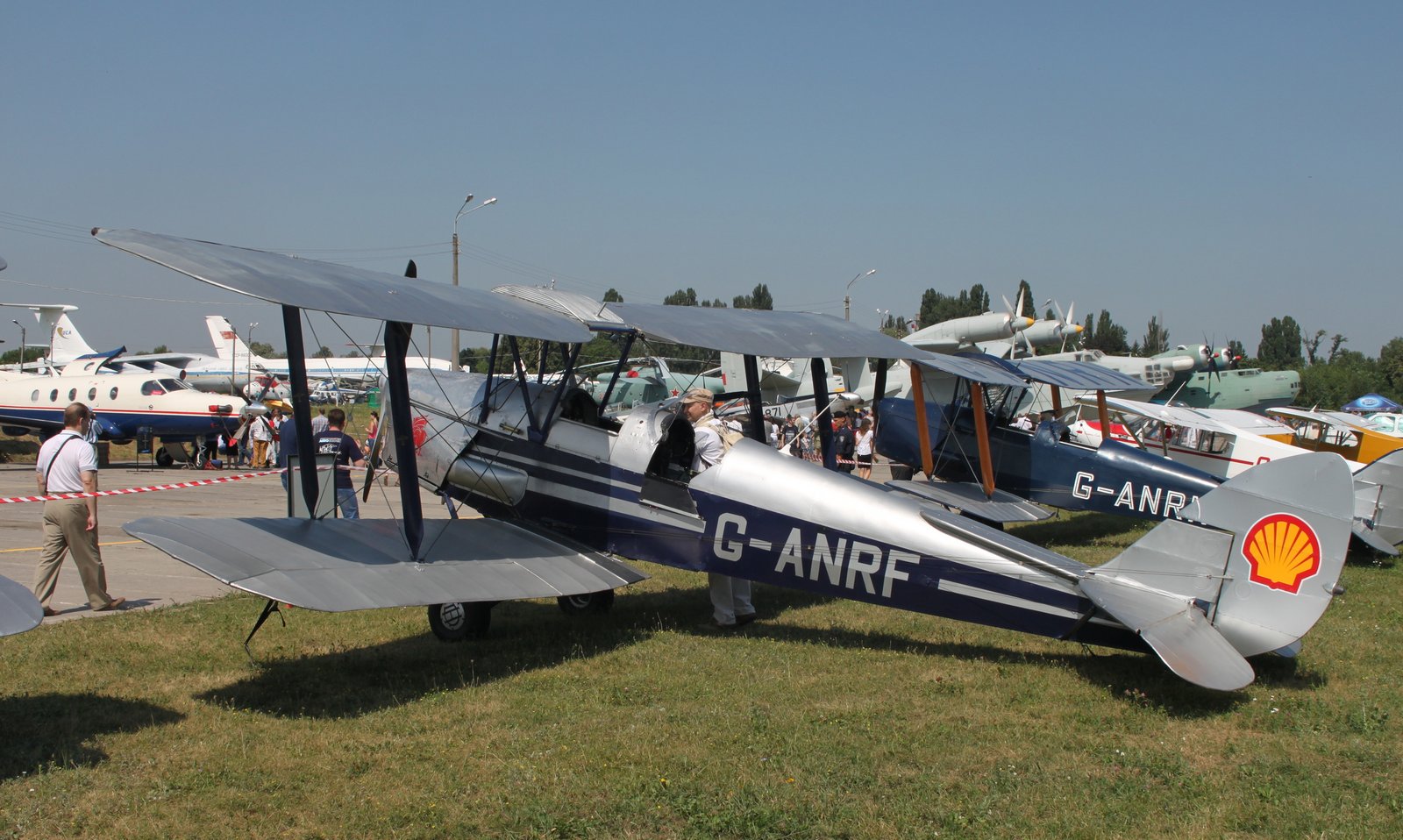
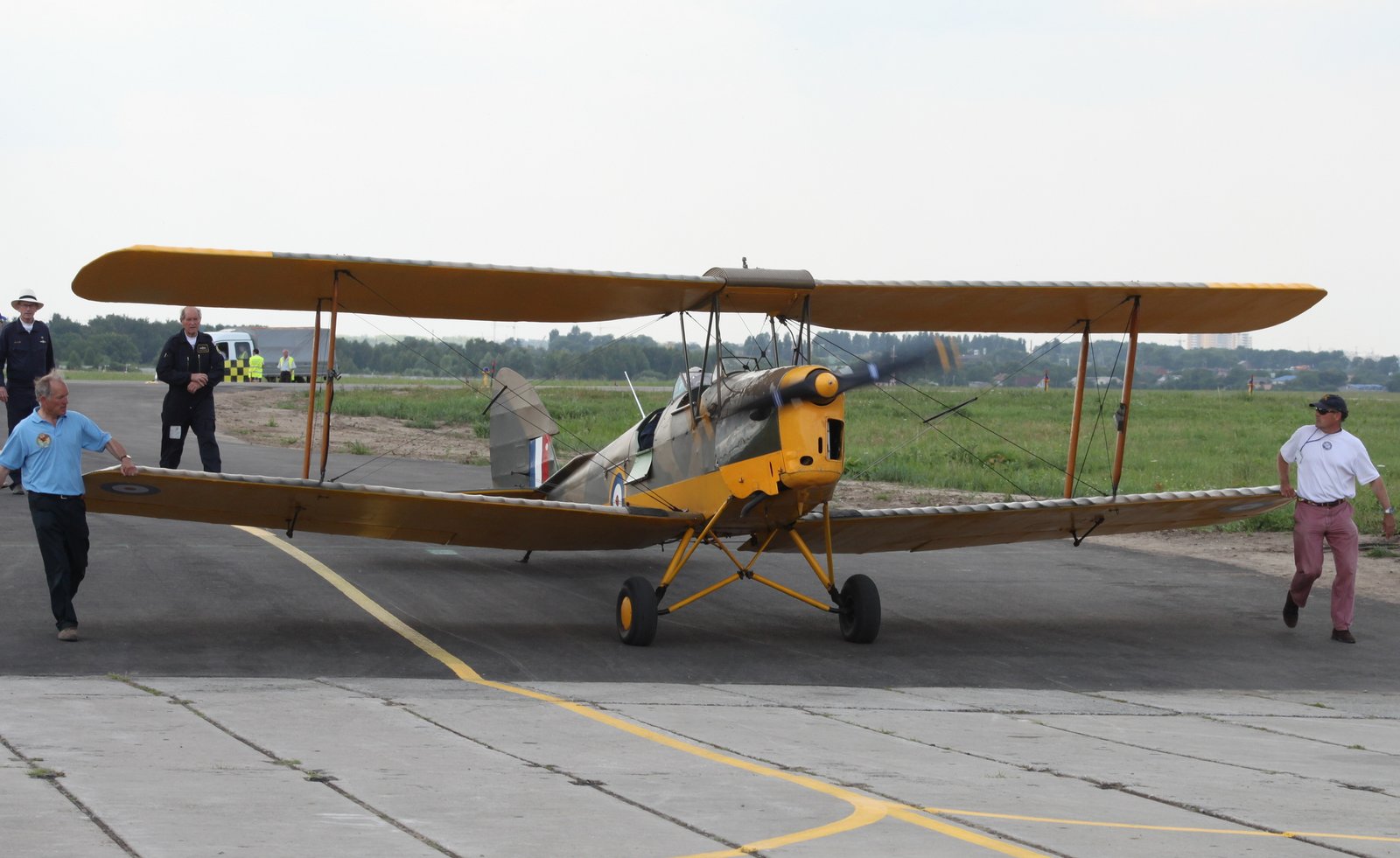
Gradually, the Tiger Moth’s range of applications expanded significantly. In fact, the aircraft became a multi-purpose machine capable of patrolling coastal waters, delivering mail, spraying fields, evacuating the sick, and, if necessary, carrying out bombing raids. In the RAF, these aircraft were used for pilot training until the early 1950s. In various countries, many Tiger Moths decommissioned from military service were purchased by civilian operators and private individuals. The geographical distribution of these aircraft expanded significantly. Thanks to careful maintenance, dozens of examples have remained airworthy to this day. In particular, in July 2013, visitors to the Oleg Antonov State Aviation Museum had the opportunity to see aircraft from this family during a visit to Ukraine by members of the British vintage aviation club, Air Squadron.