Fan-page
 Youtube
 TikTok
 Aviamuseum
 State Aviation Museum

35 Years of the A340 Long-Range Airliner
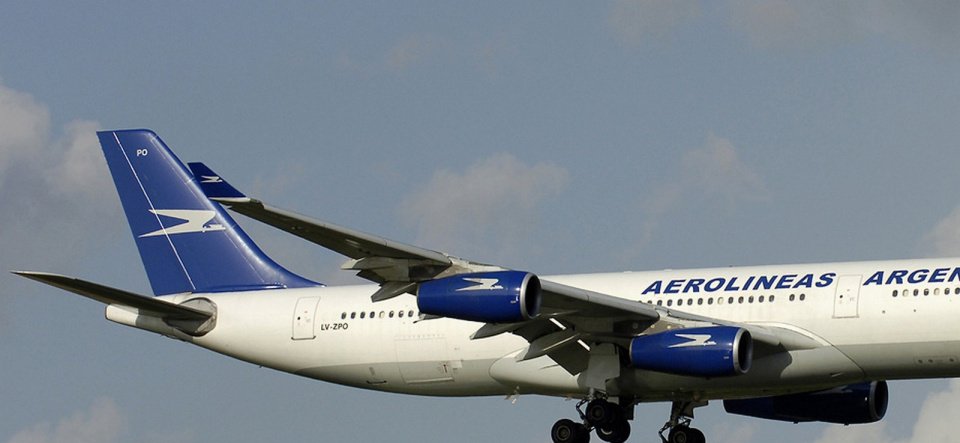
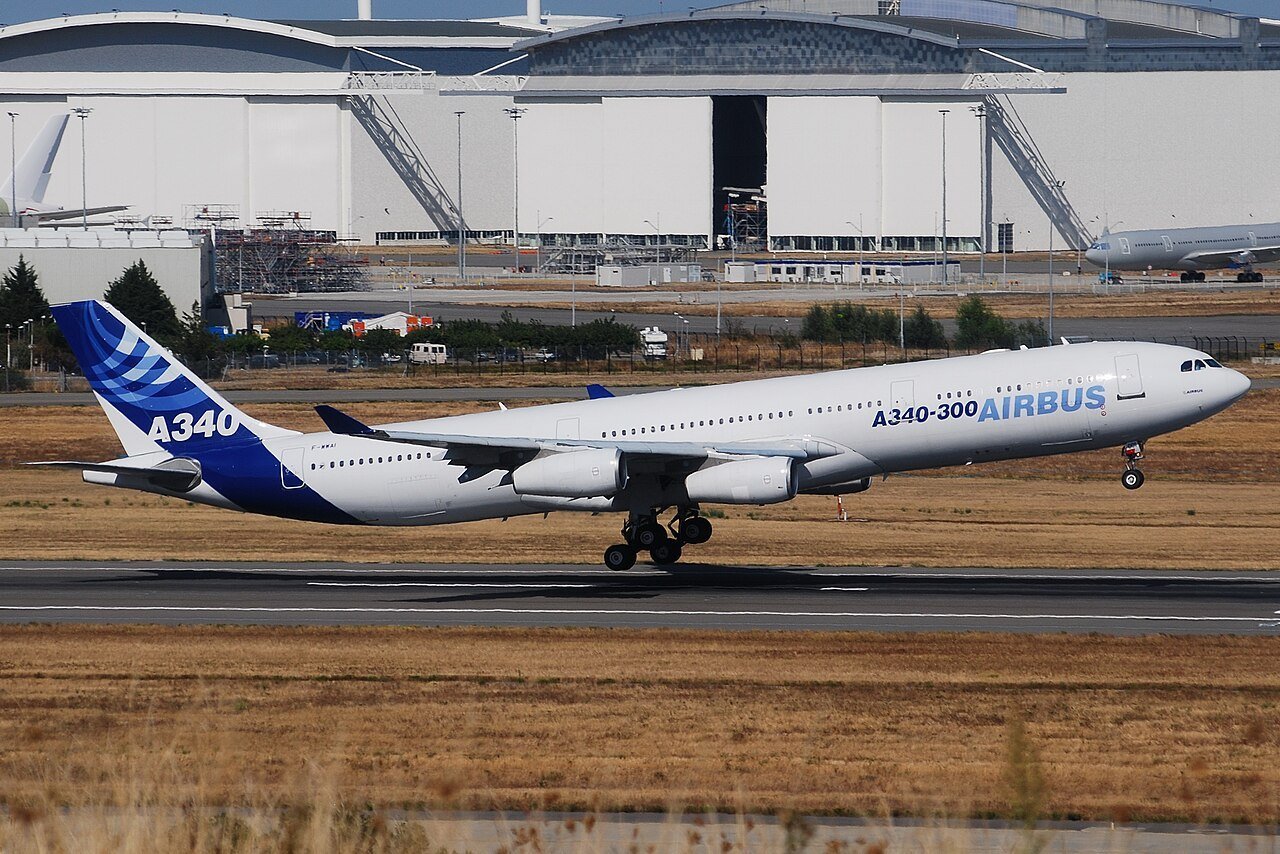
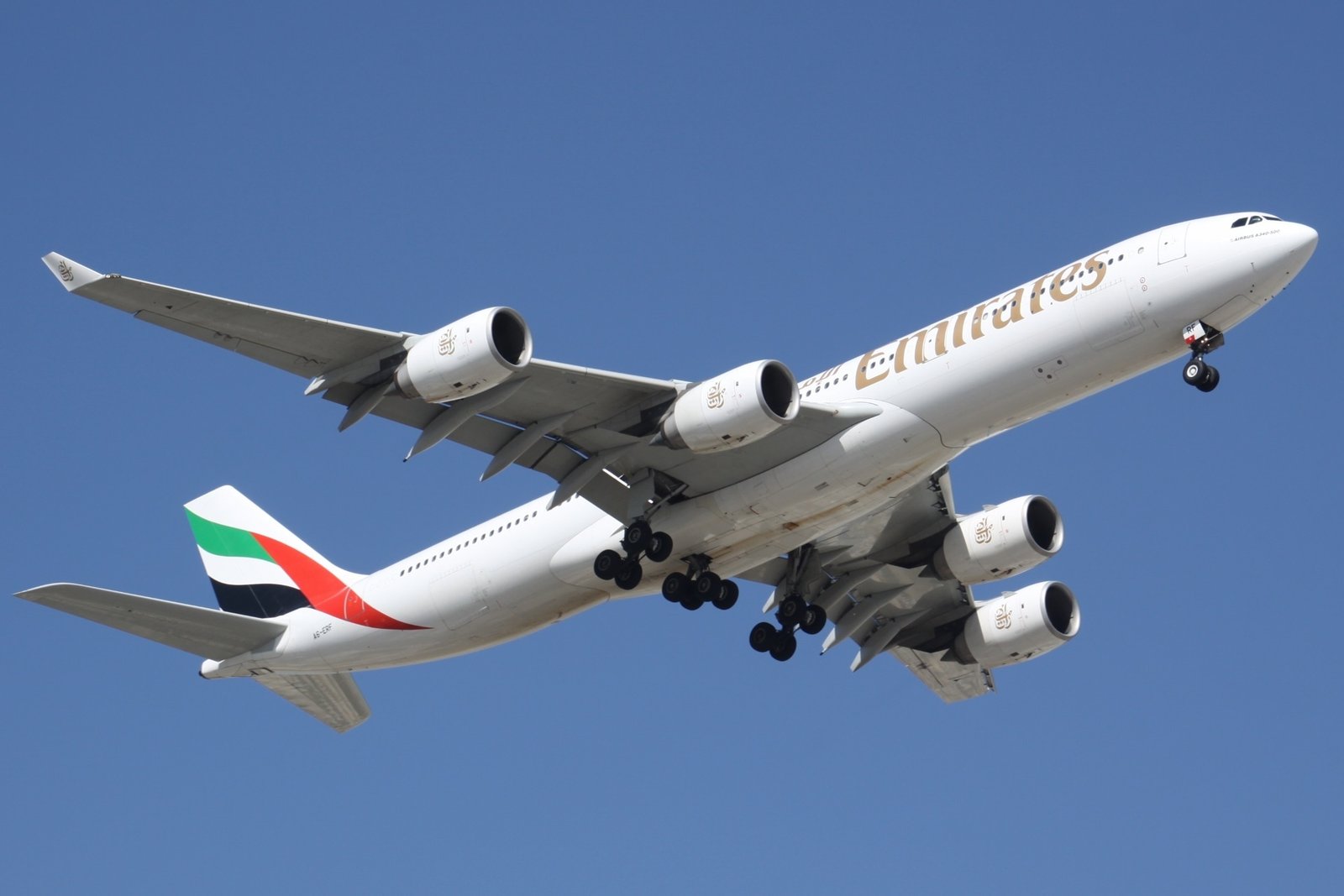
October 25 marked the 35th anniversary of the A340, a long-haul wide-body airliner developed by the European company Airbus. On that day in 1991, its first prototype took to the skies from Toulouse-Blagnac Airport in southern France.
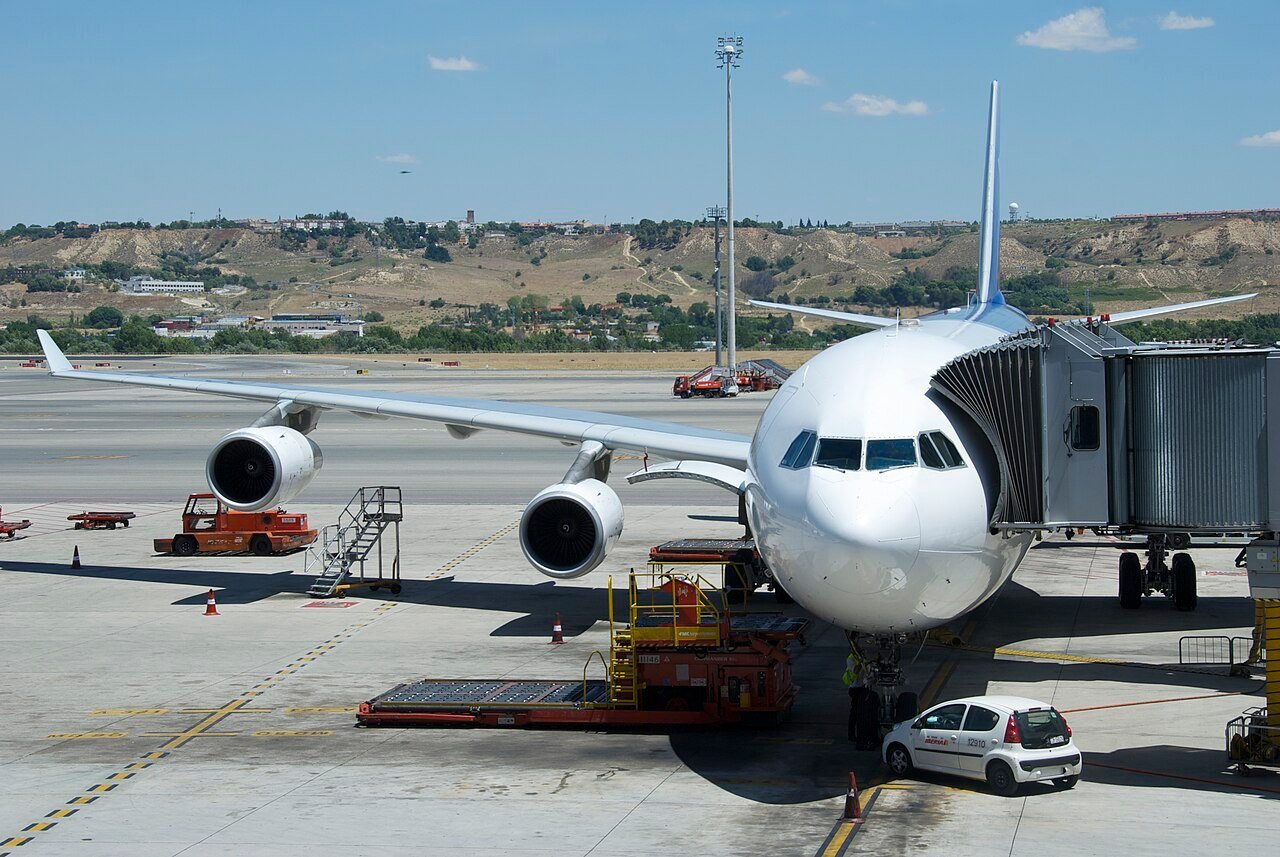
The concept behind the A340 was simple: to carry as many passengers as possible (over 450 in a single-class configuration) over the longest possible distances. In addition, the four-engine aircraft could fly over oceans along more economical, shorter routes, since it was not subject to the international ETOPS standards for twin-engine airliners. At that time, twin-engine aircraft were required to plan their flight routes so that, in the event of a single-engine failure, they could reach an alternate airport within a maximum of 90 minutes.
Like all Airbus products, the A340 was manufactured through extensive cooperation among European countries. Final assembly took place at a new plant in Toulouse, which was equipped with state-of-the-art machinery, including eight robotic drilling systems. Overall, the introduction of automation into production resulted in a 20% reduction in labor costs.
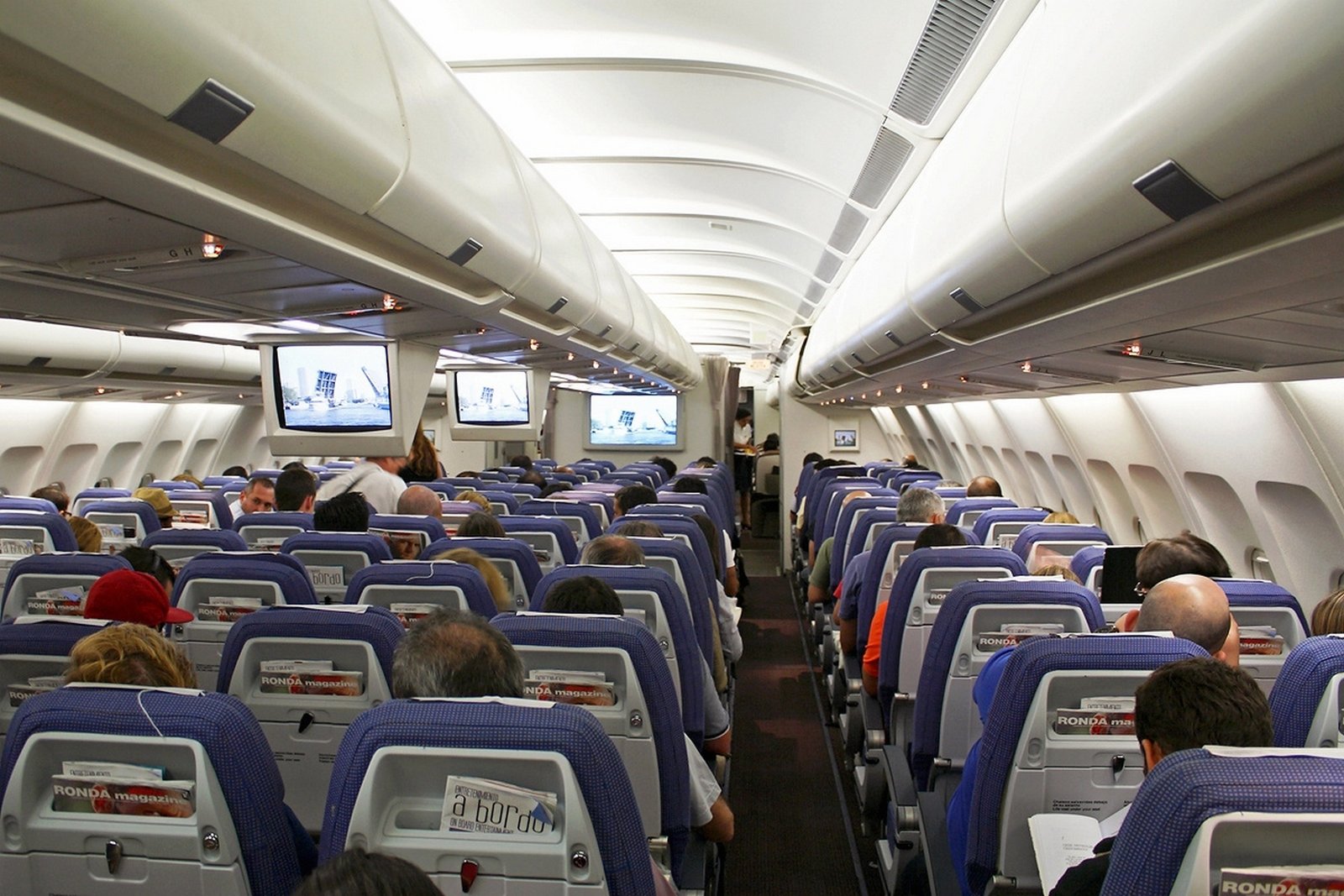
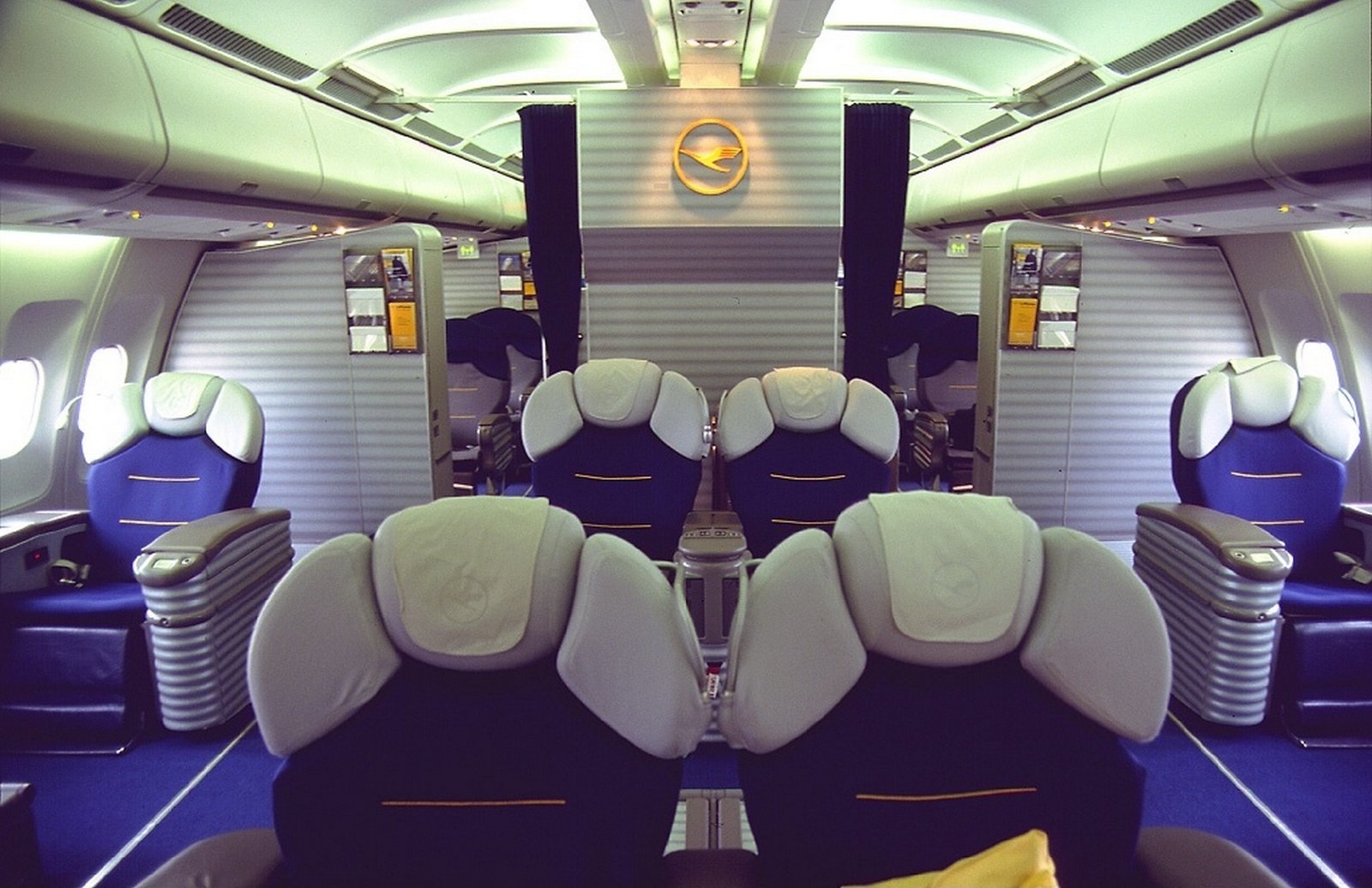
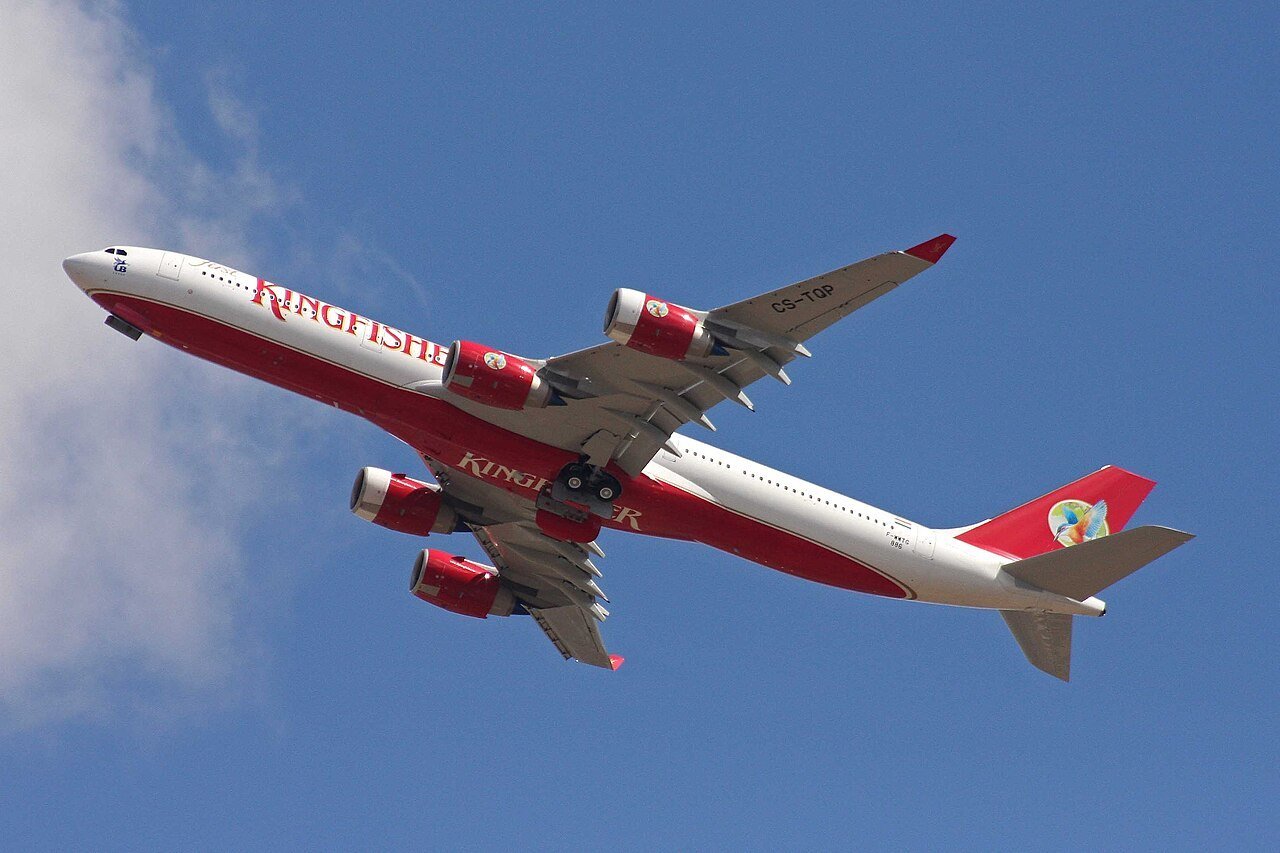
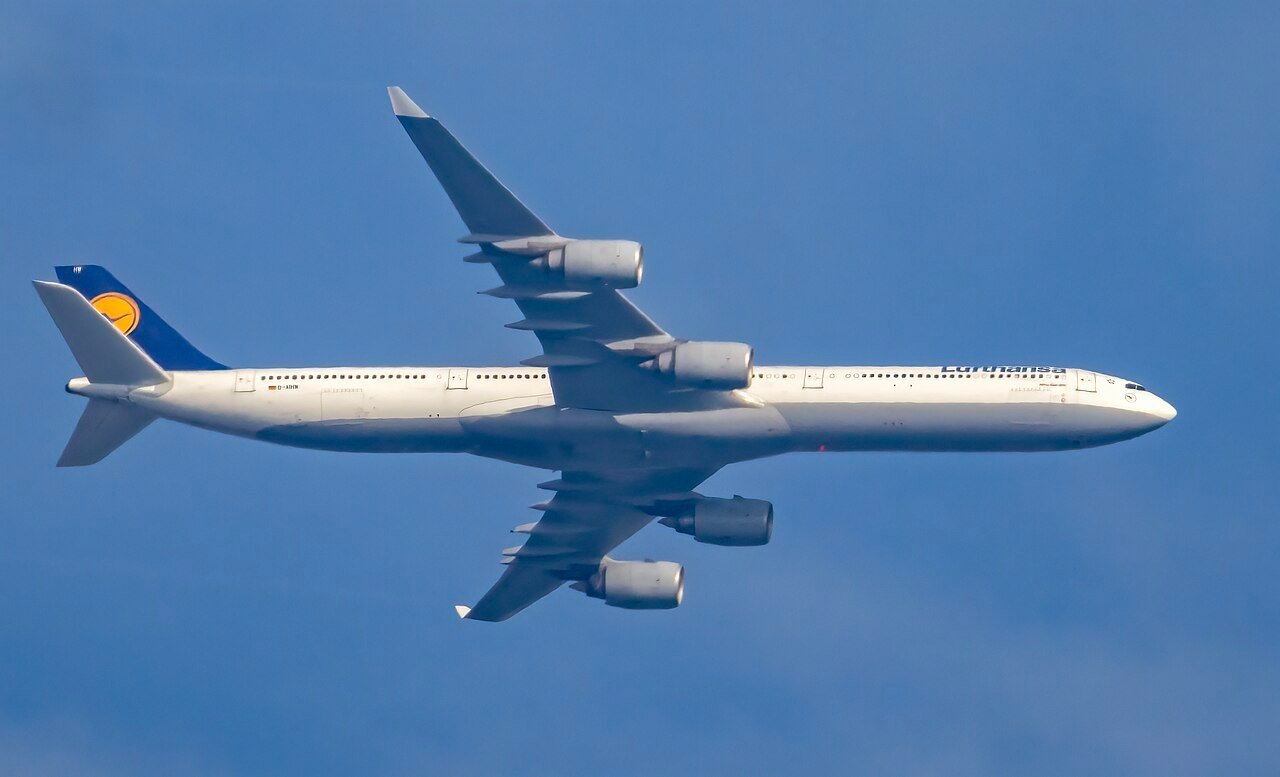
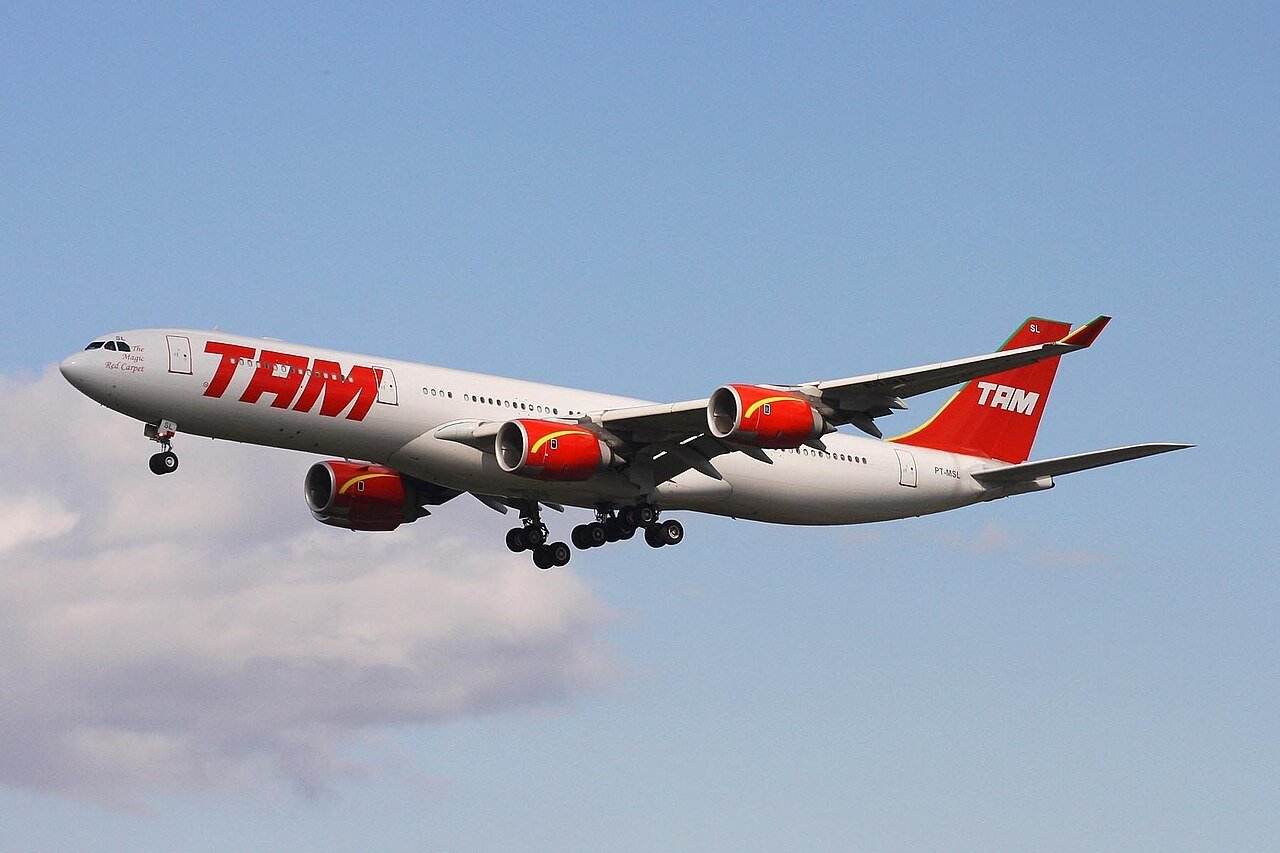
The last A340 rolled off the assembly line in 2012; a total of 377 units were built in four main variants and numerous modifications. Among them, the A340-600 stood out with a length of 75.36 m—the world’s longest production aircraft by that measure at the time. The airliner was equipped with four Rolls-Royce Trent 500 turbofan engines, each producing nearly 28 metric metric tons of thrust. It had a wingspan of 63.45, a maximum takeoff weight of 380 metric metric tons, a maximum speed of 910 km/h, and a practical range of 14,600 km. In a single-class configuration, it could accommodate 475 passengers; however, this option was never used, and the most common version was the three-class configuration with 370 seats.
In addition to purely passenger variants, there were cargo-passenger and all-cargo versions with large cargo doors. Most of these aircraft were converted from passenger models.
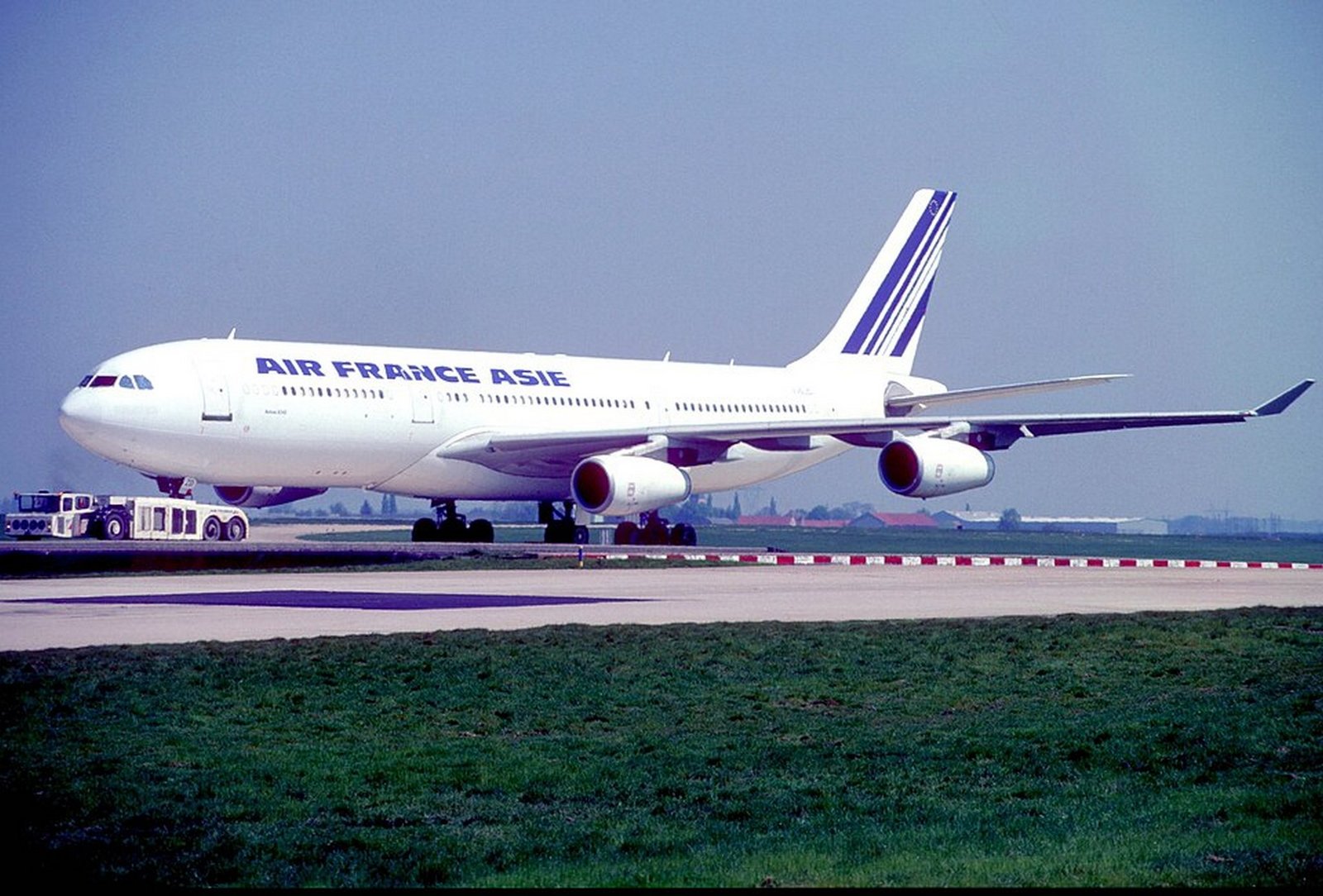
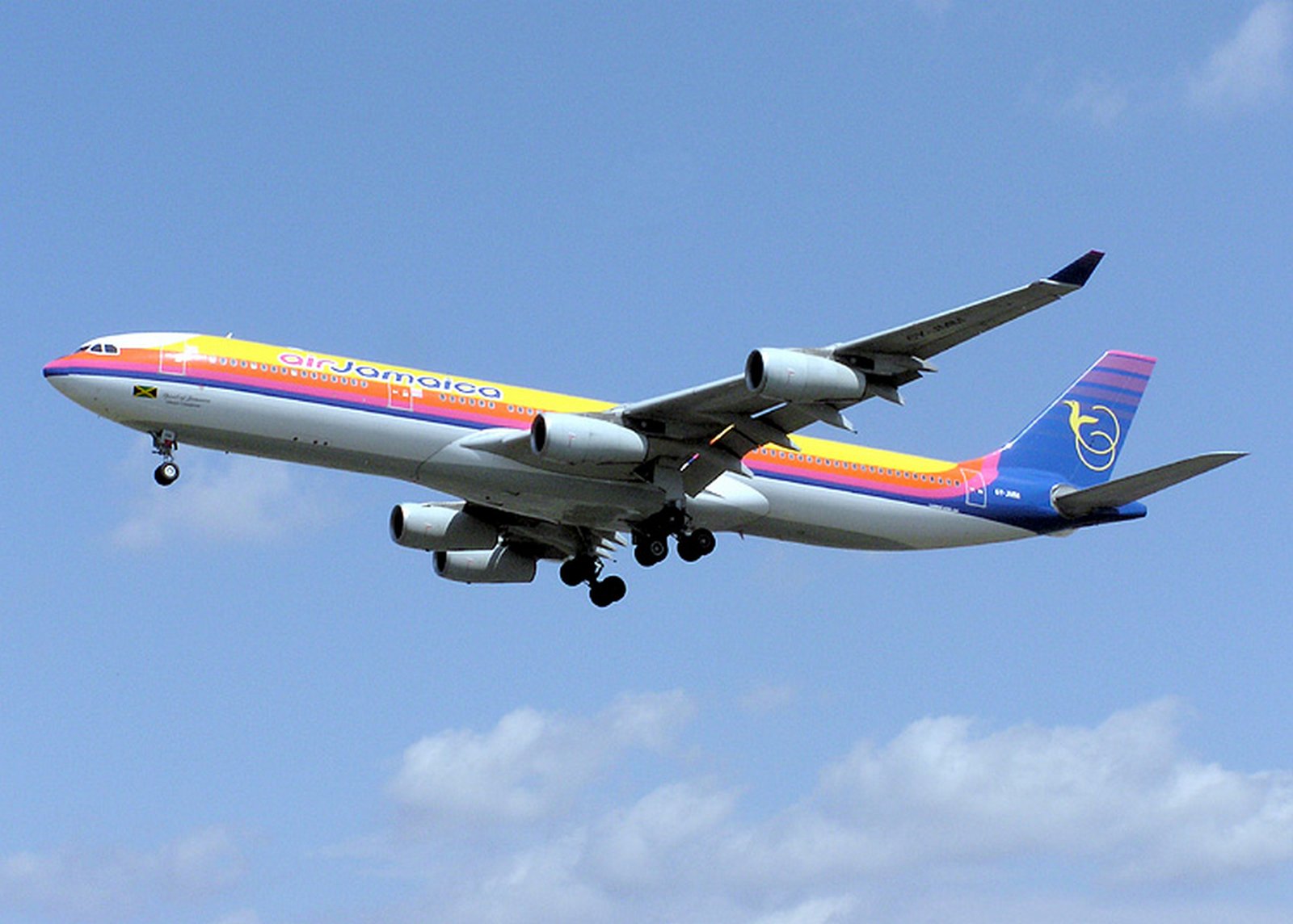
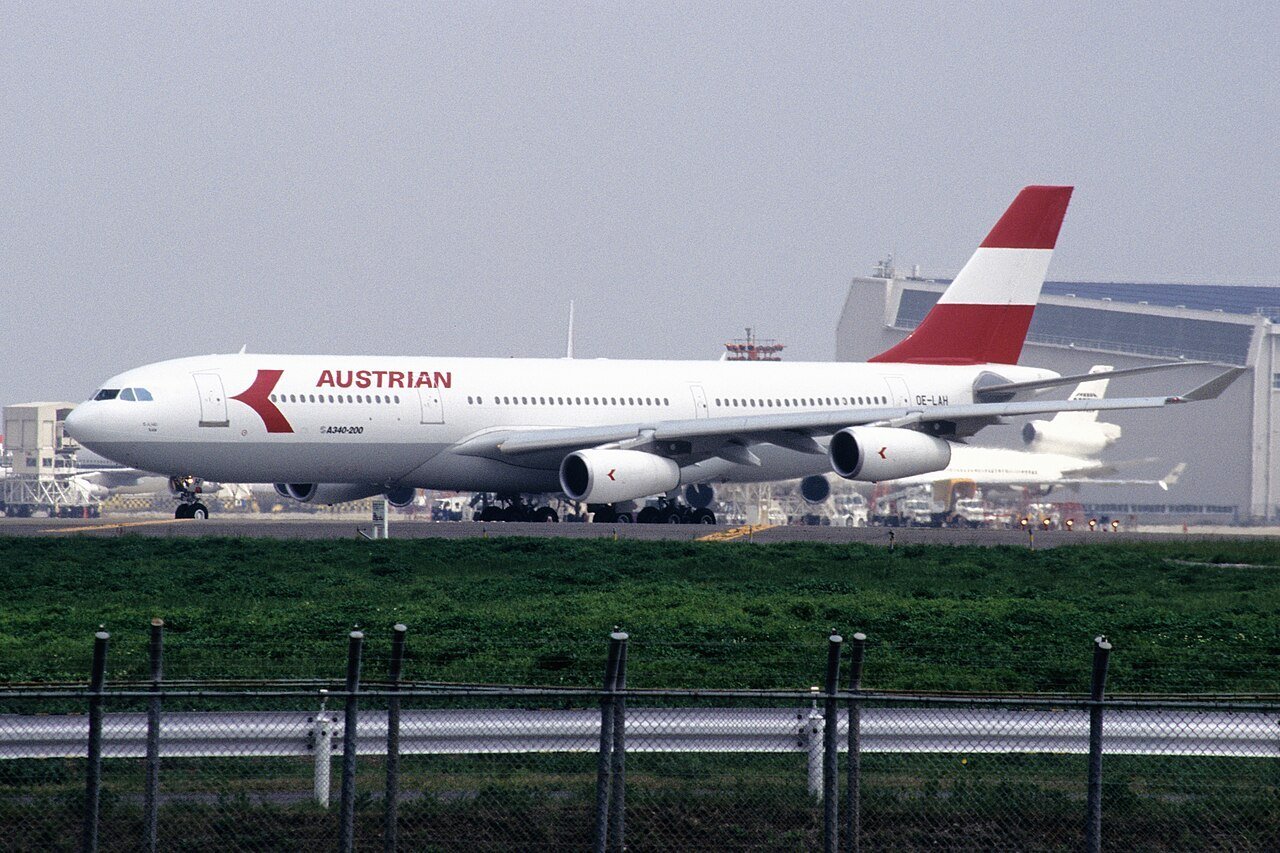
In total, the A340 was purchased by operators in more than 50 countries, including Austria, Brazil, the United Kingdom, Venezuela, India, Iran, Madagascar, Nigeria, Germany, the UAE, South Africa, Romania, the Philippines, France, Chile, and Jamaica.
The aircraft was popular with both operators and passengers. The A340 went down in history as a very safe airliner. Not a single person died during its service. Thanks to its excellent aerodynamics, it successfully competed not only with the Boeing 747 in its class but also with the three-engine Douglas DC-10 and Lockheed L-1011 Tristar. However, pressure from more fuel-efficient twin-engine long-haul airliners gradually increased, especially after the ETOPS standards were significantly relaxed. The situation finally changed as a result of the 2008 global financial crisis, when jet fuel prices rose and demand for passenger travel fell. Airlines began removing the A340 first from scheduled routes and then phasing them out entirely. As of October 2026, 64 aircraft from this family remained in service, the vast majority of which were cargo versions.