Fan-page
 Youtube
 TikTok
 Aviamuseum
 State Aviation Museum

60 Years of the Yak-40 Regional Airliner
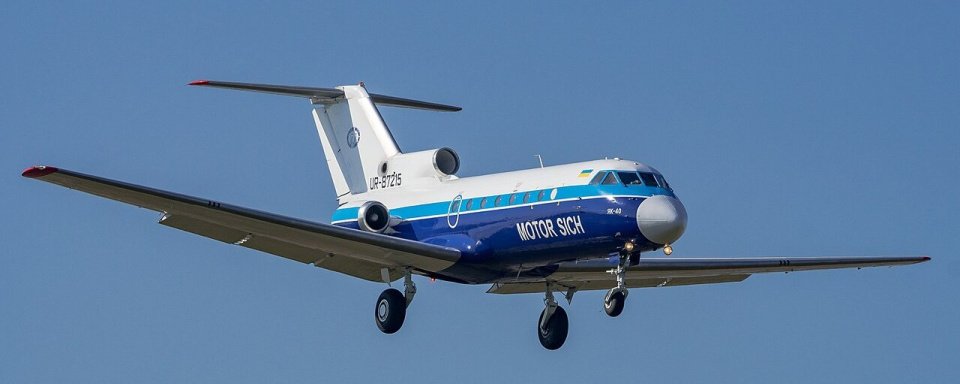
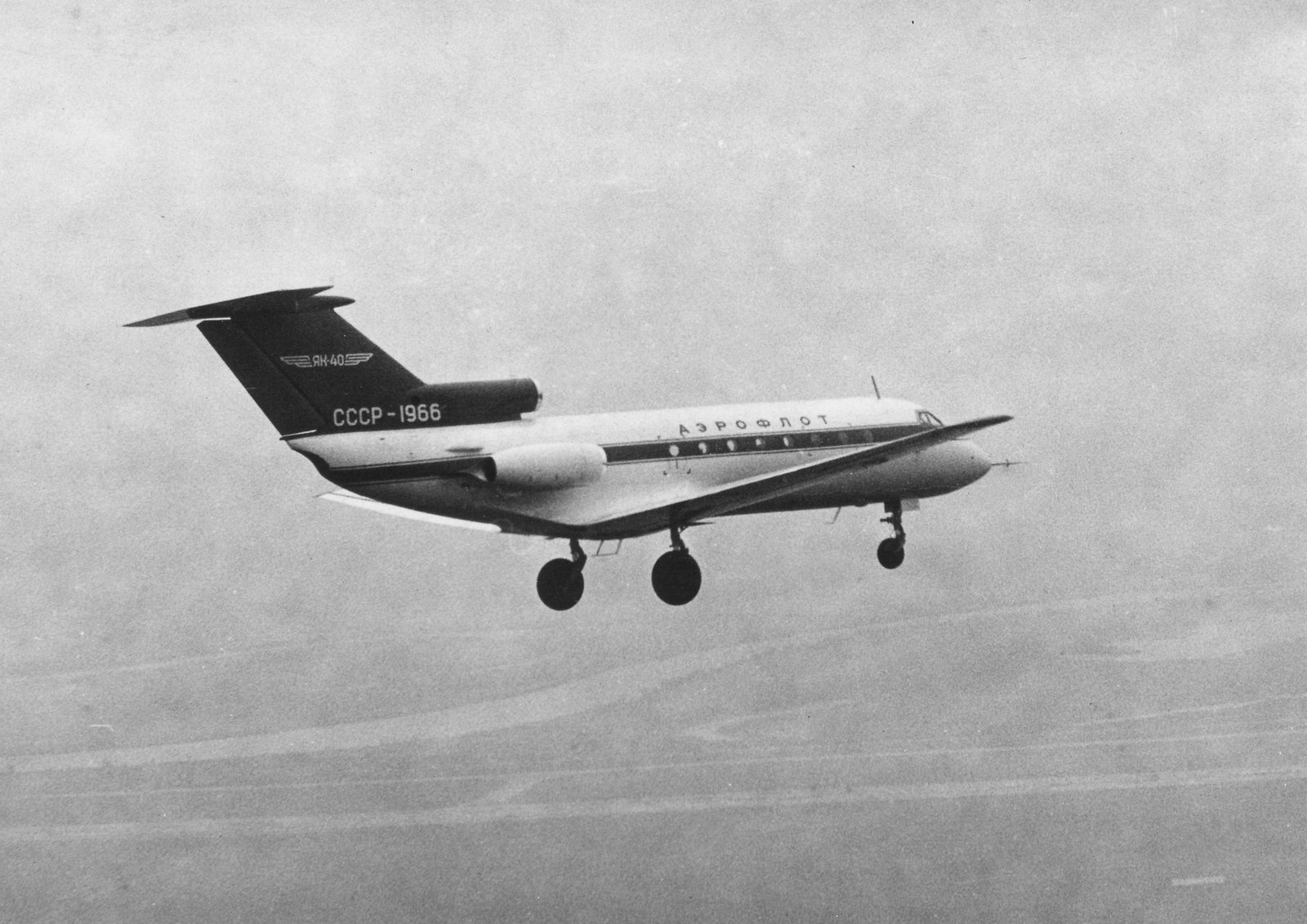
October 21 marked the 60th anniversary of the Yak-40 regional airliner, which became the world’s first jet aircraft of its class. On that day in 1966, its first prototype took flight.
The project was jointly initiated by the design teams led by Oleg Antonov and Georgy Beriev. They developed the aircraft’s general design and defined its key structural and layout solutions. The aircraft was to be named the An-Be-20. Work had progressed quite far; they had even built a full-scale wooden mockup.
At the insistence of the Ministry of Aviation Industry (MAI), the airliner was to be jet-powered. Calculations showed that three AI-25 engines, developed in Zaporizhzhia under the leadership of Oleksandr Ivchenko, would be required. There were simply no other engines in the USSR that would be suitable for such an aircraft. However, Oleg Antonov believed that this powerplant would be very inefficient and that turboprop engines should be used on an aircraft for domestic airlines. Ultimately, MAP transferred the project to Alexander Yakovlev’s Design Bureau, which happened to have spare capacity at the time. Its specialists received the design materials for the An-Be-20, significantly revised the design (in particular, replacing the side entrance with a tail entrance featuring a built-in boarding ramp), and produced the documentation for serial production.
The Yak-40 was produced at aircraft plants in Saratov and Smolensk until early 1981. In total, including prototypes, 1,011 units were built—the highest number among all Soviet jet airliners. There were three main variants, including a cargo-passenger version. Special modifications, such as flying laboratories, were also developed based on the production aircraft. In addition, many aircraft were converted into VIP versions with enhanced-comfort cabins.
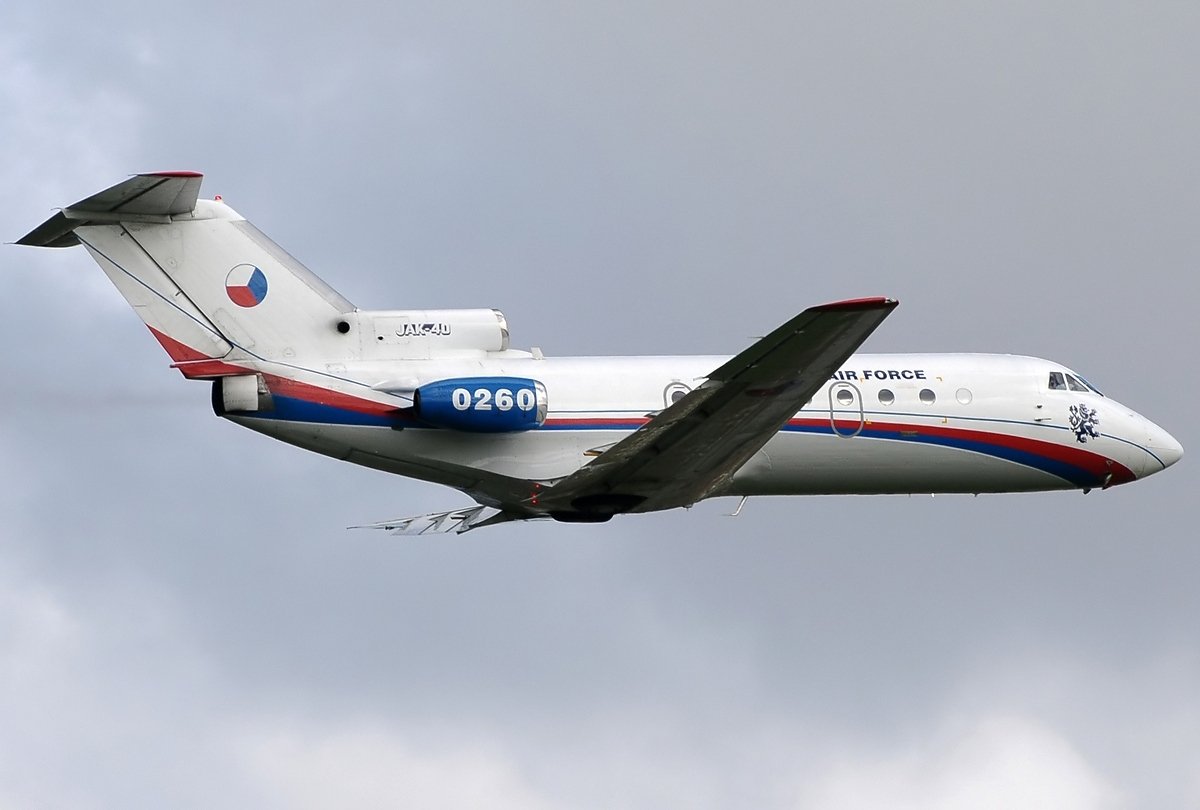
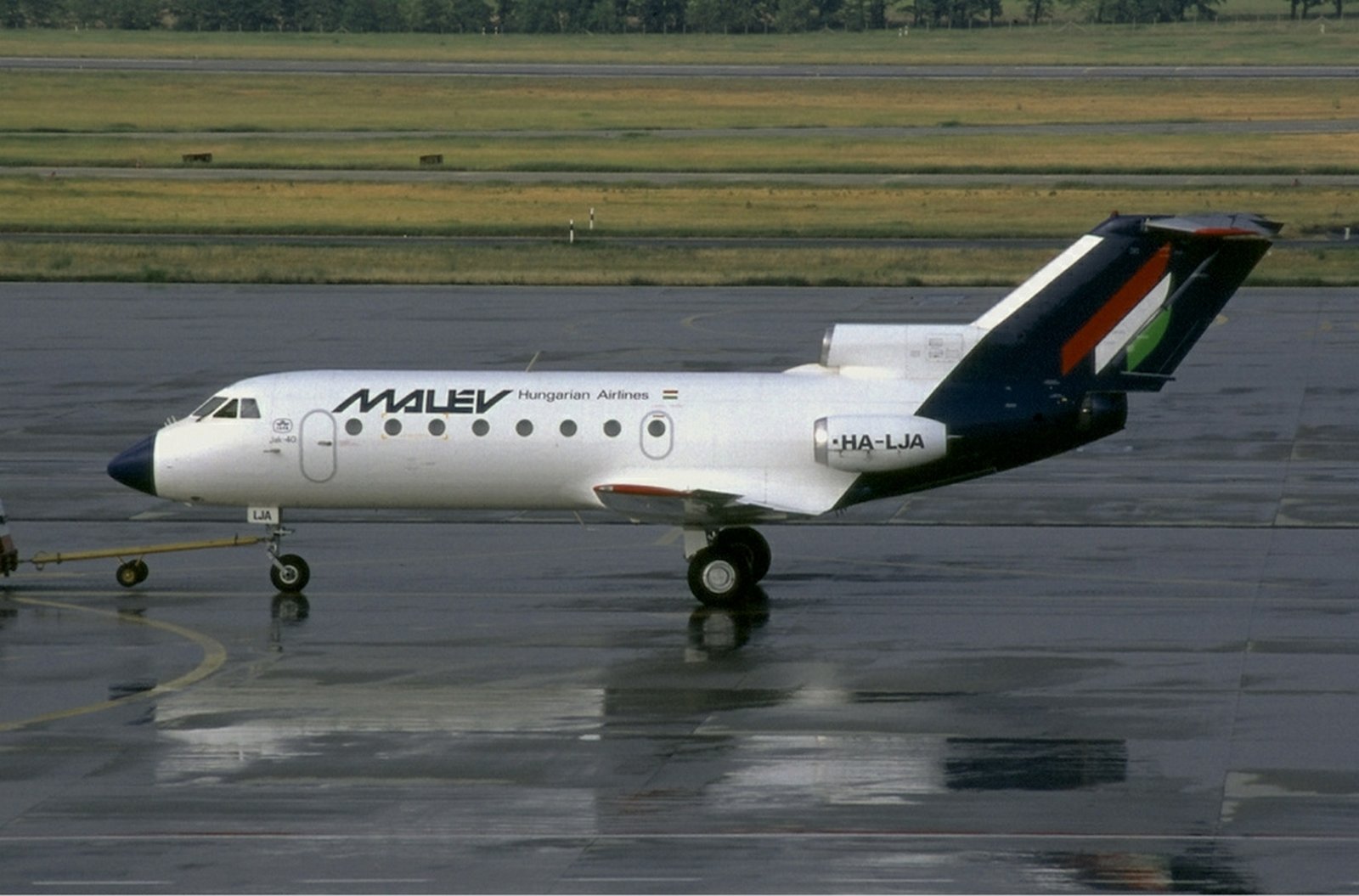
The passenger airliner could carry 25–32 people. It was equipped with three AI-25 dual-circuit turbojet engines, each with a thrust of 1,500 kgf. The aircraft was 20.36 m long, with a wingspan of 25 m, a maximum takeoff weight of 16,100 kg, a cruising speed of 510 km/h, and a practical range of 1,050 km.
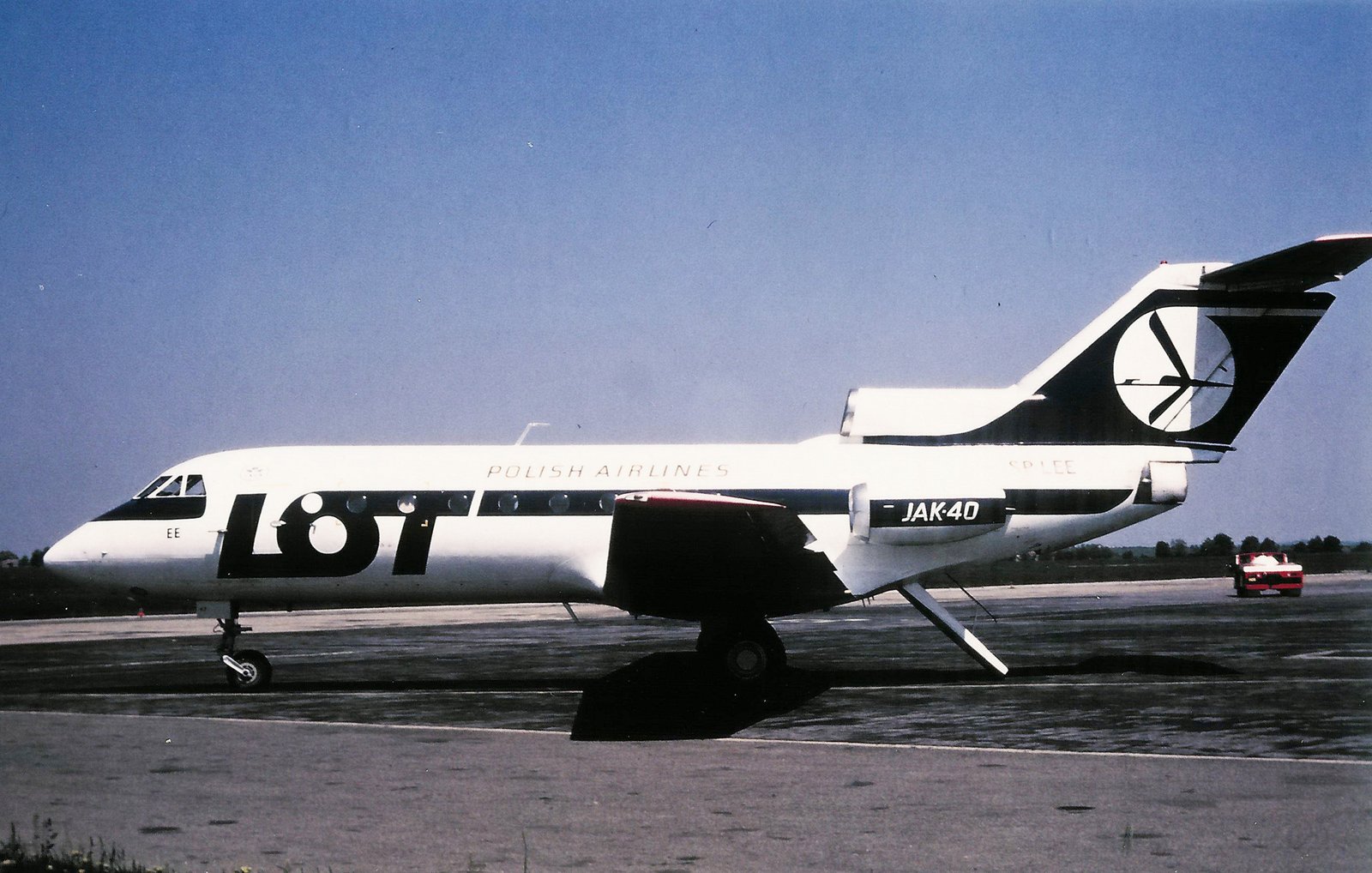
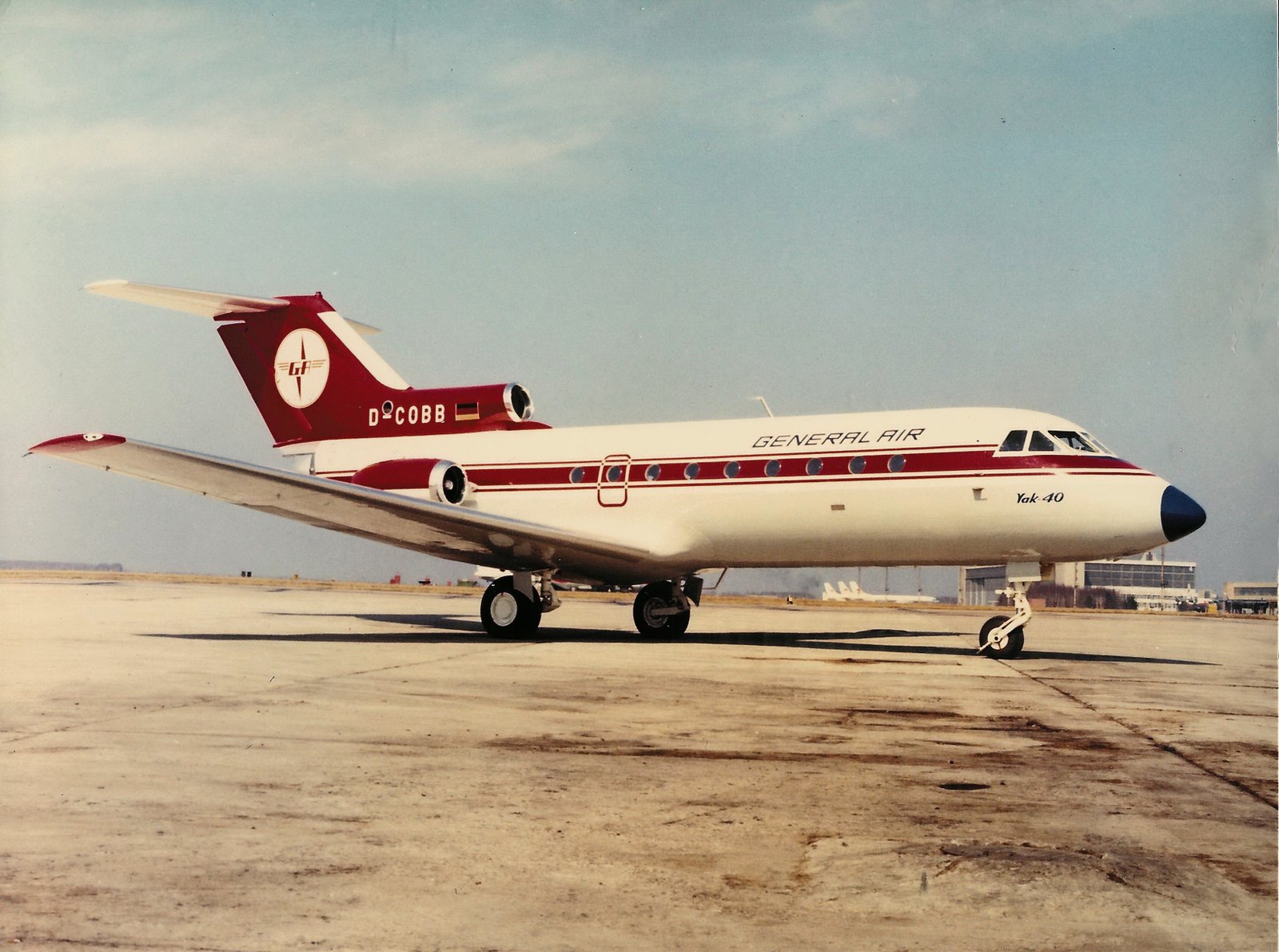
The vast majority of these aircraft were delivered to the Soviet Aeroflot. In total, the Yak-40 found its way to more than 30 countries through various channels, including Afghanistan, Angola, Bolivia, Egypt, Italy, Cuba, Peru, Poland, Hungary, and Yugoslavia.
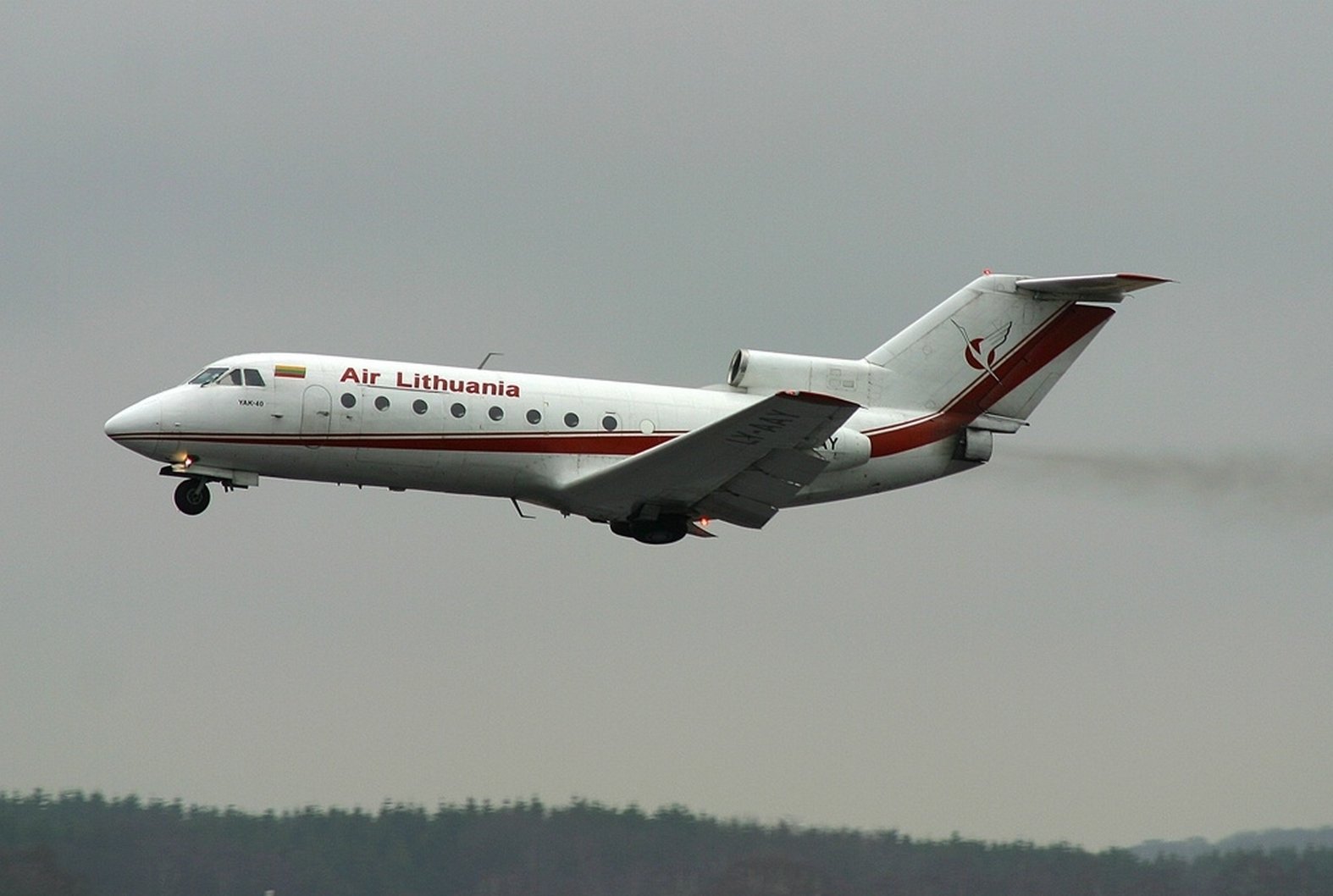
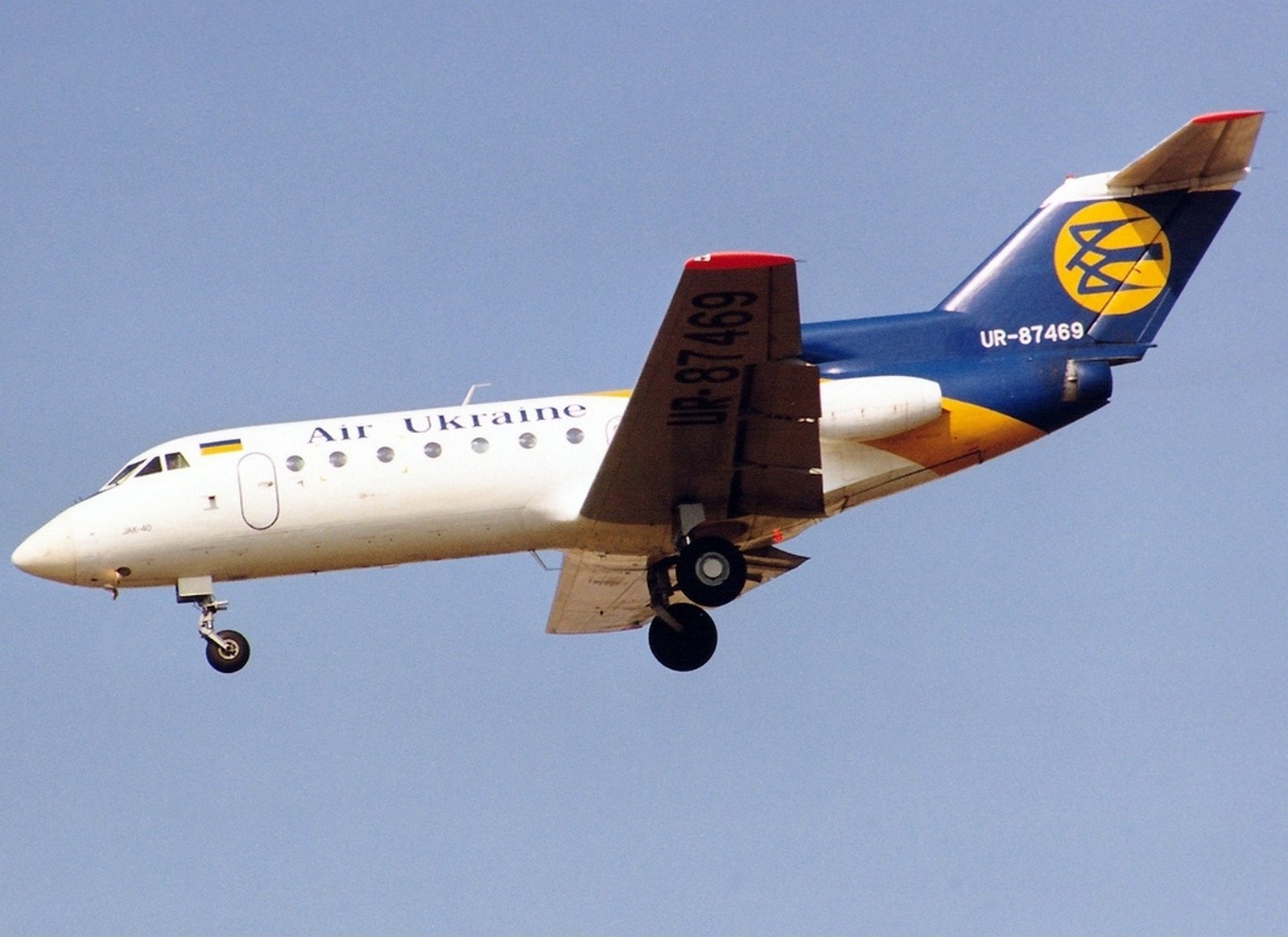
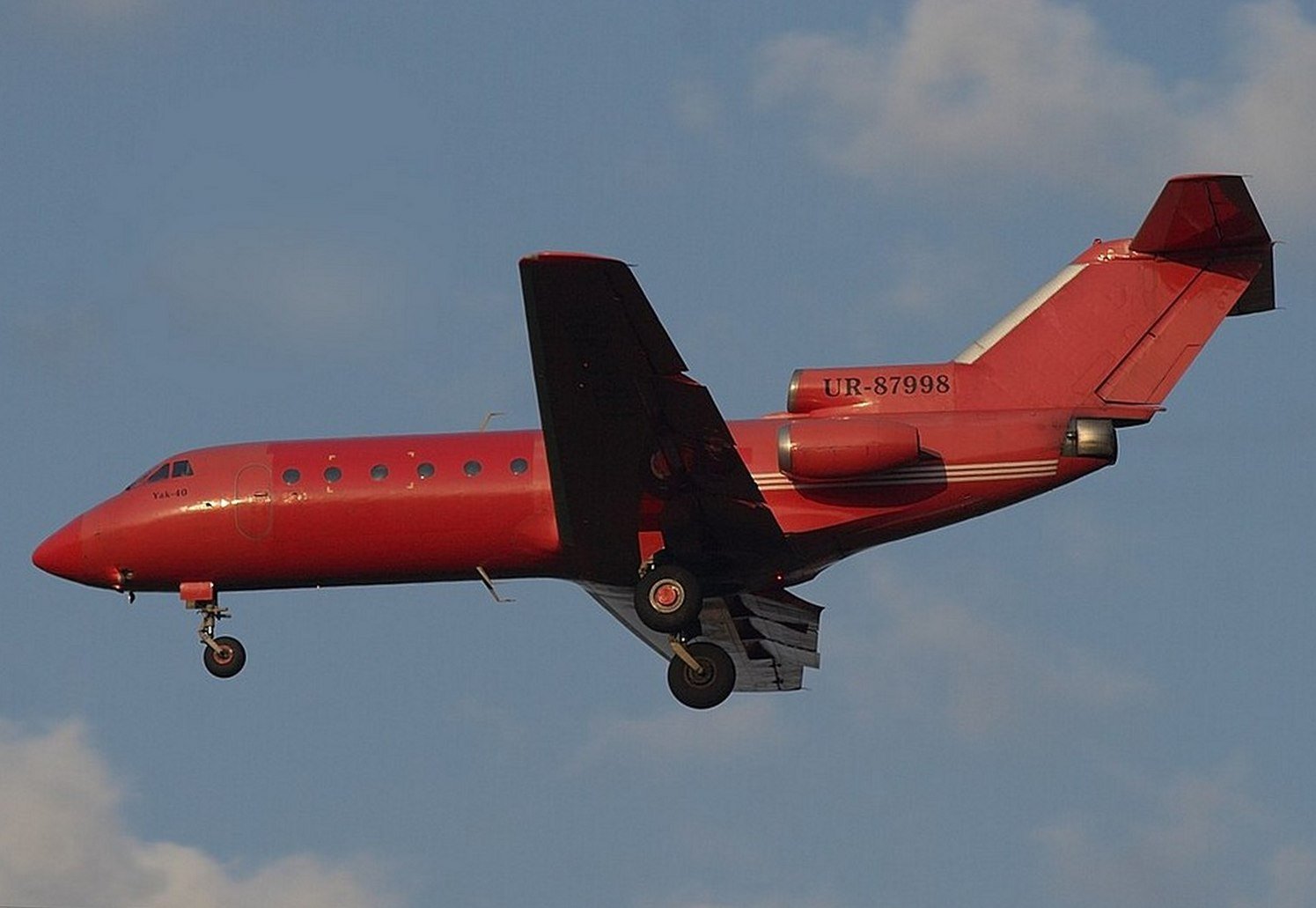
In Ukraine, until 1991, the Yak-40 was operated by the Dnipropetrovsk, Zaporizhzhia, Kirovohrad, and Odesa aviation enterprises, as well as the Kirovohrad Civil Aviation Flight School. In independent Ukraine, these aircraft were used by two dozen operators, including AviaTon, Donbas Airlines, Dniproavia, Motor Sich, and Odessa Airlines.
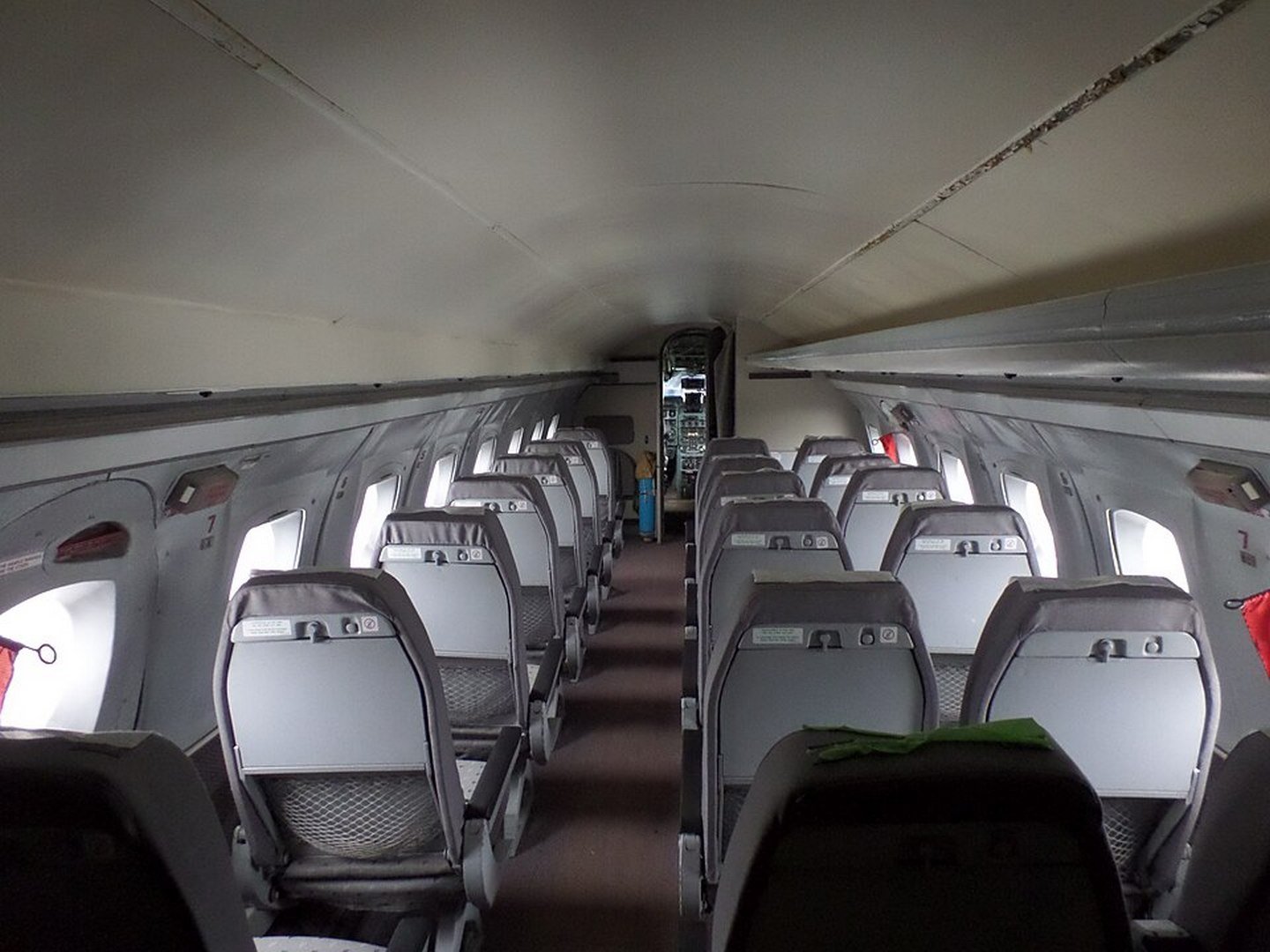
When the Yak-40 entered service in the second half of the 1960s, it was warmly welcomed by both passengers and crews. Indeed, the cabin offered a high level of comfort for that time; in particular, it was significantly quieter than, say, the An-24. However, the Yak-40’s economic performance proved to be poor. To improve them, the number of passenger seats was increased from 25 to 32, and lightweight seats were installed. Now, traveling on the plane became downright cramped, almost like in modern minibuses.
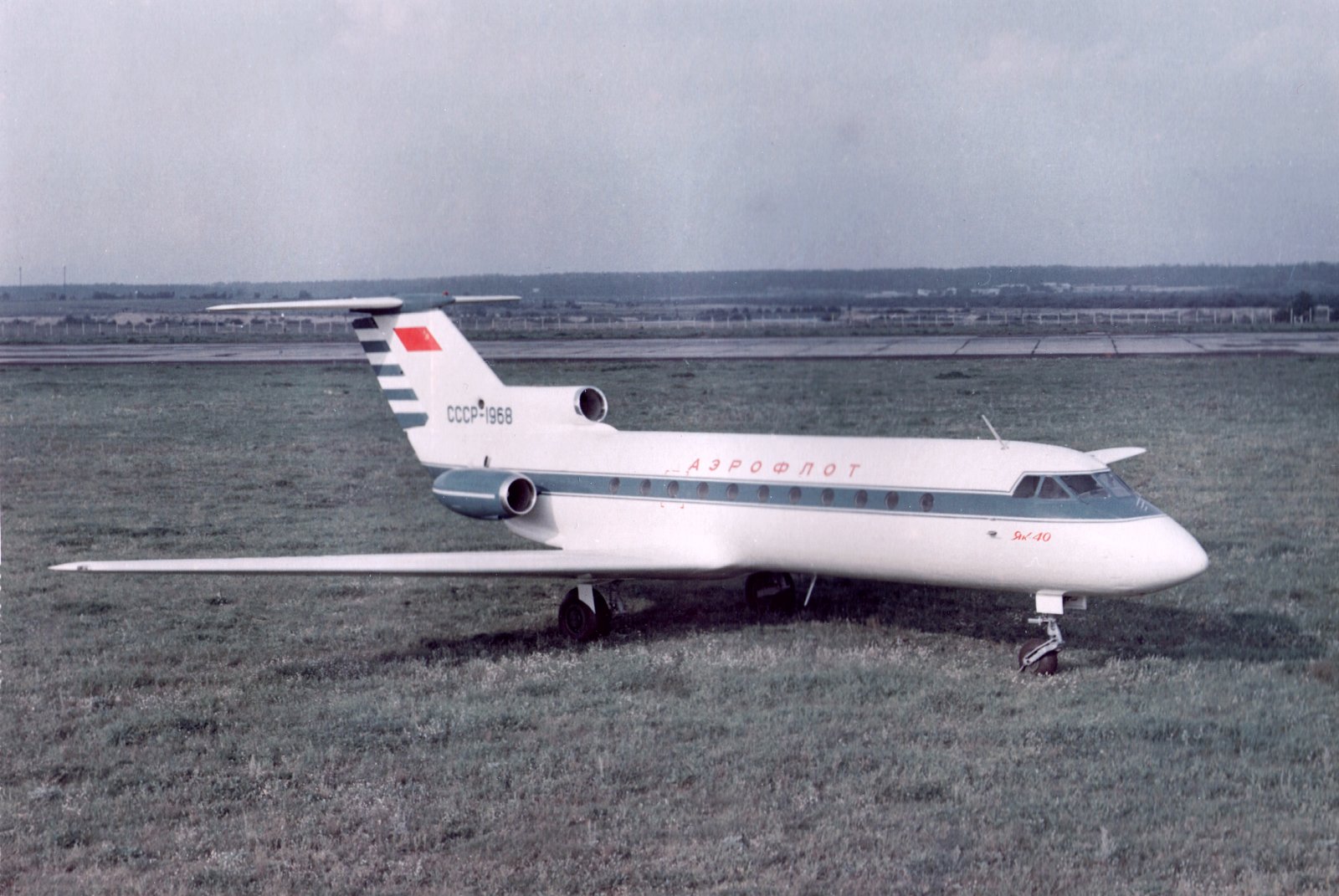
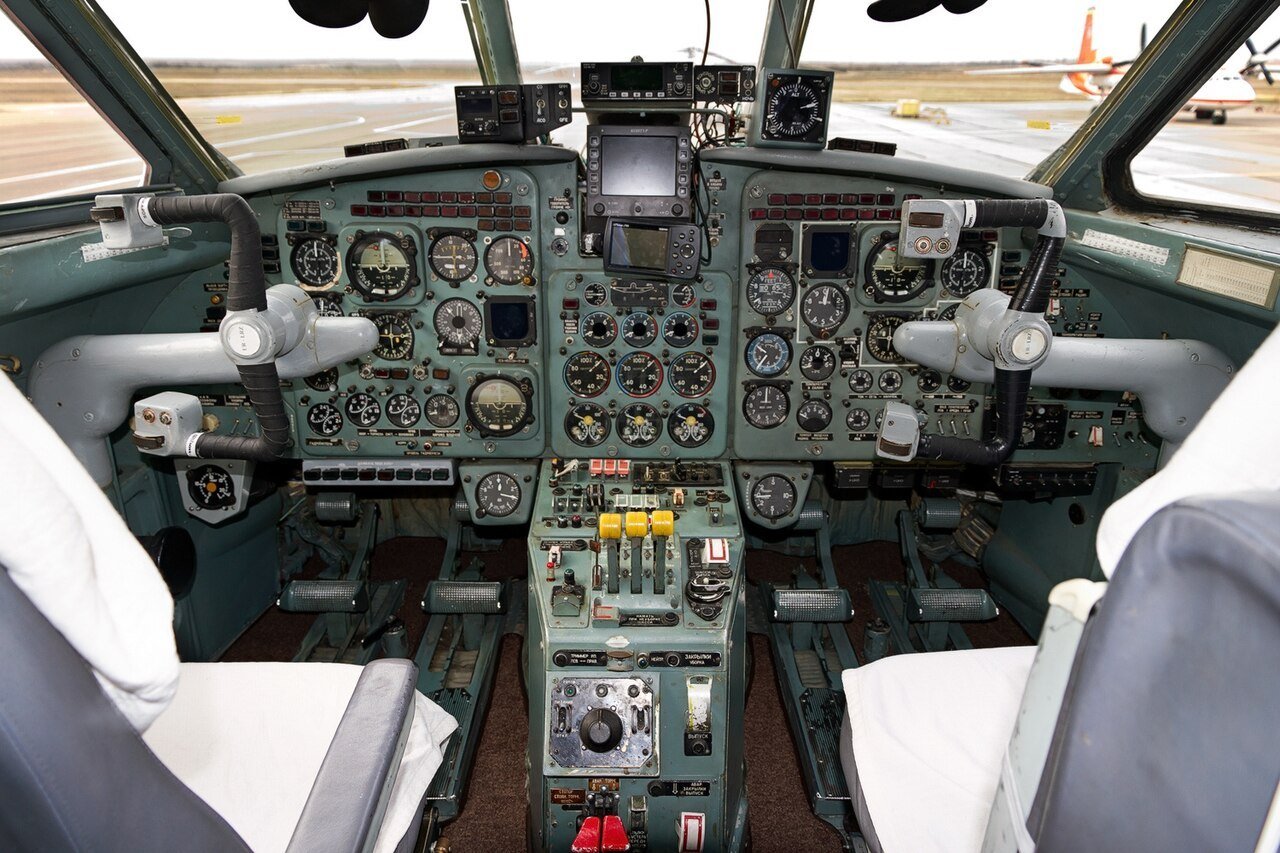
A meticulously restored Yak-40 (serial no. 9840302) is on display at the O.K. Antonov State Aviation Museum. It has been restored to its original livery, the same one it had when it left the Saratov Aircraft Plant in 1968. The aircraft was operated at the Kirovograd Aviation School, and after being retired from flight service, it was used as a training aircraft at the Kyiv Institute of Civil Aviation Engineers (now KAI).