Fan-page
 Youtube
 TikTok
 Aviamuseum
 State Aviation Museum
Across the Pacific Ocean for the first time without a stopover
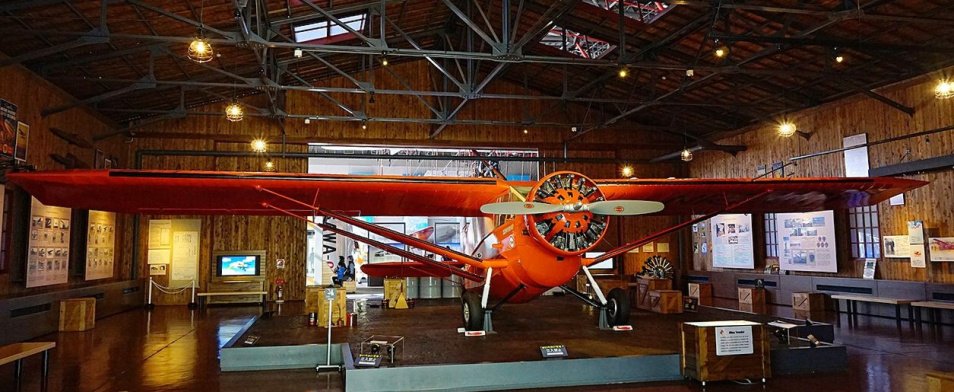
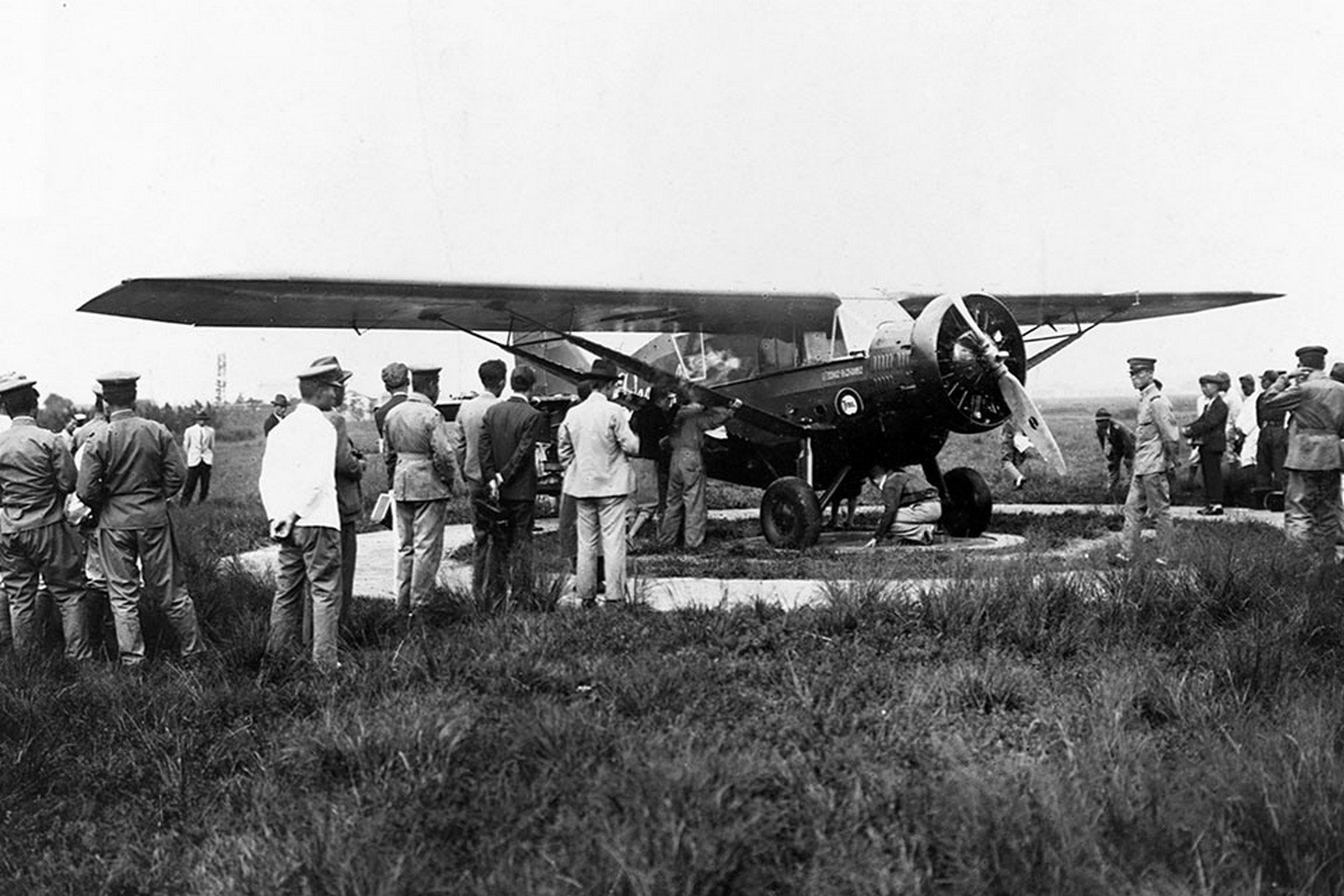
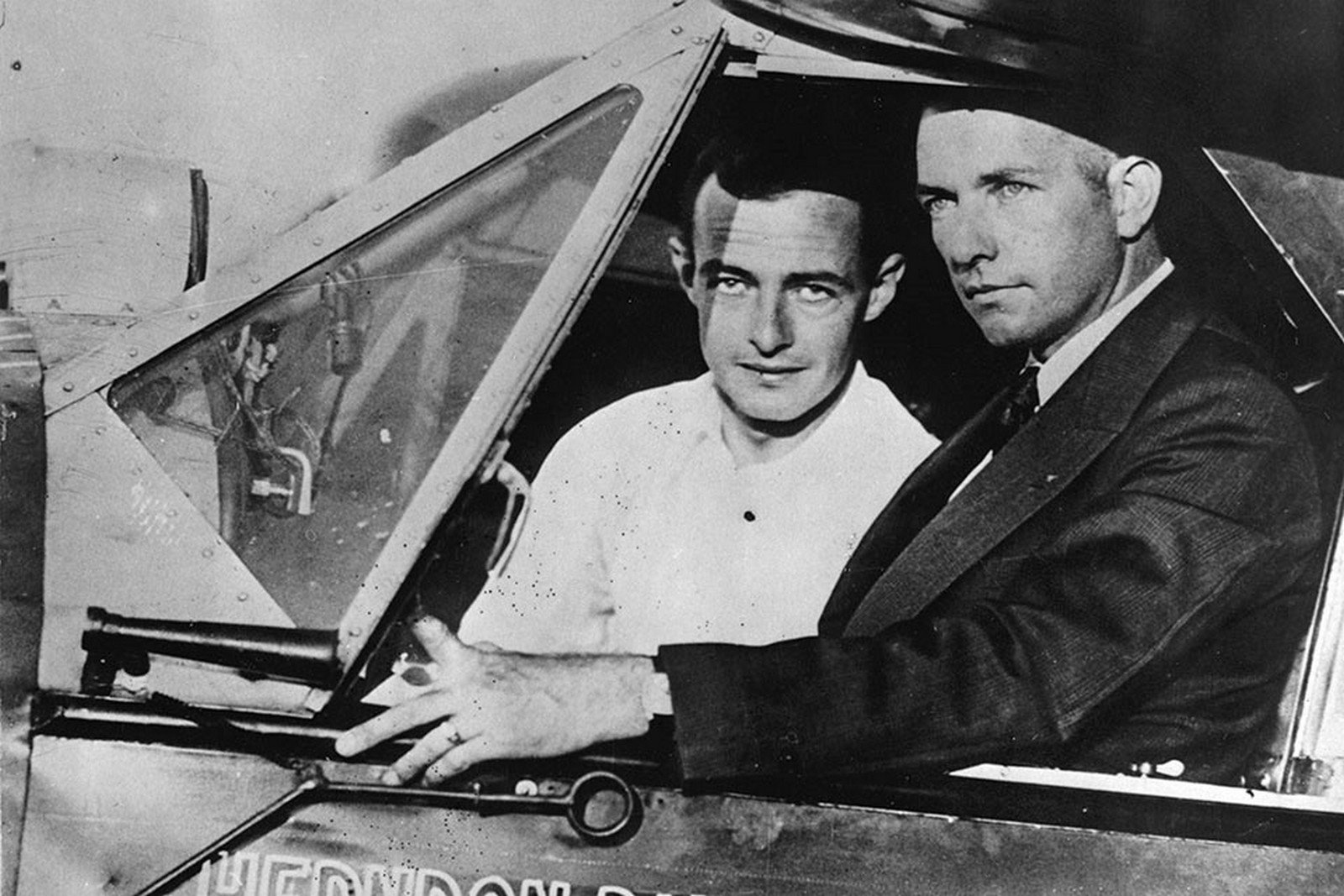
5 October marked the 95th anniversary of the first non-stop flight across the Pacific Ocean in history. It was undertaken by American pilots Clyde Pangborn and Hugh Herndon in a Bellanca CH-400 aircraft they had named Miss Veedol.
In 1927, Charles Lindbergh flew solo across the Atlantic in a single-engine aeroplane. This achievement caused a global sensation, was heavily publicised and sparked a veritable boom in long-distance aviation. In particular, the Japanese newspaper *Asahi Shimbun* offered a prize of 25,000 USD (which, adjusted for inflation, is now almost half a million) for a non-stop flight across the Pacific Ocean. However, several such attempts ended in failure.
Pengborn and Hern don chose a small, low-wing Bellanca CH-400 monoplane with a 425 k. s. engine for the flight. The aircraft had been specially modified: an additional fuel tank had been fitted, and to reduce fuel consumption, arrangements were made to retract the landing gear in flight and land on the ‘belly’. They arrived in Tokyo on 8 August 1931, but failed to familiarise themselves with local aviation regulations and were immediately detained on suspicion of espionage. The pilots spent seven weeks under house arrest in a hotel whilst their lawyers sorted out the case. In the end, the matter was settled with the payment of a fine. But when Japanese officials learnt that the Americans were planning a transoceanic flight, they viewed it with suspicion, as passions surrounding such a flight had been running high in the country for several years. National prestige demanded that it be carried out by the Japanese themselves! However, they managed to overcome the resistance of the local bureaucrats and obtain permission to take off.
On 29 September, Pengborn and Hern don flew to Sabishiro Beach, right by the ocean. They spent a further five days making their final preparations. Finally, on 4 October, they took off. Take-off proved difficult. It took Pengborn considerable effort to get the fuel-laden aeroplane off the wet, coastal sand.
The aeroplane gained altitude very slowly. It was difficult to fly, with a constant risk of stalling. They held their course for the Kuril Islands, which they reached after three hours. Only then, having used up some of the fuel, did the Miss Veedol lighten and begin to behave properly. Having satisfied themselves that all was well on board and that they would not have to land on the islands, the crew retracted the landing gear. The struts with the wheels came off, but the lower legs remained, which worsened the aerodynamics and threatened serious consequences on landing.
Soon, icing set in, but they managed to cope with it by climbing to an altitude of over 5,000 metres. It was getting dark. Pengborn remained at the controls, whilst Herndon had to periodically use a hand pump to transfer fuel from the huge auxiliary tank in the cockpit to the main tanks in the wing. Fatigue was setting in. Attentiveness had never been Hernodon’s greatest virtue, and now he was actually starting to doze off. The first time, he came to his senses literally at the very last moment and managed to pump the fuel in quickly. However, the second mistake nearly cost the daredevil aviators their lives. The engine sneezed indignantly and cut out, and below lay nothing but the boundless ocean…
The Miss Veedol had no means of restarting the engine in flight; all they could do was hope that the oncoming airflow would spin the propeller round and get the engine running again. Cursing his co-pilot, Pengborn pushed the control column away from him without hesitation. He continued to berate the terrified Gernodon relentlessly, even though the latter was already pressing down on the pump handle with an energy he’d never before displayed. The engine refused to start. Pengborn increased the angle of descent, and only when they were 500 metres from the water did the engine finally start.
It was the most dramatic moment of the entire flight. A few hours later, the pilots sighted the Queen Charlotte Islands off the coast of Canada – the most challenging part of their journey was now behind them. Pengborn had already spent over 30 hours at the controls. He needed to get at least a little sleep, as a tricky landing lay ahead. He instructed Hernodon to maintain their current altitude and heading and to wake him when he saw the lights of a major city – it was supposed to be Vancouver.
However, once again, Hernodon messed up and lost the course. By the time Pengborn woke up, the plane had already flown past Vancouver. They had to look out for the distinctive mountains below to work out where they were. Then, due to the poor weather, they changed course several times before finally deciding to fly to the small town of Wenatchee (Washington State, USA).
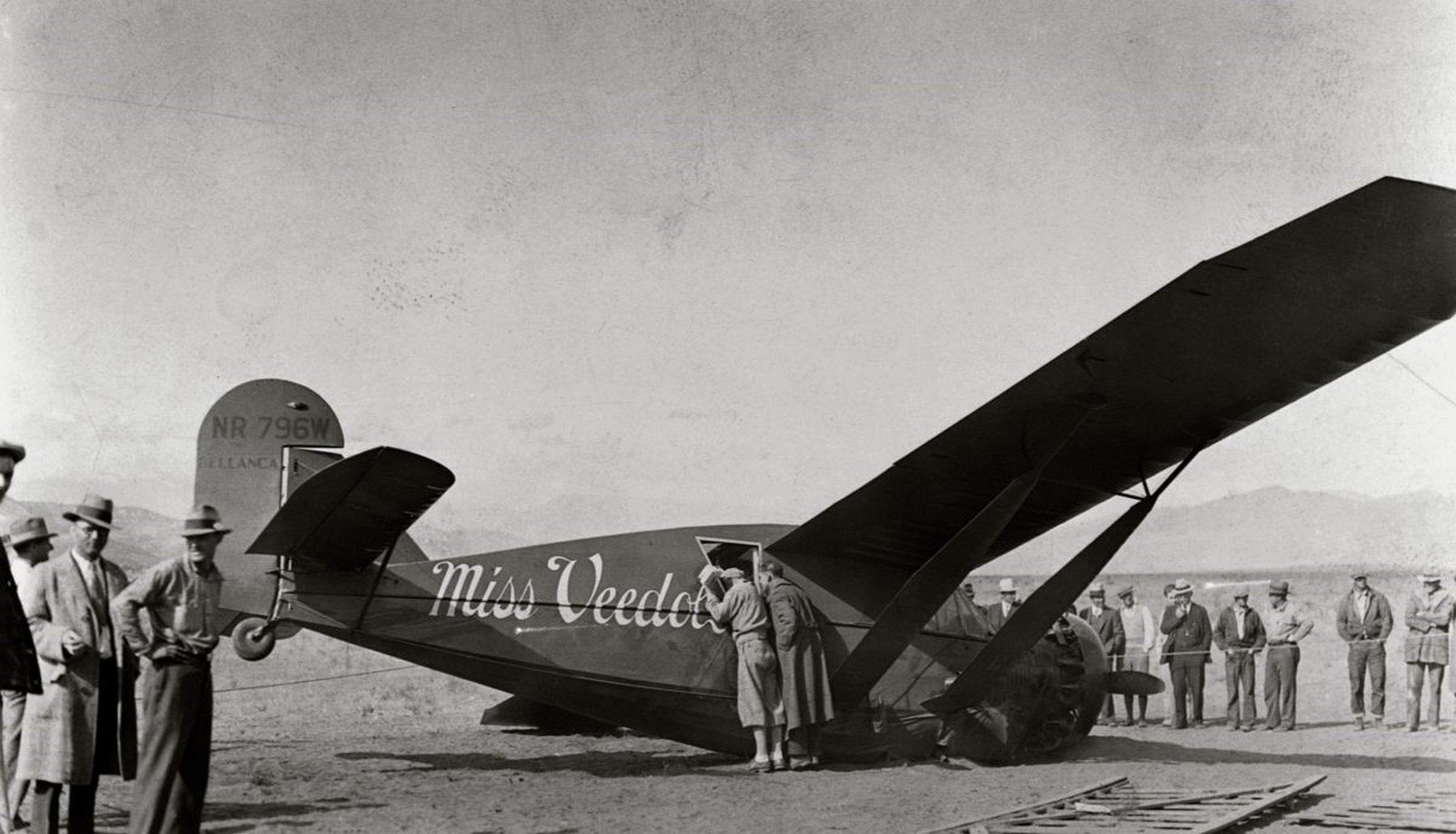
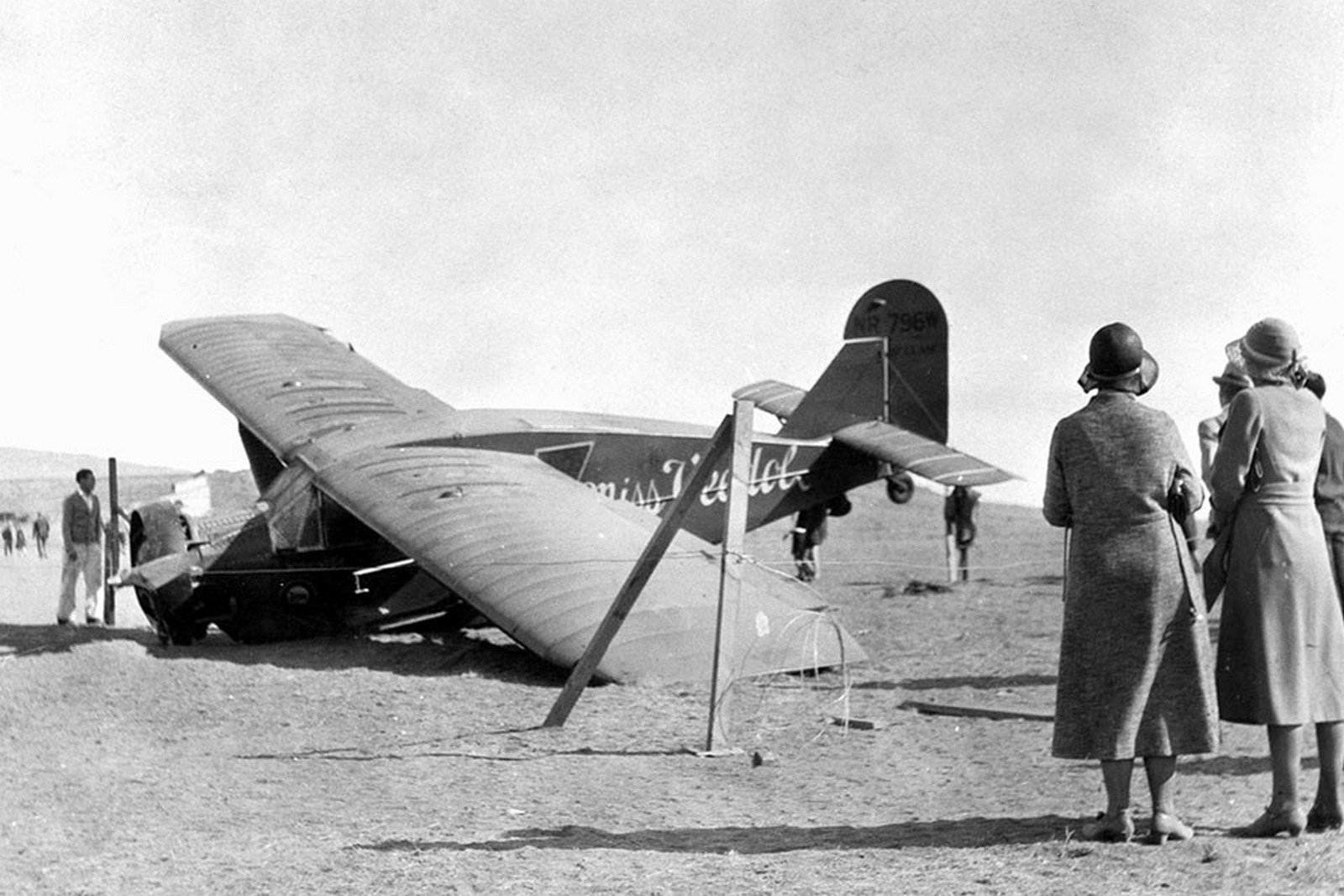
On 5 October, at 7.14 am local time, the red aeroplane swept over the hills and turned towards a small local airfield. Pengborn piloted the aircraft with great care, endeavouring to approach the ground at the lowest possible speed. At the last moment, he cut the engine and gently set Miss Veedol down on the airfield surface. Raising a cloud of dust, the aeroplane came to a quick halt, wobbled and tipped over onto its left wing. The damage was minimal. The 41-hour flight was now behind them.
Having received their well-deserved awards, the pilots never flew together again. The aeroplane was repaired and sold. It was renamed ‘ : The American Nurse’ and, in September 1932, vanished without trace over the Atlantic whilst attempting another flight. Today, a full-scale replica can be seen at the Museum of Aviation and Science in the Japanese city of Misawa.
Rostyslav Maraev