Fan-page
 Youtube
 TikTok
 Aviamuseum
 State Aviation Museum
60 Years of the G-1159 Gulfstream II Administrative Aircraft
October 2 marked the 60th anniversary of the G-1159
Gulfstream II executive jet, developed by the American company Grumman Aircraft Engineering. On that day in 1966, its first prototype took to the skies.
As early as 1958, Grumman introduced the G-159 Gulfstream I turboprop aircraft to the business aviation market. For an aircraft of its class, it sold reasonably well, but with the emergence of jet competitors, it began to rapidly lose popularity. To maintain its competitive edge, the company developed the Gulfstream II, whose design had almost nothing in common with its predecessor.
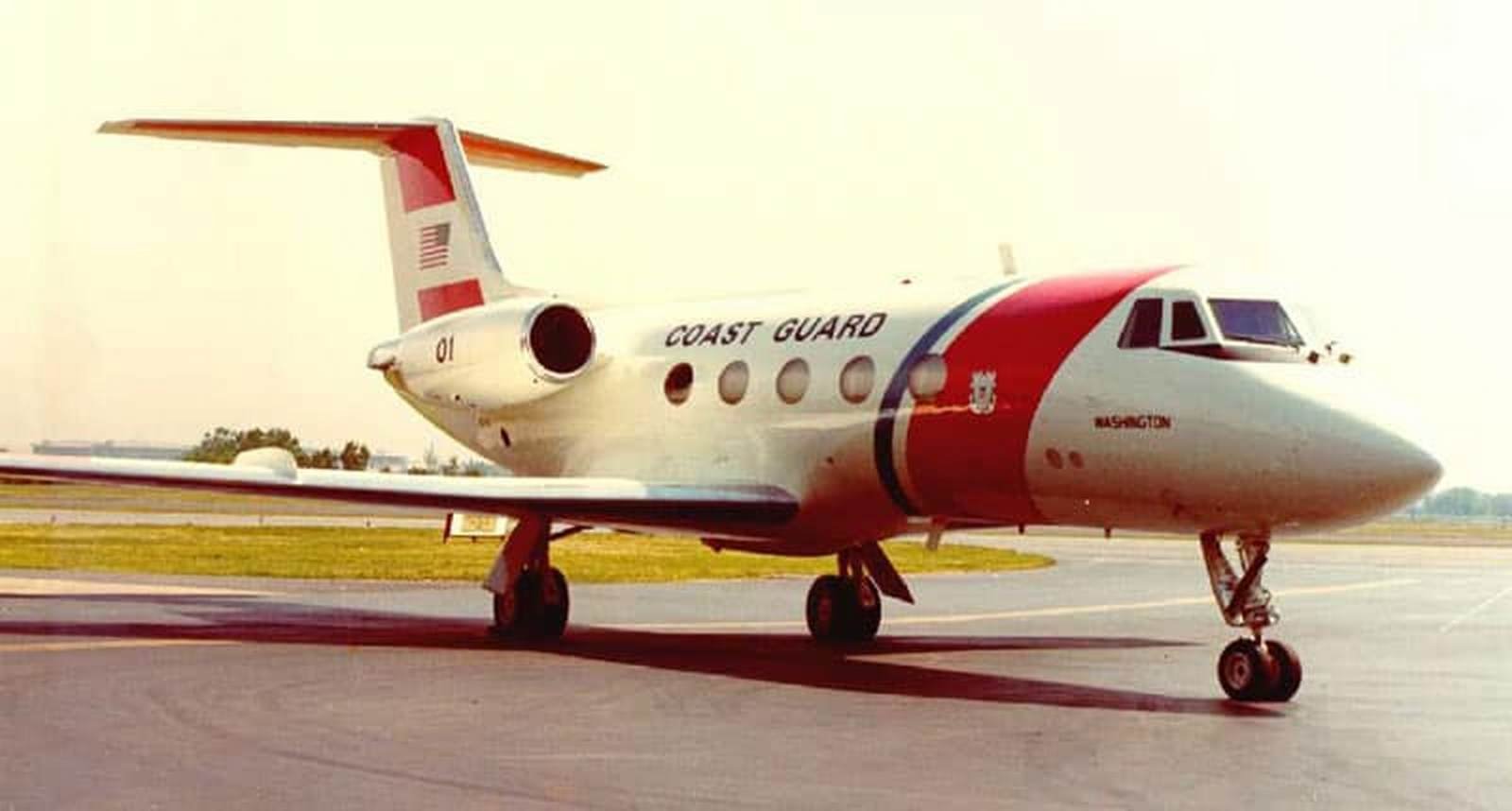
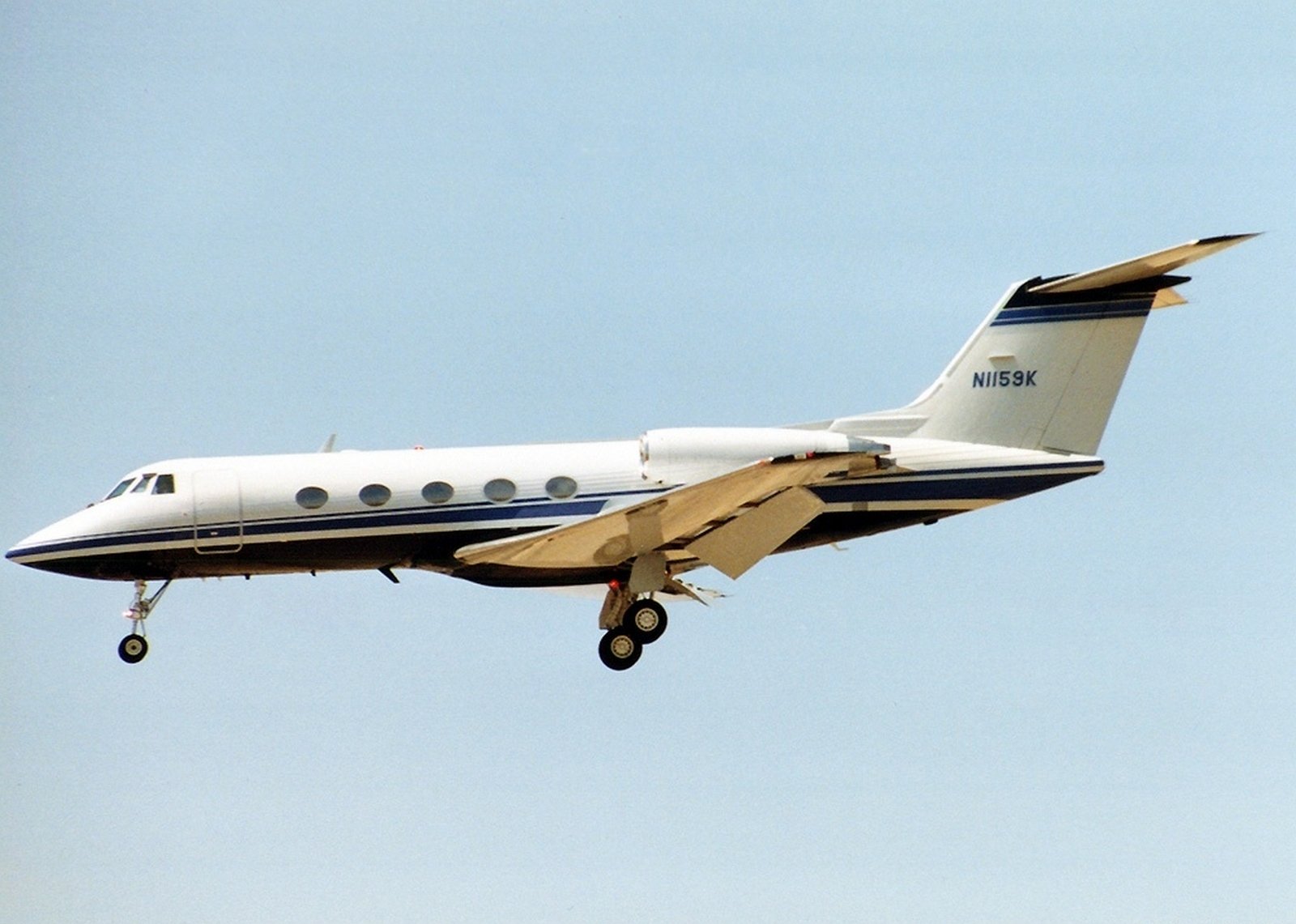
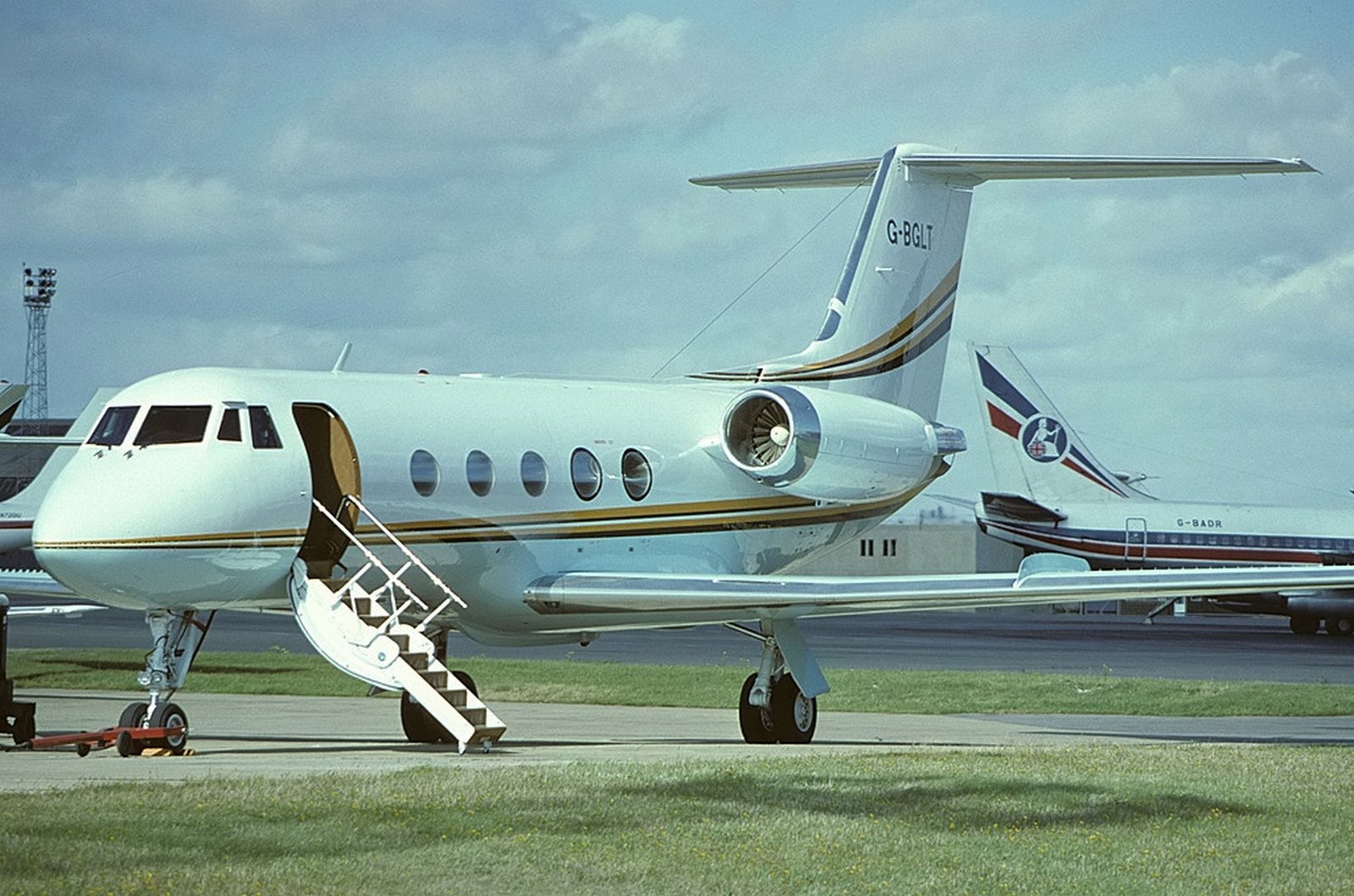
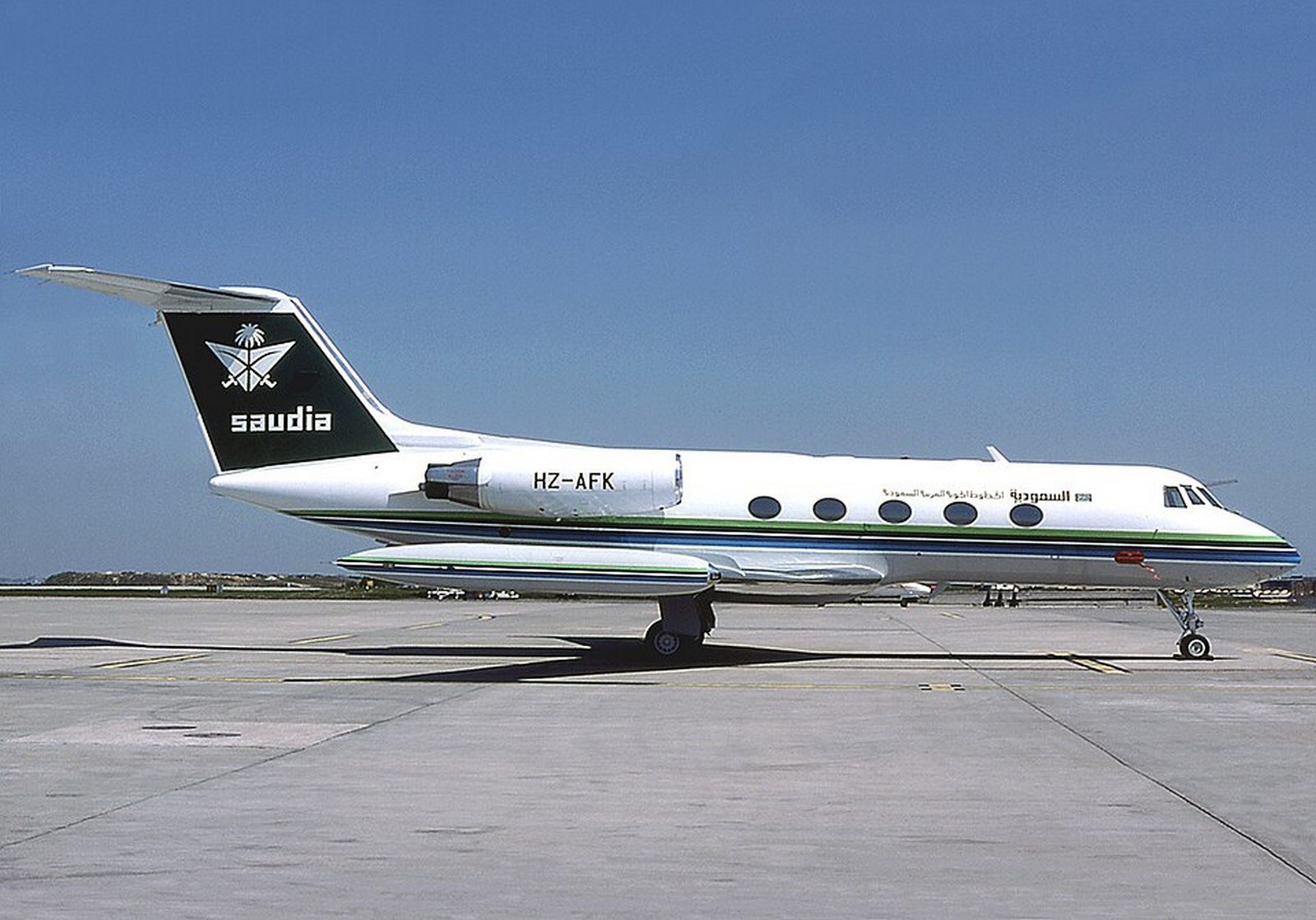
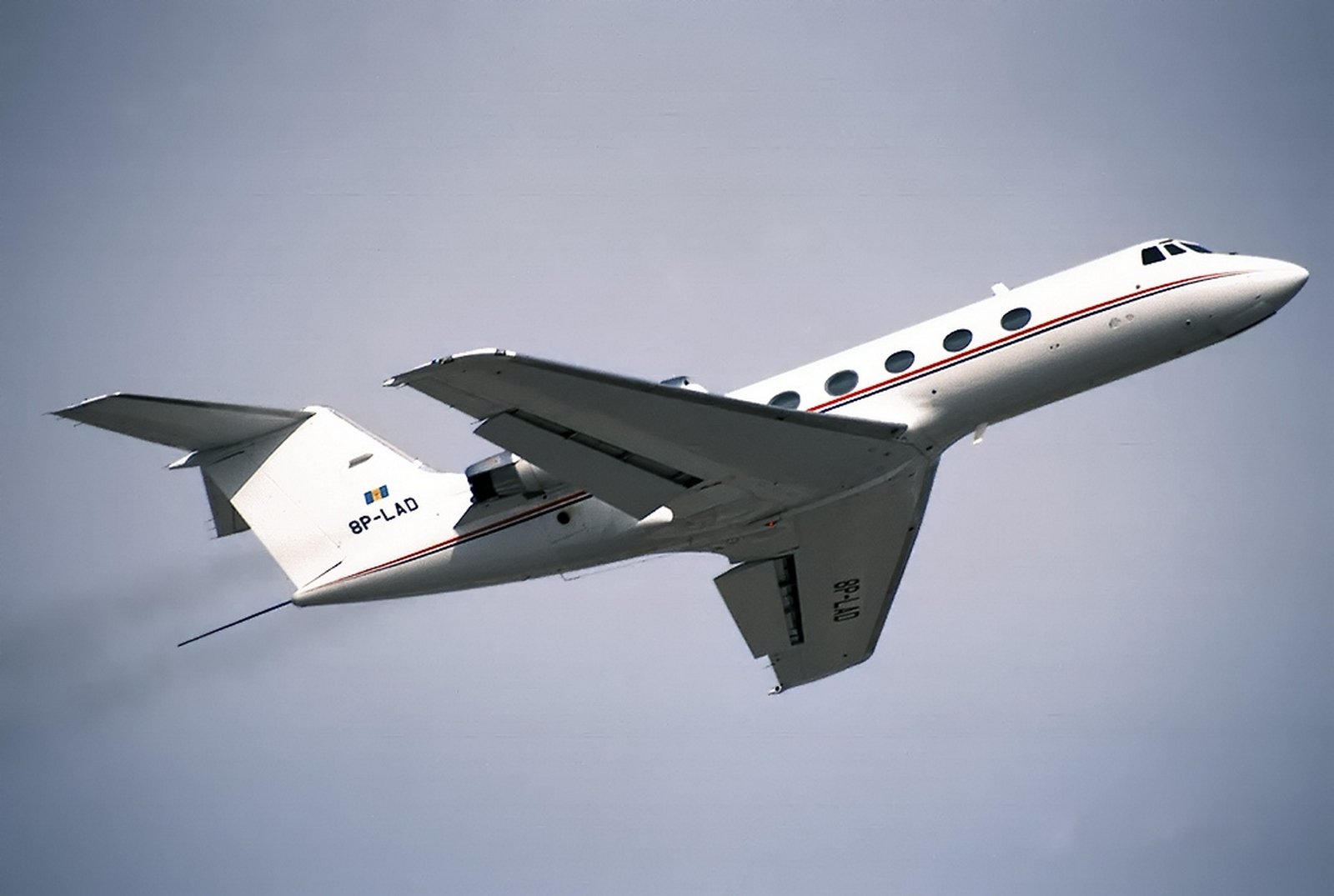
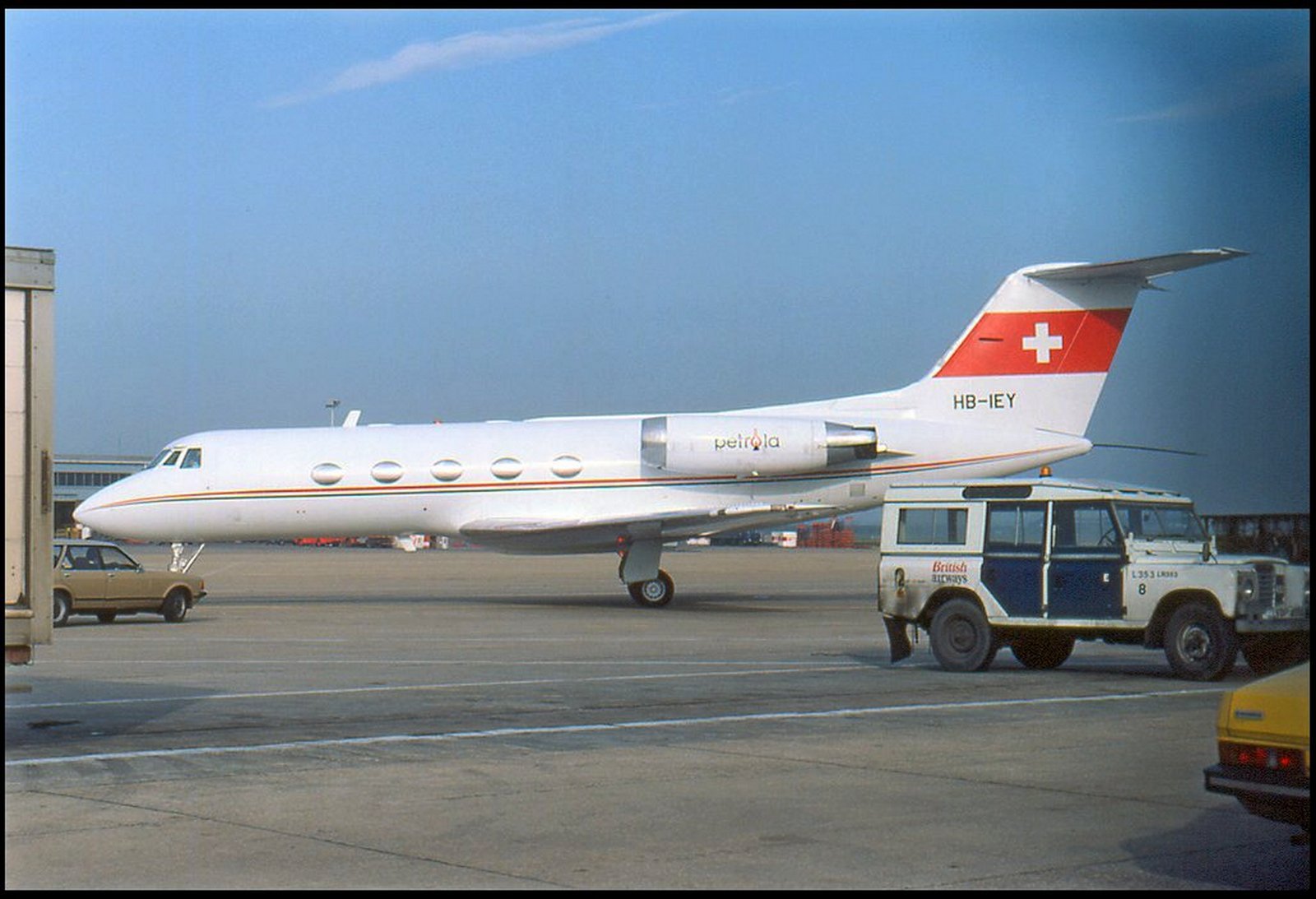
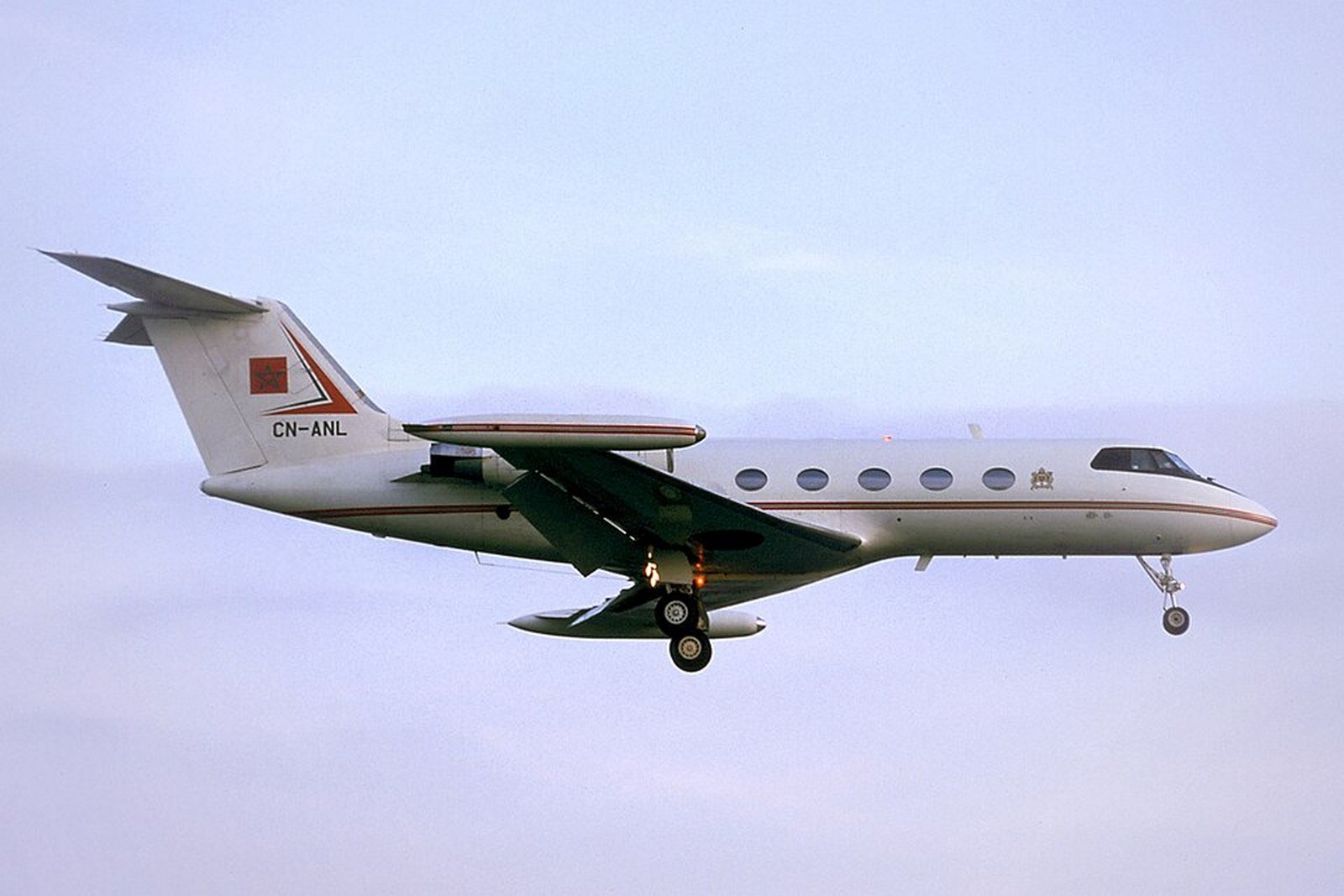
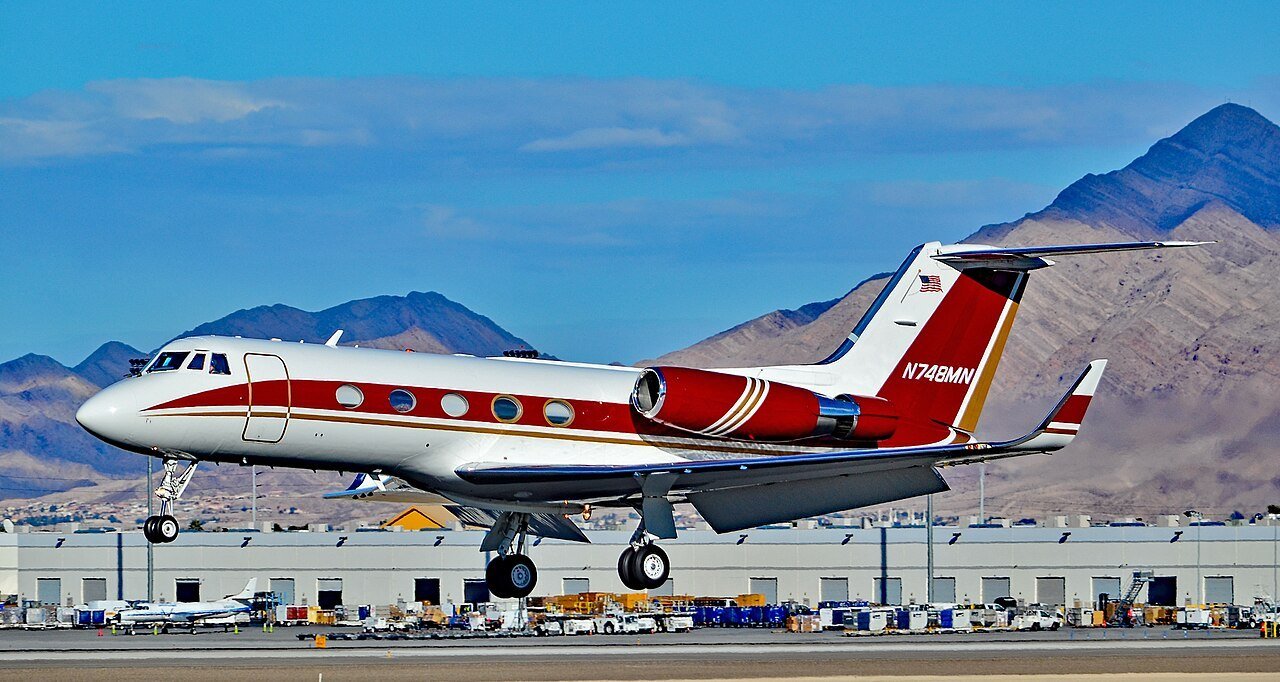
To ensure a high level of comfort for discerning passengers, the fuselage was designed with the largest possible cross-section and large elliptical windows. Another standout feature of the aircraft was its high speed. As a result, the new Gulfstream proved to be a truly attractive product. Later, it was made even more appealing to owners by increasing its range through the addition of wing-mounted fuel tanks.
A new plant was built in Savannah, Georgia, to manufacture the “Gulfstream.” It was sold in 1978, and today the facility is owned by Gulfstream Aerospace.
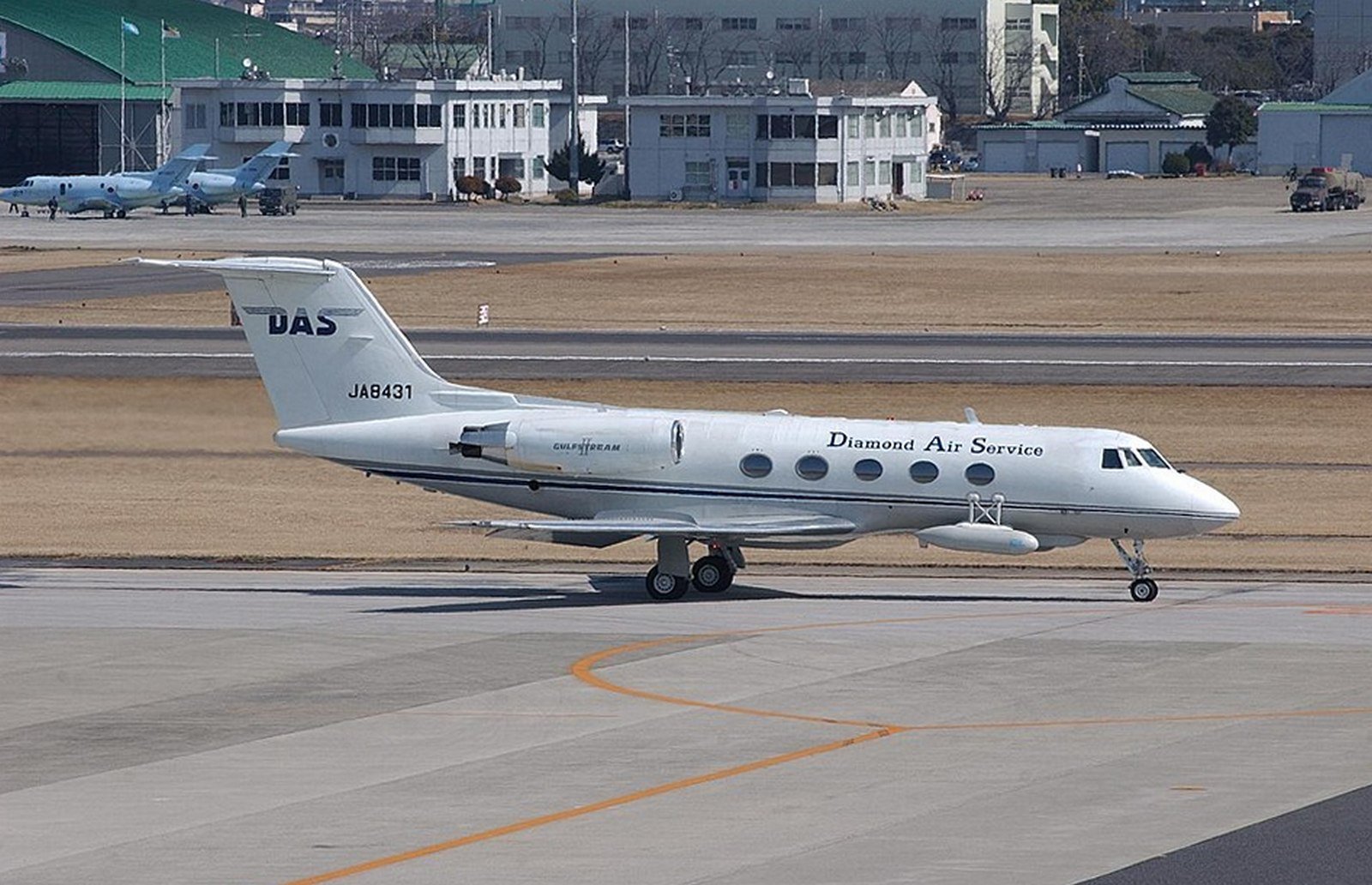
Production of the “Gulfstream II” ended in 1979, with a total of 256 units built in three main configurations. The Gulfstream II-B business jet, which could accommodate up to 19 passengers (usually no more than 12), was equipped with two Rolls-Royce Spey Mk 511-8 twin-circuit turbojet engines, each producing 5,170 kgf of thrust. The aircraft was 24.36 m long, with a wingspan of 21 m, a maximum takeoff weight of 29,700 kg, a maximum speed of 980 km/h, and a practical range of nearly 4,100 km.
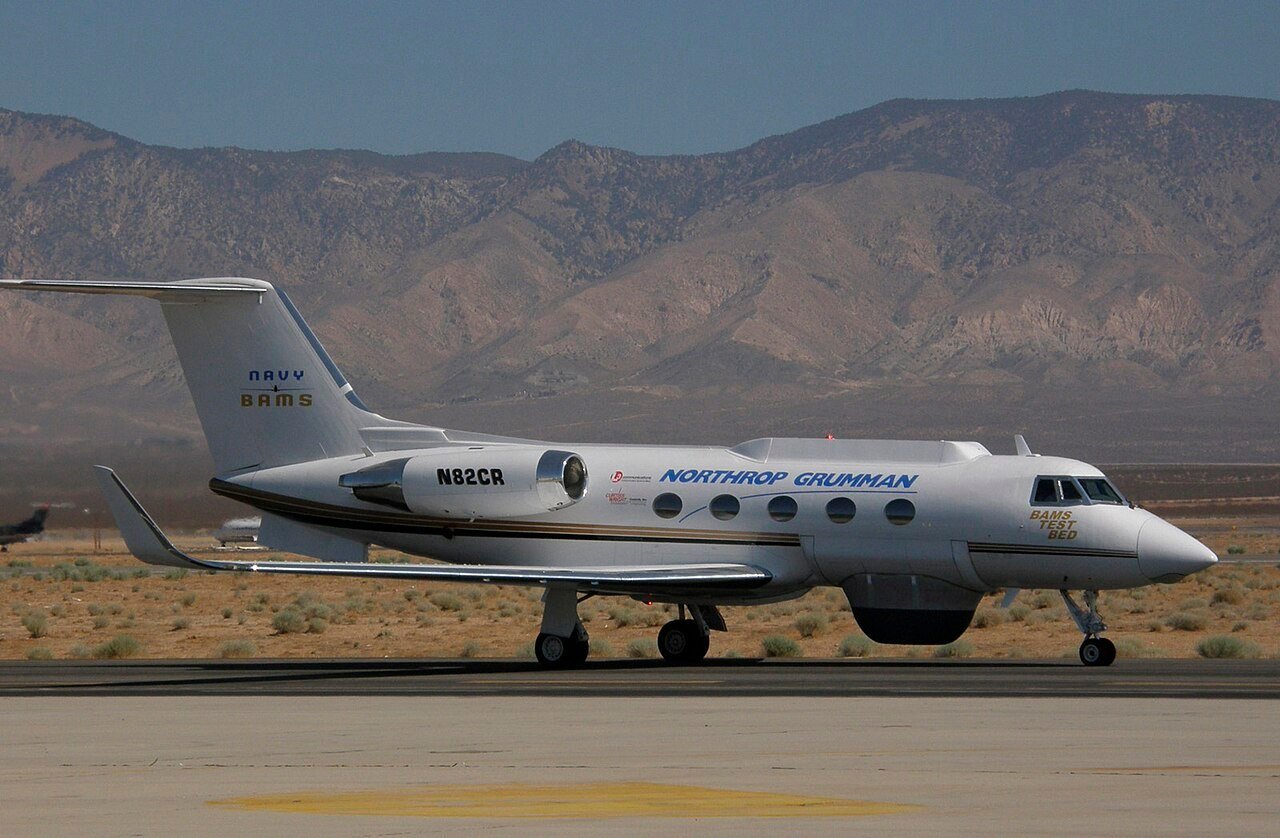
The aircraft became popular among high-level business circles. It was used by large companies, governmental and nongovernmental organizations, business aviation operators, and extremely wealthy individuals. For example, the “Gulfstream II” was owned by the famous billionaire Nelson Rockefeller. Many of these aircraft changed hands multiple times. More than a dozen were converted into special-purpose aircraft: reconnaissance planes, flying laboratories, and civilian monitoring aircraft.
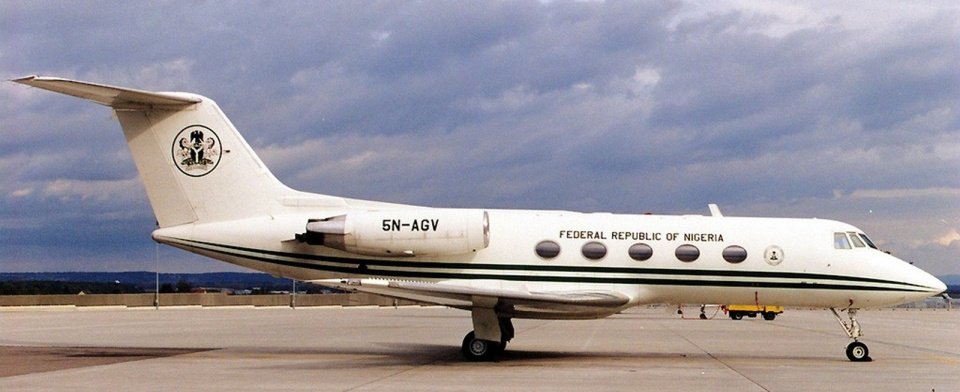
Overall, the Gulfstream II spread quite widely across the globe. They were purchased by owners from at least 40 countries, including Australia, the United Kingdom, Venezuela, Ecuador, Morocco, Nigeria, Oman, Saudi Arabia, the United States, Chad, and Switzerland. A small number of modernized aircraft remain in service to this day.