Fan-page
 Youtube
 TikTok
 Aviamuseum
 State Aviation Museum
The Boeing 767 Airliner Turns 45
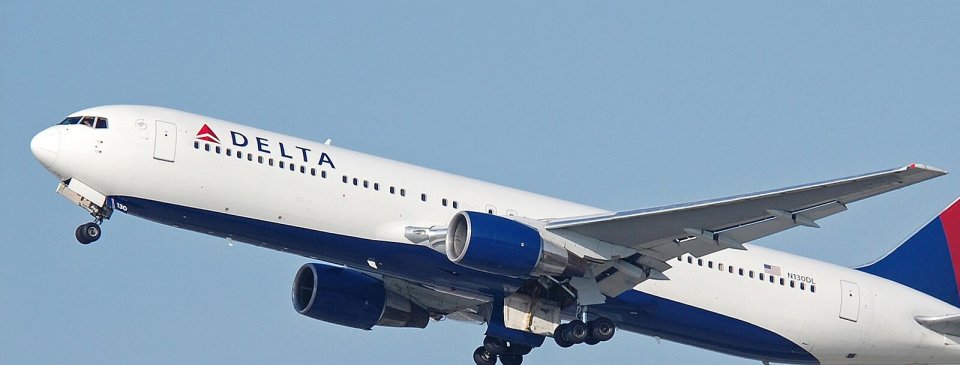
September 26 marked the 45th anniversary of the Boeing 767 long-range passenger aircraft. On that day in 1981, its prototype took to the skies. It became the first twin-engine wide-body airliner developed outside of Europe.
Boeing Corporation began developing the aircraft in response to the world’s first twin-engine wide-body airliner, the A300, produced by the European Airbus consortium. This aircraft demonstrated significantly better fuel efficiency than its American “counterparts,” the three-engine DC-10 and L-1011 TriStar. Demand for the A300 began to grow particularly after the 1977 lifting of the ban on transoceanic flights by twin-engine airliners. Consequently, Boeing’s management hoped to capture a share of this new segment of the commercial aircraft market. In the end, reality even exceeded their expectations.
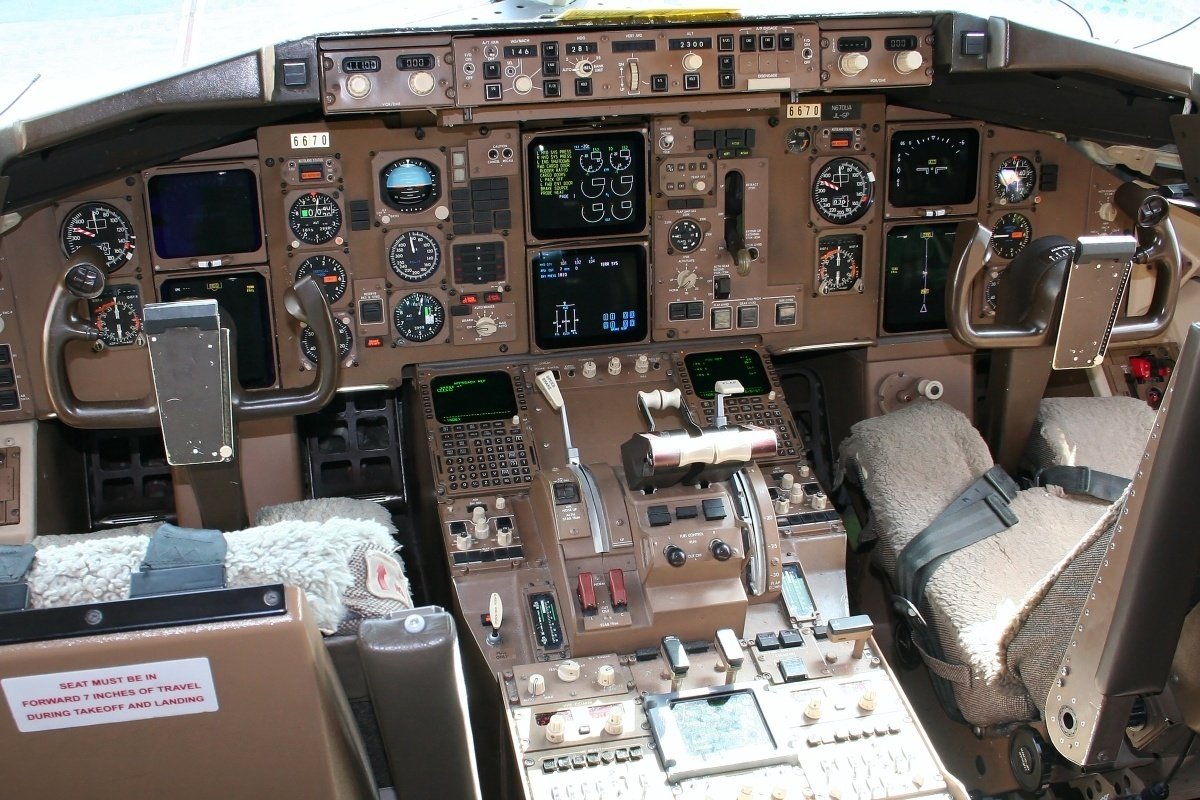
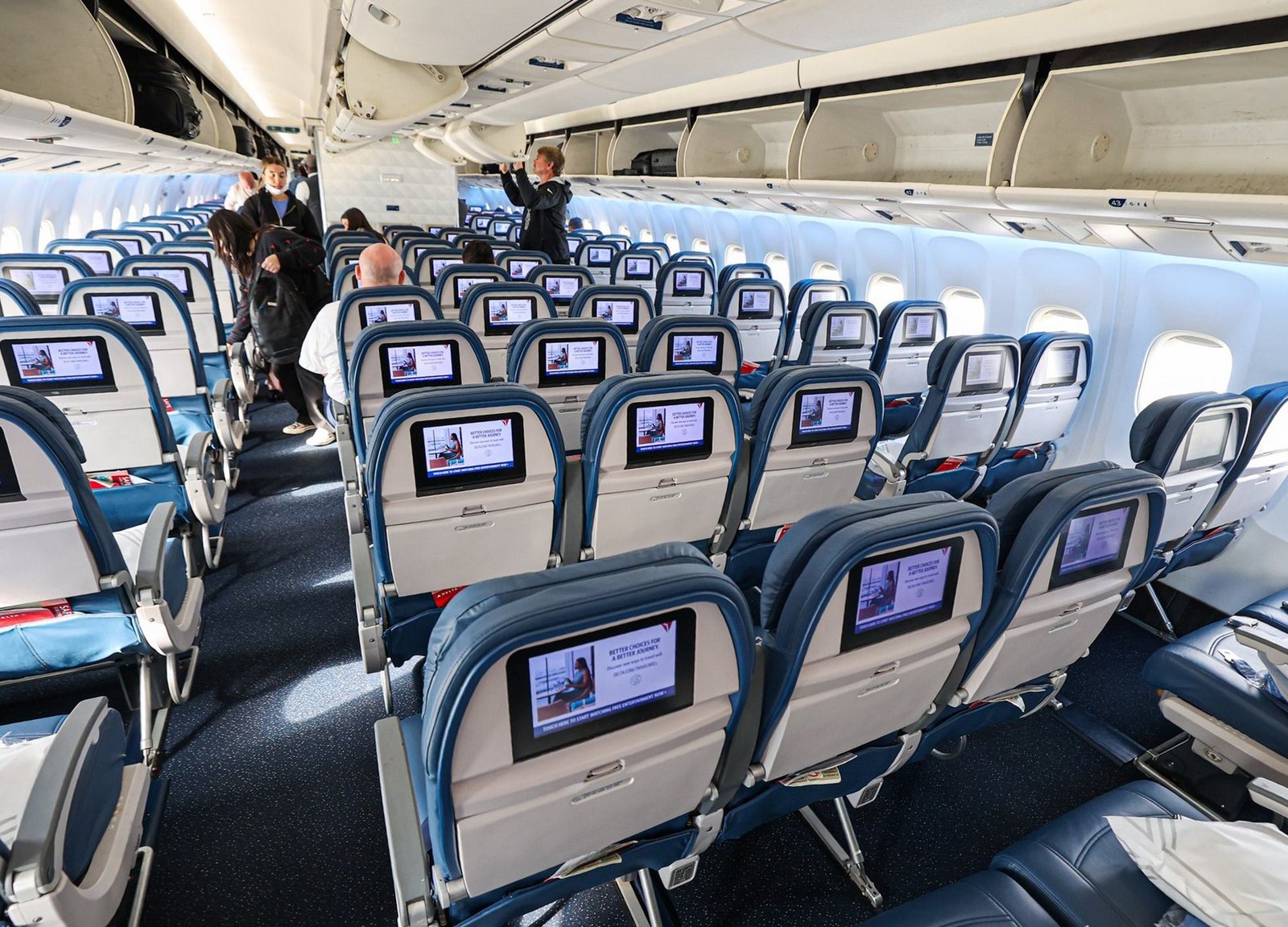
The experience that Boeing’s engineers had gained from their legendary “747” served as a solid foundation for the “767.” For the new airliner, a slightly narrower fuselage was chosen than that of its predecessor, accommodating no more than 7 seats per row instead of 10. An innovative feature was the “glass” cockpit, which included cathode-ray tube displays. Digital avionics made it possible to reduce the crew to two pilots.
During preparations for mass production, international cooperation was established with the involvement of Italian and Japanese companies. In addition, Boeing significantly upgraded the manufacturing equipment at its plant in Everett (Washington), specifically by introducing robotic systems for the production of wing spars.
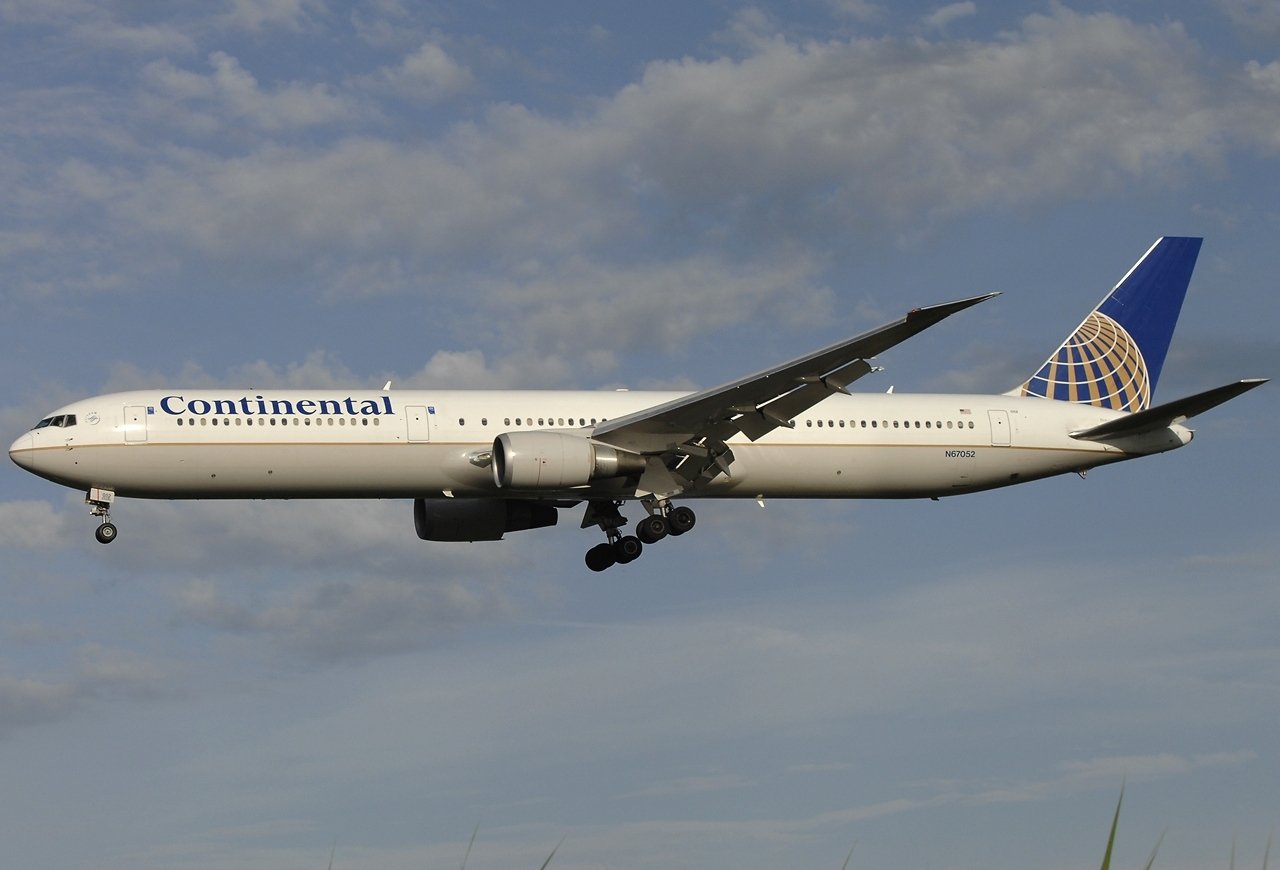
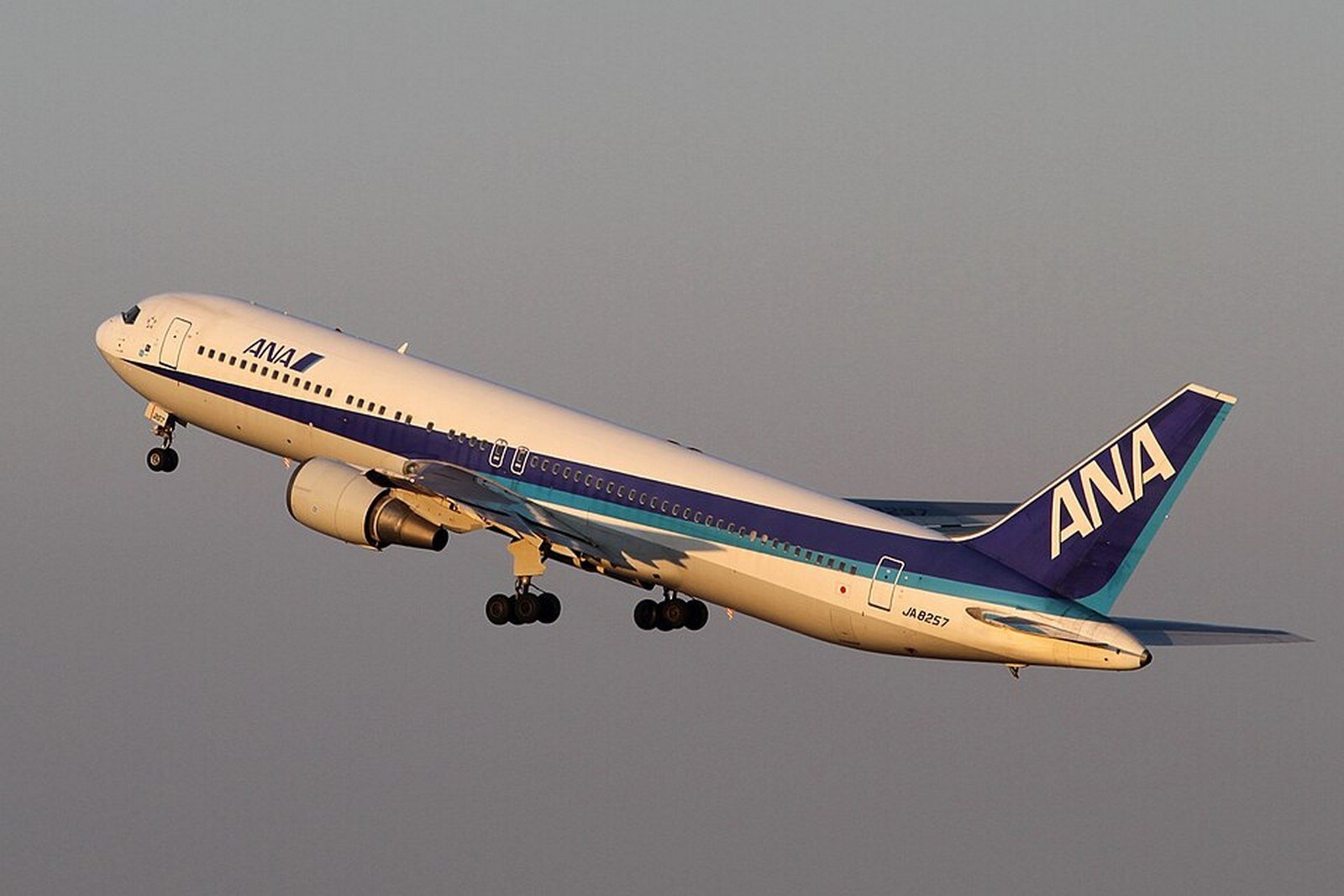
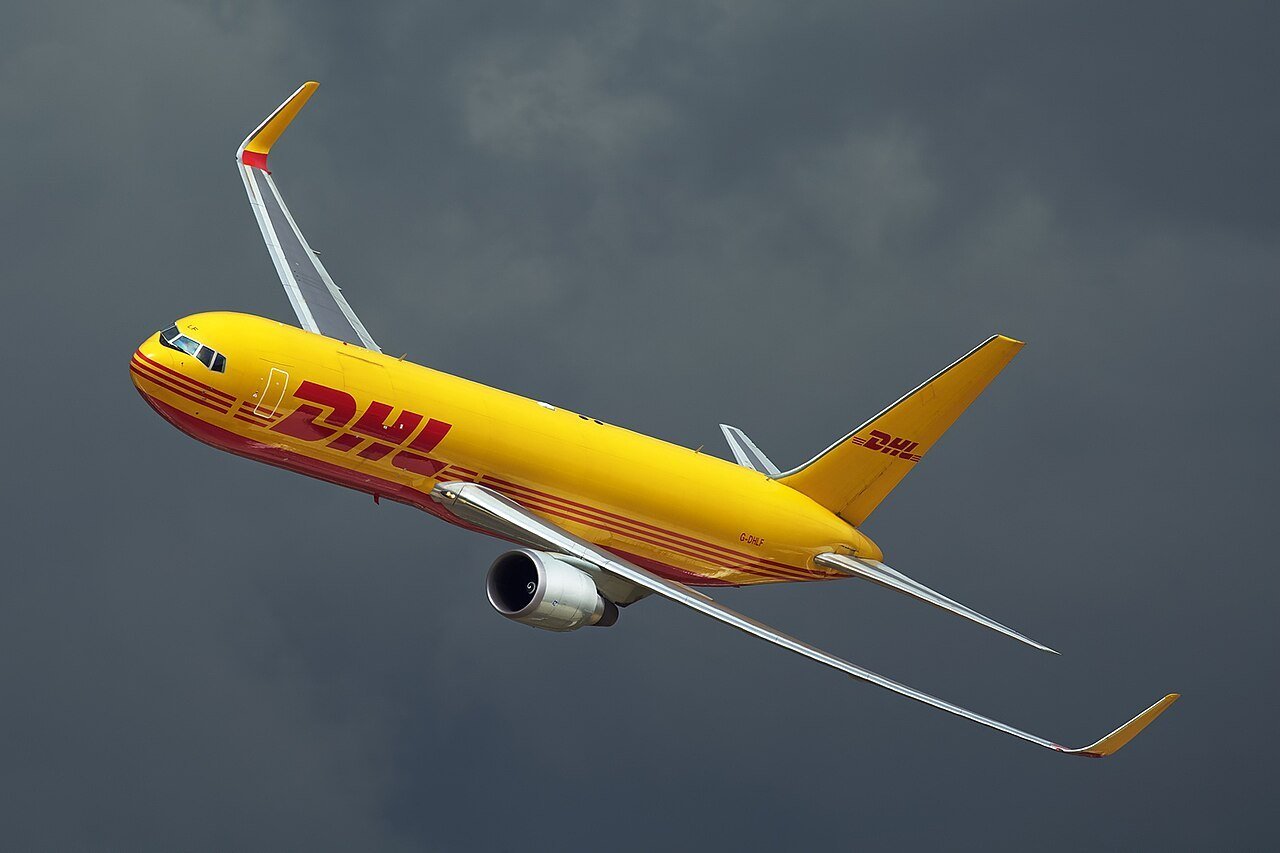
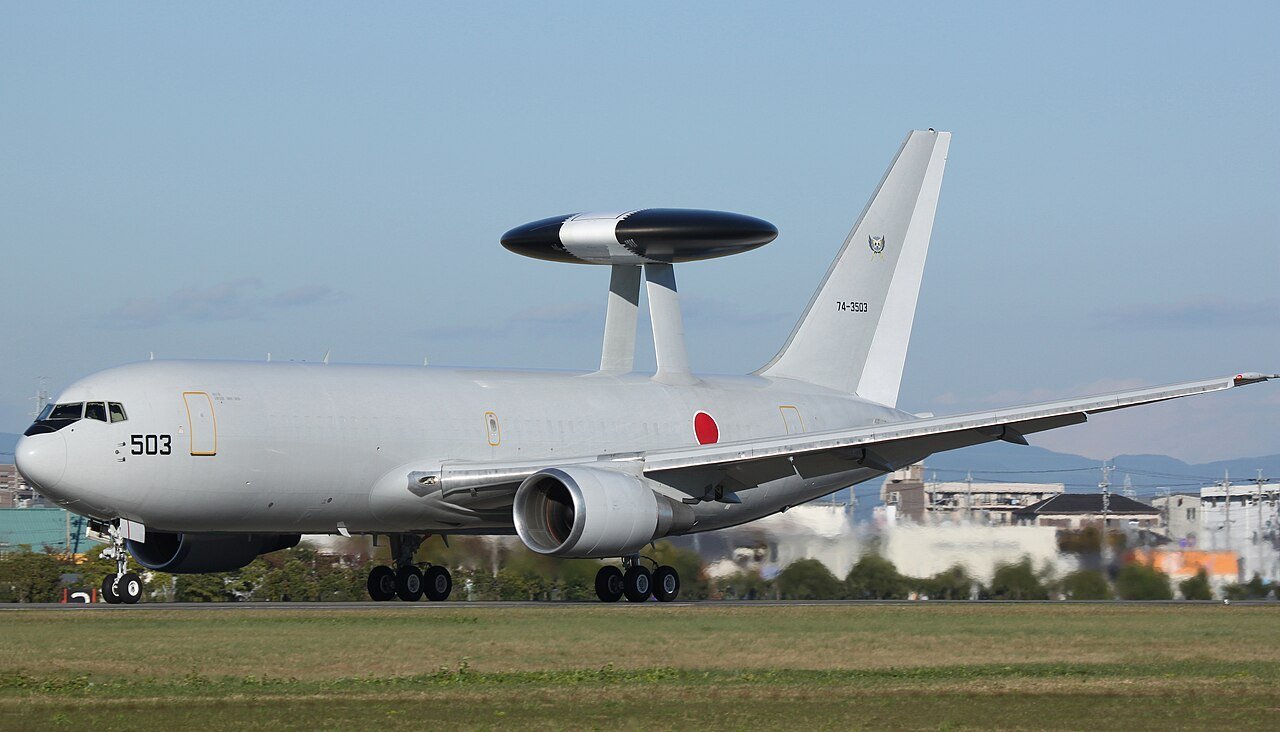
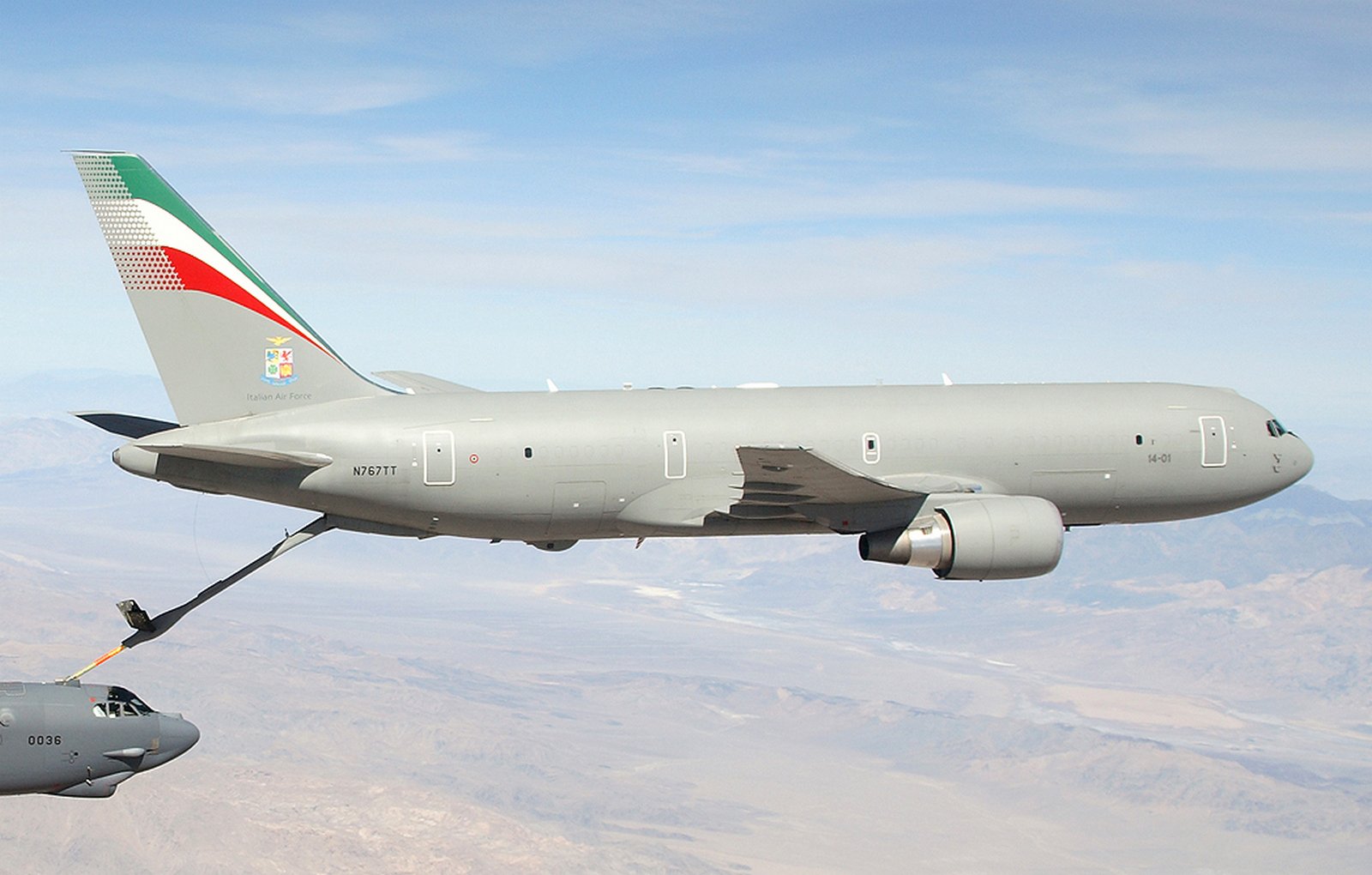
Mass production of the 767 continues to this day. As of August 2026, 1,373 units had been built, more than twice as many as the A300. There are three basic versions with different fuselage lengths—the Boeing 767-200, -300, and -400—which can accommodate between 216 and 409 passengers. Dozens of variants of the aircraft have been produced, with varying ranges and tailored to the requirements of specific customers. Regular upgrades are carried out, particularly to the aircraft’s equipment and engines, allowing it to remain up to date with modern requirements. In addition to passenger variants, there are cargo versions, as well as military versions—air refueling tankers and long-range radar detection aircraft.
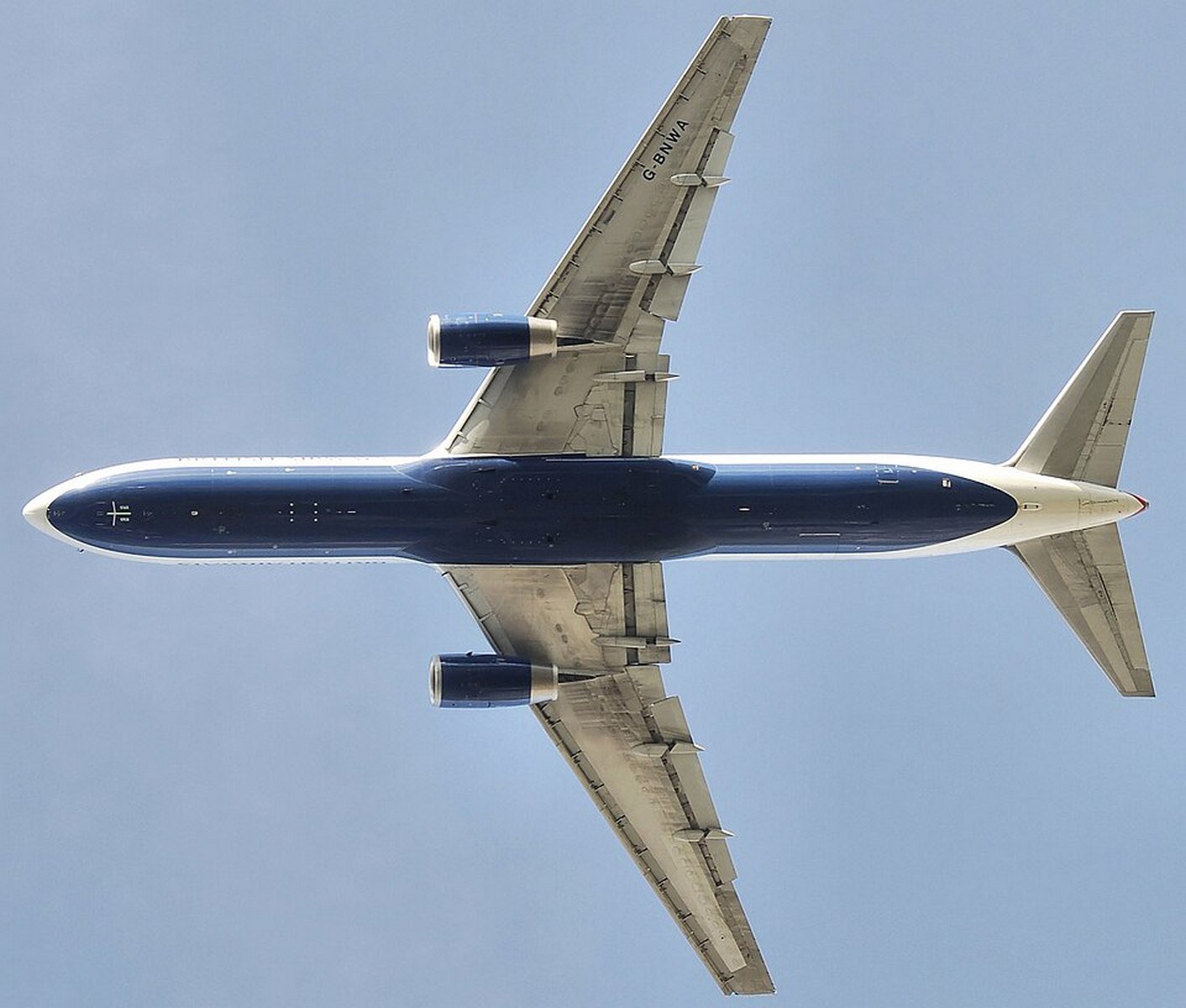
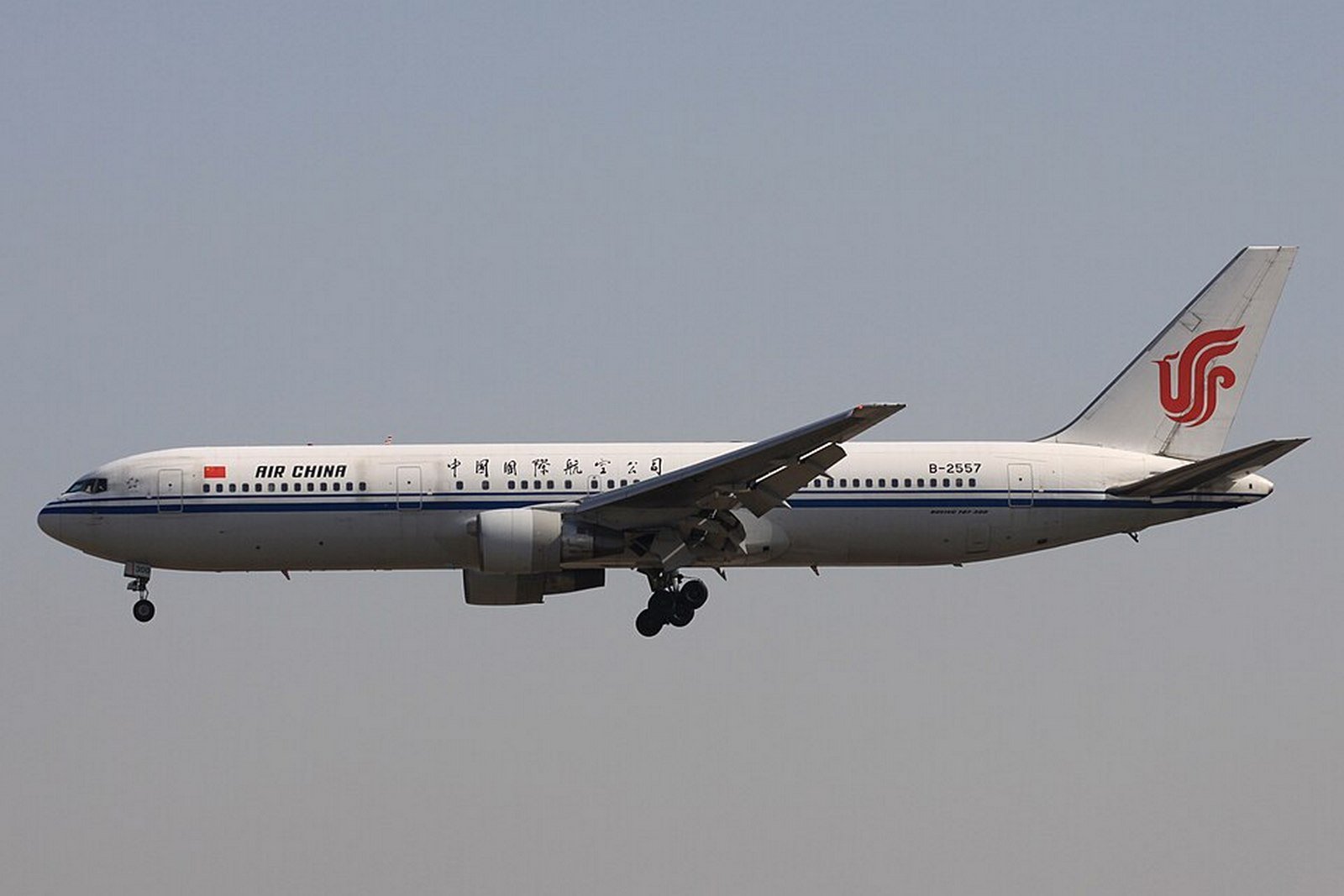
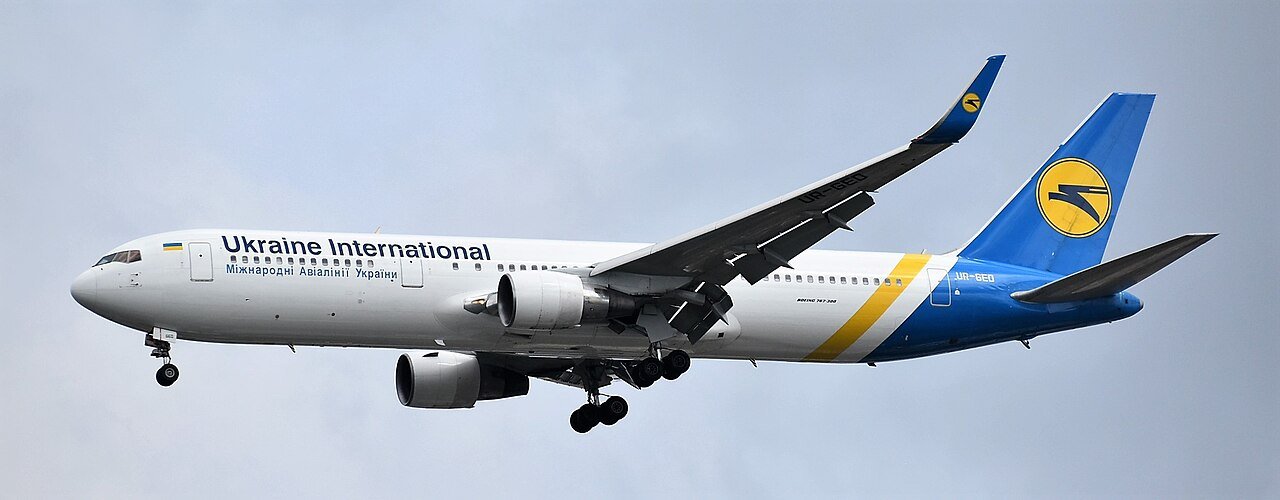
The Boeing 767-300ER passenger aircraft is equipped with two Pratt & Whitney PW4060 turbofan engines, each producing 27.5 metric tons of thrust. The aircraft is 55 m long, has a wingspan of 47.6 m, a maximum takeoff weight of 187 metric tons, a cruising speed of 850 km/h, and a practical range of nearly 10,700 km. In a single-class configuration, it can accommodate up to 299 passengers; in a two-class configuration, 261.
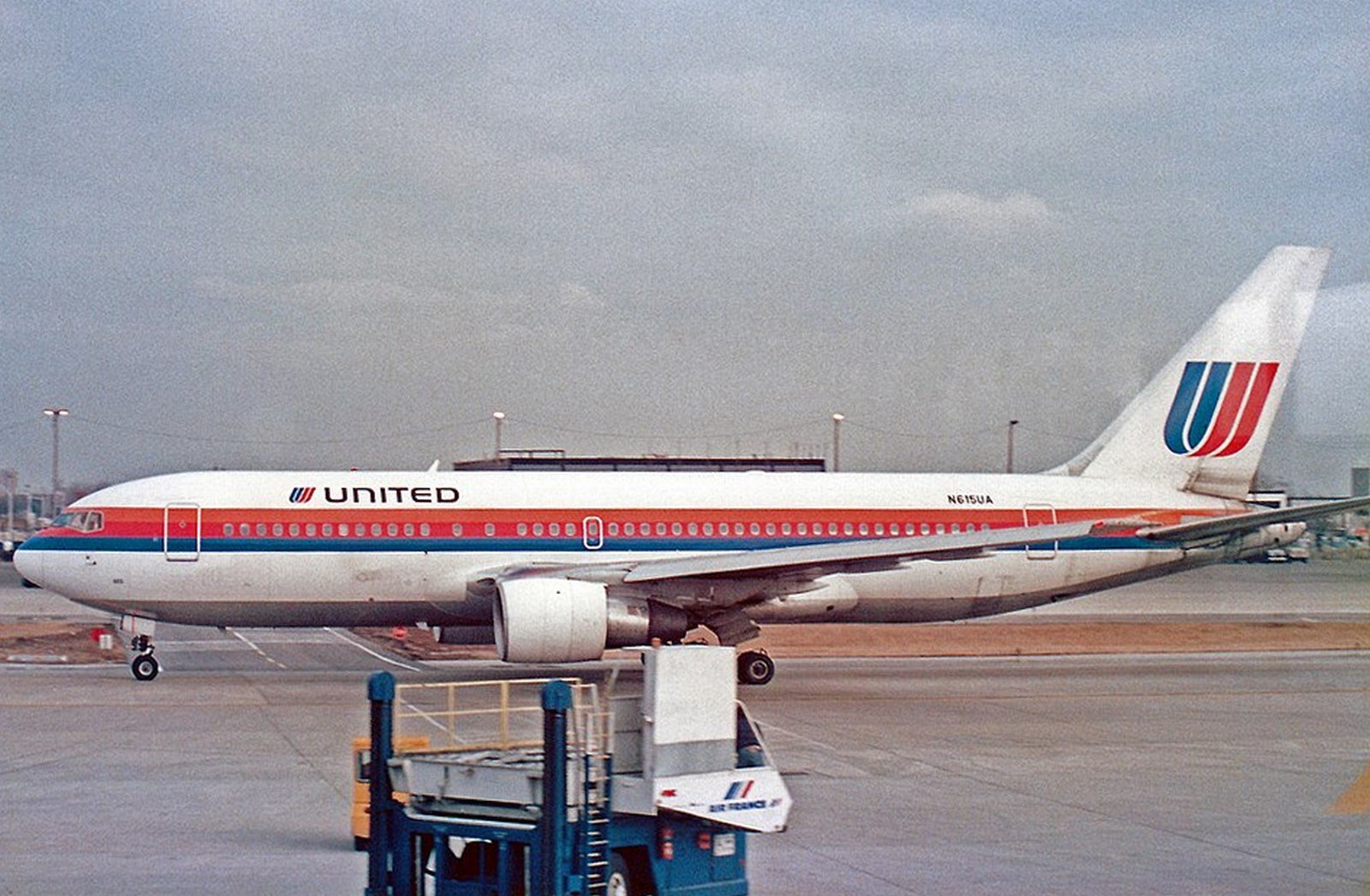
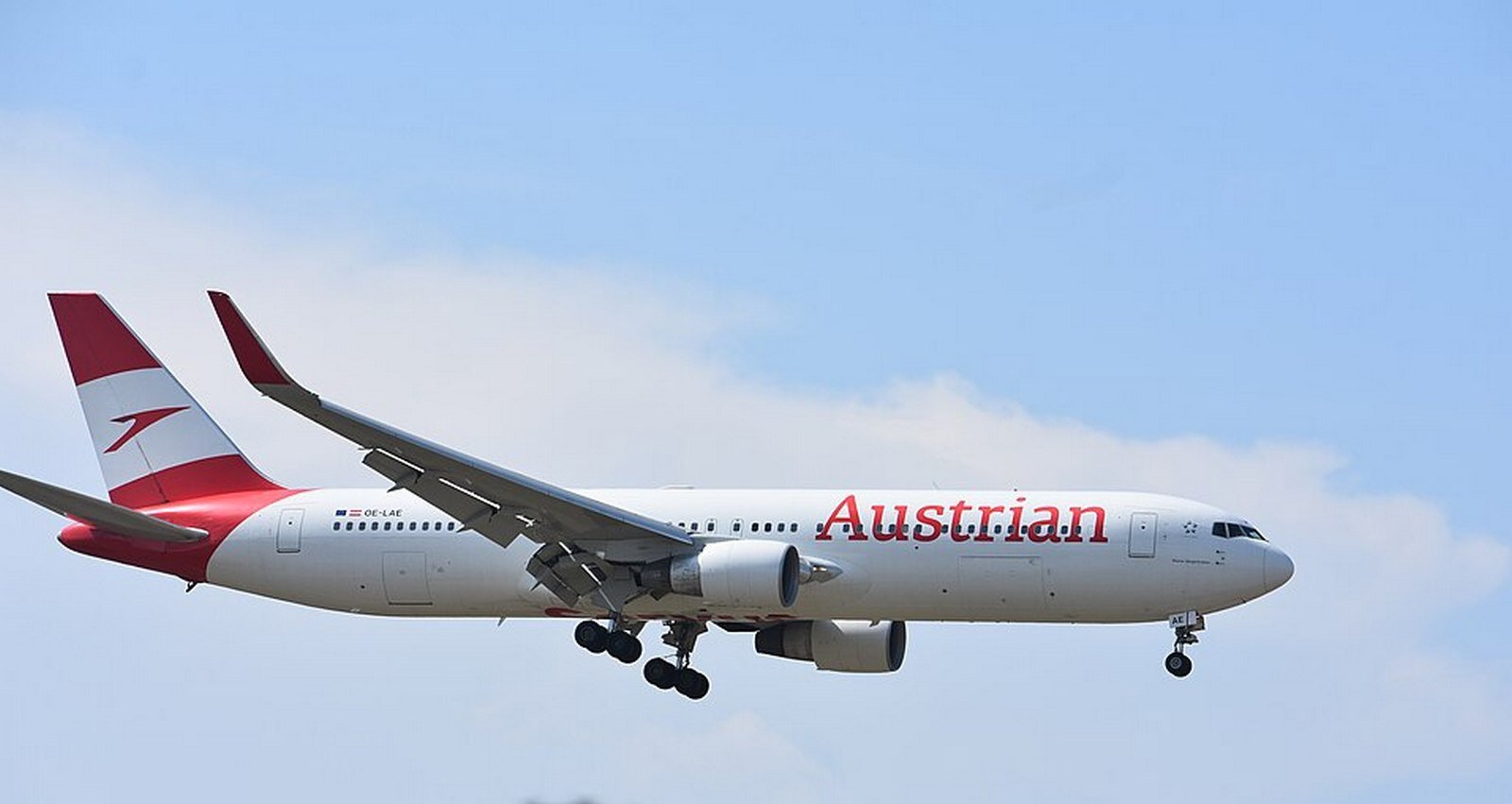
The Boeing 767 quickly passed a series of tests, received type certification, and as early as September 1982, the American airline United Airlines was the first to put it into service. The “767” has become one of the most popular airliners of our time; commercial airlines and government agencies in more than 60 countries have purchased these aircraft, including: Australia, Brazil, Brunei, the United Kingdom, Zimbabwe, Kazakhstan, Canada, China, Colombia, Mongolia, Poland, South Africa, Tanzania, France, Chile, and Japan. In Ukraine, several airlines operated aircraft from this family, including UIA and Skyline Express.