Fan-page
 Youtube
 TikTok
 Aviamuseum
 State Aviation Museum
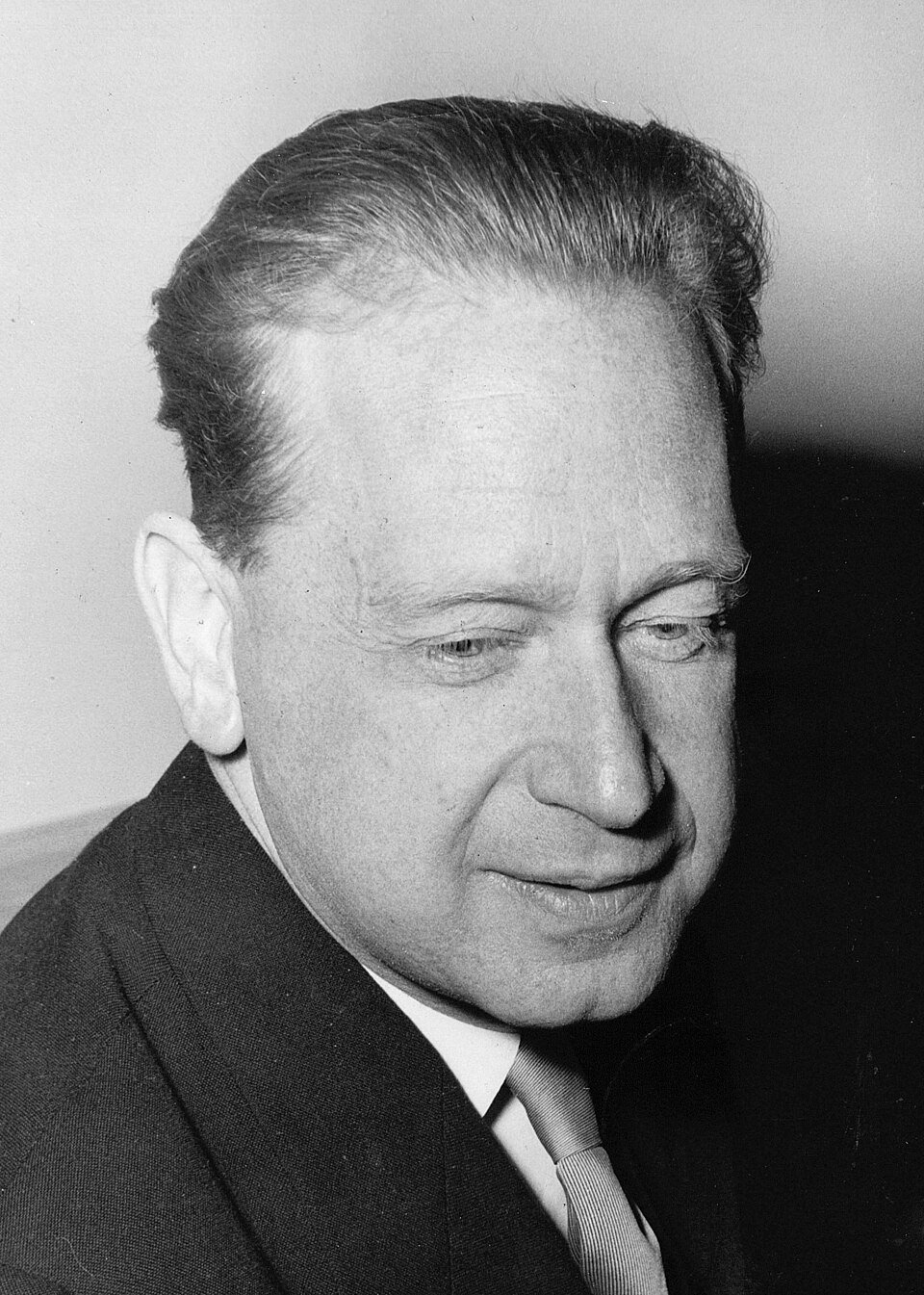
65 years since the death of UN Secretary-General Dag Hammarskjöld in a plane crash
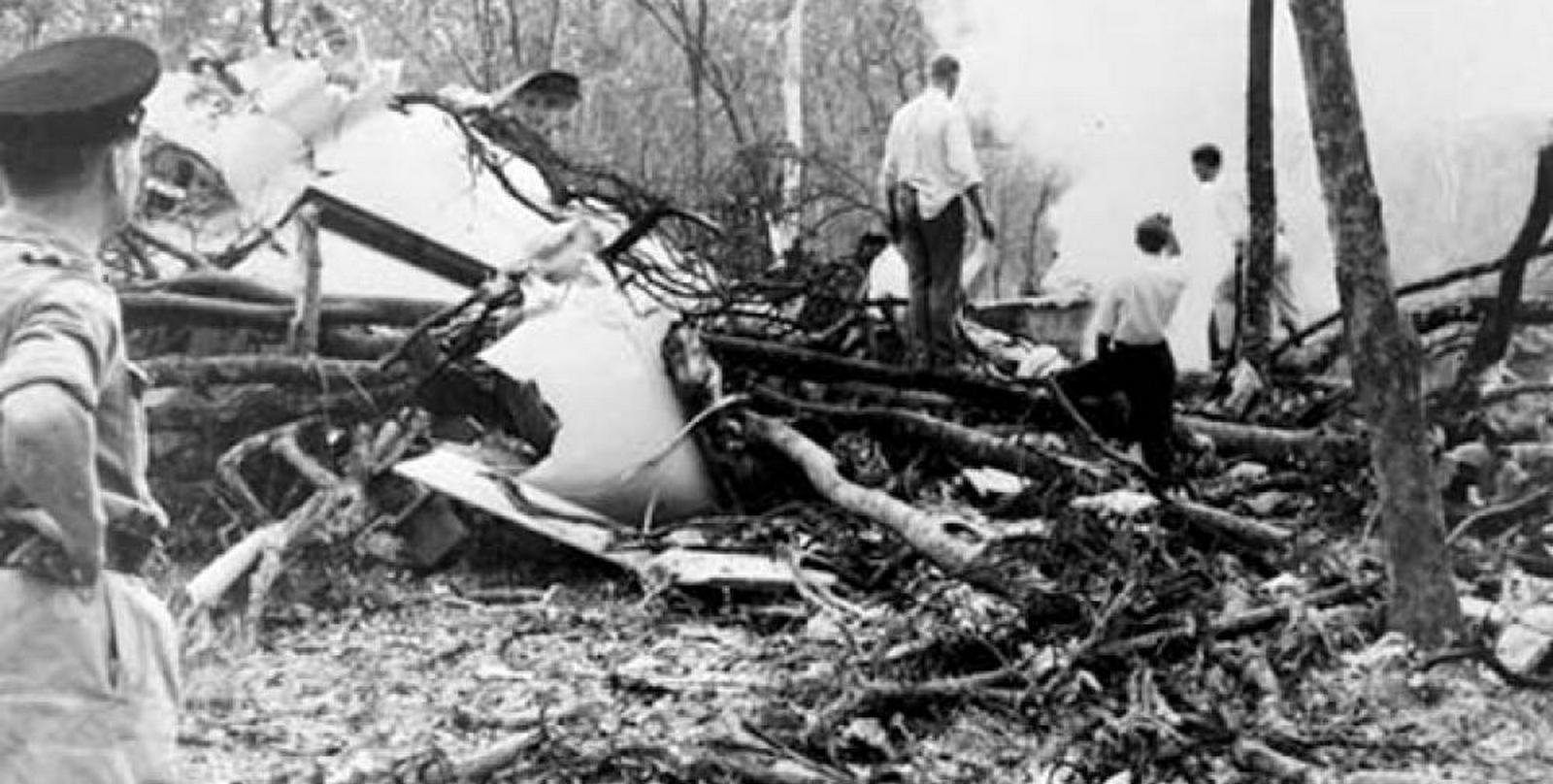
September 18 marked the 65th anniversary of the plane crash that killed UN Secretary-General Dag Hammarskjöld. This is the only instance in which a UN Secretary-General has died.
The tragedy occurred during Hammarskjöld’s peacekeeping mission to end the civil war in the Congo (now the Democratic Republic of the Congo). He had high hopes for negotiations with Moïse Tshombe, the leader of the separatists in Katanga Province. The meeting was to take place in Ndola, in Rhodesia (now Zambia).
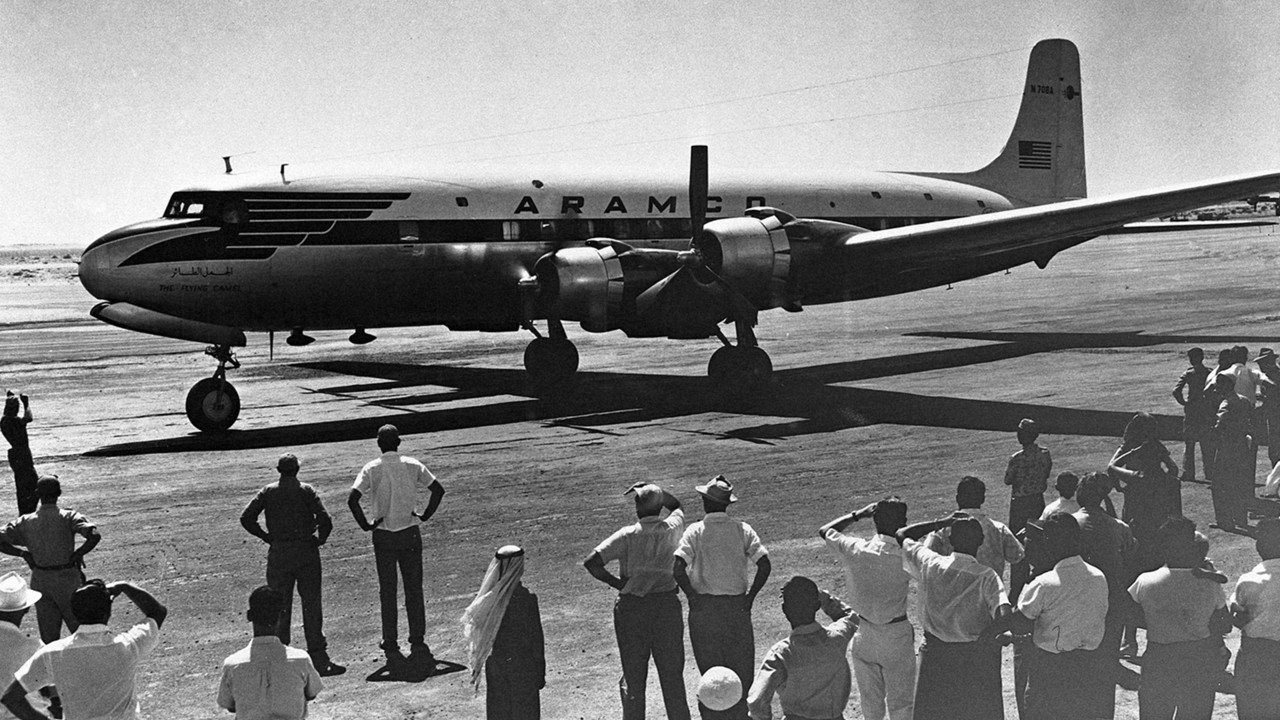
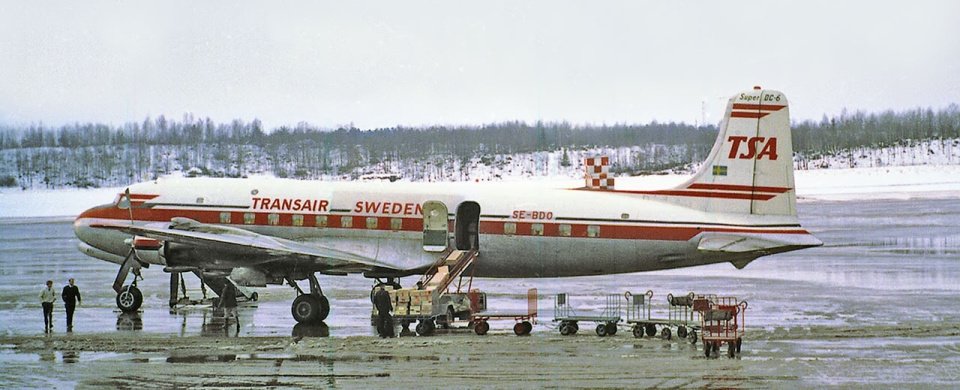
The UN had at its disposal a Douglas DC-6B piston-engine passenger aircraft (registration SE-BDY), nicknamed Albertina, which belonged to the Swedish airline Transair Sweden. The aircraft was built in 1952 and had been transferred to the Swedes from the Saudi airline ARAMCO. The six-person crew was led by experienced pilot Per Hallonquist. In addition to Hammarskjöld, there were four members of the UN delegation and five military escorts on board.
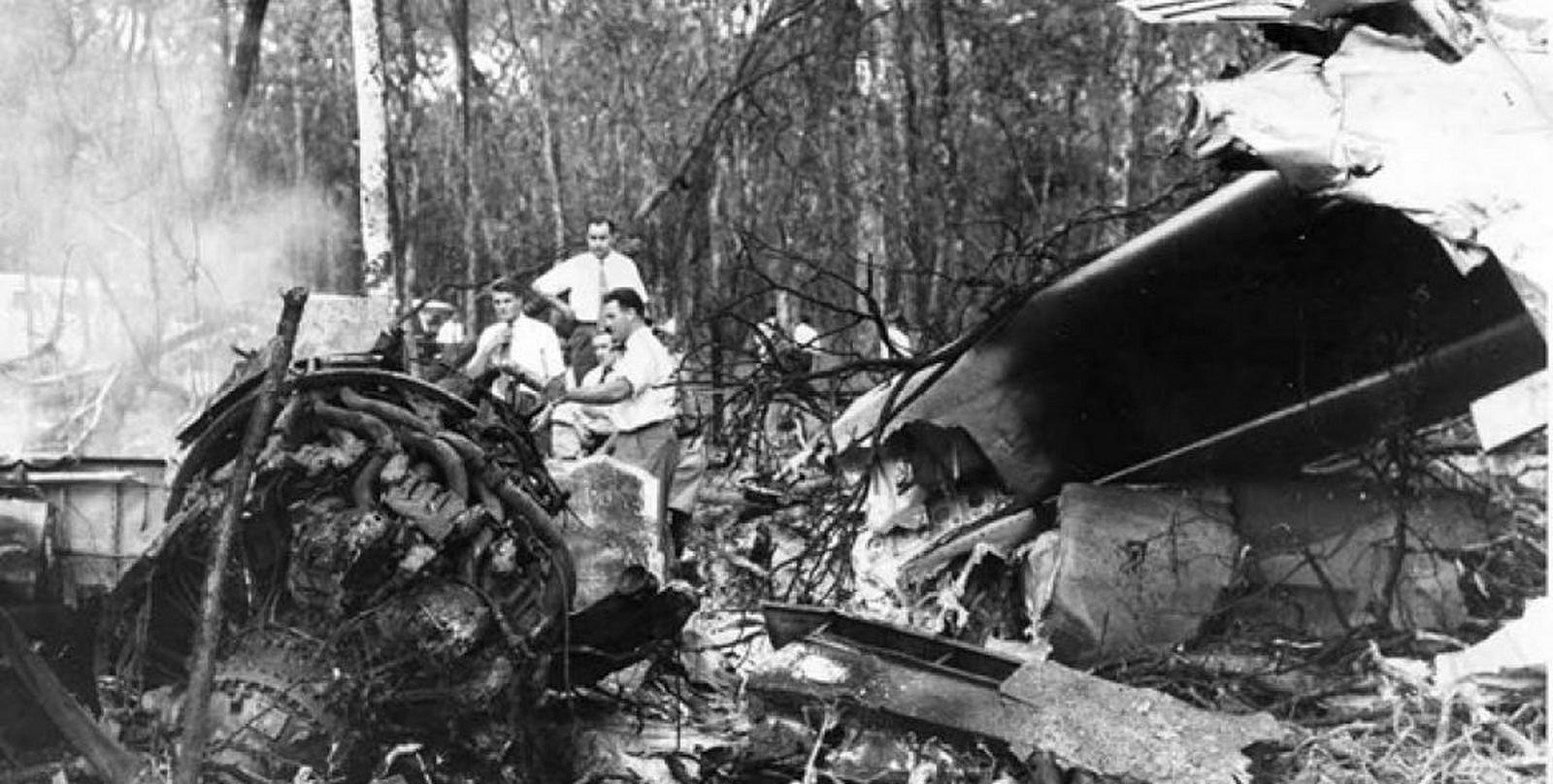
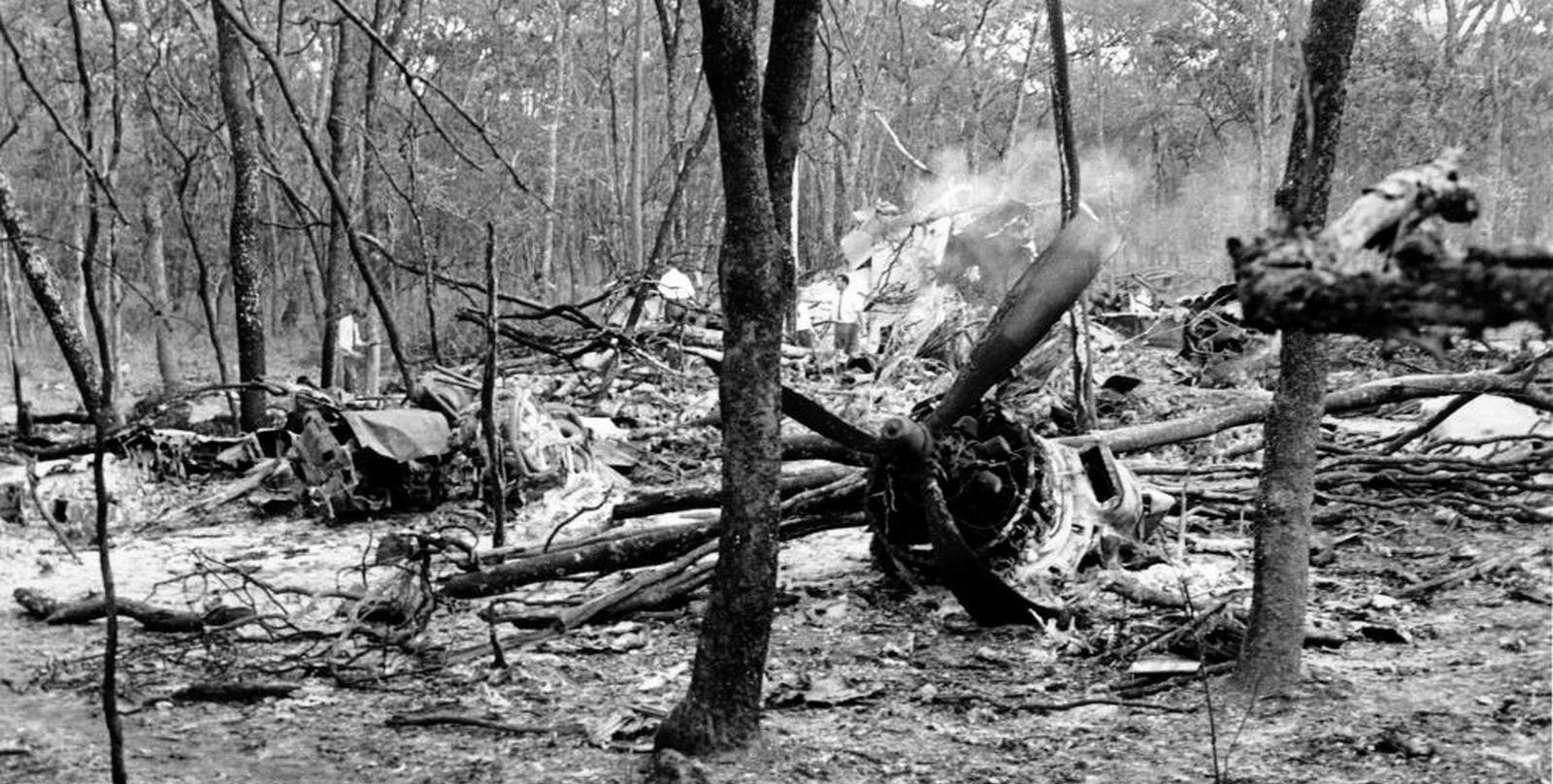
On the evening of September 17, 1961, the plane took off from Leopoldville (now Kinshasa), headed east, and only turned south once it was over Lake Tanganyika. On September 18 at 00:10 Coordinated Universal Time, the crew informed the Ndola air traffic controller that they could see the airport lights. At that point, communication was lost. Despite the high-profile status of the passengers on the Douglas, the search operation did not begin until the following morning. The charred wreckage of the airliner was found in a forest 15 km from the airport. Based on a stopped watch found at the scene, the plane crashed at 00:13.
Rescuers found 15 victims, as well as UN security sergeant Harold Julien, who was still alive. He died in the hospital five days later from his injuries; he might have survived if the search had been organized without delay.
Several bullets were found in the security guards’ bodies, and a theory immediately emerged that the DC-6 had been fired upon either from the ground or by another aircraft. However, further examinations showed that the bullets were from a handgun and bore no rifling marks. Consequently, it was concluded that the injuries were caused by explosions from the bodyguards’ own ammunition, which had been heated by the fire.
Investigators never determined the exact cause of the crash. The most plausible theory was pilot error—according to witnesses, the plane descended too low during the landing approach and may have struck the treetops.
Numerous conspiracy theories also emerged, and their number only grew over time. For example, articles appeared periodically accusing either Soviet or Western intelligence agencies of being responsible for Hammarskjöld’s death, with “investigators” finding various motives in these agencies for continuing the war in the Congo. To this day, a widely held theory is that the “Douglas” shot down a Fouga Magister aircraft belonging to the so-called Katanga Air Force, which was piloted by the Belgian mercenary Jan van Risseghem.
Some materials from unofficial investigations even made their way to the UN in the form of authoritative reports intended to prompt a reopening of the case into Hammarskjöld’s death. The most recent such attempt took place in 2024. However, there have been no official consequences to date.