Fan-page
 Youtube
 TikTok
 Aviamuseum
 State Aviation Museum
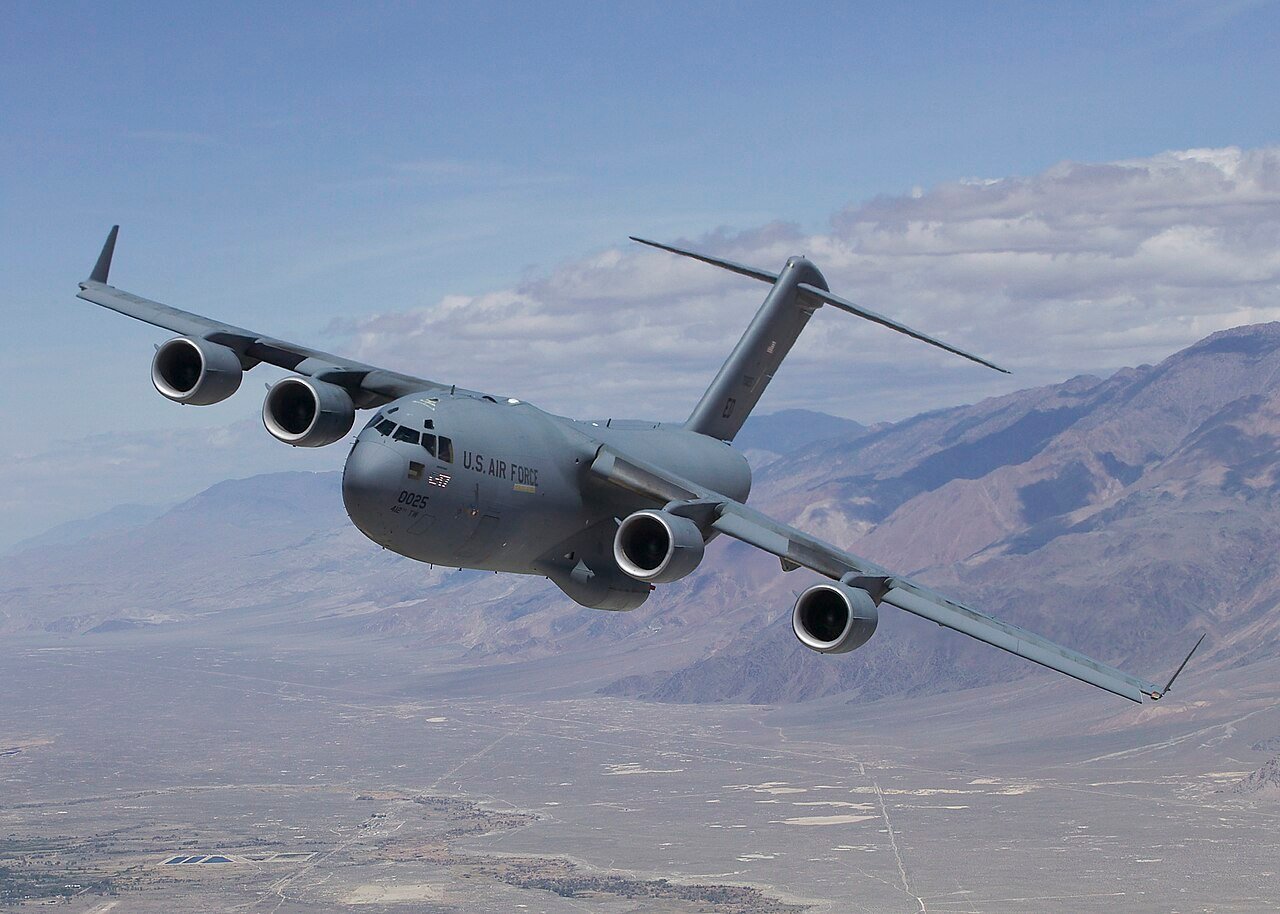
The C-17 Globemaster III heavy transport aircraft turns 35
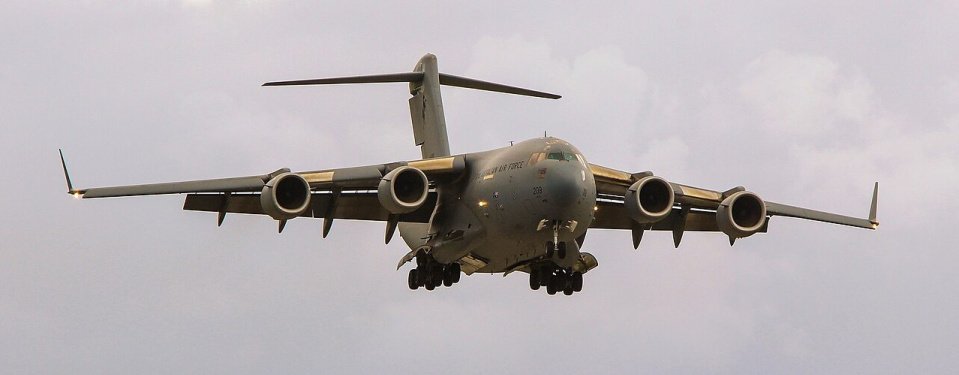
September 15 marked the 35th anniversary of the C-17 Globemaster III heavy military transport aircraft, developed by the American company McDonnell Douglas. On that day in 1991, its first prototype, the YC-17, took off from the Long Beach (California) airfield.
In late 1979, the CX program was launched in the U.S. with the goal of creating a “transport aircraft” to replace the C-141 Starlifter. Leading American aircraft manufacturers—Boeing, Lockheed, and McDonnell Douglas—participated in the design competition. McDonnell Douglas was declared the winner. Its engineers built upon their YC-15 experimental aircraft and proposed a new, significantly larger aircraft. However, this program had a relatively low priority at the Pentagon and, as a result, faced insufficient funding. Unsurprisingly, the development of the C-17 was delayed, and the number of aircraft ordered was nearly halved.
Testing of the aircraft also proceeded with complications. The military raised a number of complaints, particularly regarding the engines’ lack of fuel efficiency and, consequently, the aircraft’s insufficient range. In addition, they increased their requirements for the C-17’s takeoff and landing performance. The aircraft required further refinement. In fact, something similar happens with any new technology, but in this case, the situation was exacerbated by McDonnell Douglas’s financial problems. The Pentagon refused to allocate additional funds, so the company had to draw from its own budget, which was already stretched to the limit. There was even talk of canceling the program.
Nevertheless, by the fall of 1995, the aircraft’s main problems had been resolved. The aircraft began entering service. And in 1997, McDonnell Douglas merged with its “longtime” competitor, Boeing. Managers at the project’s new owner even managed to secure an increase in orders for the C-17. As a result, the U.S. Air Force received 223 of these aircraft. Exports also began, allowing a total of 279 units to be built by 2019 in three main variants. In recent years, the question of resuming C-17 production has come up repeatedly, so their numbers may increase.
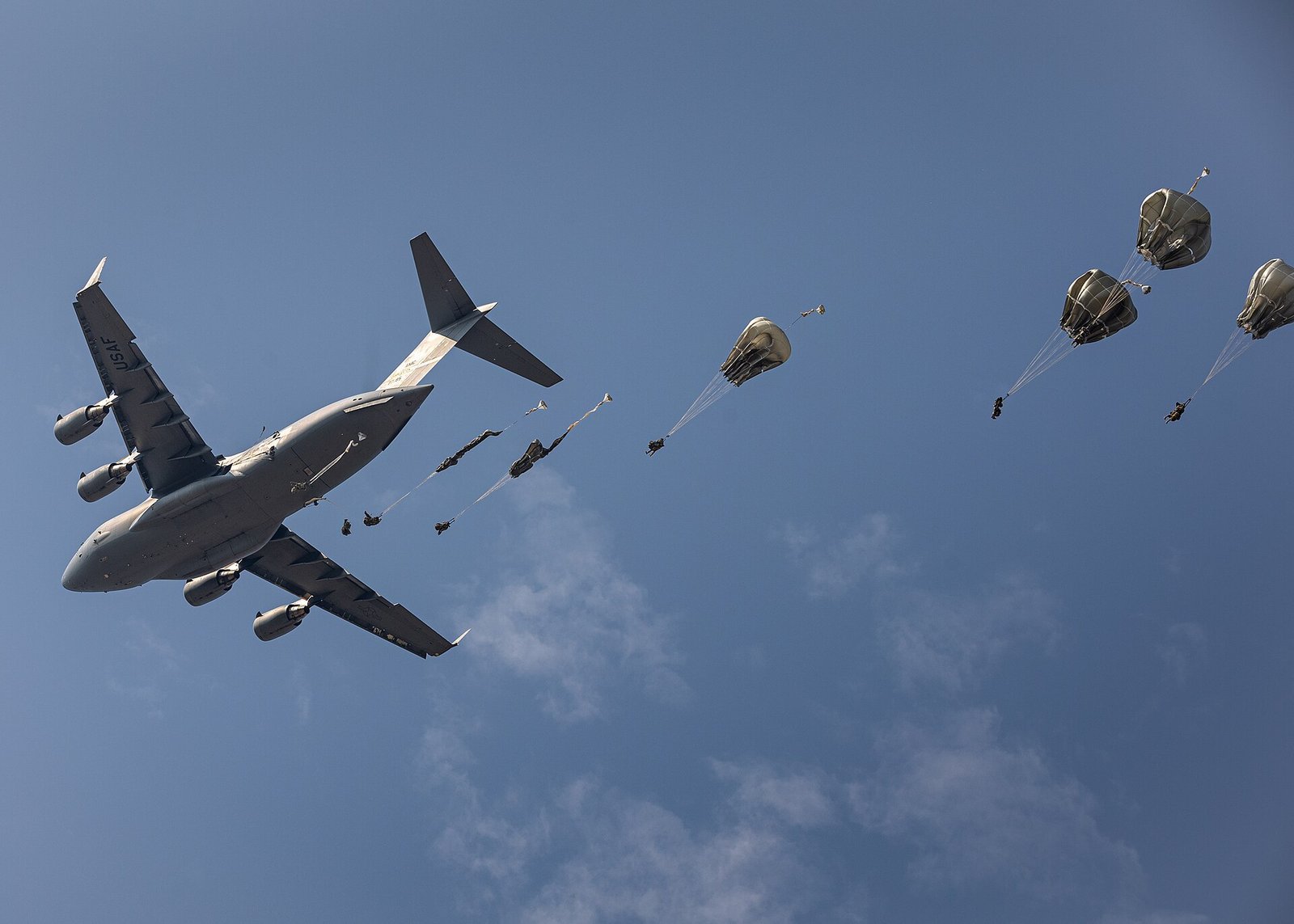
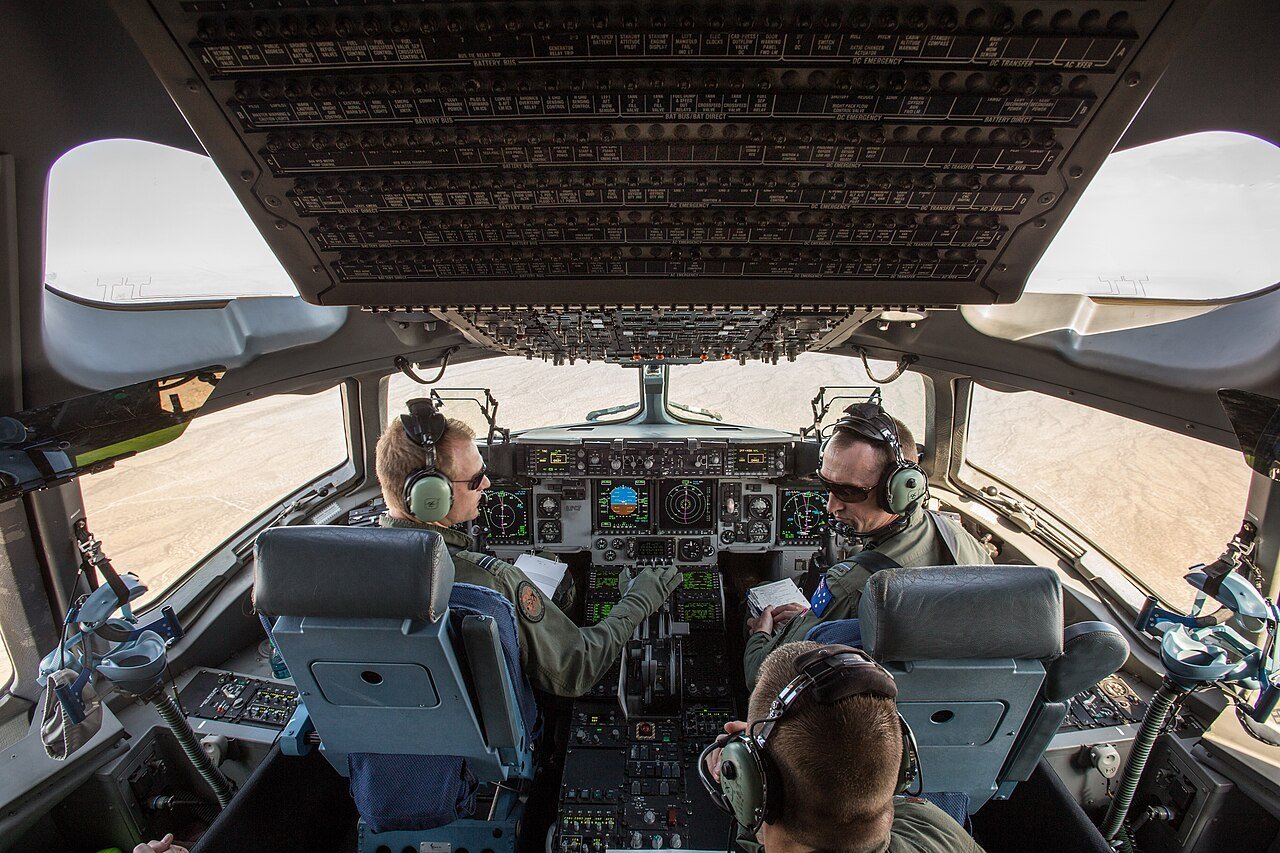
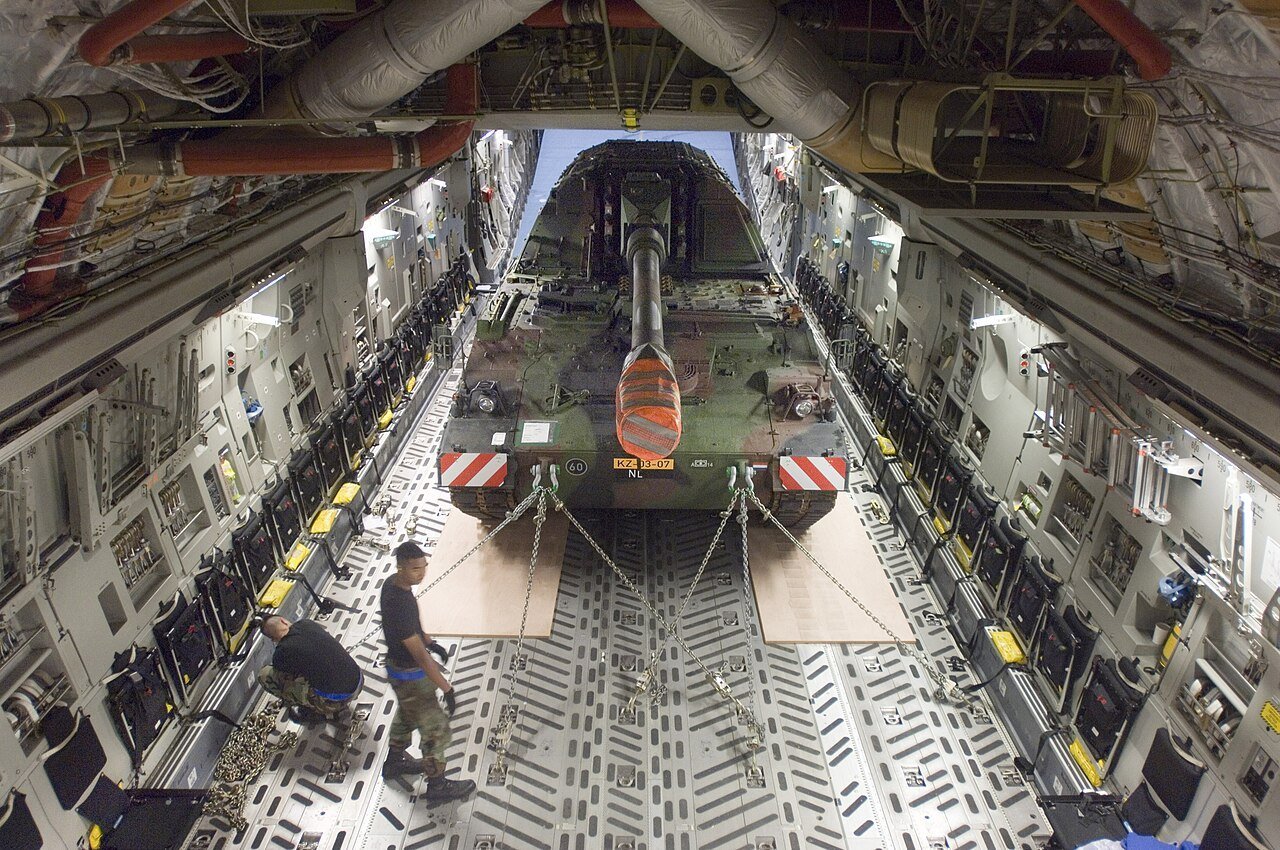
The standard C-17A is equipped with four Pratt & Whitney PW2000 turbofan engines, each producing 18.3 metric metric tons of thrust. The aircraft is 53 m long, has a wingspan of 51.8 m, a maximum takeoff weight of 265 metric tons, a cruising speed of 830 km/h, and a range of nearly 4,500 km when carrying a 70-metric-ton payload. The maximum payload exceeds 77 metric tons. The aircraft can transport 102 fully equipped paratroopers and a wide range of cargo and military equipment, including one M1 Abrams tank or three AH-64 Apache attack helicopters.
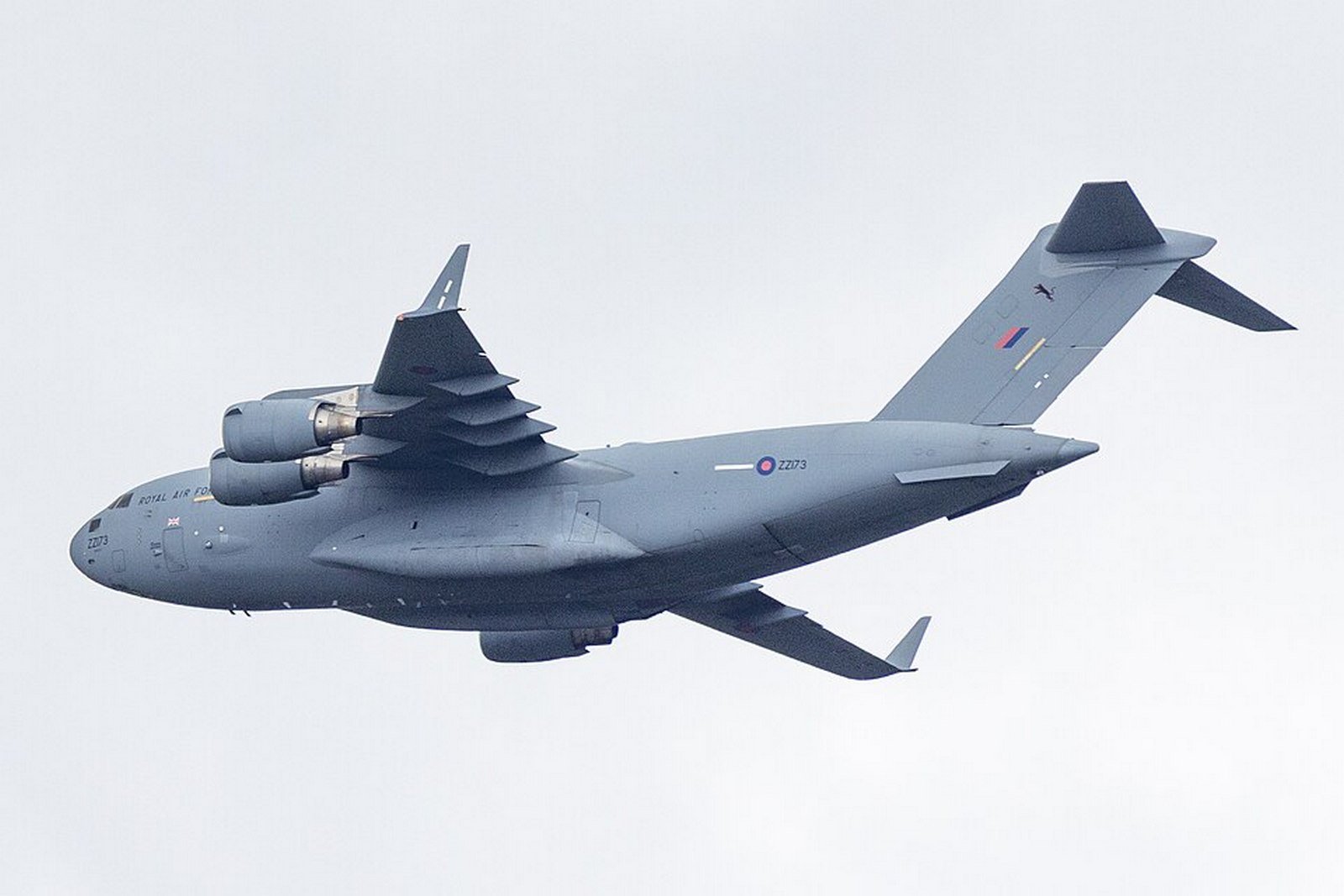
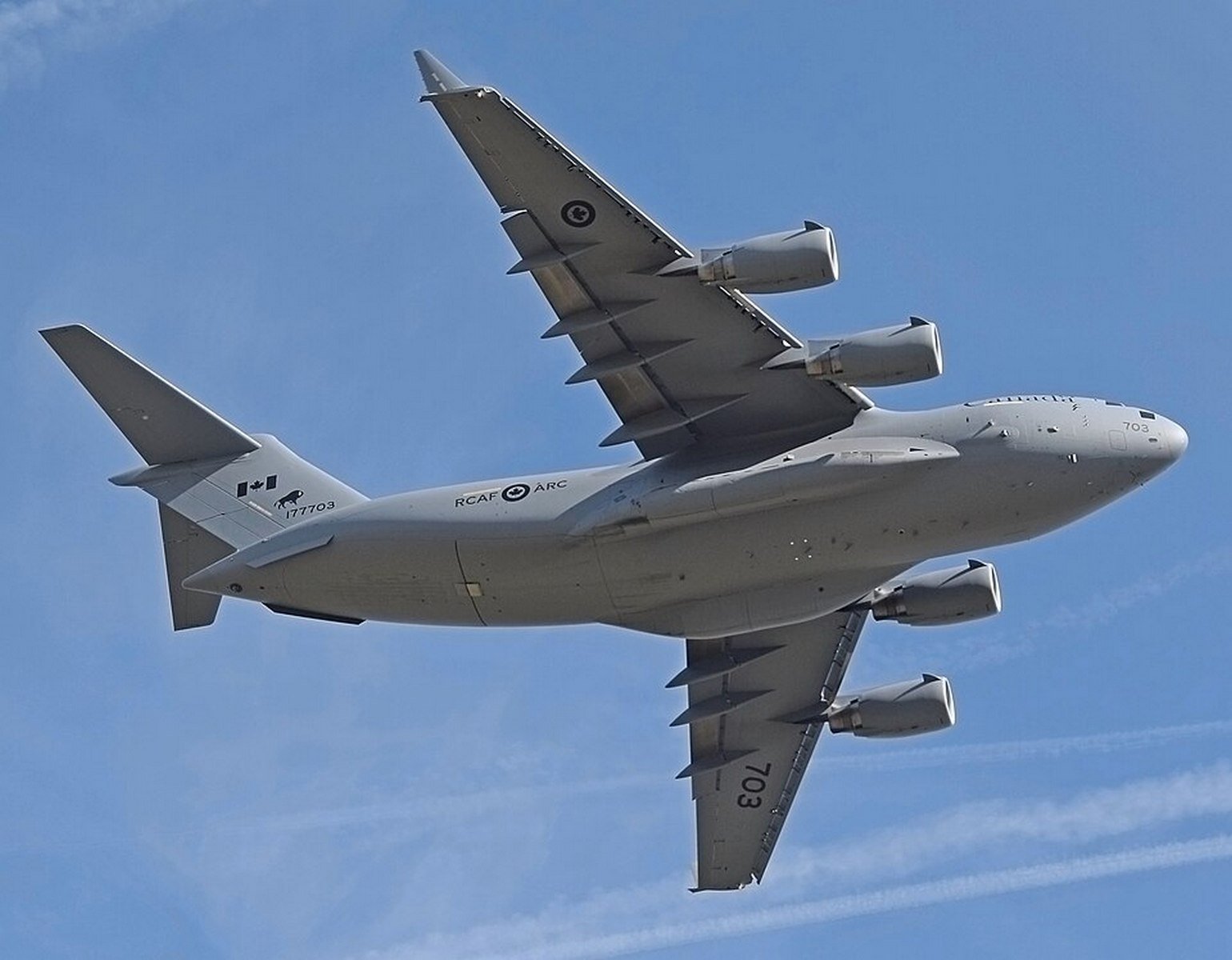
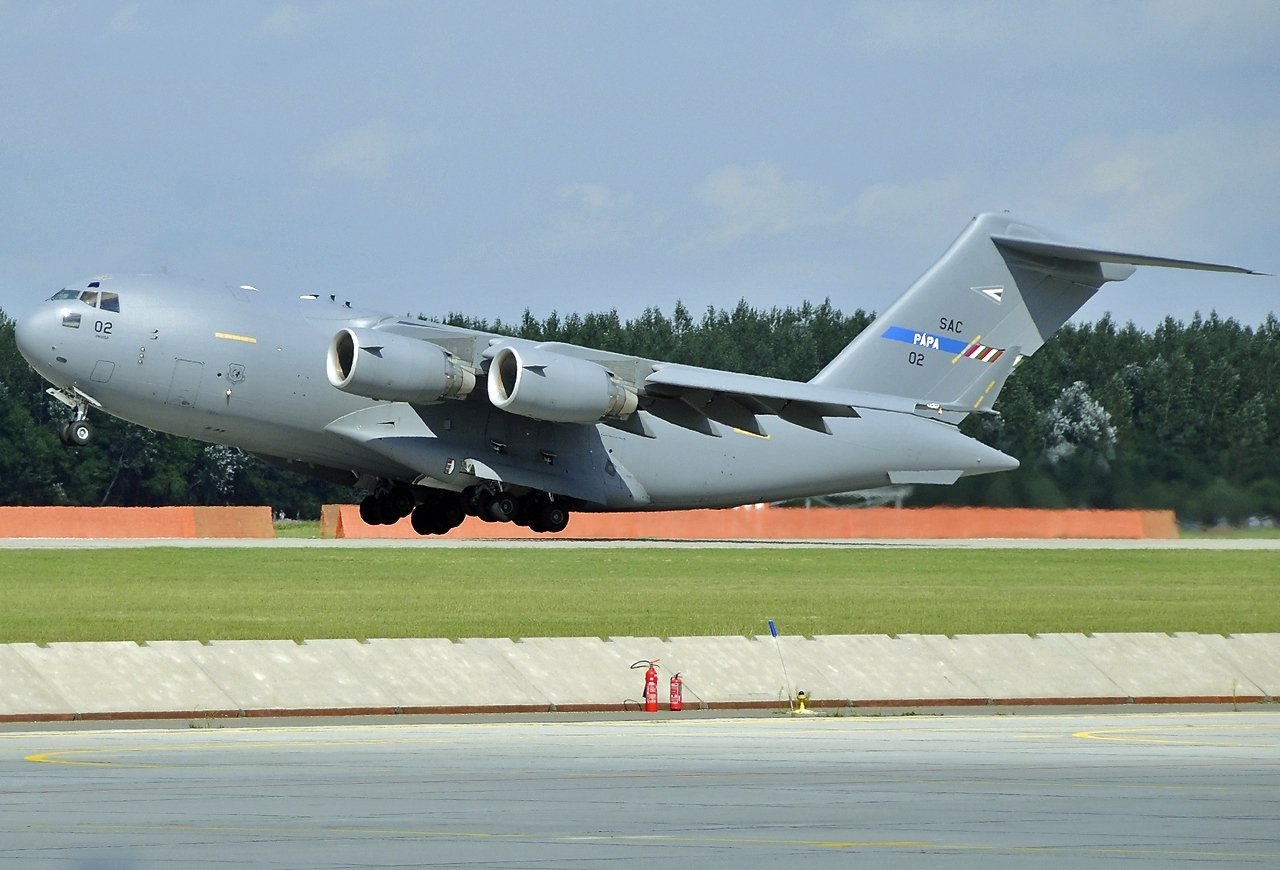
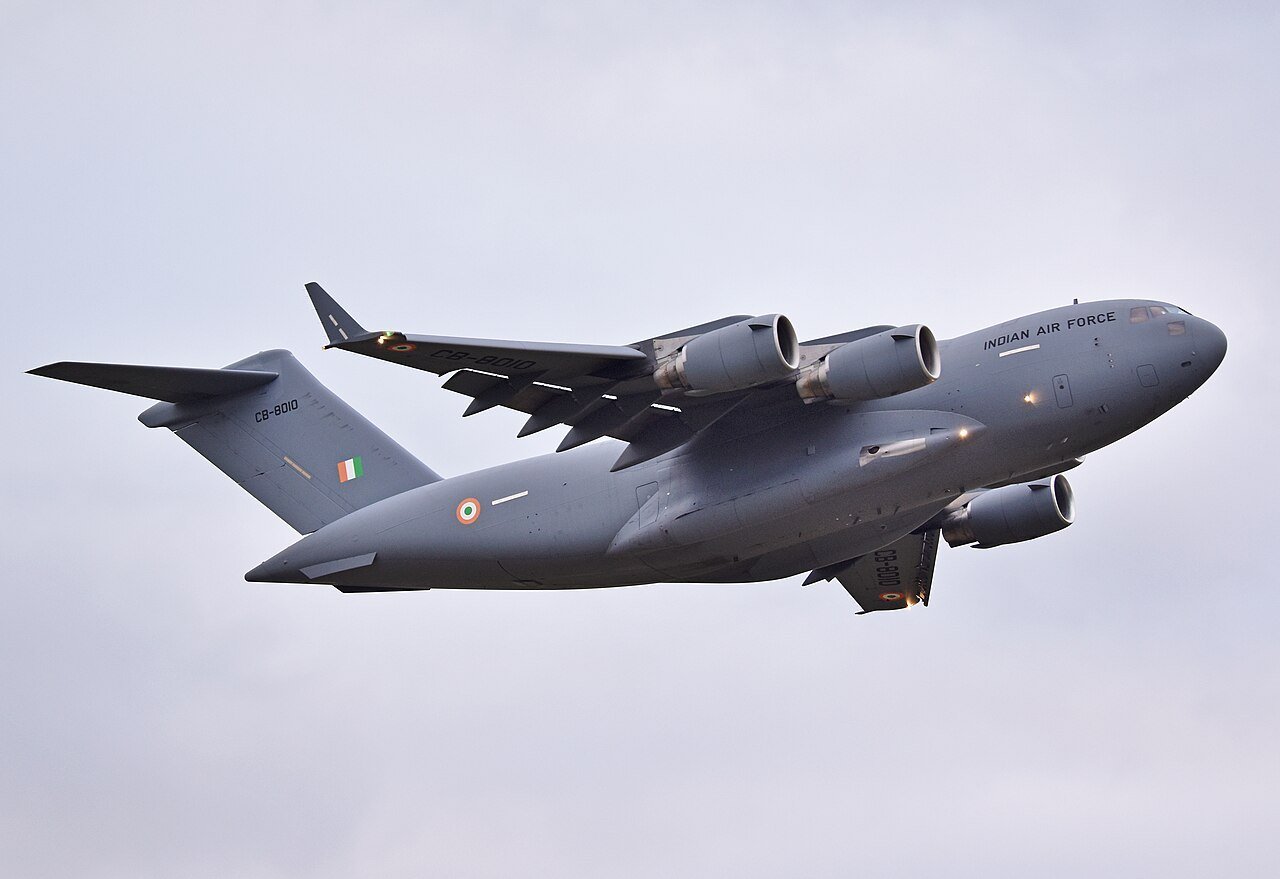
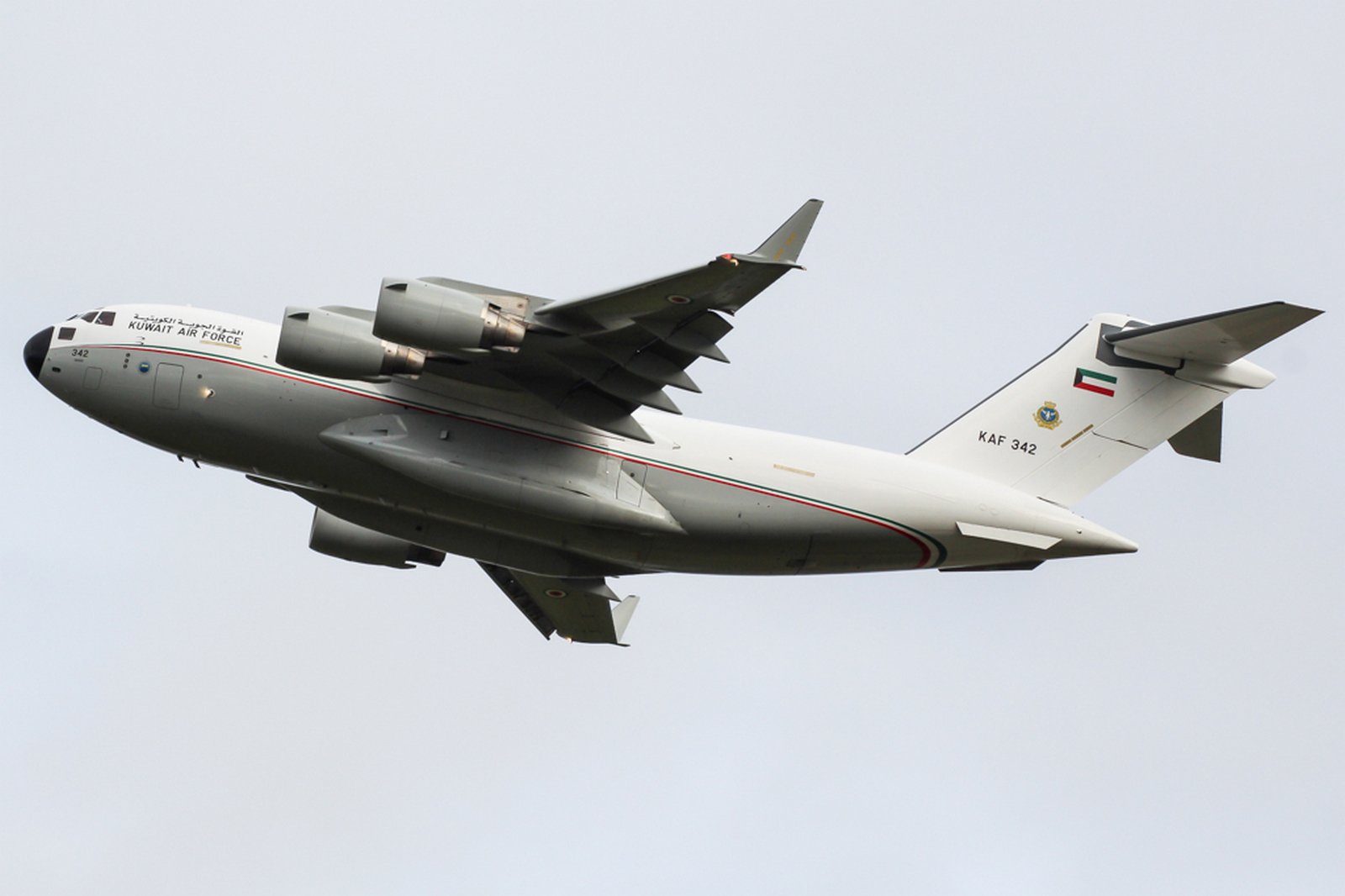
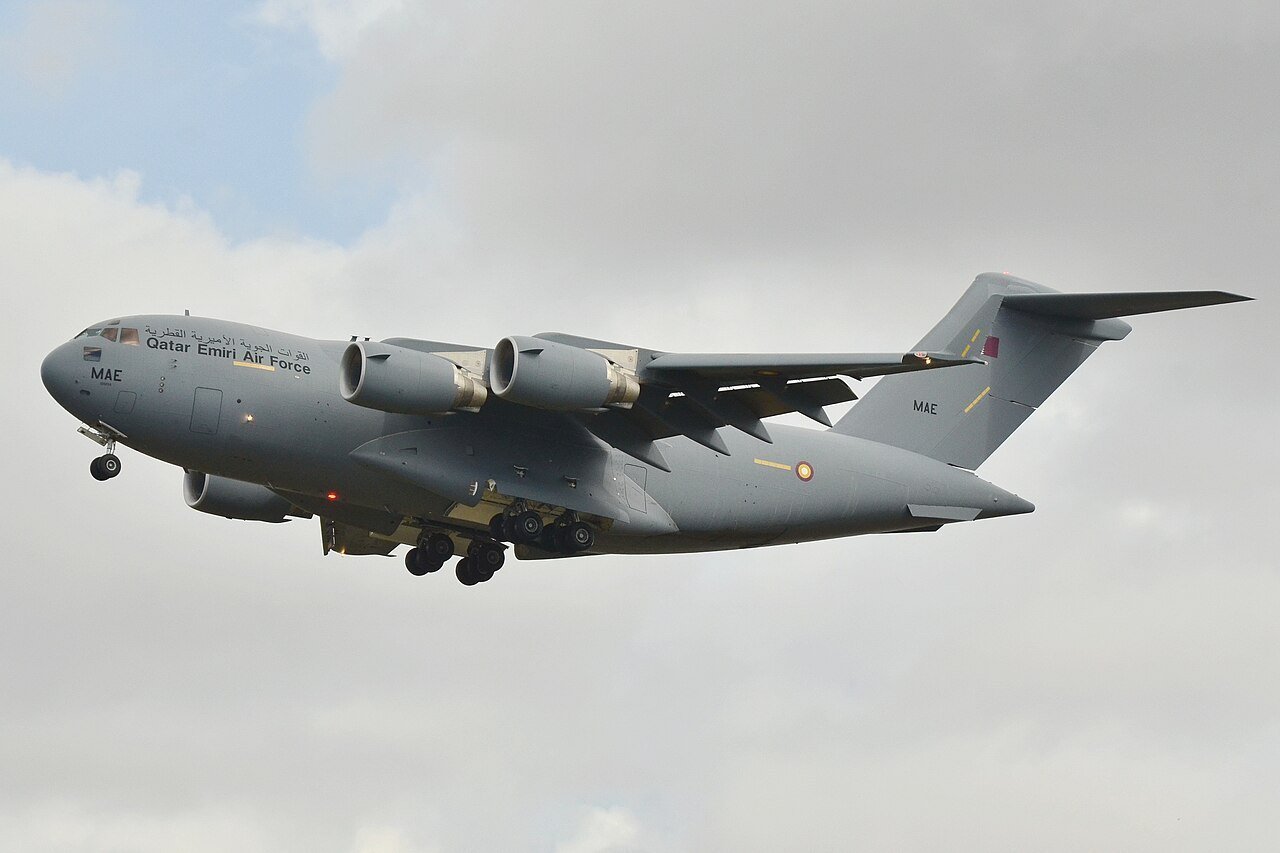
In addition to the United States, the C-17 has been acquired by Australia, the United Kingdom, India, Canada, Qatar, Kuwait, and the UAE. The U.S. has also provided three aircraft to the European Multinational Strategic Air Wing, which is based in Hungary.
The C-17 has become a true “workhorse” of military logistics. Whether transporting personnel or various types of cargo, these “transport aircraft” fly virtually all over the world. They will remain in service for many more decades to come.