Fan-page
 Youtube
 TikTok
 Aviamuseum
 State Aviation Museum
50 Years of the M18 Dromader Agricultural Aircraft
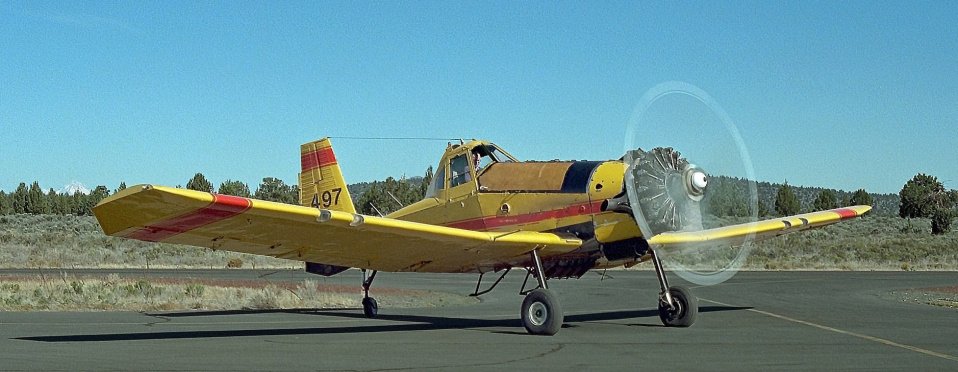
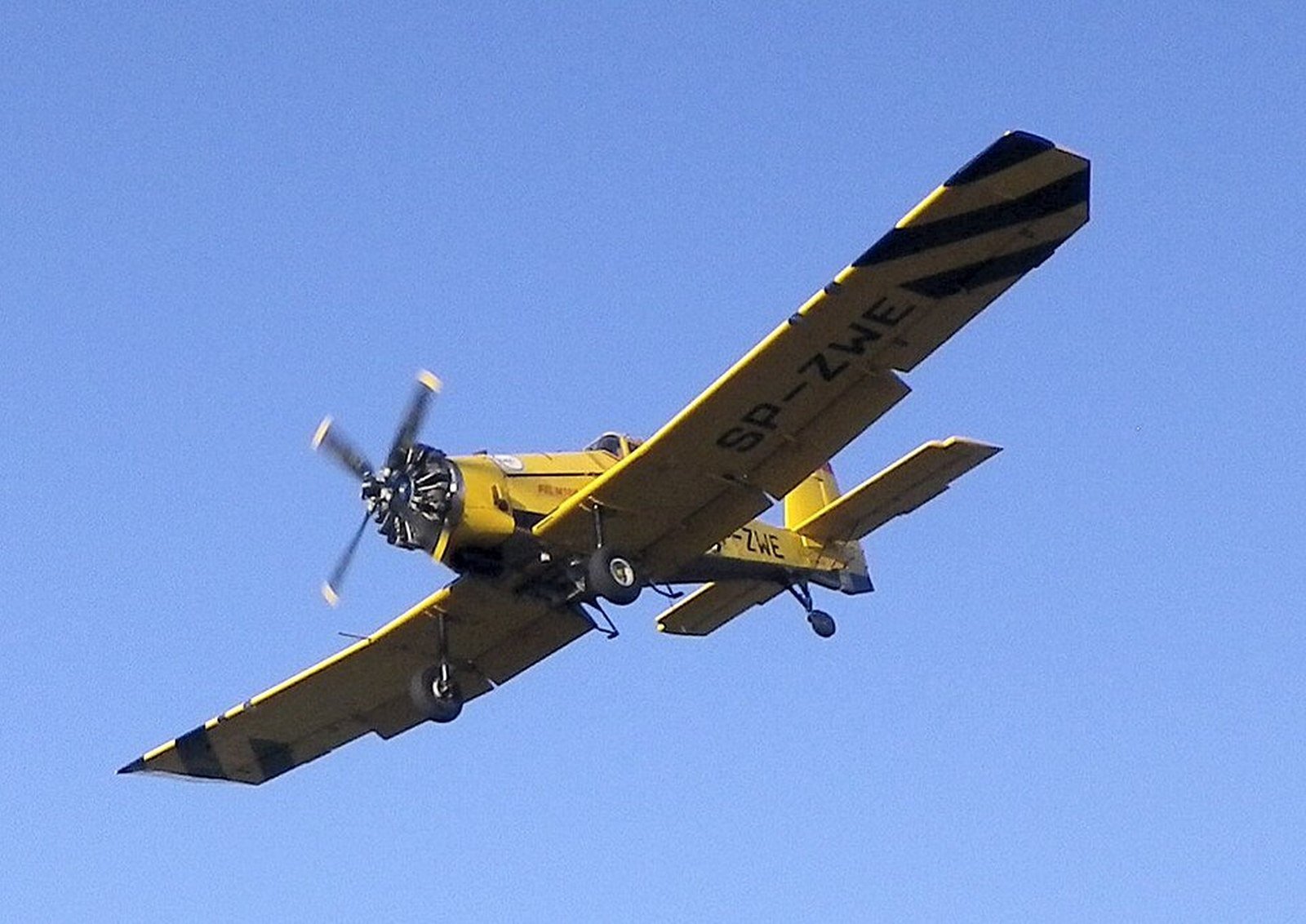
August 27 marked the 50th anniversary of the M18 Dromader agricultural aircraft, which was developed by the Polish company WSK PZL-Mielec. On that day in 1976, its first prototype took to the skies at the factory airfield in Mielec.
At that time, the main product of the WSK PZL-Mielec plant was the An-2, which was manufactured under an intergovernmental agreement with the Soviet Union. Despite all its outstanding qualities, this multipurpose biplane did not meet Western airworthiness certification standards. As a result, a large segment of the global market remained off-limits to it. Seeking to overcome this barrier, Polish specialists decided to develop an aircraft in collaboration with American partners. Given the realities of the “Cold War,” such a move could have caused significant complications in relations with the USSR, but this was avoided thanks to diplomatic efforts at the government level.
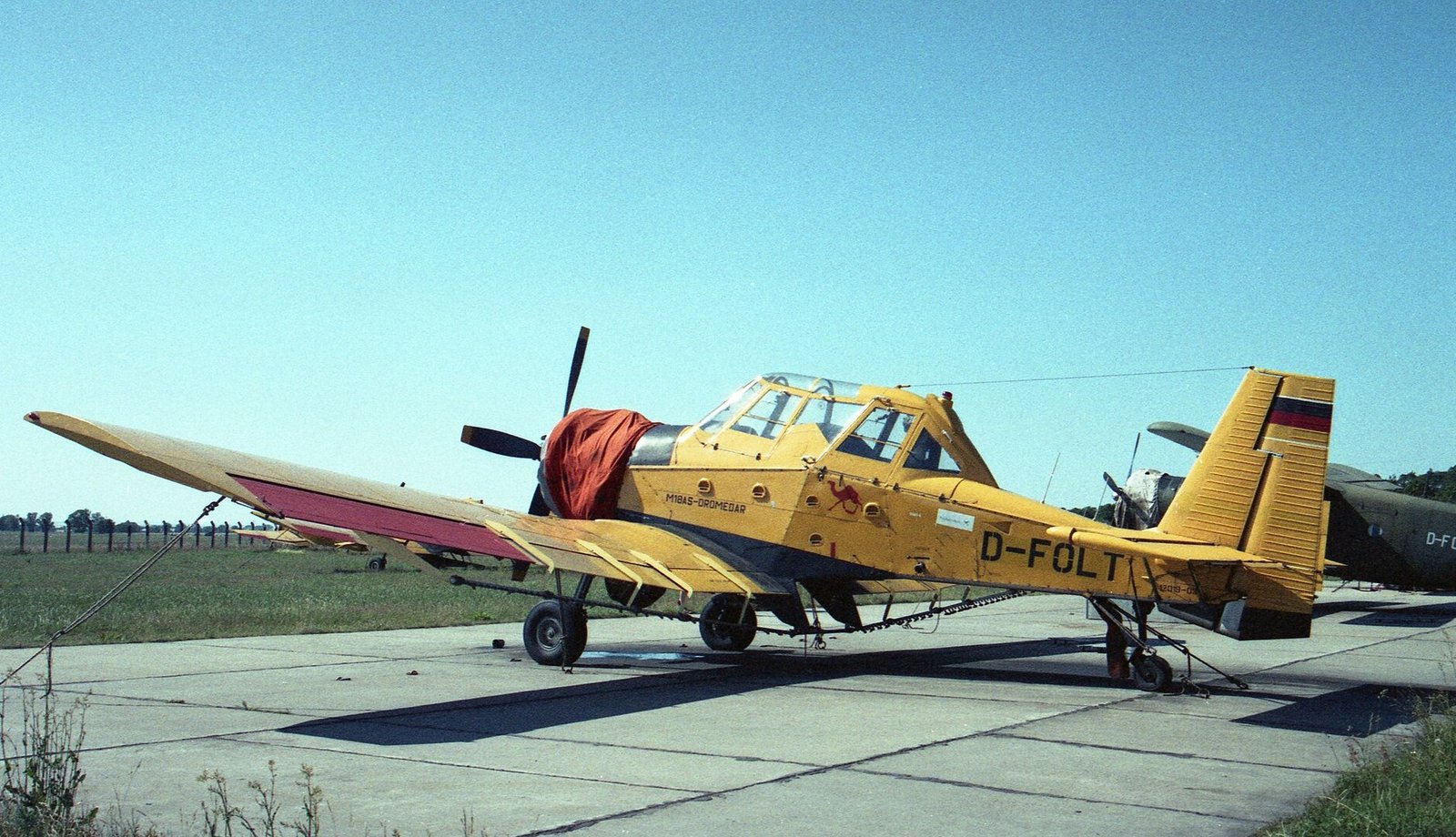
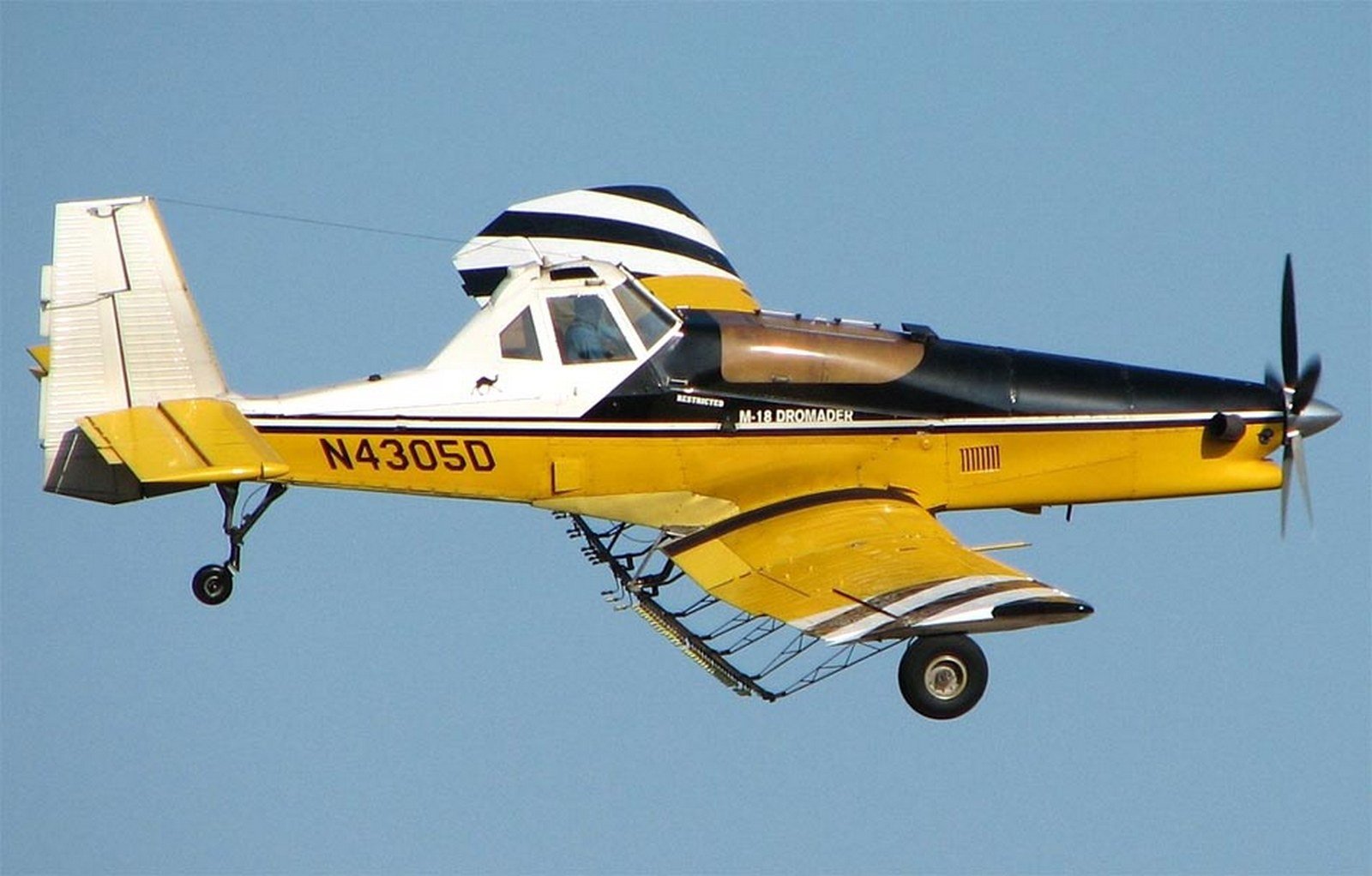
The project was based on the S-2R Thrush Commander agricultural aircraft from the American company Rockwell. However, only the general layout—with the chemical tank located in front of the cockpit—and the design of certain components were borrowed from it. Overall, the Polish aircraft turned out to be entirely original and significantly larger.
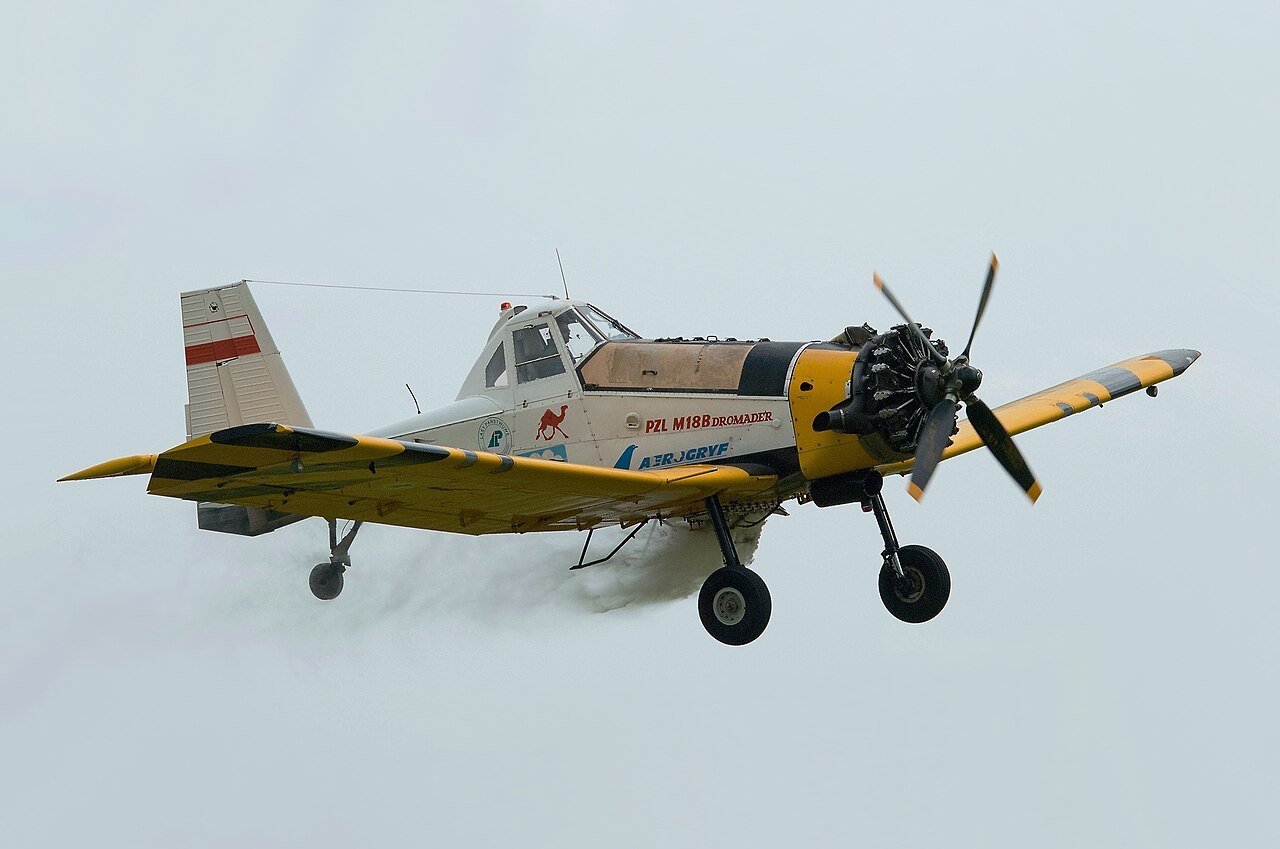
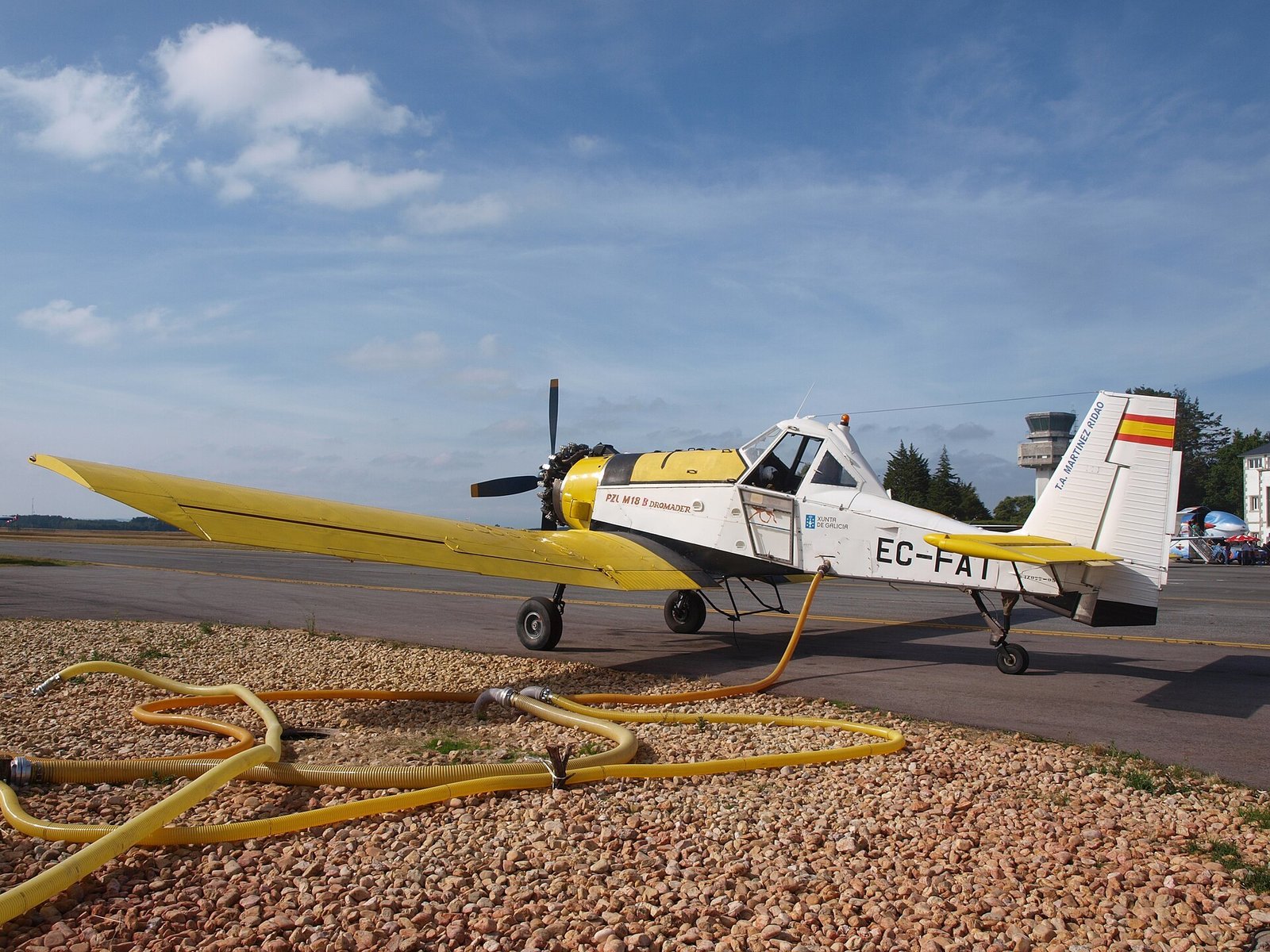
For an aircraft of this class, it was very important to ensure good visibility from the pilot’s seat. To achieve this, the cockpit was raised as high as possible, giving the aircraft its distinctive “humpbacked” appearance. Thus, the name “Dromader” (one-humped camel) was not chosen by chance.
It was decided to use the same powerplant as on the An-2—the ASH-62 air-cooled radial engine with a power output of 1,000 k.s. Licensed production of these engines was established in Poland.
The production M18 had a length of 9.46 m, a wingspan of 17.70 m, a maximum takeoff weight of 5,300 kg, a maximum speed of 256 km/h, and a practical range of 520 km. The chemical tank could carry up to 1,850 kg of substances for crop treatment.
In total, nearly 760 “Dromaders” were built in four main variants, including two-seat training models. The capability to produce these aircraft remains to this day, although no new M18s have rolled off the assembly line for over 25 years.
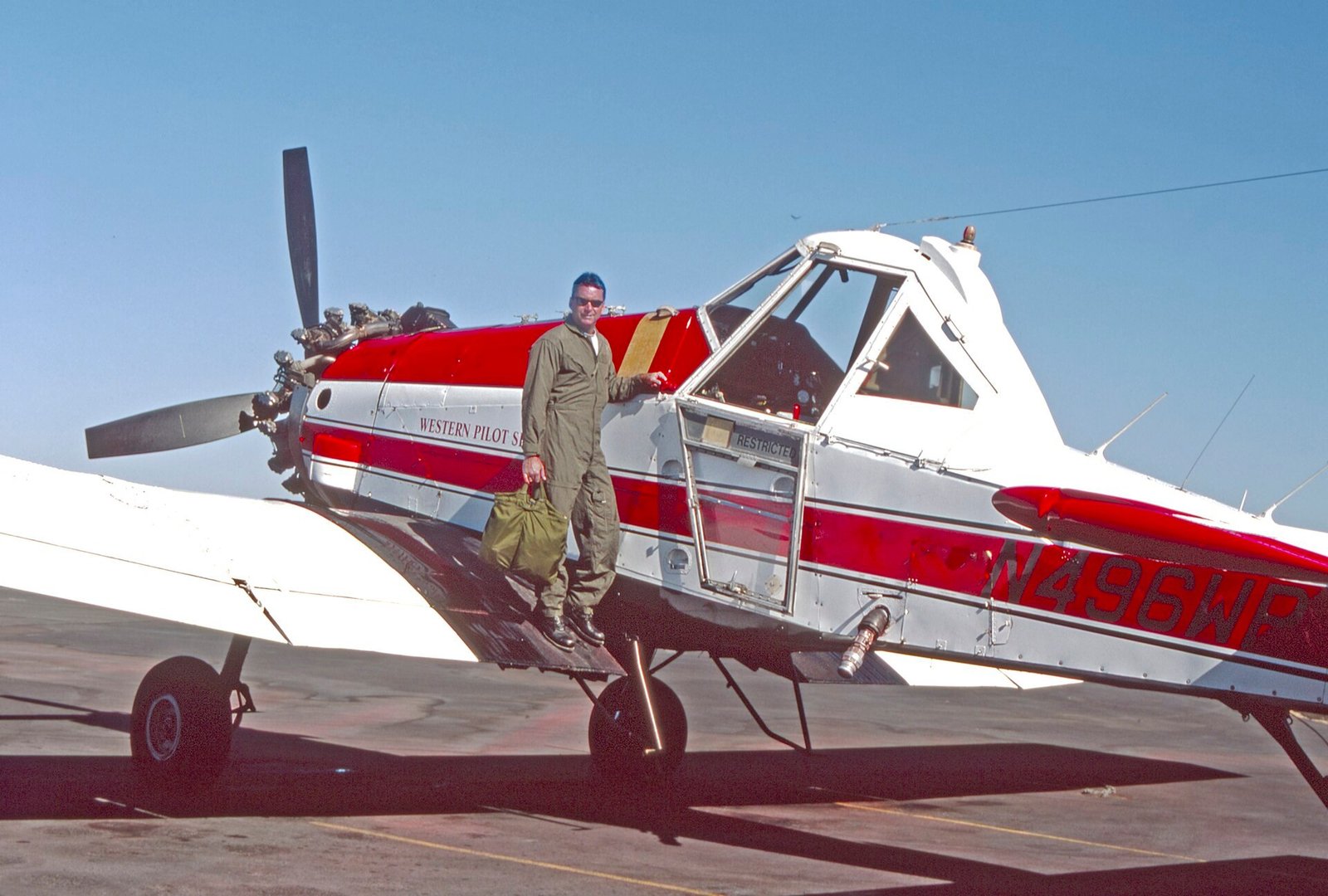
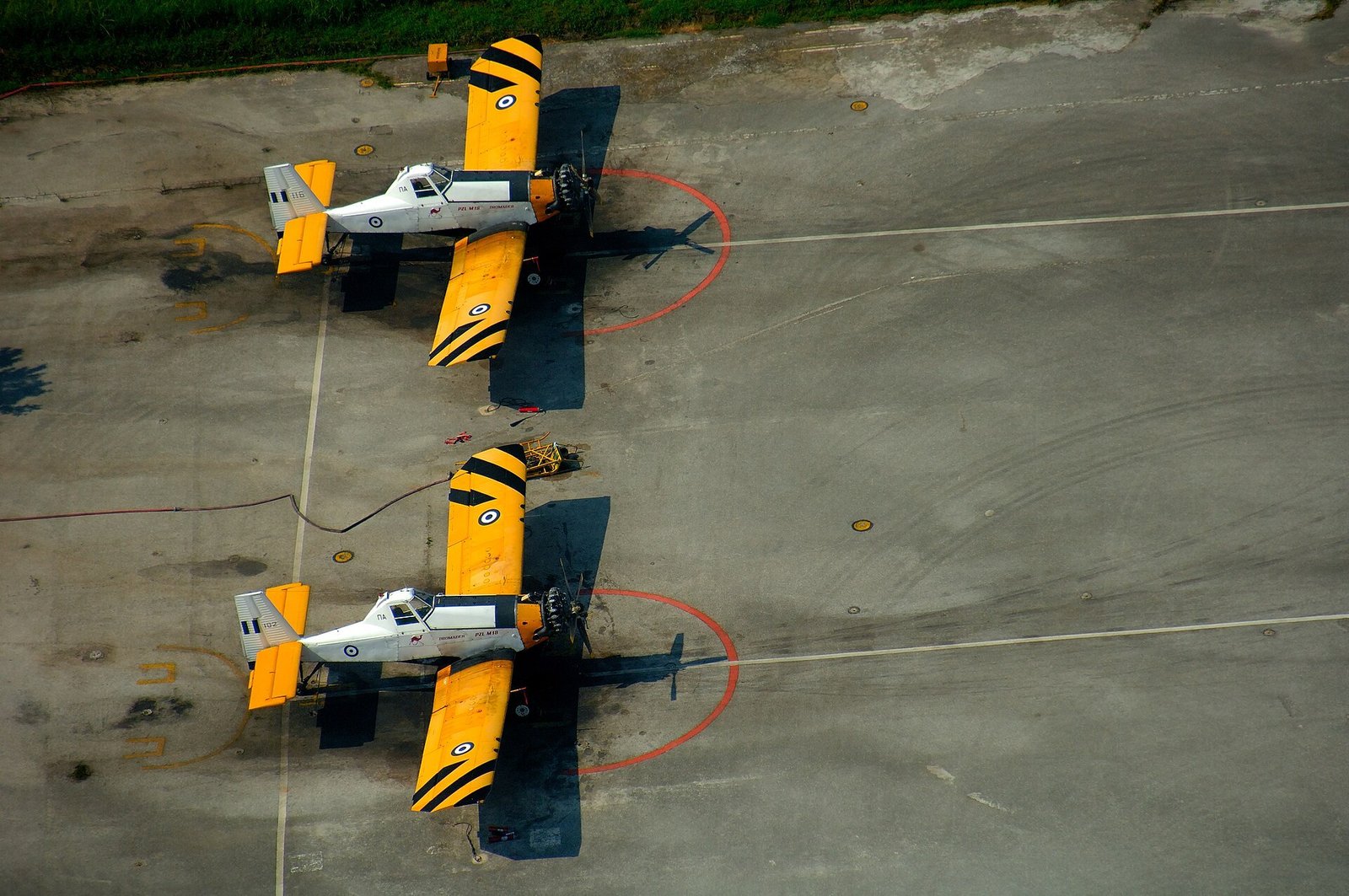
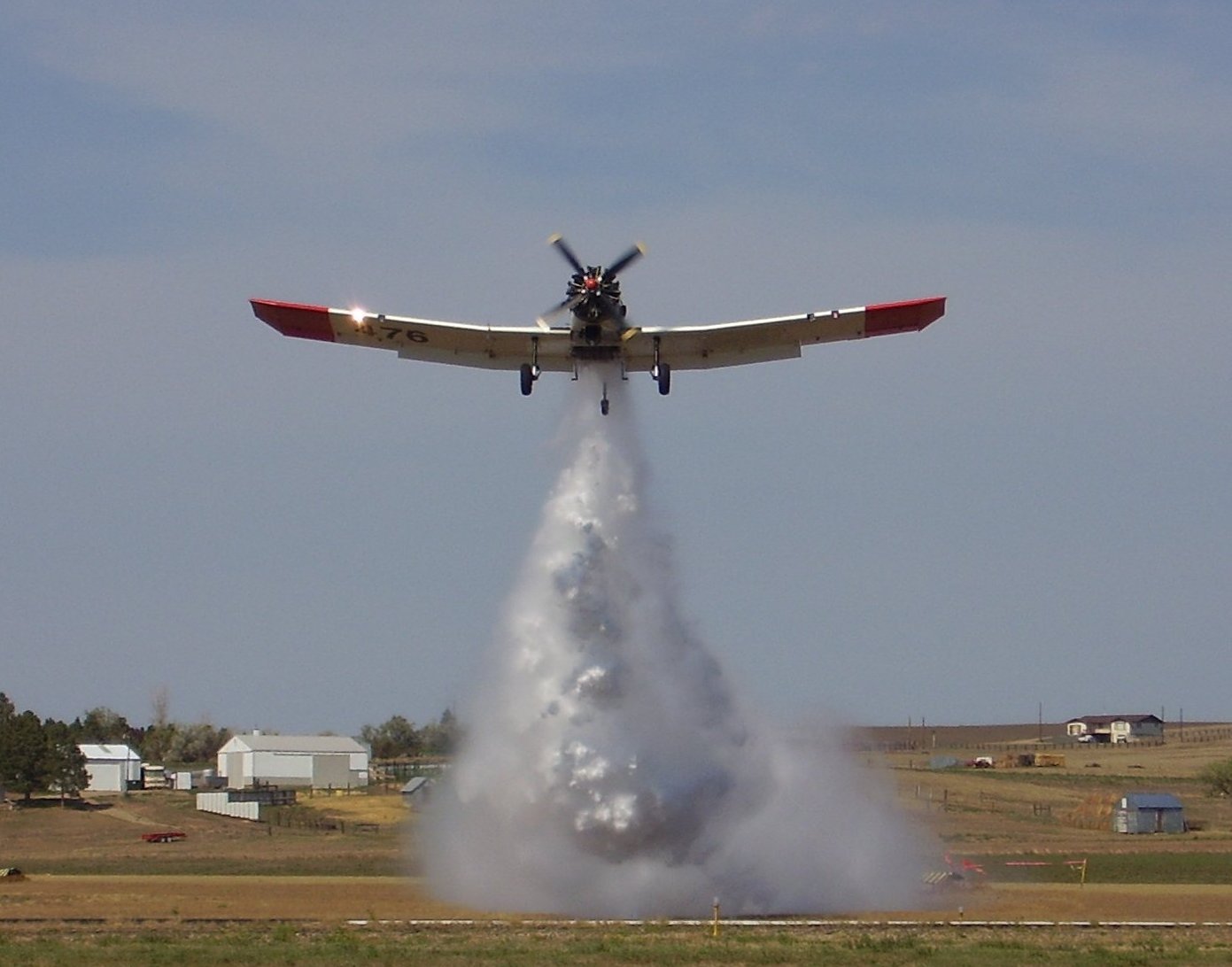
By the end of the 1970s, the “Dromader” had passed all certification procedures and began to sell quite successfully. In total, operators in 24 countries purchased these aircraft, including Australia, Brazil, Greece, Spain, China, Germany, Poland, the United States, and Yugoslavia. In addition to agricultural use, the aircraft were actively employed for fighting forest fires. A significant number of “Dromedars” remain airworthy, and some have been modernized and equipped with turboprop engines.