Fan-page
 Youtube
 TikTok
 Aviamuseum
 State Aviation Museum
60 Years of the Learjet 25 Business Jet
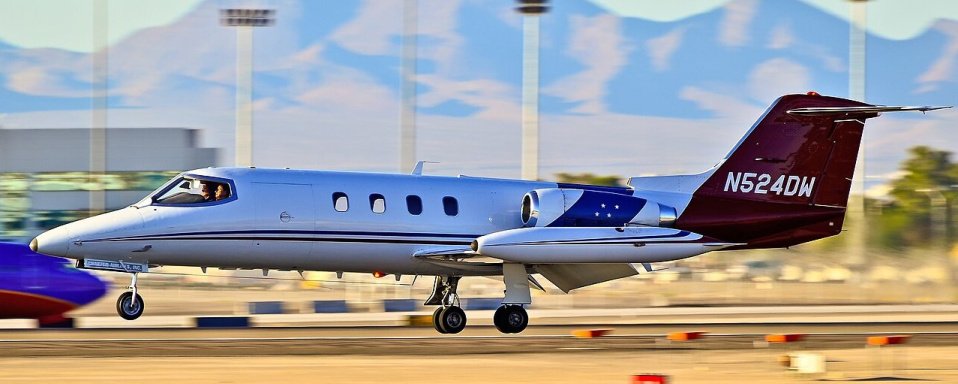
August 12 marked the 60th anniversary of the Learjet 25 business jet, developed by the American company Lear Jet Corporation (which was acquired by the Canadian corporation Bombardier Aerospace in 1990). On that day in 1966, its first prototype took to the skies.
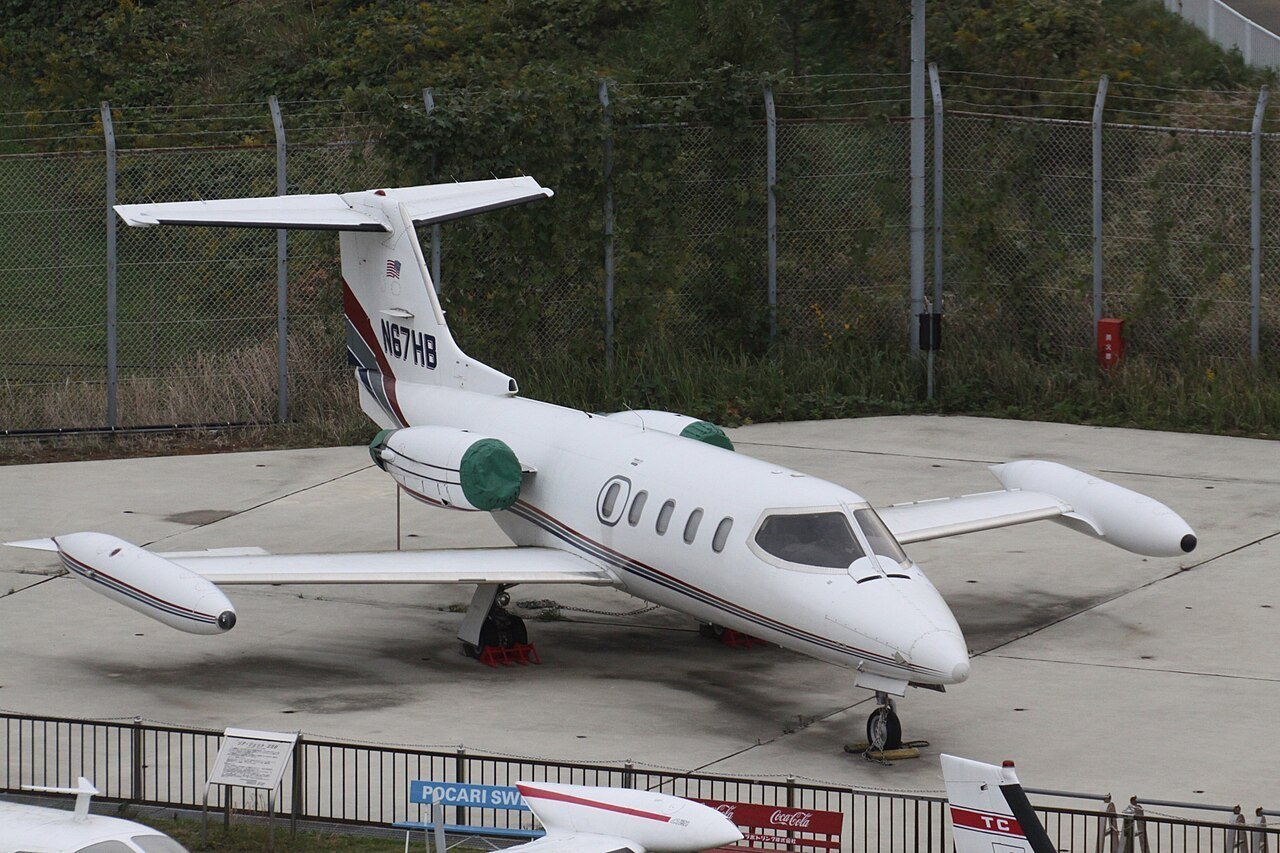
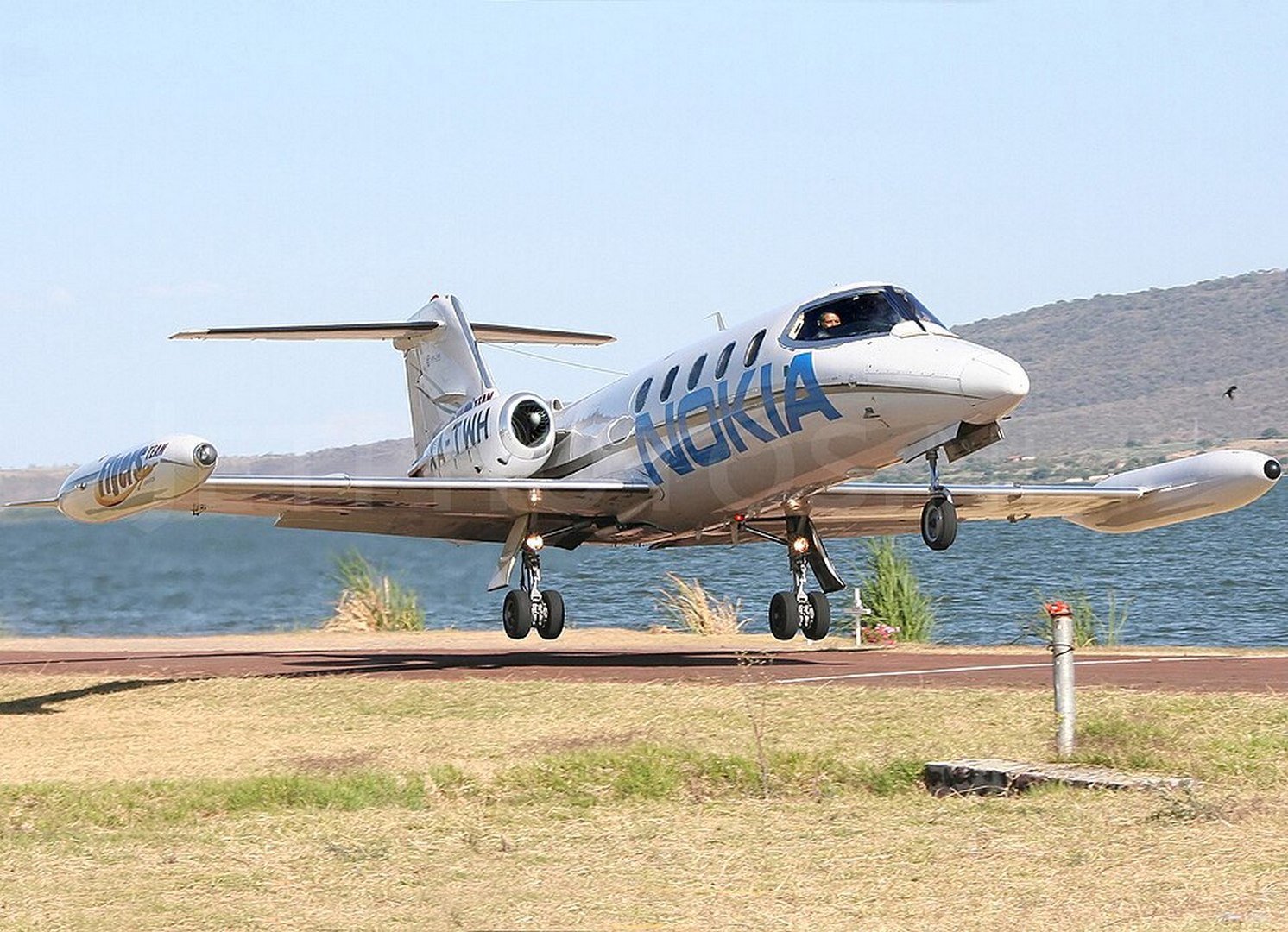
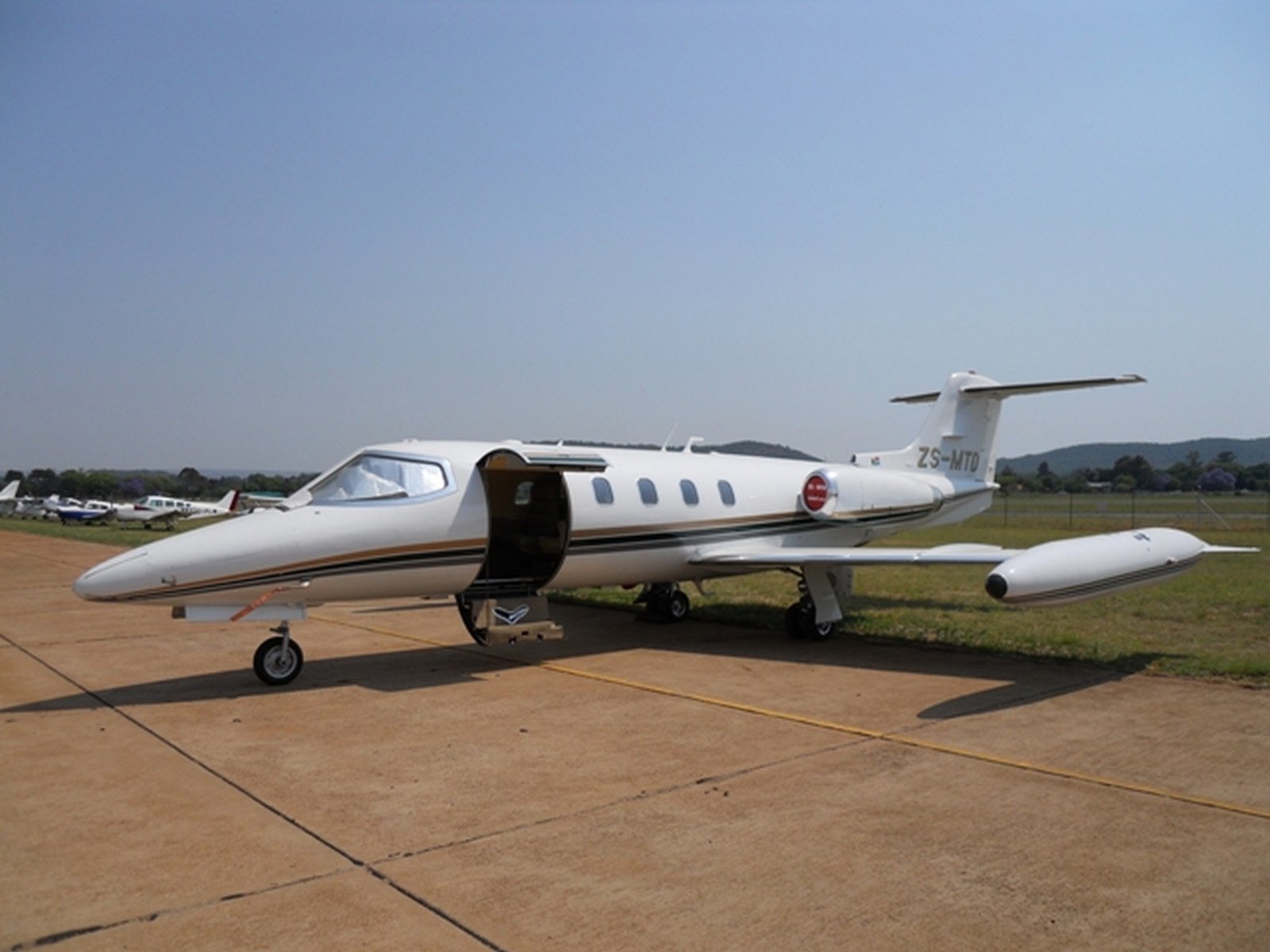
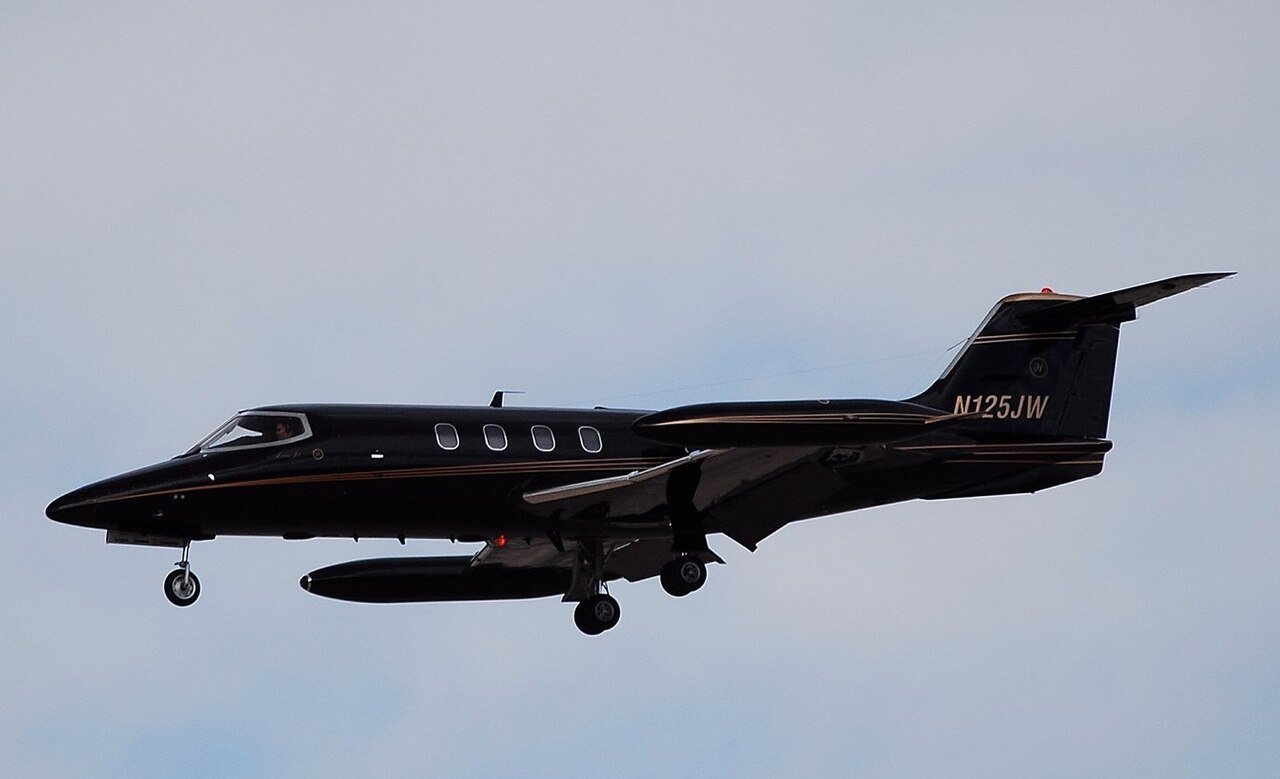
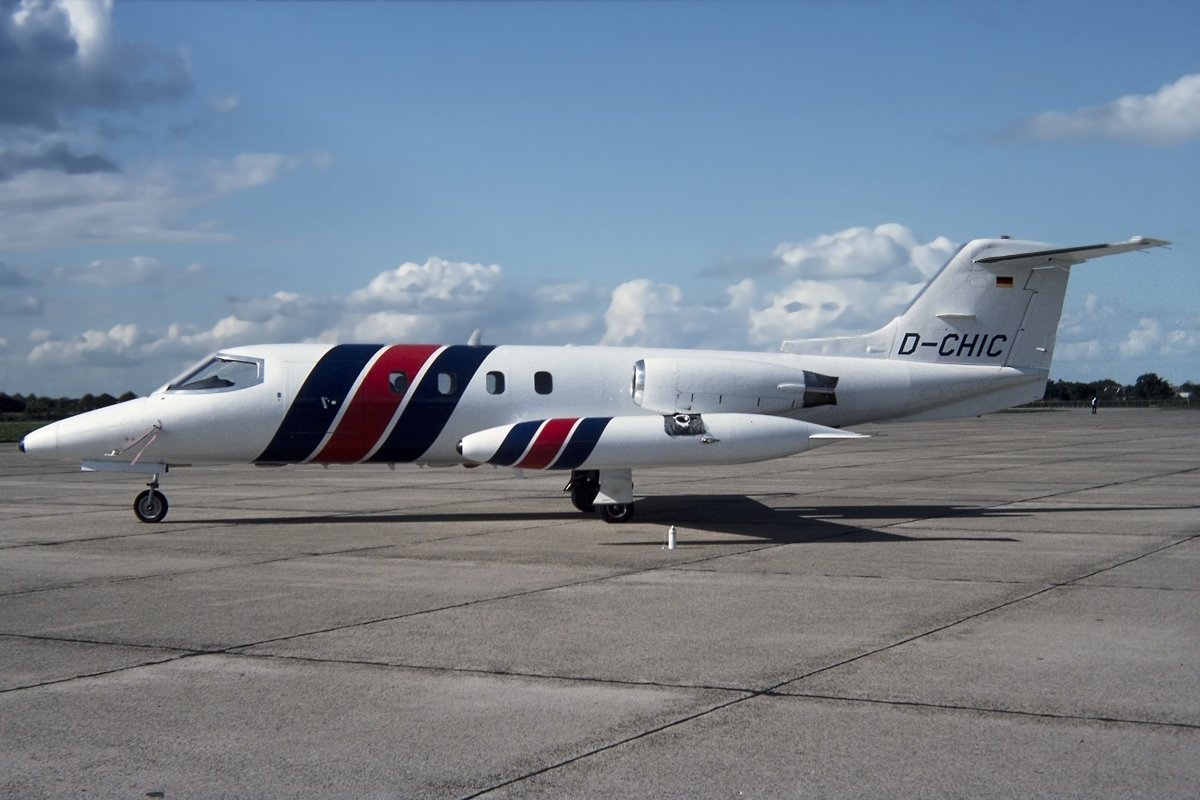
A key feature of the aircraft was its slender, trapezoidal wing with large-area flaps, which enabled it to achieve a high cruising speed and a short takeoff and landing distance. This allowed it to use a wide network of airfields and also had a positive impact on flight safety. Another distinctive feature of the aircraft was the additional fuel tanks at the wing tips, a design more commonly found in military aircraft.
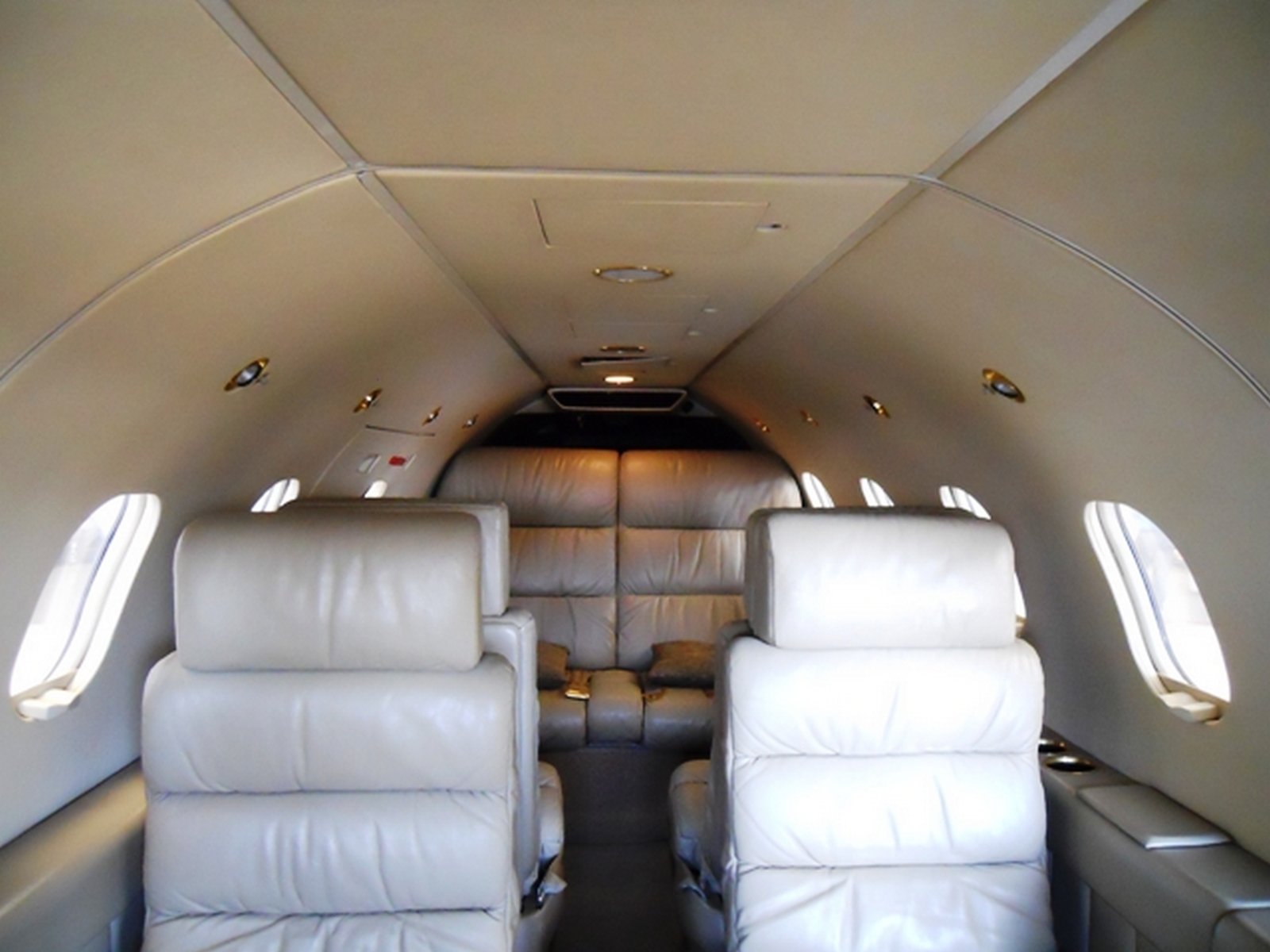
Serial production of the Learjet 25 ceased in 1982. A total of 369 units were built in seven main variants. The vast majority were designed to carry eight passengers in a comfortable cabin. Other interior configurations existed with fewer seats and a higher level of comfort.
One of the most advanced variants was the Learjet 25D. It was equipped with two General Electric CJ610-6 turbojet engines, each producing 1,336 kgf of thrust. The aircraft was 14.5 m long, with a wingspan of 10.85 m, a maximum takeoff weight of 6,800 kg, a cruising speed of 860 km/h, and a range of 2,844 km with four passengers on board.
First and foremost, the Learjet 25 became popular among wealthy businesspeople. In particular, the famous billionaire Aristotle Onassis owned one of these “air limousines.” He specifically purchased the aircraft to travel quickly and comfortably among the Greek islands, where airfields were short and often had gravel runways.
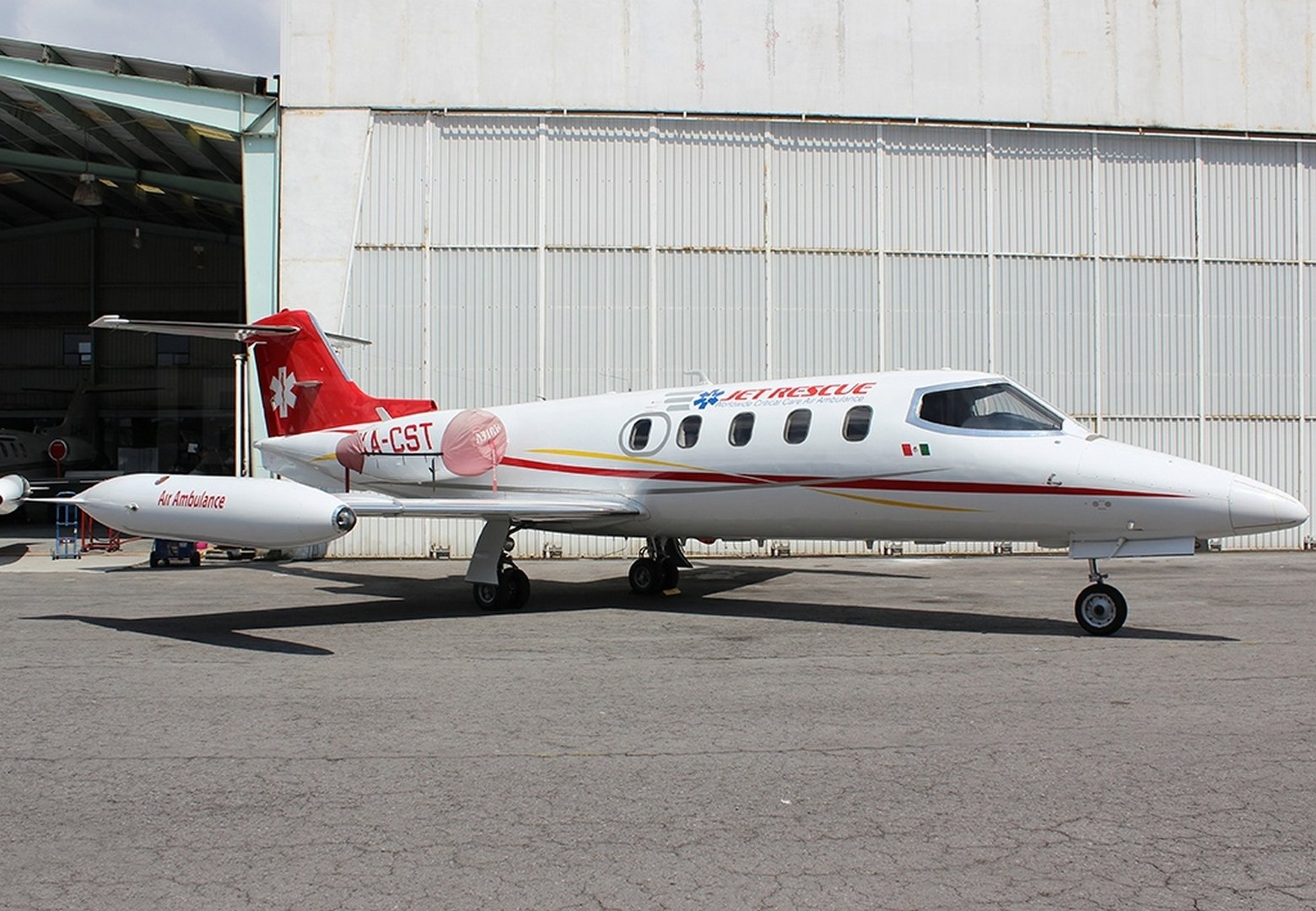
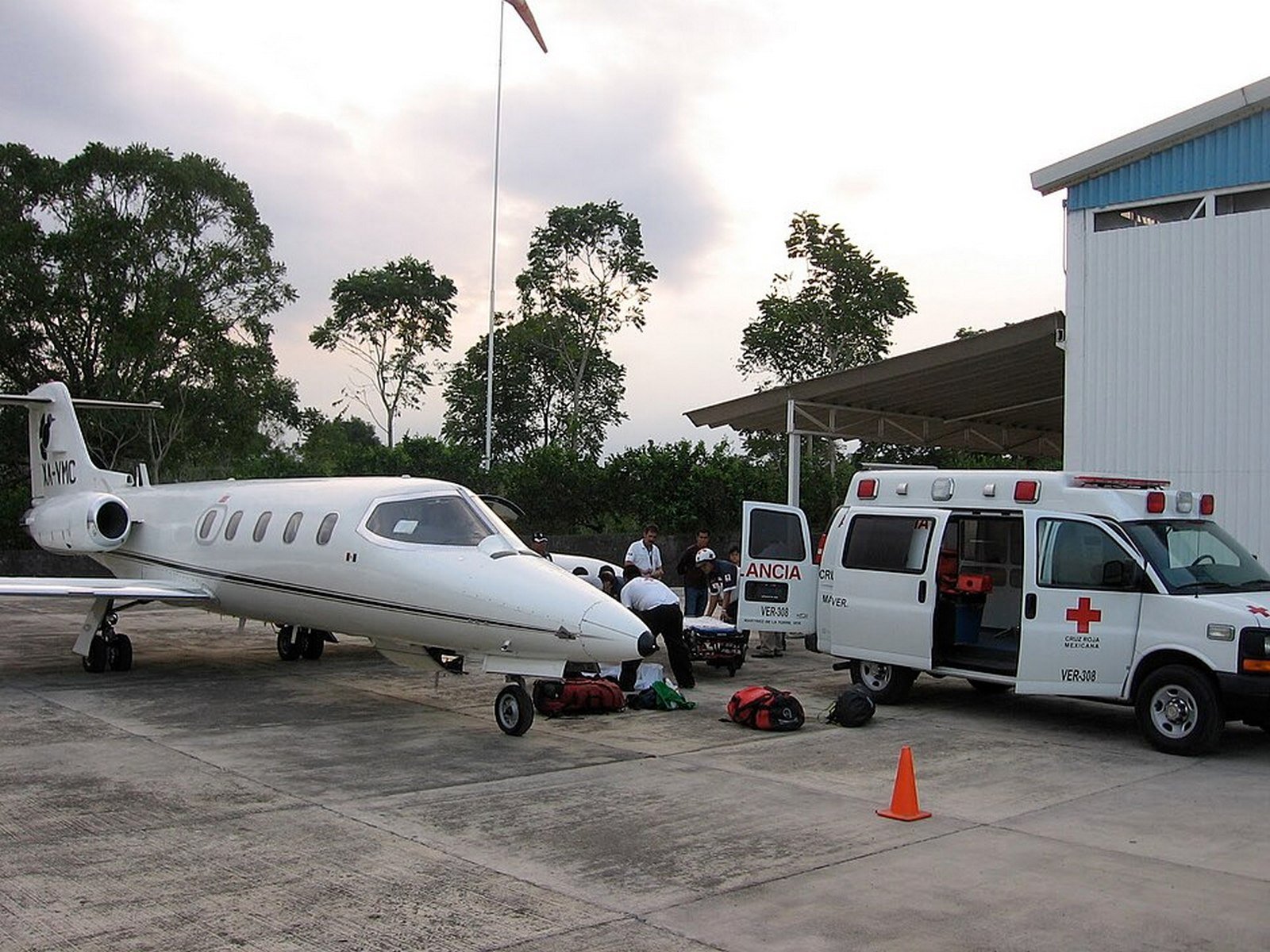
In addition, the Learjet 25 was used by the security forces of several countries. For them, the aircraft served not only as “generals’ taxis” but also as aerial surveillance platforms or medical evacuation aircraft for the wounded or victims of natural disasters.
In total, these aircraft found their way to operators in more than 30 countries, including Austria, Argentina, Bolivia, Greece, Canada, Mexico, the Netherlands, South Africa, Peru, the United States, and Switzerland. Many of these aircraft remain airworthy to this day.
For Lear Jet Corporation, the “25” was a significant achievement. The company later developed the even more successful Learjet 35 based on it. For a time, these aircraft were so popular that their name became synonymous with business jets.