Fan-page
 Youtube
 TikTok
 Aviamuseum
 State Aviation Museum
80 Years of the B-36 Peacemaker Strategic Bomber
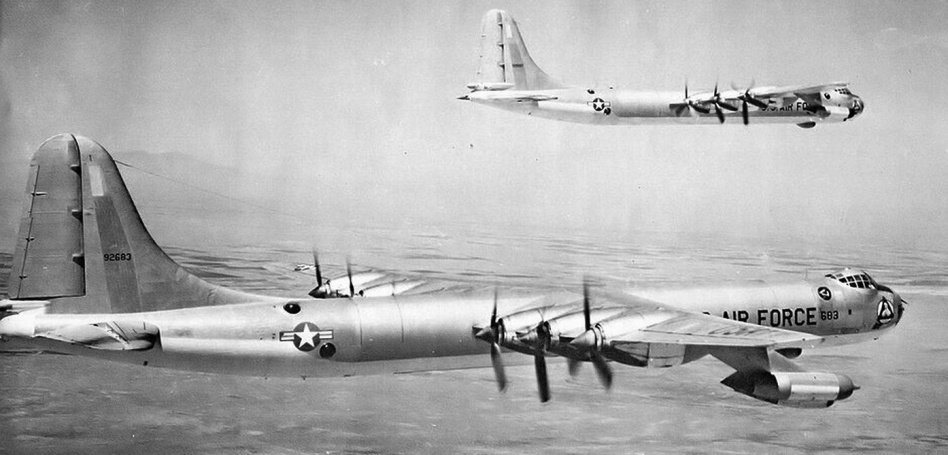
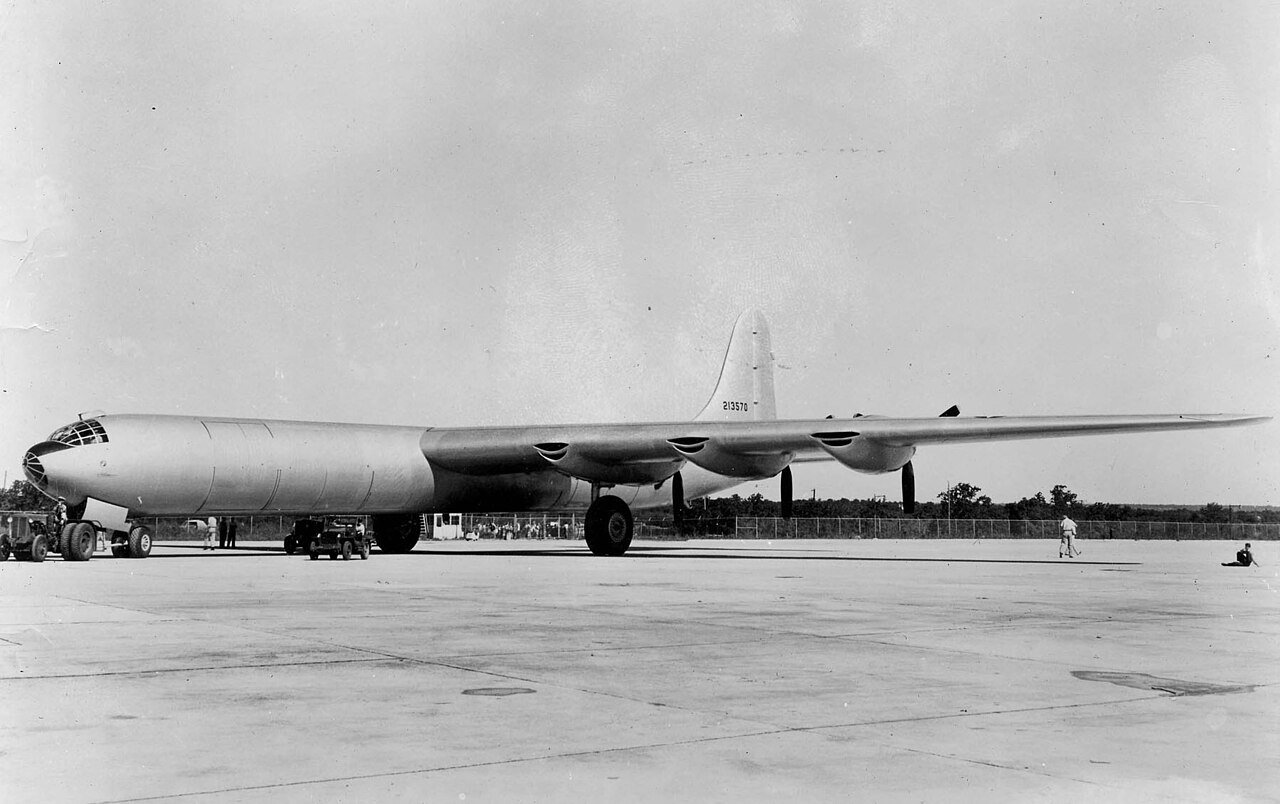
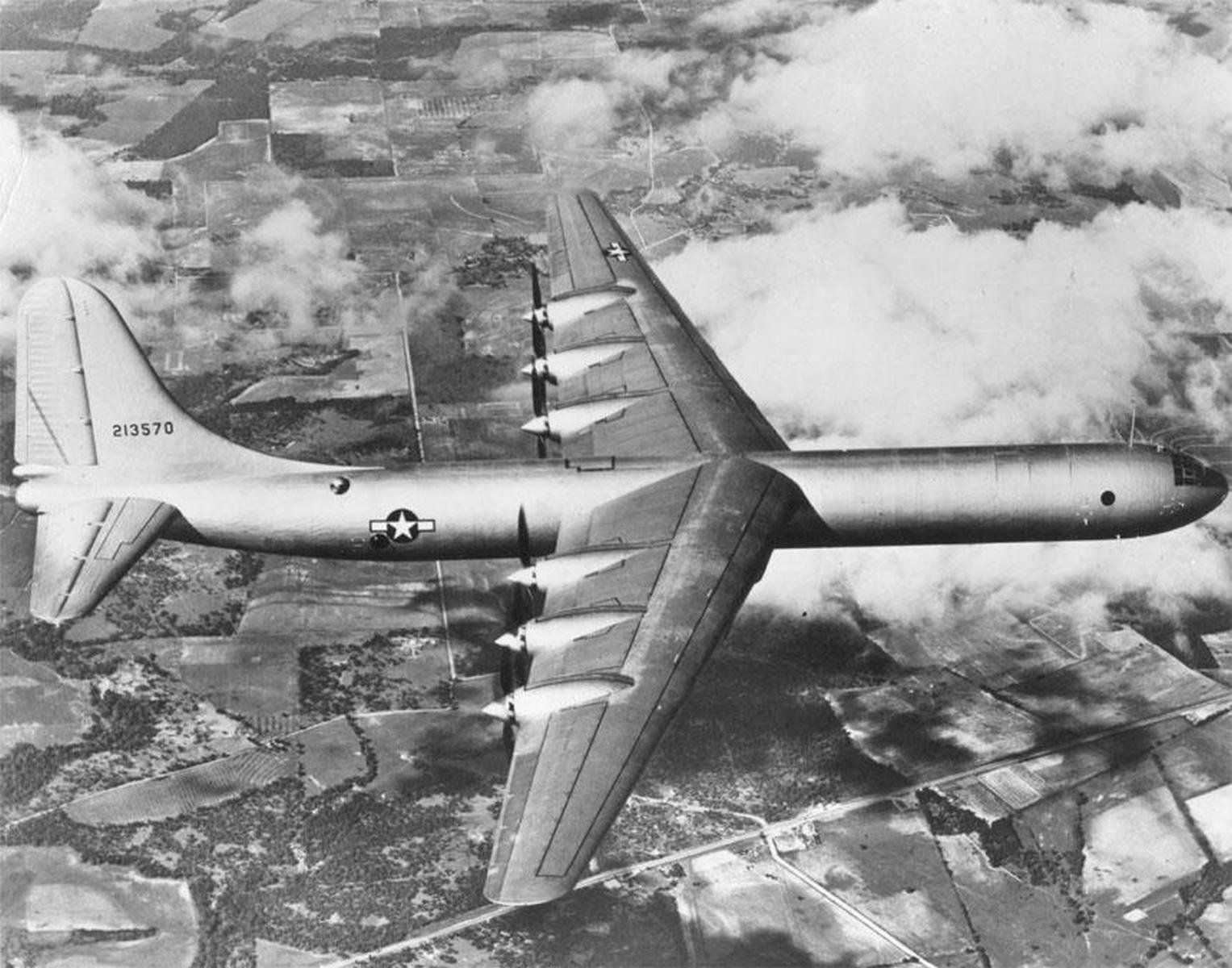
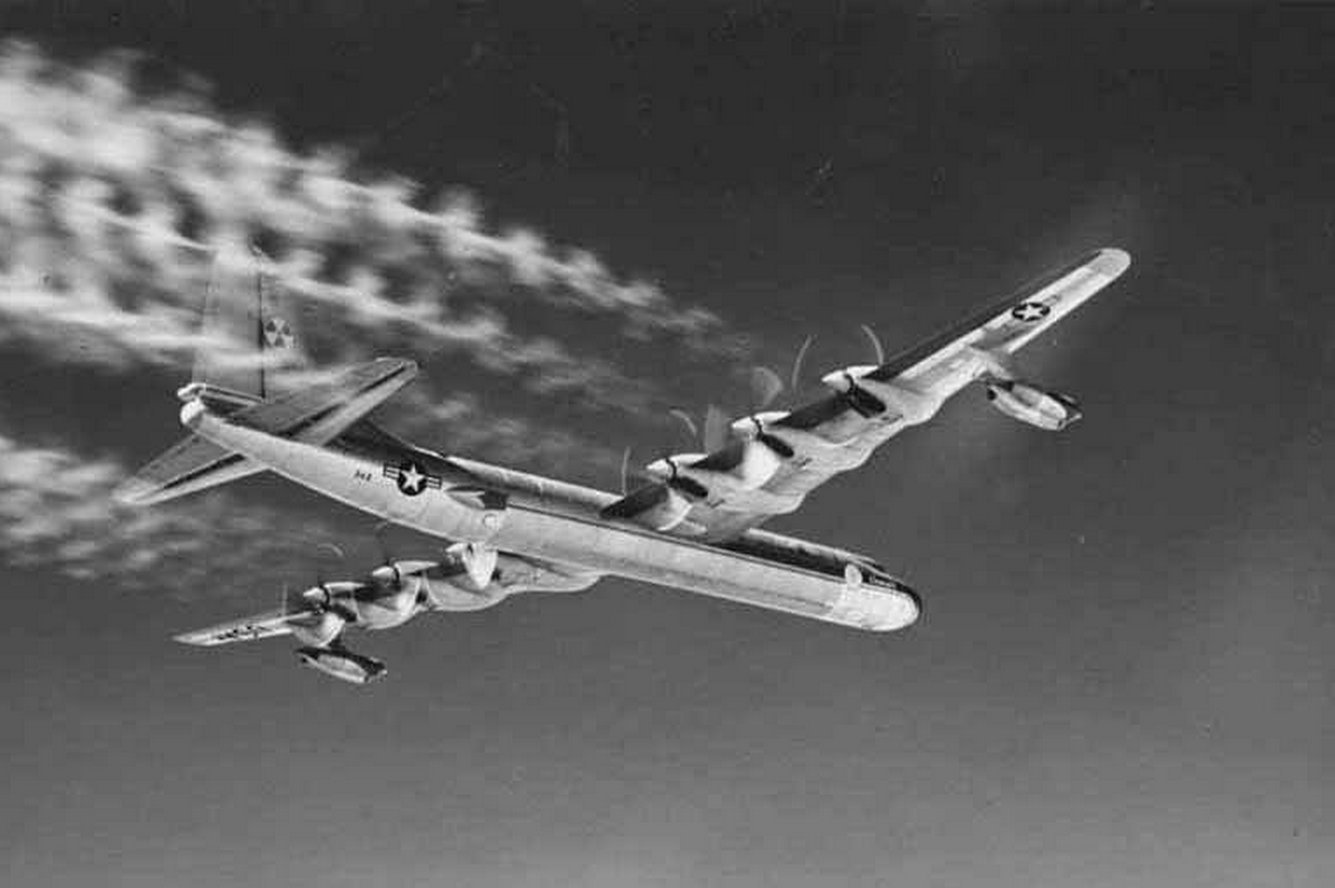
August 8 marked the 80th anniversary of the B-36 Peacemaker strategic bomber, developed by the American company Convair. On that day in 1946, its first prototype took to the skies. The B-36 went down in history as the largest production piston-engine aircraft.
The first calculations for the intercontinental bomber program were carried out in the United States in the spring of 1941—that is, even before the country entered World War II. At that time, Great Britain was effectively left alone to face Hitler’s Germany, and in America, the belief was growing that sooner or later the United States would have to come to the aid of the British and enter the war directly. Moreover, there was no certainty that air bases in the British Isles could be used. Consequently, there was a need for a bomber capable of reaching Germany from U.S. territory and returning.
The task seemed extremely challenging. To tackle it, Convair’s designers implemented a series of innovative solutions. For example, to improve aerodynamic performance, they used a propulsion system with pusher propellers, and decided to “hide” the engines inside the wings and route cooling tunnels to them. As a result, the B-36 took on a very distinctive appearance.
The first production bombers were equipped with six Pratt & Whitney R-4360-53 Wasp Major engines—the most powerful of their time—each producing 3,800 k.s. The engine was air-cooled, and its 28 cylinders were arranged in four “stars” positioned one behind the other. To ensure proper cooling, each star was slightly rotated relative to the previous one along the crankshaft axis. Because of this design, pilots nicknamed it the “corncob.” Subsequently, ground maintenance of these complex engines became a significant operational challenge for the B-36.
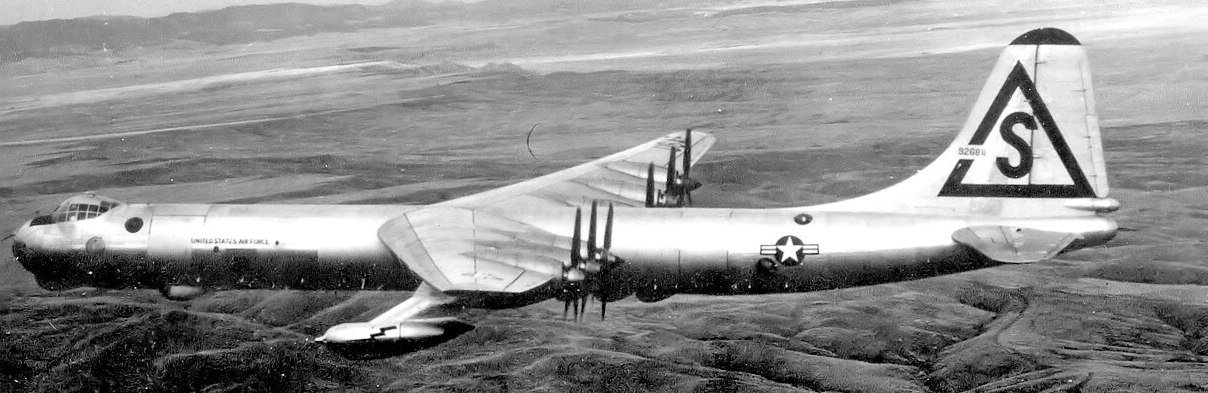
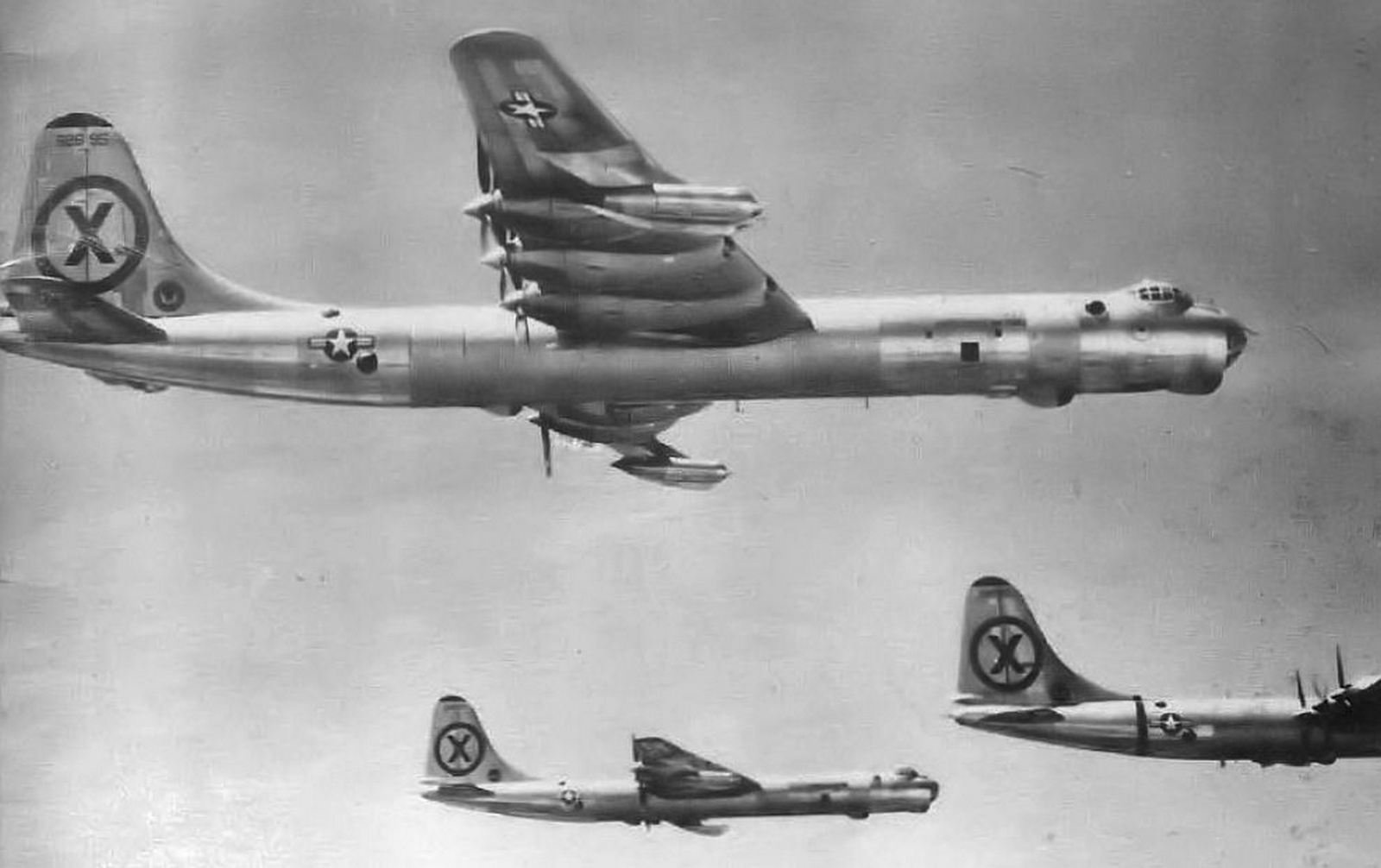
Serial production of the B-36 ended in August 1954. A total of 383 aircraft were built in nine main variants, including strategic reconnaissance aircraft. Starting with the B-36D variant, the aircraft were equipped with four additional General Electric J47-GE-19 jet engines, each producing 2,720 kgf of thrust. Thus, the “Peacemaker” set yet another unmatched record—it utilized 10 engines of two fundamentally different types.
The production B-36J bomber was 49.40 m long, with a wingspan of 70.10 m, a maximum takeoff weight of nearly 186 metric tons, a maximum speed of 700 km/h, and a range of 16,000 km. A tail gun turret equipped with two 20-mm cannons provided defense. The aircraft was capable of carrying up to 39 metric tons of various bombs, including the super-heavy 20-metric-ton T-12 Cloudmaker and nuclear munitions. The crew consisted of 13 people.
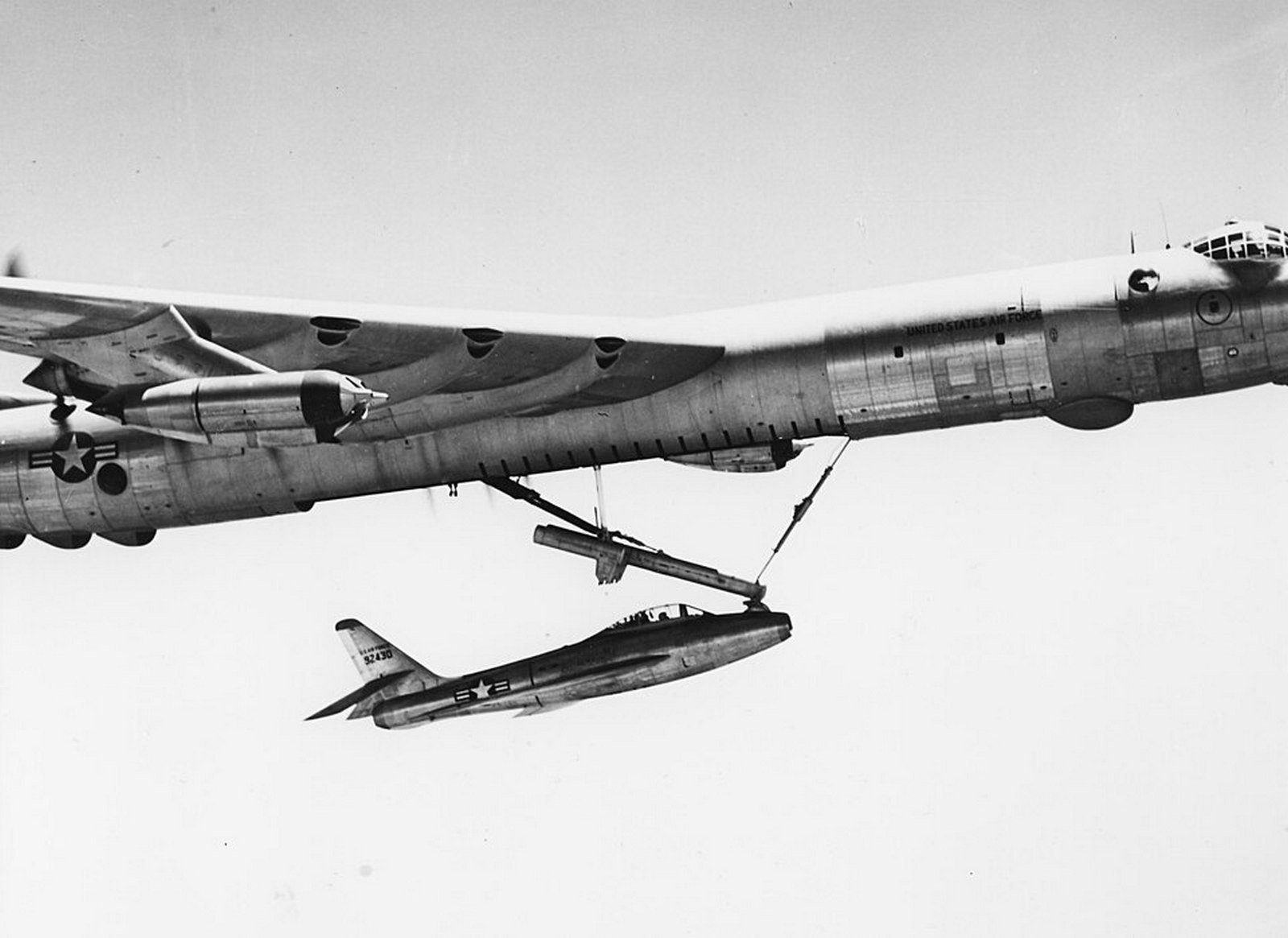
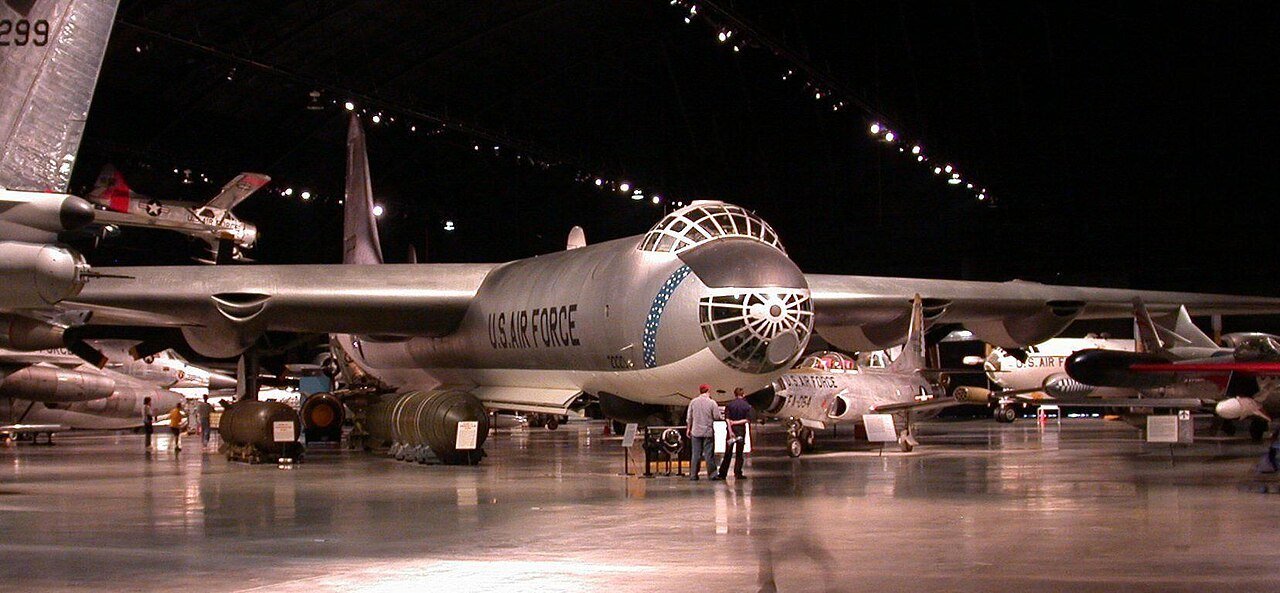
The “Pismakers” did not see action in World War II, but they became one of the symbols of the early stages of the “Cold War.” In addition, the aircraft were actively used in various experimental programs. They were never deployed in actual combat operations. The U.S. Air Force command did not risk deploying the newest “strategists” even when an urgent need arose during the Korean War. The B-36 was decommissioned in February 1959. Today, you can see one of these aircraft on display at the National Museum of the U.S. Air Force at Wright-Patterson Air Force Base in Ohio.