Fan-page
 Youtube
 TikTok
 Aviamuseum
 State Aviation Museum
75 Years of the World-Renowned Japan Airlines
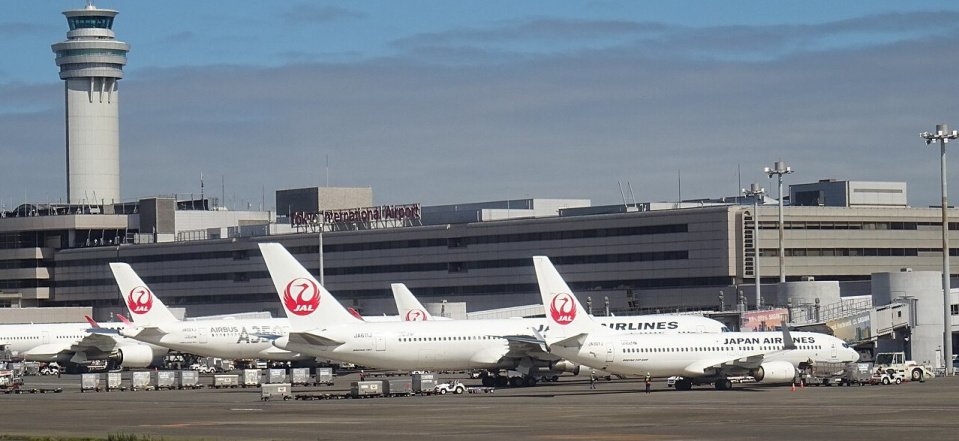
August 1 marked the 75th anniversary of Japan Airlines (JAL), which was long the leader in Japan’s air transport industry and remains one of the largest Asian airlines to this day. On that day in 1951, the company was registered as a state-owned enterprise established by a decision of the Japanese government.
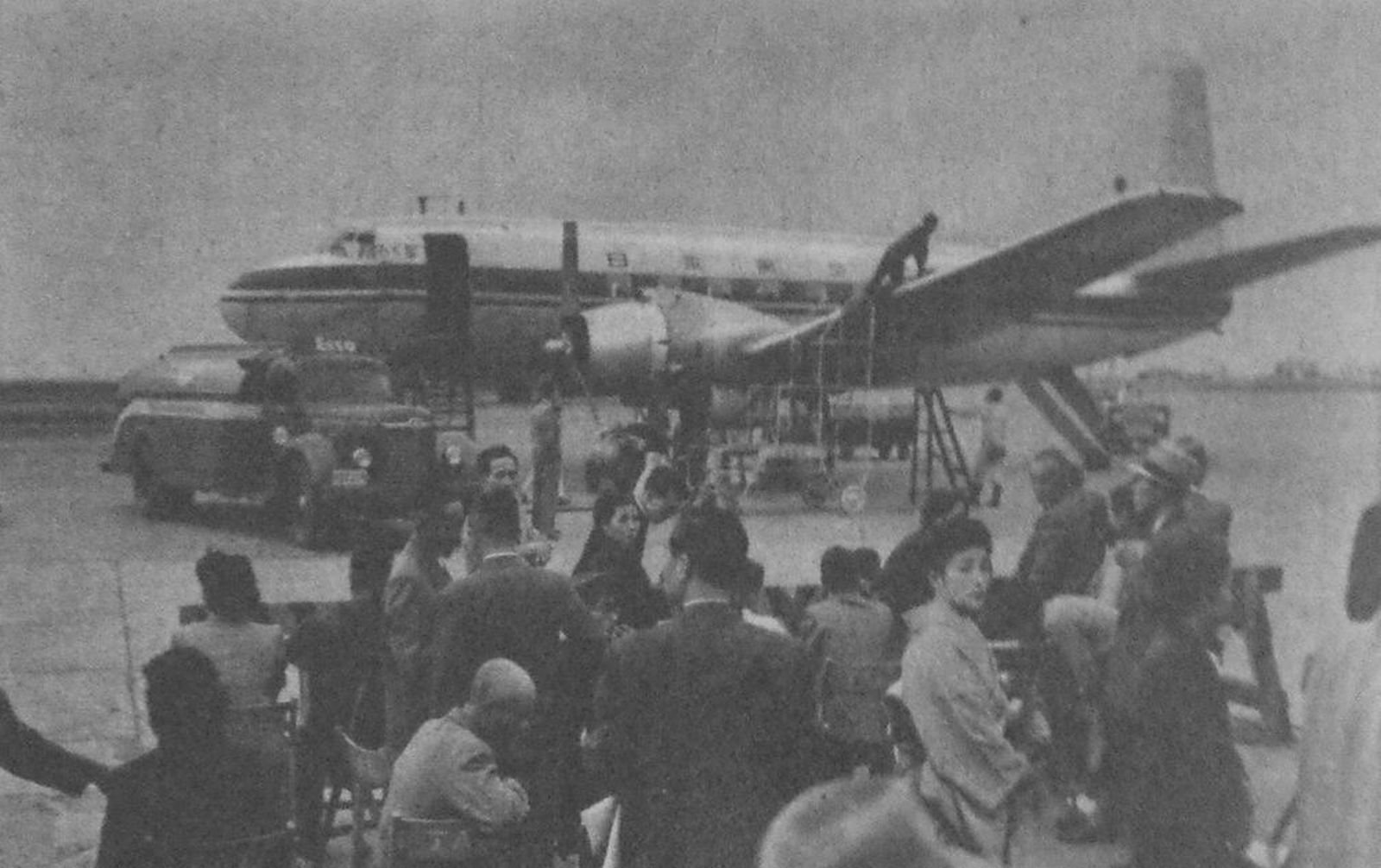
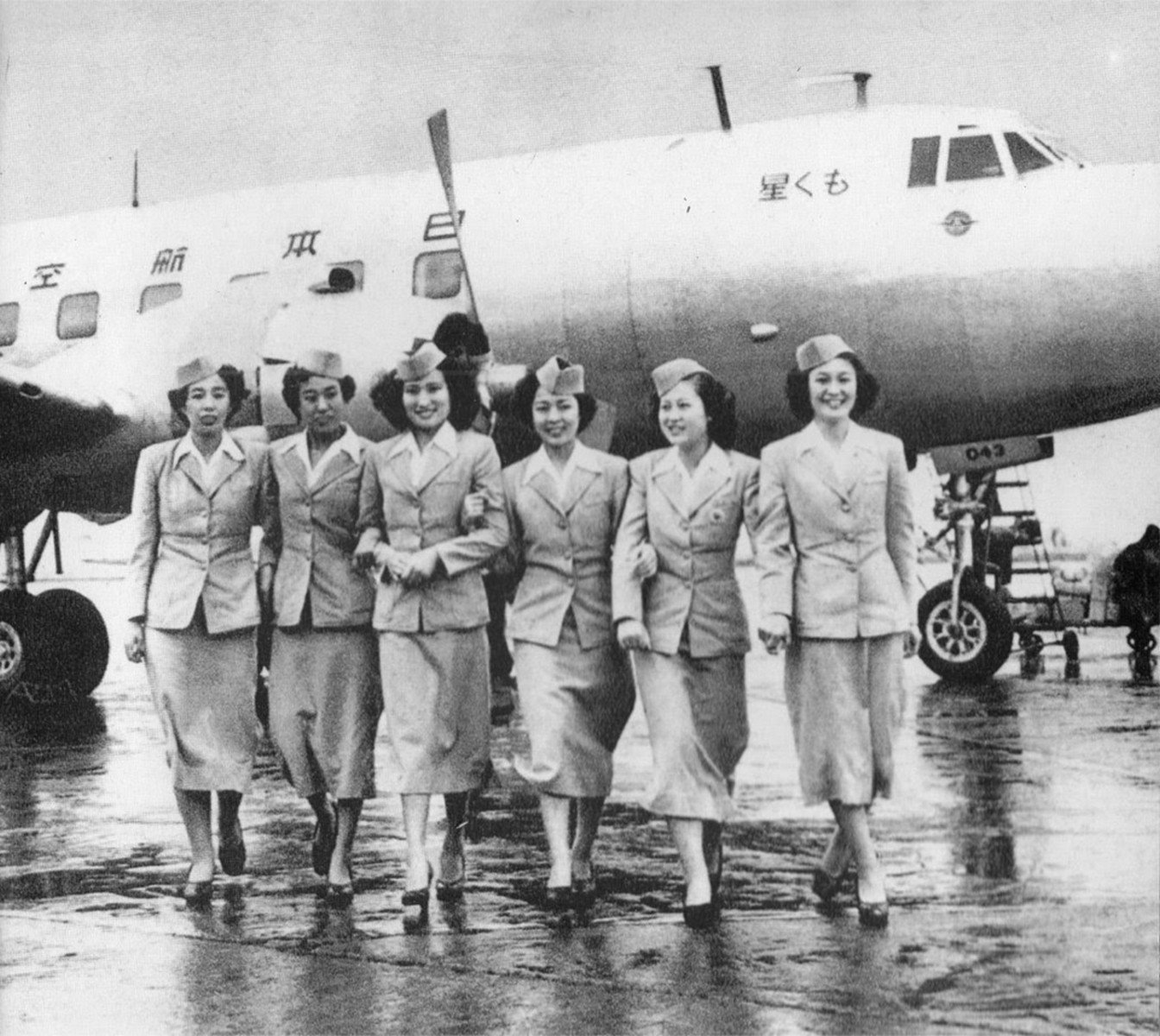
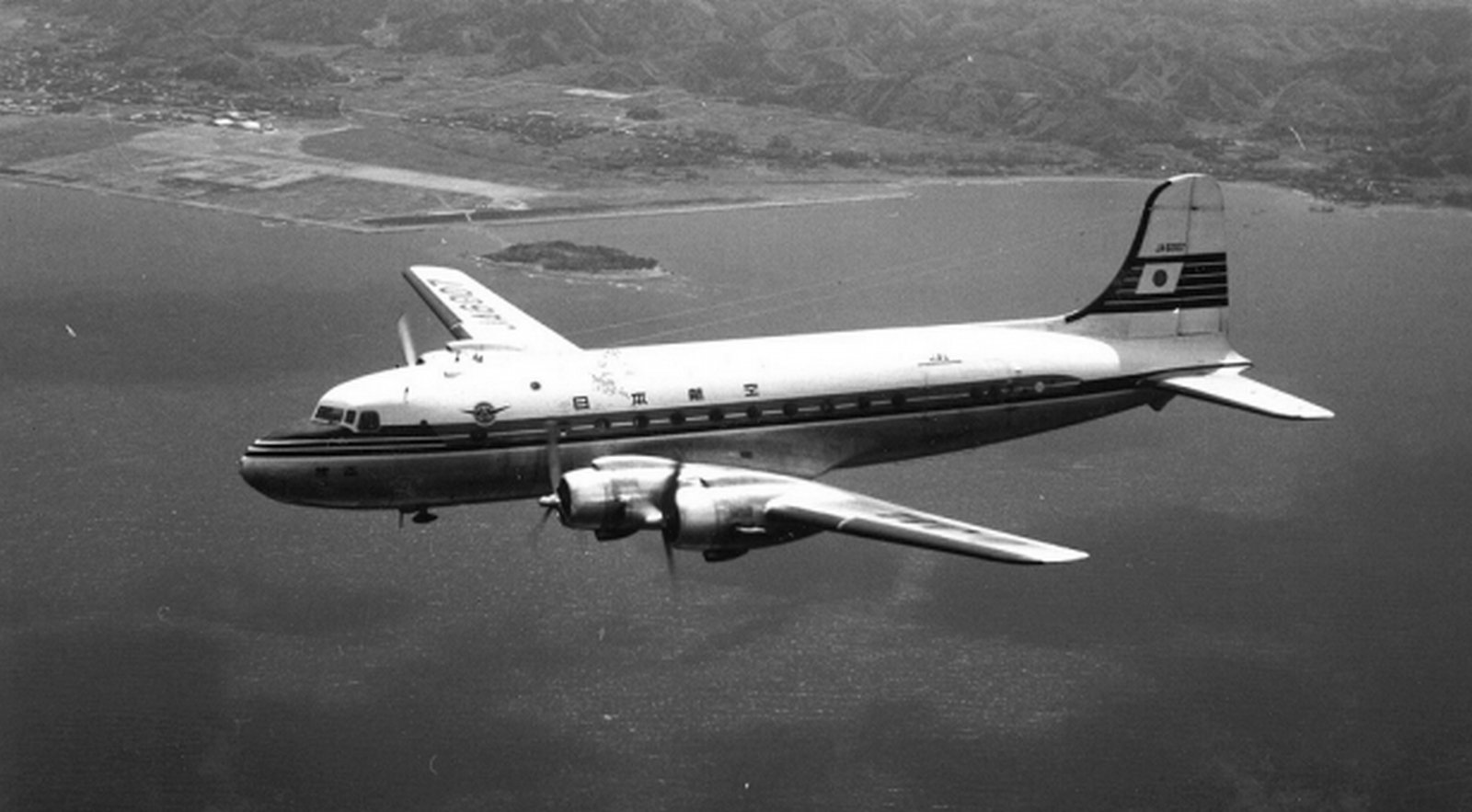
JAL leased its first three aircraft, along with their crews, from the American airline Northwest Airlines. These were twin-engine Martin 2-0-2 piston-powered airliners, which were used in October 1951 to launch two domestic routes connecting Tokyo’s Haneda Airport with the cities of Osaka and Fukuoka. The very next year, JAL purchased its first aircraft—four-engine Douglas DC-4s.
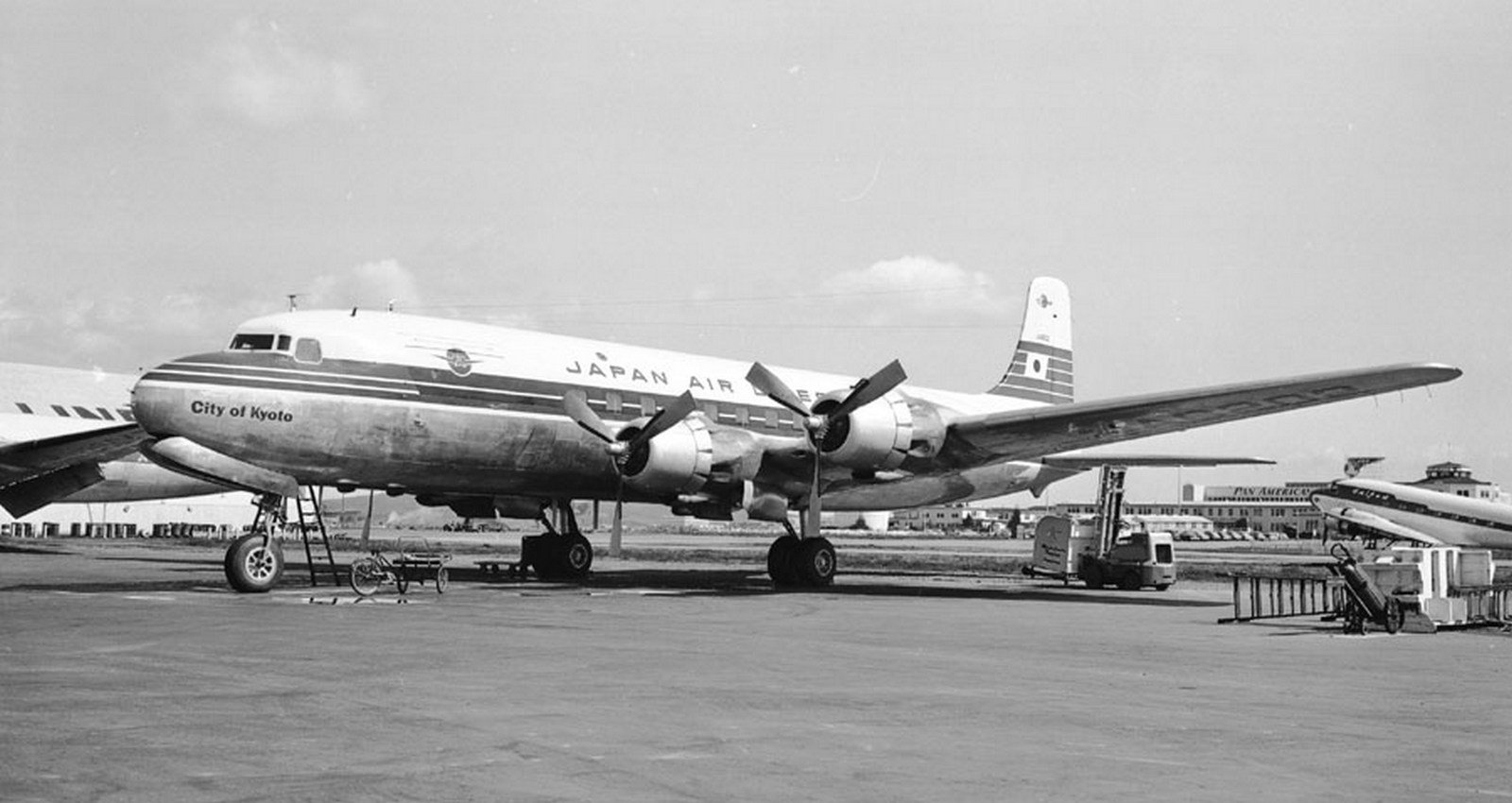
For some time, the political aftermath of World War II, the consequences of which were catastrophic for Japan, prevented the launch of international flights. It was not until February 2, 1954, that JAL operated its first international flight on the Tokyo–O. Wake–Honolulu–San Francisco route. A DC-6B airliner was purchased specifically for this purpose. Including stopovers for refueling, the flight lasted 31 hours and 20 minutes.
In its early years, JAL’s reputation remained poor. Due to a shortage of aircraft and technical issues with the piston-engine airliners, flights were often delayed or even canceled. The media even began to mock the company, calling it “the airline that’s always late.”
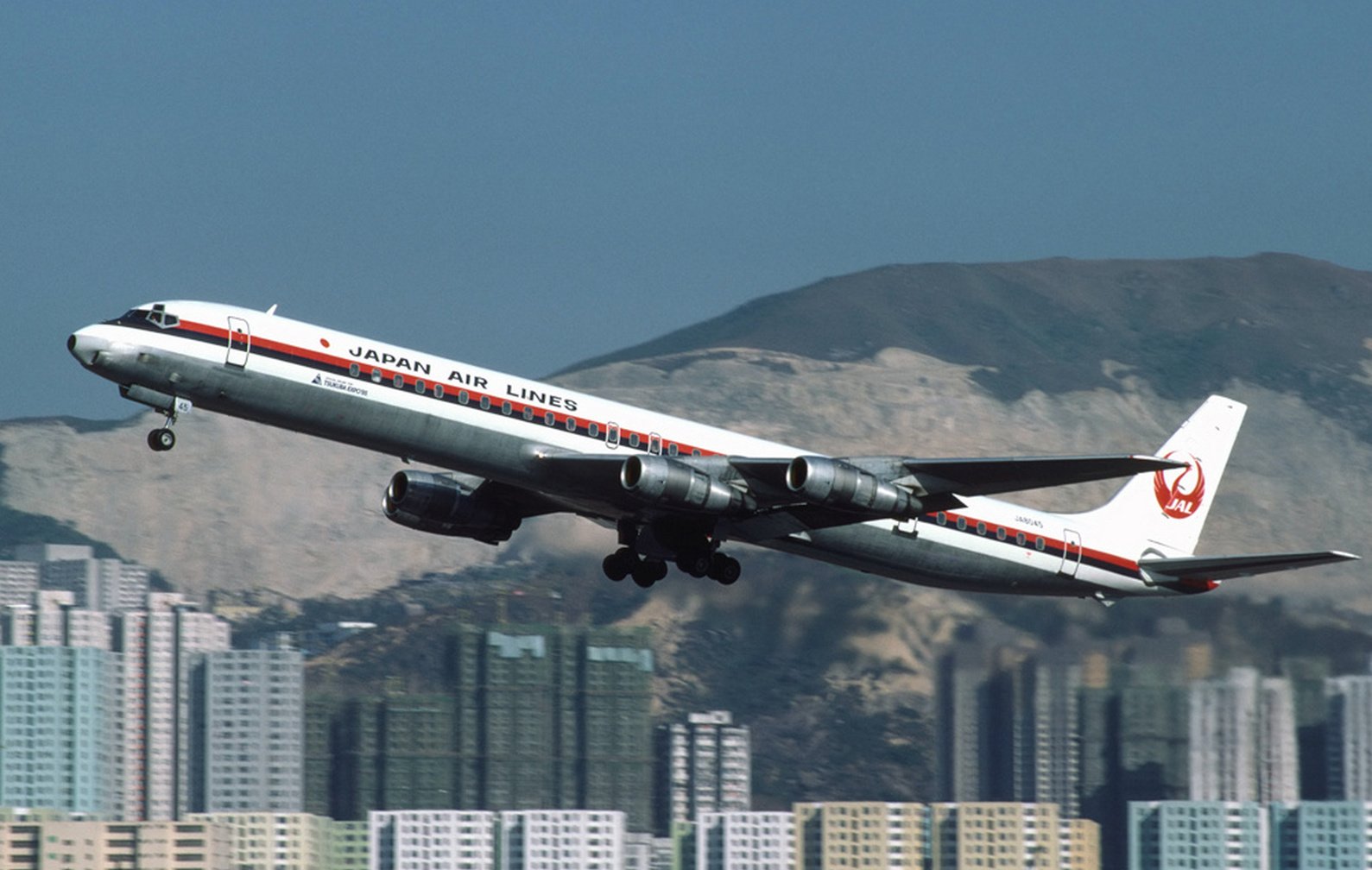
The situation began to improve only after the company acquired its first Douglas DC-8-32 jet airliners in 1960. New international routes were launched, including flights to Paris and London. JAL was granted the status of national carrier, and a special division was created within the company to serve the imperial family and the government.
The company received a significant boost during the preparation and hosting of the XVIII Summer Olympic Games in Tokyo in 1964. Japan’s rapid economic development also contributed to the rapid increase in passenger traffic. JAL not only managed to become a leader among domestic airlines but also began to successfully compete with such powerful airlines as the American Pan American and the French Air France.
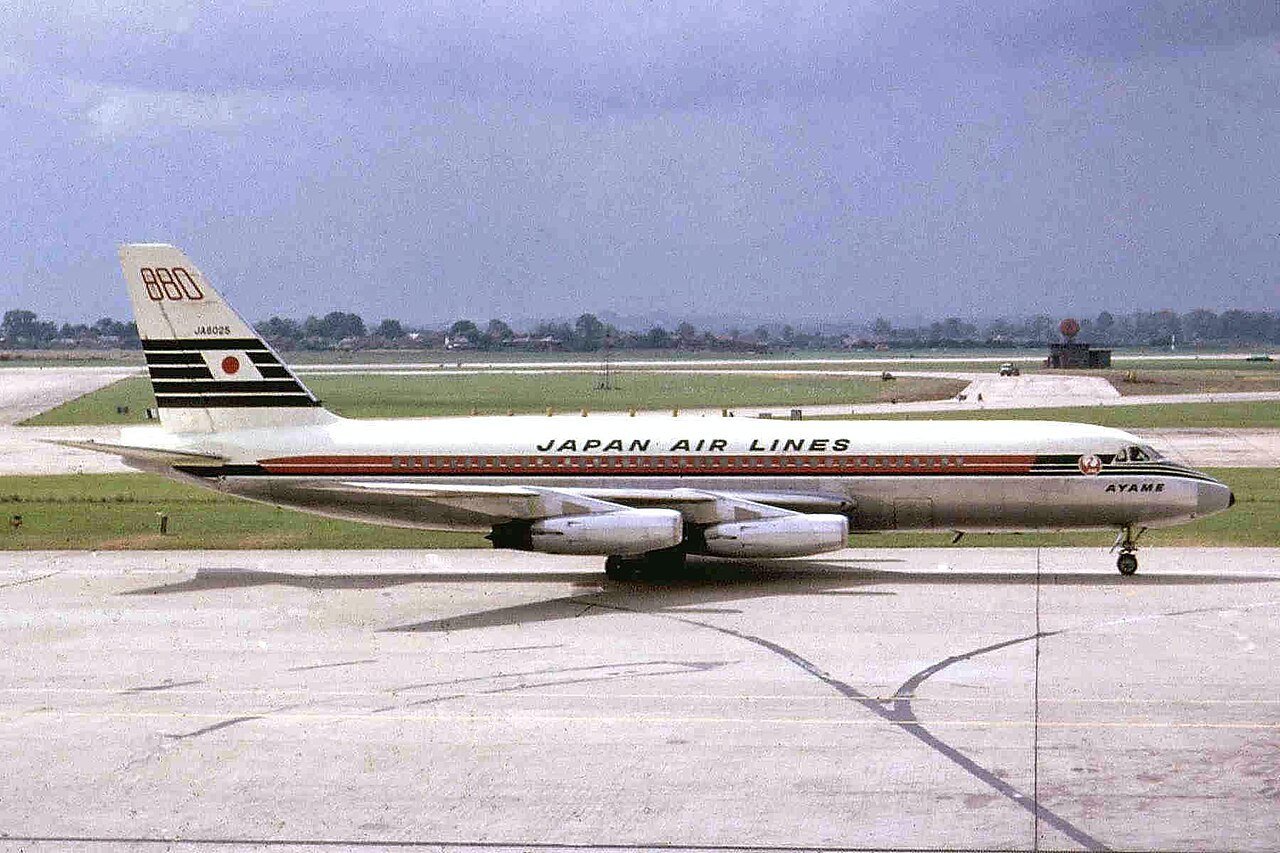
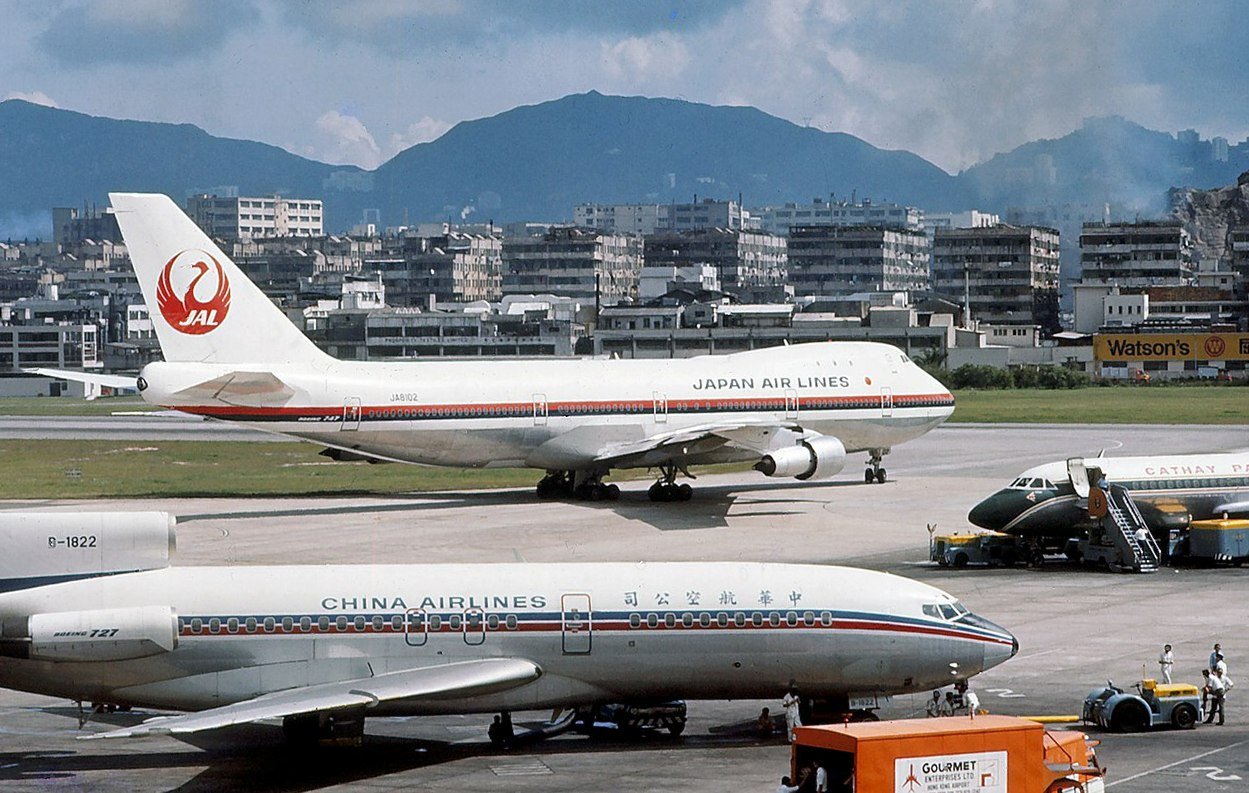
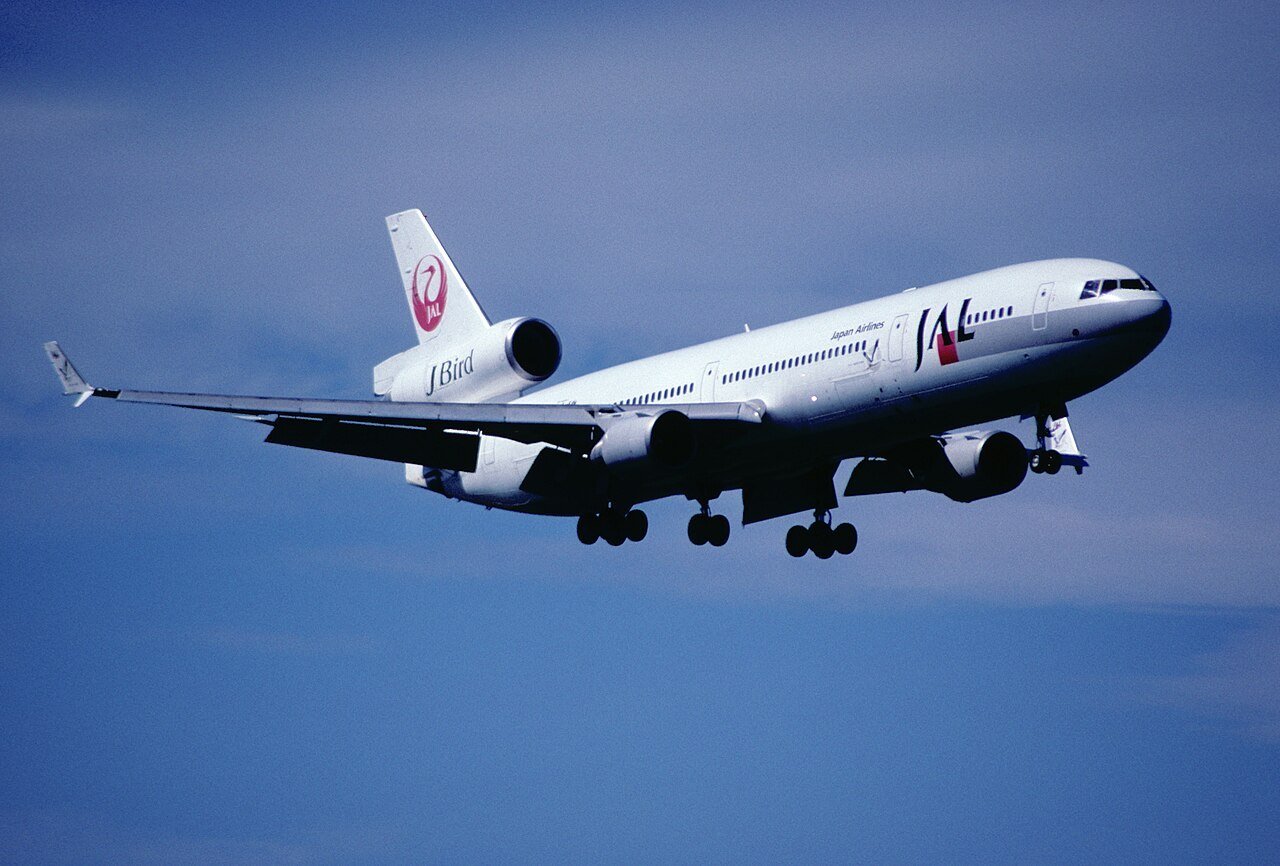
Significant financial inflows allowed the airline to substantially expand its fleet with modern aircraft. In particular, during the 1960s, the airline acquired the Convair 880 and Boeing 727 medium-range airliners, which were used on both international and domestic routes. In 1970, JAL received its first wide-body Boeing 747—at that time, very few airlines could boast such aircraft. Later, the DC-10 was also introduced into service.
A major milestone in the company’s history was its privatization in 1987. At the same time, JAL was reorganized into three divisions: international passenger service, domestic passenger service, and cargo service.
Structural changes continued thereafter. In particular, subsidiaries were established, including JAL Express, which focused on operating Boeing 737s. In 2001, a merger was announced between JAL and the much smaller Japan Air System (JAS). The following year, the new holding company ranked sixth in the world in terms of passenger traffic. A series of further reorganizations took place, after which, starting in 2006, the company began using the name Japan Airlines International, while retaining the JAL brand.
Throughout its history, the company has repeatedly faced various crises. The latest one was a result of the 2008 global economic downturn, even though that very year JAL carried a then-record 50 million passengers. However, by early 2010, the company had effectively filed for bankruptcy. In accordance with Japanese law, the government intervened. Emergency measures were implemented to rescue JAL; among other things, the company received significant financial assistance, had part of its debt written off, and was forced to lay off nearly one-third of its 47,000 employees and eliminate a number of financially risky routes. By 2011, JAL had emerged from bankruptcy, and its passenger traffic began to grow, but it lost its position as Japan’s largest airline to All Nippon Airways (better known as ANA).
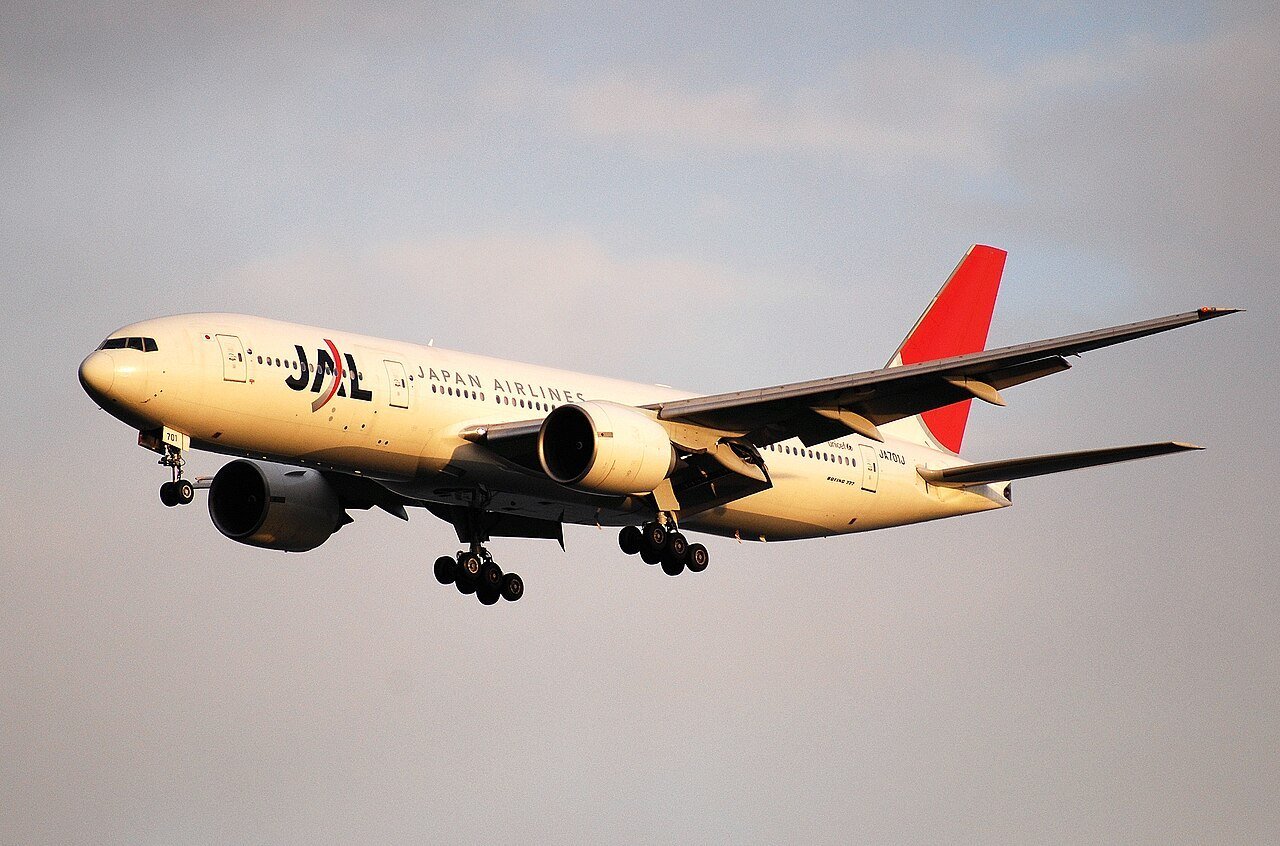
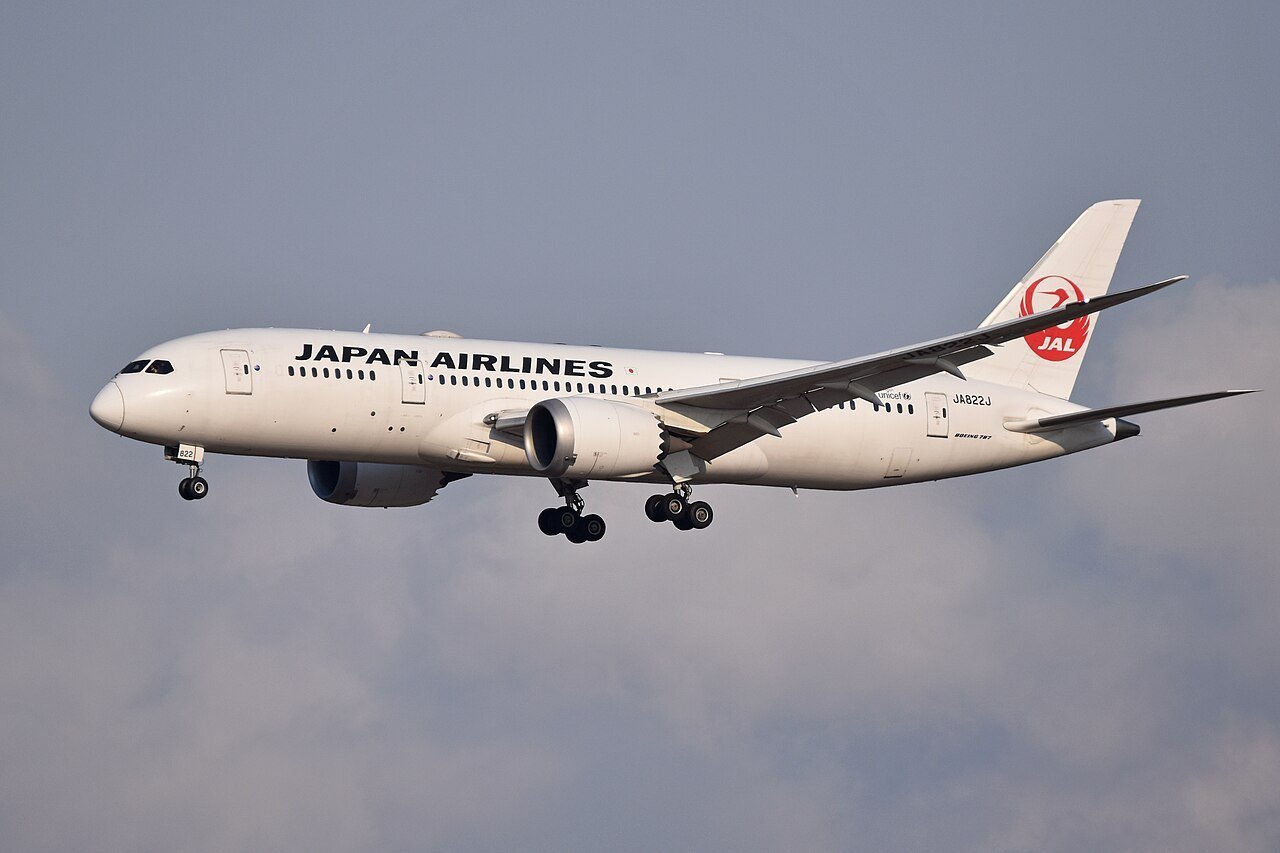
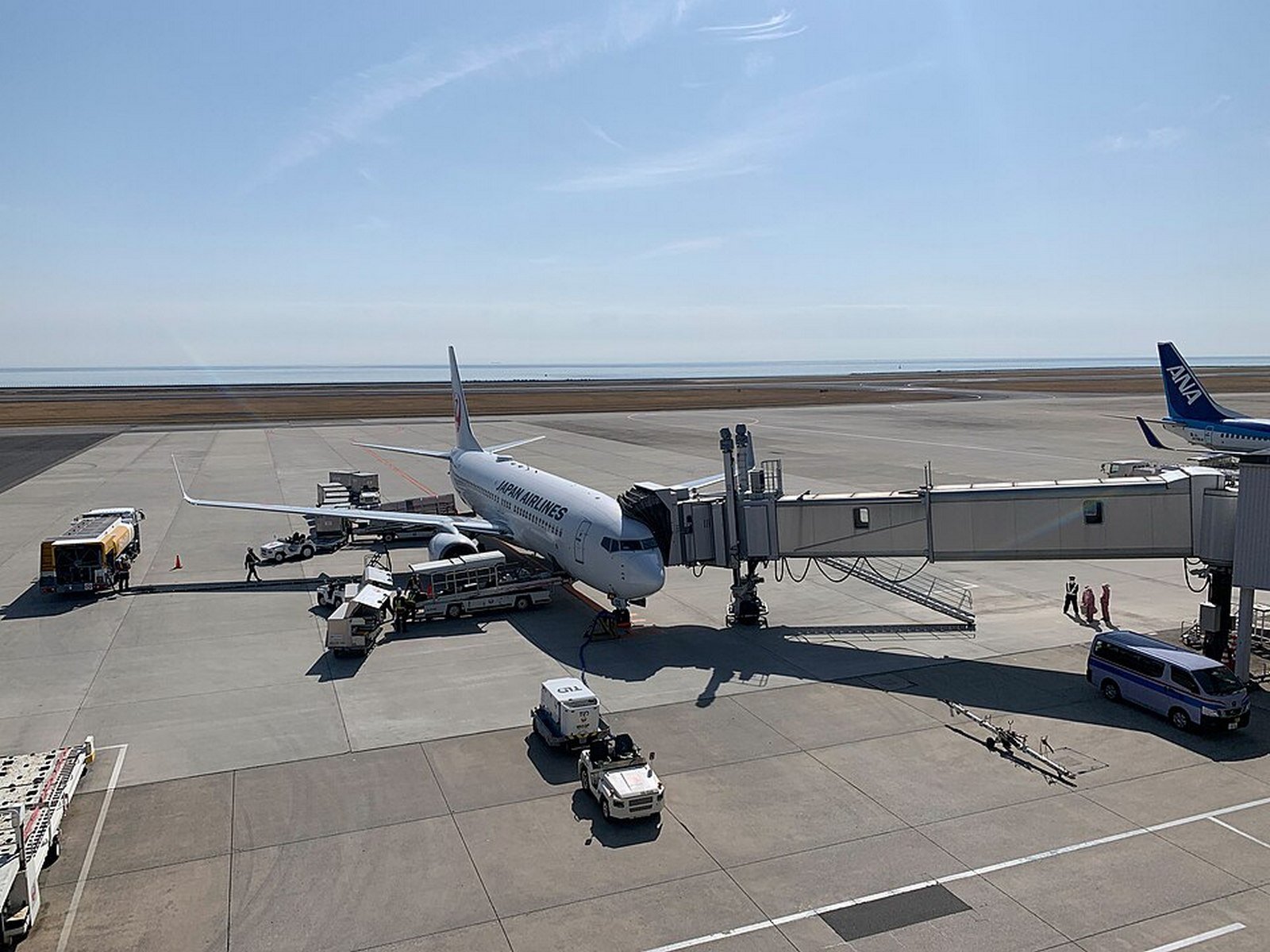
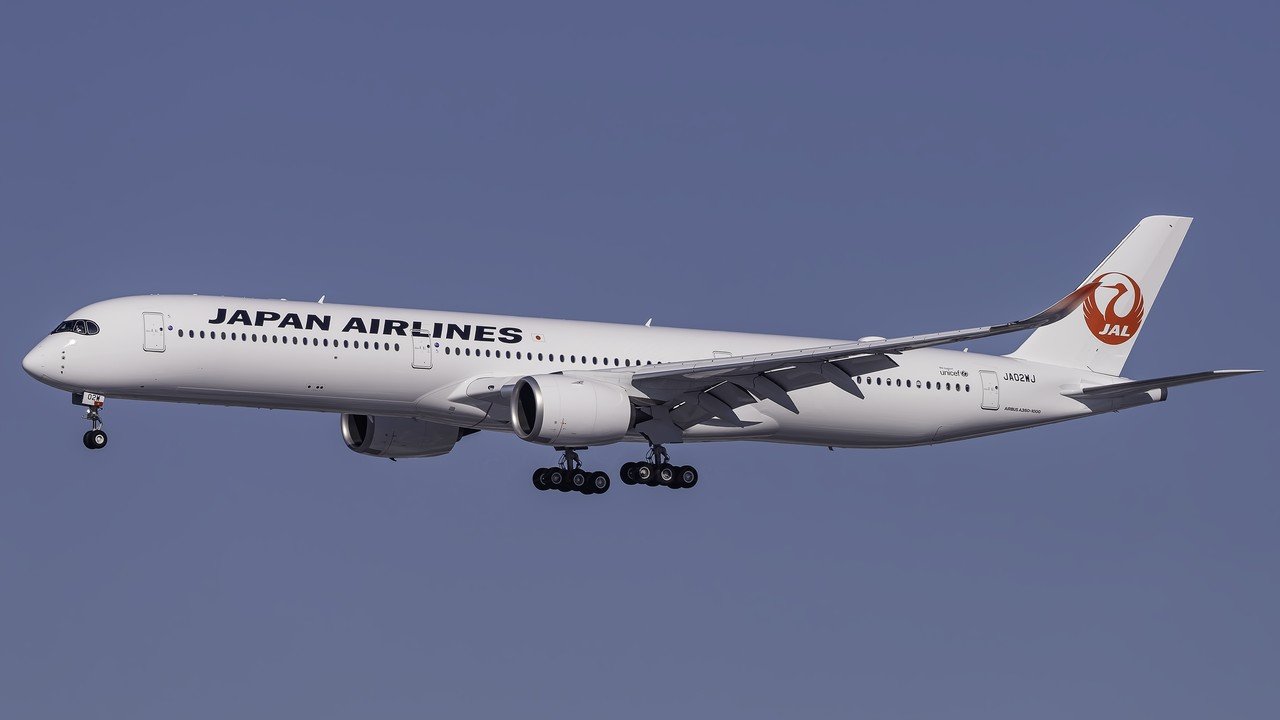
As of March 2026, JAL’s fleet—excluding regional subsidiaries—consisted of 151 aircraft. These included 17 Airbus A350-900s, 9 Boeing 777-300ERs, 22 Boeing 787-9s, and 62 Boeing 737-800s. The company’s headquarters are located in the Shinagawa Special Economic Zone in Tokyo, and its main hubs are Narita and Haneda airports in the capital. The company operates international flights to 91 destinations, effectively covering the entire globe.