Fan-page
 Youtube
 TikTok
 Aviamuseum
 State Aviation Museum
55 Years of the GAF Nomad Multipurpose Aircraft
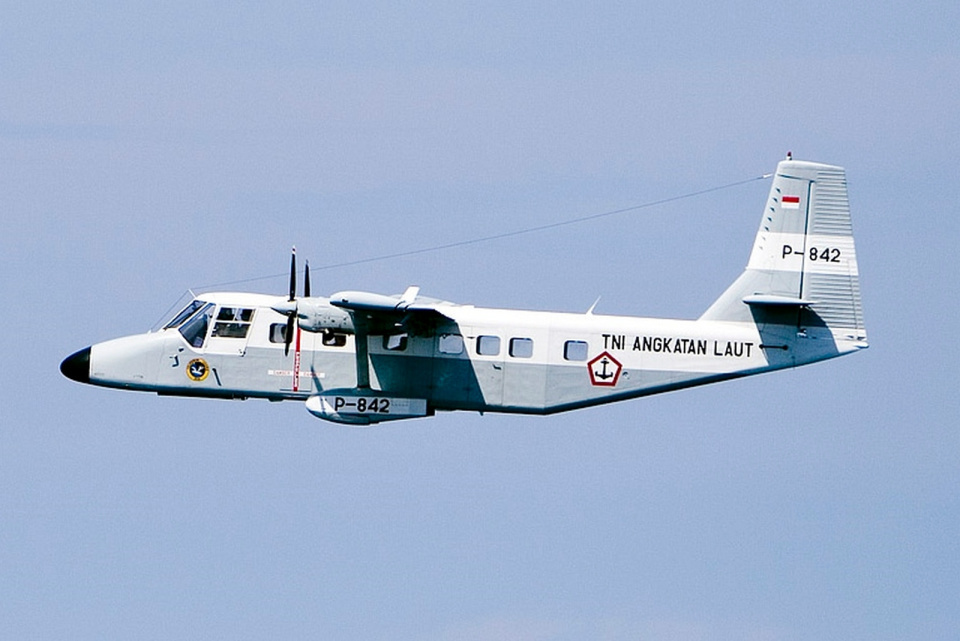
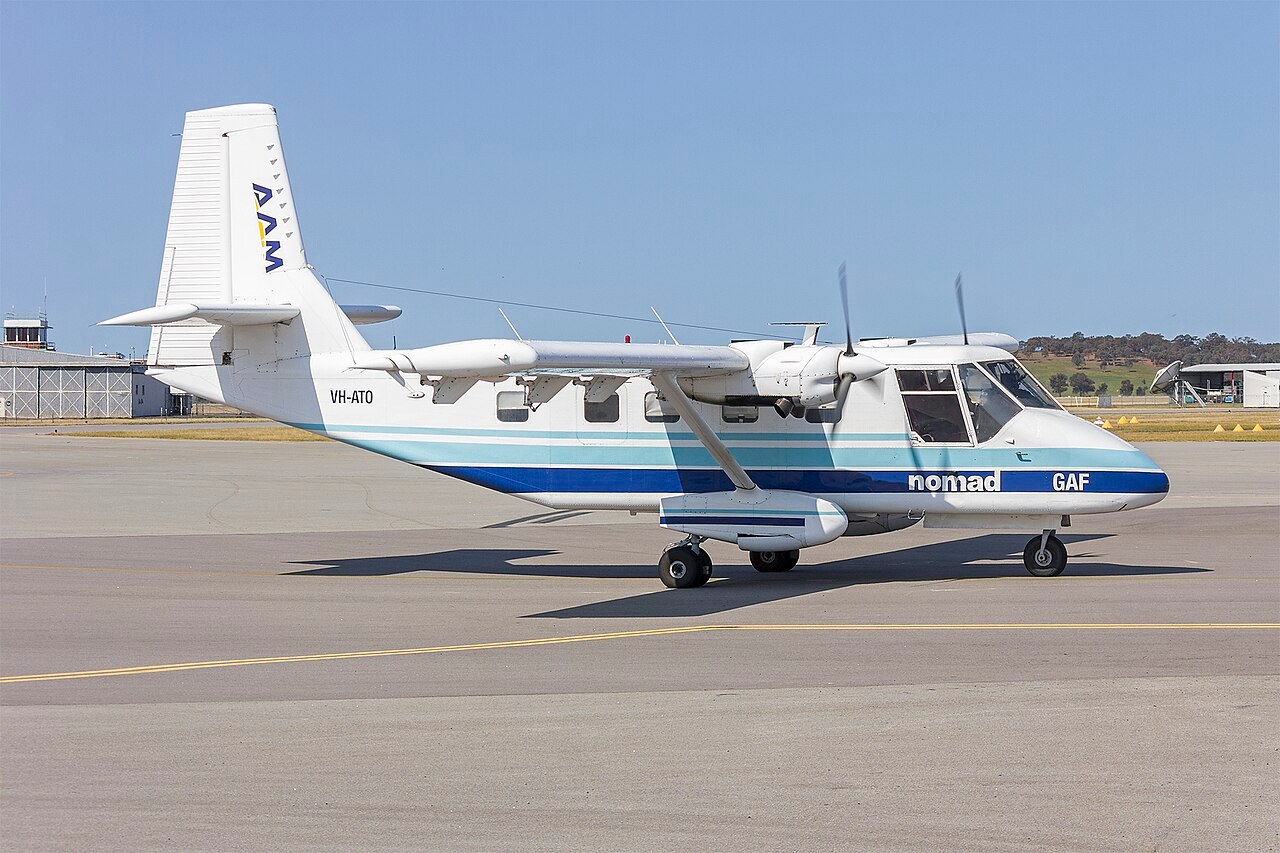
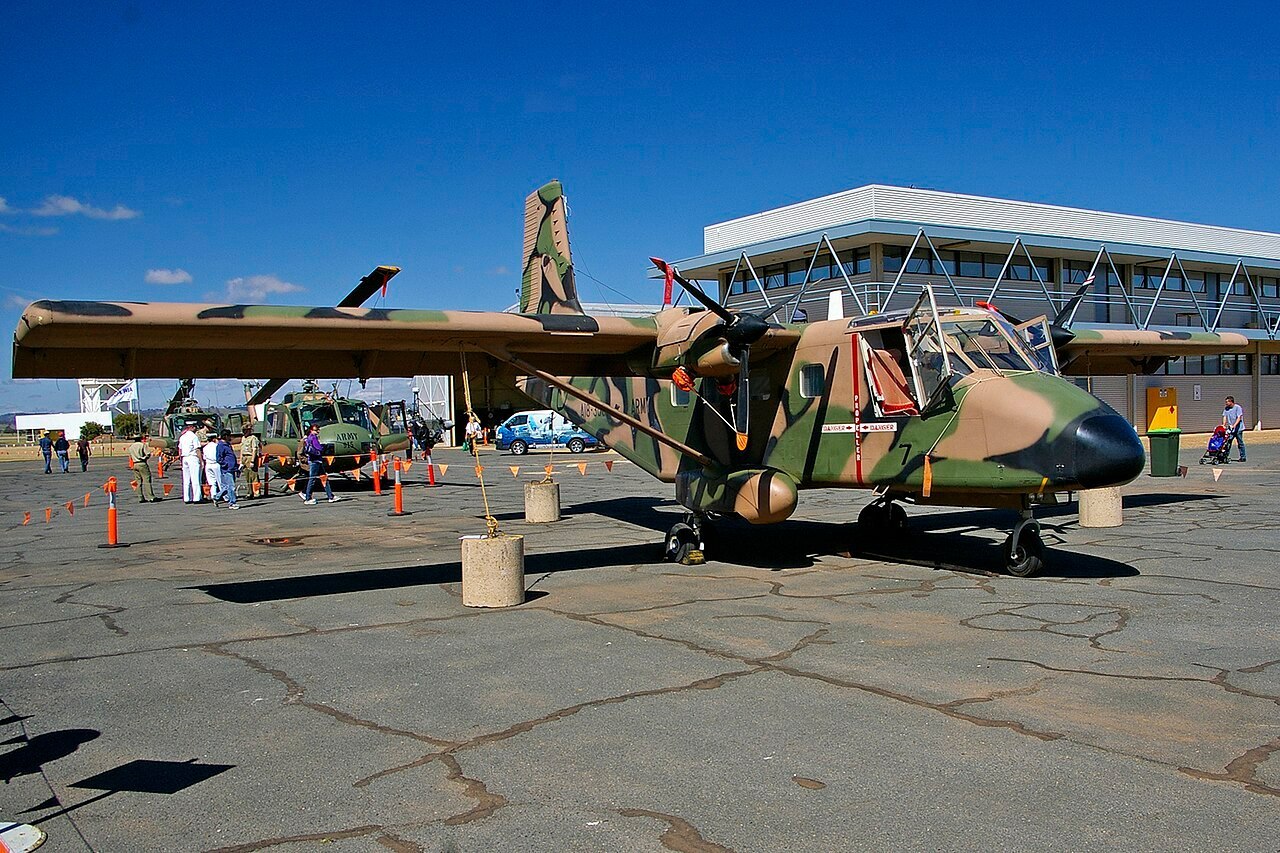
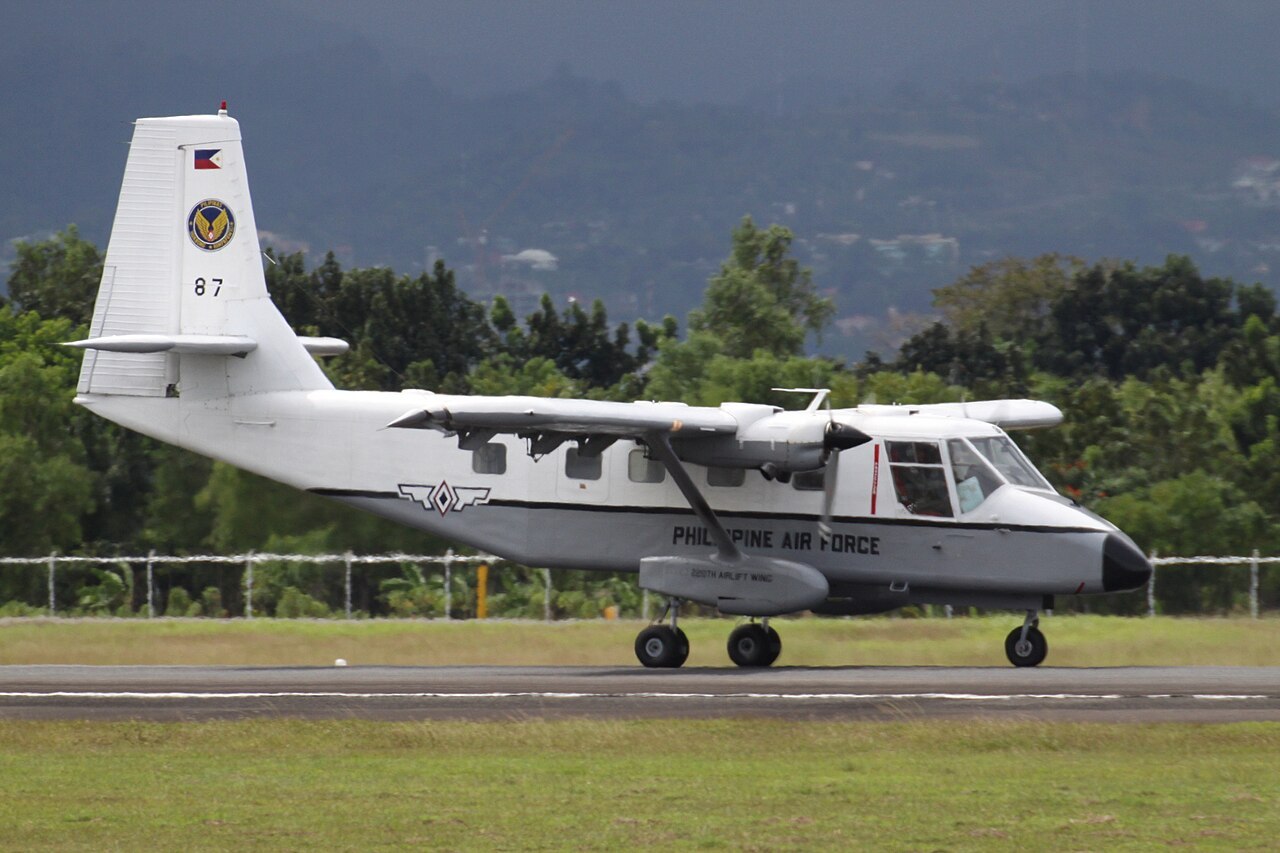
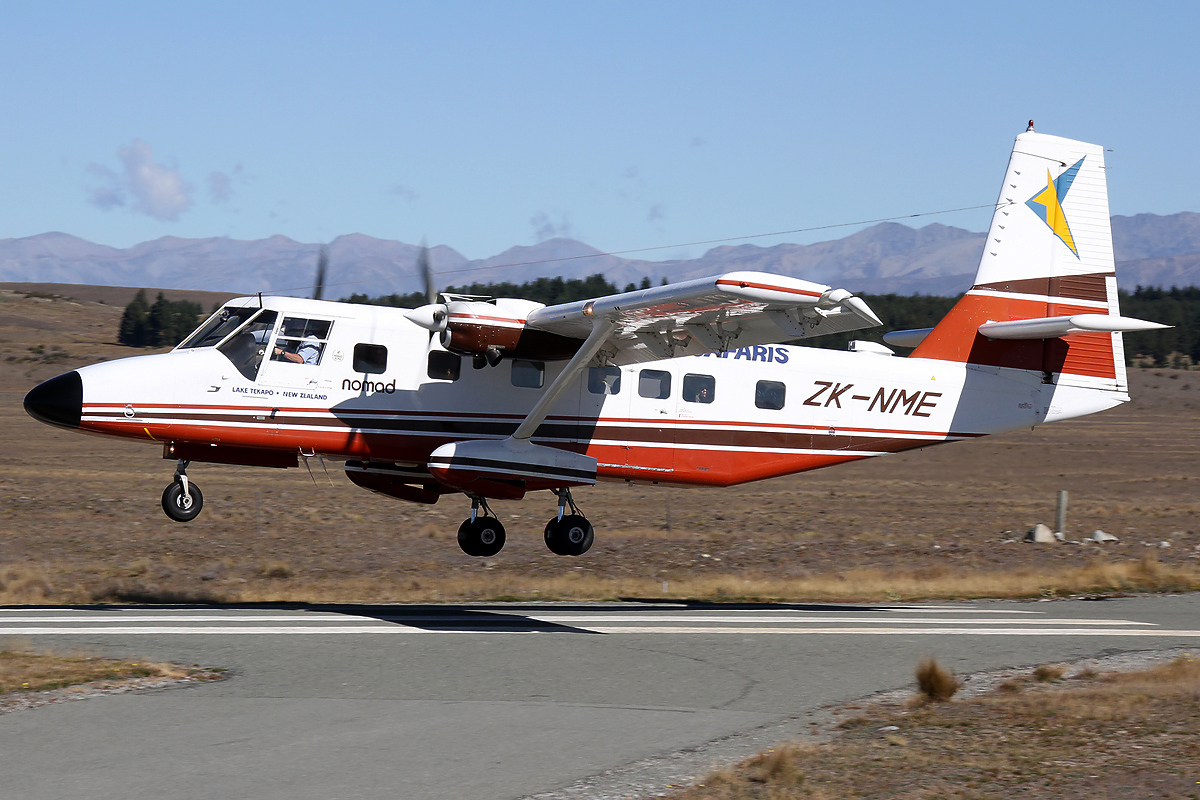
July 23 marked the 55th anniversary of the GAF Nomad multi-purpose aircraft, one of the few aircraft designed and mass-produced in Australia. On that day in 1971, its first prototype took flight in Melbourne.
The aircraft was developed by the state-owned company Government Aircraft Factories (GAF) on behalf of the Australian government. In terms of size, it was similar to the Soviet An-14 or the German Do 28, but proved to be more advanced: it featured turboprop engines and retractable landing gear.
Production of the aircraft ended in 1985, with a total of 172 units built in four main variants and numerous modifications. The most advanced version, the Nomad 24A, was equipped with two Allison 250 B17B/C engines rated at 420 k.s. The aircraft had a length of 14.34 m, a wingspan of 16.46 m, a maximum takeoff weight of 4,264 kg, a maximum speed of 350 km/h, and a range of up to 1,300 km. It could carry up to 16 passengers or nearly 1,700 kg of cargo.
In Australia, Nomad aircraft were operated by the Army Aviation, Naval Aviation, and several airlines. Military and civilian operators in 14 other countries also acquired these aircraft, including Indonesia, the Netherlands, Papua New Guinea, Paraguay, the United States, the Philippines, Chile, and Switzerland. The aircraft were used to transport commercial passengers and military personnel, deliver small cargo, conduct various types of surveillance, perform medical evacuations, and more.
Despite its decent flight performance, the Nomad failed to live up to the expectations of either its developers or its main customer. The number of aircraft built fell short of 200 profitable units. Early in its service, the aircraft was found to have a number of design flaws that affected flight safety—there were even several crashes. Although the aircraft was gradually refined, its reputation had been tarnished. Moreover, the Australian manufacturer was little-known, even considered exotic in the eyes of most potential buyers. Another significant factor was that, among light multi-purpose aircraft, slightly larger models—such as the Canadian DHC-6 Twin Otter—were considerably more popular.