Fan-page
 Youtube
 TikTok
 Aviamuseum
 State Aviation Museum
50 Years of the An-32 Transport Aircraft
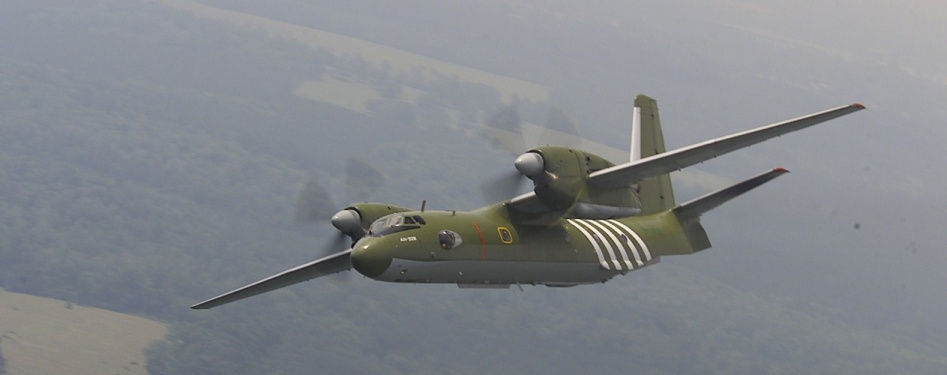
July 9 marked the 50th anniversary of the An-32 light transport aircraft. On that day in 1976, its first prototype took to the skies in Kyiv.
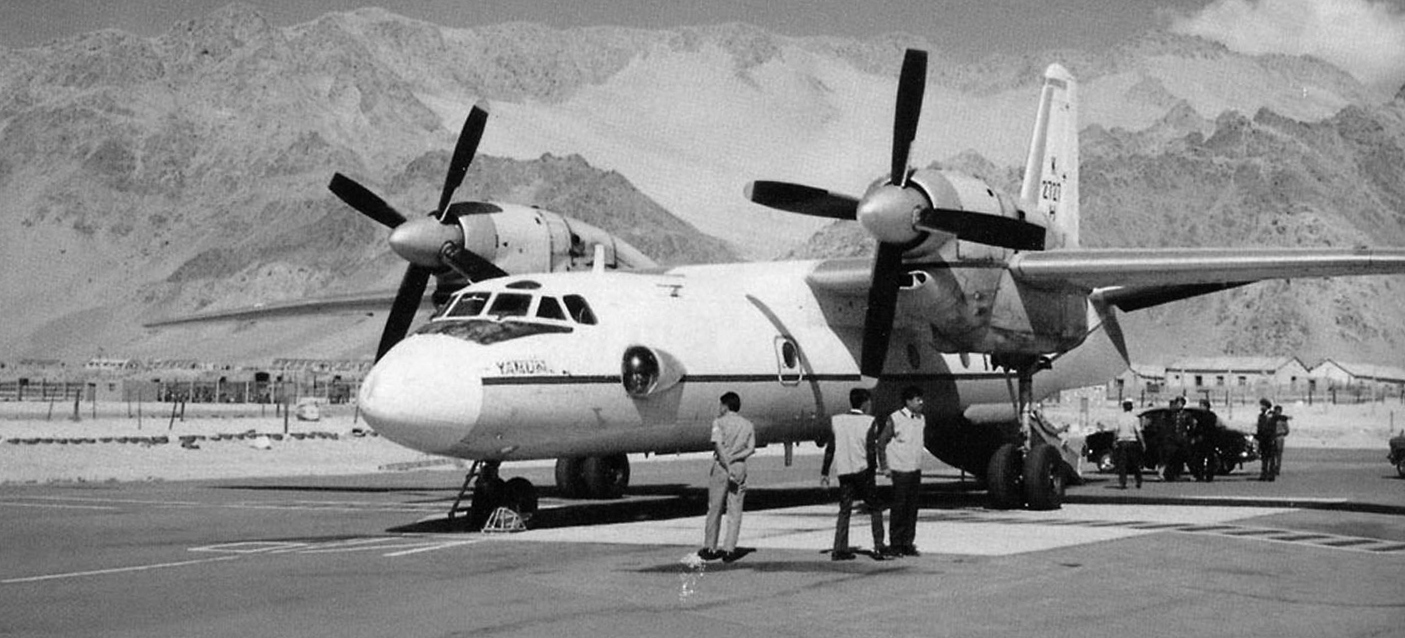
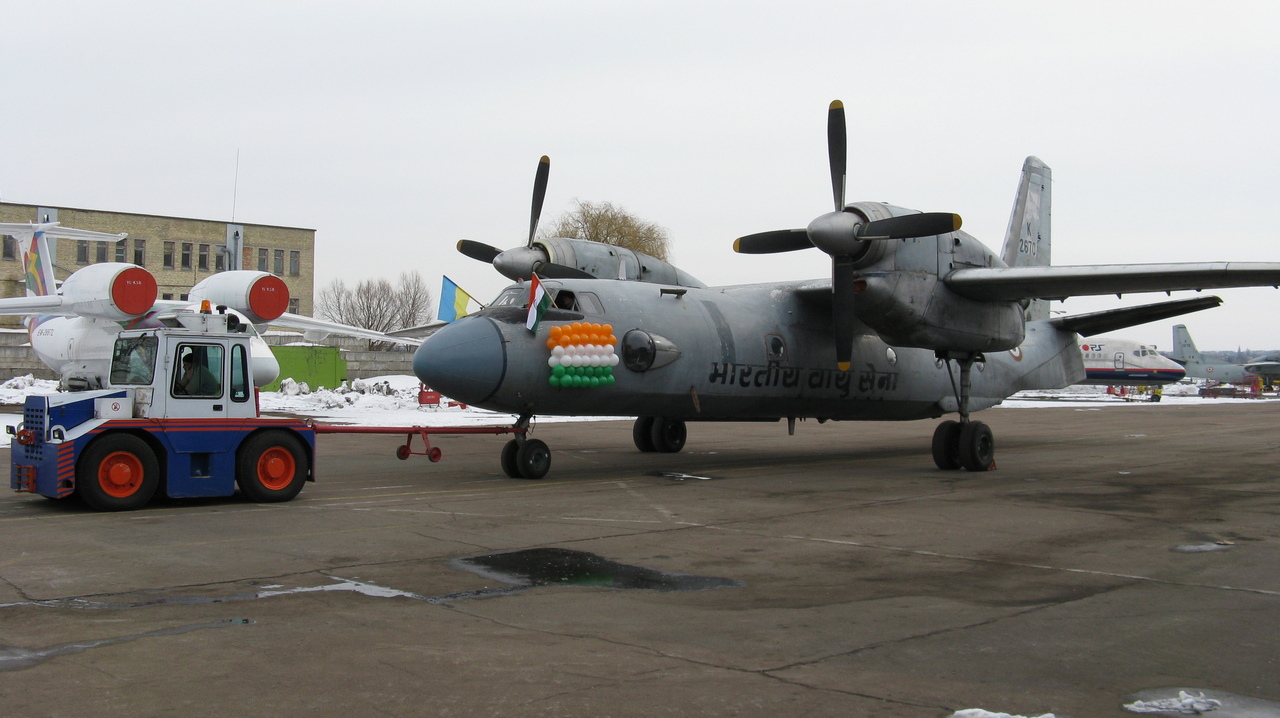
The aircraft was developed at Oleg Antonov’s Design Bureau (now part of Antonov JSC) at the request of India, whose Air Force needed an aircraft capable of delivering 6,500 kg of cargo to high-altitude airfields. The An-26 served as the basis, and its design was significantly modified. In addition, much more powerful engines were installed. Initially, they tried using the AI-20M engines from the An-12. However, even their 4,250 e.k.s. proved insufficient for safe flight in the mountains, so they had to switch to the AI-20DM, each of which developed 5,180 e.k.s. The engines were developed and mass-produced in Zaporizhzhia.
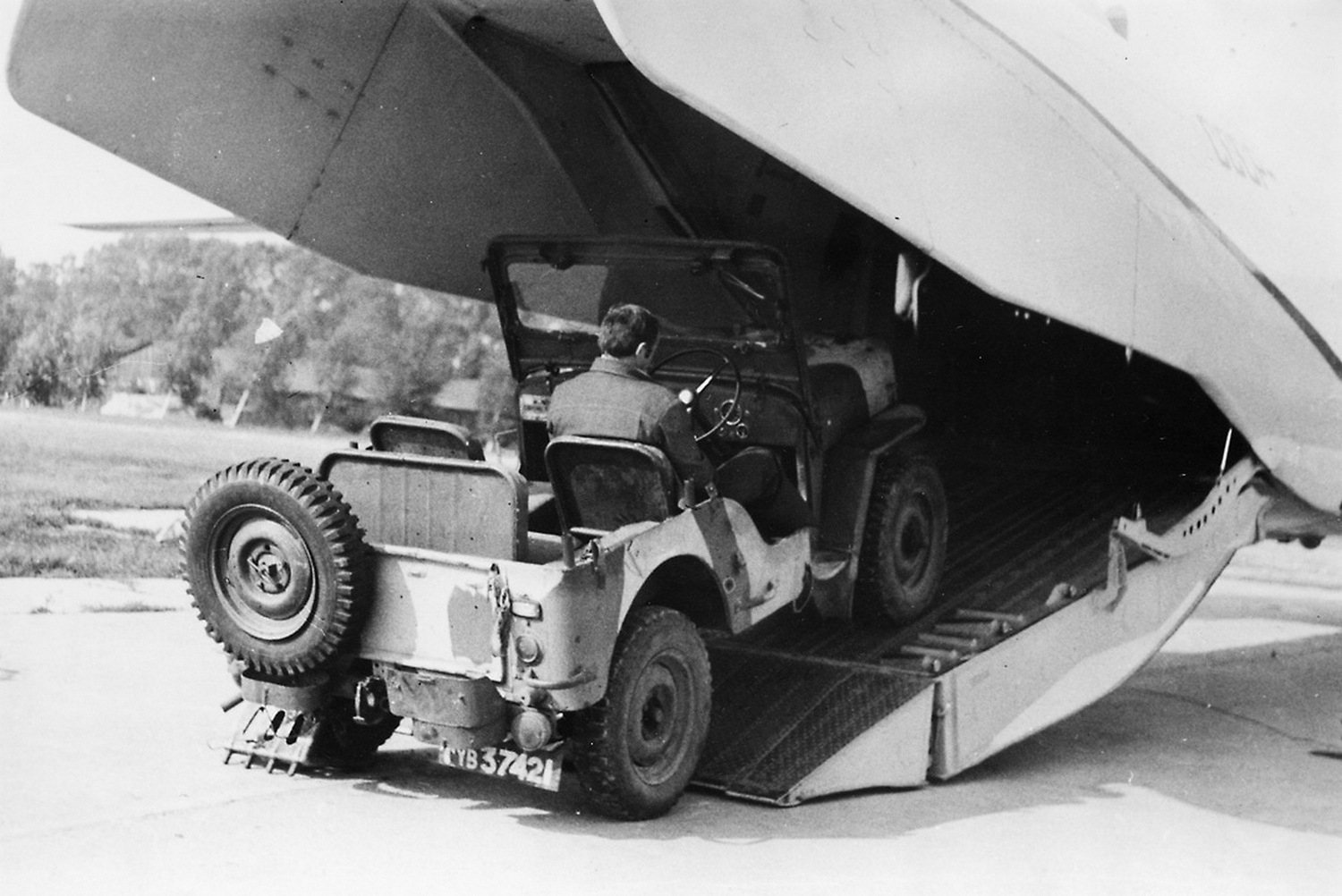
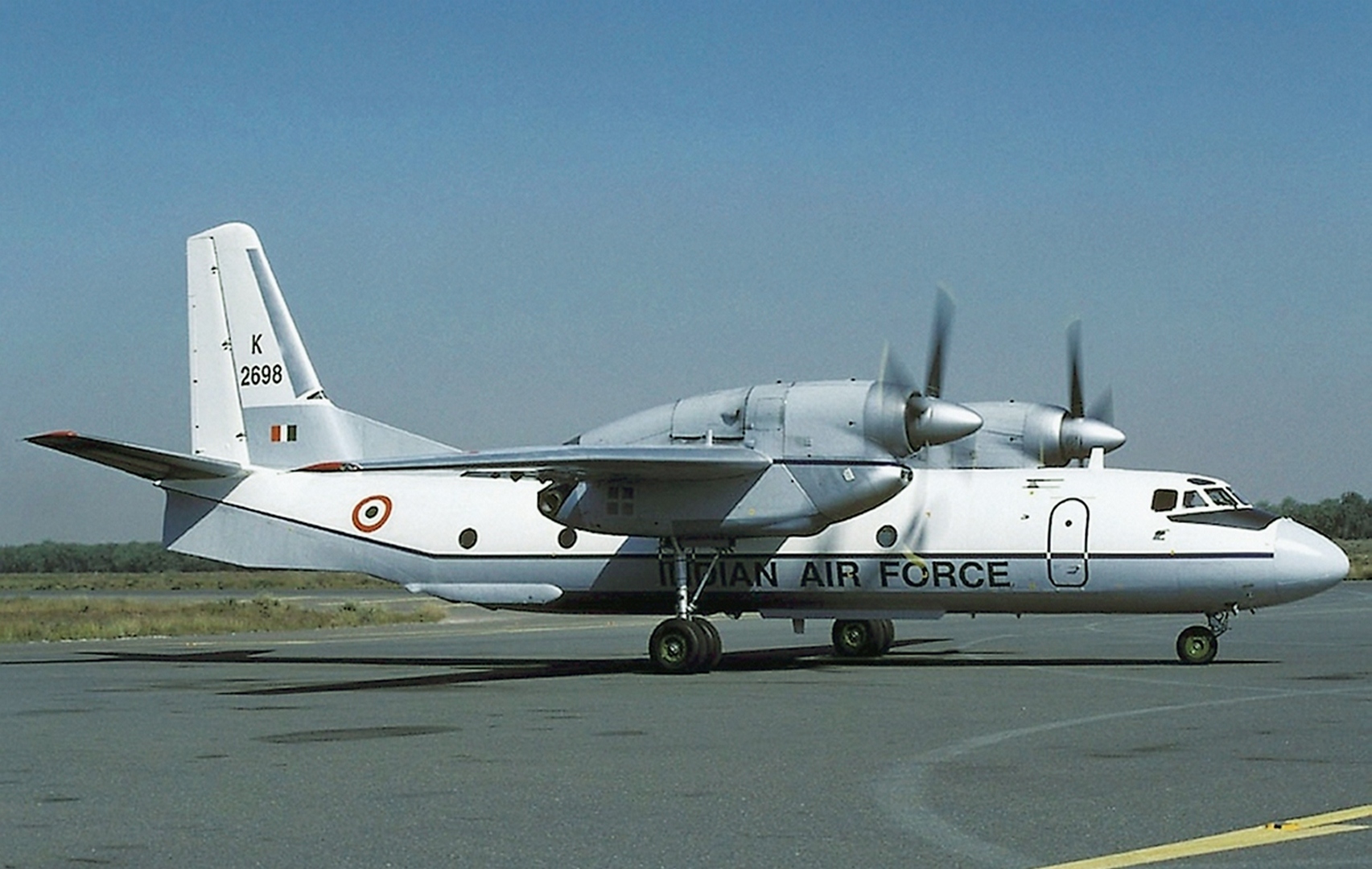
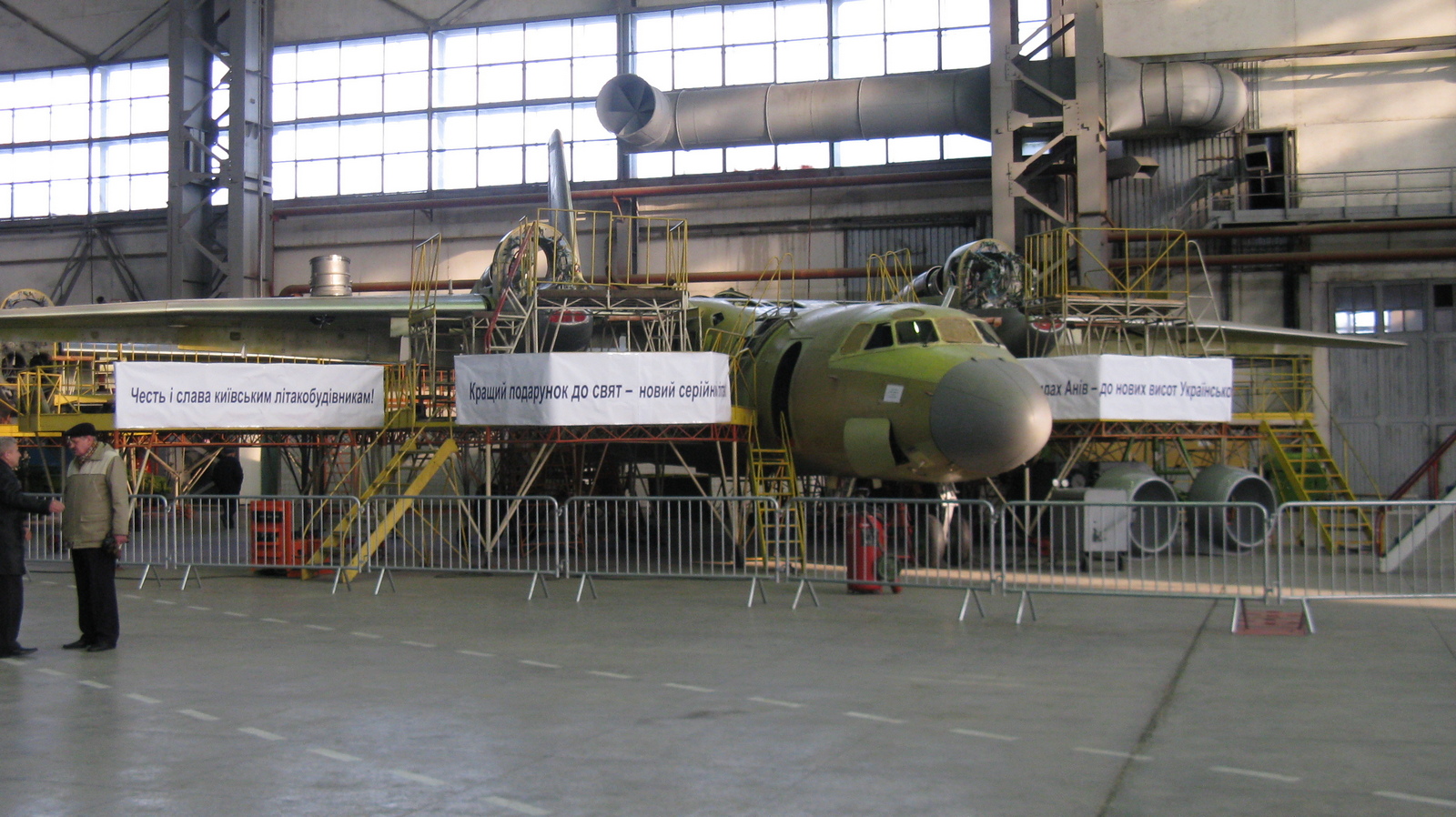
Testing and bringing the An-32 up to the customer’s specifications took quite some time. It was not until June 1983 that the Kyiv Aviation Production Association (now also part of Antonov JSC) built the first production aircraft. The capability to manufacture these aircraft remains to this day. A total of 367 units were produced, 118 of which were for India. An order from the Soviet Air Force was planned, but they never purchased a single aircraft. As a result, the An-32 became the only aircraft in the entire history of Soviet aviation that was designed specifically for export and was never adopted for service in the Soviet Union itself.
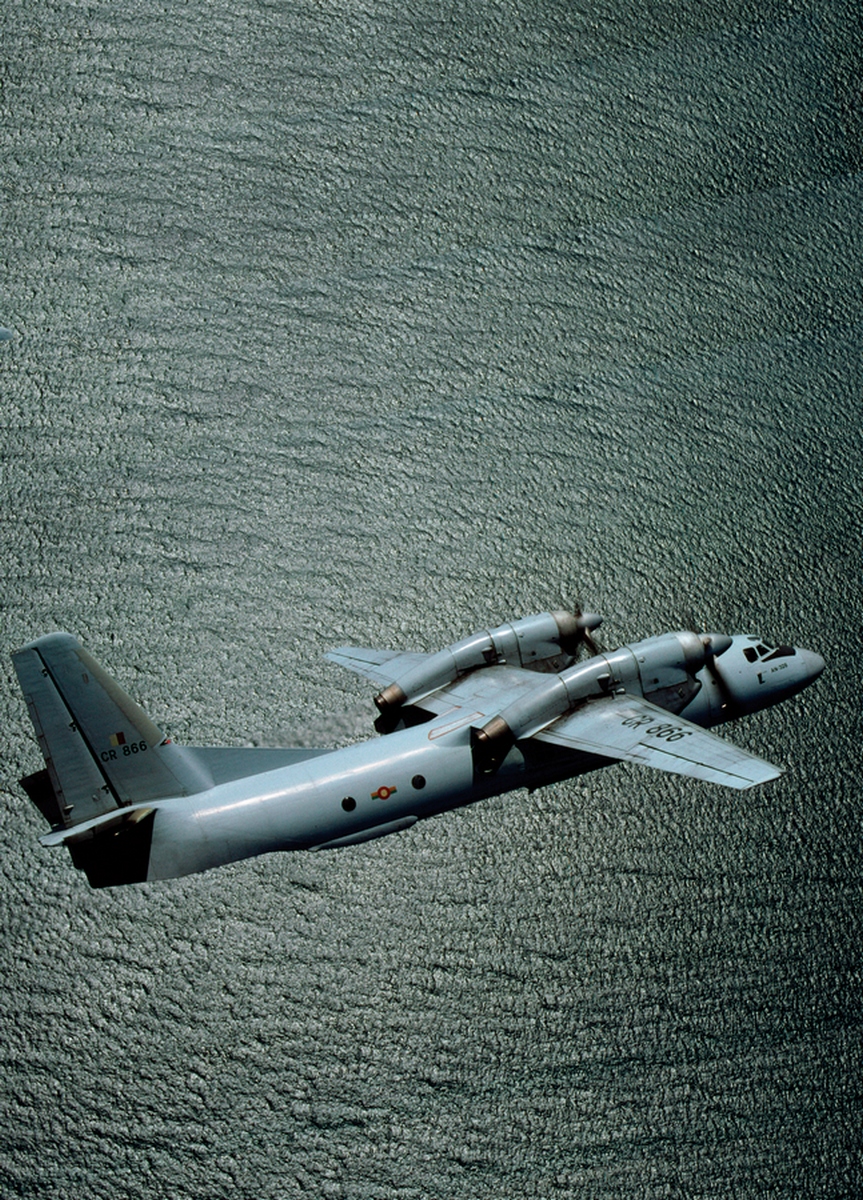
Transport aircraft built outside the scope of the Indian contract were designated An-32B. This aircraft had a length of 23.68 m, a wingspan of 29.2 m, a maximum takeoff weight of 27,000 kg, a maximum speed of 460 km/h, a maximum commercial payload of 6,700 kg, and with a payload of 4,400 kg, it could fly 2,350 km.
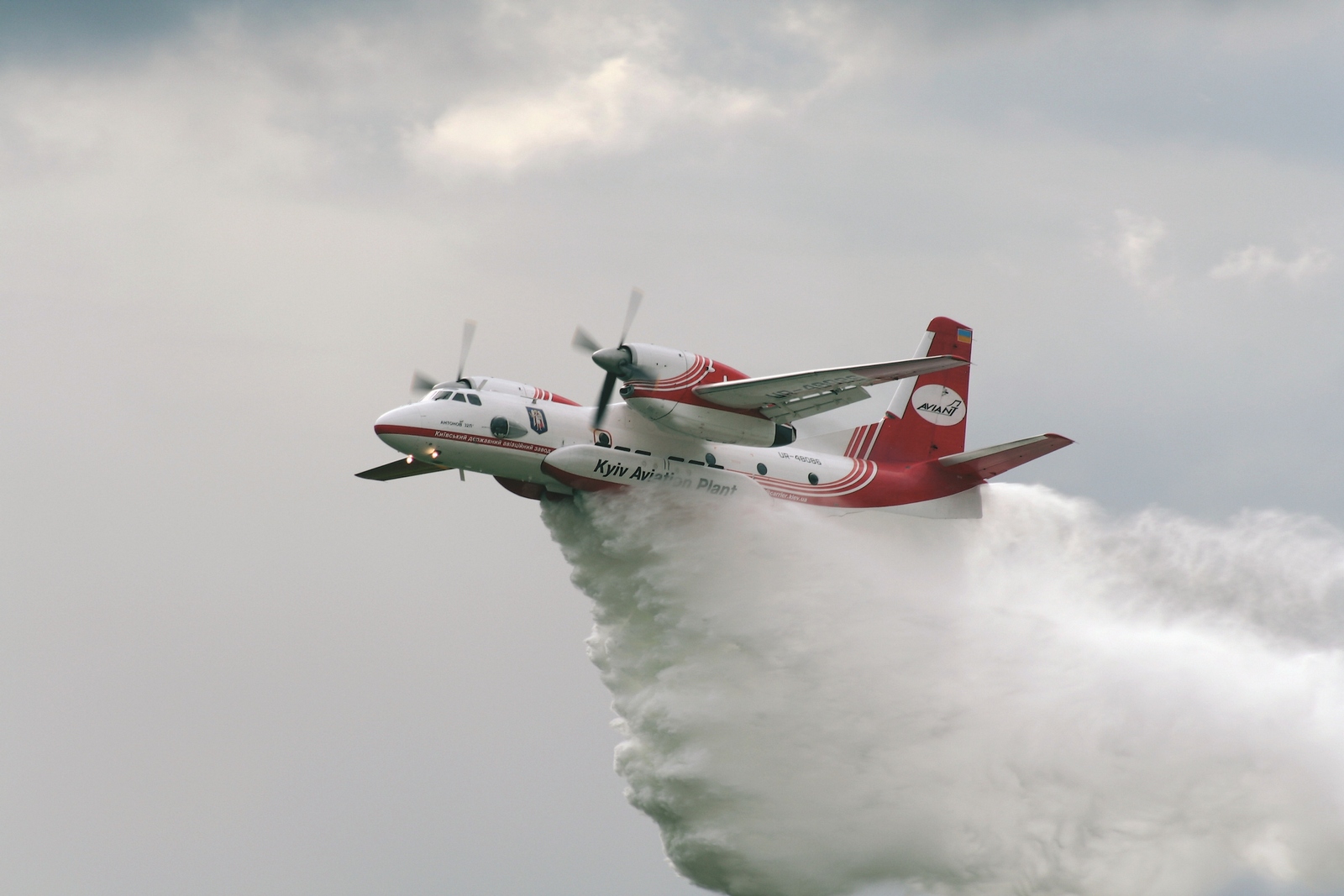
In 1993, the An-32P was developed, with its primary mission being to combat forest fires. It was equipped with external tanks that allowed it to drop 8,000 liters of water on fires. The State Emergency Service of Ukraine’s aviation unit has been the most successful in utilizing these aircraft.
In March 2010, a large-scale modernization program for Indian An-32s began. Dozens of Ukrainian enterprises participated in the work, with the state-owned enterprise “Antonov” and Kyiv’s “Plant 410 for Civil Aviation” playing leading roles.
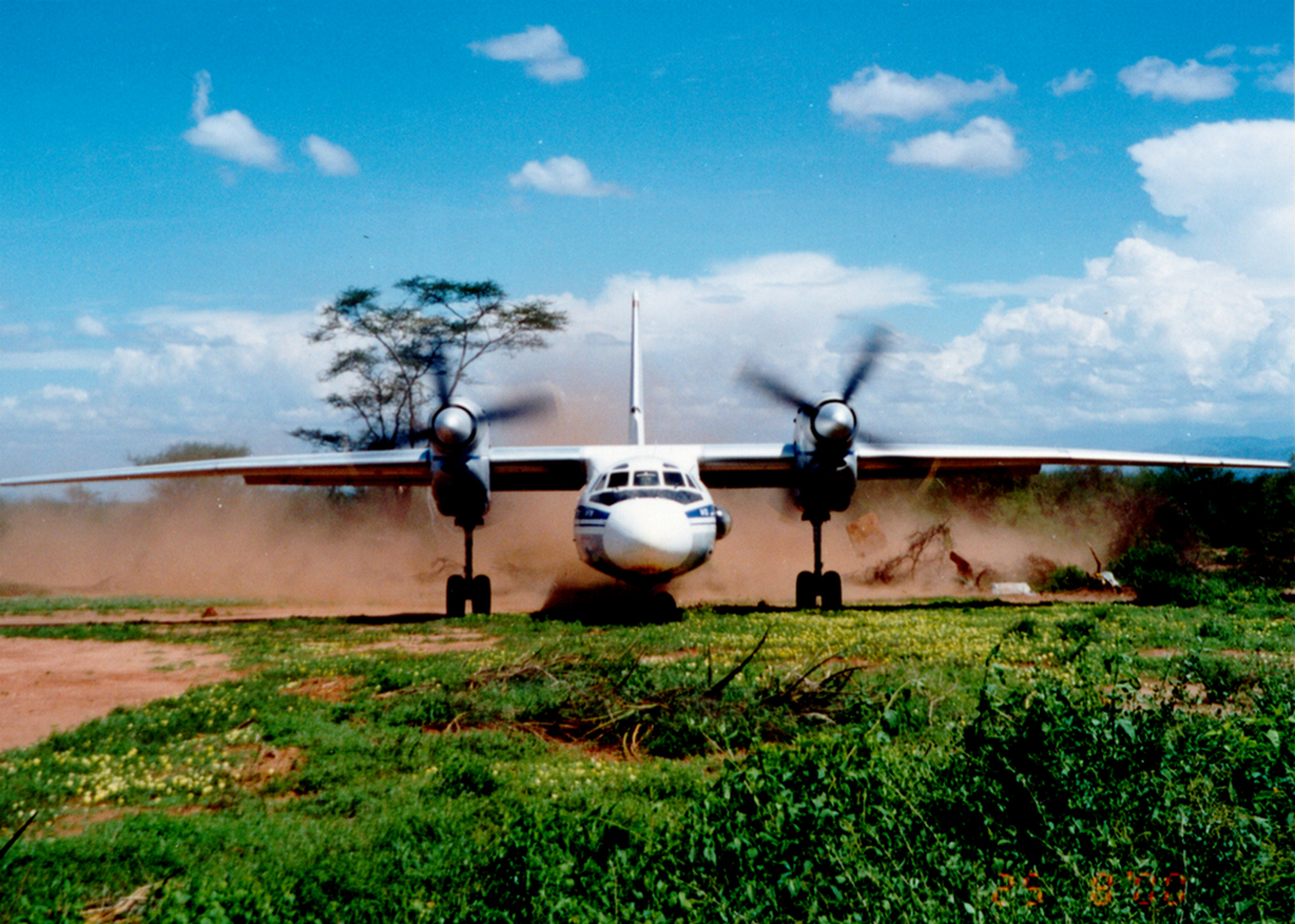
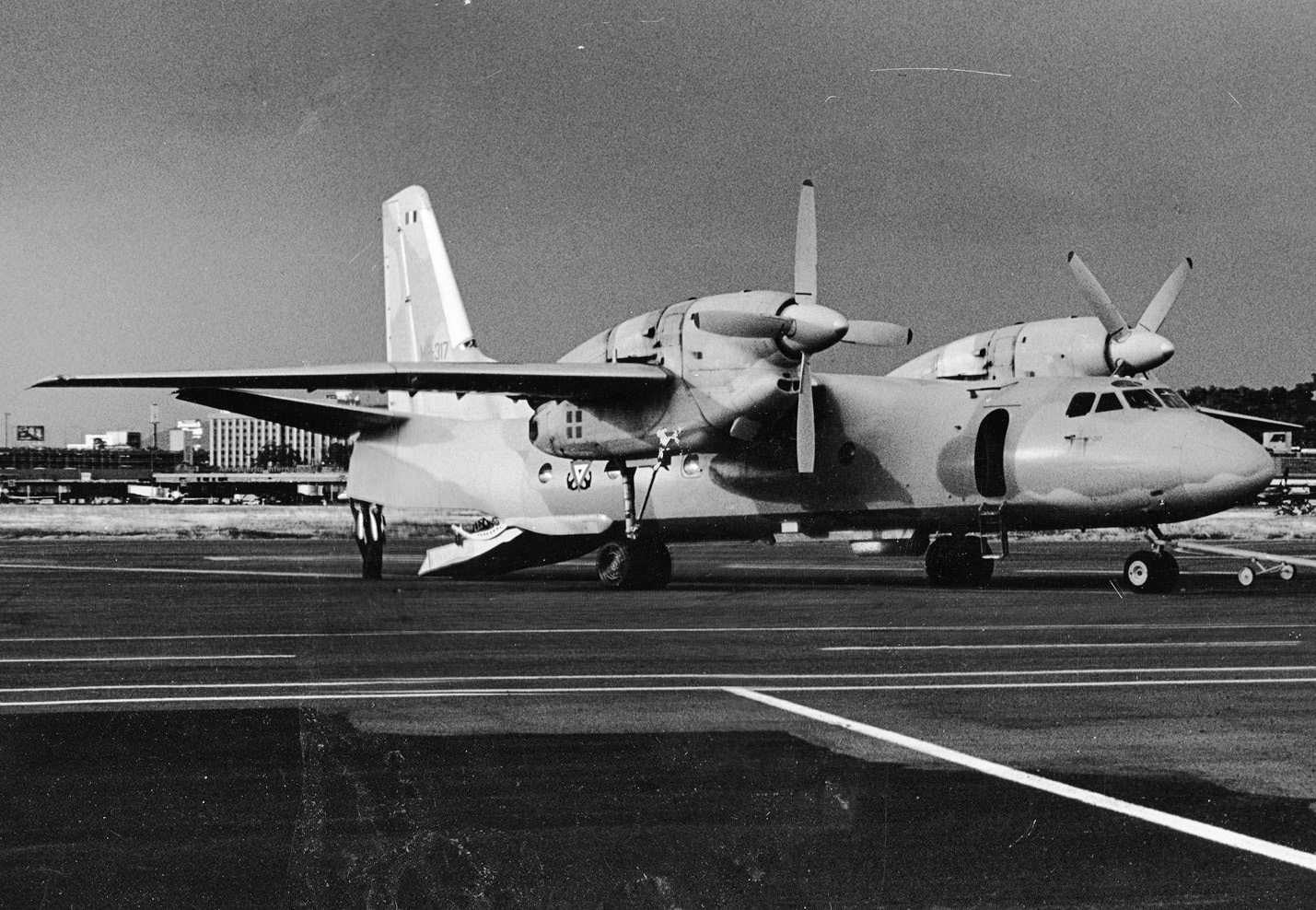
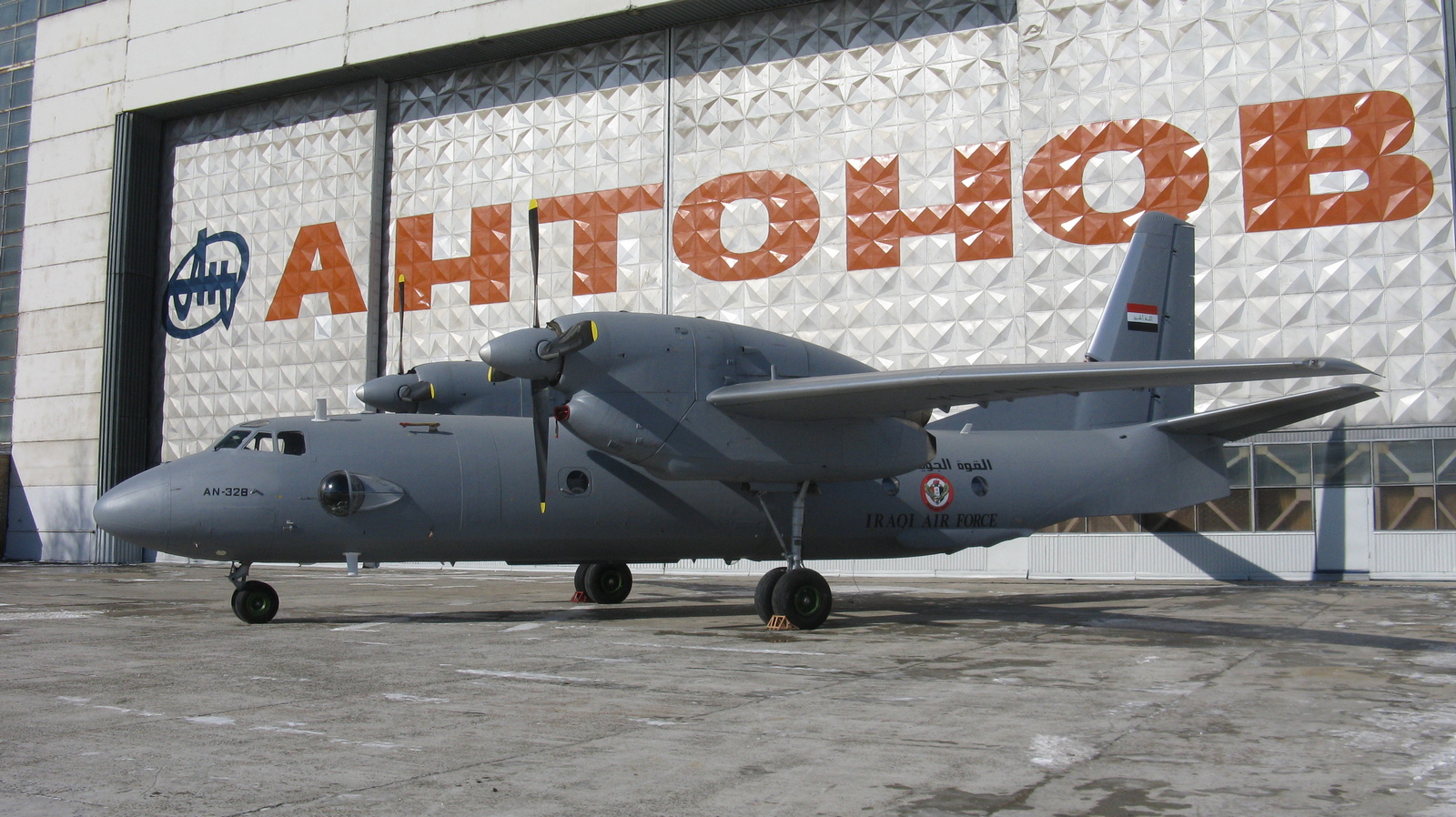
In total, through various channels, the “thirty-twos” found their way to military and civilian operators in 25 countries, including Angola, Afghanistan, Bangladesh, Ethiopia, Iraq, Colombia, Libya, Mexico, Peru, and Sri Lanka. The aircraft proved well-suited for flying in mountainous terrain and in hot climates. It was often overloaded, and unpaved, poorly prepared airfields were used as landing sites. But thanks to its robust construction and powerful engines, the aircraft usually withstood such operating conditions. The An-32 will remain in service for several more decades.