Fan-page
 Youtube
 TikTok
 Aviamuseum
 State Aviation Museum
140th anniversary of the birth of Giovanni Battista Caproni
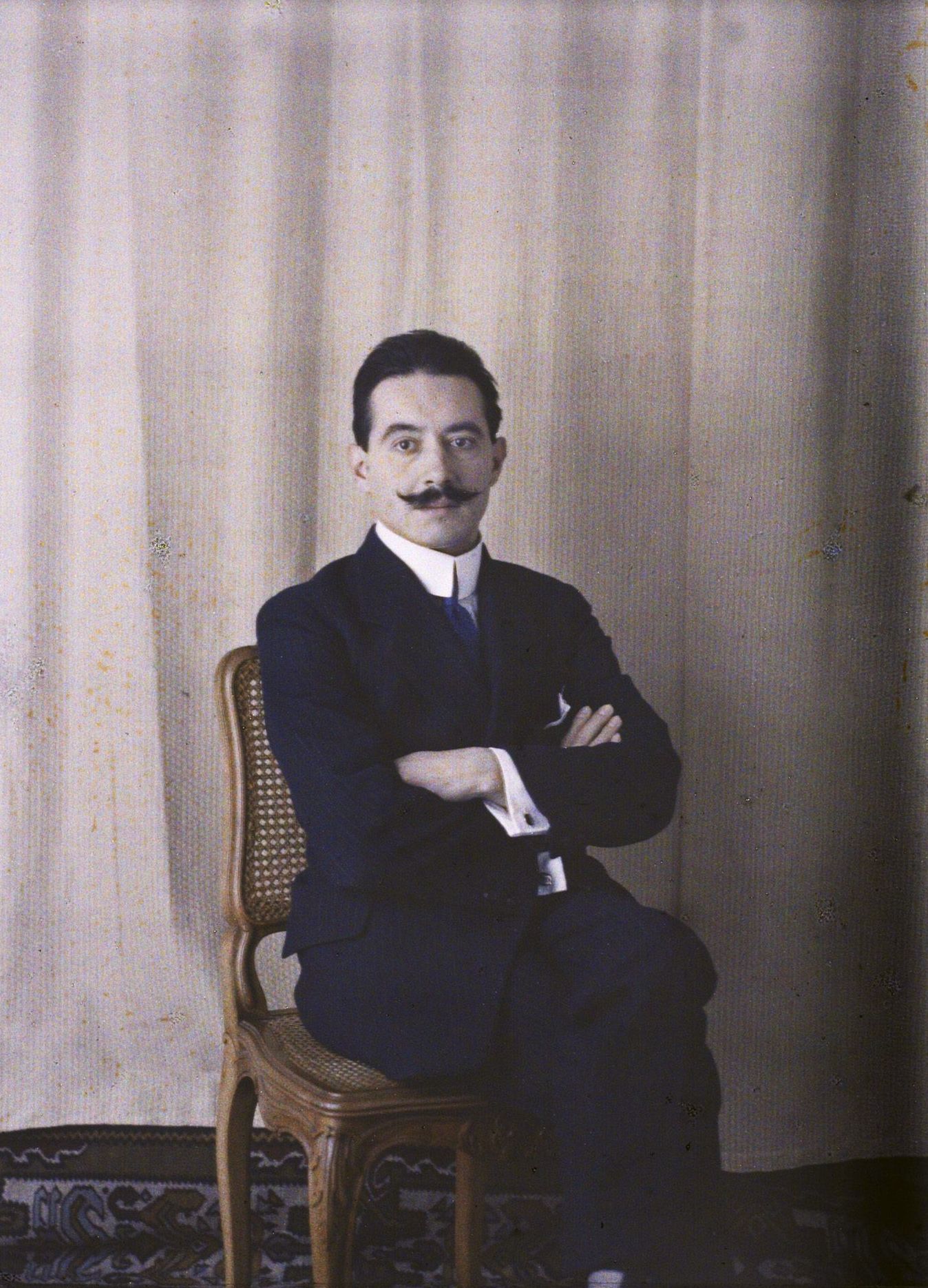
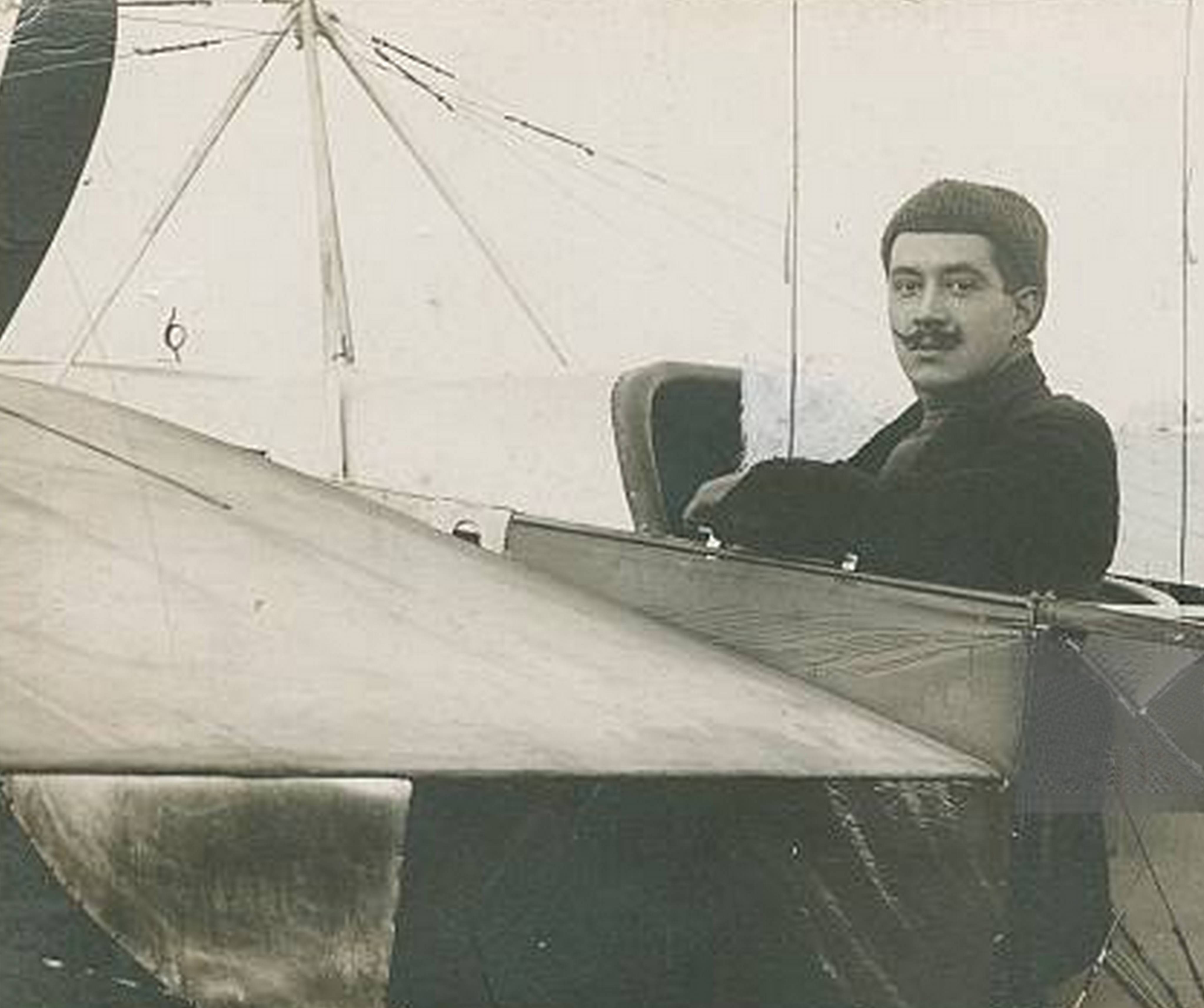
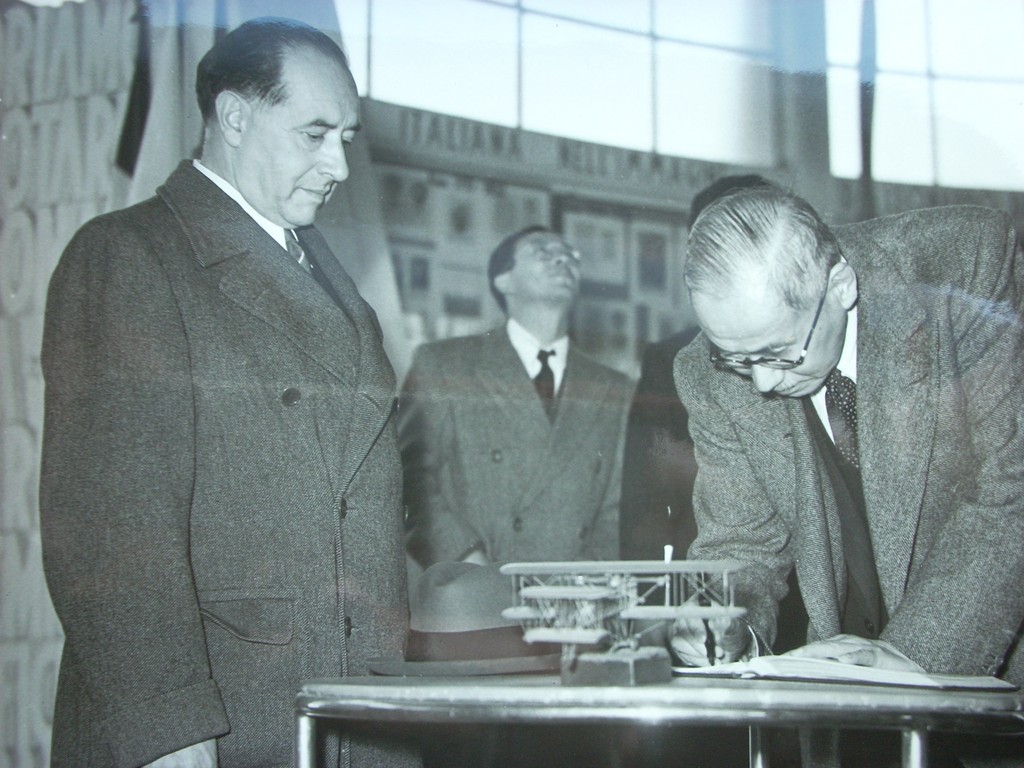
July 3 marked the 140th anniversary of the birth of the renowned Italian aircraft designer and entrepreneur Giovanni Battista Caproni.
He was born in 1886 in the village of Masone (now the resort town of Arco). At that time, the area was part of Austria-Hungary and only became part of Italy after World War I. The Caproni family belonged to the local aristocracy. Although they owned a relatively small amount of land, their wealth allowed them to provide their children with a good education. In particular, Giovanni graduated from the Technical University of Munich (Germany) and the Montefiori Institute in Liège (Belgium).
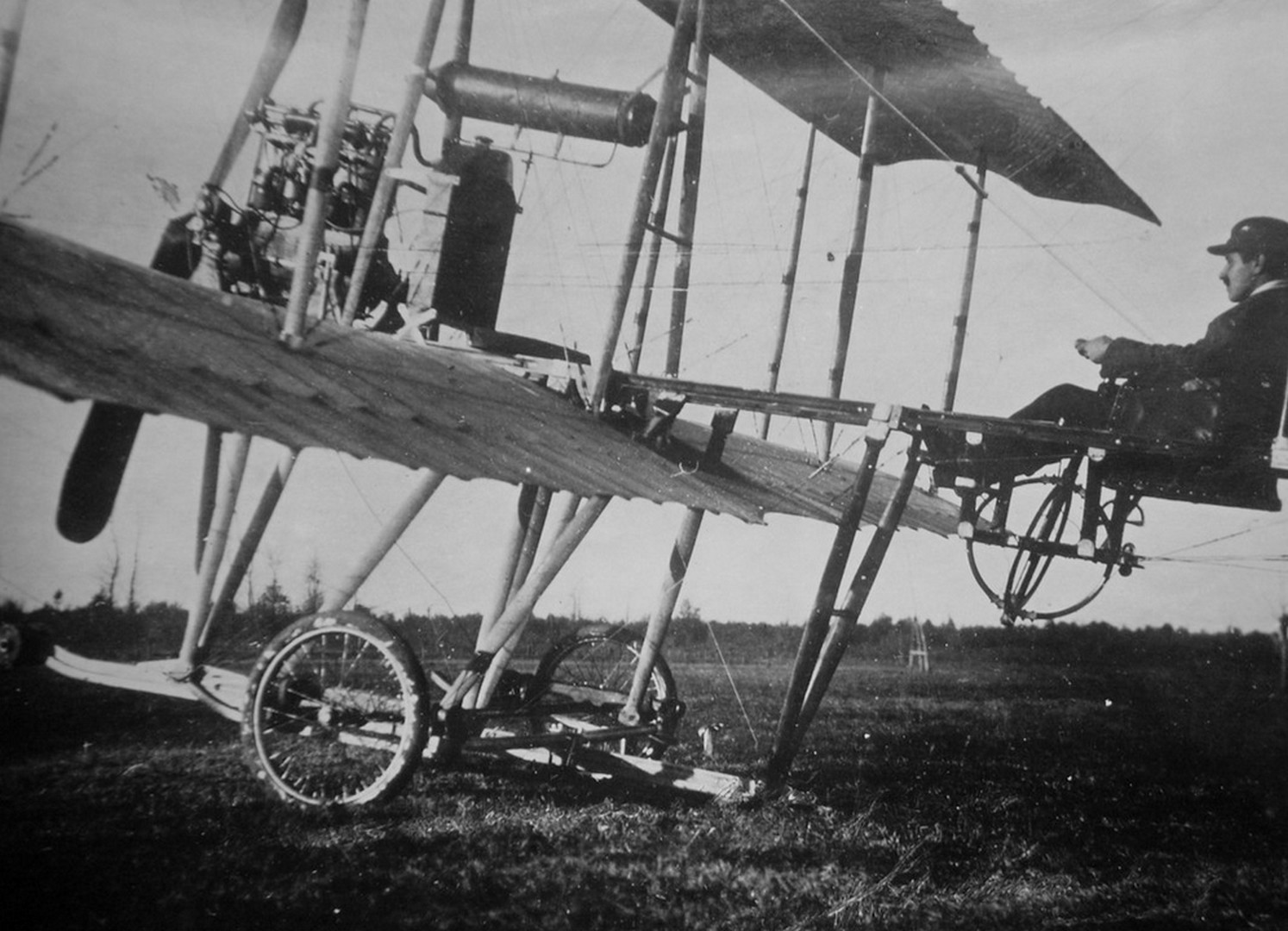
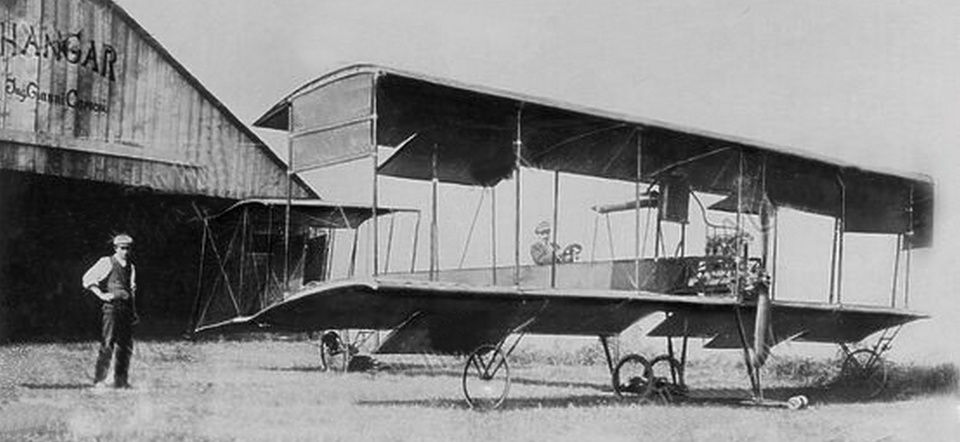
Like many other aviation pioneers, Caproni began his journey through trial and error. For example, his first aircraft, the Sa.1, built in May 1910, tentatively lifted off the ground but crashed upon landing.
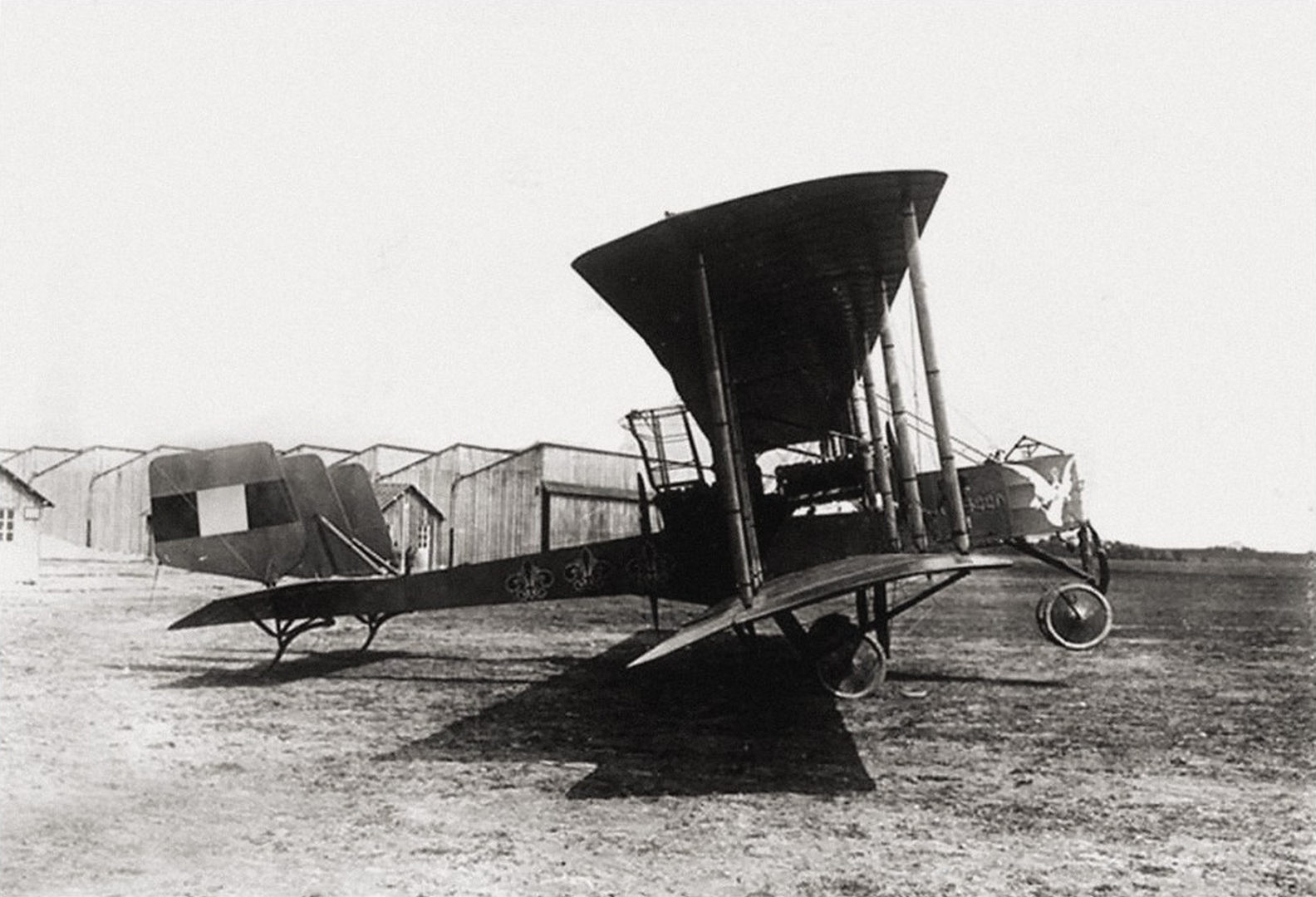
As early as 1908, Caproni had attempted to start his own business by founding an aircraft manufacturing company in Milan, where he became the chief designer. However, commercial success did not come until World War I, when three-engine bombers such as the Sa.32 and Sa.33 were mass-produced. Built in the hundreds, they were successfully deployed by the Italian Armed Forces, as well as those of France, Great Britain, and the United States.
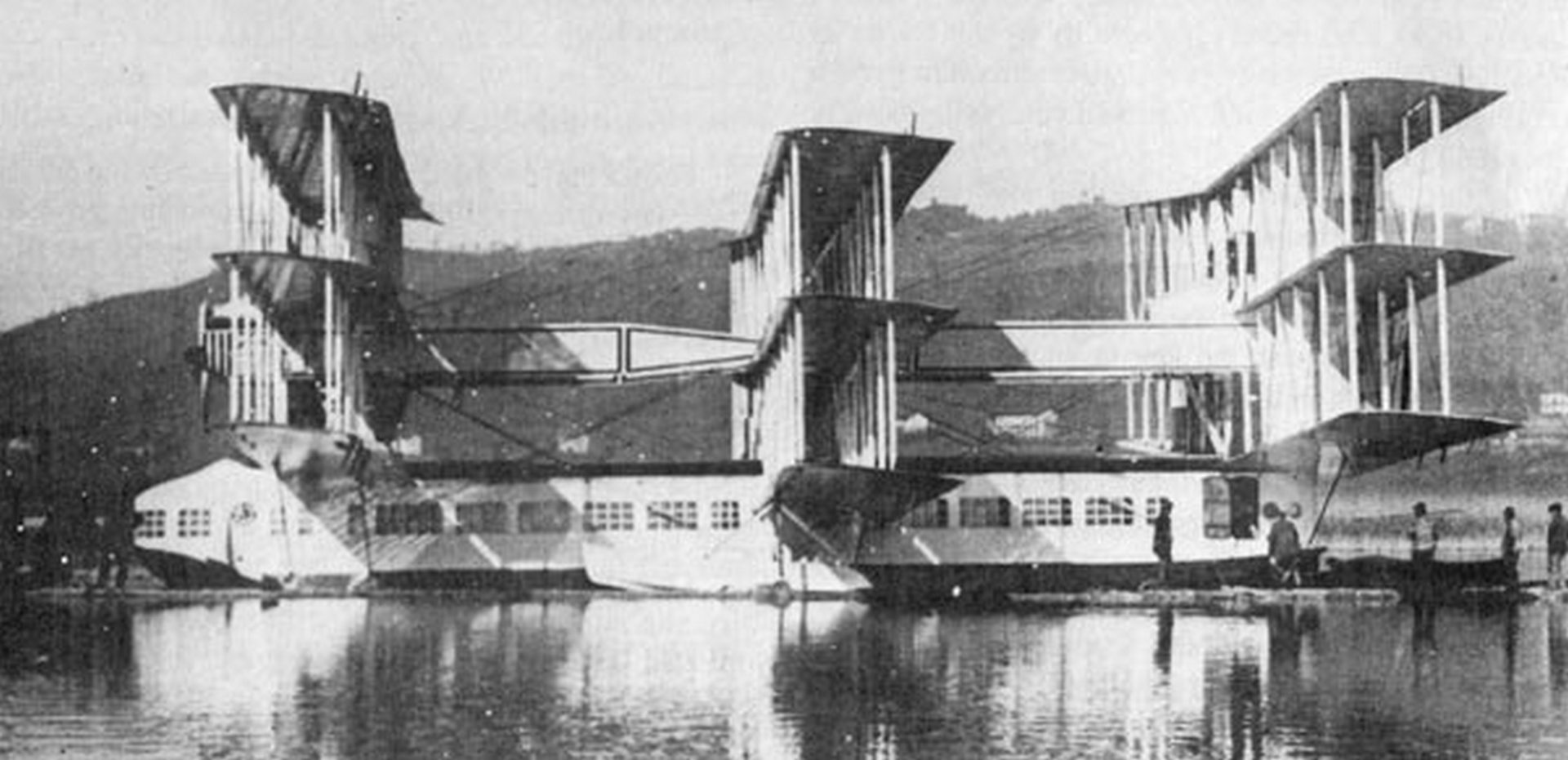
In 1917, Giovanni and his brother Federico founded a new company, Società Italiana Caproni, with factories in Vizzola Ticino (Lombardy) and the Milan suburb of Taliedo. After the war ended, Giovanni became fascinated with the idea of passenger air travel. The result was a project that turned out to be one of the most absurd in aviation history. Designed to carry 100 passengers, the Ca.60 Transaereo flying boat (also known as the Capronissimo in the literature) had as many as three triplane wing structures! This marvel of engineering simply refused to stay airborne. The aircraft made only two very short flights over Lake Maggiore, and on March 4, 1921, it sustained such extensive damage during landing that it was beyond repair.
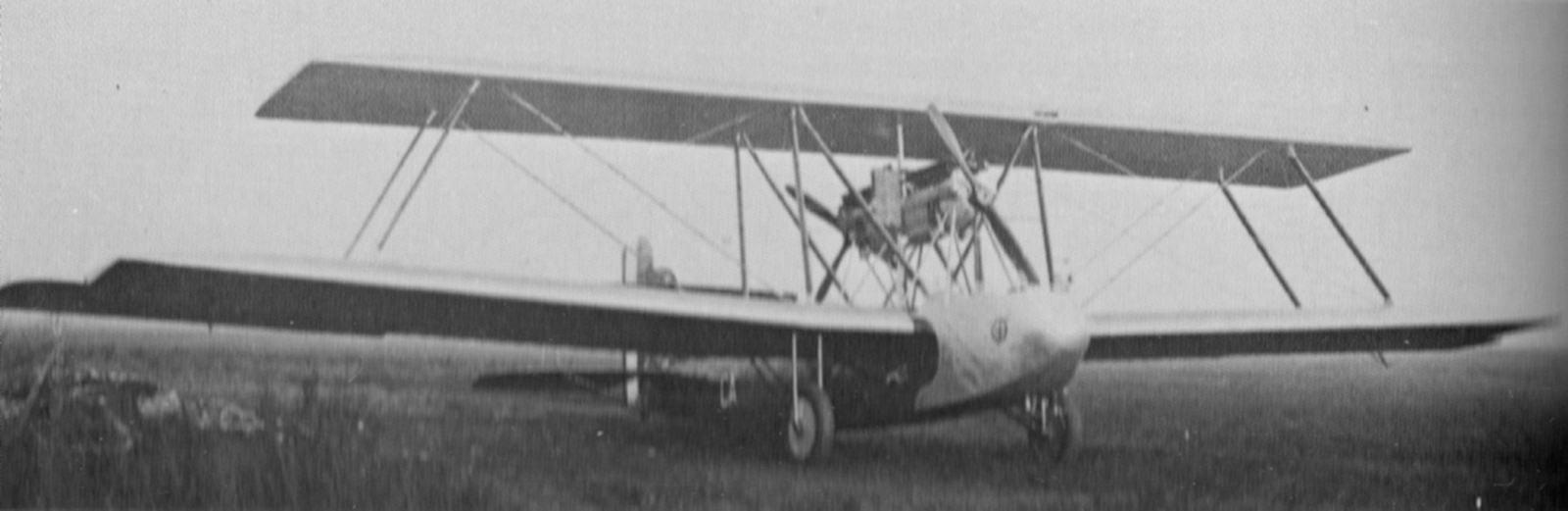
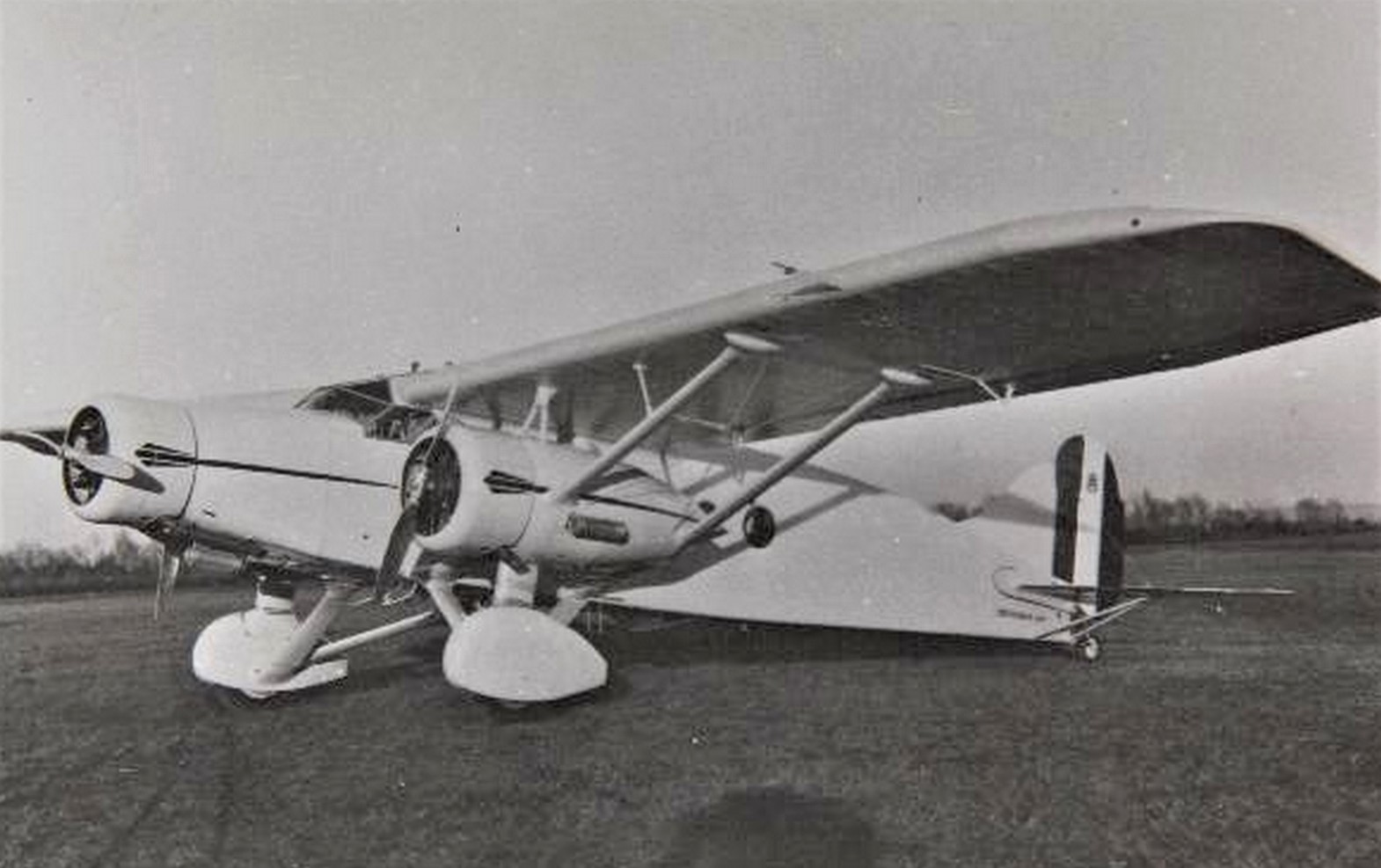
Thus, military orders remained the main source of revenue. In particular, by 1934, 150 Ca.73 biplane bombers had been built, which was a significant figure for those times. Even more successful was the Ca.133, a multi-purpose low-wing high-wing aircraft. More than 500 of these aircraft were produced; they were used as bombers and transport planes, and remained in service until nearly the early 1950s. The Ca.133 gave rise to several other aircraft, which were also mass-produced, though on a smaller scale.
Overall, during the interwar period, Caproni’s business was on the rise and, in addition to aviation, encompassed several areas of mechanical engineering. The Aeroplani Caproni SA industrial group was established, comprising more than 20 subsidiaries. In 1940, in recognition of his exceptional service to the state, King Victor Emmanuel III of Italy conferred upon Giovanni the title of Count of Taliedo. Naturally, this honor was approved by the Duce, Benito Mussolini.
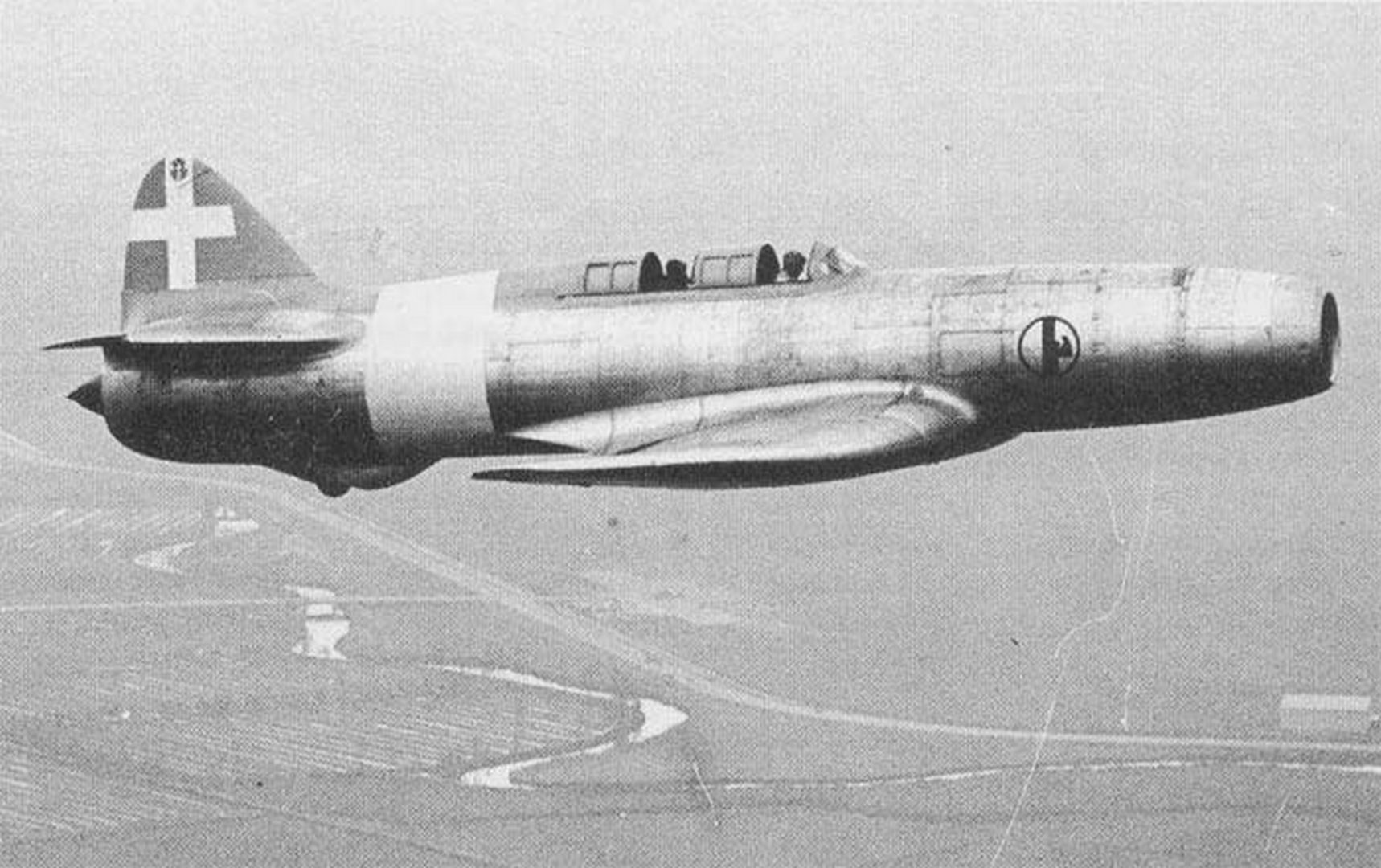
Caproni opposed Italy’s entry into World War II because he saw that the country was unprepared for a “war of engines.” He worked extensively on new projects, and a number of experimental aircraft were developed, including the Campini-Caproni C.C.2 jet. However, there were no further notable design successes, and during the war, Caproni’s factories primarily produced aircraft designed by other engineers.
When the war ended, the new authorities issued an arrest warrant for Caproni. He was accused of collaborating with Mussolini’s fascist regime and the German Nazis. Count Taliedo might not have lived to see his arrest; instead, he fell victim to mob justice as the director of one of Caproni’s factories, killed in August 1945 at the hands of former partisans. Caproni was forced into hiding. But the situation was resolved fairly quickly, and by 1946, the charges against him had been dropped.
In the postwar period, Italy struggled for a long time to emerge from political and economic crises. Amid the instability, Caproni’s business began to decline rapidly. Drawing on his old connections, the now-elderly Giovanni traveled to various countries, seeking help wherever he could—from the Vatican to Washington. This allowed him to stay afloat, more or less, but it took its toll on his remaining health. On October 27, 1957, while in Rome, Giovanni Battista Caproni passed away.