Fan-page
 Youtube
 TikTok
 Aviamuseum
 State Aviation Museum
90th Anniversary of the Fi 156 Storch Short Takeoff and Landing Aircraft
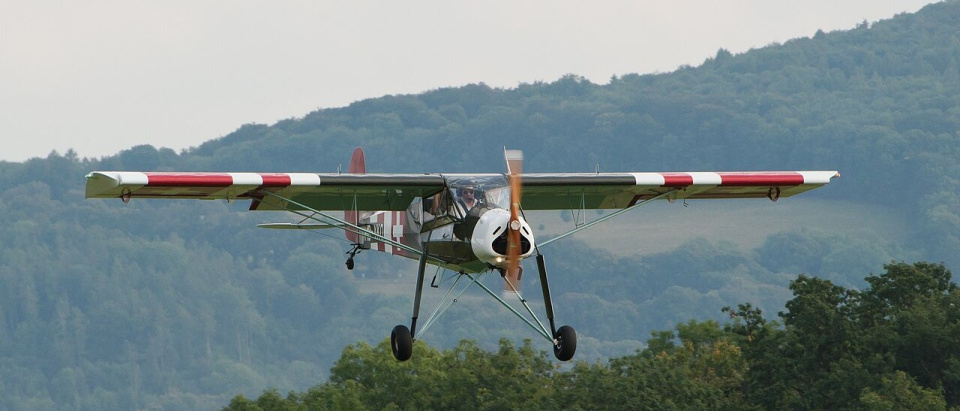
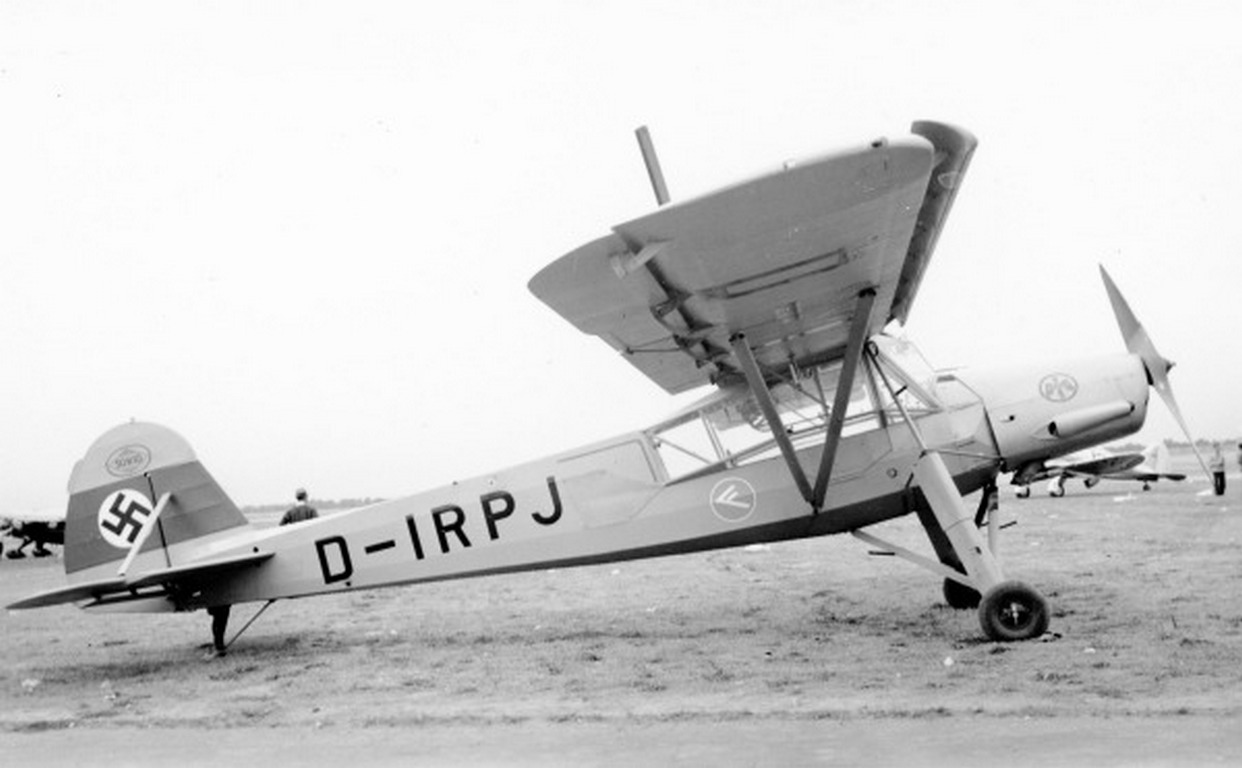
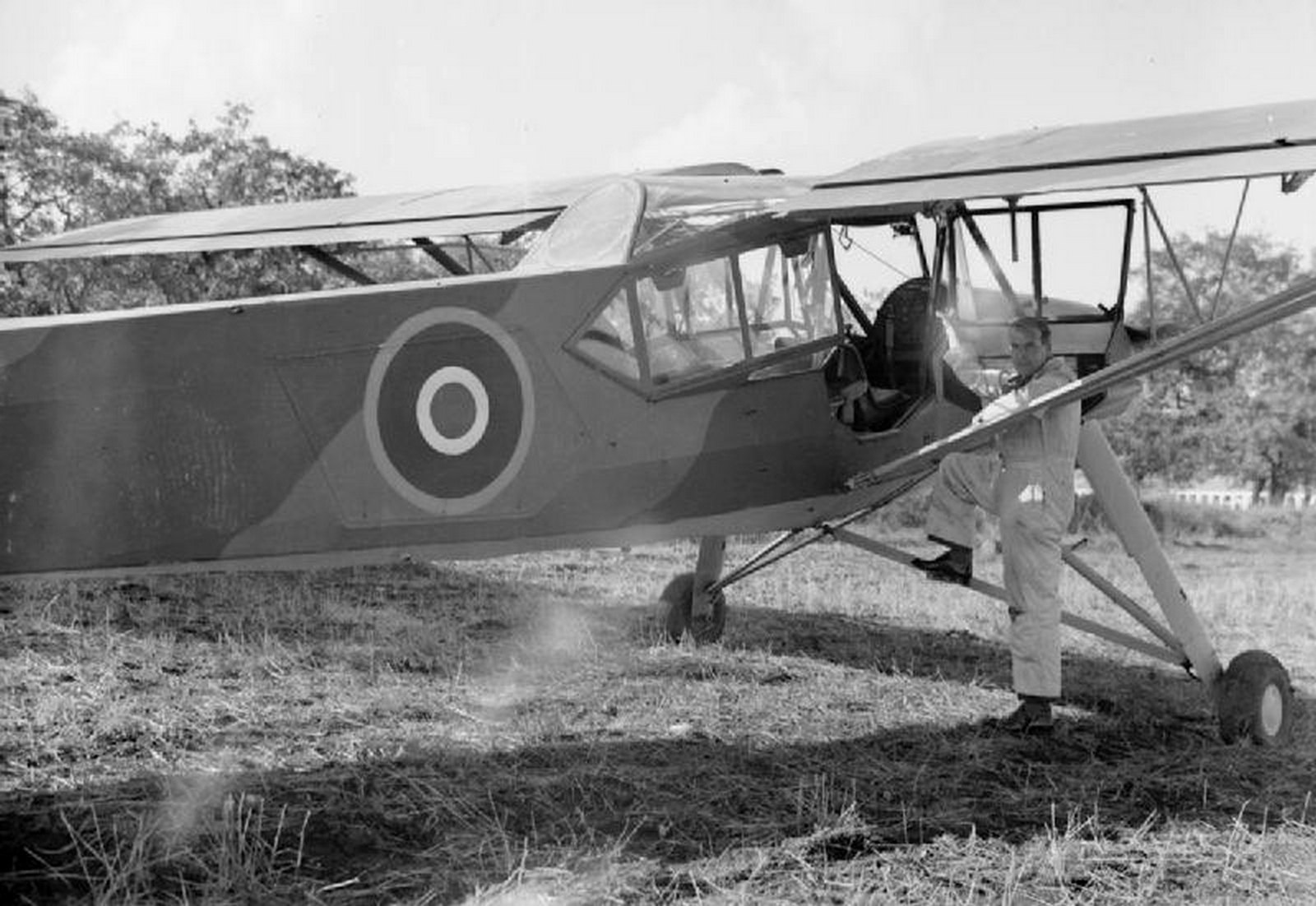
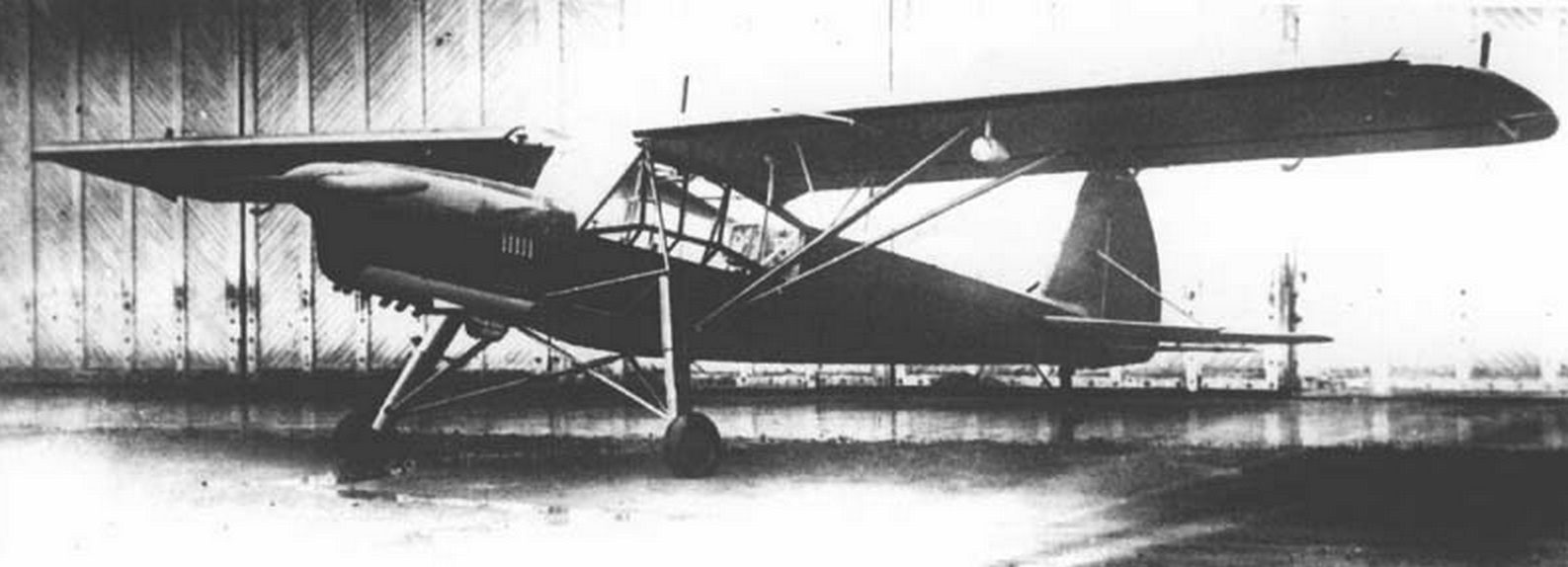
May 24 marked the 90th anniversary of the Fi 156 Storch, a light short-takeoff-and-landing aircraft developed by the German company Gerhard Fieseler Werke. On that day, its first prototype took to the skies in Kassel (Hesse).
Work began after the Third Reich’s Reich Ministry of Aviation announced a competition for a military, multi-purpose aircraft. Fieseler won the contract by proposing a simple aircraft with exceptional takeoff and landing performance. It could take off from as little as 50 meters, and landing with a parachute required almost no runway. This was achieved primarily thanks to a wing with fixed slats, slotted flaps, and overhanging ailerons. In addition, the aircraft was technologically very simple and well-suited for mass production.
The production Fi 156C-2 was equipped with a single Argus As 10V-8 liquid-cooled piston engine rated at 240 hp. The aircraft had a length of 9.9 m, a wingspan of 14.25 m, a takeoff weight of 1,325 kg, a maximum speed of 175 km/h, and a practical range of 385 km. In addition to the pilot, the cockpit could accommodate up to three people. A 7.92-mm MG-15 machine gun was provided for rearward defense.
In addition to Germany, production of the Fi 156 was launched in occupied France and Czechoslovakia, as well as in allied Romania. In total, 2,867 units were built by the end of March 1945. In the postwar period, production of the aircraft continued in France, Czechoslovakia, and Romania, with nearly 1,000 more units built. The French company Morane-Saulnier produced the aircraft the longest, until the end of 1965, with 925 units to its credit.
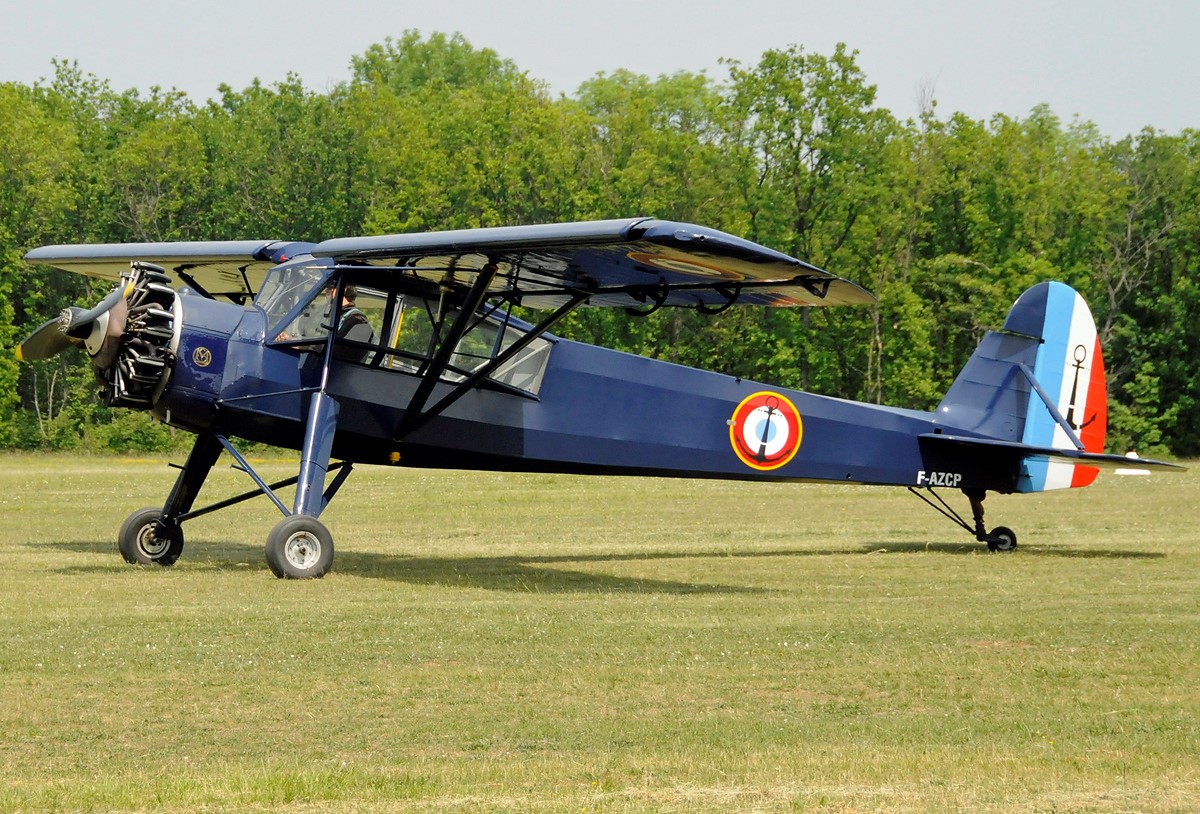
At least 24 production variants of the “Storch” are known. Its development was actively pursued not only by the “Fieseler” company but also by “Morane-Saulnier,” which created an entire family of MS.500/MS.506 aircraft under the general name Criquet. Some of them differed significantly from the base versions. For example, the MS.504 was equipped with a 304-horsepower Jacobs R-755-A2 air-cooled radial engine.
In early 1940, the Nazis gifted Stalin’s USSR a single Fi 156. The Soviet leadership liked the aircraft so much that it was decided to establish its production domestically. Oleg Antonov, who headed the design bureau at the Leningrad Aircraft Plant No. 23, was tasked with copying the “Storch.” He completed the task quickly, and the aircraft, which was named OKA-38 (or SS—from the Russian “samolet svyazi”), began flying in September 1940. Serial production was prepared at a plant in Kaunas (Lithuania), but Germany’s invasion of the USSR prevented a single unit from being built there. The experience gained influenced O.K. Antonov’s design philosophy, and in subsequent years he repeatedly returned to the development of short takeoff and landing aircraft.
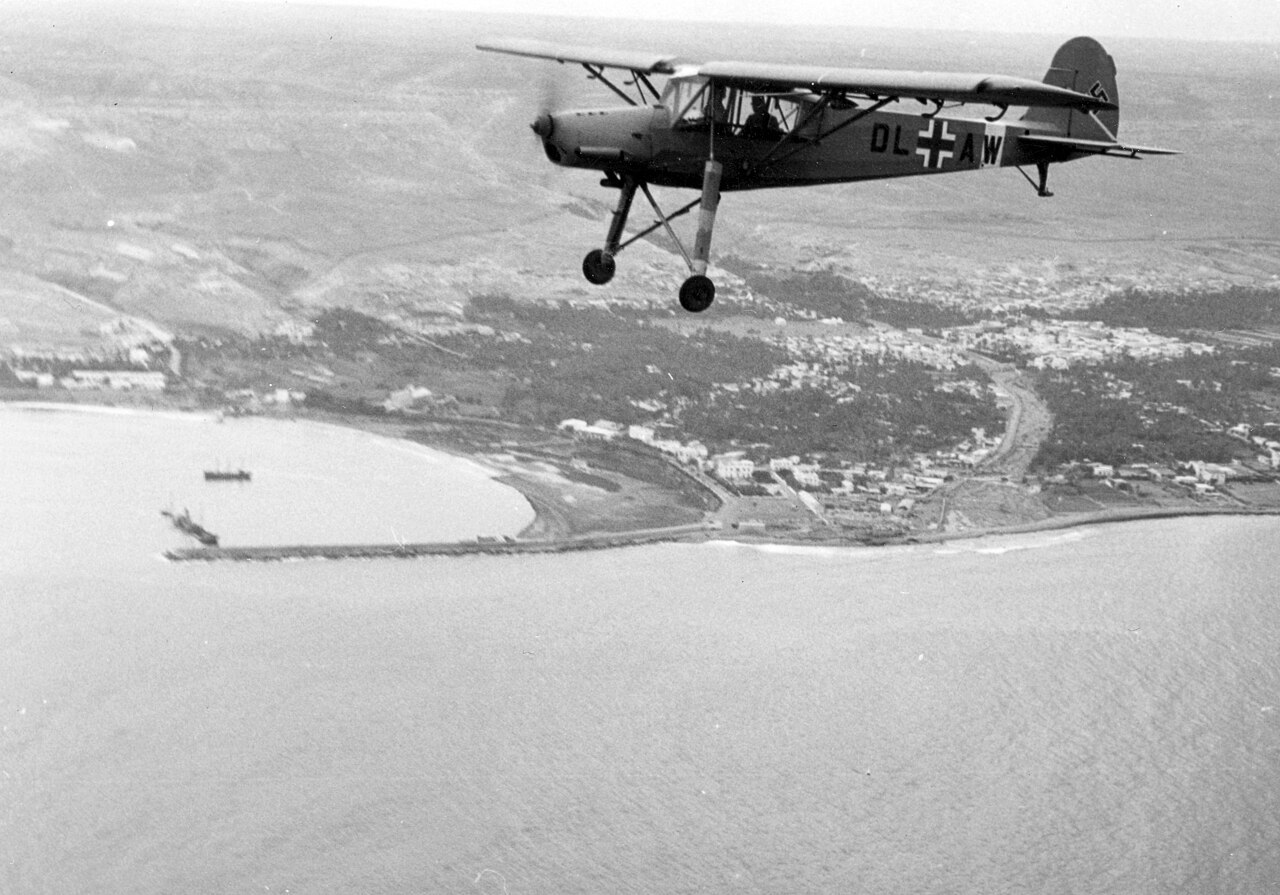
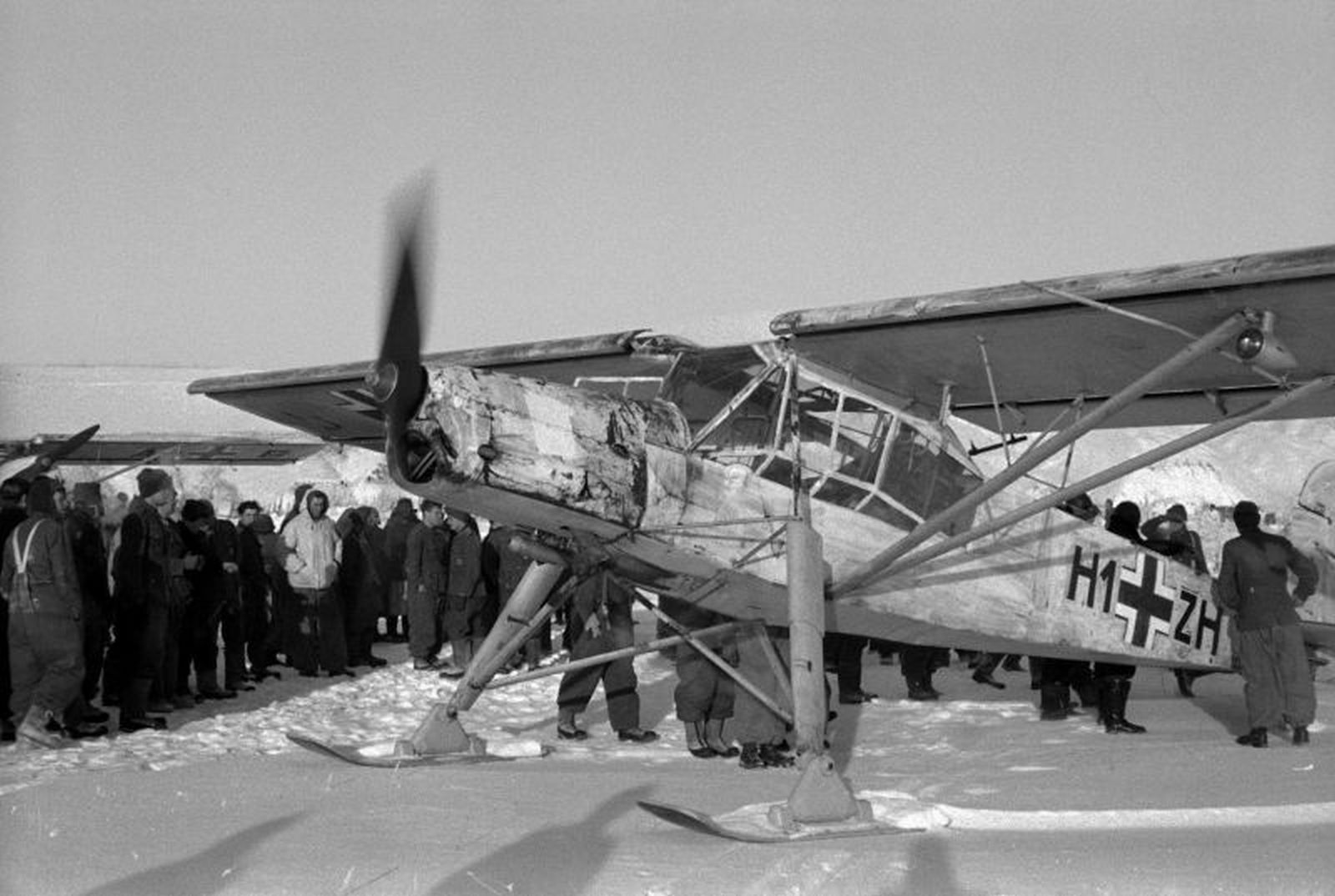
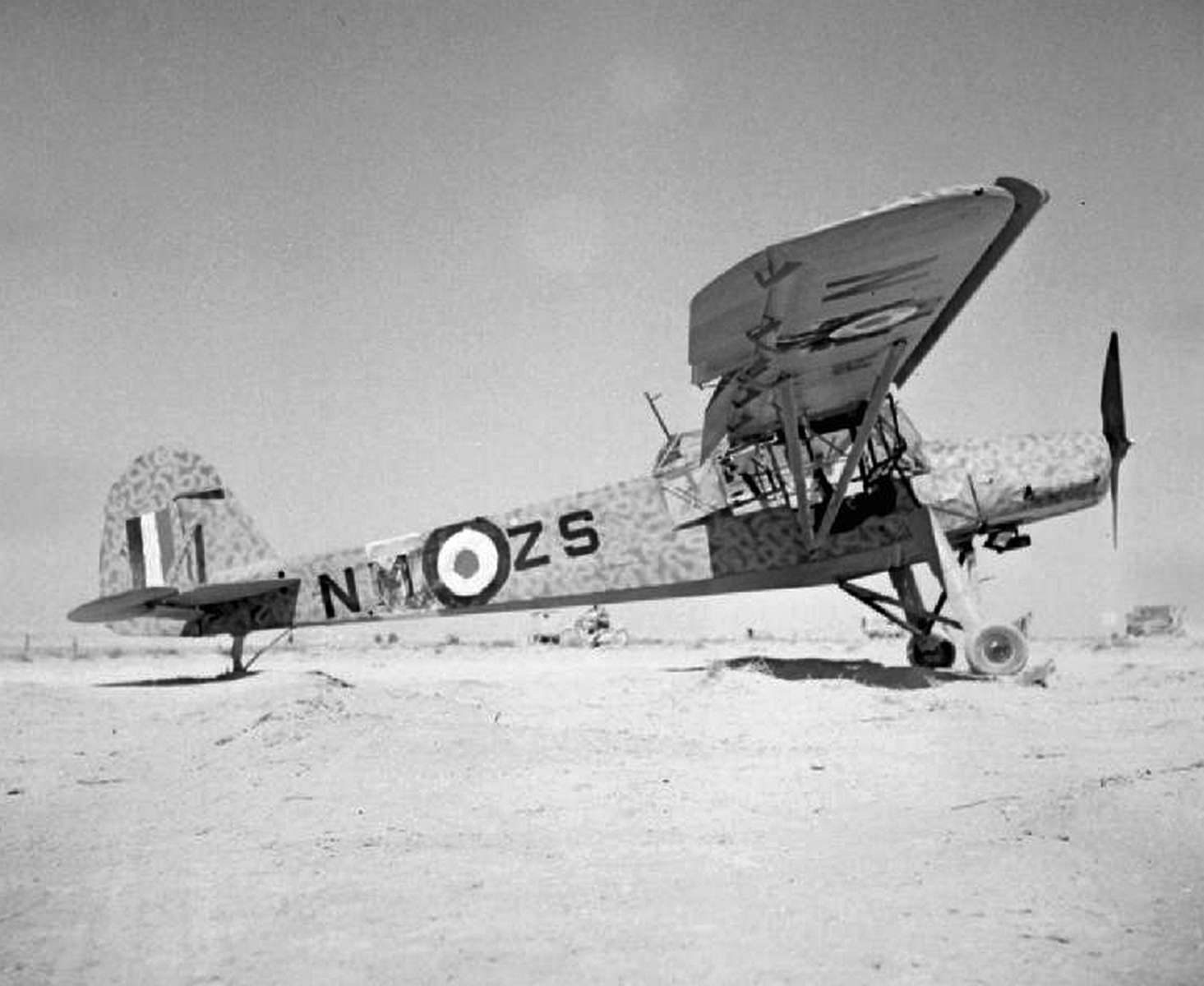
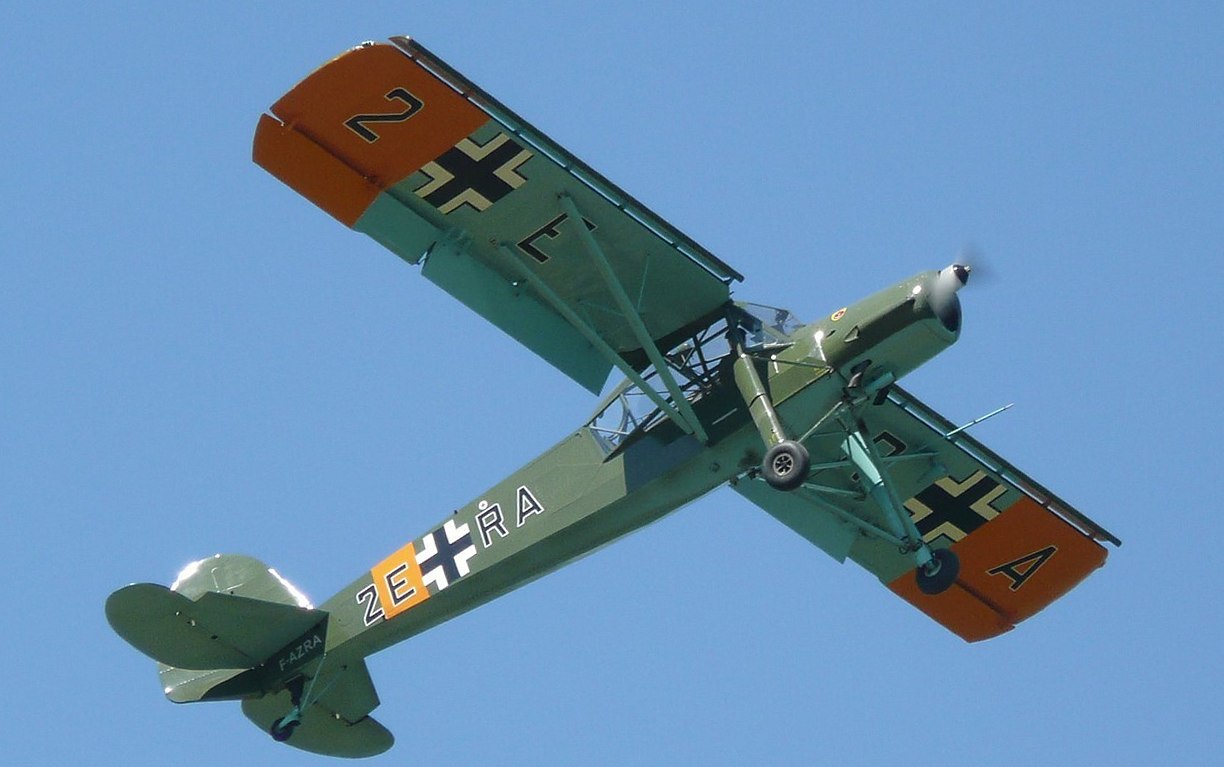
The Nazi Luftwaffe actively used the “Storks” throughout the war on most theaters of operations. They were tasked with a wide variety of missions, including: communications, evacuation of downed crews and the wounded, reconnaissance, and night bombing. These aircraft also distinguished themselves in special operations, with the most famous being the rescue in September 1943 of Italian dictator Benito Mussolini, who was being held under arrest in a mountain hotel.
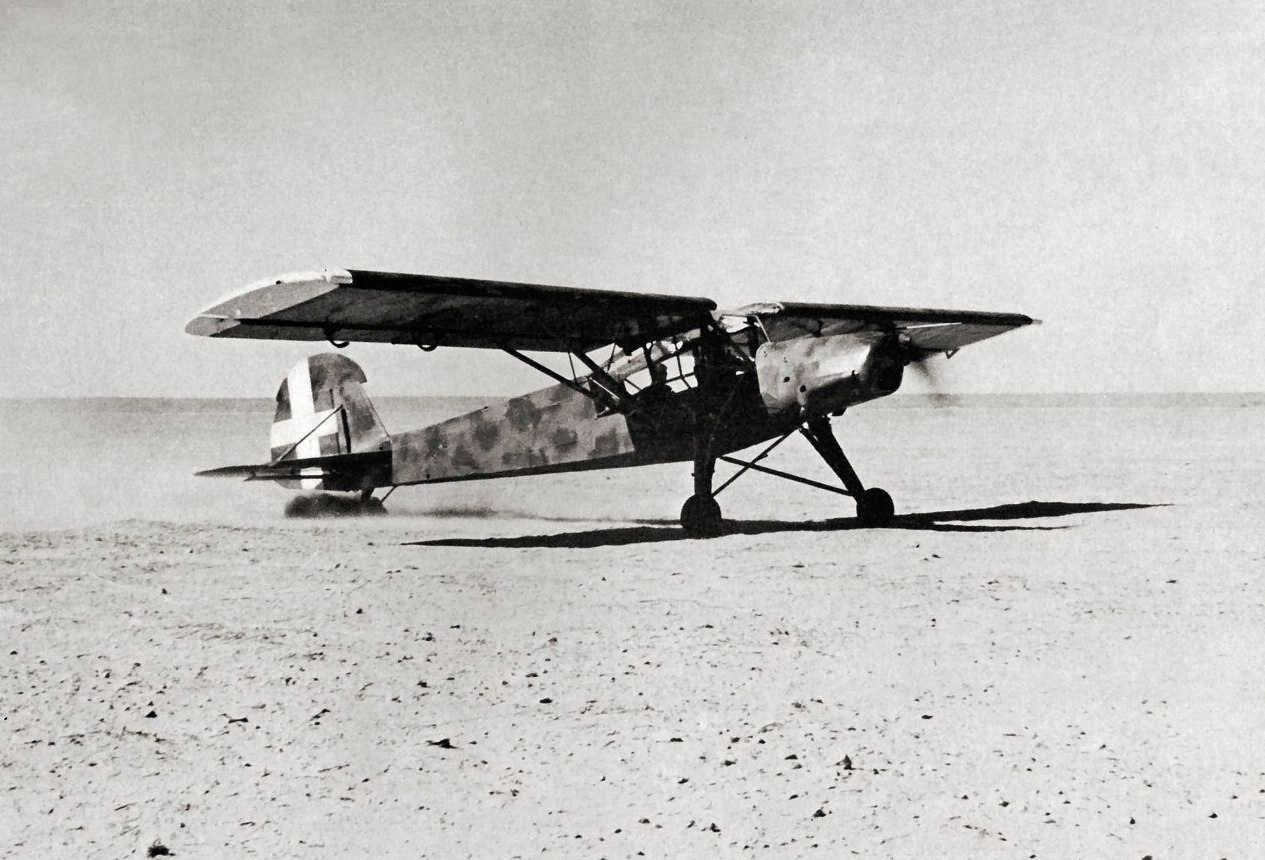
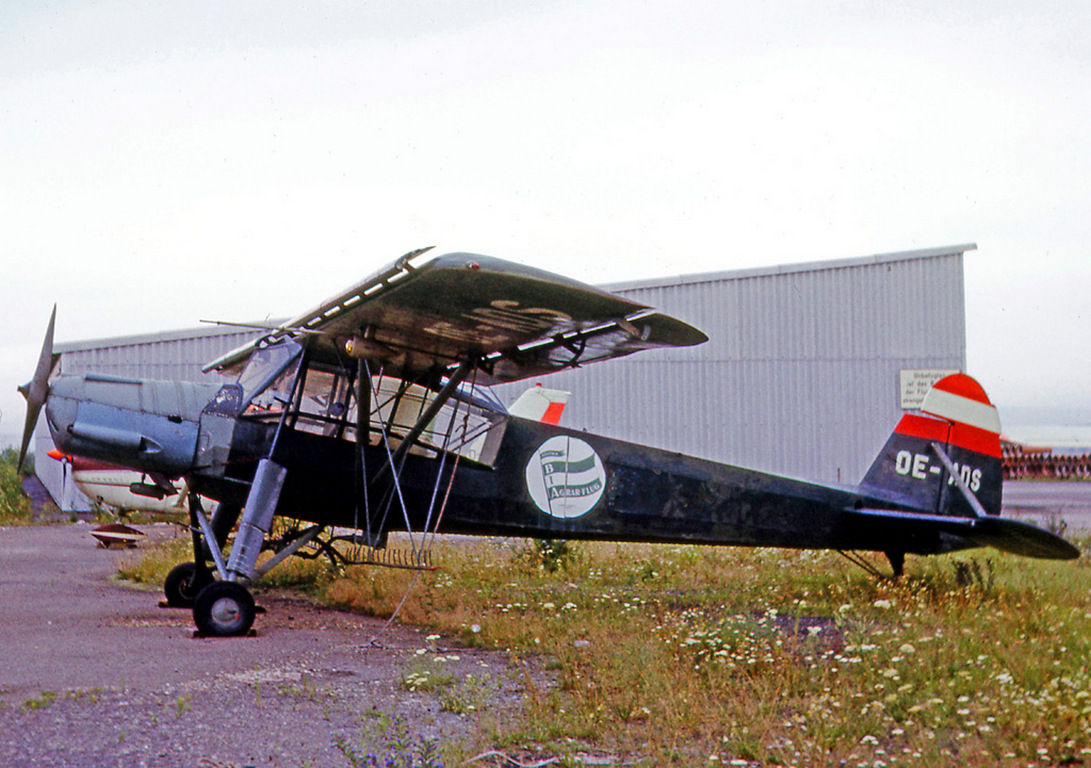
In total, the “Storks” found their way to operators in over 20 countries, including Austria, Great Britain, Vietnam, Greece, Spain, Italy, Laos, the United States, Hungary, Switzerland, and Yugoslavia. Many of these aircraft, mostly of French manufacture, are still airworthy and are owned by private individuals or vintage aviation clubs.