Fan-page
 Youtube
 TikTok
 Aviamuseum
 State Aviation Museum
The P-47 Thunderbolt fighter marks its 85th anniversary
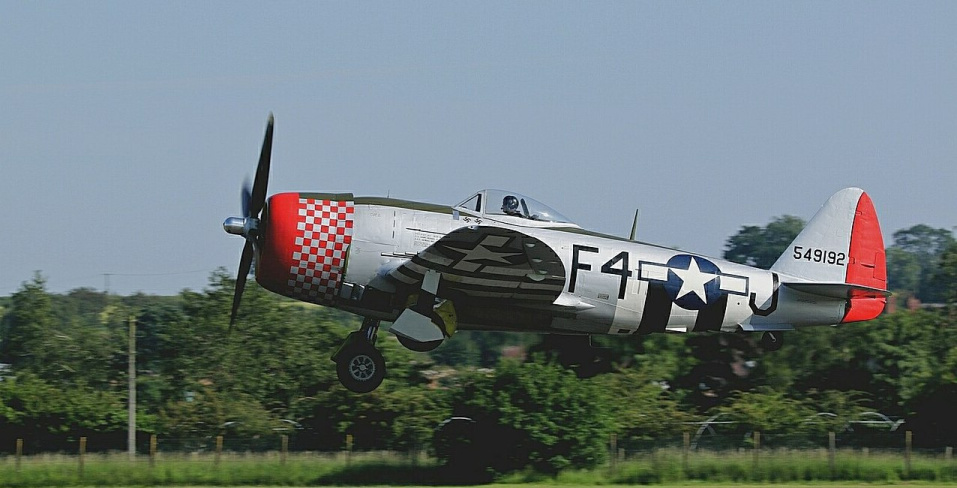
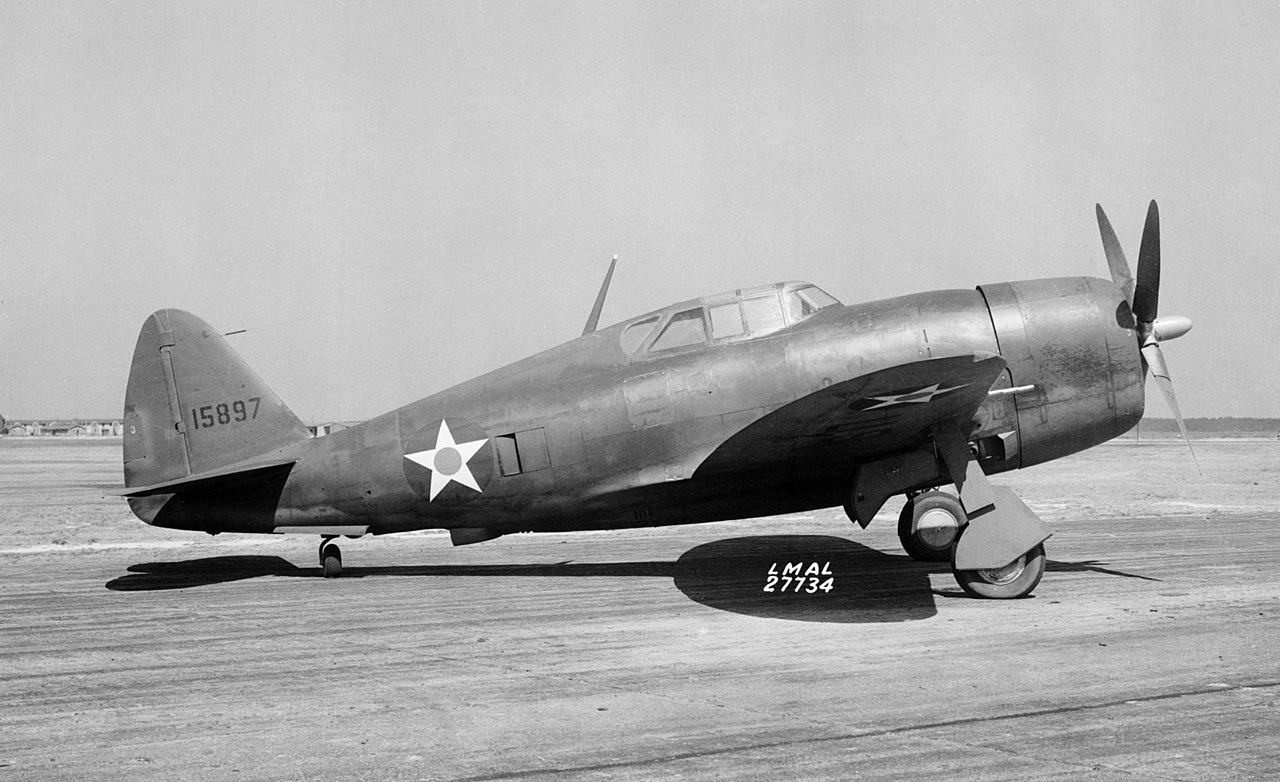
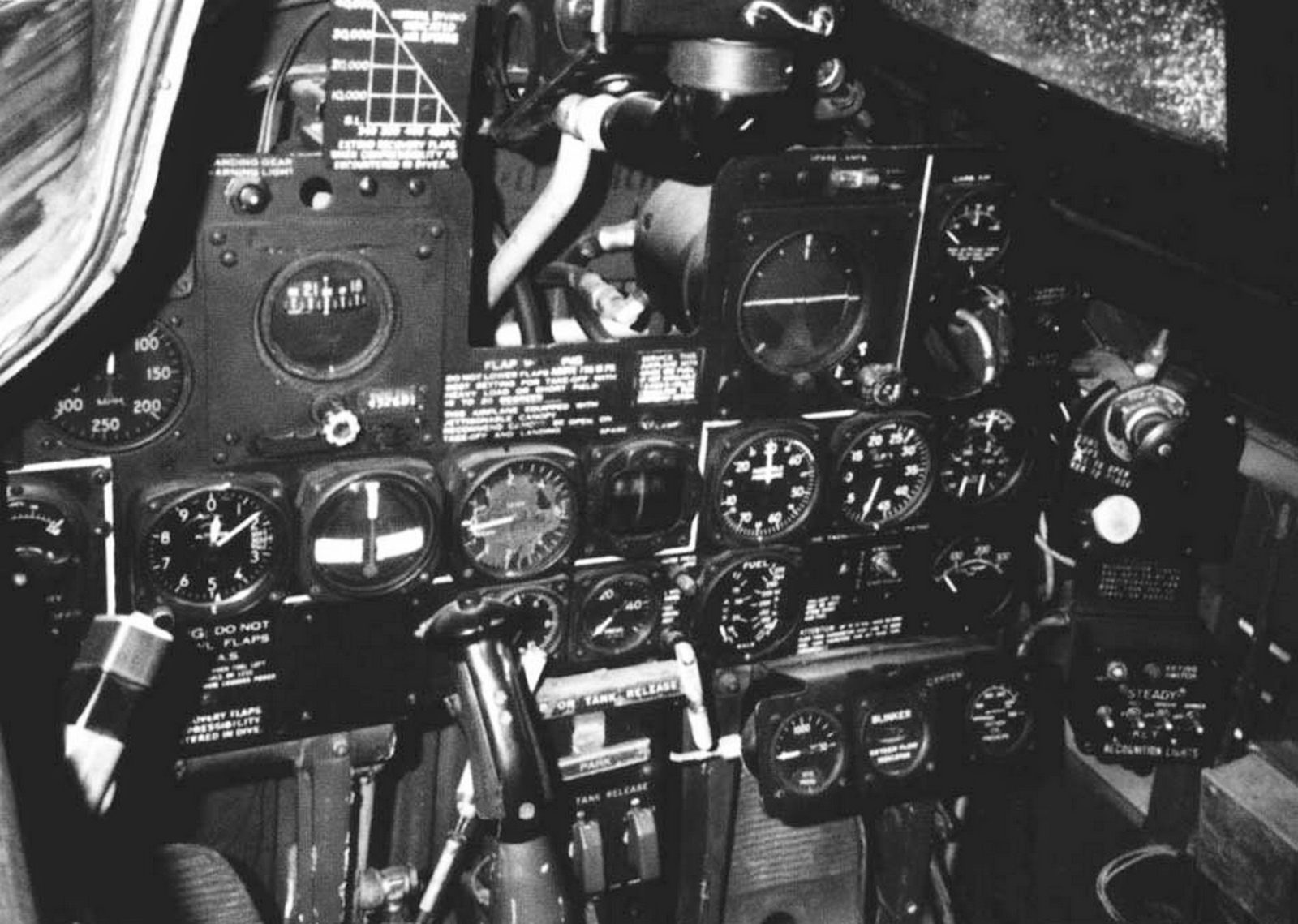
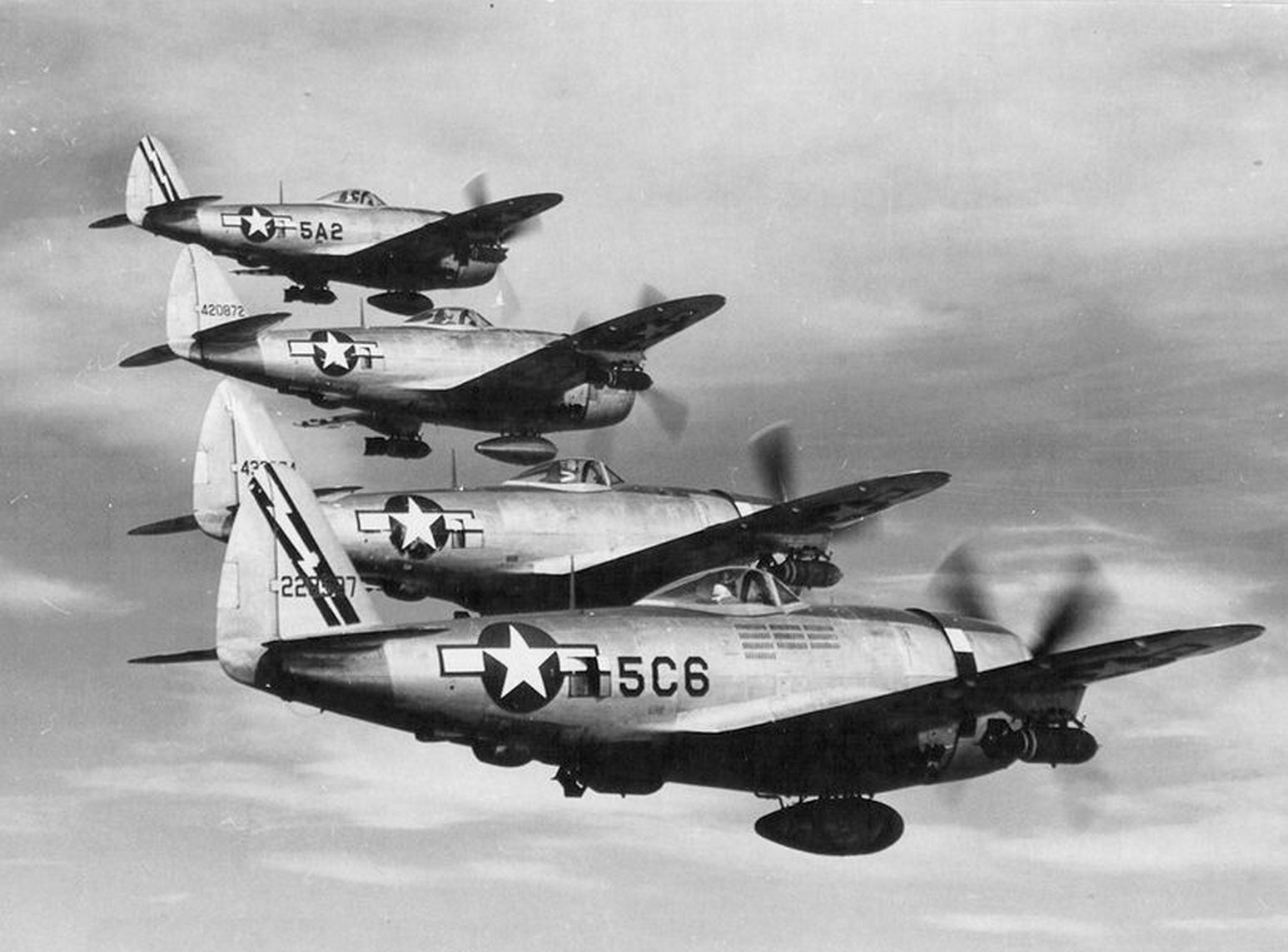
May 6 marked the 85th anniversary of the famous P-47 Thunderbolt fighter, developed by the American company Republic Aviation. On that day in 1941, its first prototype, the XP-47B, took to the skies.
Compared to the single-engine fighters of the time, the new aircraft looked enormous. Its chief designer, Alexander Kartveli (a native of Georgia, whose real surname was Kartvelishvili), even said during the design phase: “It will be a dinosaur, but it will be a beautiful dinosaur.” The military was initially skeptical about the aircraft’s size, but when it reached 663 km/h during testing, the customers didn’t hesitate to sign the contract. By the end of 1941, the first 170 Thunderbolts had rolled off the assembly line.
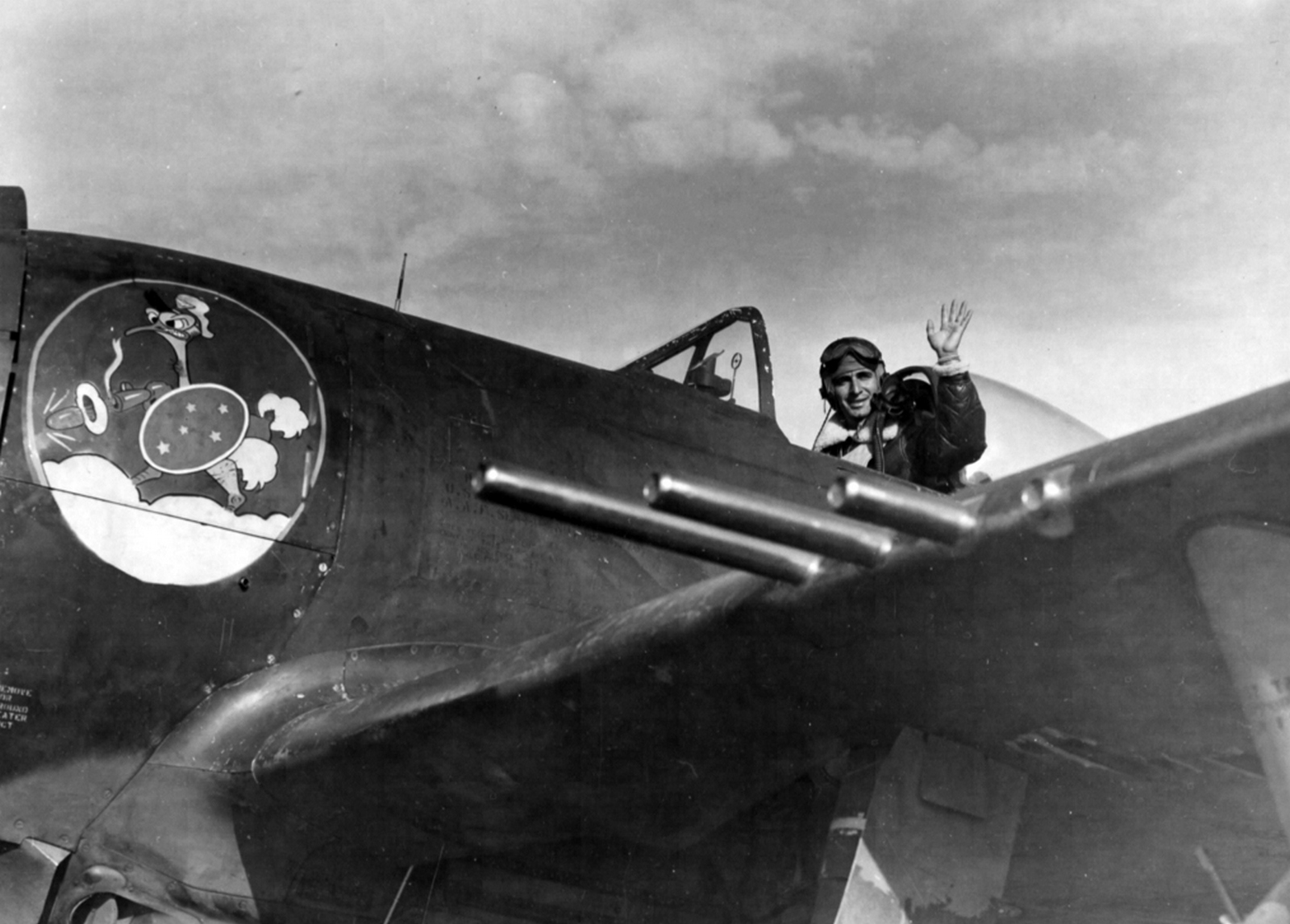
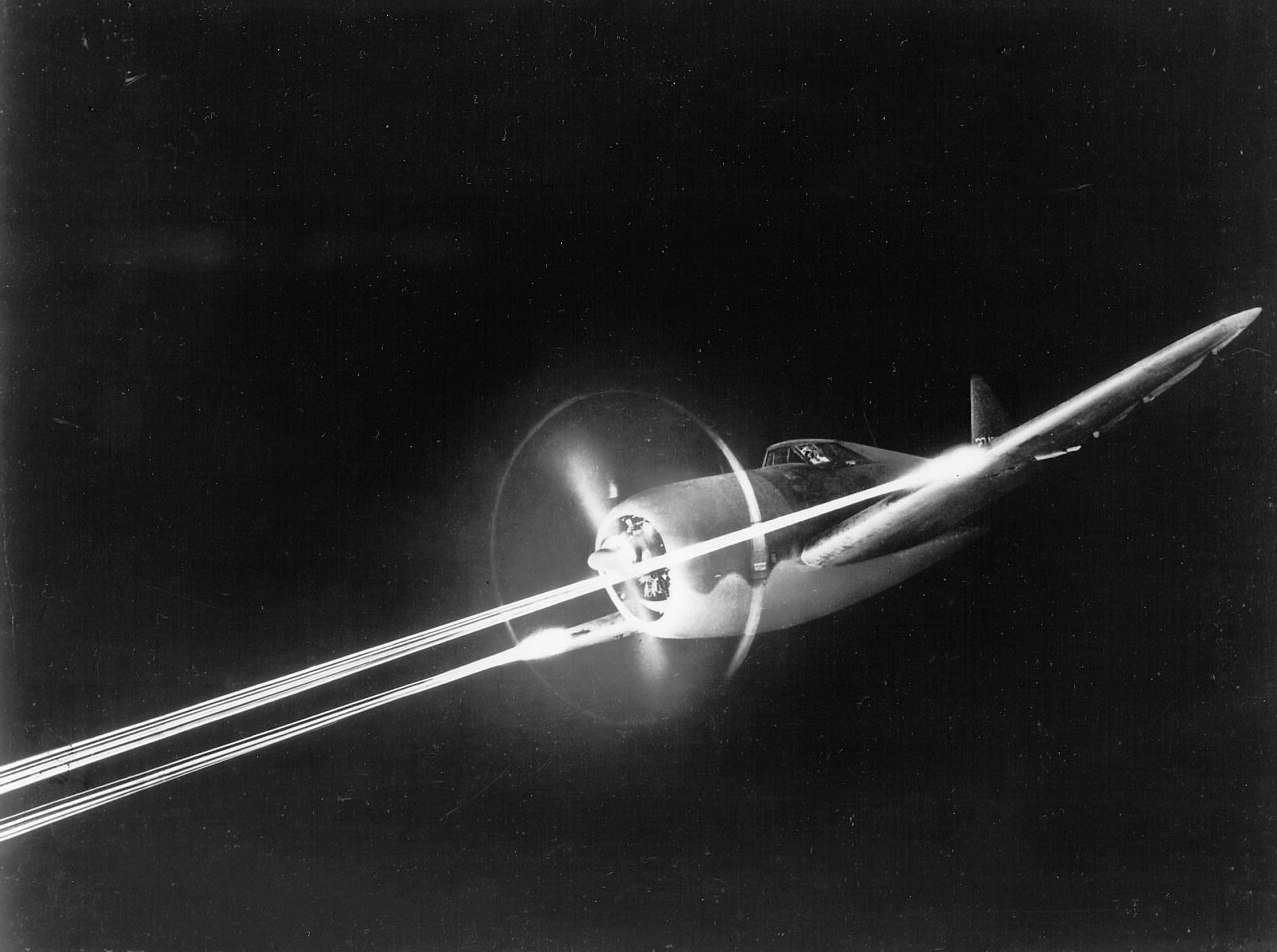
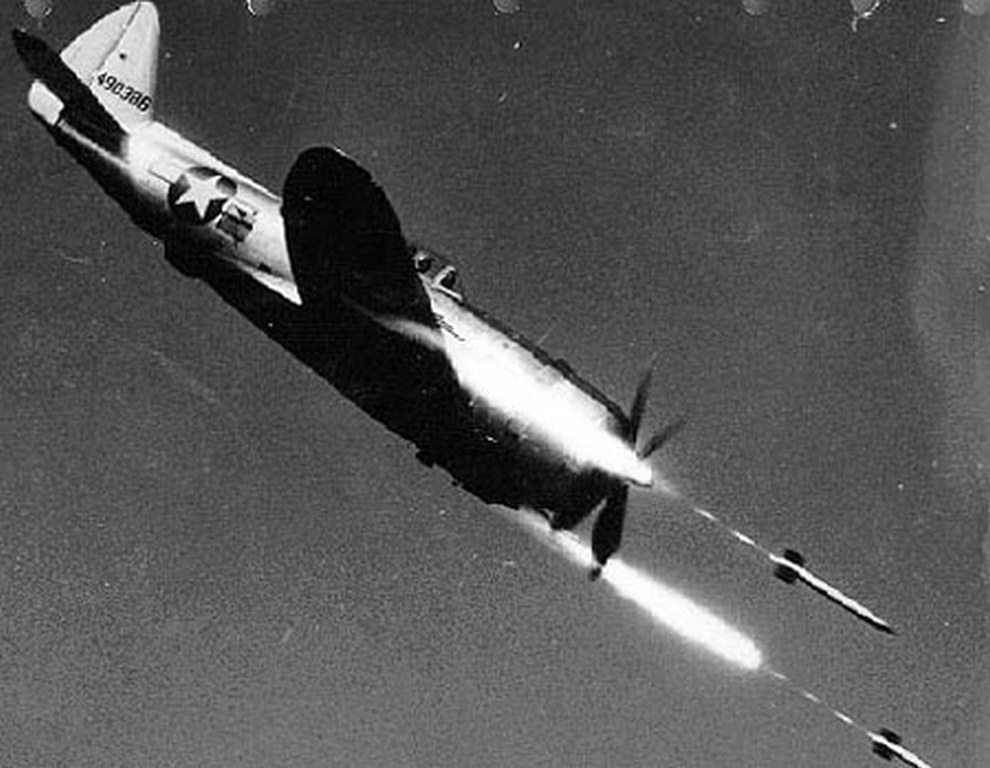
Production of the fighter ended in 1945. A total of 15,636 units were built in seven main variants and numerous modifications. The fighter’s high flight performance was ensured by its excellent aerodynamics and the 18-cylinder air-cooled Pratt & Whitney R-2800 Double Wasp radial engine with a takeoff power of 2,000 hp. The production P-47D-32 had a length of 11 m, a wingspan of 12.42 m, a maximum takeoff weight of 7,938 kg, and a maximum speed of 686 km/h; with additional fuel tanks, it could fly nearly 2,900 km. The aircraft’s wings housed 12 12.7-mm machine guns. On external hardpoints, it could carry bombs and unguided rockets with a total weight of over 1,100 kg.
American pilots flew their first combat missions in the P-47 over Europe in March 1943. The aircraft began to be used to escort heavy bombers on raids over occupied countries, and later over Germany. The heavy “Thunderbolts” fought successfully, even though they were outmaneuvered by German fighters in horizontal flight. However, at high altitudes this was not a decisive factor, as dogfights rarely occurred there. It was far more important to hit the enemy on the first attack at high speed, and if necessary, to break away from pursuit by diving or climbing at a shallow angle. Moreover, the P-47 was distinguished by its high survivability and was among the best in terms of rate of fire. Gradually, the Americans received the more advanced P-51 Mustang fighters, and the P-47s came to be used primarily as fighter-bombers.
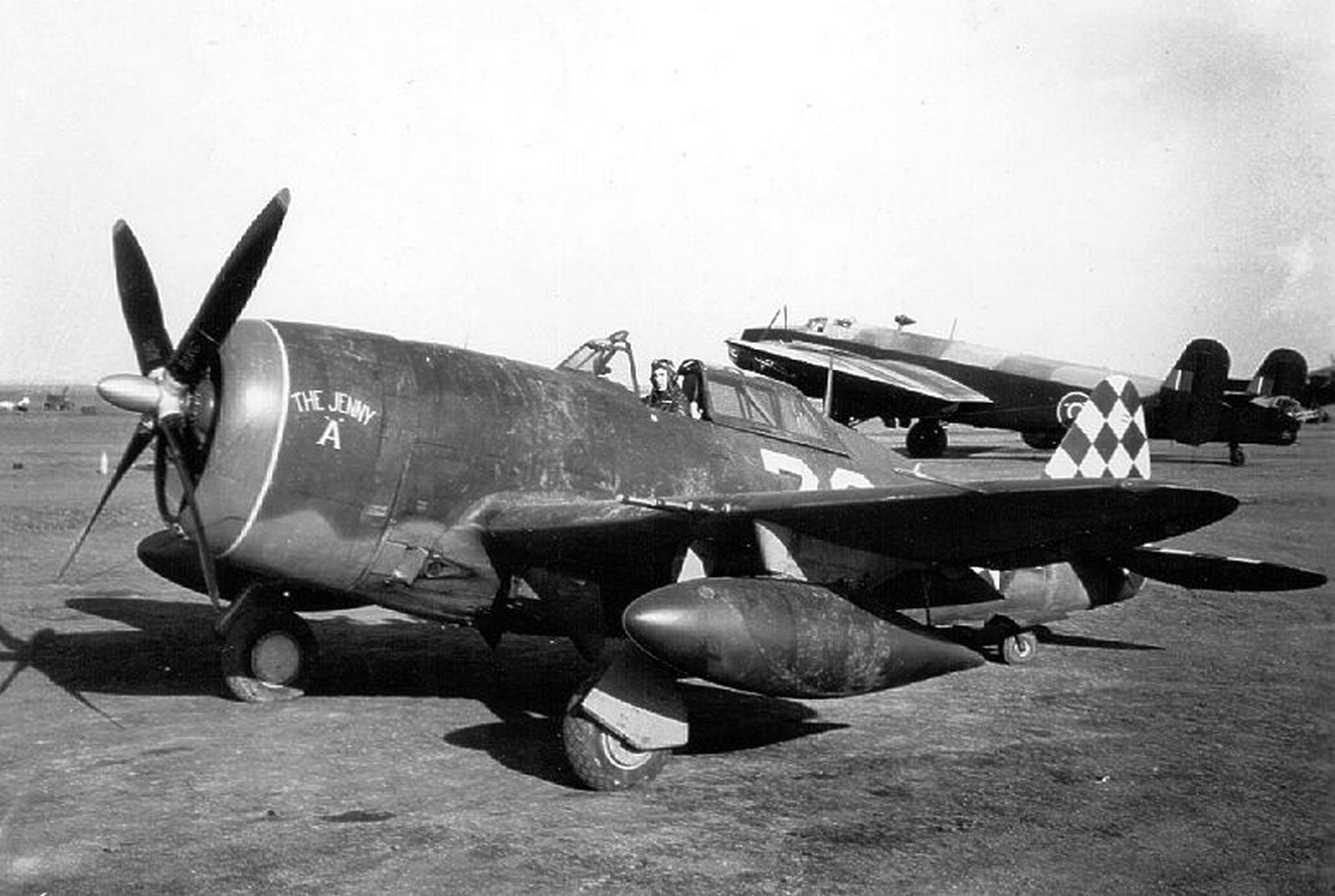
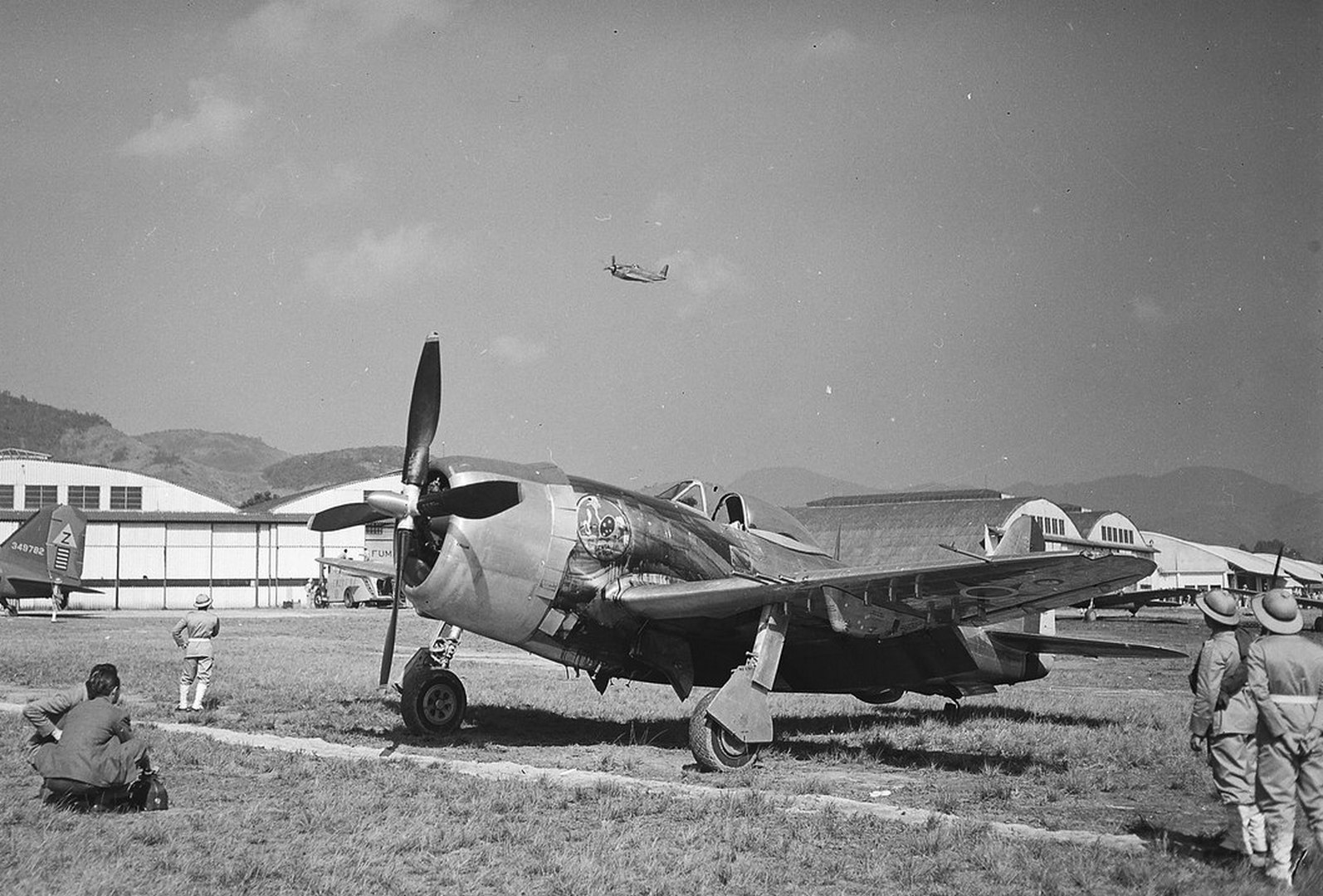
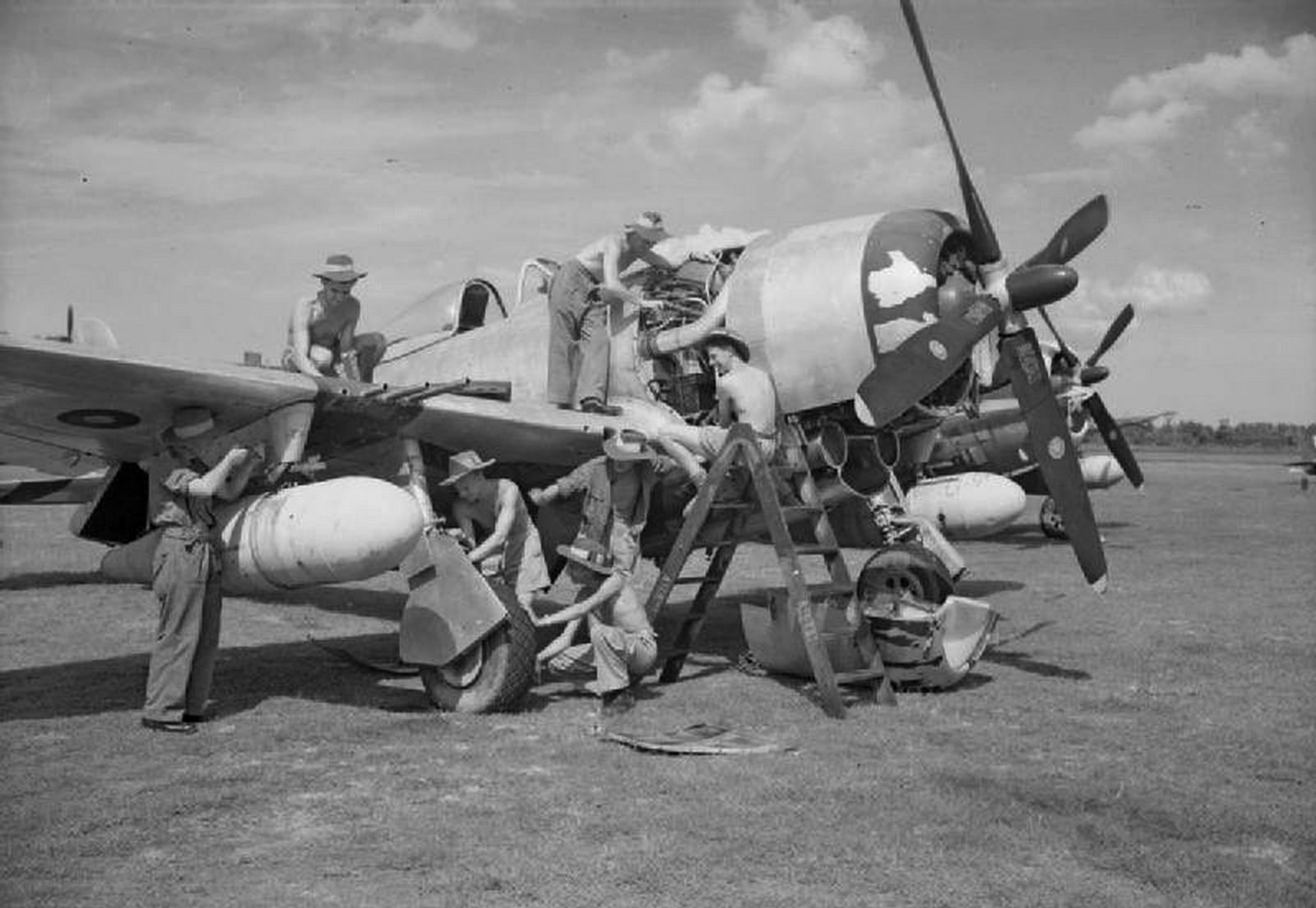
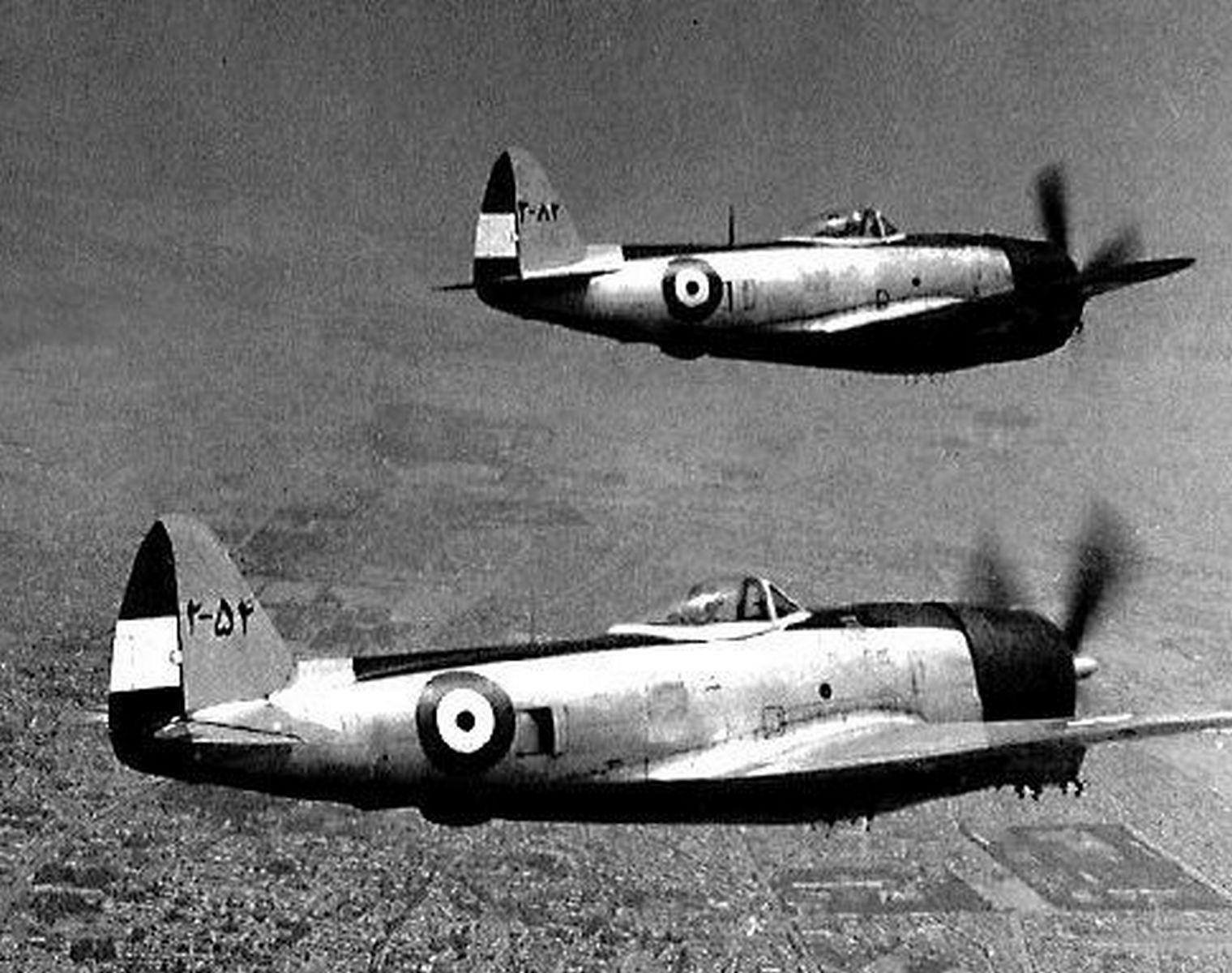
“Thunderbolts” saw action on most of the World War II battlefields. They were operated not only by the United States. During and after the war, various versions of the P-47 were supplied to 19 countries, including Brazil, Great Britain, Iran, China, Peru, the USSR, Turkey, France, Chile, and Yugoslavia. The Peruvian Air Force used them the longest, decommissioning these aircraft as late as 1966.