Fan-page
 Youtube
 TikTok
 Aviamuseum
 State Aviation Museum
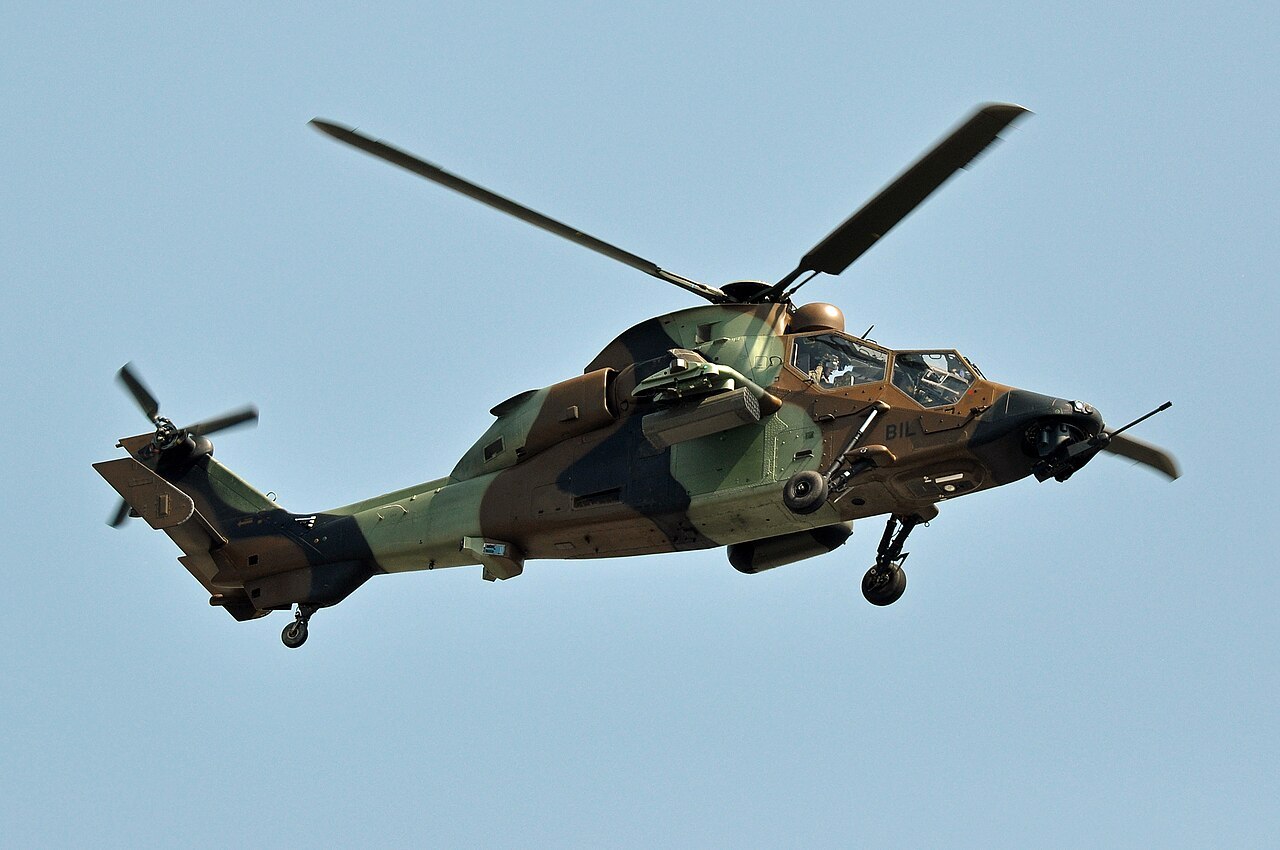
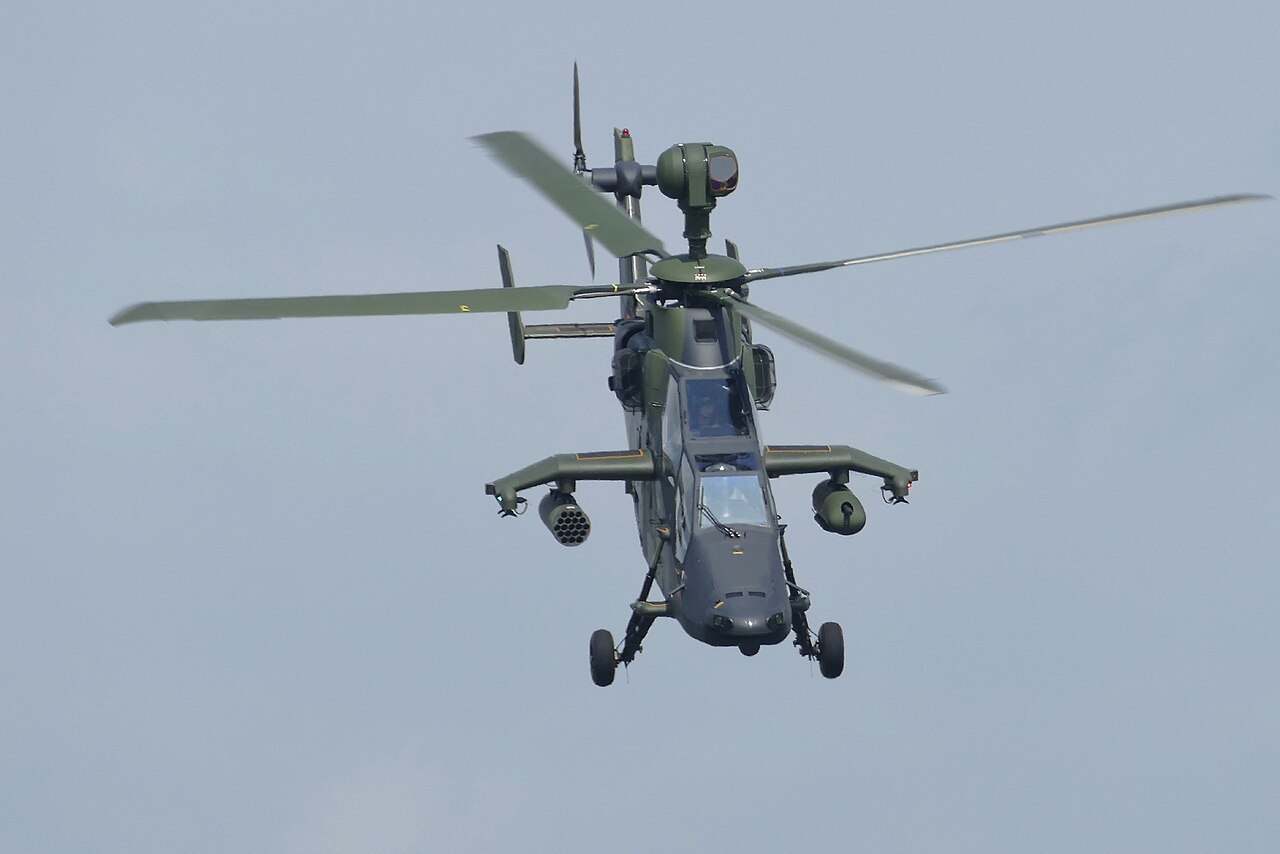
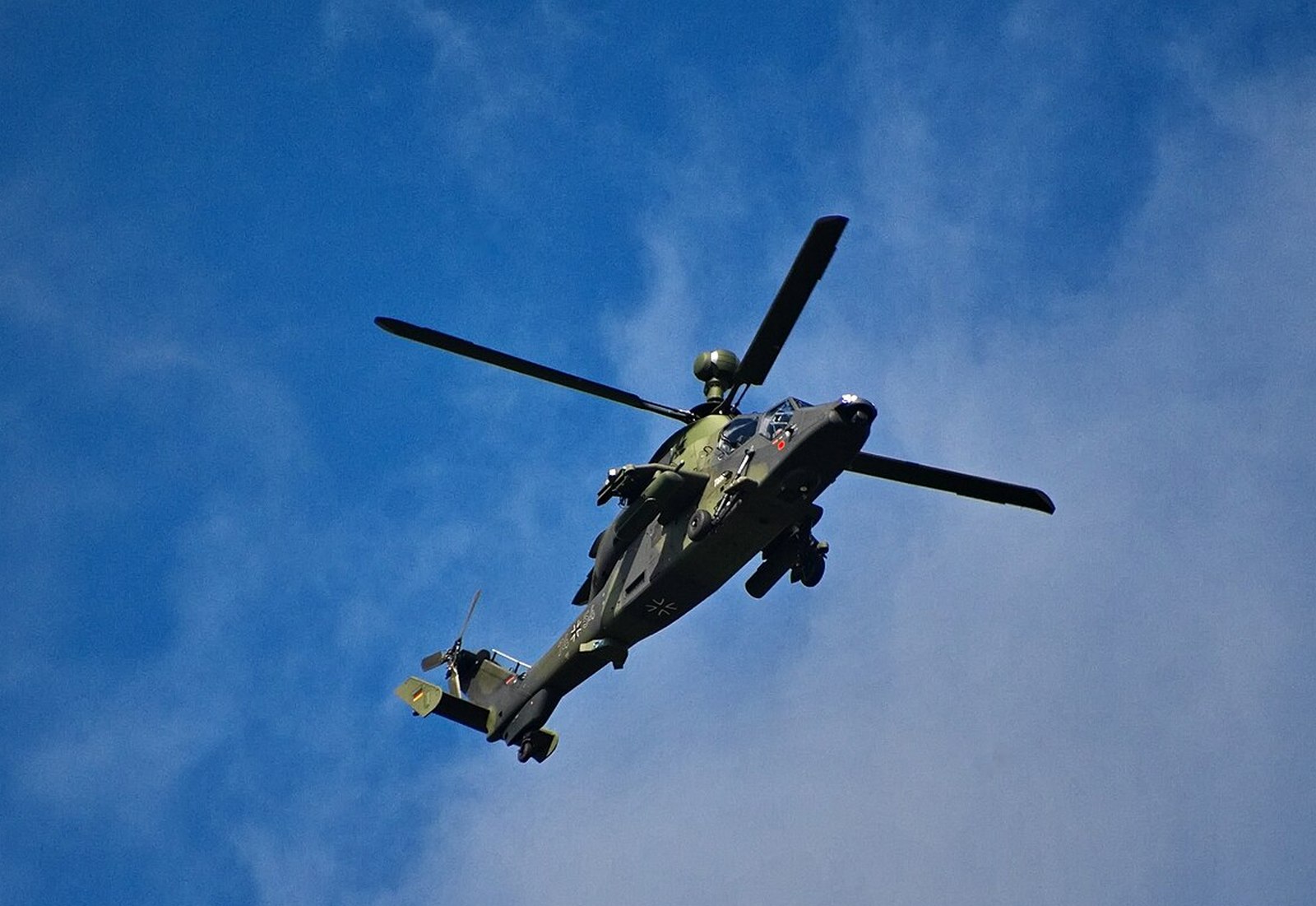
35 Years of the Tiger Attack Helicopter
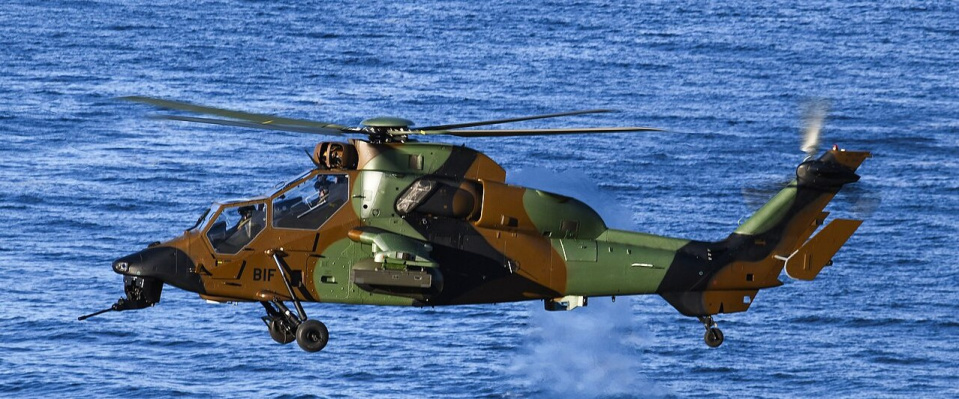
April 27 marked the 35th anniversary of the Tiger attack helicopter, developed by the Franco-German consortium Eurocopter (now Airbus Helicopters). On that day in 1991, its first prototype took flight.
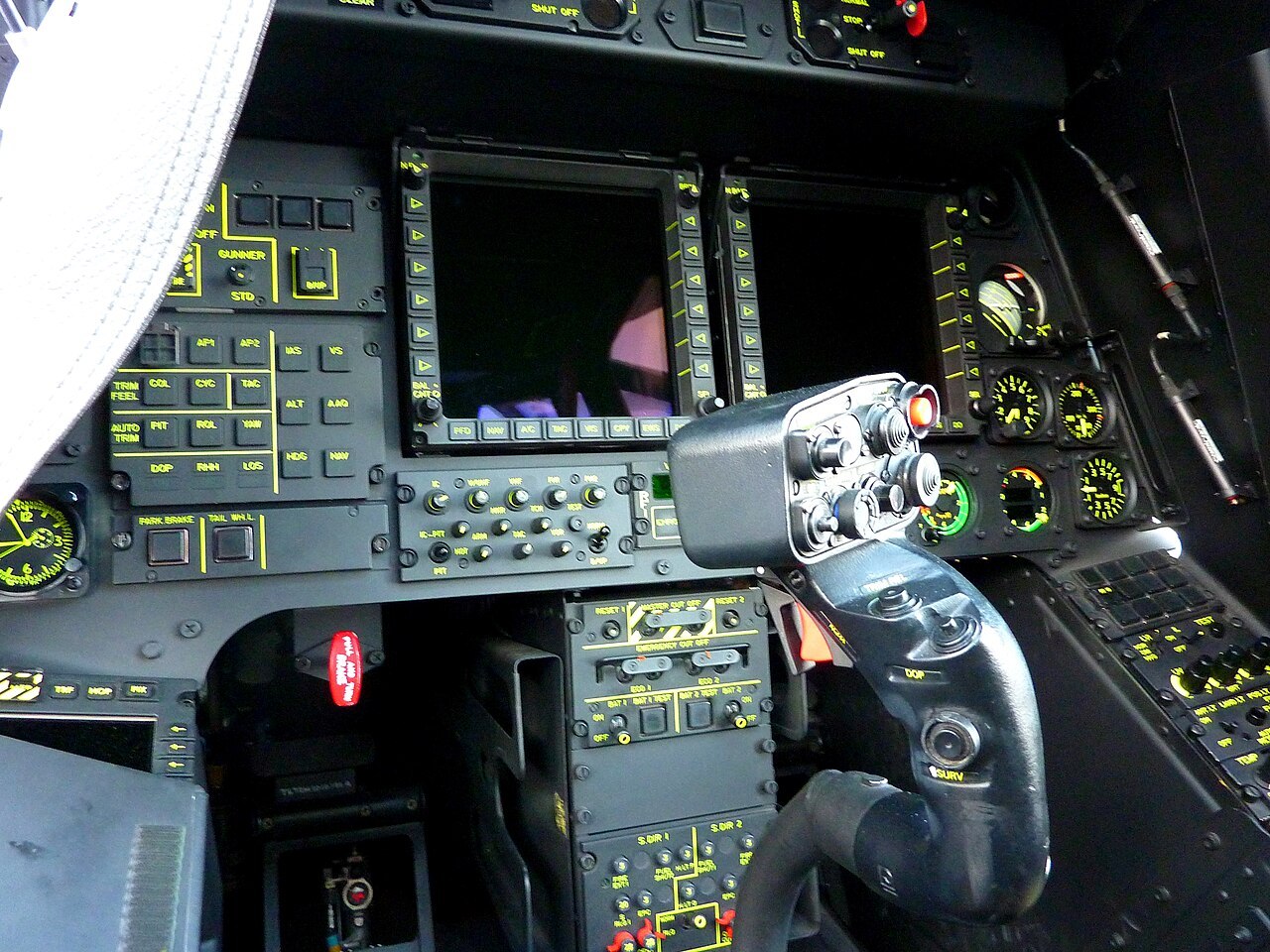
The concept posited that, in modern conditions, survival on the battlefield depended not so much on the helicopter’s protection as on high maneuverability and reduced visibility (particularly infrared). High hopes were placed on digital avionics to enhance combat effectiveness. The result was a relatively small helicopter featuring a design that made extensive use of composite materials (including armor), a suite of solutions to reduce visibility, and the most advanced equipment available at the time. The armament focused on anti-tank capabilities, as development of the “Tiger” began during the Cold War, when Western Europe was threatened by numerous armored formations of the USSR and its allies.
Final assembly of the helicopters took place at two plants: in Marignane, France (Provence), and Donauwörth, Germany (Bavaria). Initially, it was planned to build 427 helicopters exclusively for the consortium countries, but due to the end of the Cold War, orders were significantly reduced, and by the end of 2025, a total of 175 helicopters in eleven variants had been built. The Tiger’s combat capabilities were expanded to include a wide range of missions beyond anti-tank warfare, including night reconnaissance.
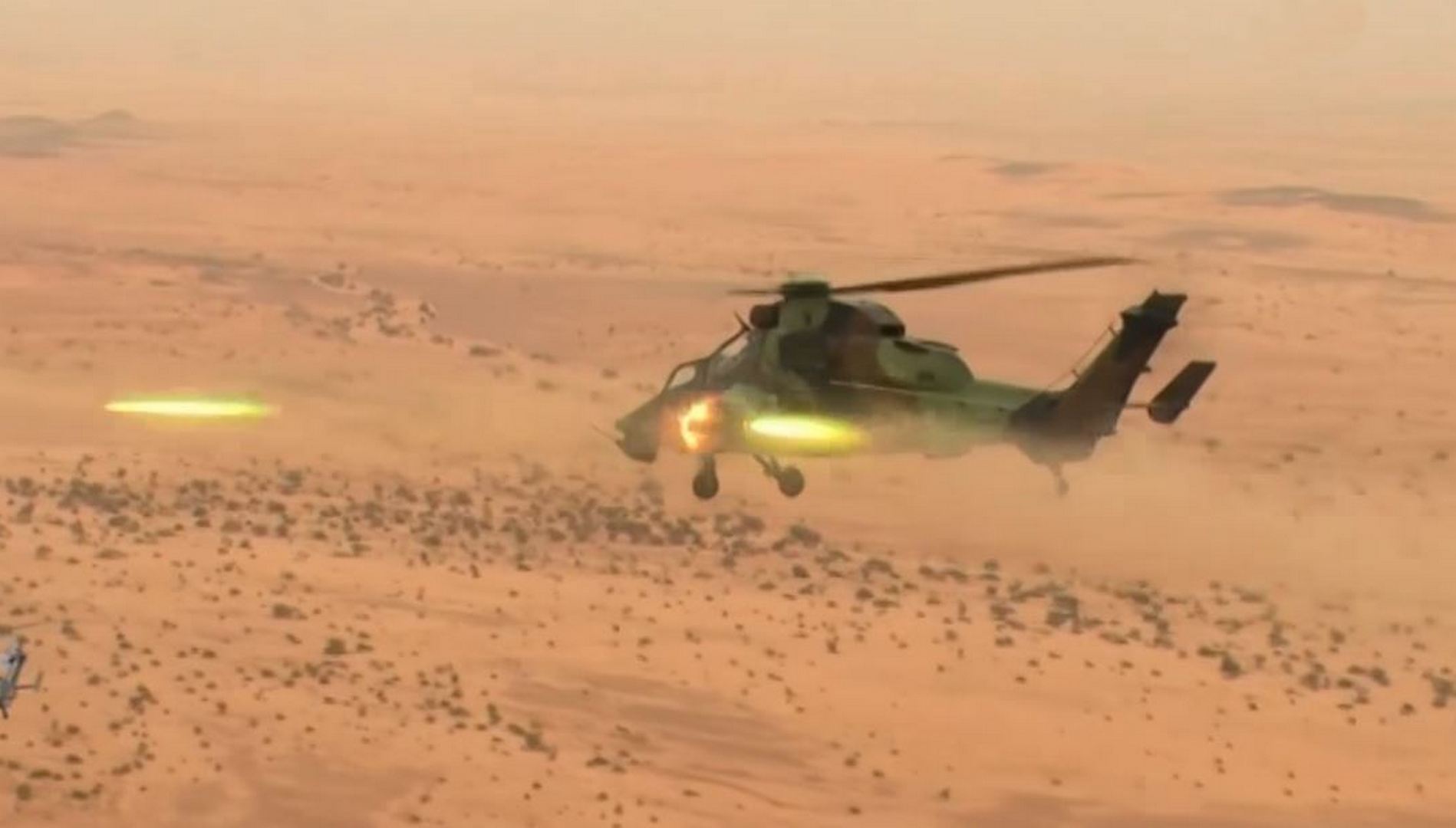
The production Tiger HAD was equipped with two MTR390-E turboshaft engines, each producing 1,464 hp. The helicopter has a fuselage length of 13.85 m, a main rotor diameter of 13 m, a maximum takeoff weight of 6,600 kg, a maximum speed of 290 km/h, and a range of over 1,100 km. The helicopter is armed with a mounted 30-mm GIAT 30 cannon. On four external hardpoints, the helicopter can carry several types of guided anti-tank missiles, a wide arsenal of unguided munitions, as well as air-to-air missiles with heat-seeking guidance.
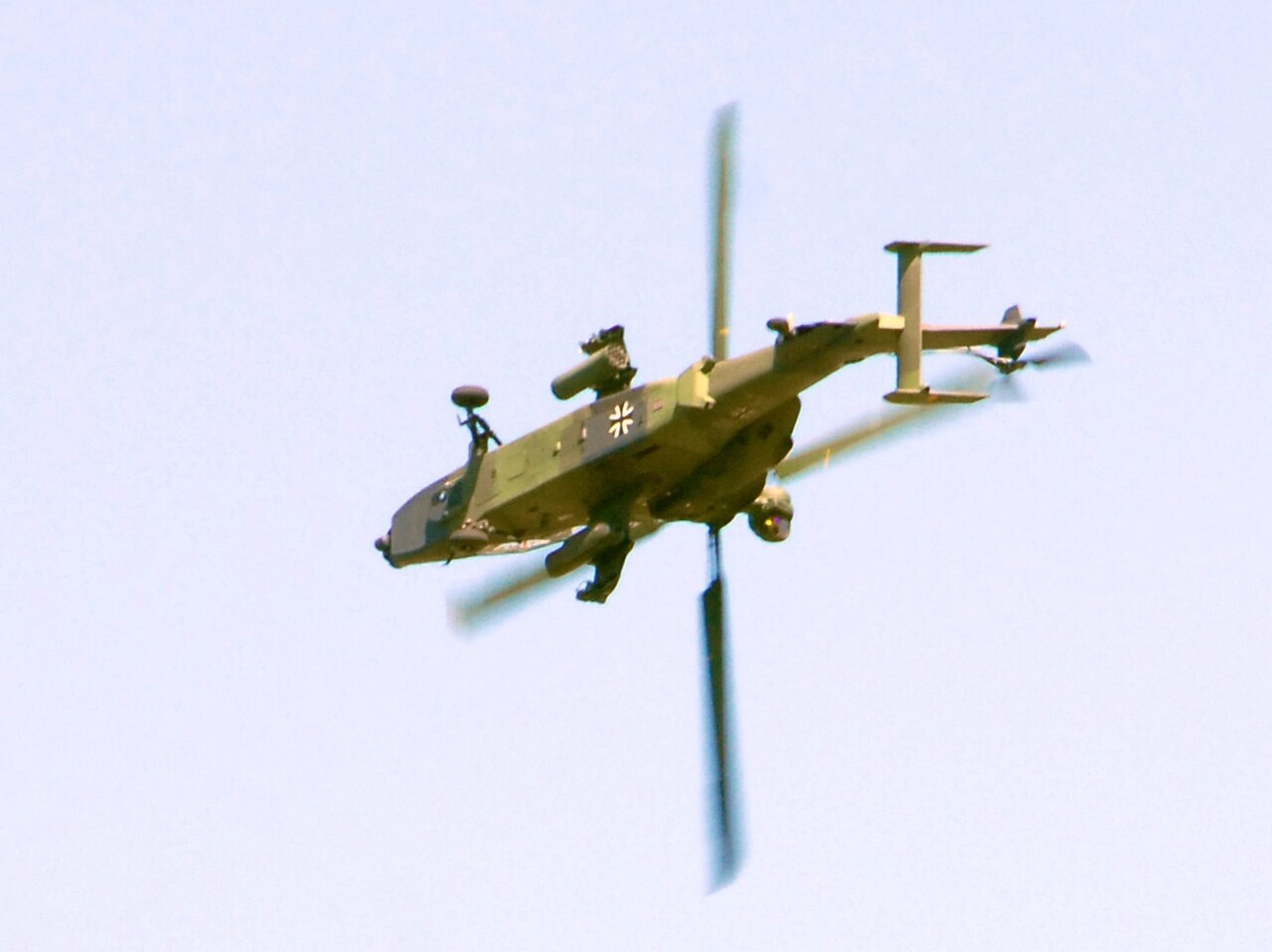
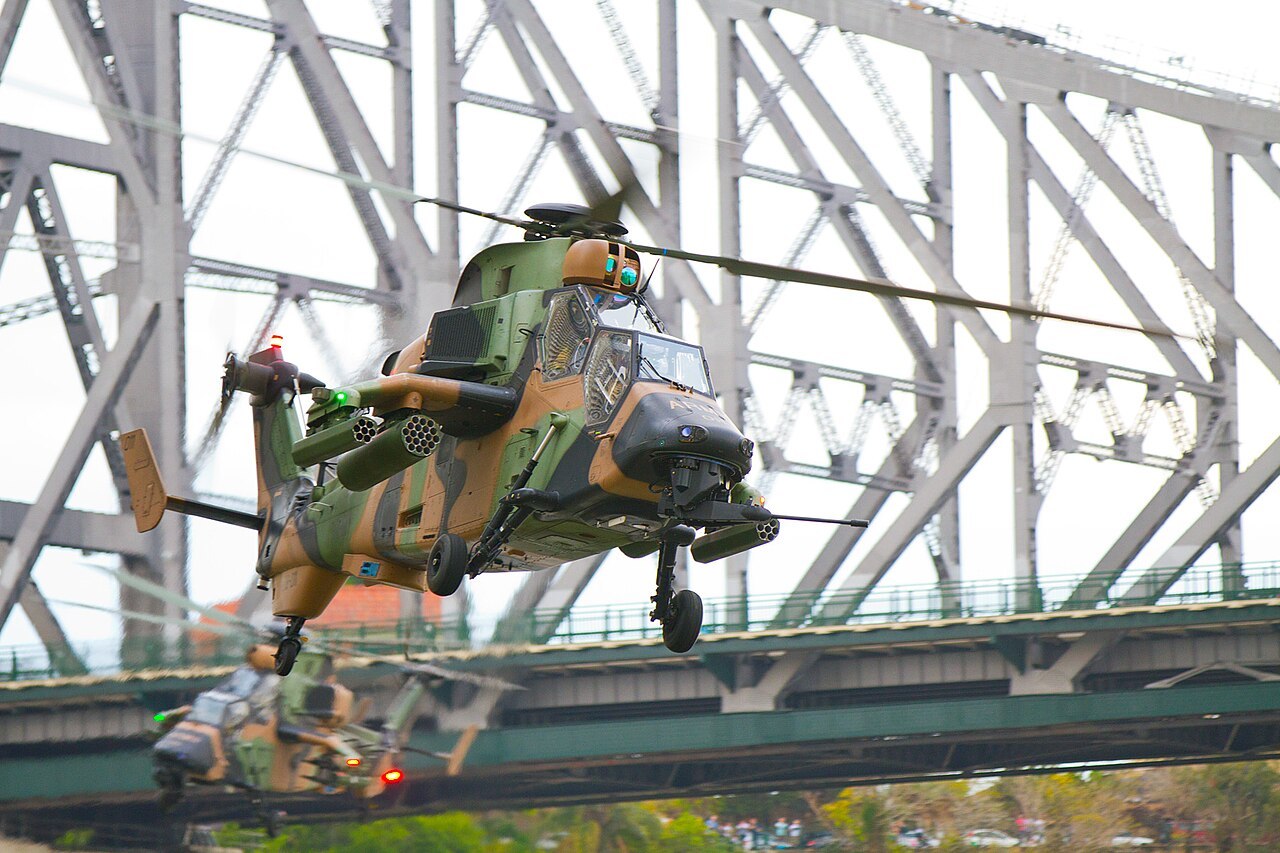
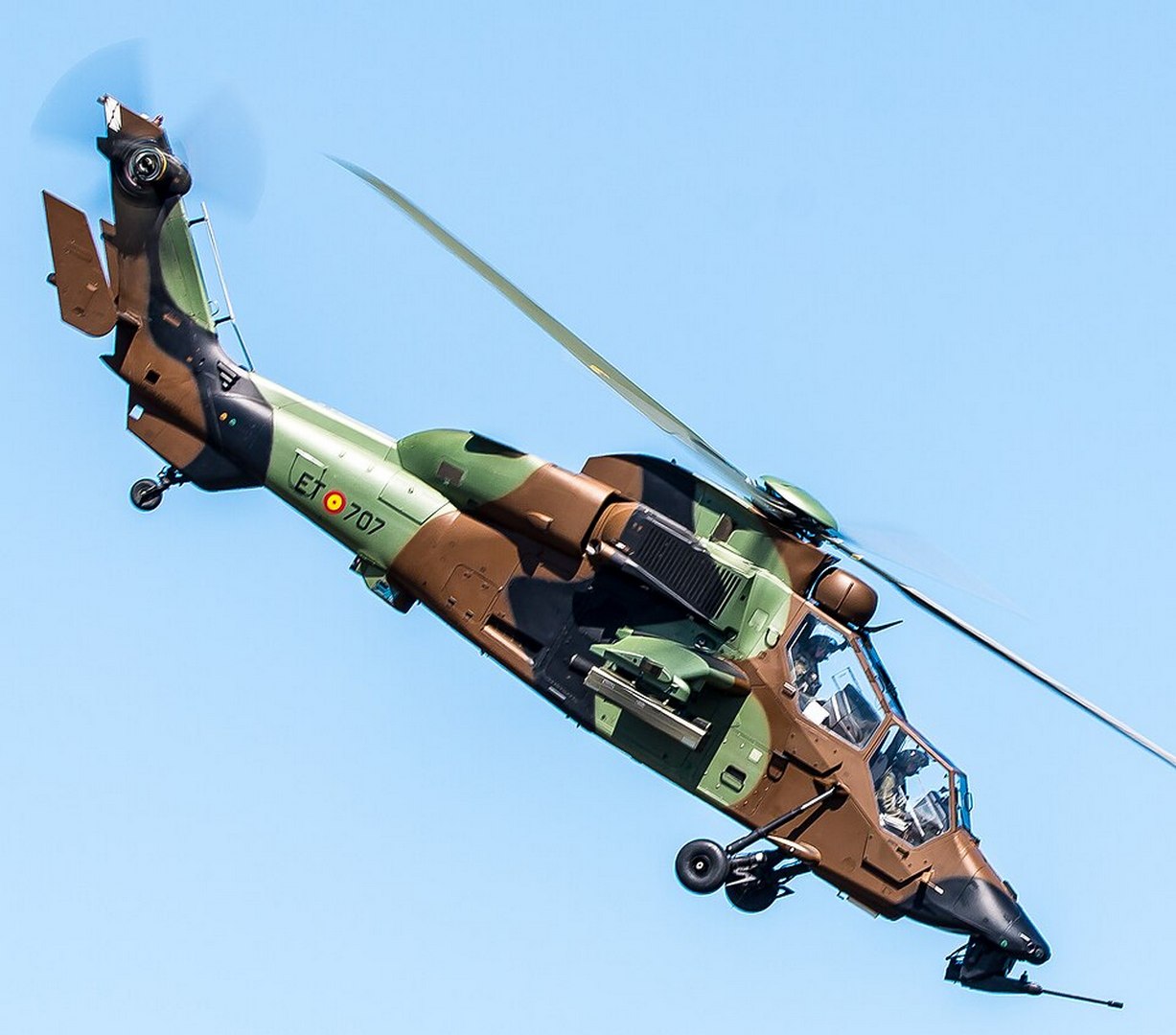
Apart from France and Germany, only Australia and Spain have purchased the Tiger. Overall, the helicopter has a strong reputation. Among its advantages is its exceptional maneuverability. The Tiger is capable of performing advanced aerobatic maneuvers more commonly associated with fighter jets. However, it struggles to compete in foreign markets due to its high price—nearly $50 million as of 2015. Nevertheless, the manufacturer continues to seek new customers and maintains production lines for this aircraft.