Fan-page
 Youtube
 TikTok
 Aviamuseum
 State Aviation Museum
40 years since the Chоrnobyl nuclear disaster
On the night of April 25–26, 1986, an explosion occurred in the reactor of Unit 4 at the Chоrnobyl Nuclear Power Plant (CNPP). This event became one of the most tragic in Ukraine’s modern history, and the radioactive contamination will continue to poison the land for centuries to come. However, the consequences could have been far worse had it not been for the courage and hard work of tens of thousands of liquidators, among whom were many military and civilian aviators.
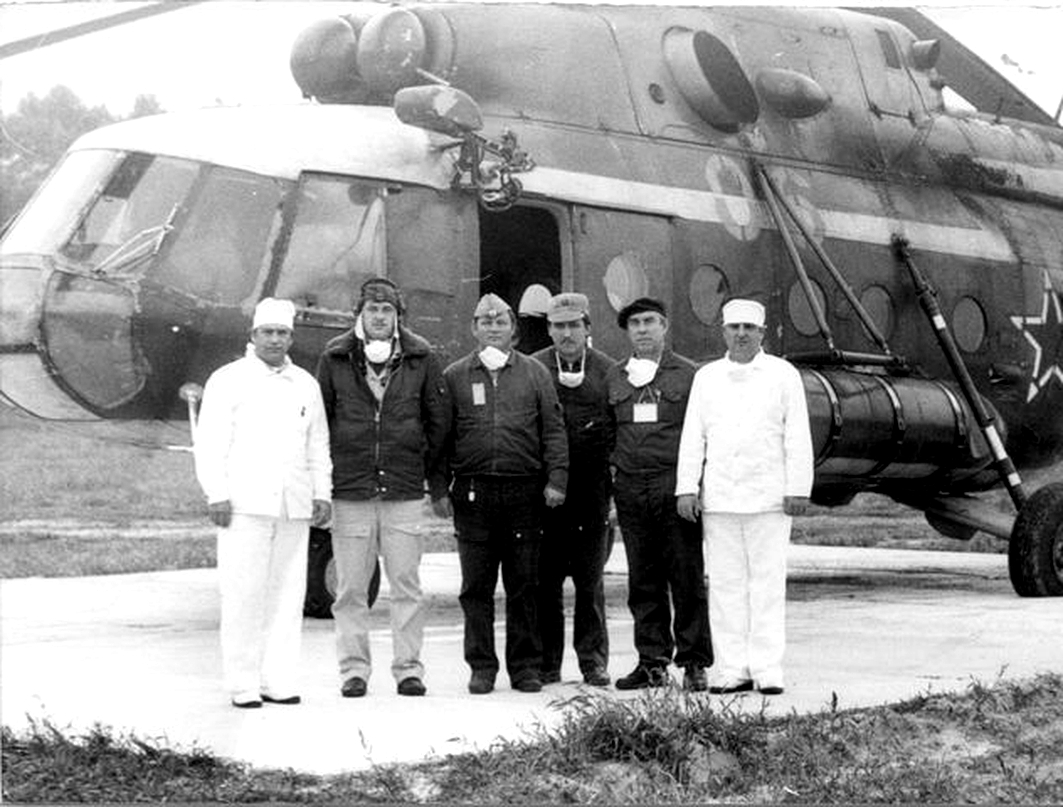
On the morning of April 26, the first flight over the Chоrnobyl NPP was conducted by a Mi-8T crew led by Serhiy Volodin from the 255th Mixed Aviation Squadron based in Boryspil. In particular, the first photos of the destroyed reactor were taken from aboard this helicopter.
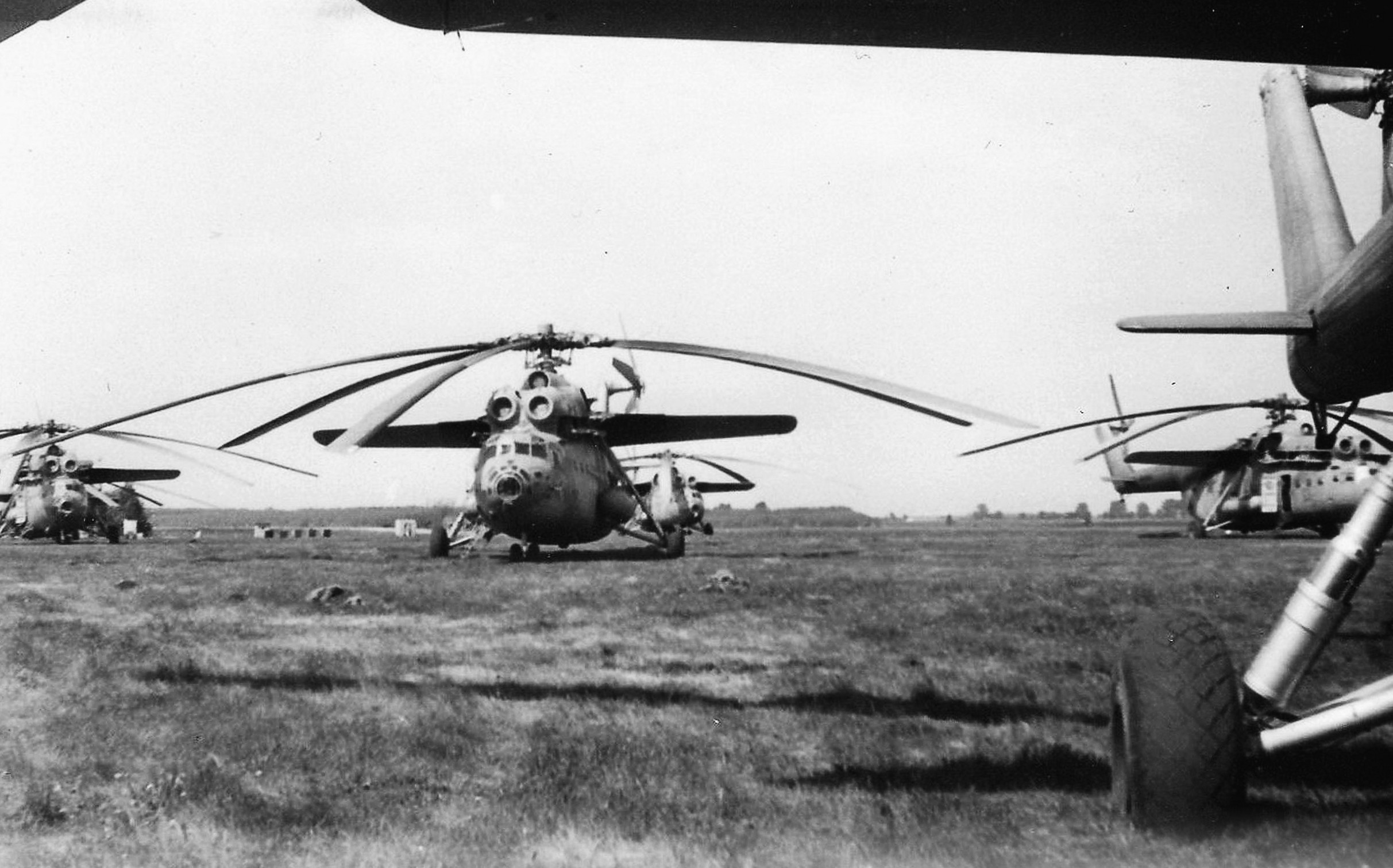
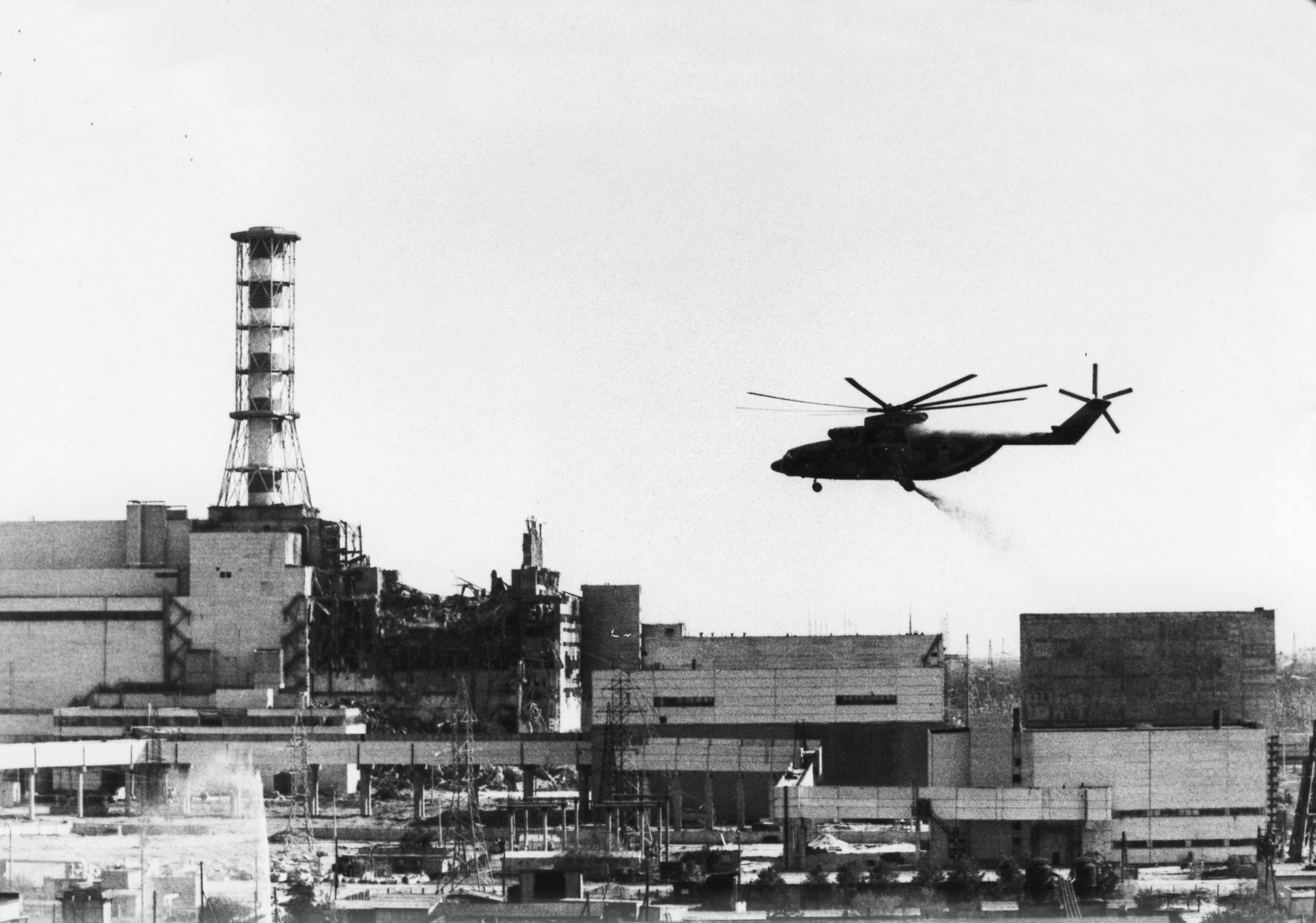
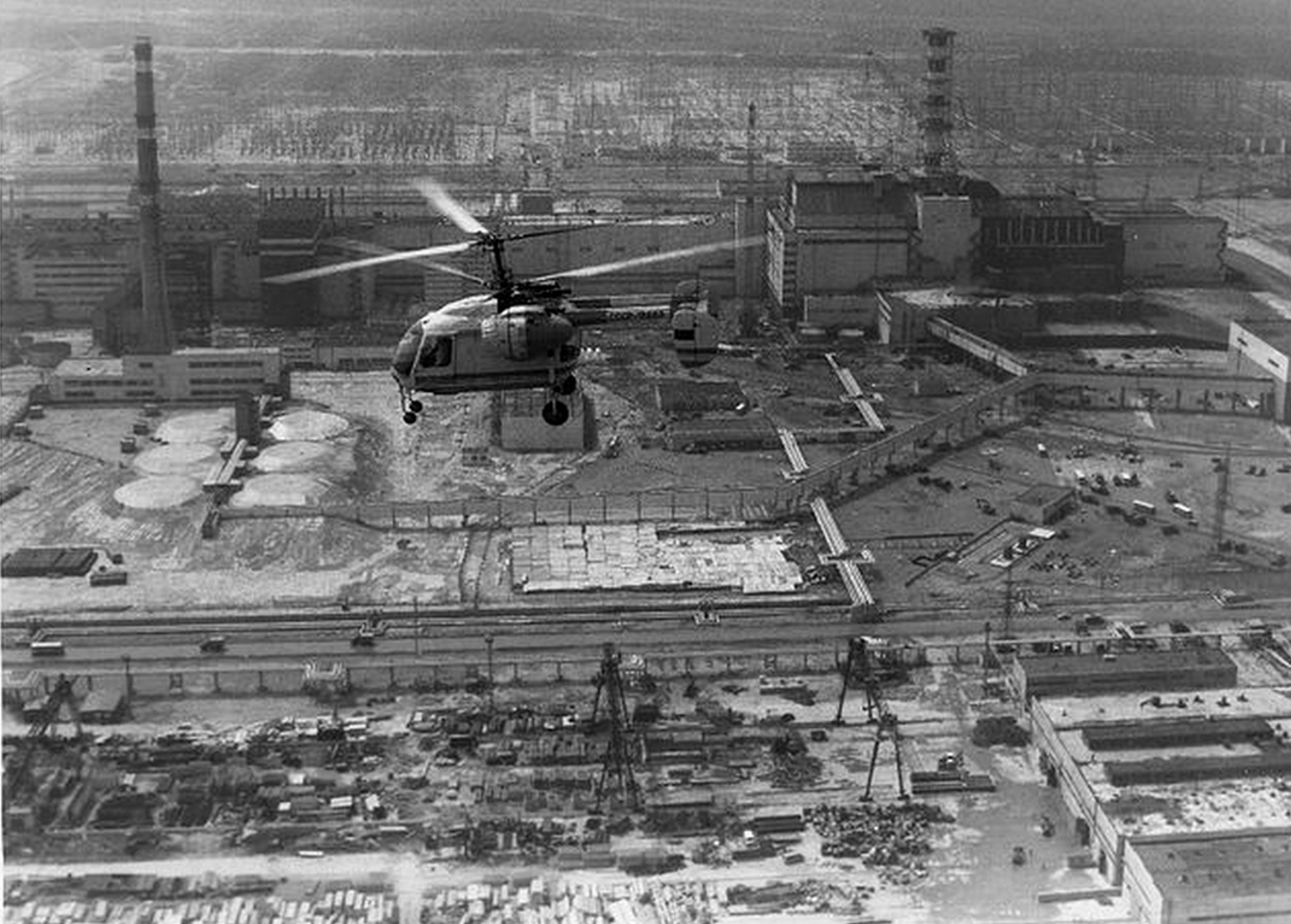
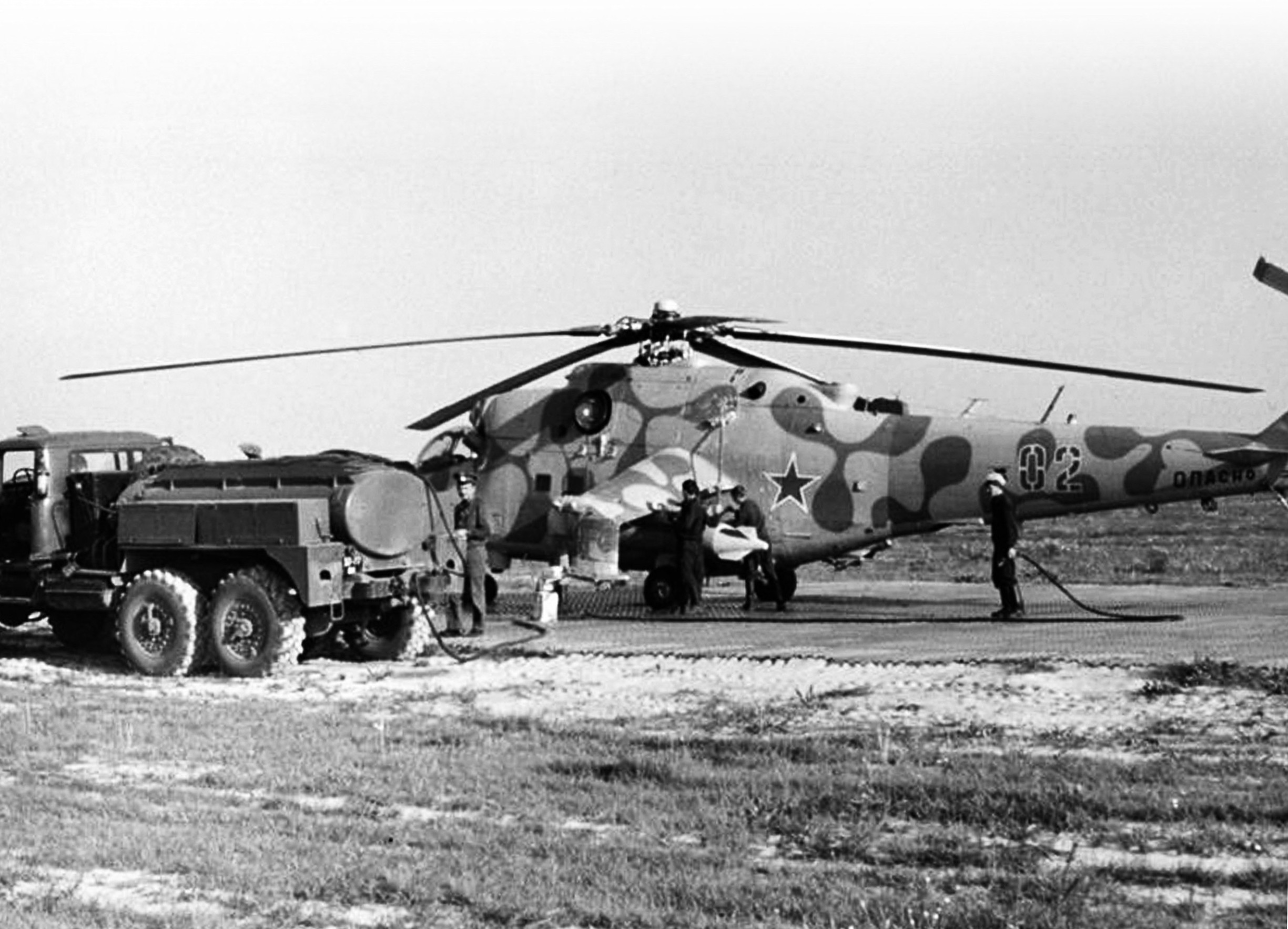
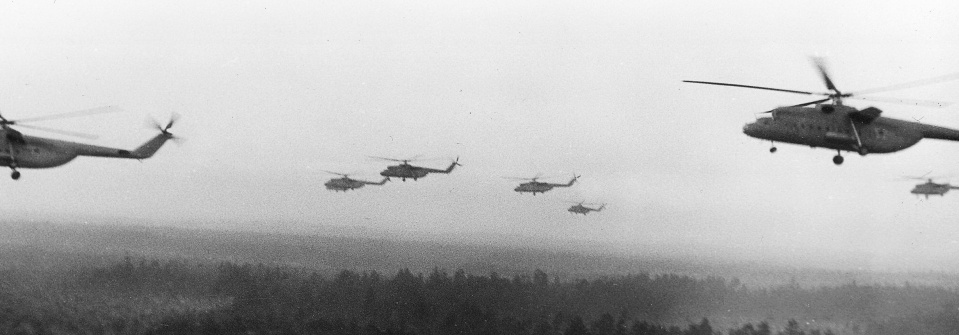
Overall, helicopter pilots played a very important role in the cleanup efforts, and at certain stages, a decisive one. From the very first days, significant military aviation forces were deployed, and regular rotations were subsequently carried out. As a result, 23 helicopter units stationed in Ukraine were deployed, along with nearly four dozen similar units from other regions of the USSR. In addition, civilian aviation helicopter pilots, as well as experienced test crews for aviation equipment, were involved. Most types of helicopters in service at the time were used—from the light Ka-26 to the Mi-26, the world’s largest production helicopter.
In the first phase, the primary task of the military helicopter crews was to “plug” the damaged reactor. To do this, bags filled with absorbent materials were dropped from the helicopters. According to data provided to the IAEA, a total of 1,800 helicopter sorties were flown, during which over 5,040 tons of materials were dropped. As a result, radioactive emissions from the reactor nearly ceased.
Helicopter crews also carried out a massive amount of work spraying a special adhesive substance in the Chоrnobyl area to bind radioactive dust. Ground crews then cleared away the hardened layers of soil and transported them to burial sites.
Helicopter crews constantly carried out various types of monitoring, primarily radiation reconnaissance. They also performed many other tasks, among which unique operations held a special place. For example, on June 19, a test crew from Feodosia led by Mykola Melnyk flew a Ka-27 three times to the 4th power unit to install the “Golka” multi-level measuring device, designed to monitor processes inside the already backfilled reactor.
Aircraft also found their use. For instance, reconnaissance aircraft were deployed to regularly collect air samples at various altitudes and distances from the disaster epicenter. Military transport aircraft and Aeroflot flights delivered people, equipment, machinery, and much more that was urgently needed in the Chоrnobyl zone. Typically, An-12 or Il-76 aircraft would land at Boryspil Airport, and the cargo would then be transported by helicopters or ground vehicles.
Aerial photography of the Chоrnobyl Nuclear Power Plant and surrounding areas was conducted on multiple occasions. The first comprehensive aerial photography was carried out by the crew of an An-30A (serial no. 14-06) from Aeroflot’s Kyiv Combined Air Squadron. Today, this aircraft can be seen on display at the Oleh Antonov State Aviation Museum.
Even agricultural An-2s were deployed. Using equipment designed for spreading bulk fertilizers, these aircraft sprayed sorbent that bound radioactive dust particles to the ground. Nearly 1,900 tons of this material were used along the banks of the Pripyat River alone.
It has been 40 years since the Chornobyl disaster. So let us preserve the memory of the people who did not spare their lives or health in the fight against a disaster that humanity had never before experienced.