Fan-page
 Youtube
 TikTok
 Aviamuseum
 State Aviation Museum
70th Anniversary of the C-133 Cargomaster Military Transport Aircraft
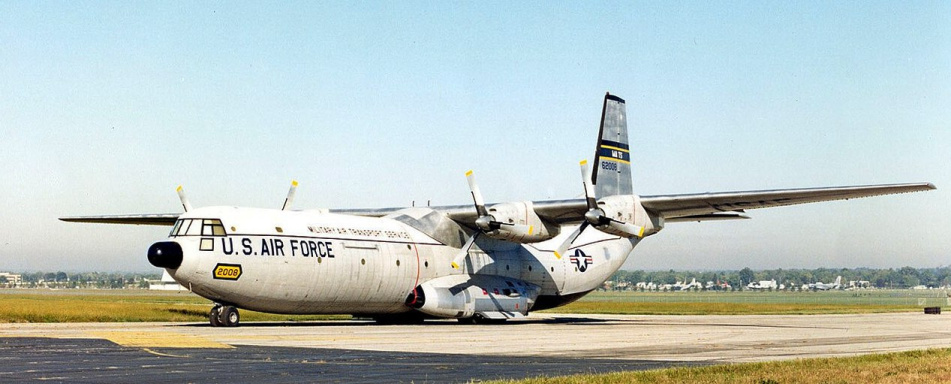
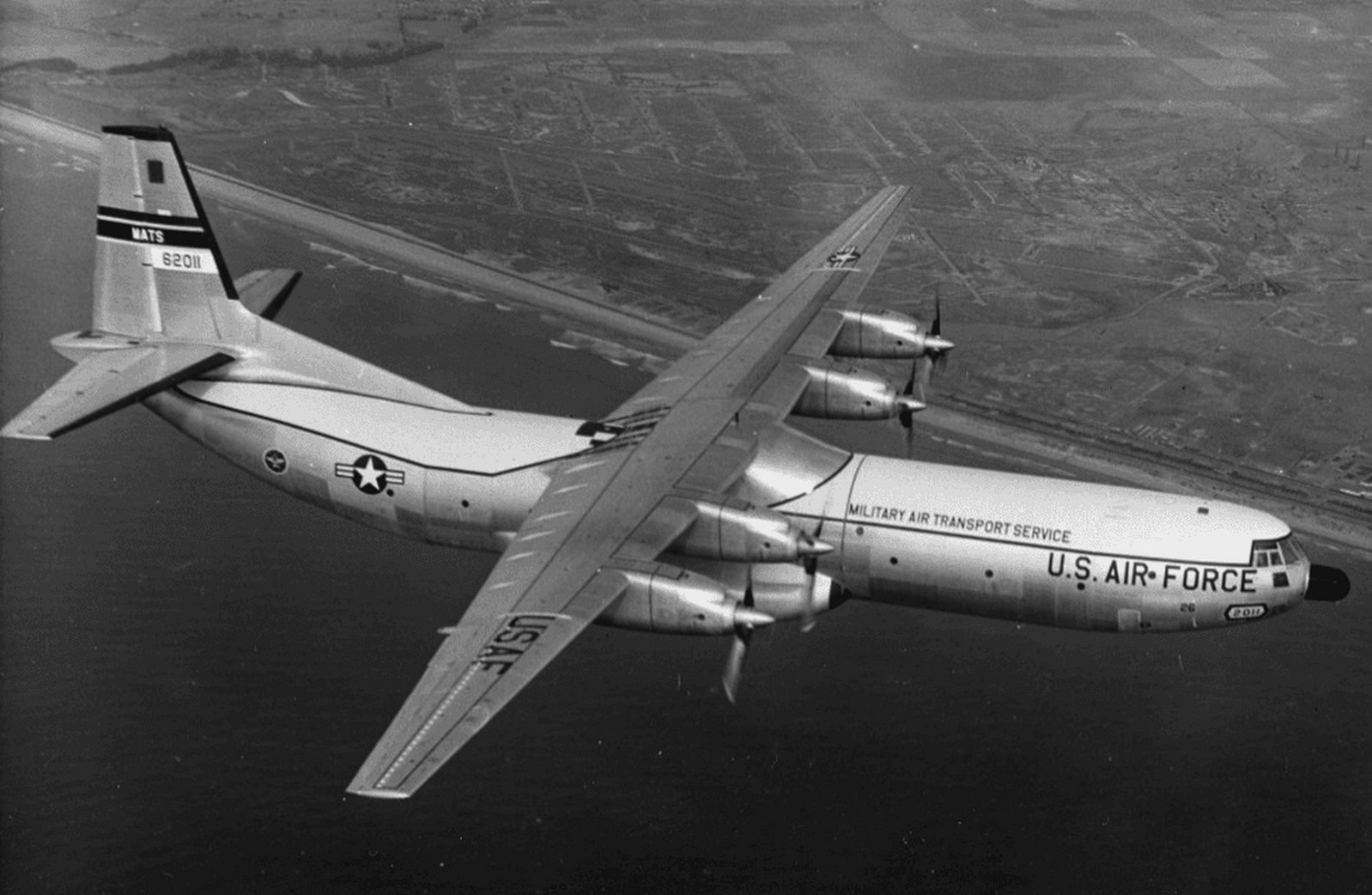
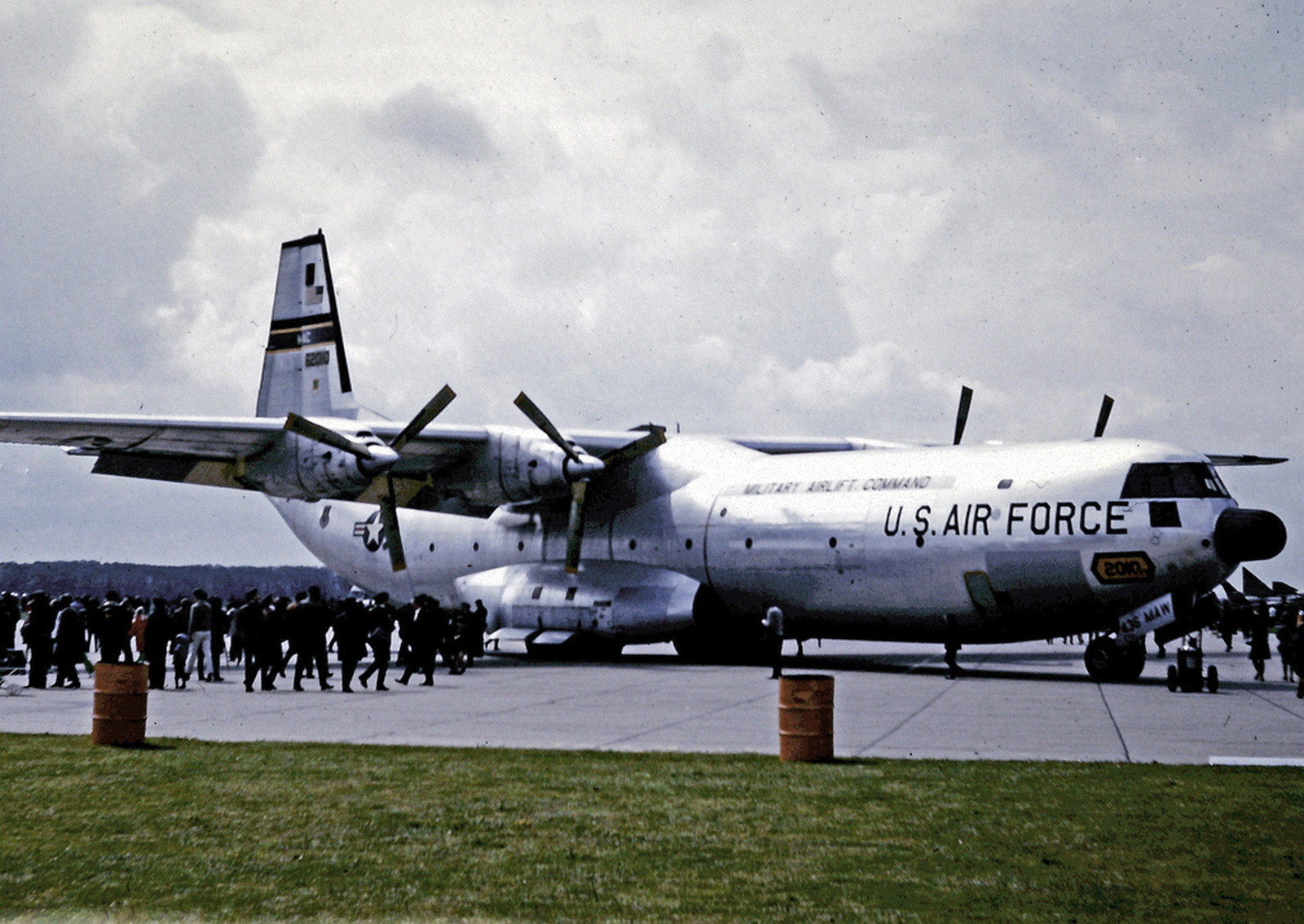
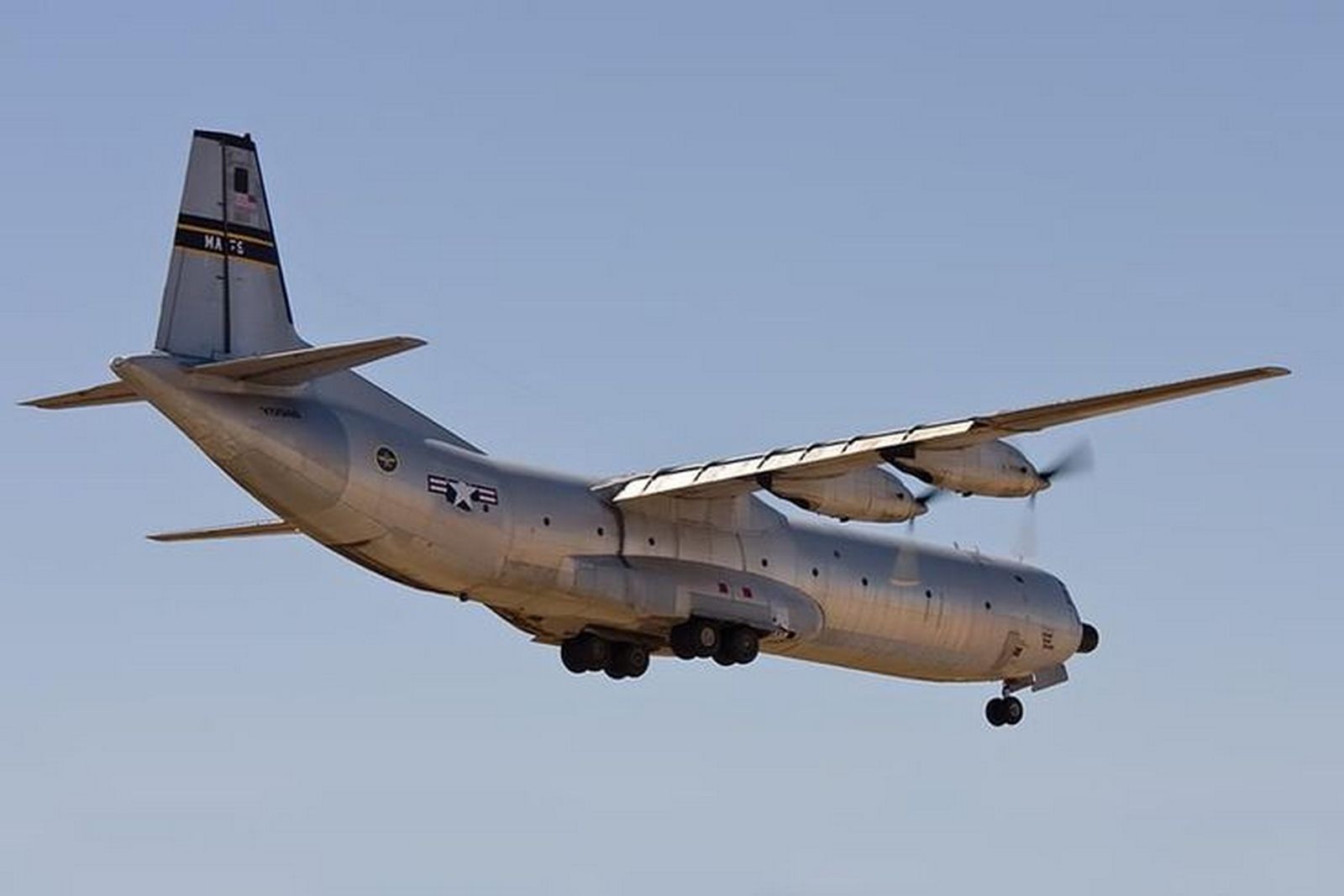
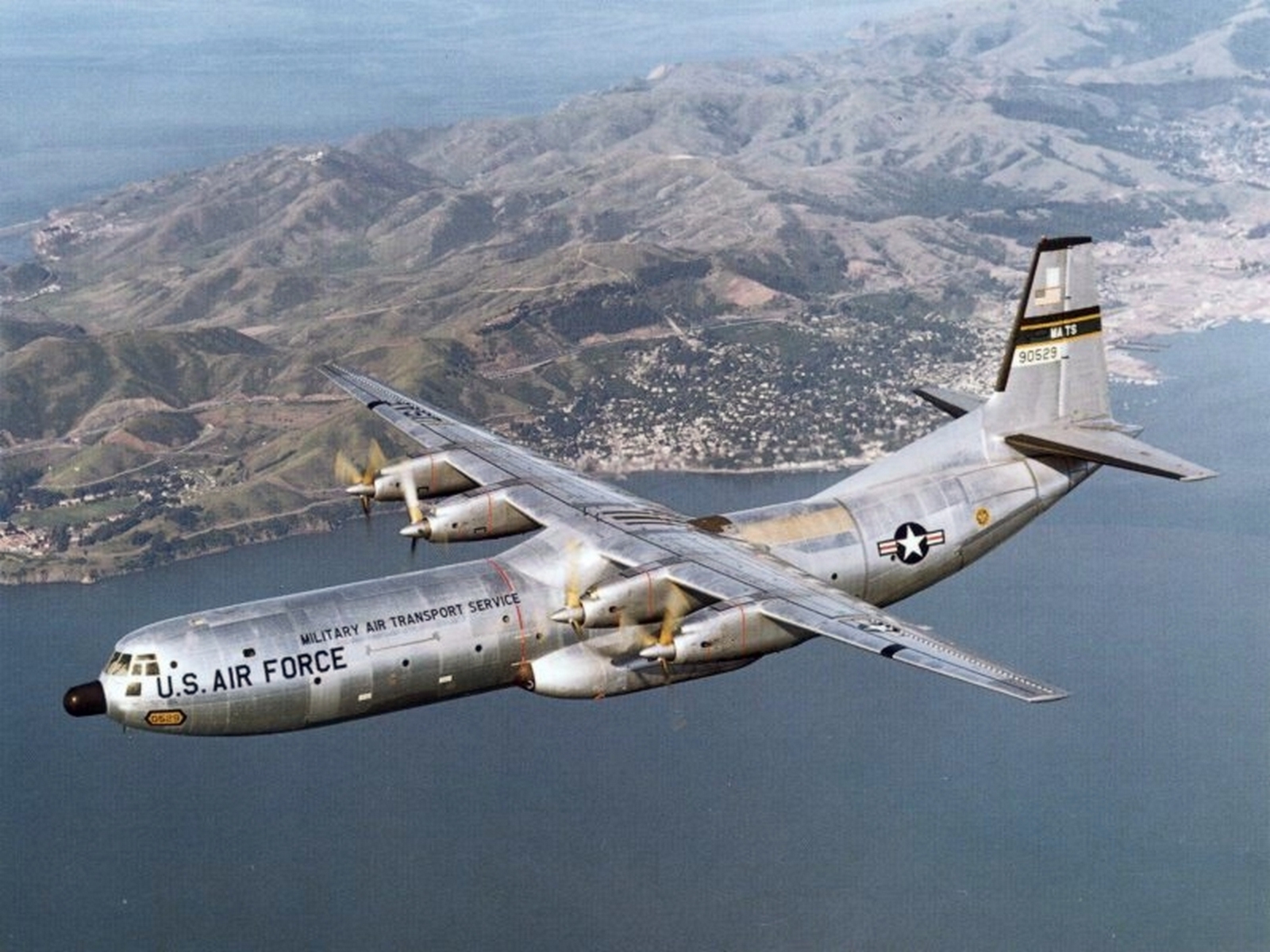
April 23 marked the 70th anniversary of the C-133 Cargomaster military transport aircraft, developed by the American company Douglas Aircraft. On that day in 1956, the first prototype took to the skies. Under the concept implemented by the Pentagon at that time, after winning the design competition, there were no plans to build prototype military aircraft to save costs—the first aircraft were immediately considered production models.
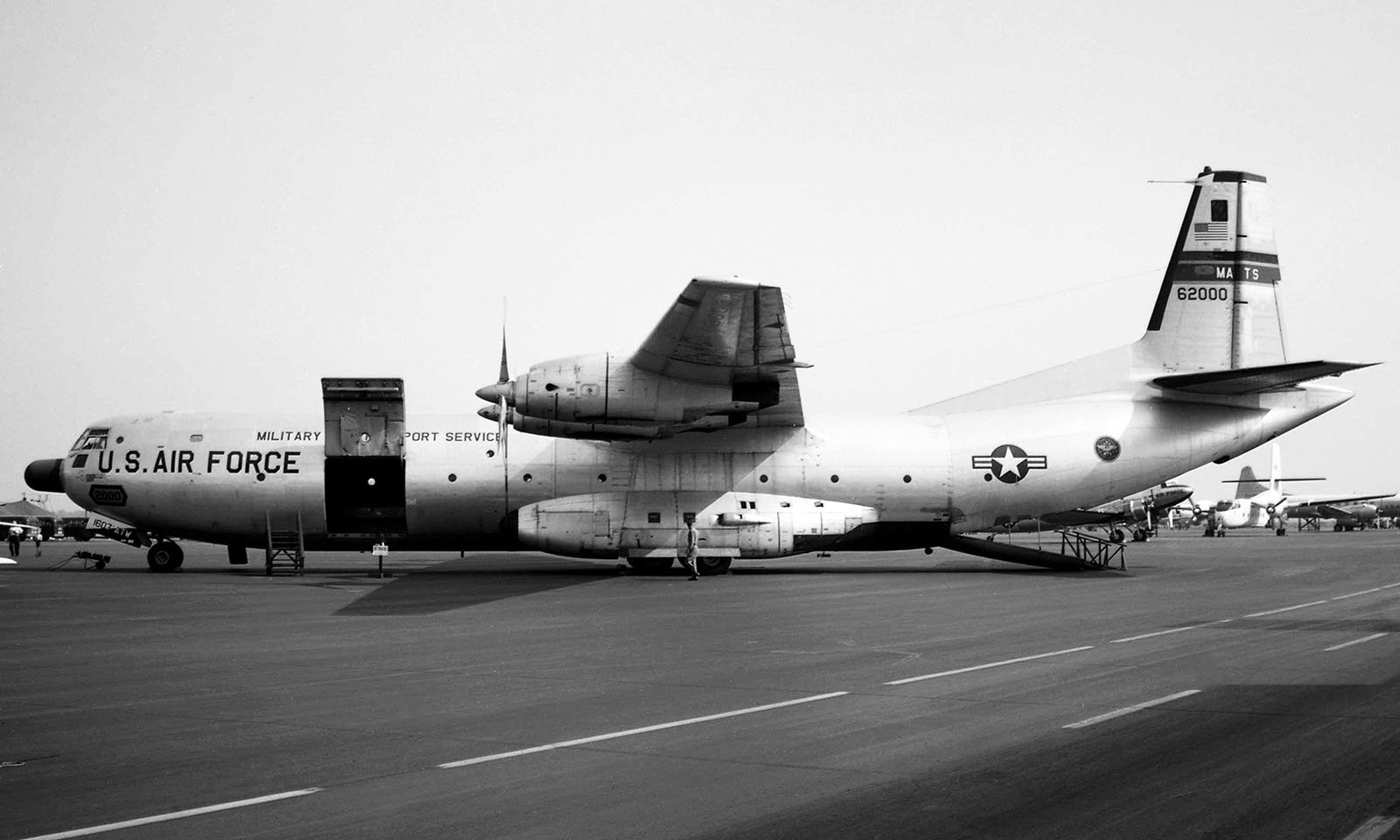
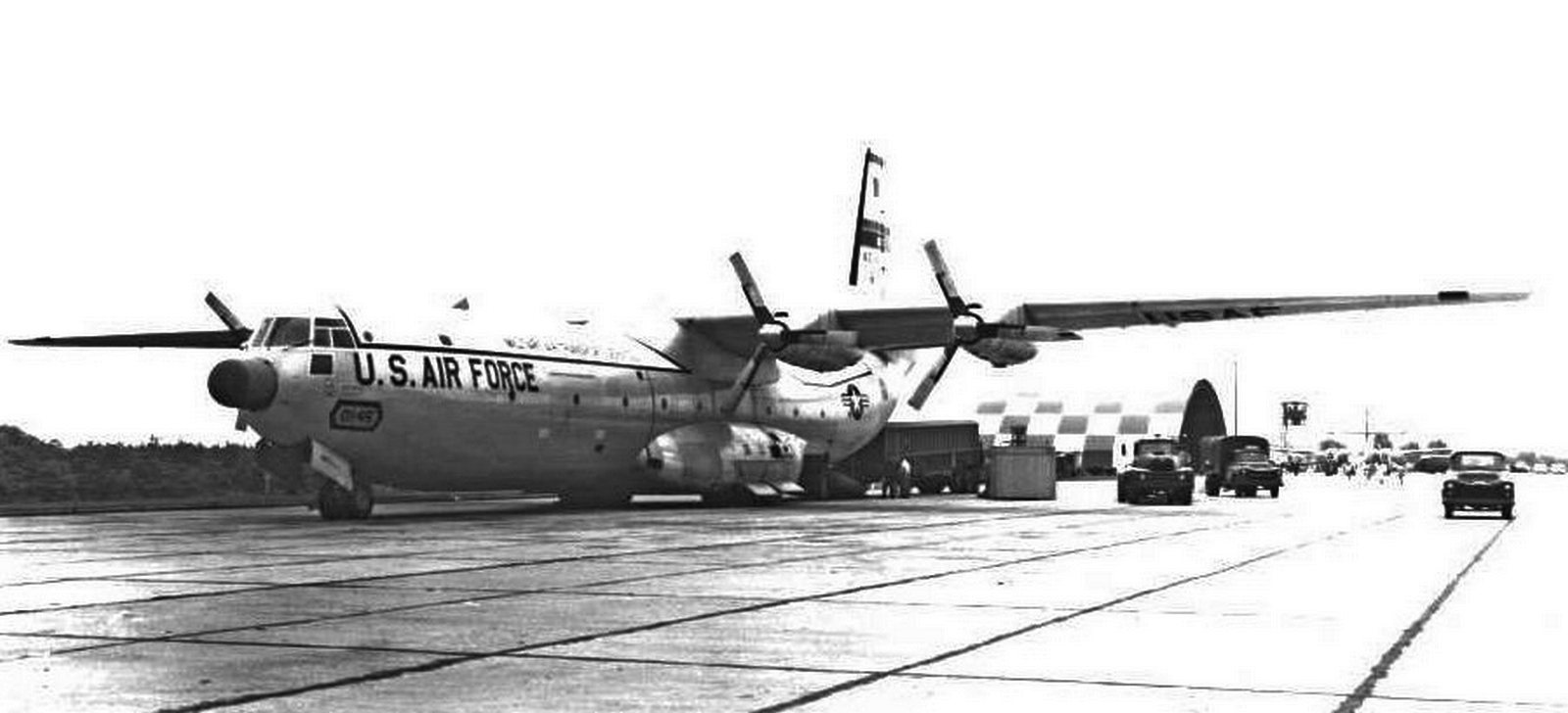
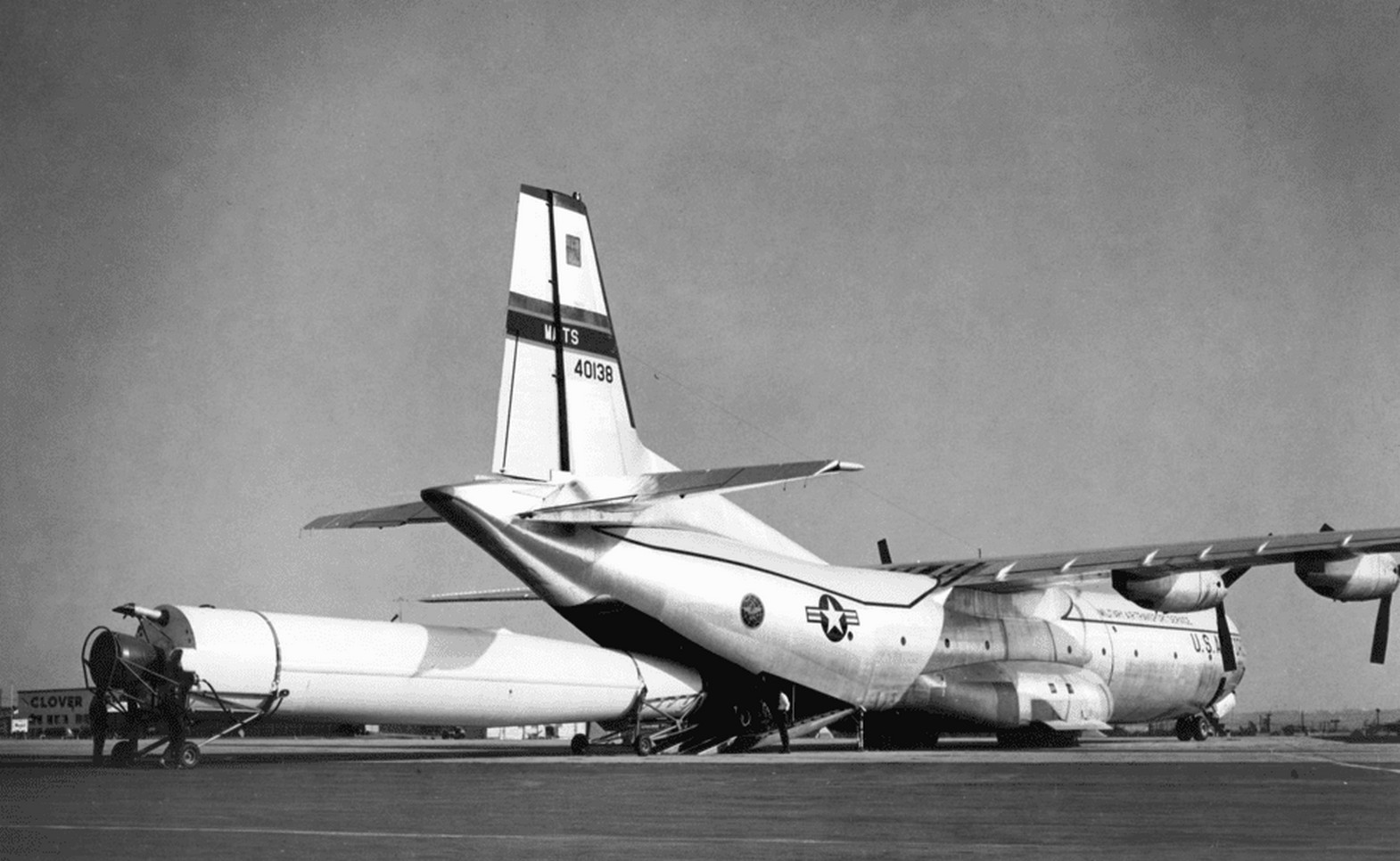
At the time of its creation, the C-133 was the largest military transport aircraft (MTA) in the world. The large, pressurized cargo compartment, 27 meters long and 3.7 meters wide, allowed for the transport of a wide range of military equipment, including not only tanks and large-caliber guns but also Atlas, Titan, and Minuteman intercontinental ballistic missiles. The fuselage had two large cargo hatches: one with a ramp in the tail section and one on the left side in the forward section. In addition to cargo, the aircraft could carry up to 200 fully armed soldiers.
Serial production of the “Cargo Master” was completed in 1961. Fifty units were built in two main variants. The most advanced C-133B was equipped with four Pratt & Whitney T34-P-9W turboprop engines, each rated at 7,500 shaft horsepower. The aircraft was 47 m long, with a wingspan of 54.8 m, a maximum takeoff weight of nearly 130 tons, a maximum speed of 578 km/h, and a maximum payload of 50 tons; with a 24-ton payload, it could fly over 6,500 km.
The C-133 was used exclusively by the U.S. Air Force. The aircraft began entering service as early as August 1957. The overly rapid start of operational service took its toll—the aircraft suffered from “teething problems,” which affected flight safety. Even after most of the flaws were fixed, the aircraft did not shake off its reputation as a crash-prone machine—a total of 10 units were lost, or 20% of the fleet.
The “Cargo Master” was considered a strategic transport aircraft. In terms of cargo compartment dimensions, it remained the largest in the United States until the heavy Lockheed C-5 Galaxy entered service in 1970. In many cases, this made the C-133 indispensable. Its capabilities were particularly needed for logistical support of American forces during the Vietnam War.
The C-133 remained in service for a relatively short time. The last aircraft were retired in 1971. The main reasons were the aircraft’s limited structural service life for a plane of this class and the onset of corrosion in structural components. Extending the aircraft’s service life would have required costly major overhauls, but this was deemed impractical.