Fan-page
 Youtube
 TikTok
 Aviamuseum
 State Aviation Museum
London Heathrow Airport turns 80
March 25 marked the 80th anniversary of London Heathrow, the city’s main airport. It was officially opened on that day in 1946.
The airfield near the small village of Heathrow, located in the western suburbs of the British capital, began operations in 1930. It was primarily used by Fairey Aviation to test its aircraft, and during World War II, it became an operational airfield for the Royal Air Force.
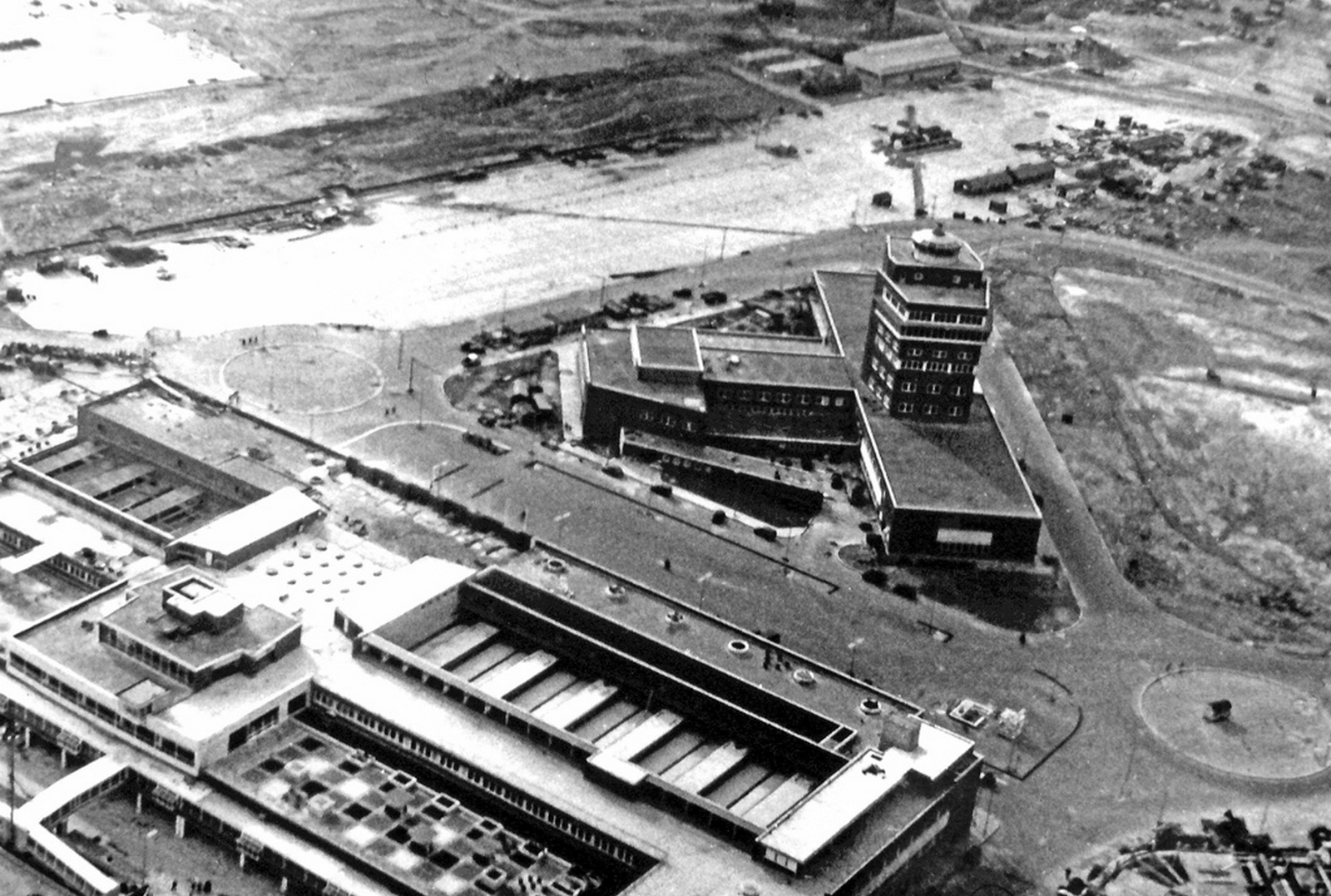
Construction of the large airport began in May 1944. By the end of the following year, the first paved runway was ready, from which an Avro Lancastrian aircraft operated by South American Airways made its first flight on January 1, 1946. For this reason, some publications trace the airport’s history back to this date.
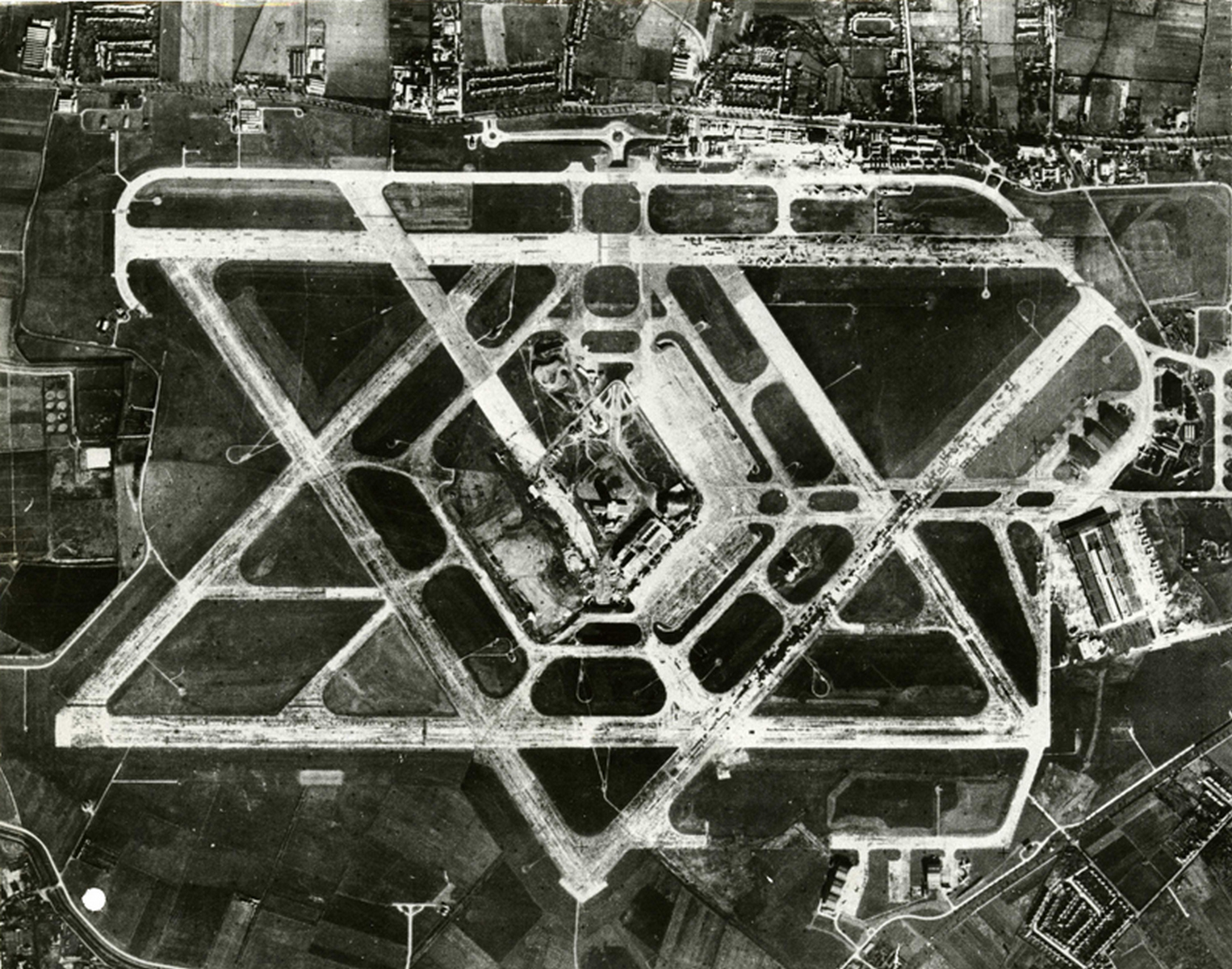
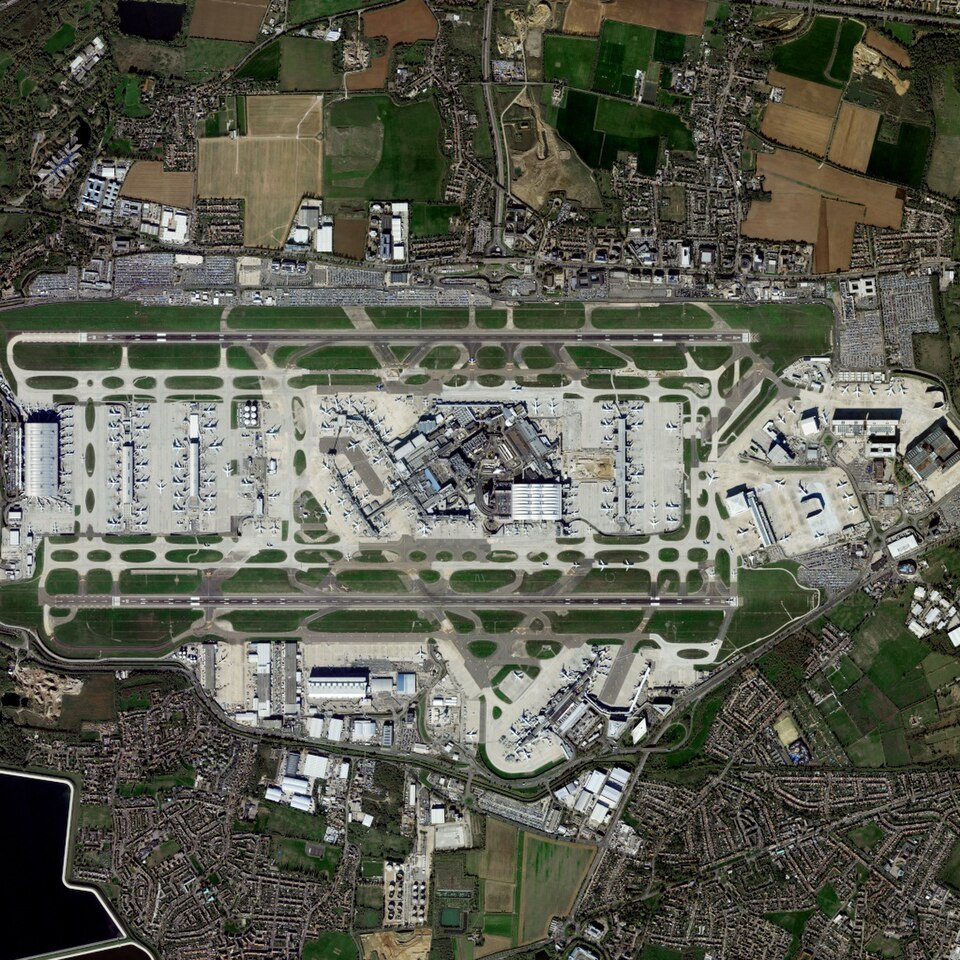
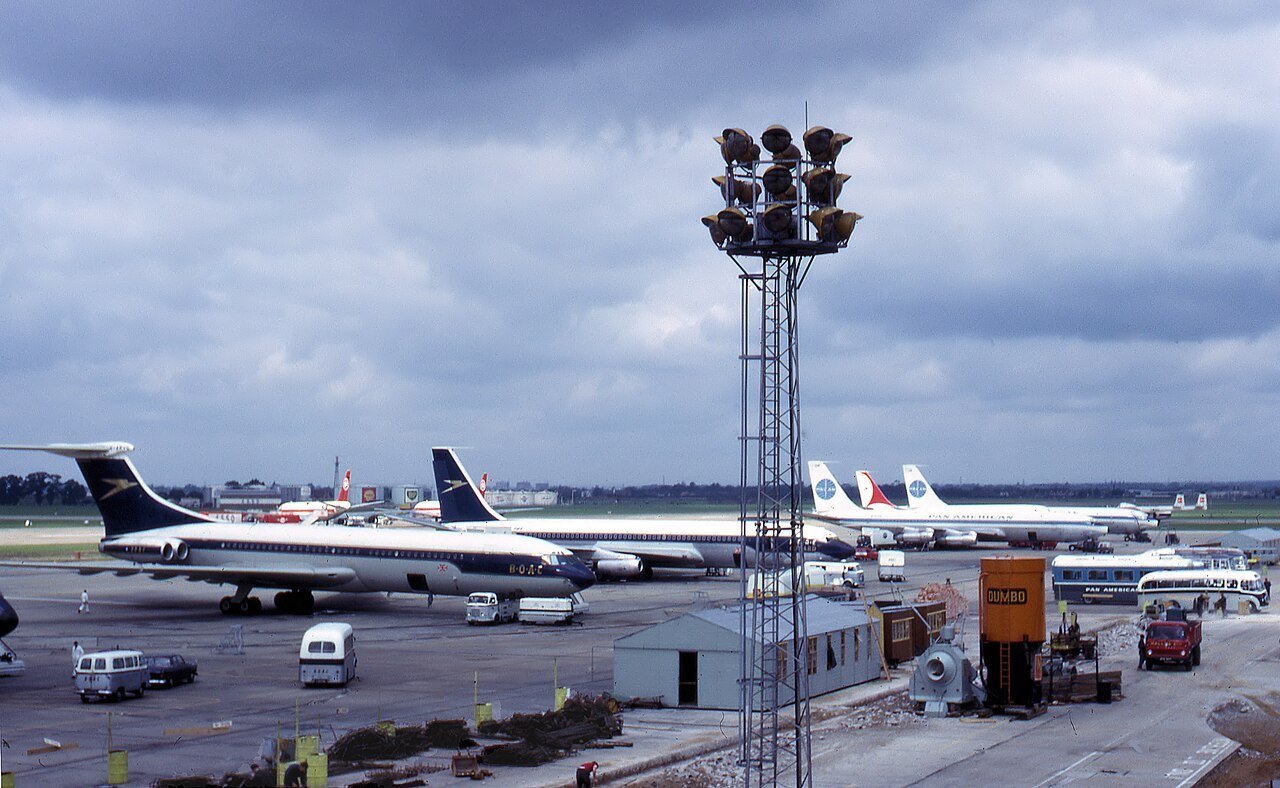
At that time, several large army tents served as the passenger terminal, which were later replaced by prefabricated buildings. However, the airport’s development proceeded rapidly, and by the mid-1950s, it had a look that was quite modern for those years. There were six runways in operation, forming a sort of hexagram. Thanks to this layout, two of them were always within 30° of the wind direction. Today, Heathrow has two parallel runways running east to west. Compared to the original runways, their length and width have been significantly increased, allowing for safe operations of all classes of aircraft in any wind direction.
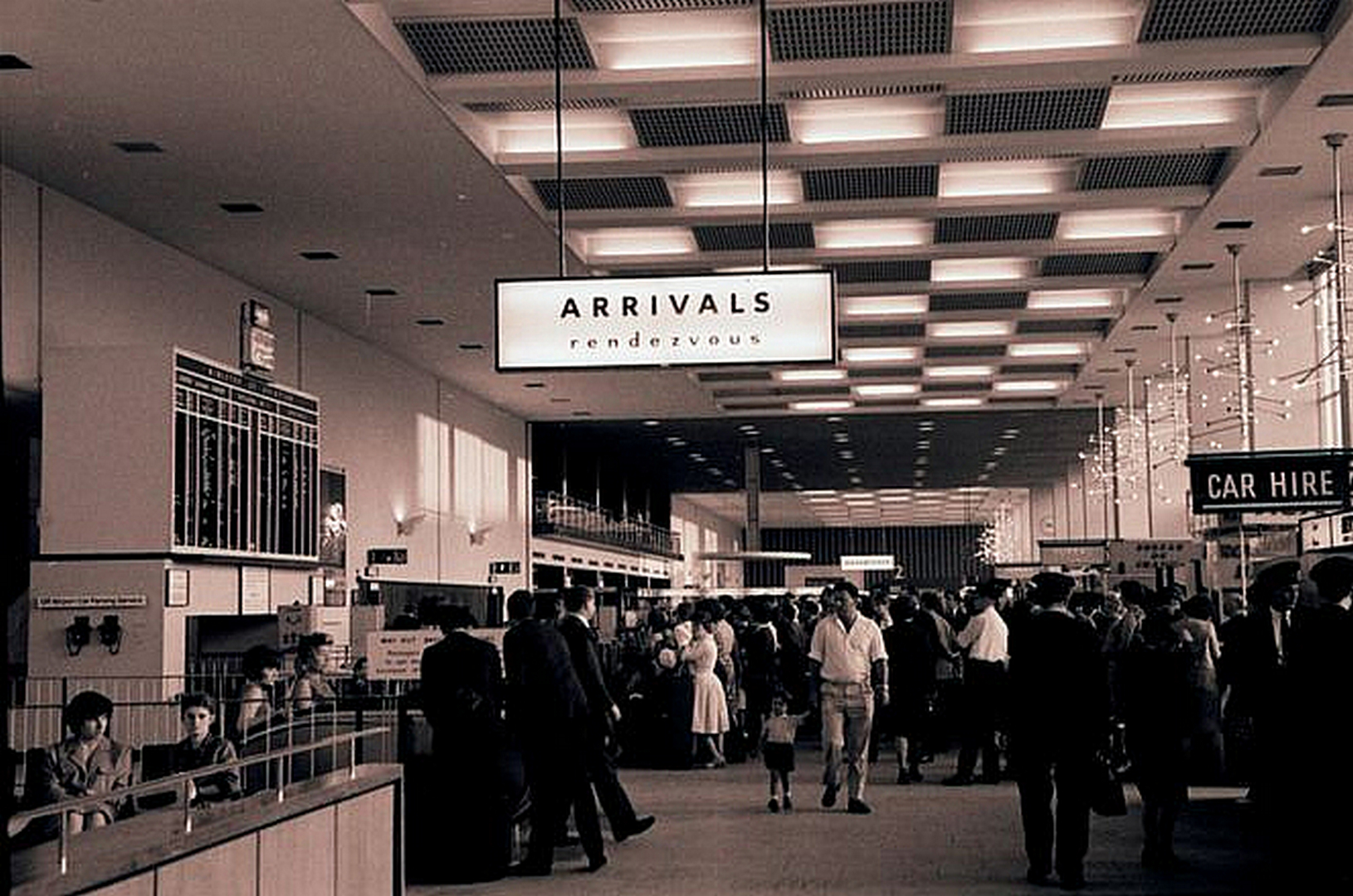
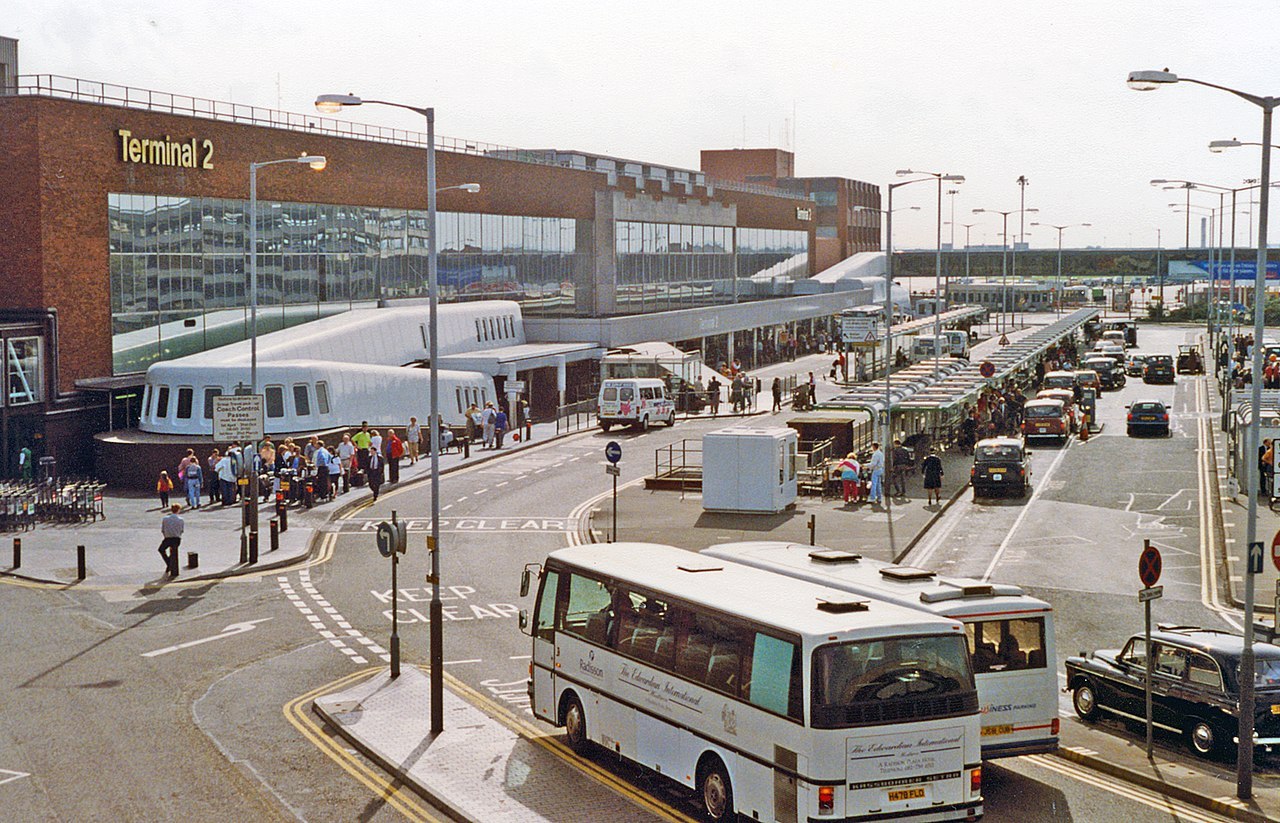
In 1953, Heathrow’s annual passenger traffic exceeded 1 million people for the first time. By the early 1980s, the airport was already serving 30 million people annually, prompting the expansion of the three existing terminals and the construction of a fourth.
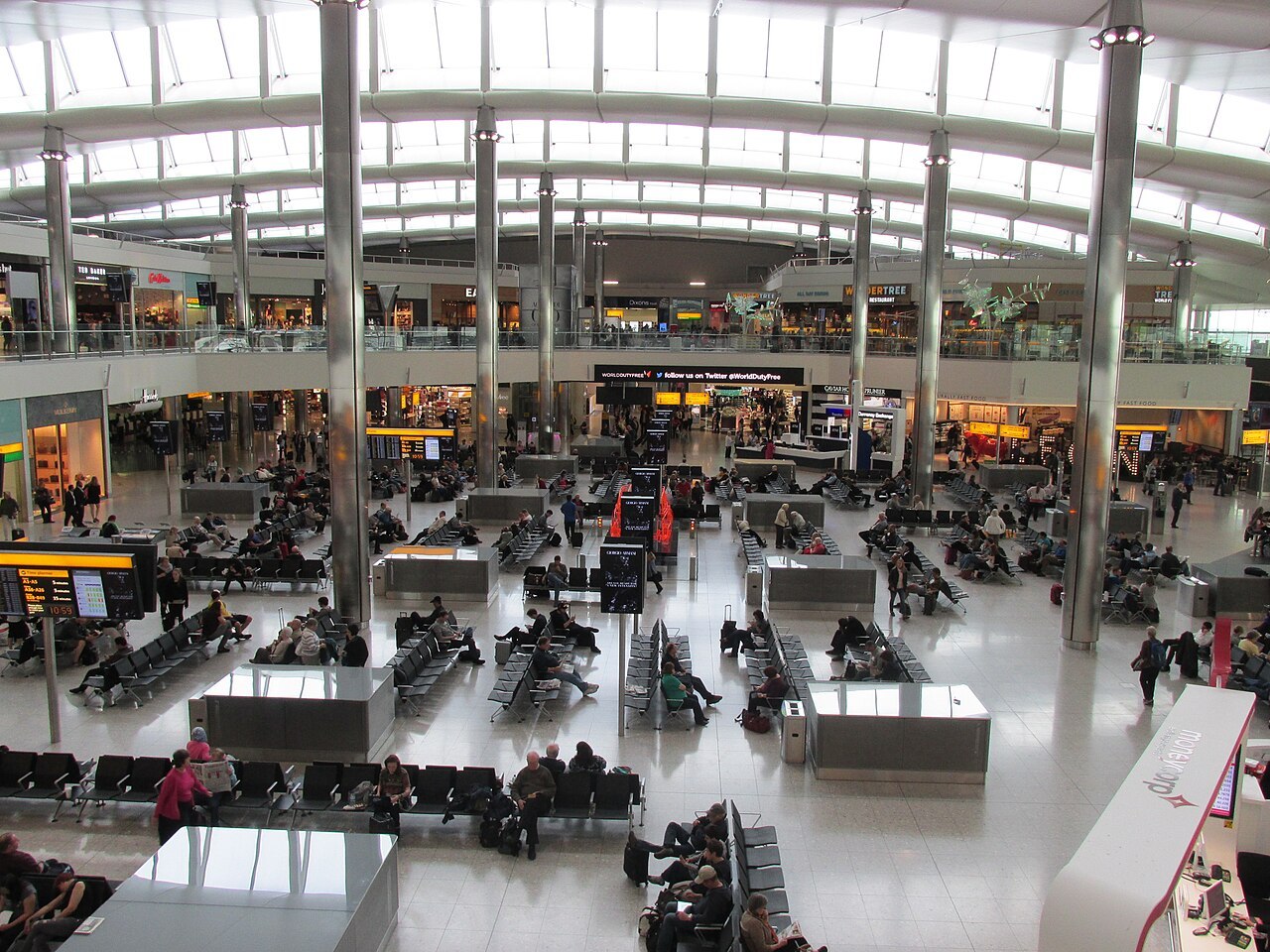
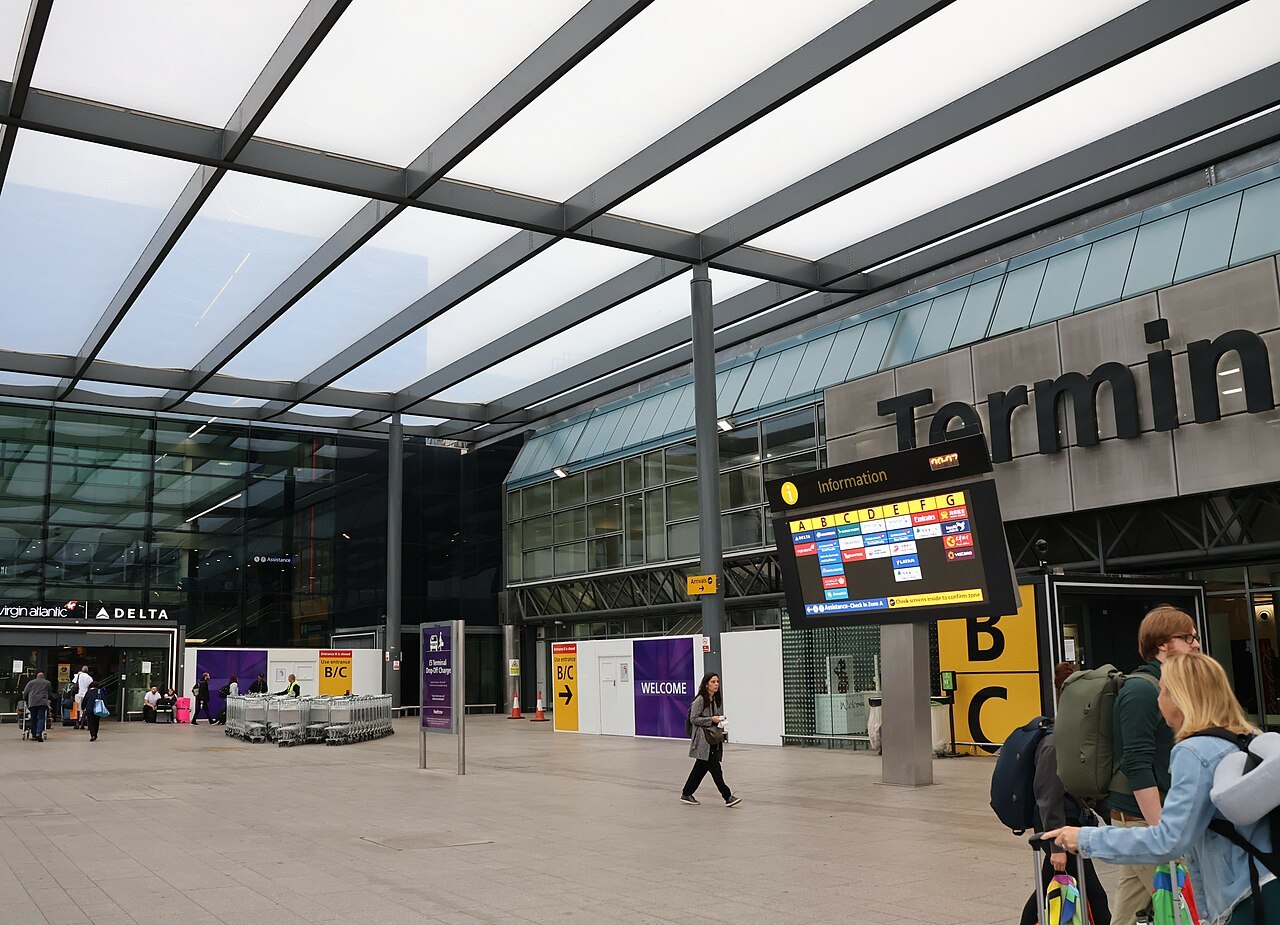
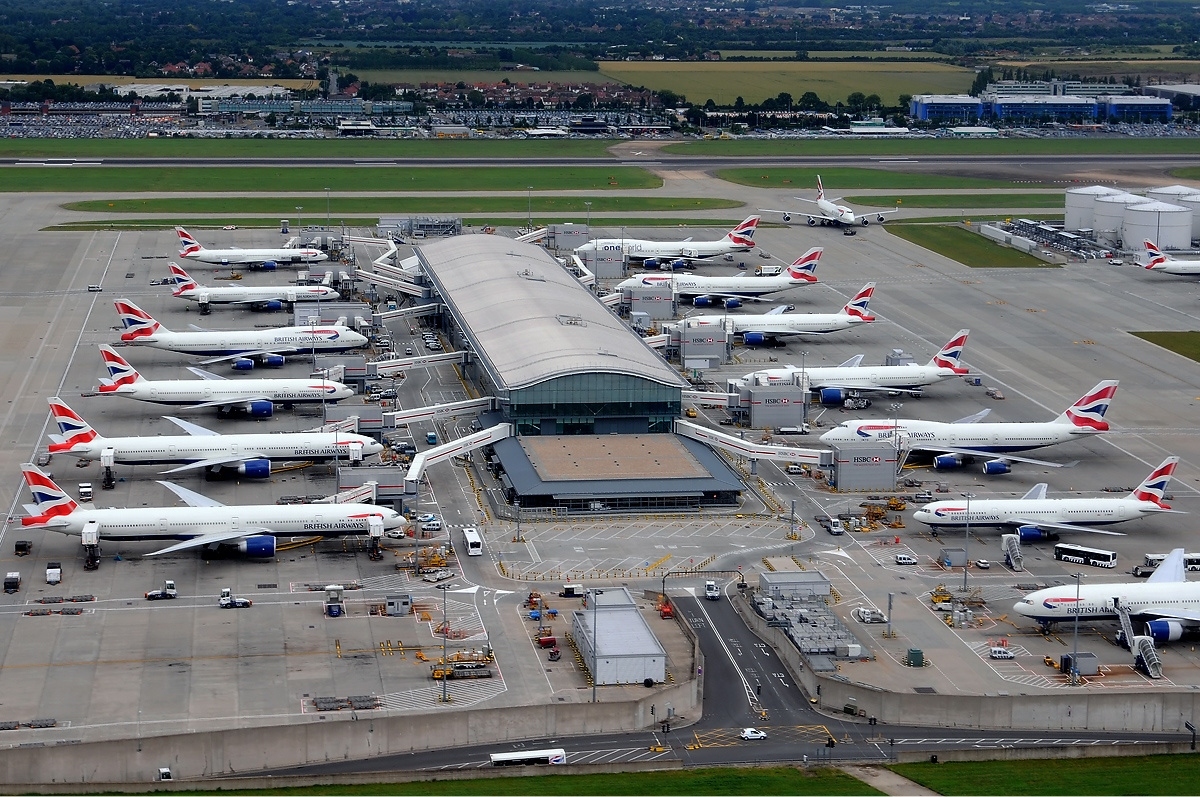
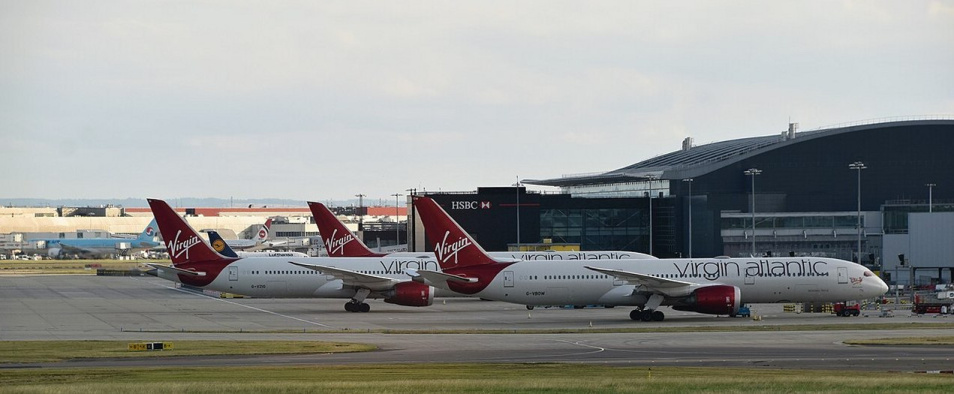
Today, Heathrow Airport is owned by Heathrow Airport Holdings. It has become the main hub for the world-renowned British airlines British Airways and Virgin Atlantic. In total, it is used by nearly 90 airlines from around the world, operating flights to 218 destinations in 84 countries. Heathrow recorded its highest passenger traffic in 2024—83.9 million people. The busiest single route was New York, with annual passenger traffic exceeding 3 million.
In 2025, Heathrow was recognized as the busiest airport in Europe, the fifth busiest airport in the world, and second in terms of international passenger traffic.