Fan-page
 Youtube
 TikTok
 Aviamuseum
 State Aviation Museum
The Westland Lynx multi-purpose helicopter turns 55
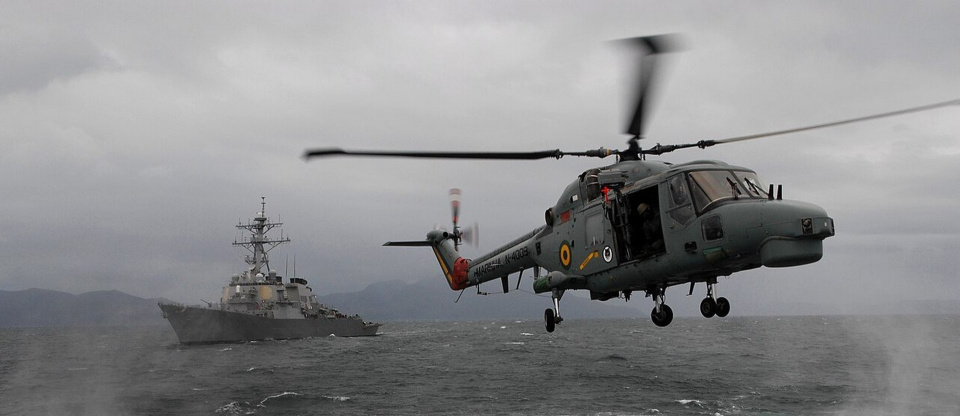
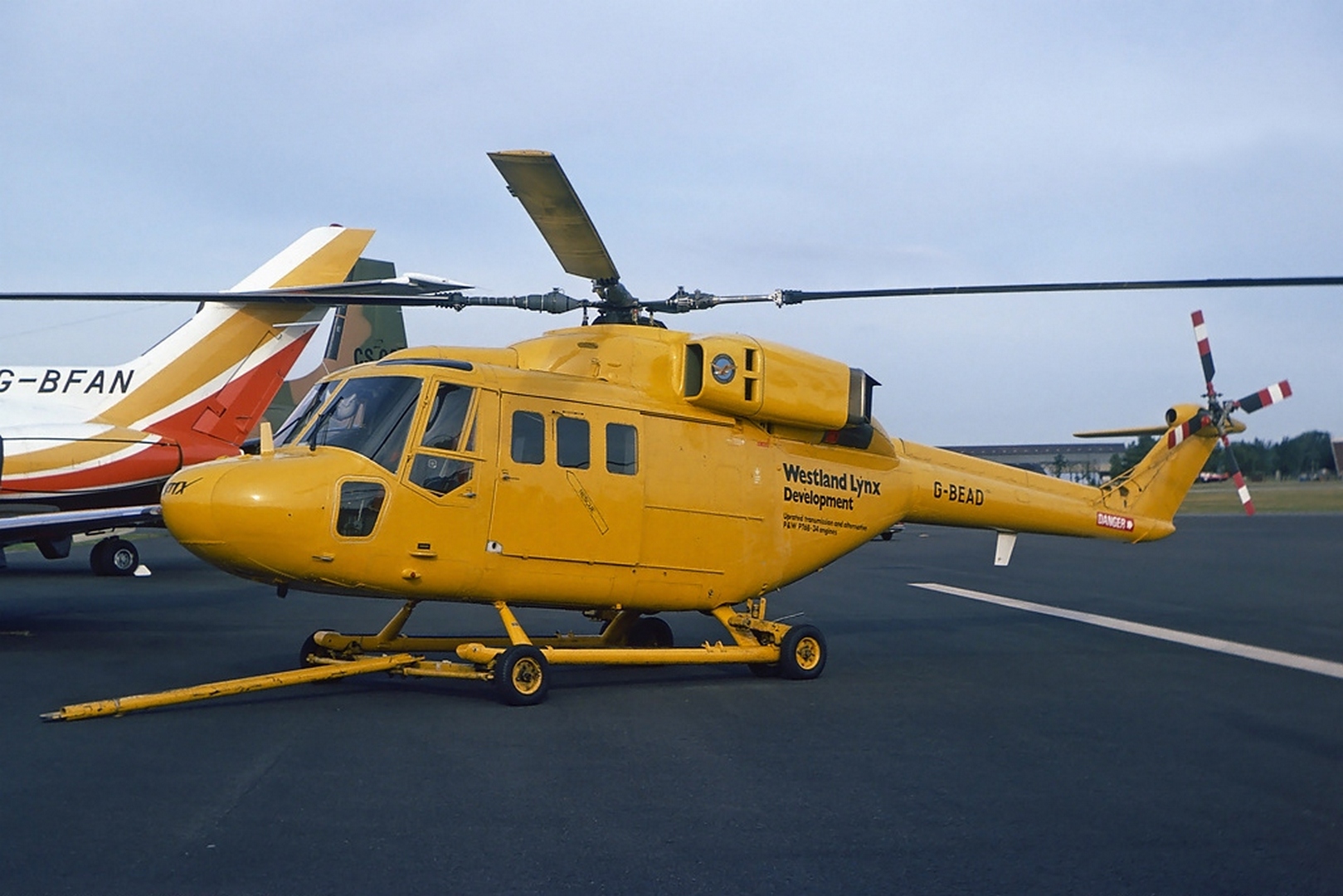
March 21 marked the 55th anniversary of the Lynx multi-purpose helicopter, developed by the British company Westland Helicopters (now part of the Italian-British consortium AgustaWestland). On that day in 1971, its first prototype took to the skies at the airfield in Yoville (Somerset).
The project began as a joint British-French venture, but in 1969, the French company Sud Aviation withdrew from it. The initial plan was to create a multi-purpose helicopter for both military and civilian use. However, the machine turned out to be quite expensive, and there were plenty of cheaper helicopters of similar size on the market, so it attracted only a few civilian customers. In contrast, the military variants found many supporters, especially among sailors.
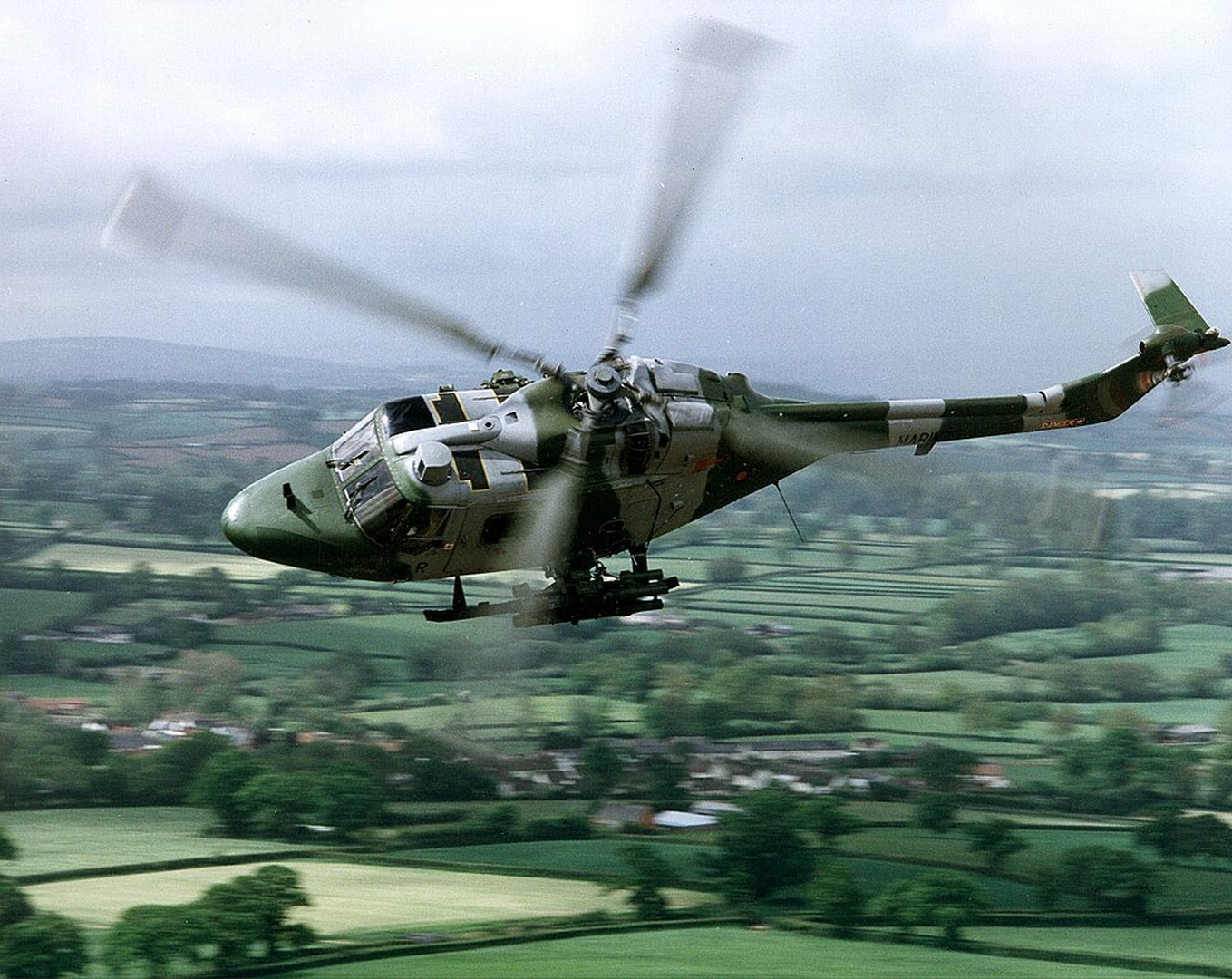
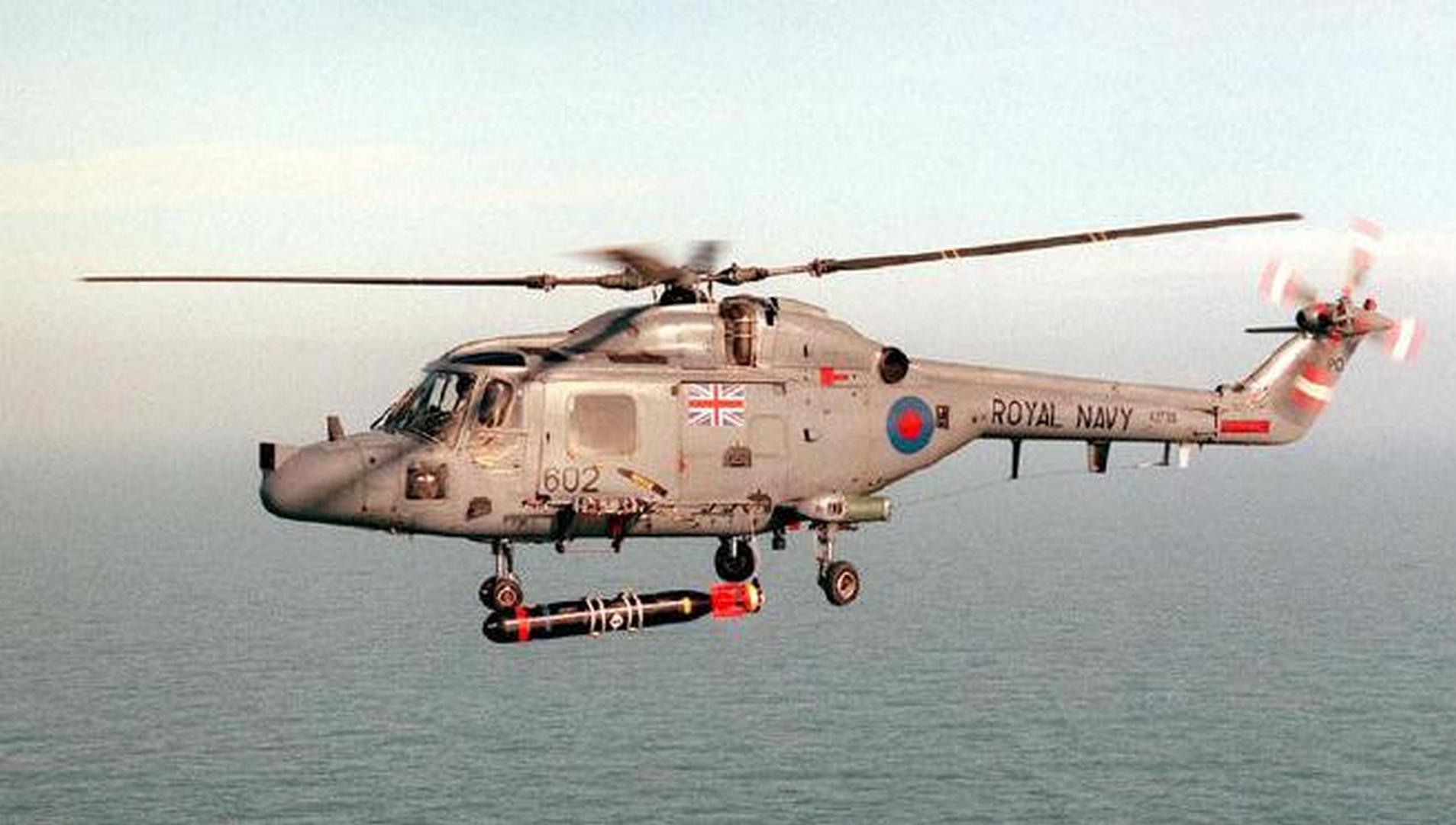
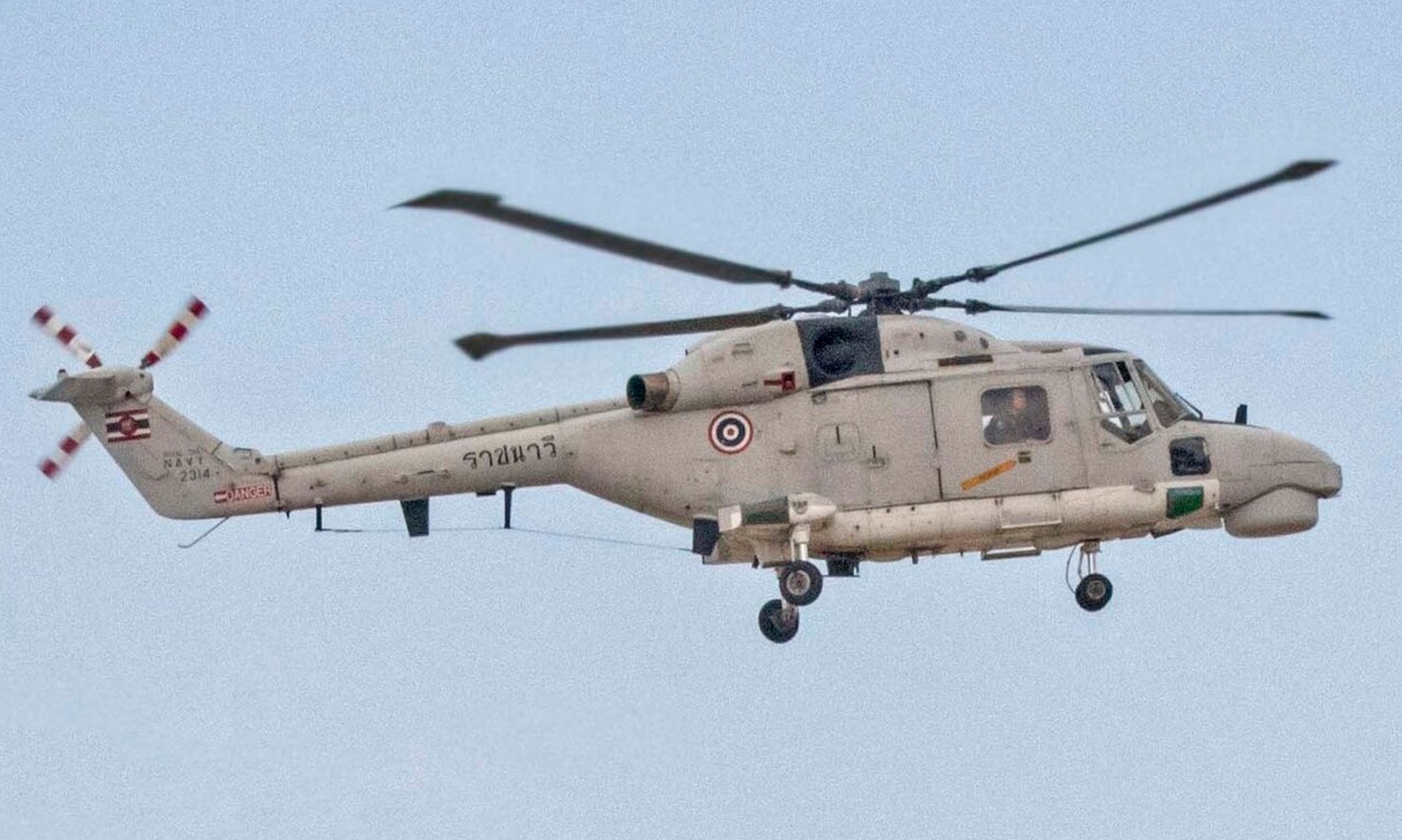
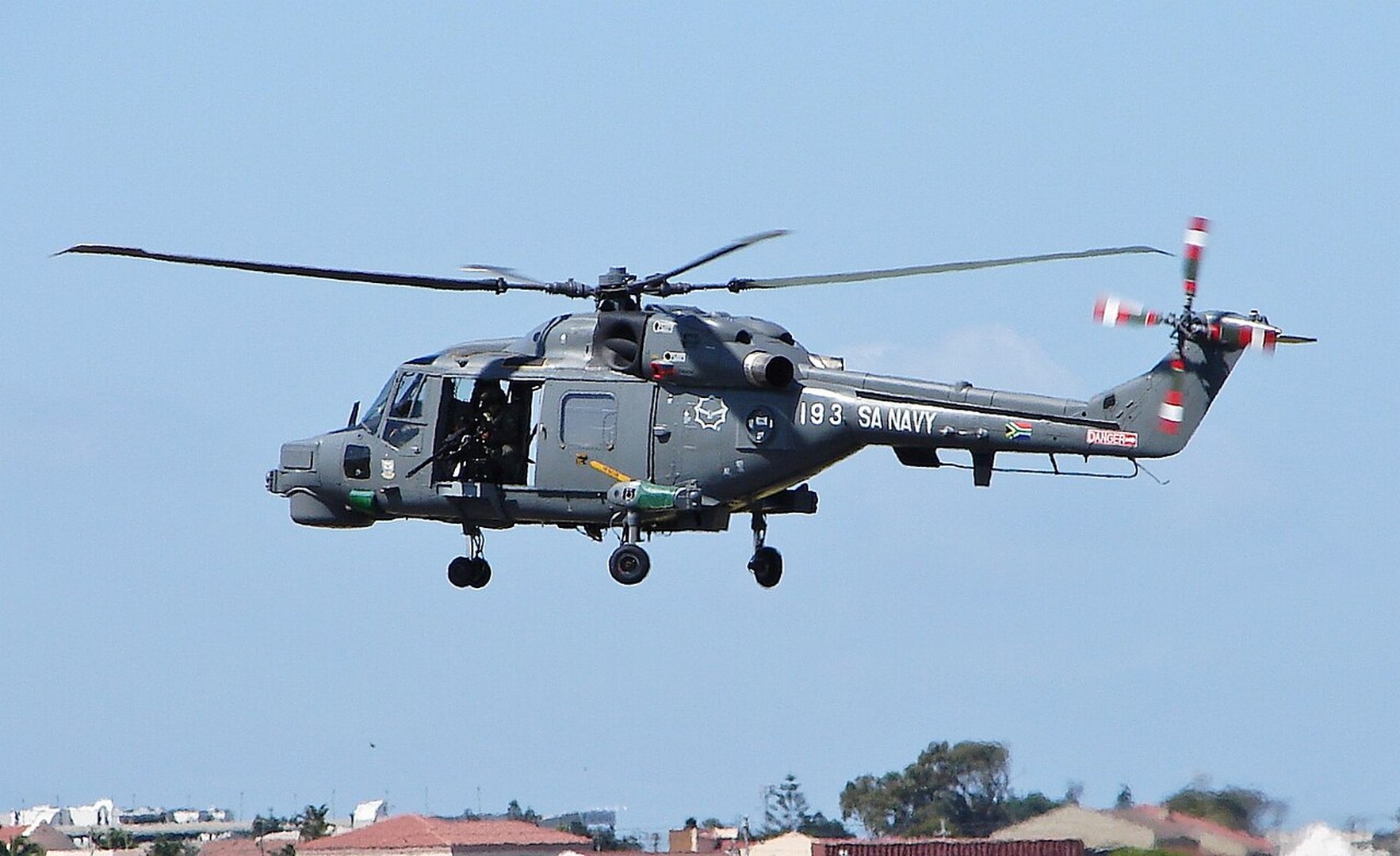
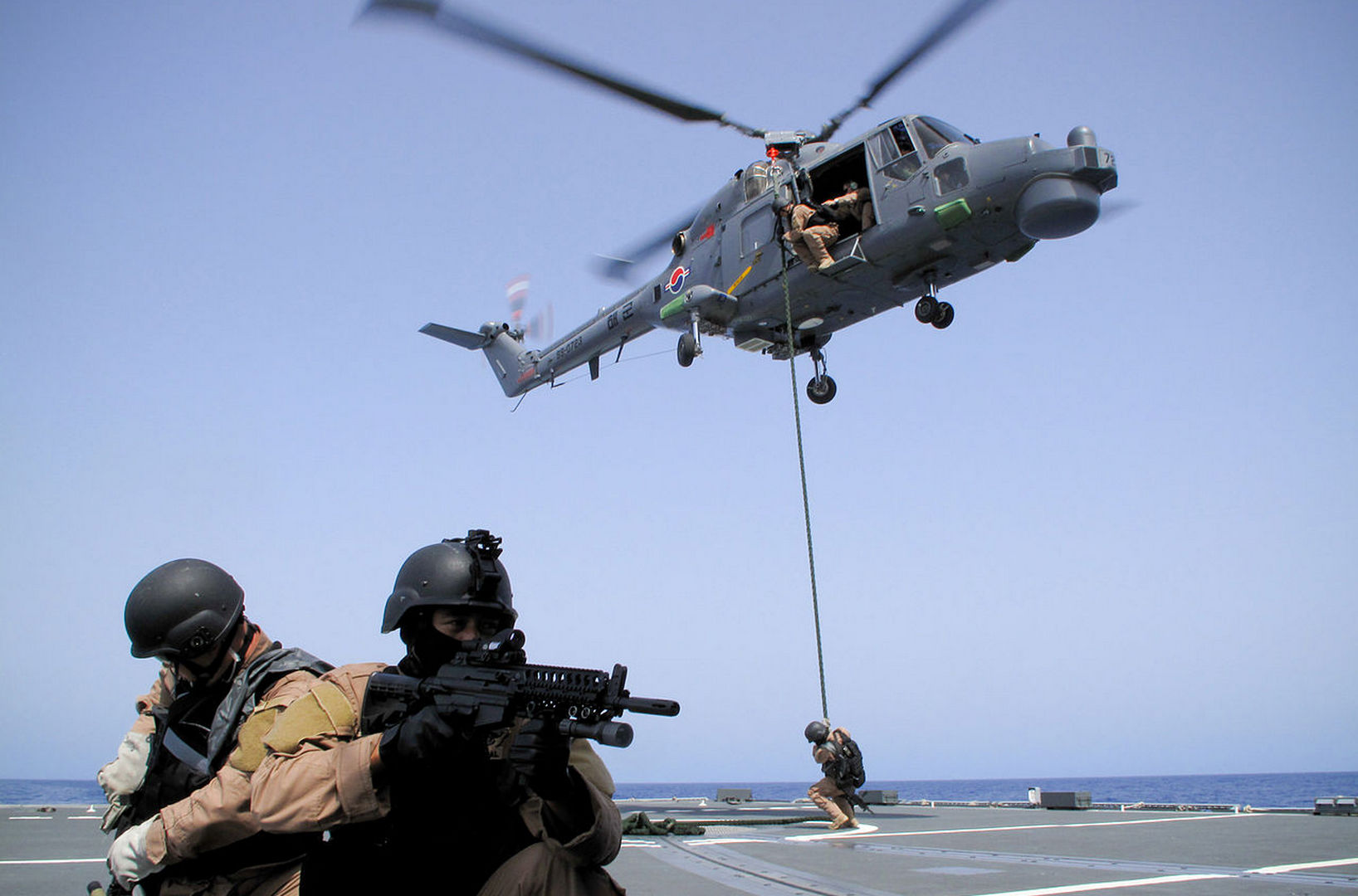
Production of the Lynx at the Yoville plant ended in 2017, with a total of over 450 units built (in addition to 41 civilian Westland 30s). The aircraft’s successful design allowed for the creation of over fifty militarized variants and modifications adapted for various missions. For example, the Lynx AH.9 is a multi-purpose helicopter for the British Army Aviation, capable of carrying anti-tank guided missiles when needed. In turn, the Super Lynx Mk.100 is a multi-purpose naval helicopter capable of performing anti-submarine warfare functions, for which appropriate equipment was installed on board. This variant was equipped with two LHTEC CTS800-4N turboshaft engines, each with a power output of 1,362 hp. It had a length of 15.24 m, a rotor diameter of 12.8 m, a maximum takeoff weight of 5,330 kg, a maximum speed of 324 km/h, and a range of up to 1,000 km with an additional fuel reserve. The helicopter could carry two anti-submarine torpedoes or four Sea Skua light anti-ship missiles. Several options for additional armament were also planned, including a 20-mm cannon or a 12.7-mm machine gun.
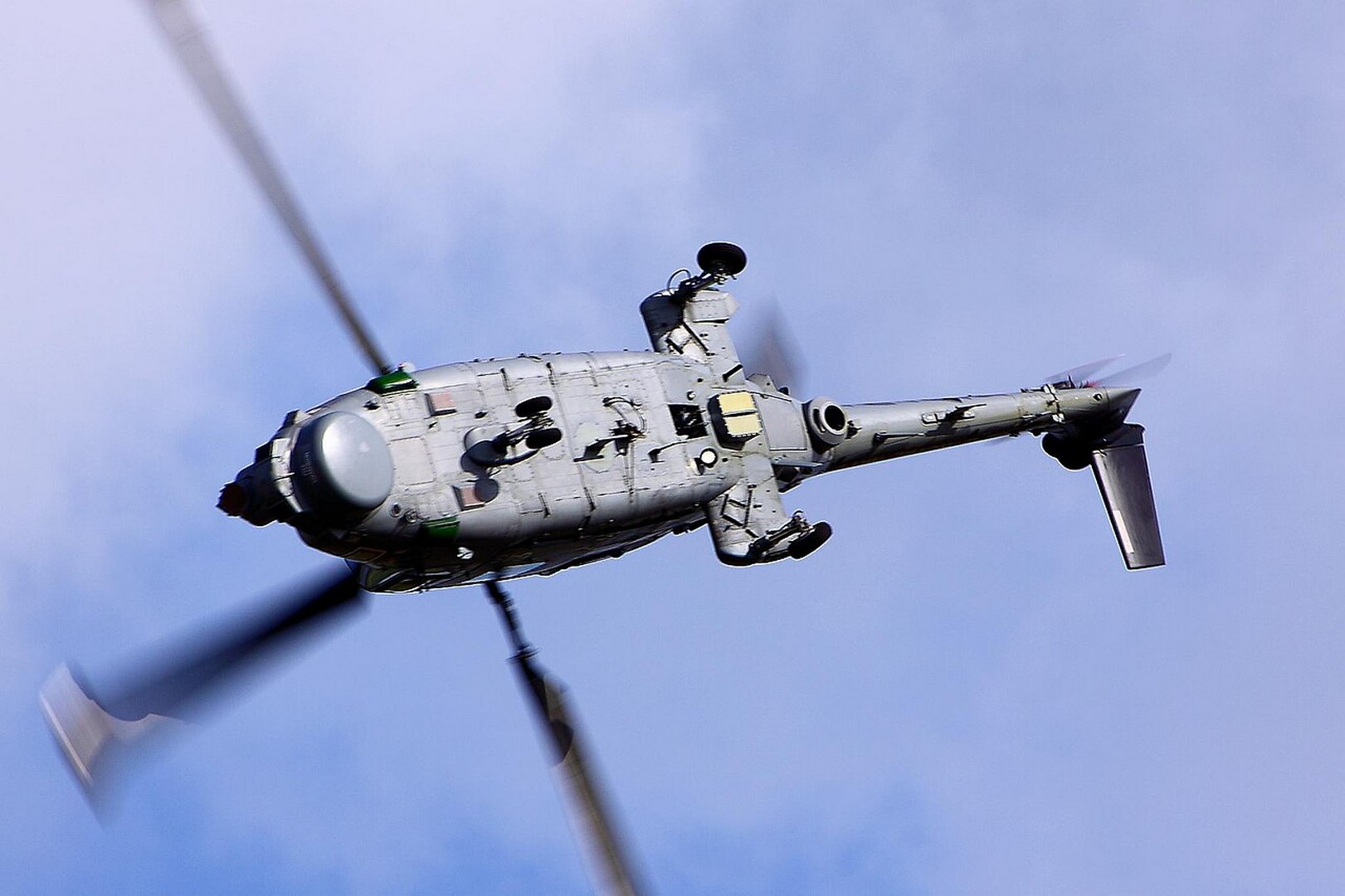
A distinctive feature of the “Lynx” was its extremely high maneuverability. It is capable of performing advanced aerobatic maneuvers, including “barrels” and “dead loops.” Additionally, it is a very high-speed machine. In 1986, a specially modified Lynx set an official speed record of 400.87 km/h, which remains the record for “classic” helicopters to this day (only experimental “compound” helicopters with combined powerplants fly faster).
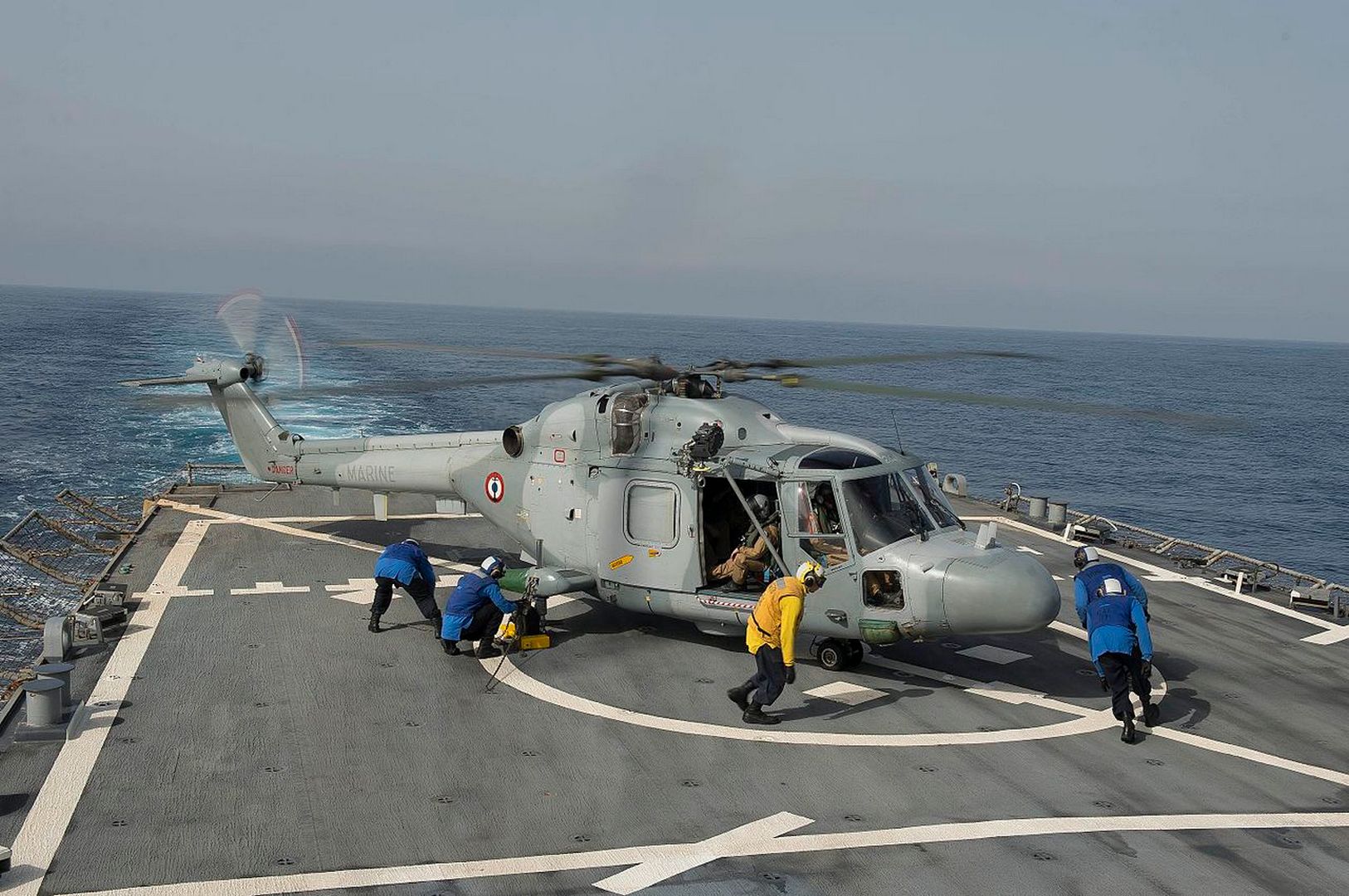
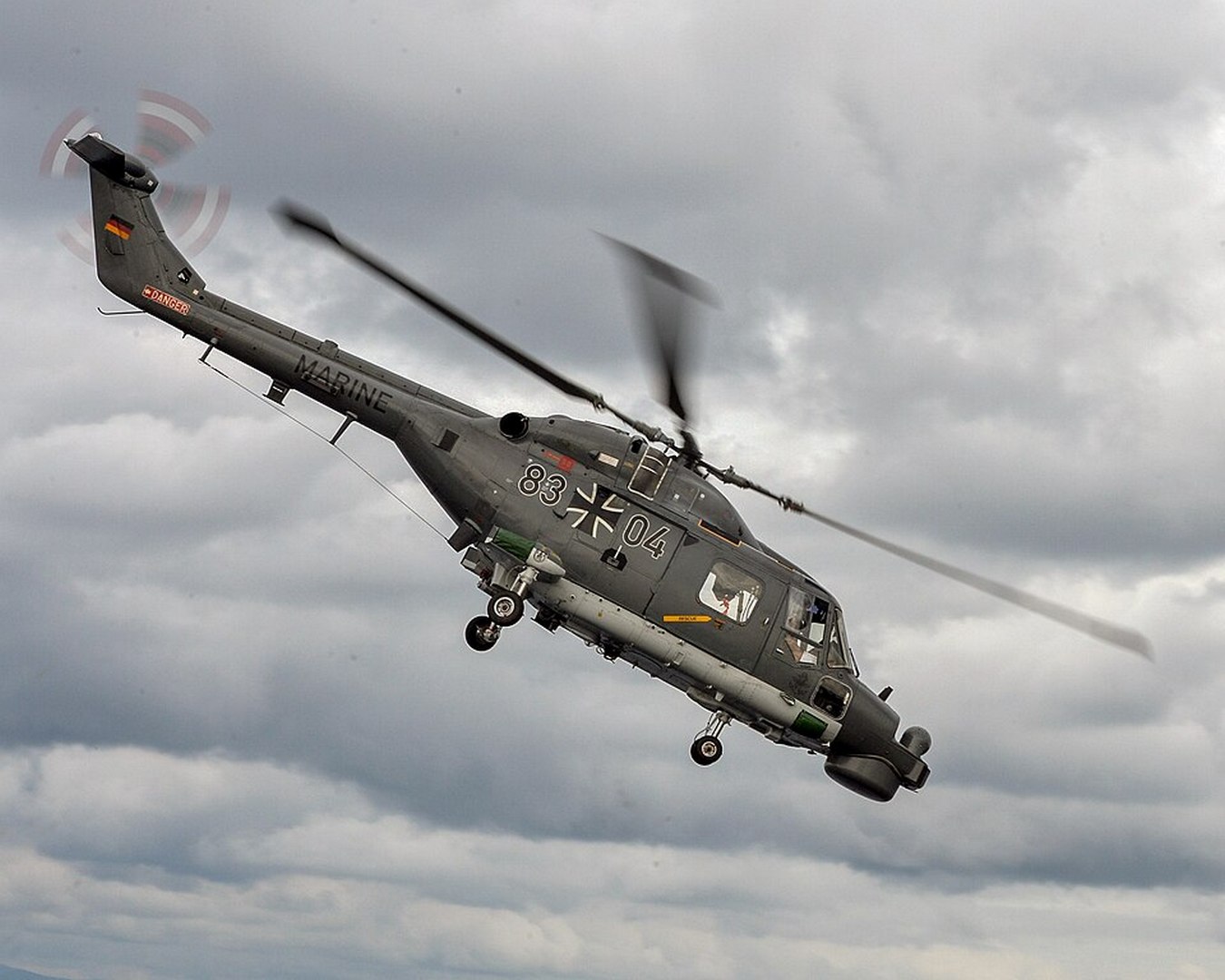
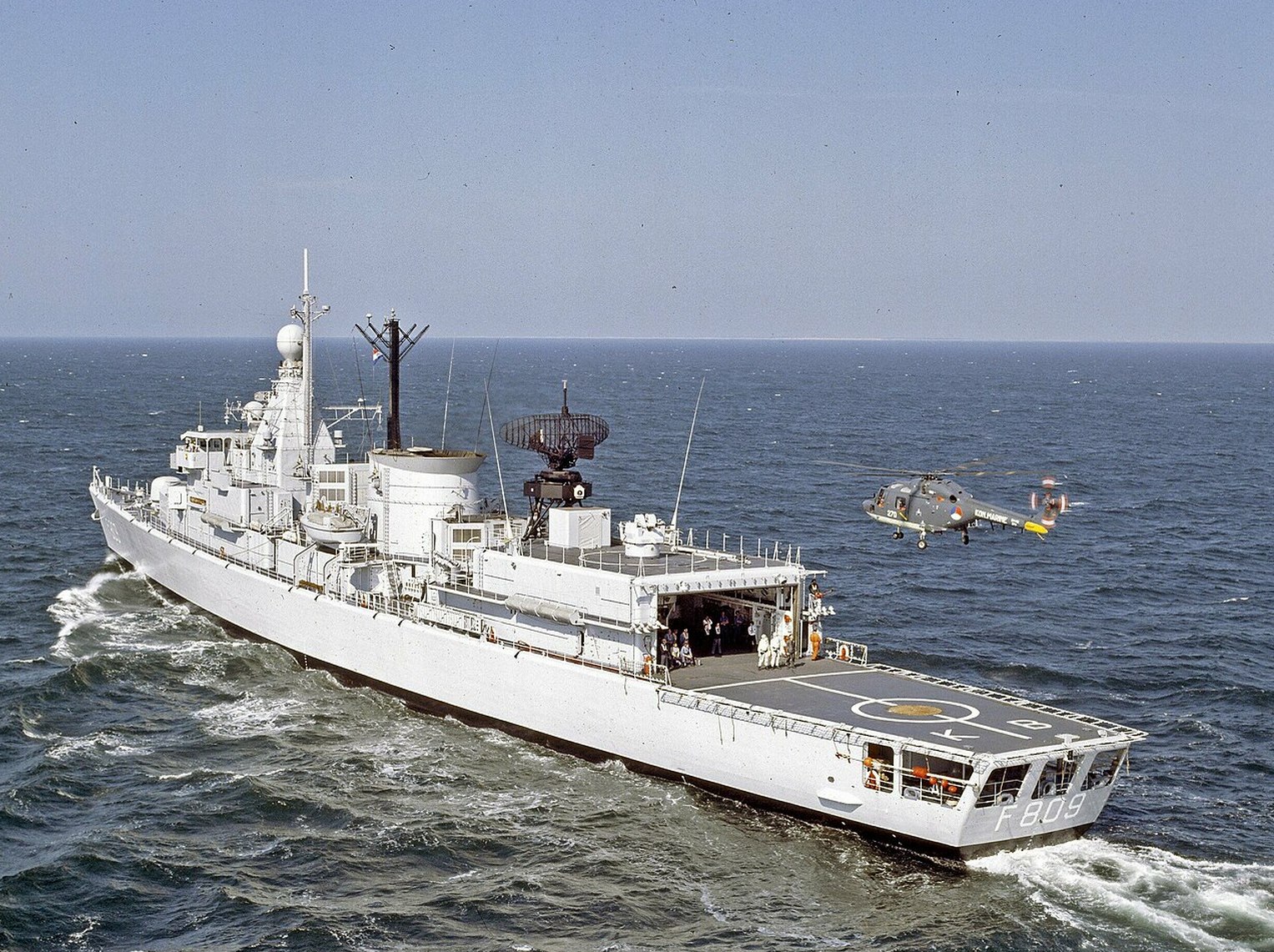
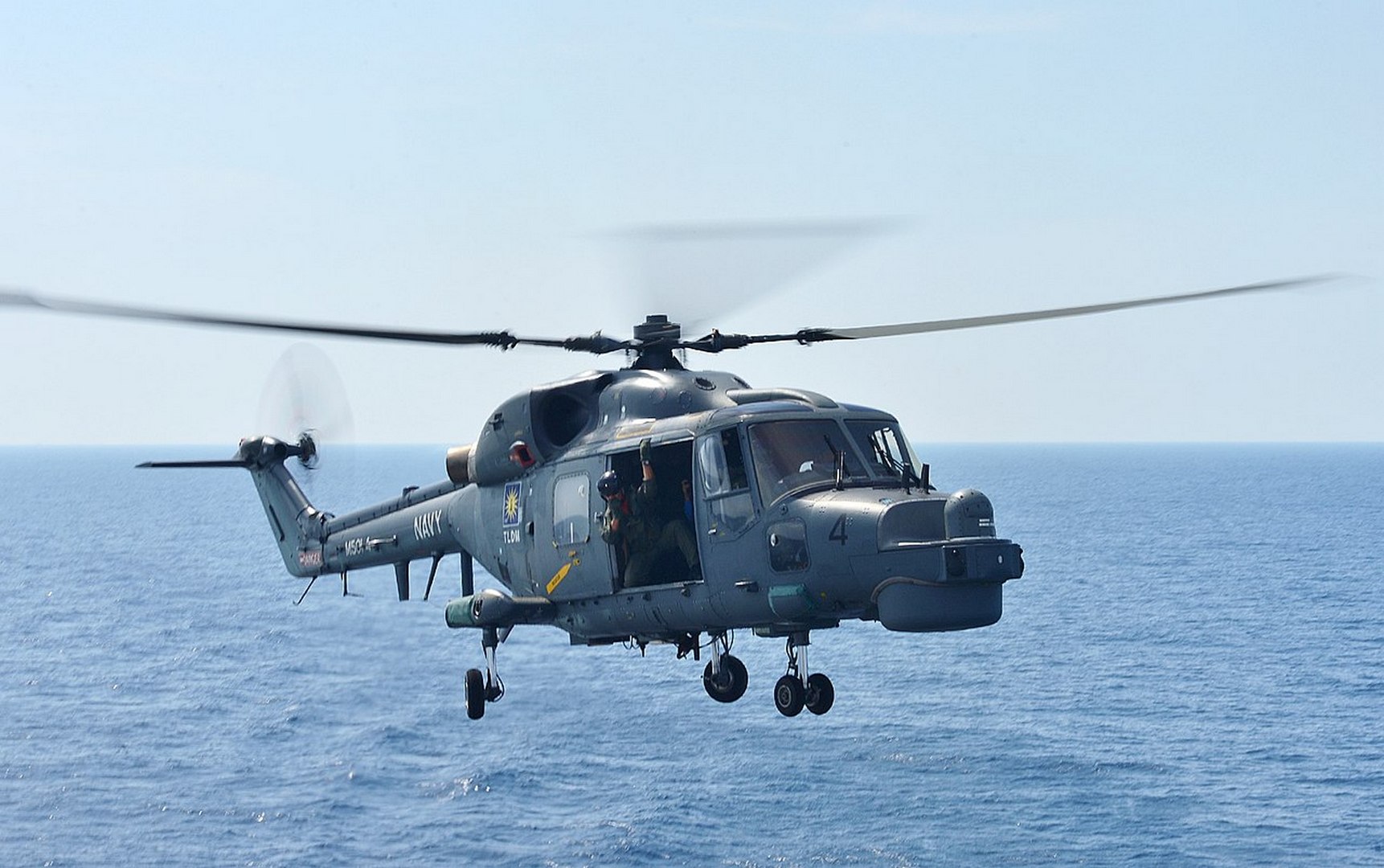
In addition to the UK, 17 other countries have acquired Lynx helicopters, including Algeria, Brazil, Malaysia, the Netherlands, Germany, South Africa, South Korea, and France. The helicopters have been deployed in a number of regional conflicts, including the 1991 Gulf War, the 1999 NATO campaign in Yugoslavia, and the protracted war in Afghanistan. Recently, media outlets reported on Germany’s intention to transfer some of its decommissioned “Lynx” helicopters to Ukraine, which could be useful in the war against Russian aggressors, for example, to combat “Shaheds” and similar drones.
In the UK, the last “Lynx” helicopters were decommissioned in 2018. They were replaced by the AgustaWestland AW159 Wildcat helicopter, developed as an evolution of its predecessor and very similar to it. However, in many countries, the “Lynx” will remain in service for many years to come.