Fan-page
 Youtube
 TikTok
 Aviamuseum
 State Aviation Museum
60 Years of the Bell X-22 Experimental Tiltrotor
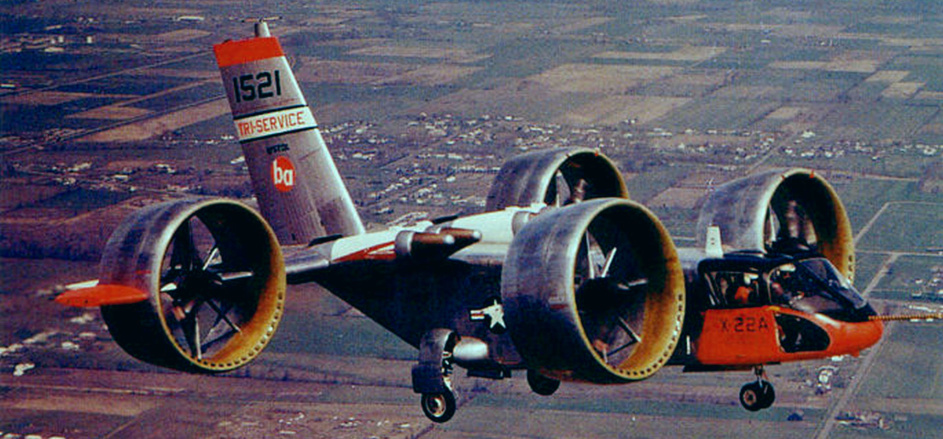
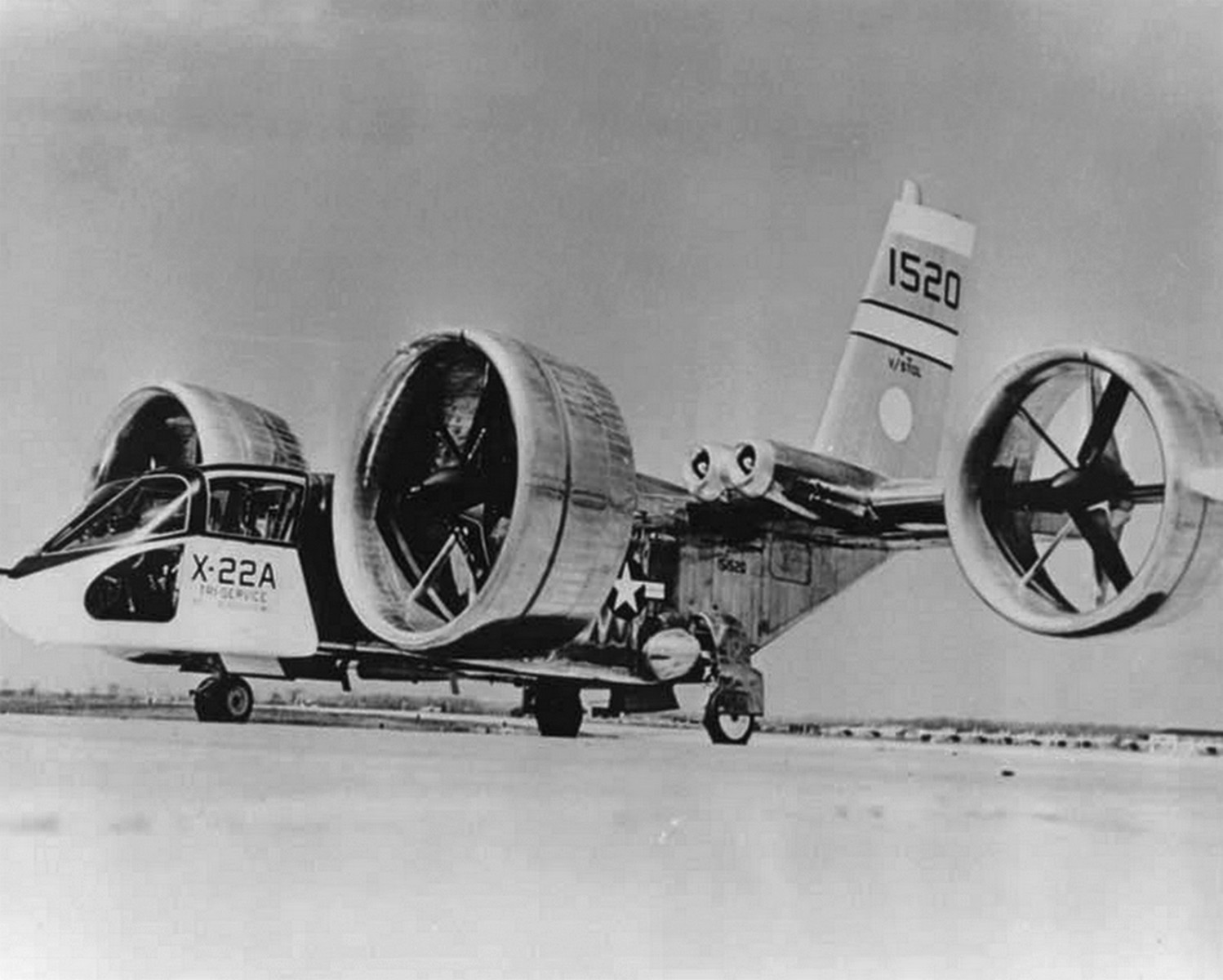
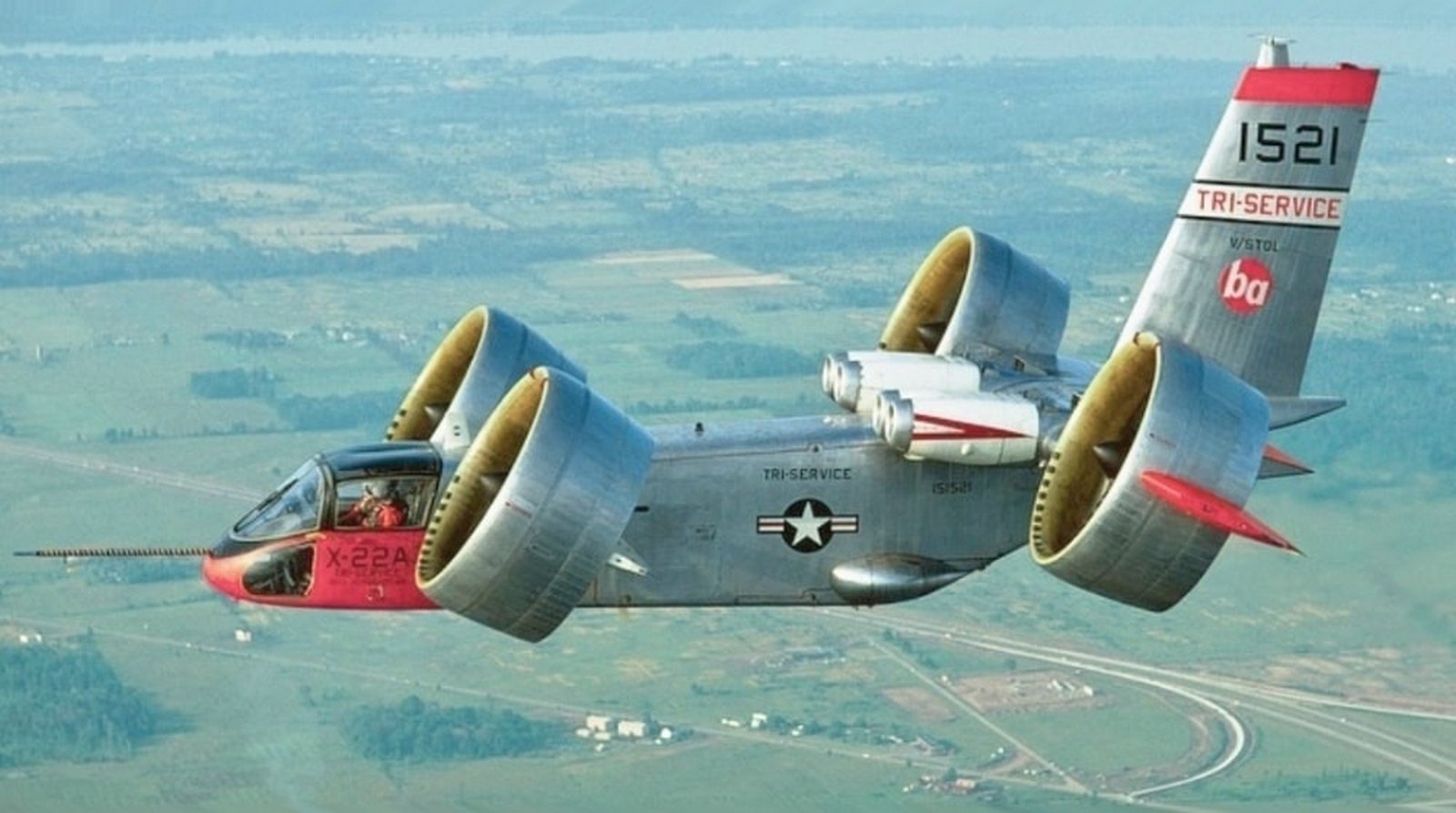
March 17 marked the 60th anniversary of the X-22 experimental tiltrotor, developed by the American company Bell Helicopter (now Bell Helicopter Textron). On that day in 1966, the first prototype took to the skies.
At that time, there was heightened interest in the global aviation industry in short takeoff and landing aircraft, as well as tiltrotors—a new class of aircraft capable of taking off and landing like helicopters while performing other phases of flight like airplanes. Their main advantages over helicopters were greater speed and range. However, this came at the cost of significantly more complex design and reduced reliability.
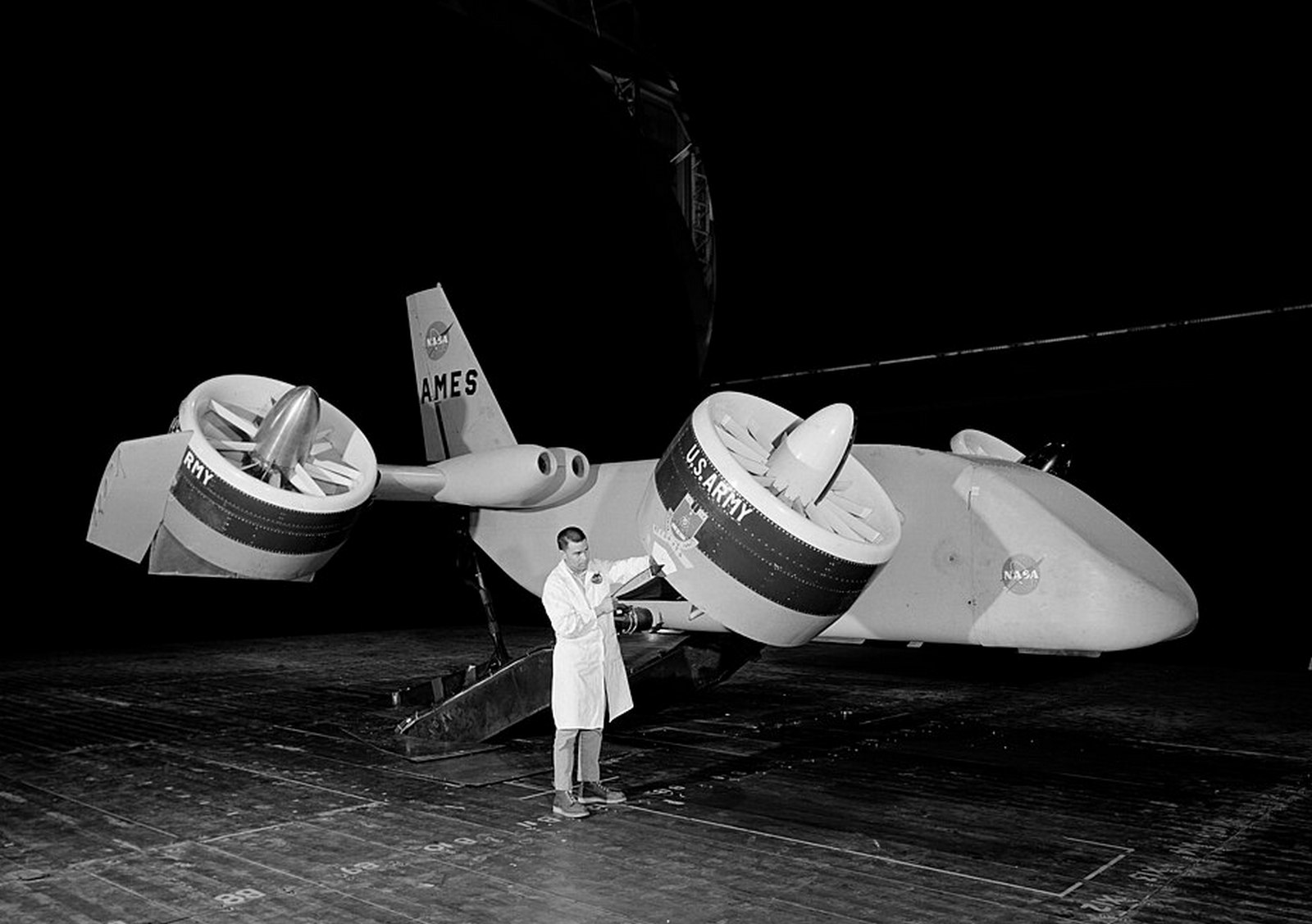
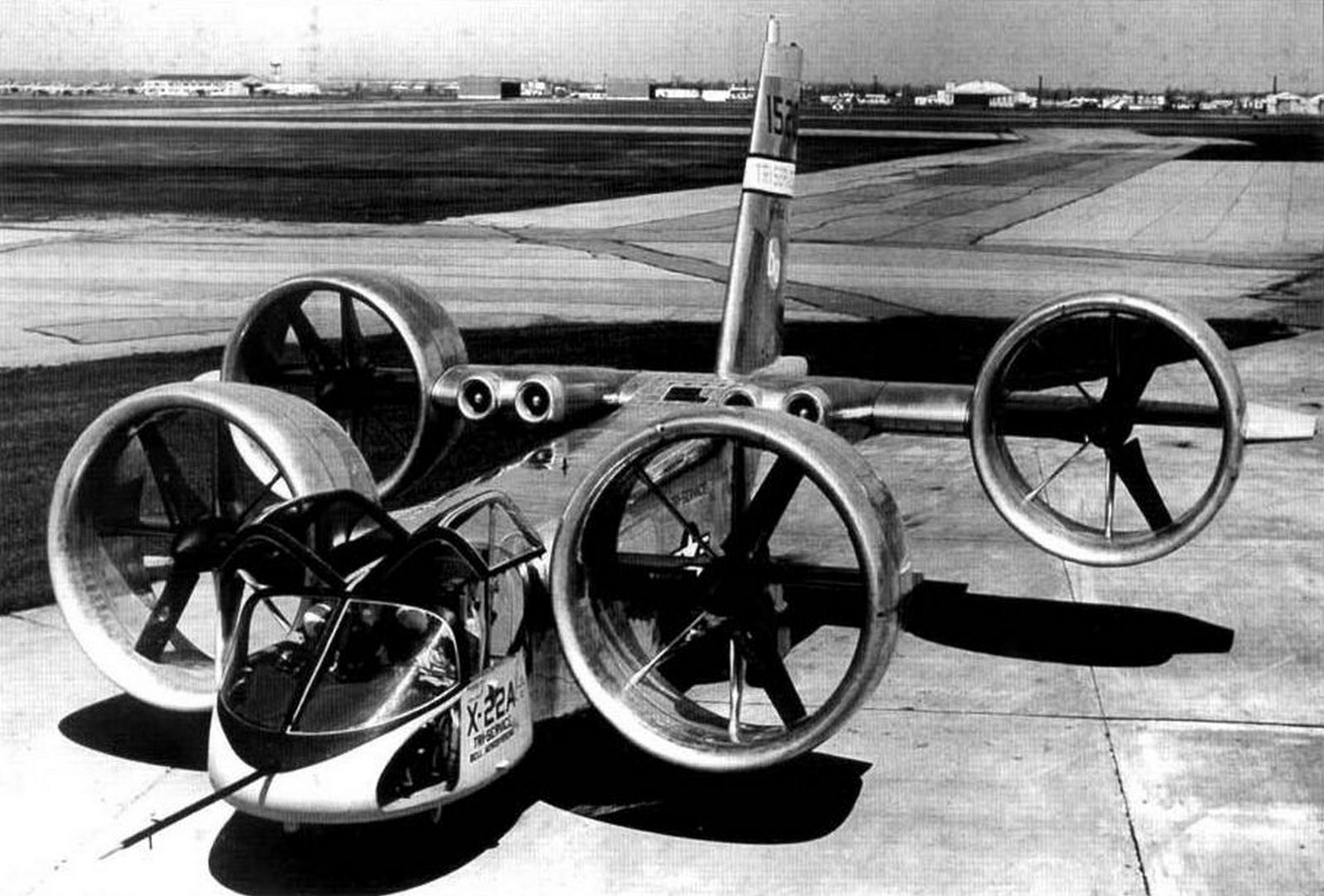
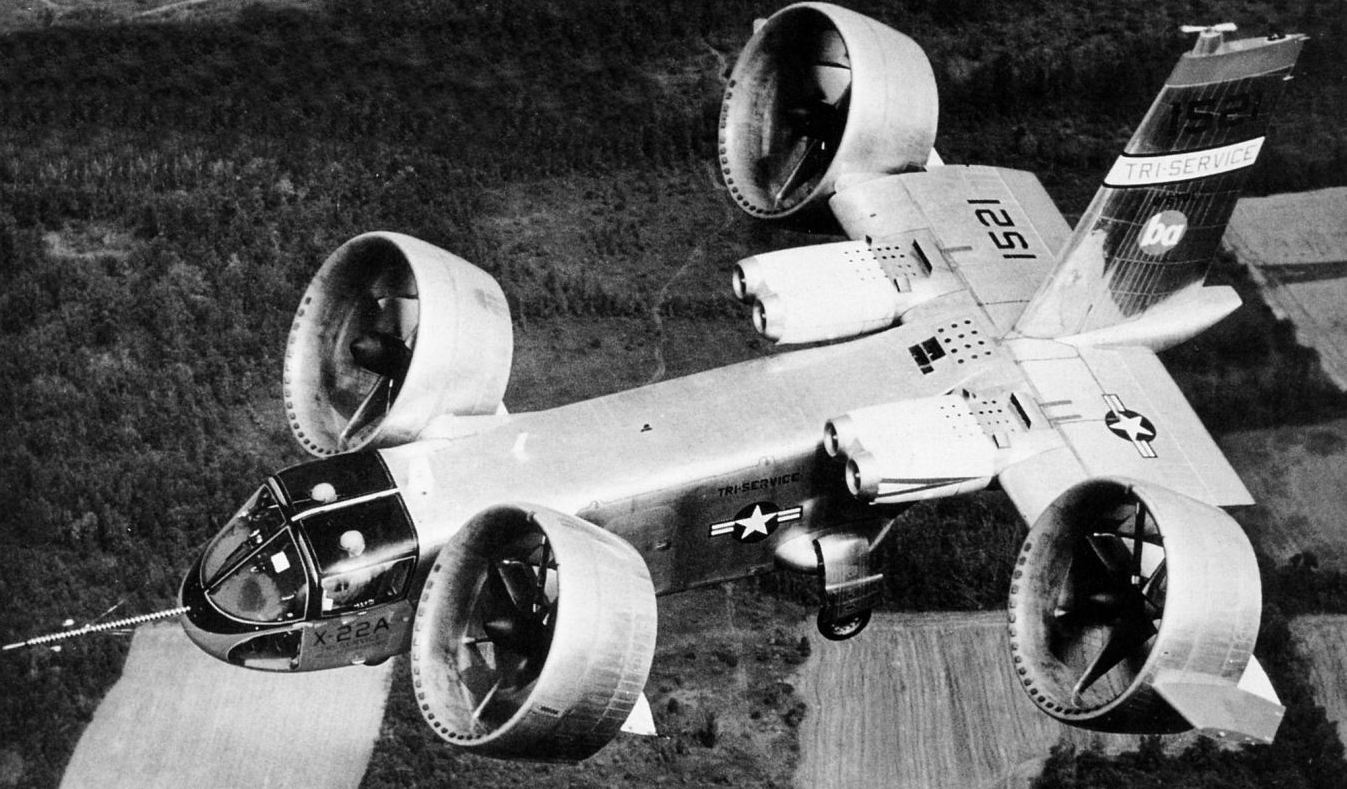
Bell had been conducting research on this topic for over 10 years, which led to a contract from the U.S. Navy to develop an experimental tiltrotor capable of reaching speeds of up to 550 km/h. For it, the designers chose an exotic configuration with two small-span tandem wings, on which four swiveling propellers were mounted in ring-shaped fairings. Four General Electric YT58-GE-8D turbofan engines, each with 1,250 hp, were installed on the rear wing. All the rotors were driven by these engines via a complex transmission. The tiltrotor was 12.06 m long, with a rear wing span of 11.96 m and a maximum takeoff weight of nearly 7 tons; it was capable of carrying a payload of over 500 kg and flying 716 km.
Only two airframes were built. The first crashed on August 8, 1966, after which it was dismantled and its cockpit was used to create a flight simulator. The second prototype was tested until the end of its service life in 1988. In particular, it reached a maximum speed of 525 km/h, which fell slightly short of the customers’ requirements. However, the main drawback was the tiltrotor design itself, as it was never possible to ensure reliable operation of the powerplant in the event that even one of the four rotors failed.
The X-22 program was shut down. But the results obtained allowed Bell to move forward and eventually create its famous V-22 Osprey, which remains the world’s only production tiltrotor to date.