Fan-page
 Youtube
 TikTok
 Aviamuseum
 State Aviation Museum
90 years of the legendary Supermarine Spitfire fighter plane
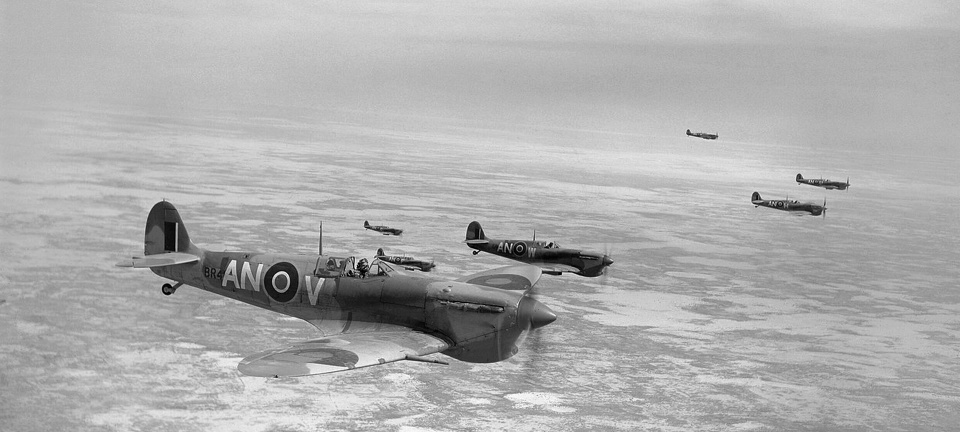
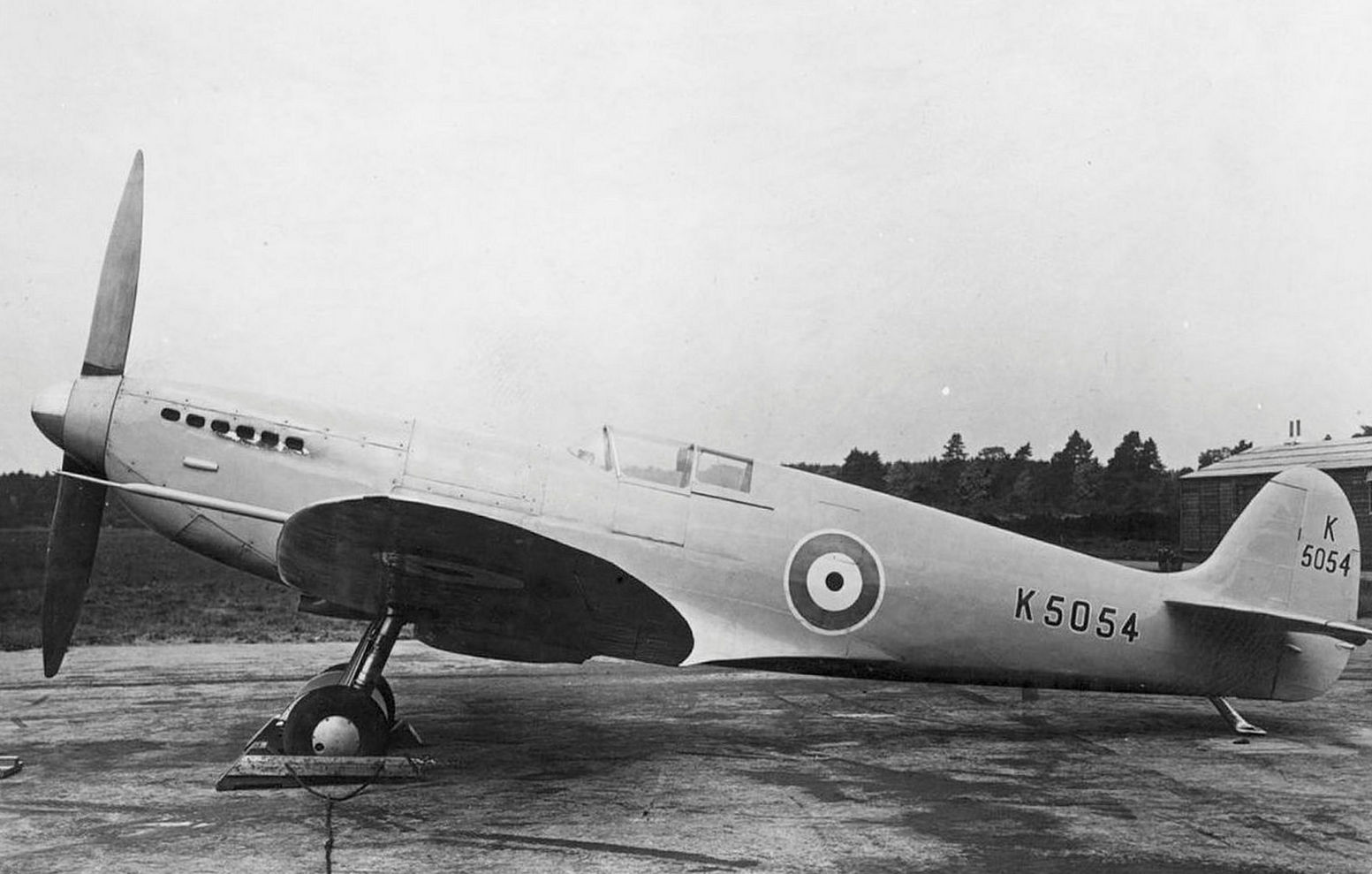
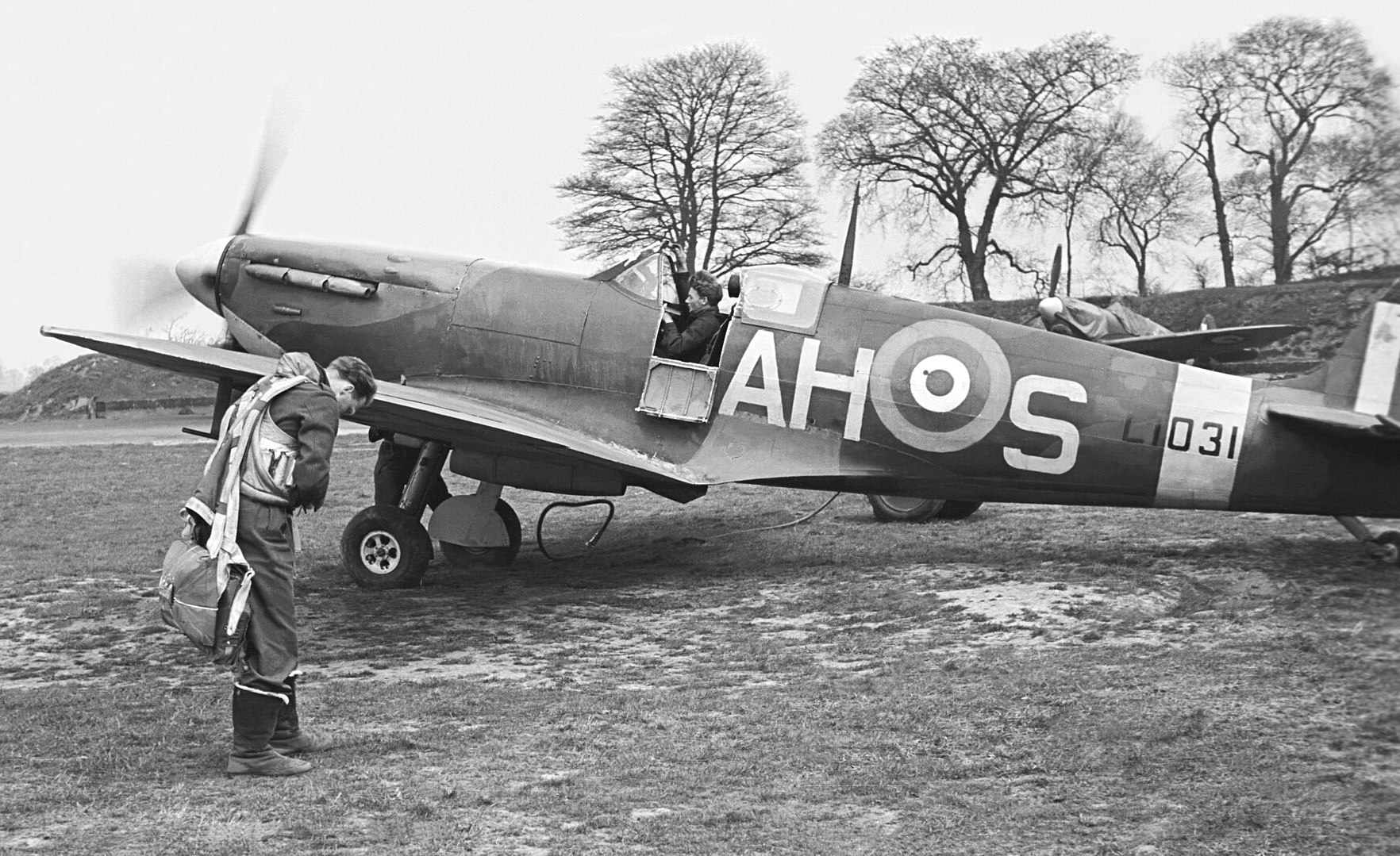
March 5 marked the 90th anniversary of one of the best fighter planes of World War II, the Supermarine Spitfire. On that day in 1936, its first prototype took to the skies.
The aircraft was created by a small British company called Supermarine Aviation Works. Before the war, it was famous for its high-speed seaplanes, which won prestigious aviation races. In 1928, Supermarine became a subsidiary of Vickers-Armstrongs.
Right from the start of testing, the Spitfire literally amazed everyone with its capabilities. It reached a maximum speed of 557 km/h, while the first German Bf 109 series fighters could only reach 470 km/h.
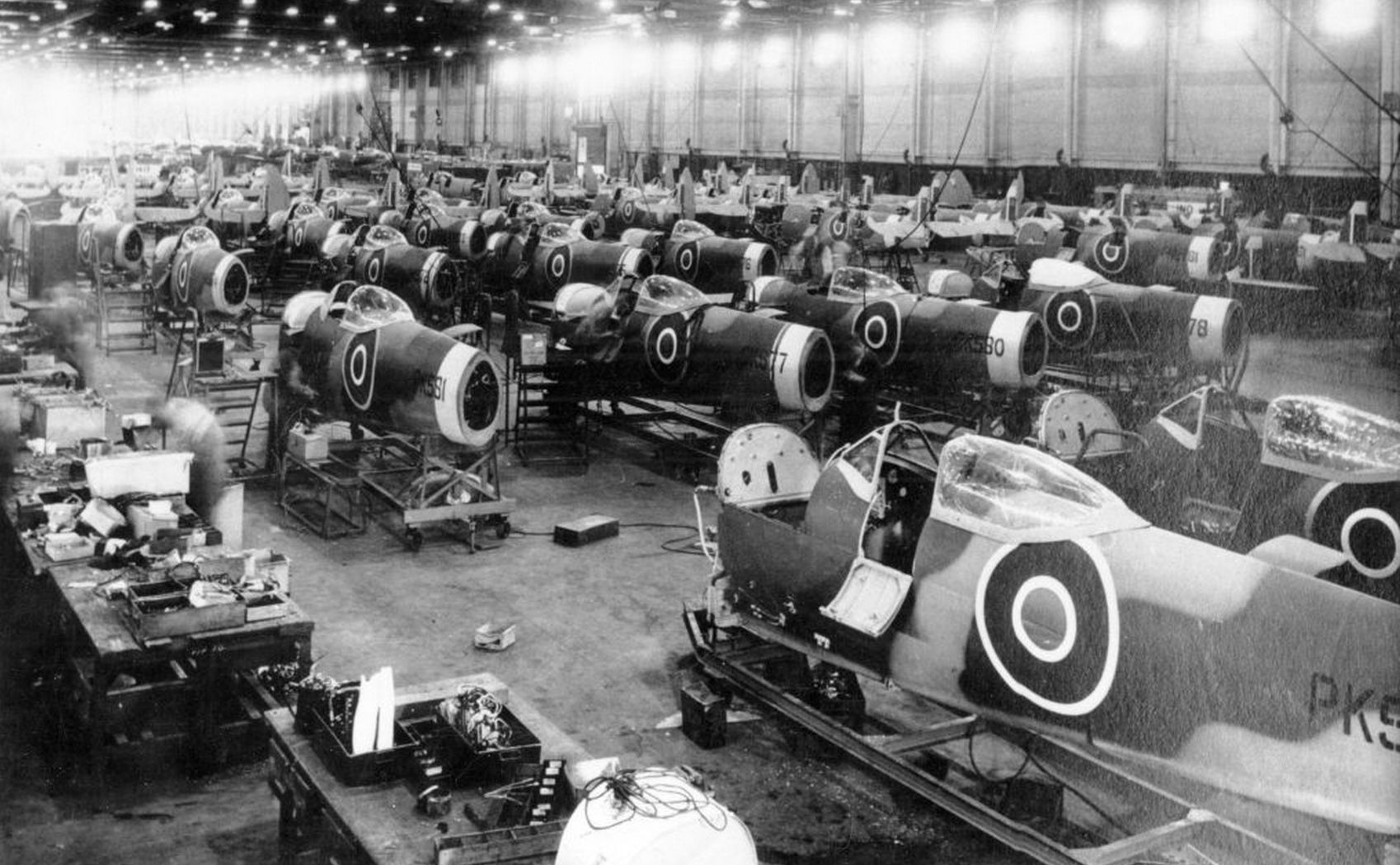
On June 3, 1936, the British Ministry of Aviation ordered 310 Spitfires. The aircraft required almost no modifications, and it seemed that nothing would prevent its rapid mass production. However, Supermarine had limited production capacity and was unable to build a significant number of fighters at a fast pace. The problem was partially solved by involving other companies of the Vickers-Armstrong concern in the cooperation. And only when the Ministry of Aviation signed additional contracts with other manufacturers did the production of Spitfires begin to gain momentum.
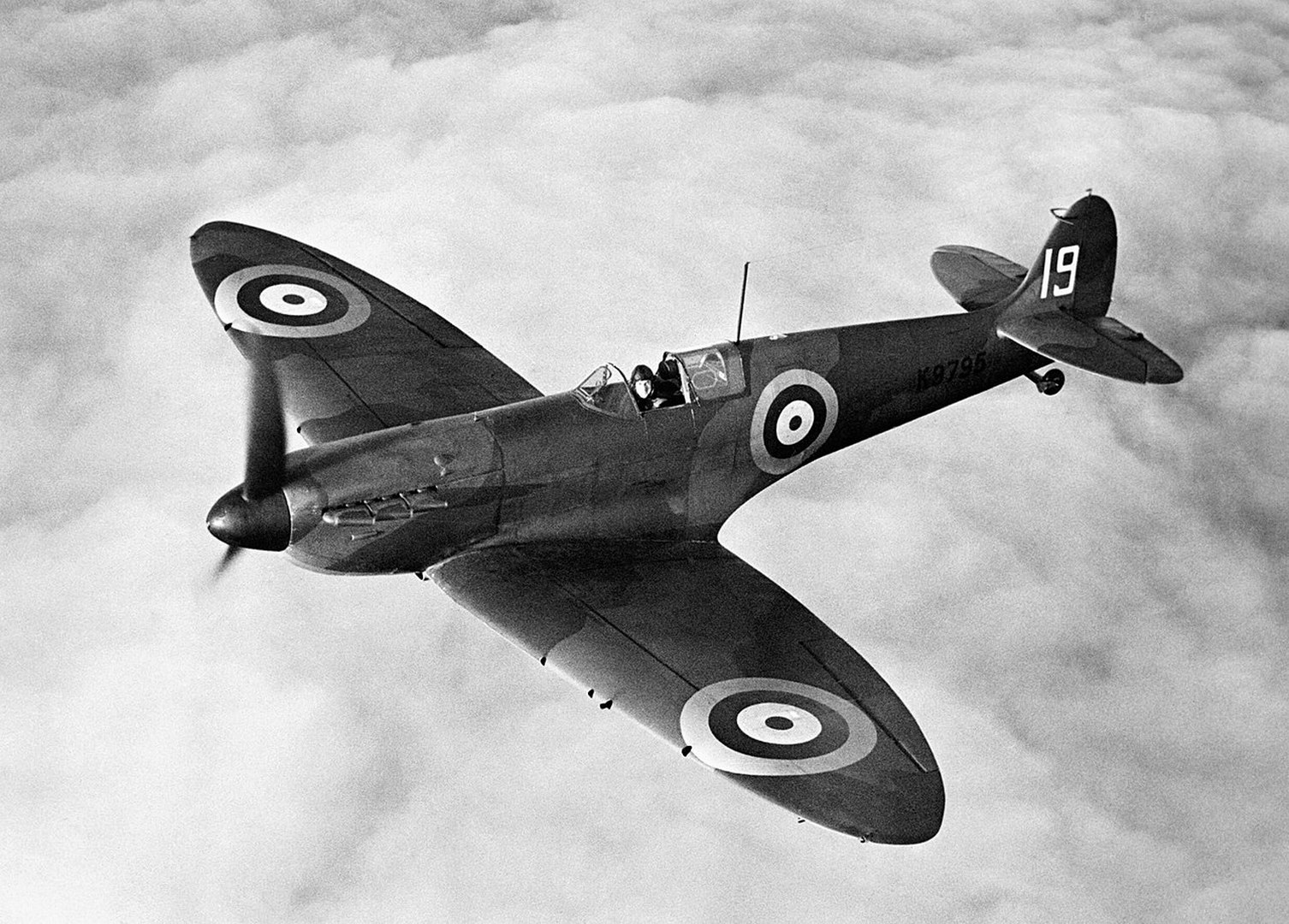
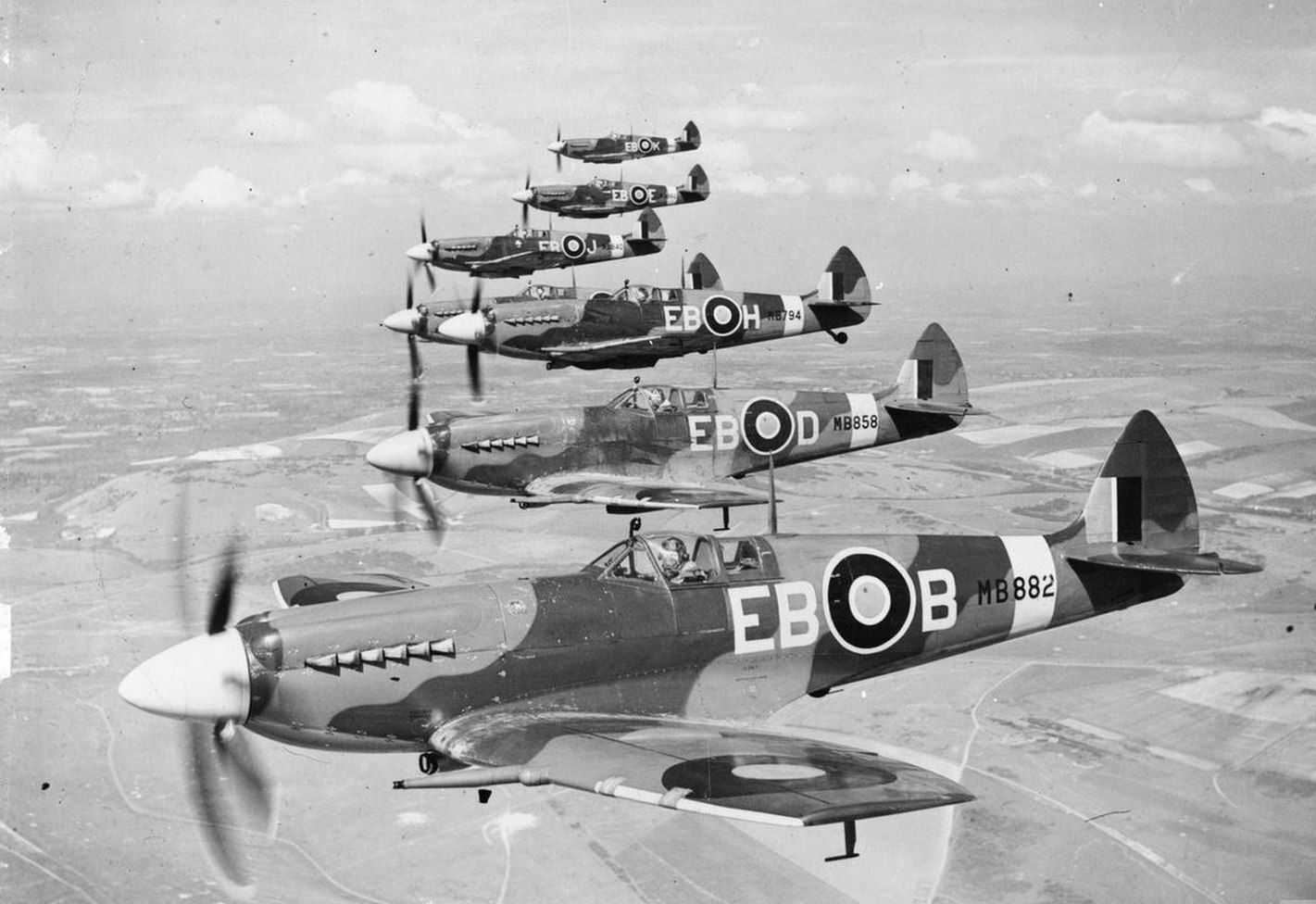
Production of the aircraft did not end until 1948. In total, more than 20,300 units were built, including fighters, reconnaissance aircraft, and two-seater training aircraft. The Spitfire's great modernization potential allowed for the creation of 24 main versions and numerous sub-variants. They had significant differences. For example, a larger wingspan with elliptical wing tips gave an advantage in combat at high altitudes, while a “truncated” wing gave an advantage at medium and low altitudes. Different versions of the Spitfire also differed significantly in terms of armament and engines.
Among the most advanced was the Spitfire Mk.XIV with a Rolls-Royce Griffon 65 liquid-cooled engine with a power of 2,050 hp. The aircraft was 9.96 m long, had a wingspan of 11.23 m, a maximum take-off weight of 3,810 kg, a maximum speed of 710 km/h, and a range of 1,760 km. Its armament consisted of two 20 mm cannons and four 7.7 mm machine guns or two 12.7 mm machine guns.
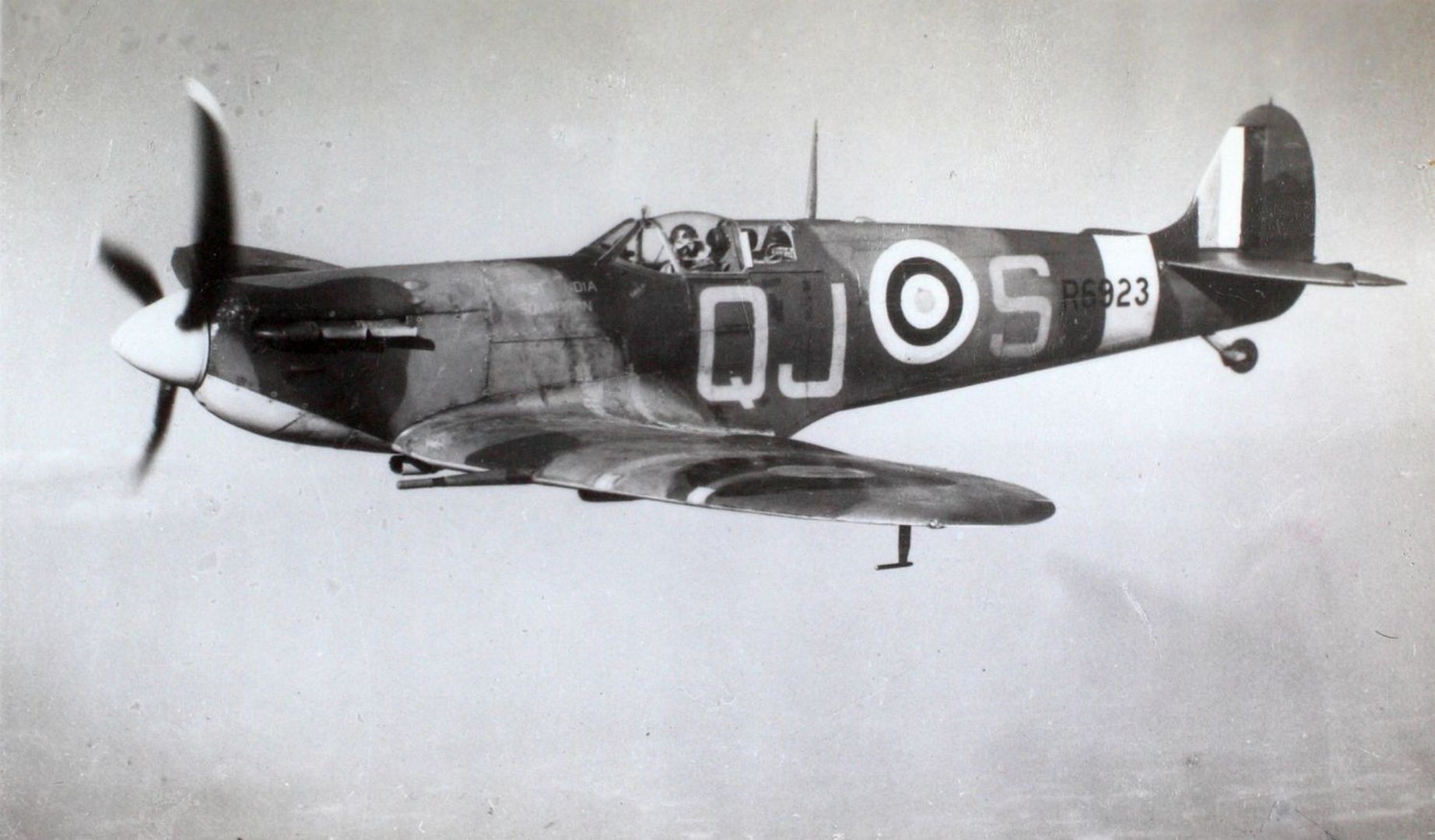
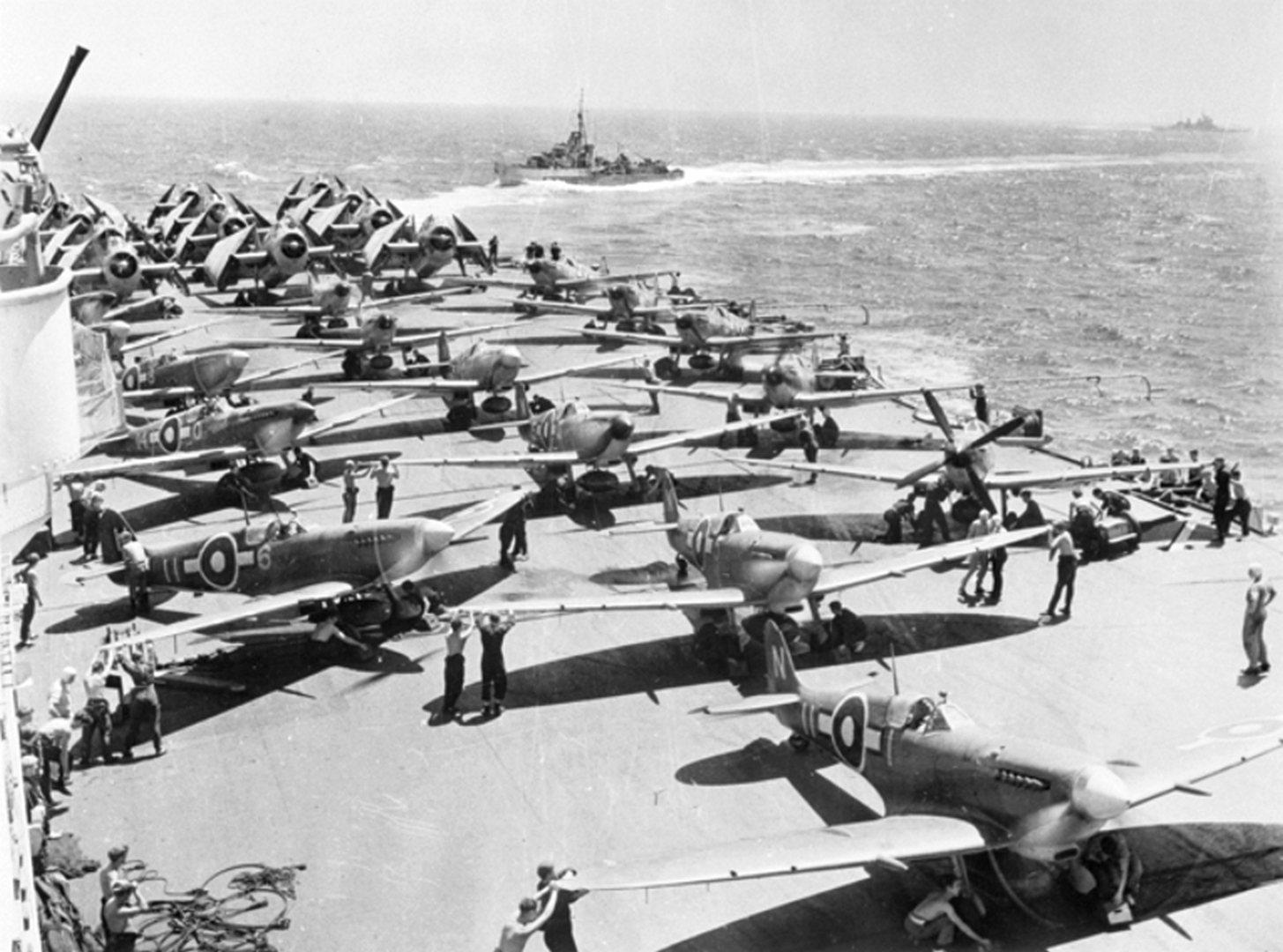
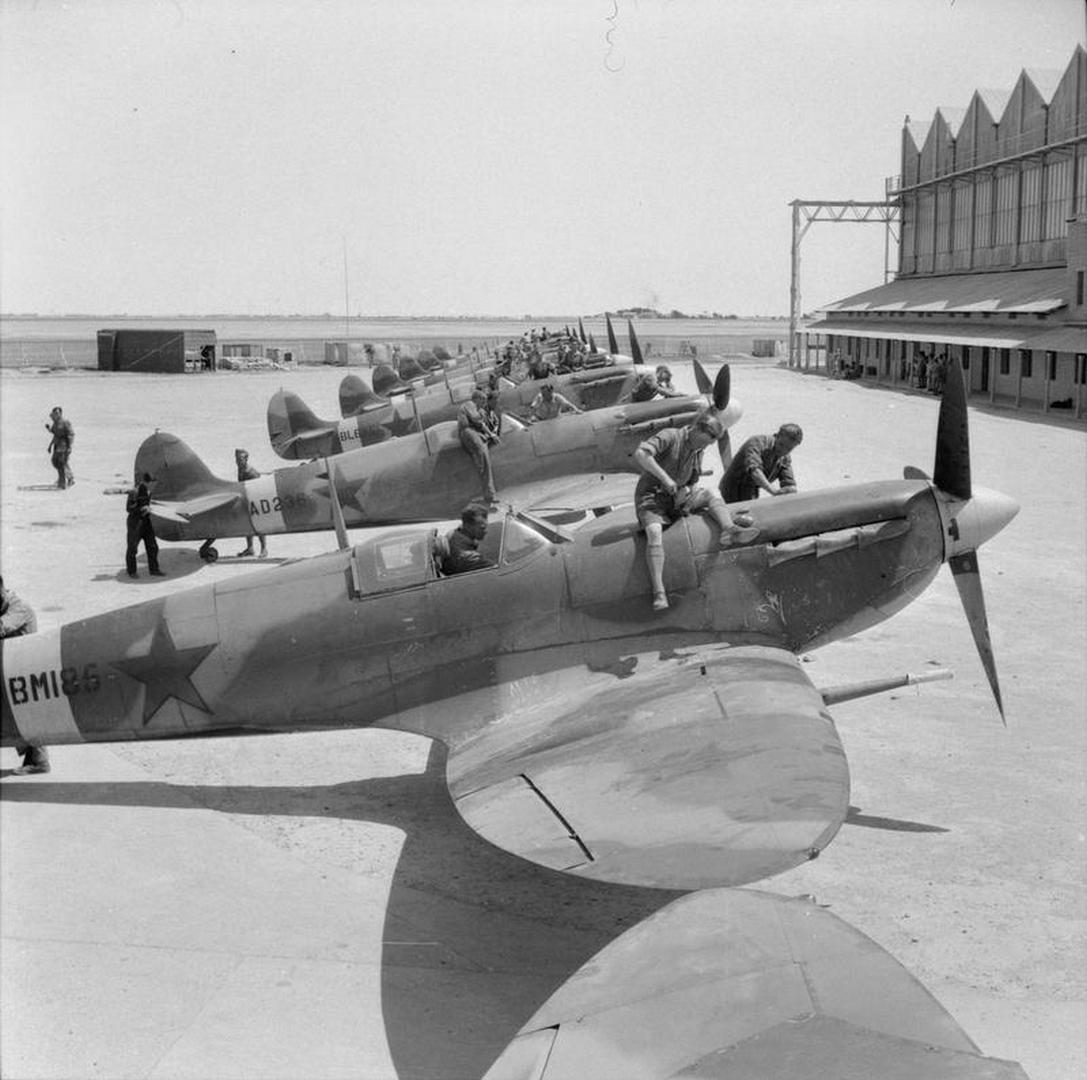
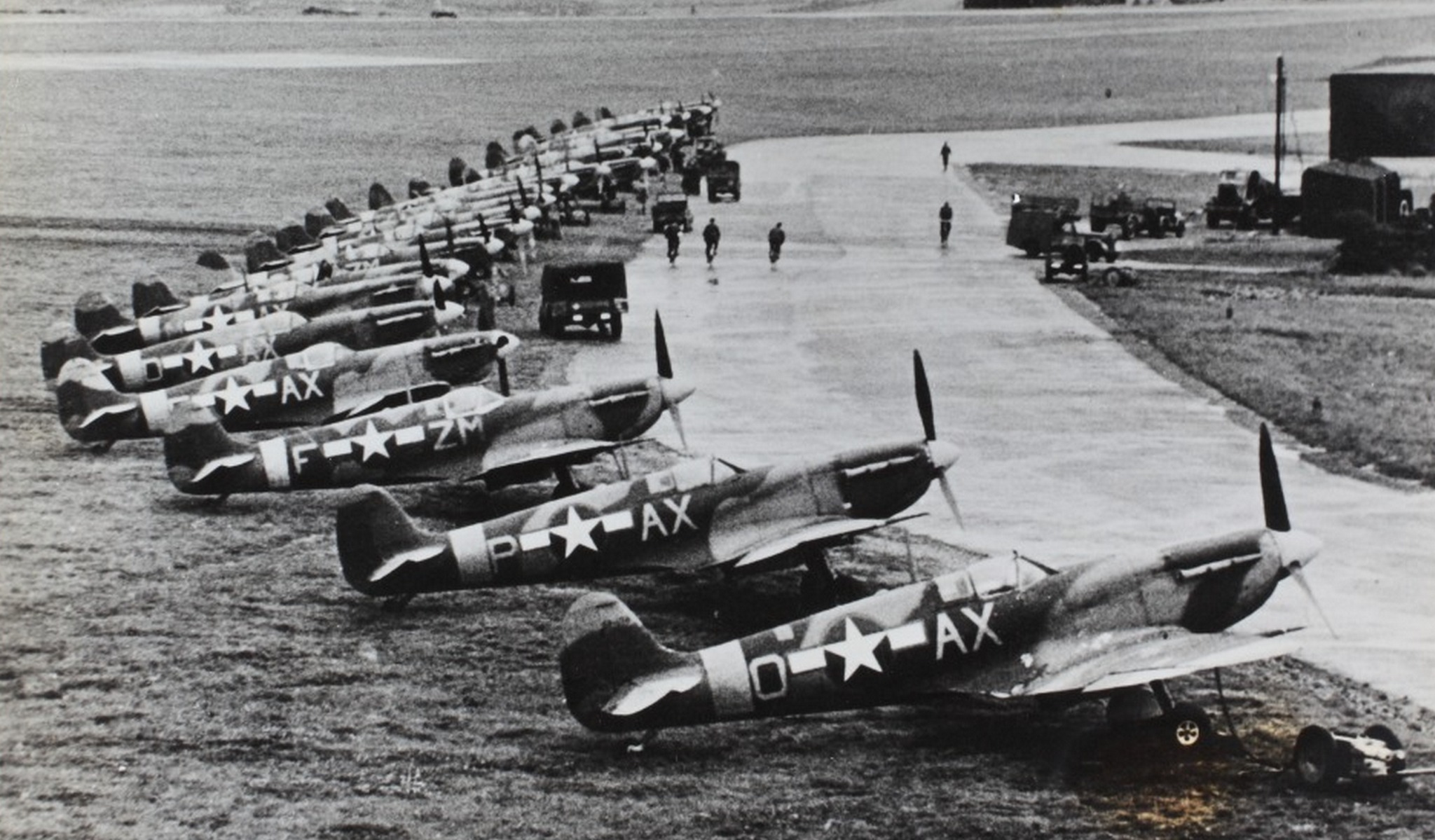
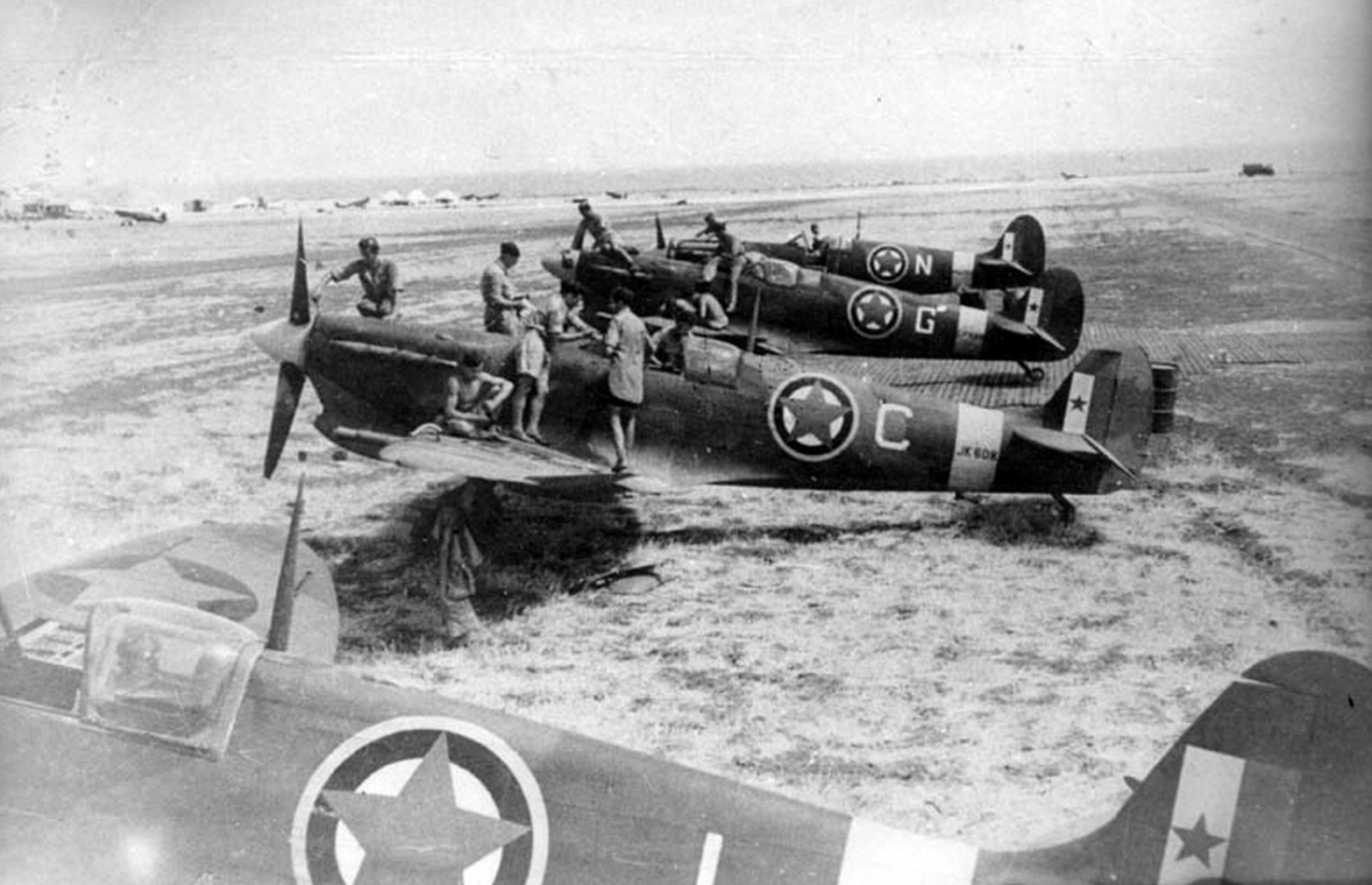
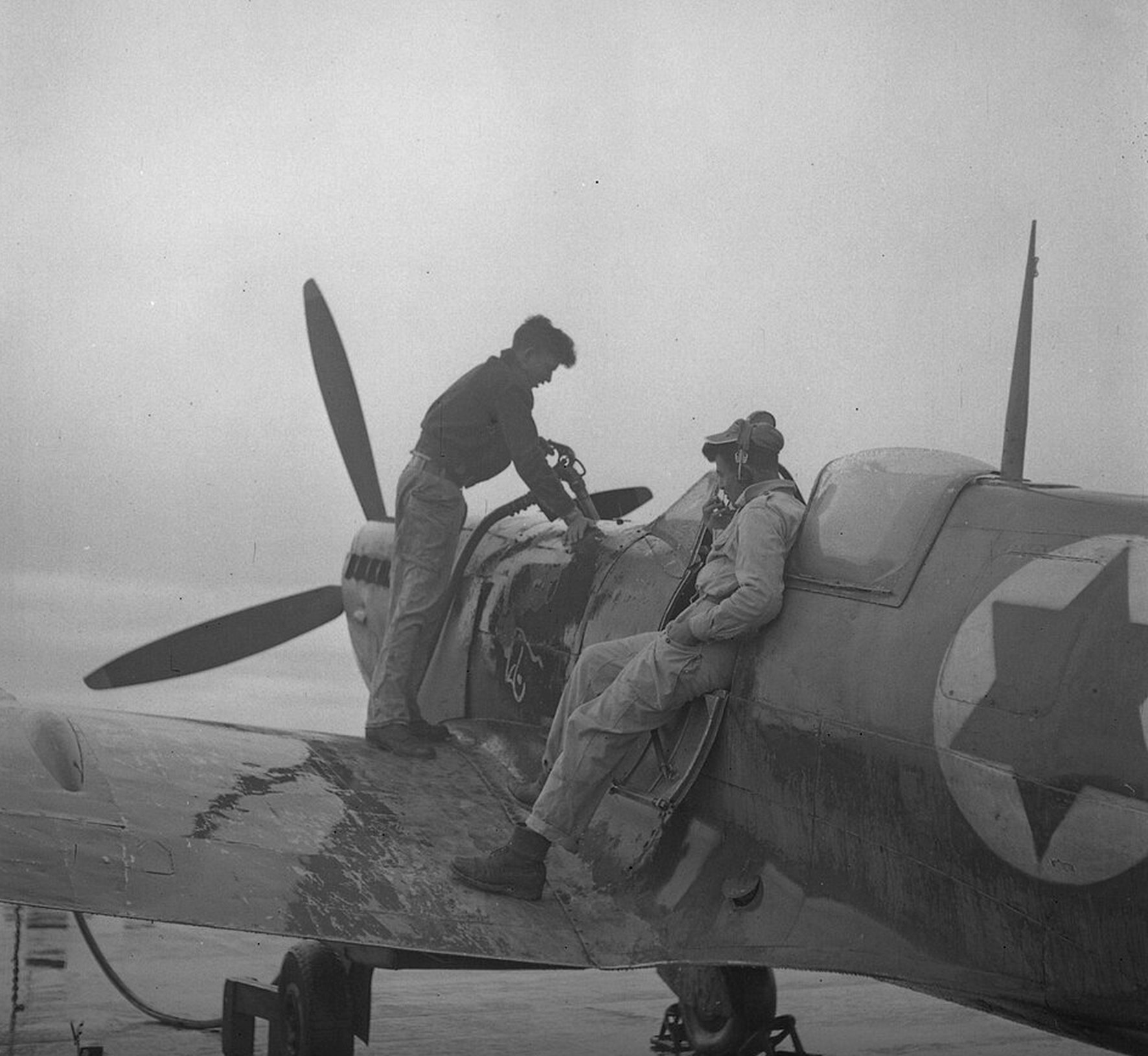
The Royal Air Force (RAF) began receiving Spitfires in early autumn 1938. And in early 1942, the Royal Navy began to master the carrier-based version of the Spitfire. In addition, aircraft of this family were in service with 25 other countries, including Australia, Burma, Denmark, Greece, Israel, Canada, Syria, the USSR, the USA, Thailand, Turkey, France, Czechoslovakia, and Yugoslavia. The last flight of the Spitfire as part of the RAF took place in June 1957. These aircraft remained in service the longest in Syria, until 1967.
Spitfires were used in almost all theaters of World War II. They played a special role in 1940 during the Battle of Britain and became legendary even then. Pilots from different countries highly valued the Spitfire, and it is no surprise that it is one of the world's most iconic aircraft.