Fan-page
 Youtube
 TikTok
 Aviamuseum
 State Aviation Museum
80 years of the F-84 Thunderjet fighter
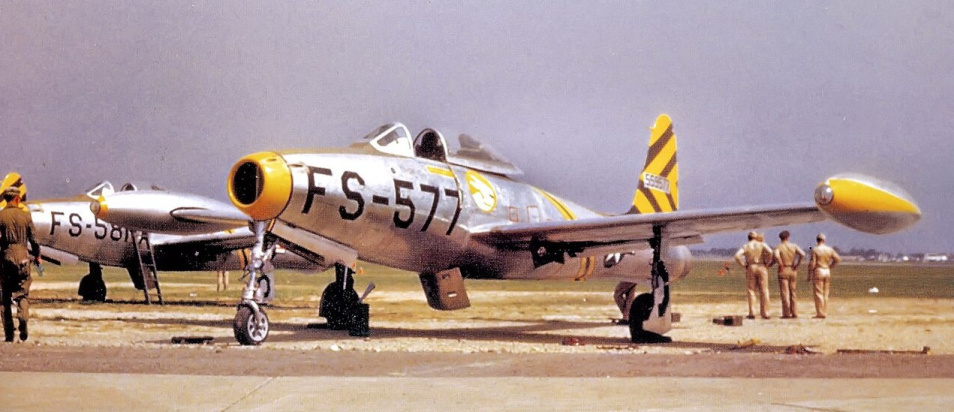
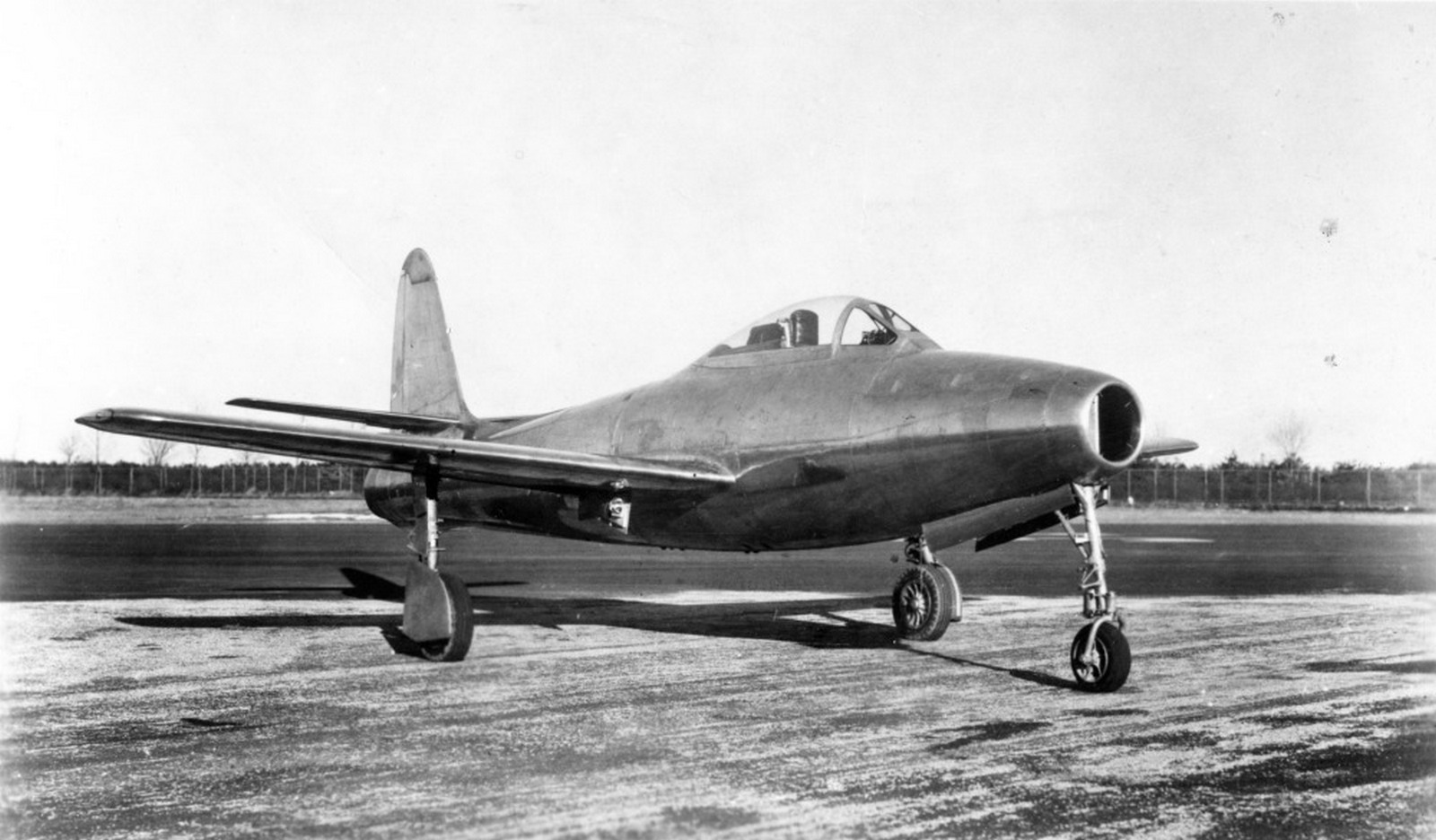
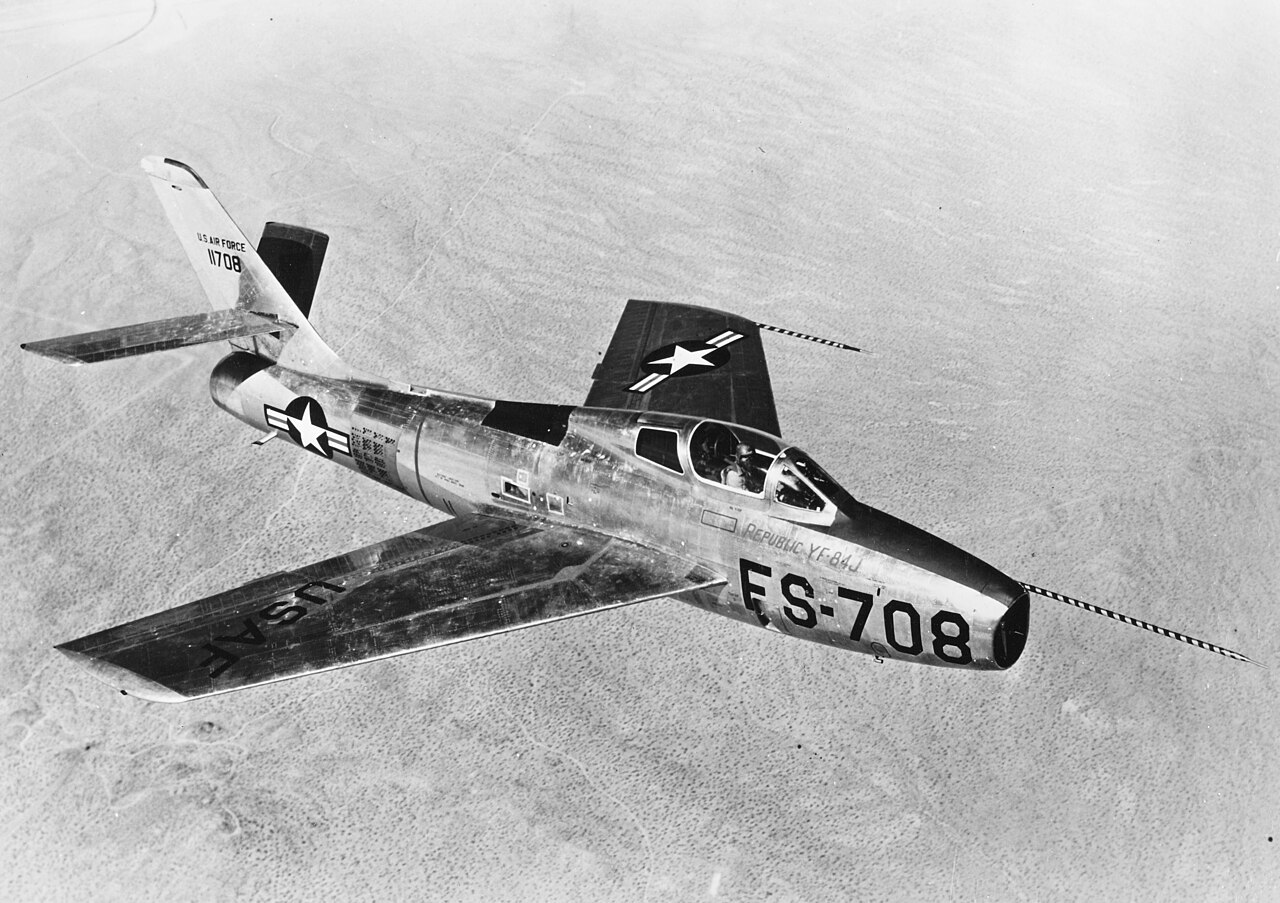
February 28 marked the 80th anniversary of the F-84 Thunderjet fighter jet, created by the American company Republic Aviation. On that day in 1946, its first prototype, the XP-84, took flight.
Development of the aircraft began in mid-1944 at the request of the US Army Air Forces. Initially, attempts were made to quickly modernize the piston-powered P-47 Thunderbolt for a jet engine. However, after realizing that this would not be suitable for actual use, a new aircraft was designed. During World War II, work was carried out in a hurry, effectively turning a blind eye to a number of problems. These problems were not overcome even after the end of the war. As a result, the first production fighters had significant flaws that made them dangerous for their own pilots. In 1948, flights on the F-84 had to be suspended.
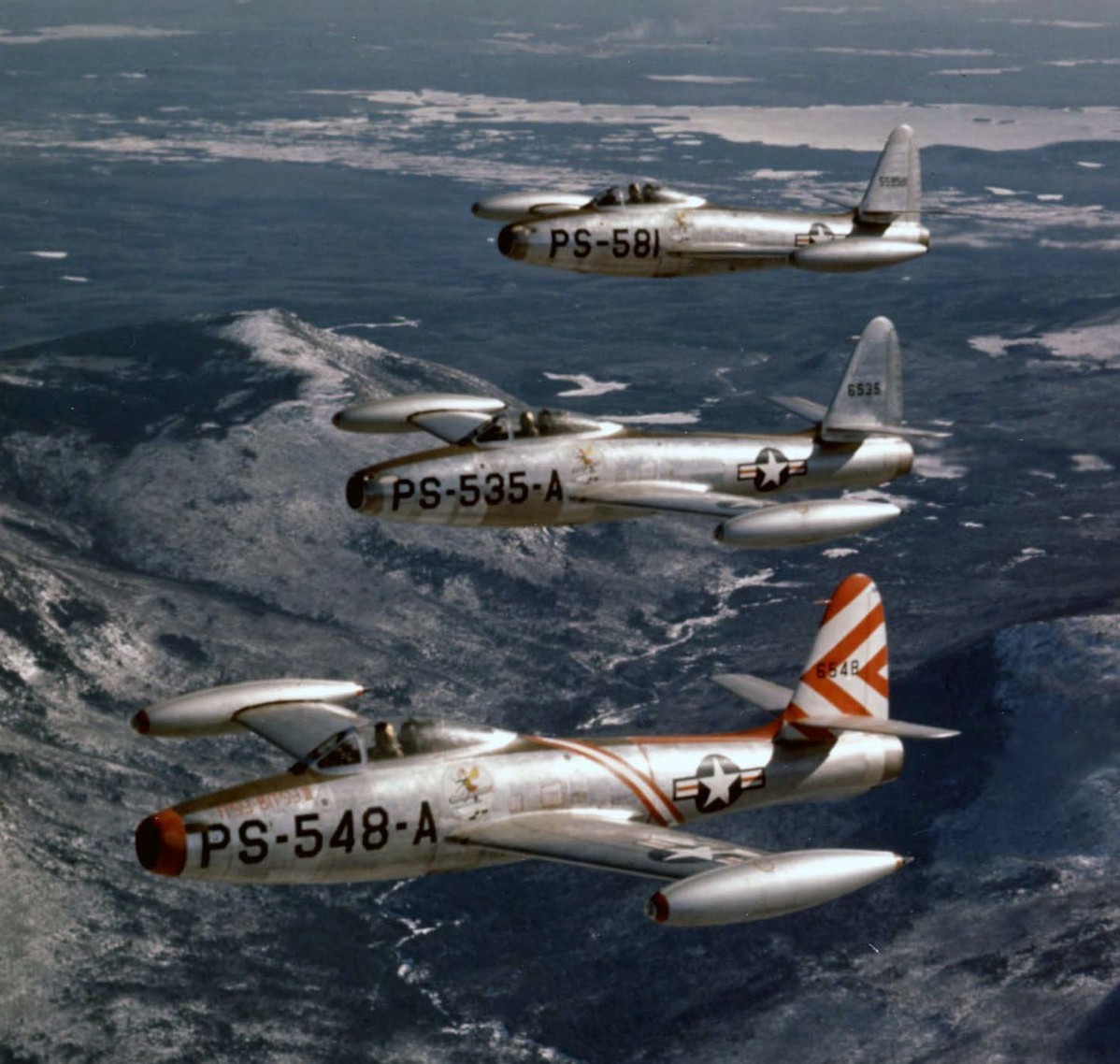
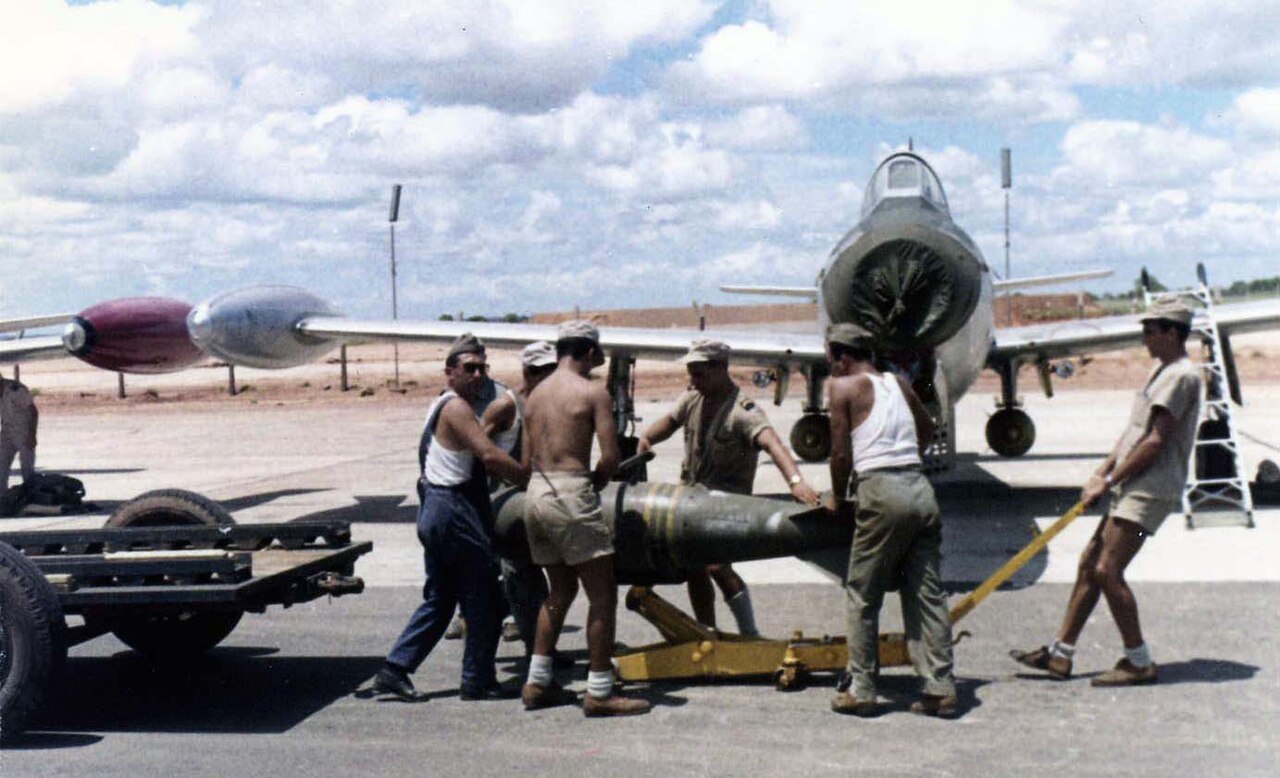
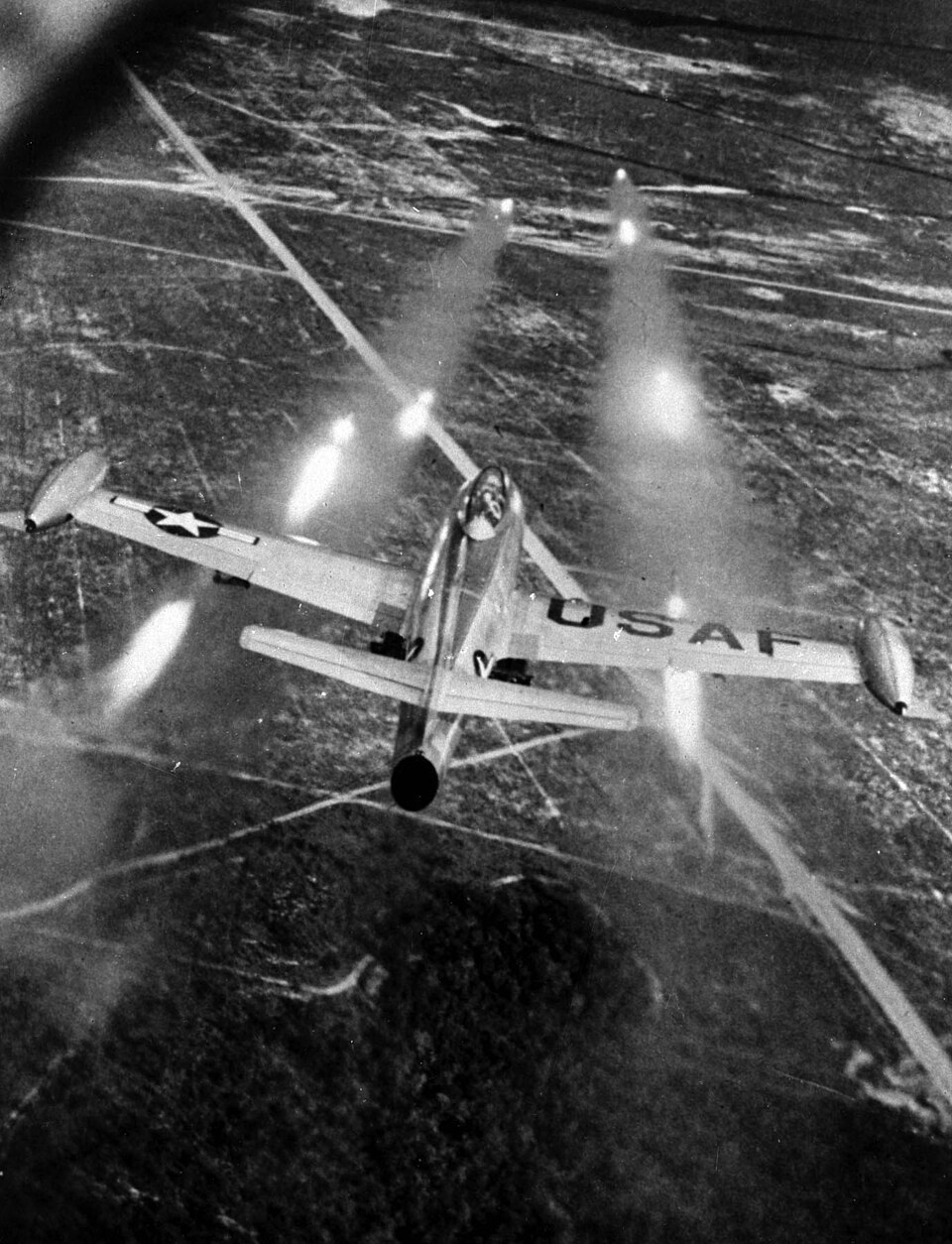
Eventually, the design flaws of the aircraft were eliminated, and only in 1949 did new versions begin to enter service with the US Air Force on a large scale. However, by that time, the F-86 Sabre fighter from rival company North American had already won the favor of the US military, and the F-84 began to be used primarily as a fighter-bomber. It was well suited for this role, thanks to its high maneuverability, very decent combat load for its time, and sturdy construction that could withstand significant damage.
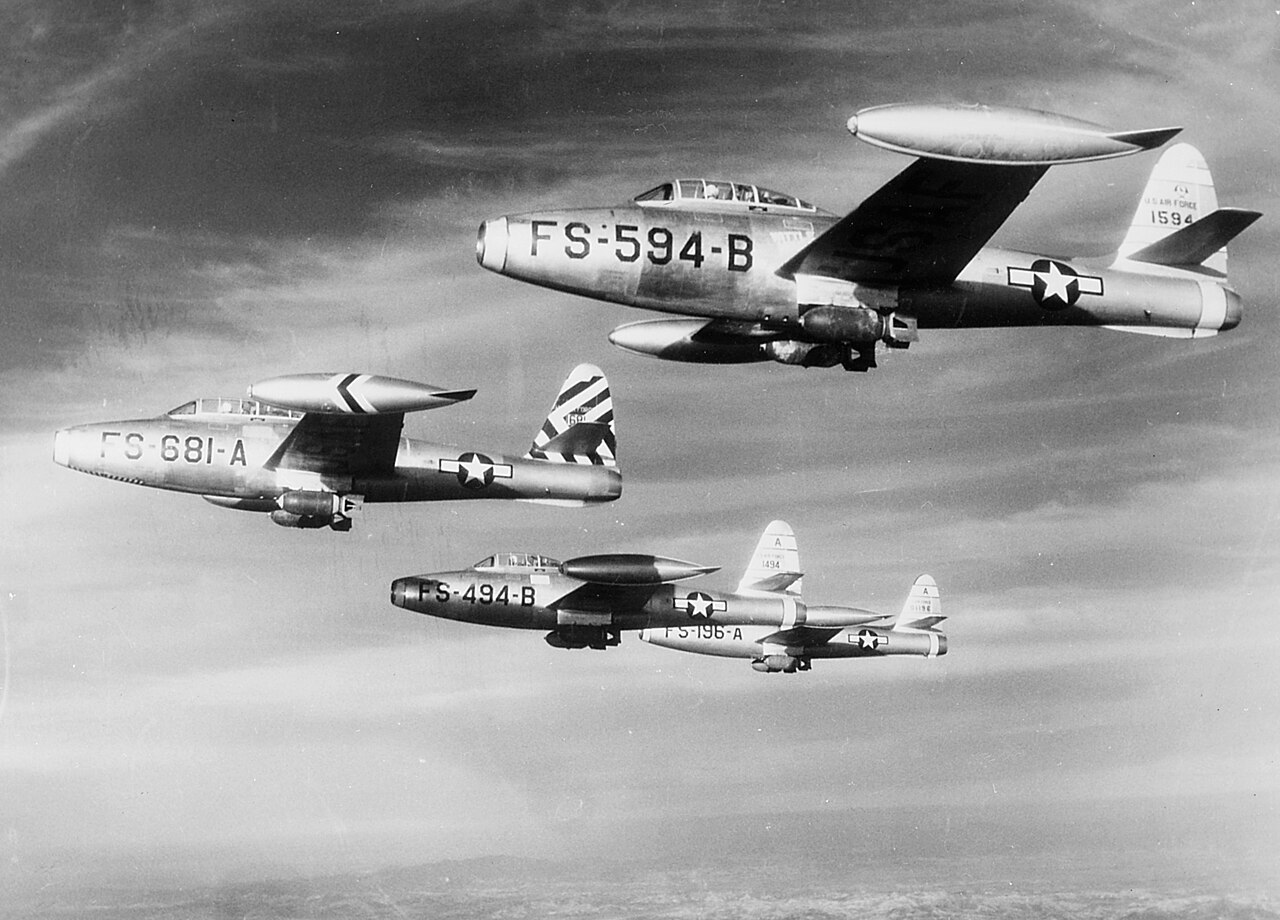
The production F-84E was equipped with a single Allison J35-A-17B turbojet engine with a maximum thrust of 2223 kgf. The aircraft had a length of 11.73 m, a wingspan of 11.09 m, a maximum take-off weight of 10,250 kg, a maximum speed of 996 km/h, and a practical range of over 2,400 km. Its armament consisted of six 12.7 mm machine guns, conventional bombs, and unguided rockets with a total weight of over 1,400 kg. The F-84G variant could carry a tactical nuclear bomb.
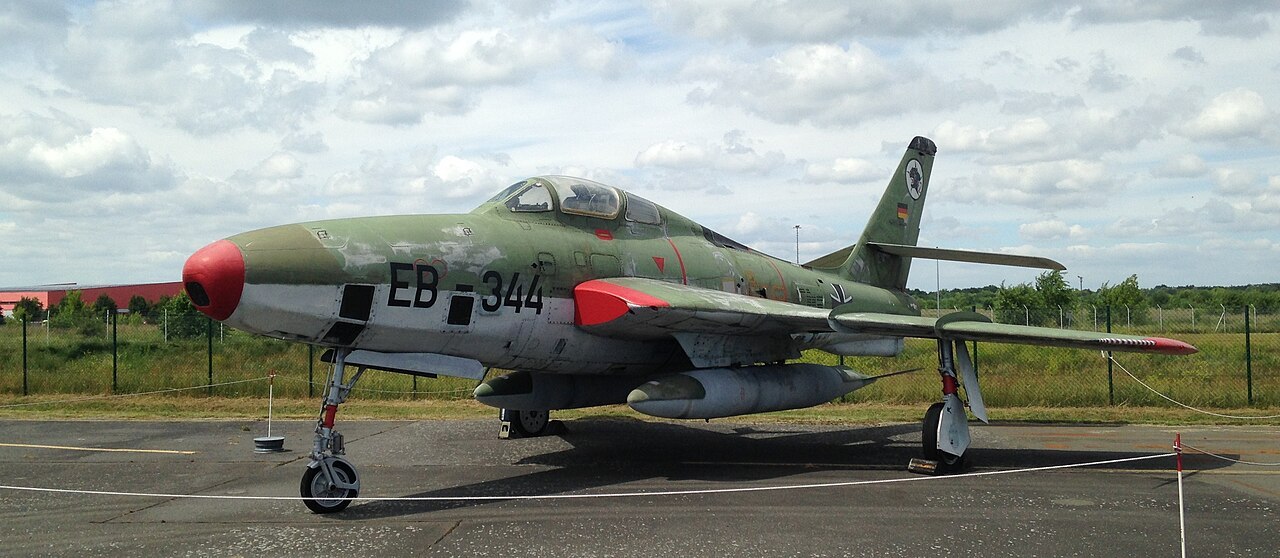
Between 1947 and 1953, 4,481 F-84s were built in five main versions. During this time, a program of extensive modernization of the aircraft was implemented, which led to the creation of a virtually new aircraft with a swept wing, the F-84F Thunderstrake. In 1954, it went into serial production, with more than 3,000 units manufactured, including reconnaissance aircraft in addition to strike aircraft.
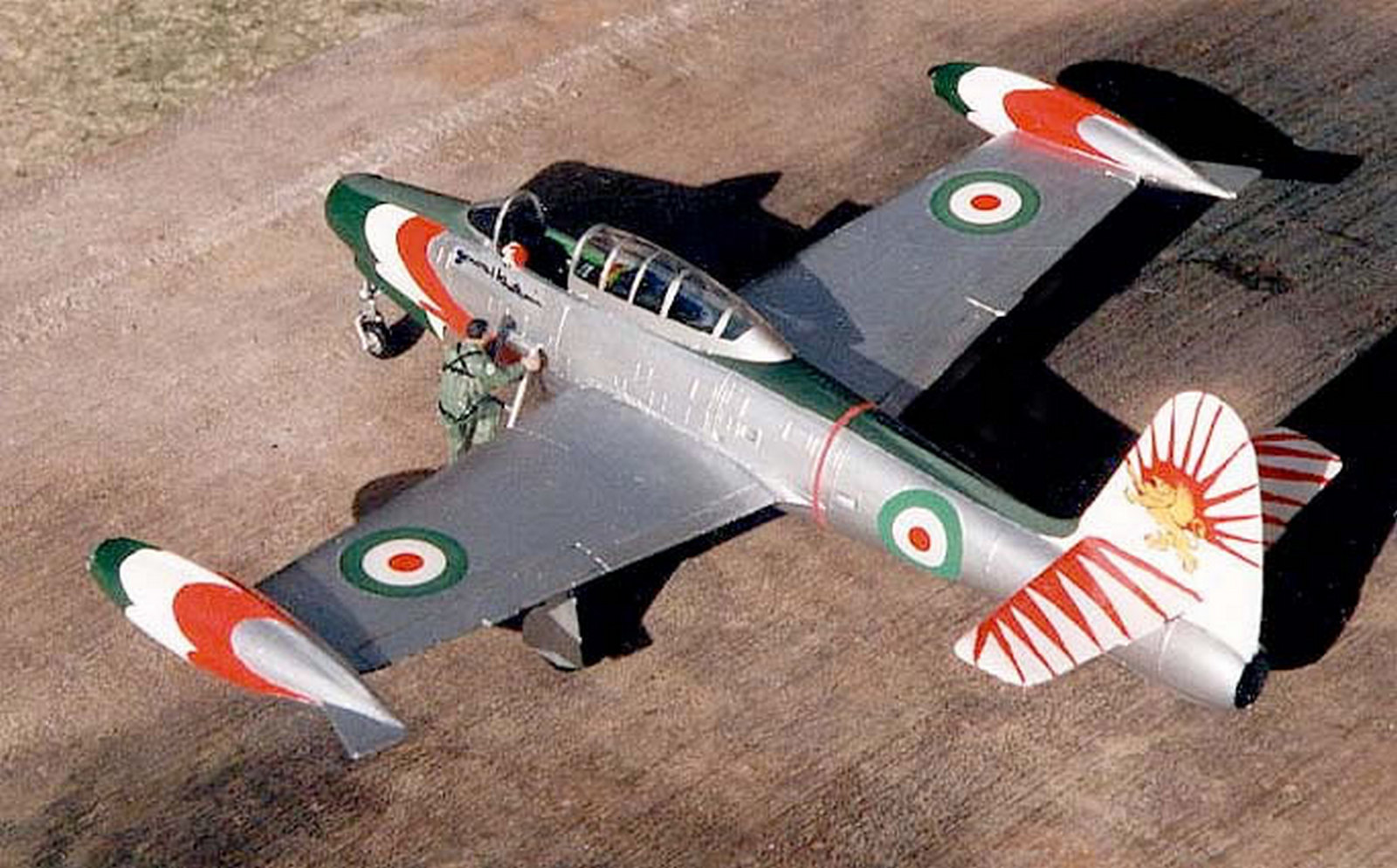
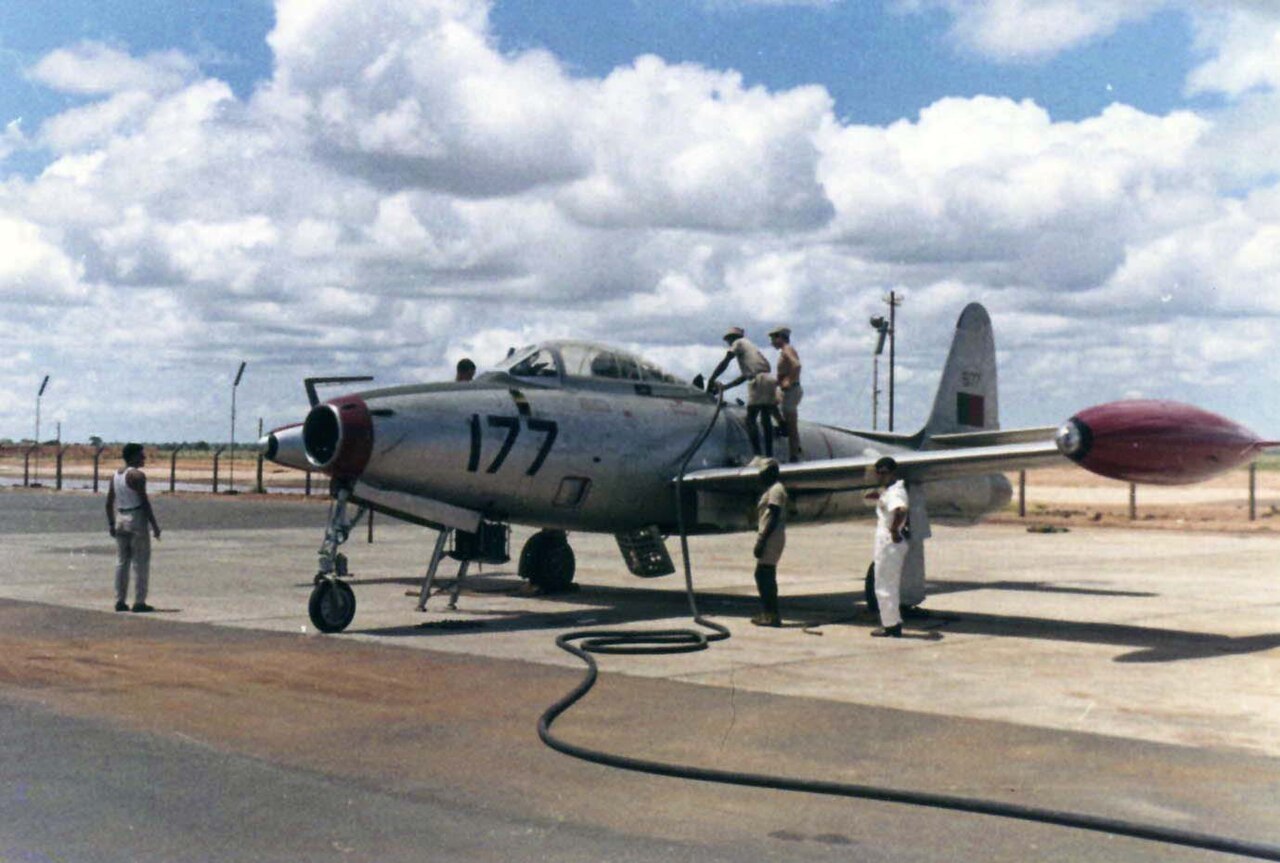
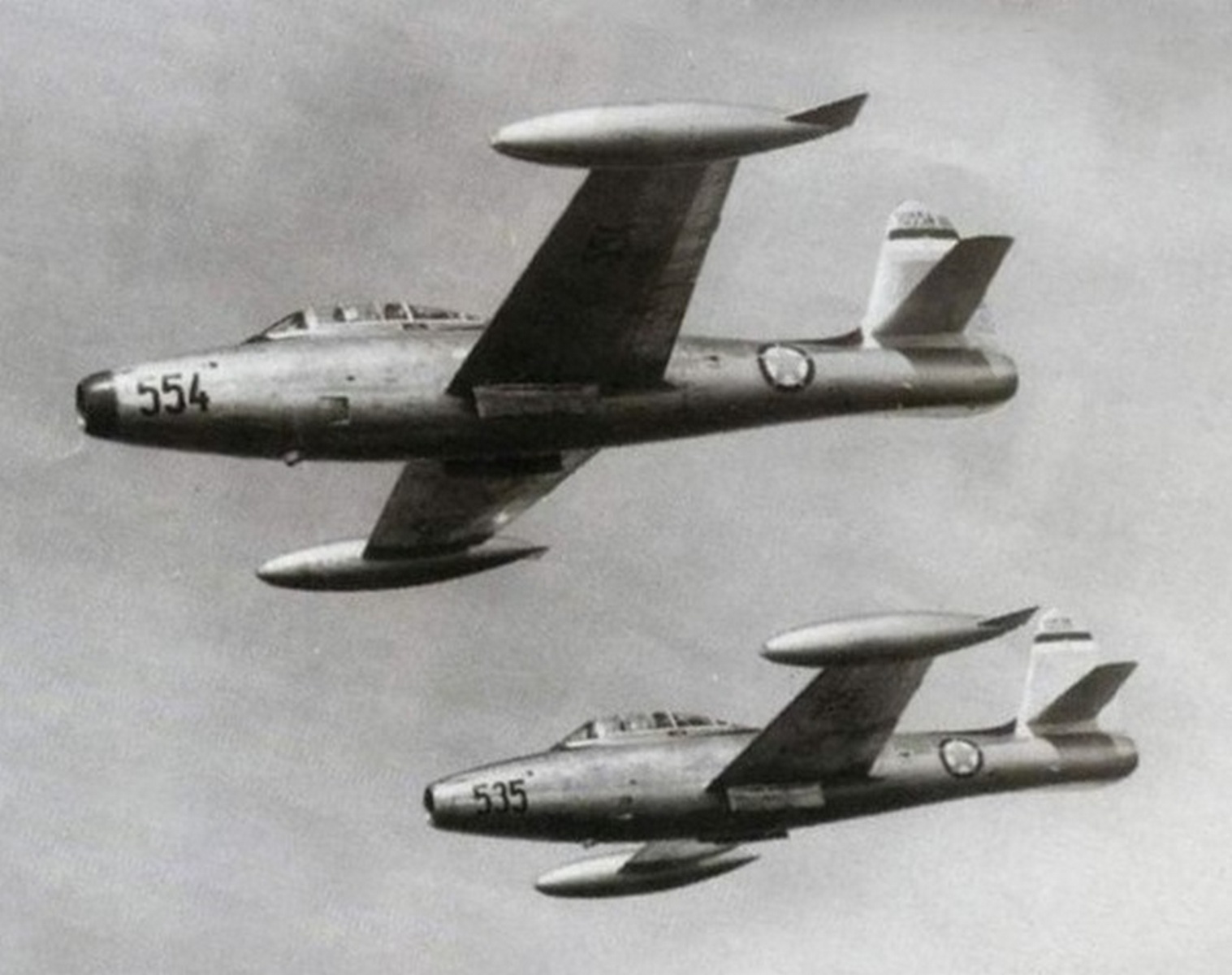
More than half of the aircraft from the F-84 family were exported, mainly to NATO countries: Belgium, Greece, Denmark, Italy, the Netherlands, Norway, Portugal, Turkey, and France. In addition, they were received by Iran, Taiwan, Thailand, and even socialist Yugoslavia.
The main “battlefield” for the Thunderjet was the Korean War of 1950-53, where they became the main strike aircraft of the US Air Force, flew more than 86,000 combat sorties, and destroyed 60% of all ground targets.
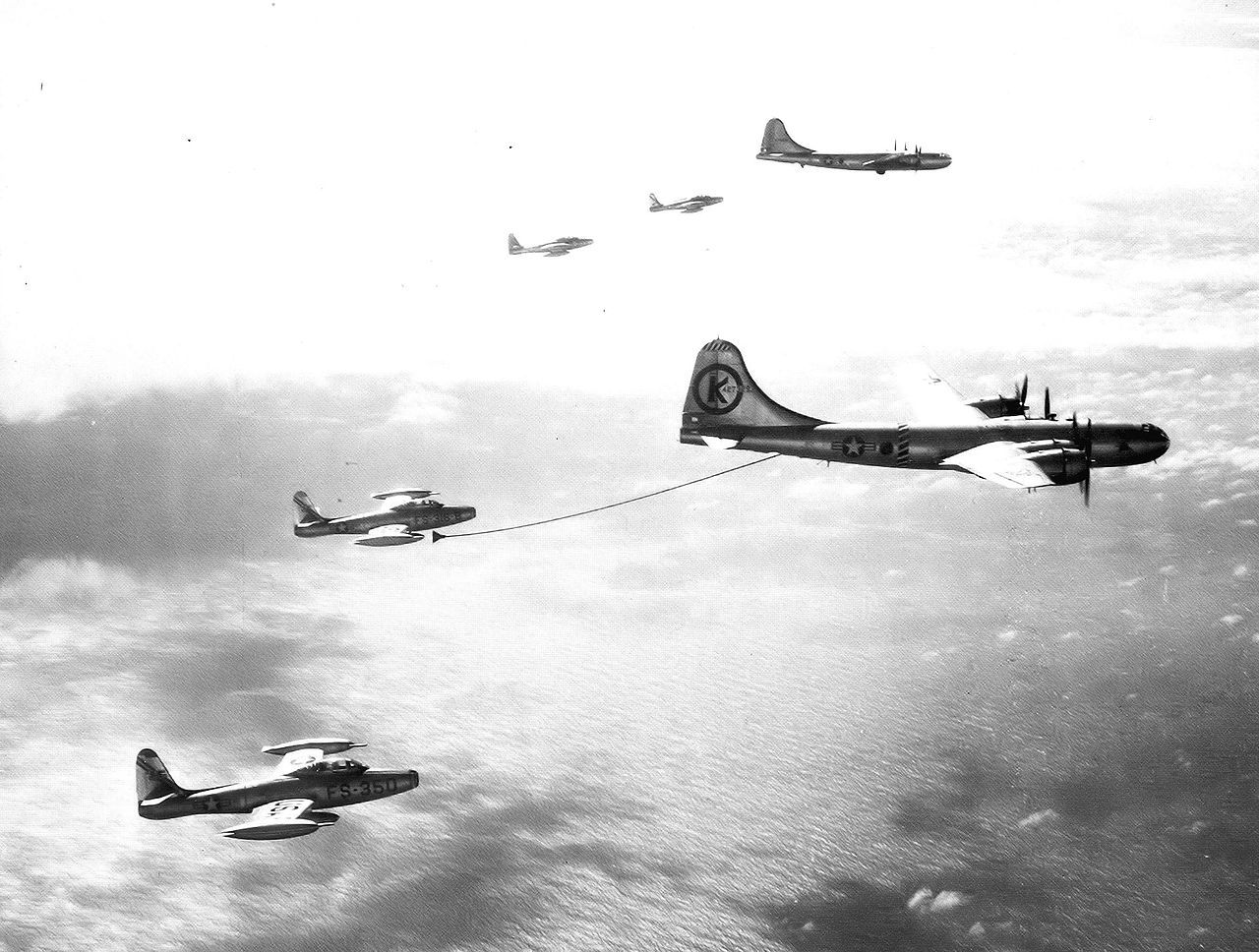
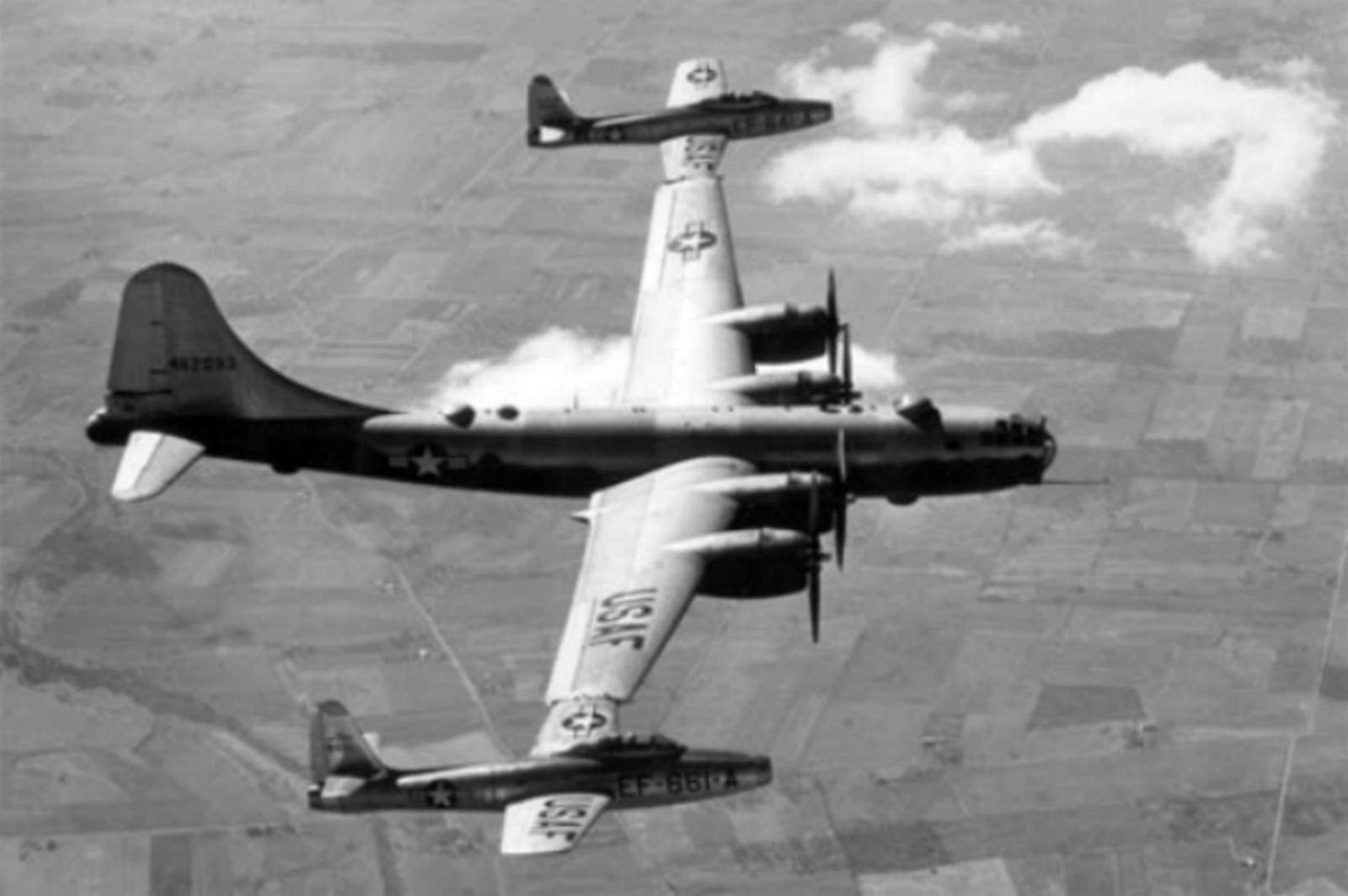
With the advent of more advanced aircraft, the Americans relegated the F-84 to secondary roles, in particular using it in a number of experimental programs. The last aircraft from the National Guard were decommissioned in 1964. The F-84 served the longest in Yugoslavia, where it was withdrawn from service in 1974.