Fan-page
 Youtube
 TikTok
 Aviamuseum
 State Aviation Museum
85 years of Philippine Airlines
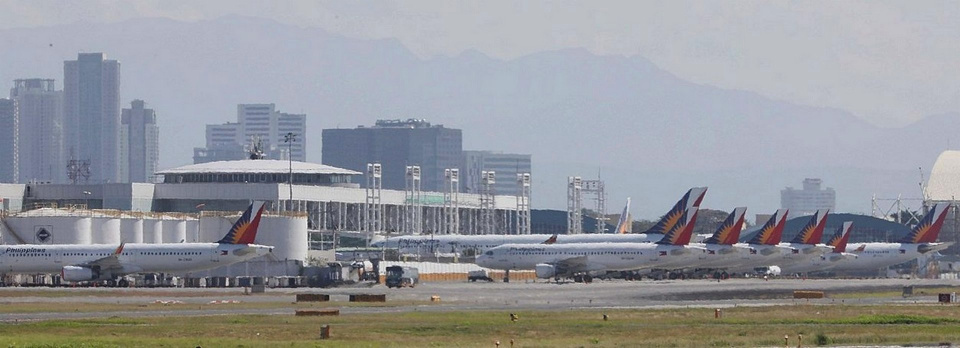
February 26 marked the 85th anniversary of Philippine Airlines (PAL), Asia's oldest operating commercial airline. On that day in 1941, a group of European and local businessmen founded the airline in Manila.
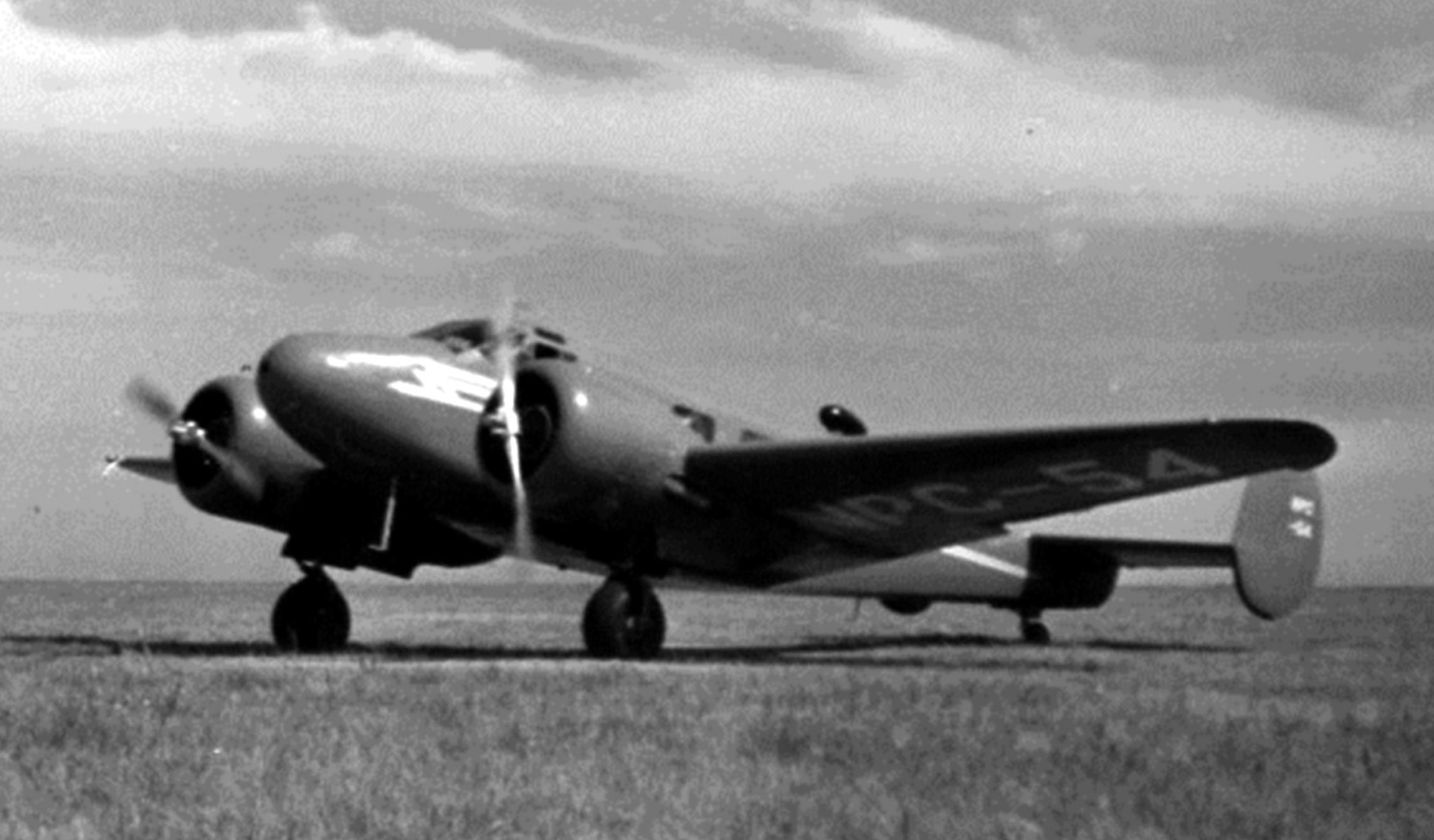
The first aircraft of Philippine Airlines was a small Beechcraft Model 18. On March 15, 1941, it made the first flight in PAL's history, carrying five people from Manila to the mountain city of Baguio. When World War II reached the Philippines in December of that year, PAL suspended operations and resumed them in February 1946. Five Douglas DC-3s were immediately deployed to local airlines, mainly between the islands. The company's base airport was Nilsson Field near Makati City, part of the Manila metropolitan area.
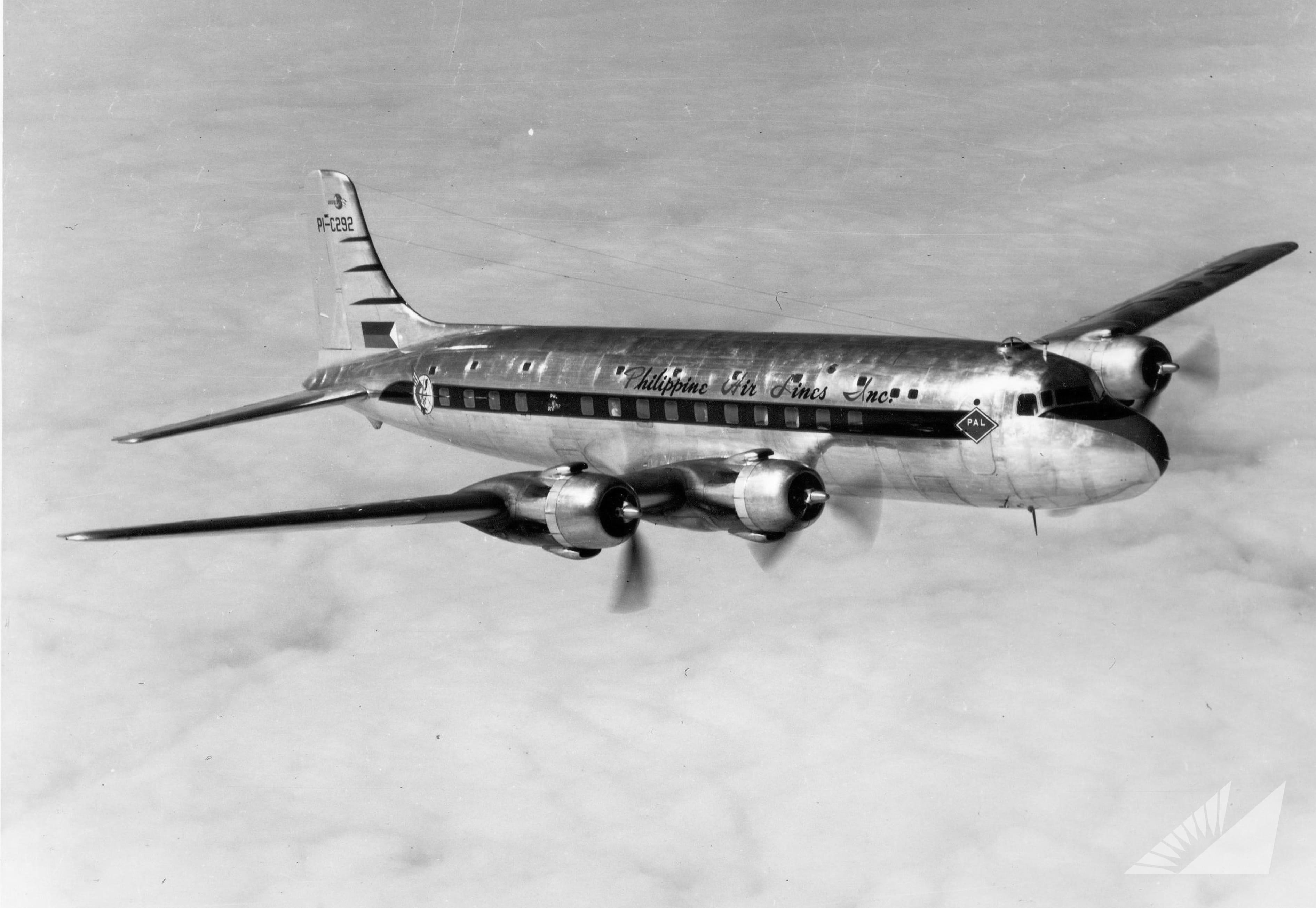
PAL developed rapidly. From the second half of 1946 to the middle of the following year, it established regular transoceanic flights to the United States and Europe. To this end, the fleet was replenished with four-engine Douglas DC-4 and DC-6 aircraft.
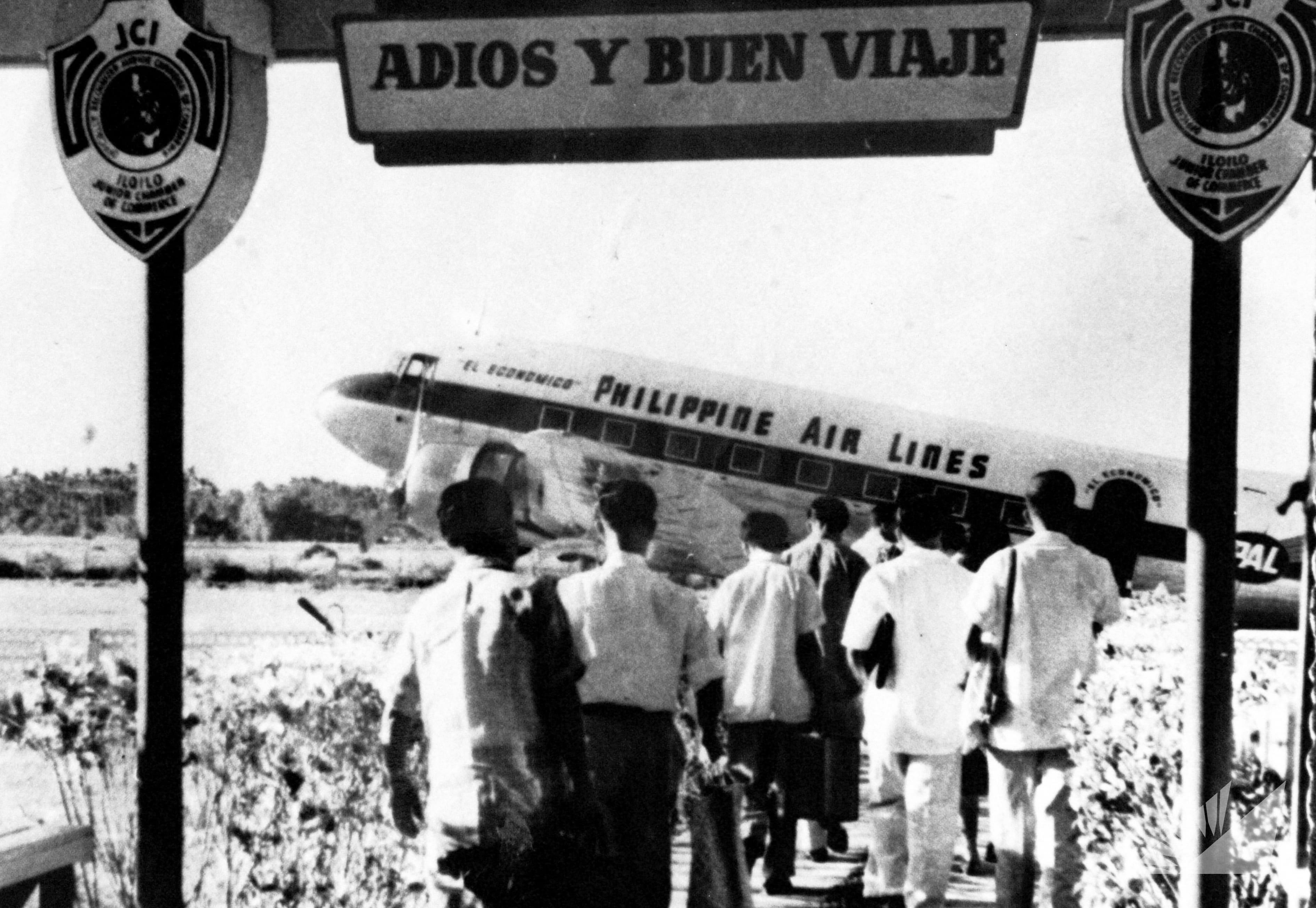
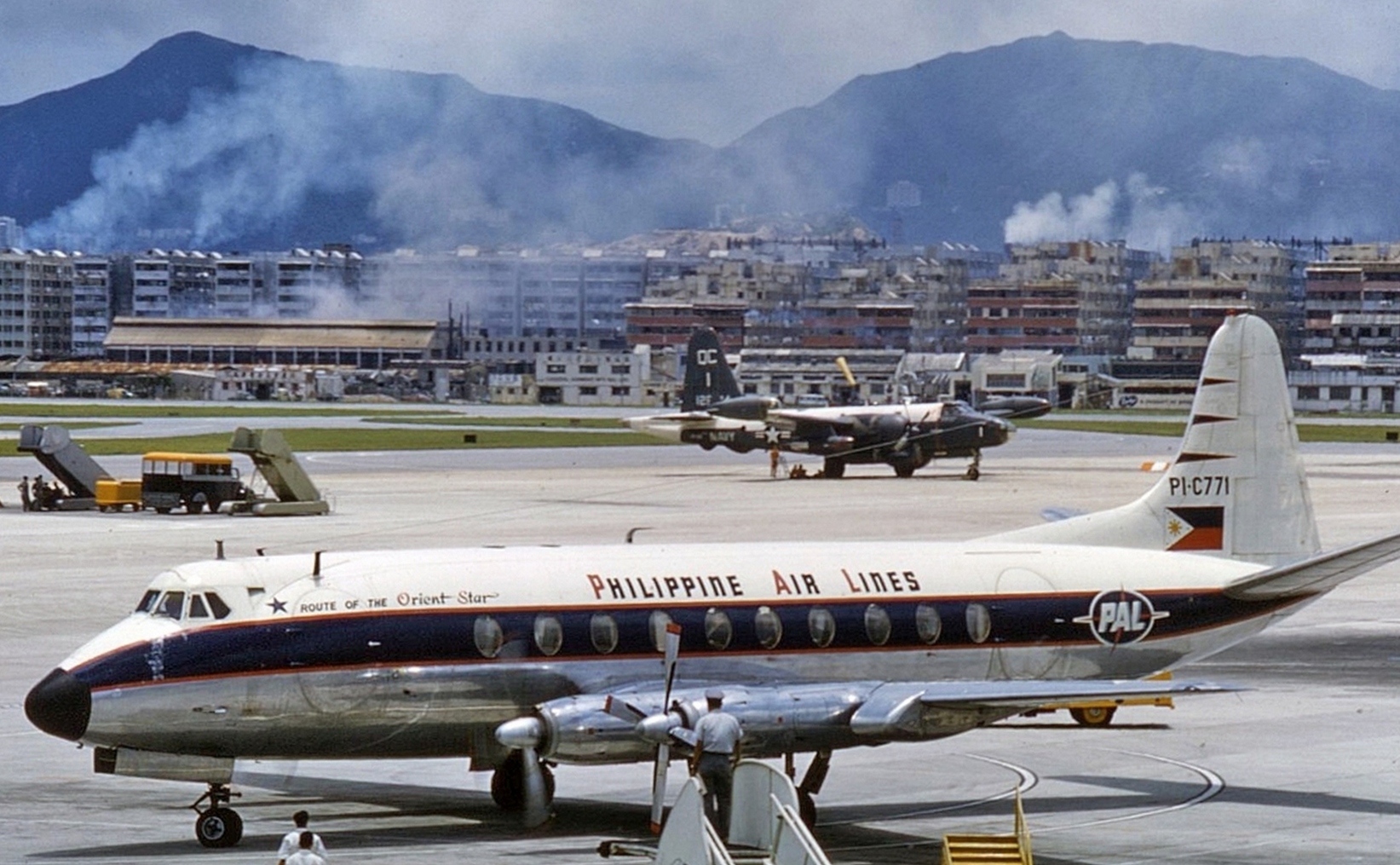
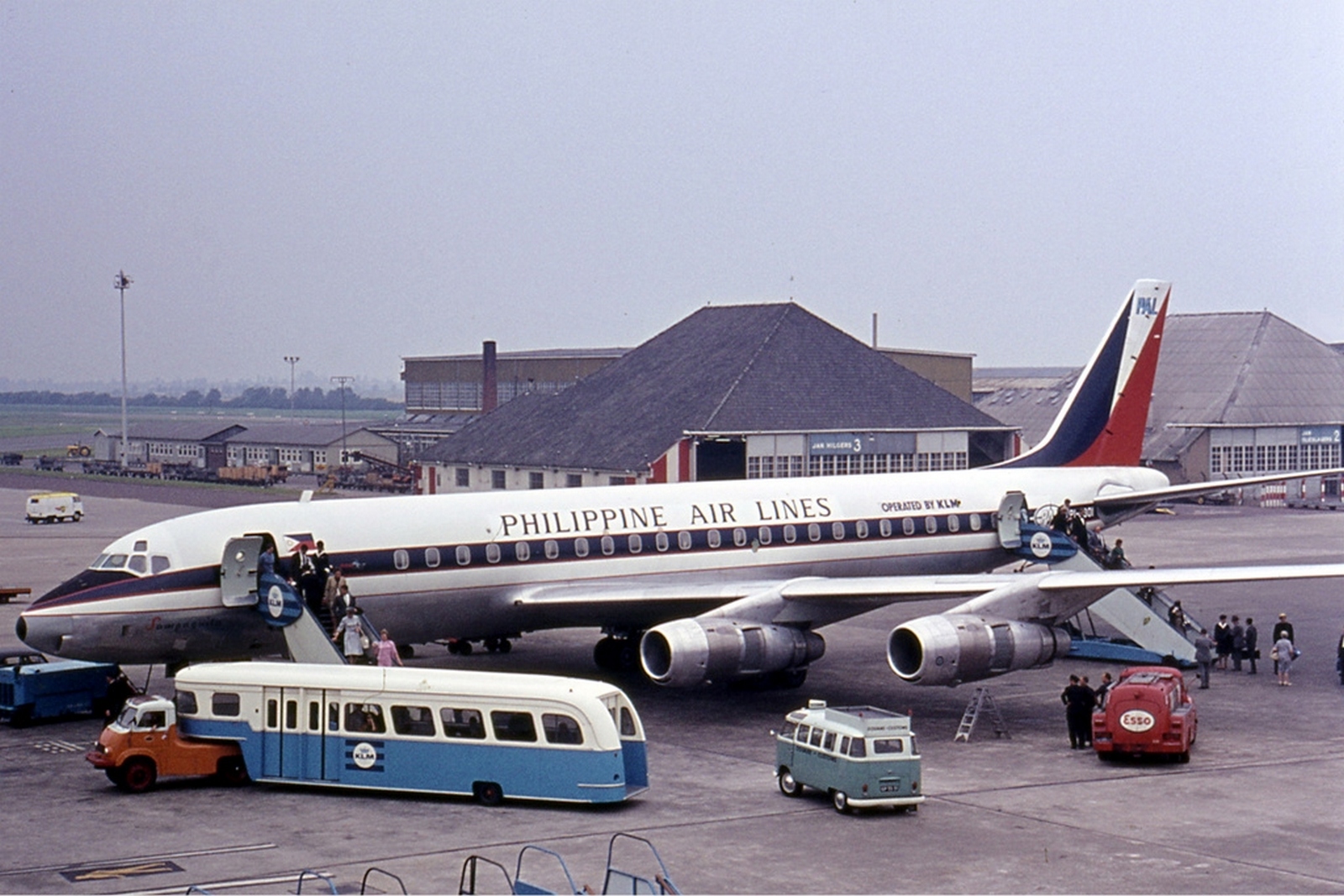
The airline began transitioning to gas turbine-powered aircraft in the mid-1950s. The first of these was the British turboprop Vickers Viscount. At the beginning of the next decade, PAL mastered the operation of Boeing 707 and Douglas DC-8 jets. At the same time, the “everlasting” DC-3 continued to be actively used on local routes, and it was this aircraft that carried the 5 millionth passenger of Philippine Airlines. It was only in the second half of the 1960s that the piston-powered Douglas aircraft began to be replaced by Dutch-designed Fokker F.27 turboprop aircraft.
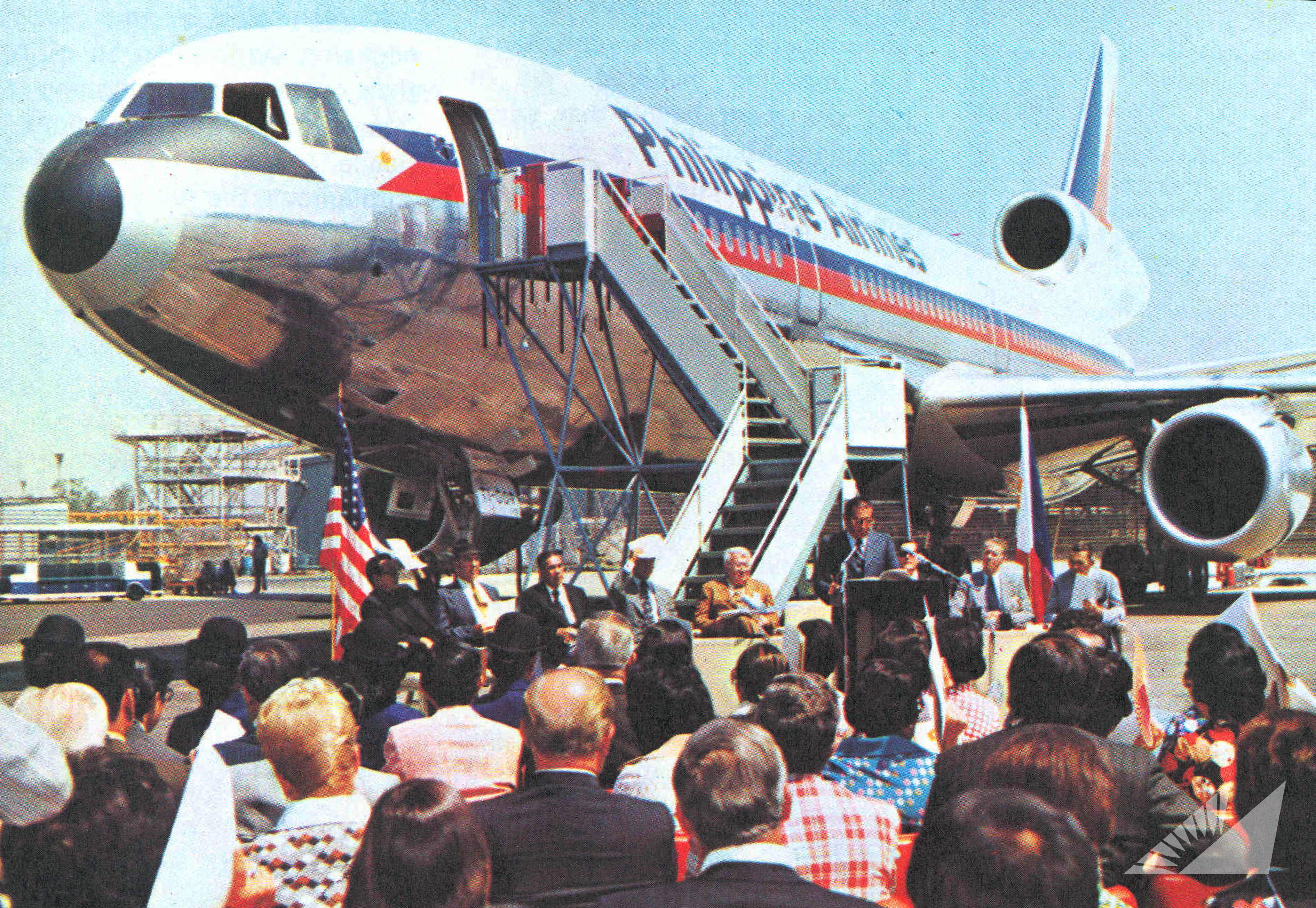
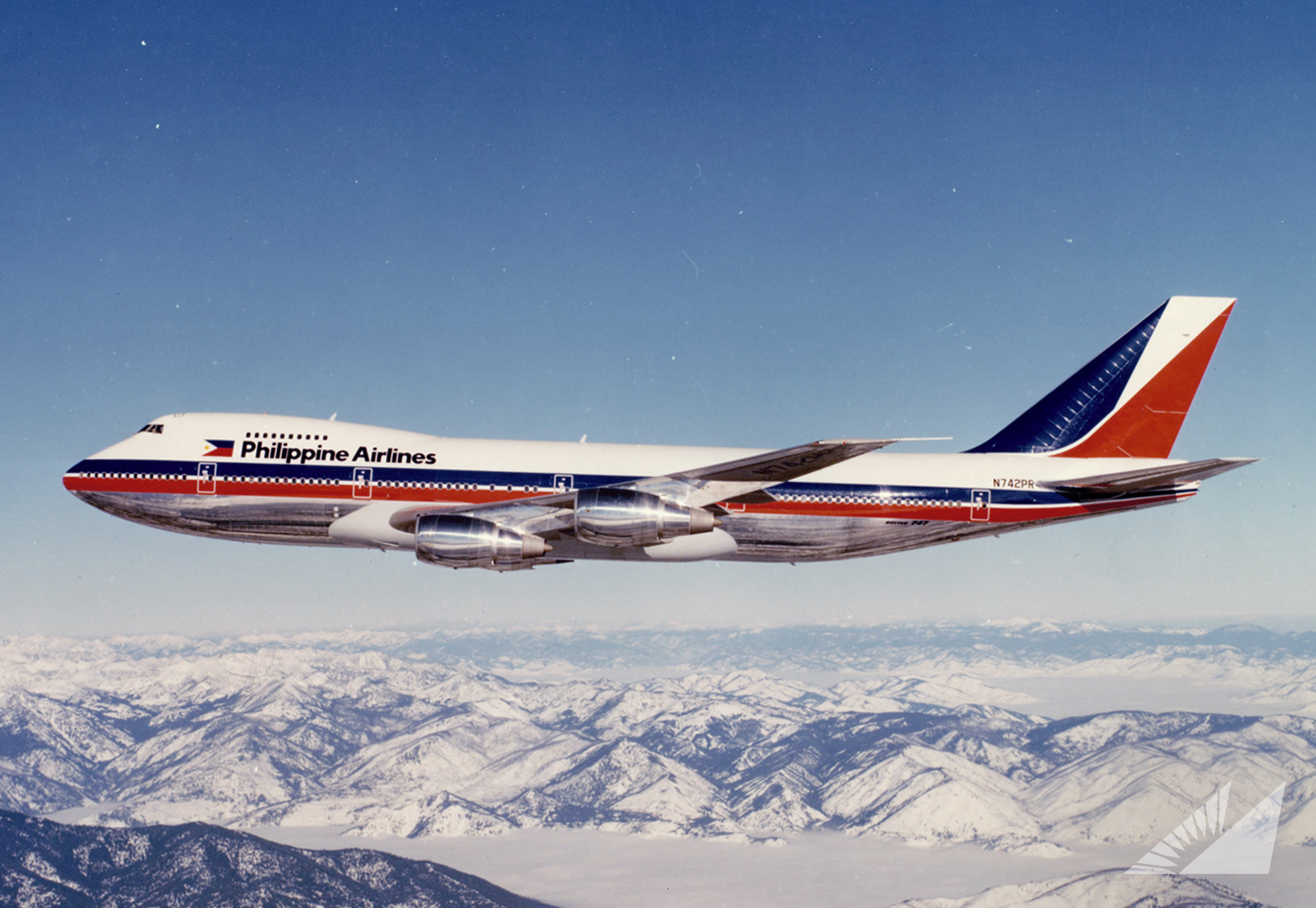
In March 1973, PAL was granted the status of the national carrier of the Philippines. With the support of the government, it expanded rapidly in the domestic market, absorbing smaller airlines. Business was booming, which allowed the airline to add its first wide-body DC-10 airliner to its fleet. In 1974, it began operating flights from Manila to Honolulu to San Francisco. Gradually, the number of aircraft of this class increased. PAL acquired both American Boeing 747s and European A300s.
In the following years, the company experienced both ups and downs. It underwent nationalization, then privatization again. As for the entire air transport industry worldwide, the COVID-19 pandemic was a very difficult test for PAL. The nearly sixfold collapse in traffic led to significant losses. In September 2021, there was talk of the company going bankrupt. It had to cancel more than 80,000 flights, lay off 2,300 employees, return 22 aircraft to lessors, and postpone the delivery of 13 ordered airliners.
Despite everything, by the end of 2021, PAL had begun to recover and was once again operating at a profit. Although it is not one of the world's major airlines, it is not lagging behind either. In October 2024, The Daily Telegraph newspaper ranked PAL 62nd among the 90 best airlines in the world. For example, in terms of business performance, it surpassed such well-known national carriers as Egyptair and SriLankan Airlines.
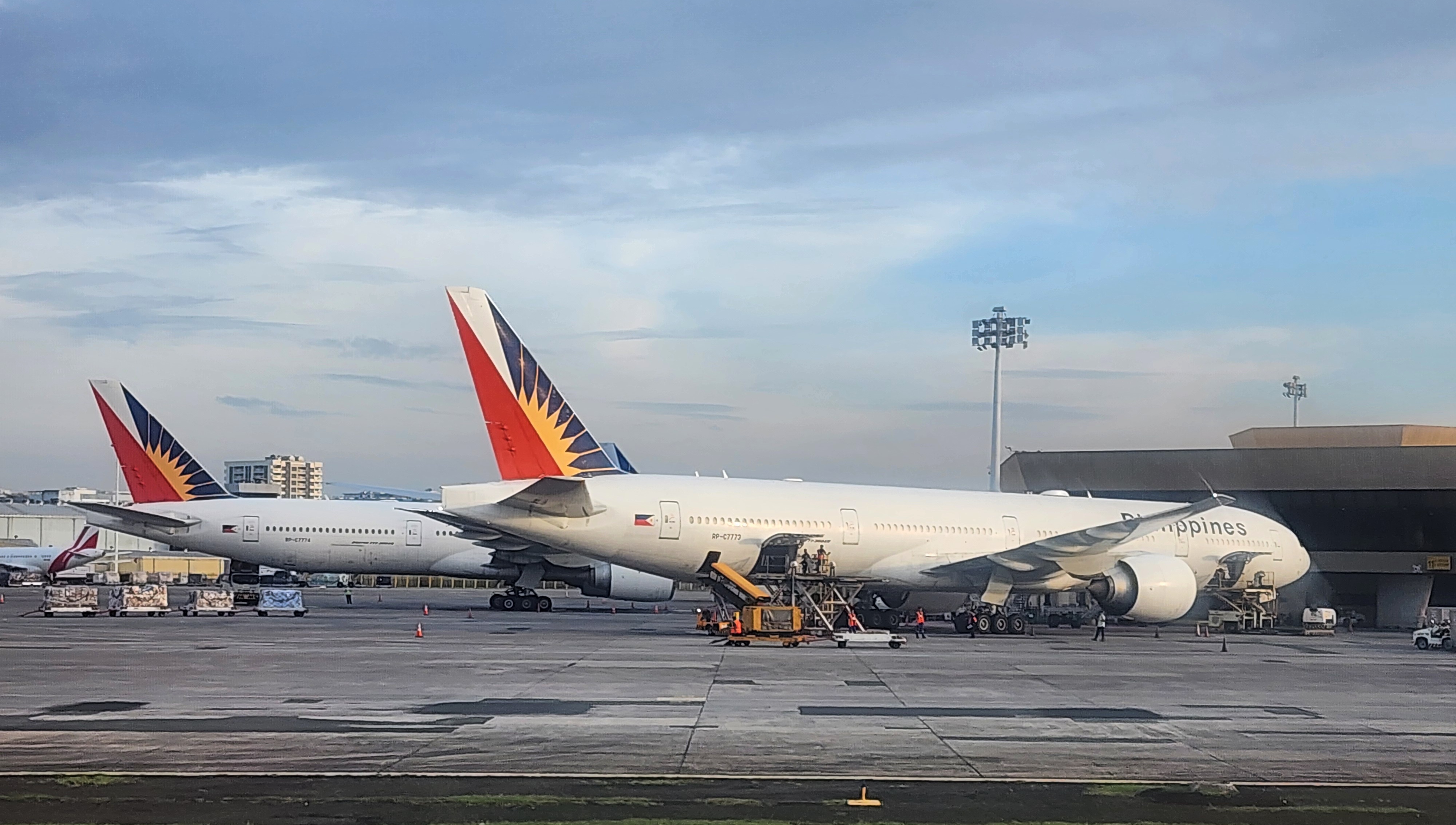
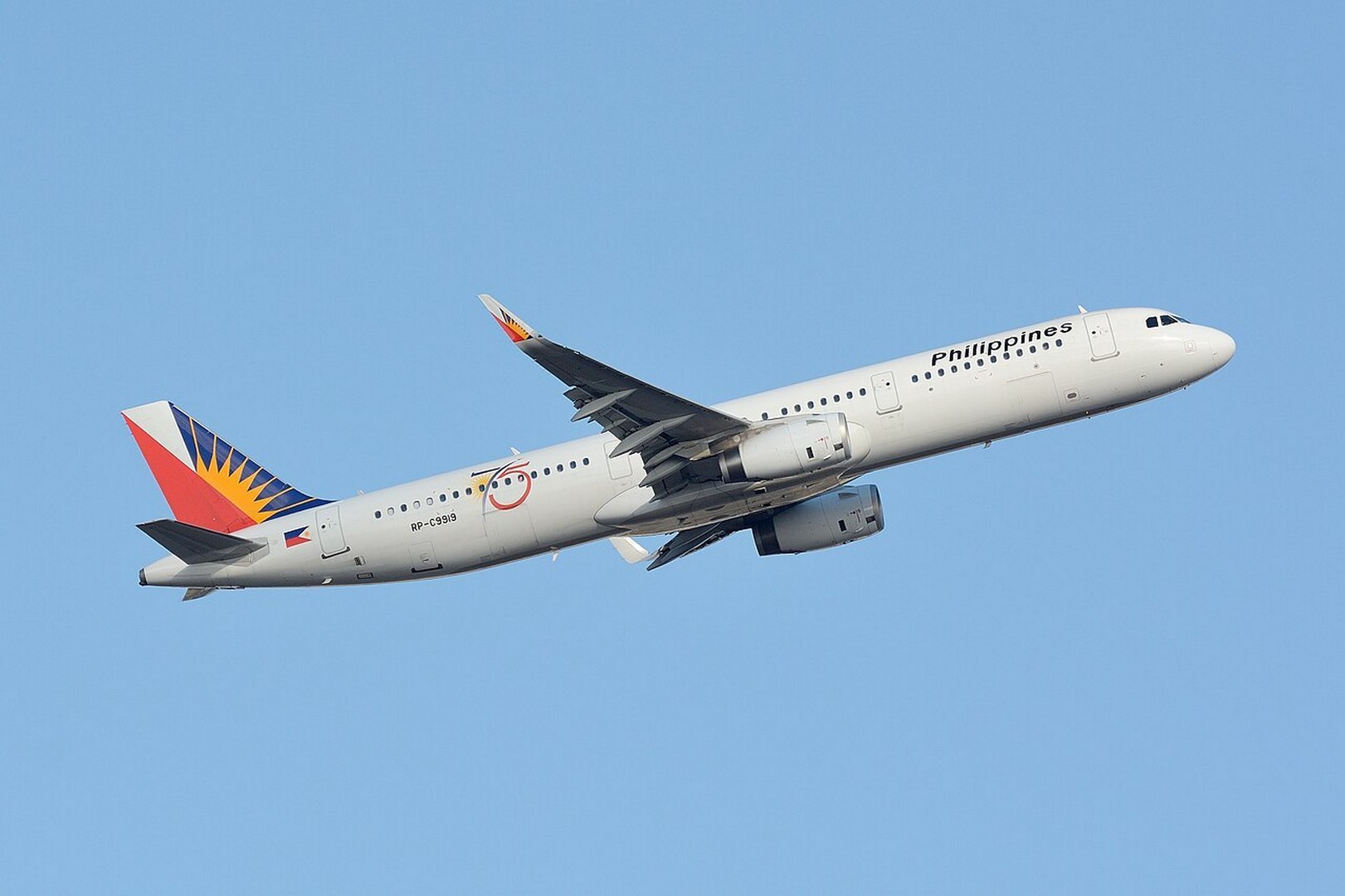
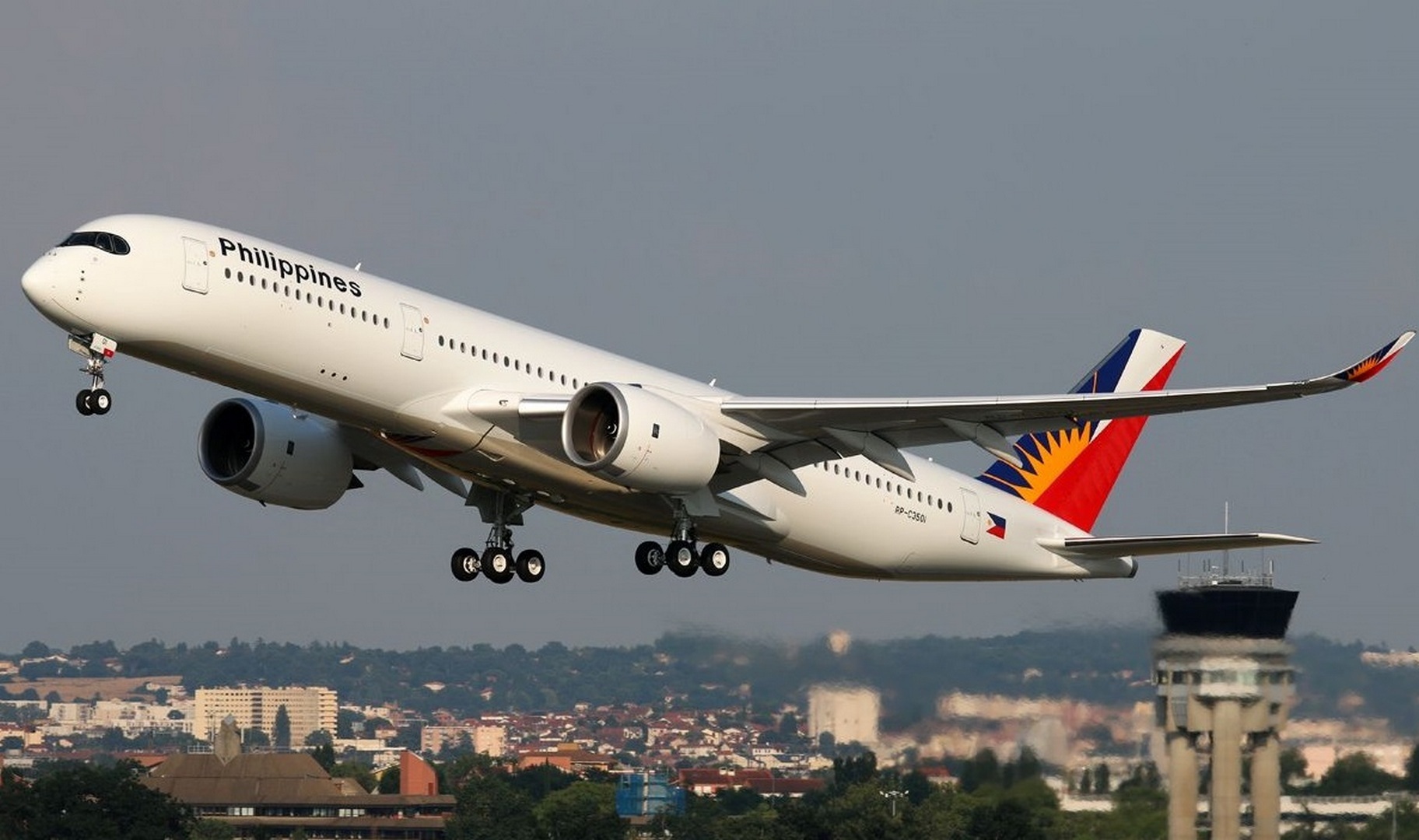
As of early 2026, PAL's fleet consisted of 50 aircraft, including 18 A321-200s, 10 Boeing 777-300ERs, and three new A350s. The company operates flights to 31 airports in the Philippines and 39 abroad. In 2024, PAL carried 15.6 million passengers, still below its best result of 16.7 million, which was achieved in 2019. The results for 2025 have not yet been released, but PAL has been doing quite well. This is evidenced, in particular, by its recognition as the most punctual airline in the Asia-Pacific region.