Fan-page
 Youtube
 TikTok
 Aviamuseum
 State Aviation Museum
80 years of the DC-6 airliner
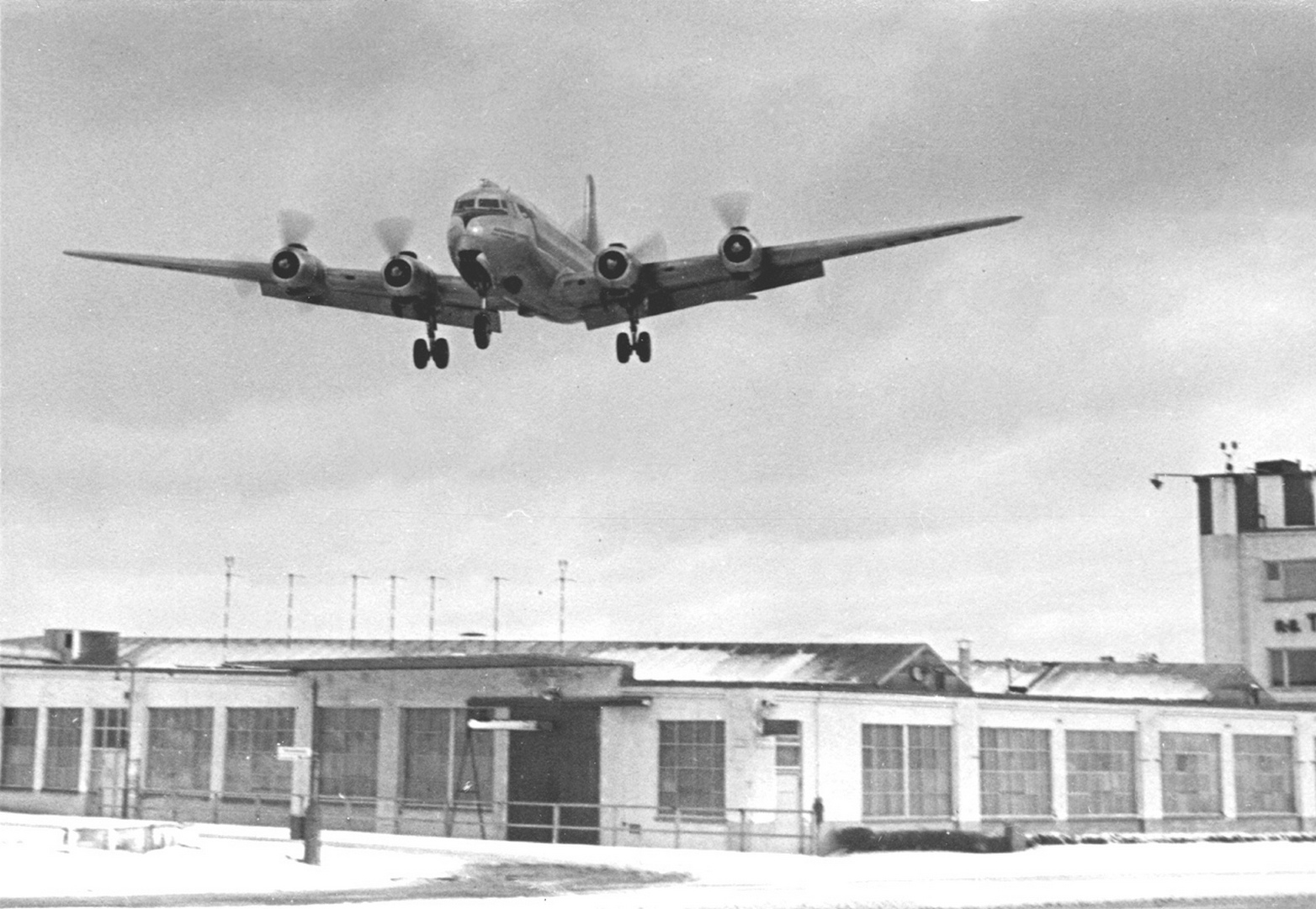
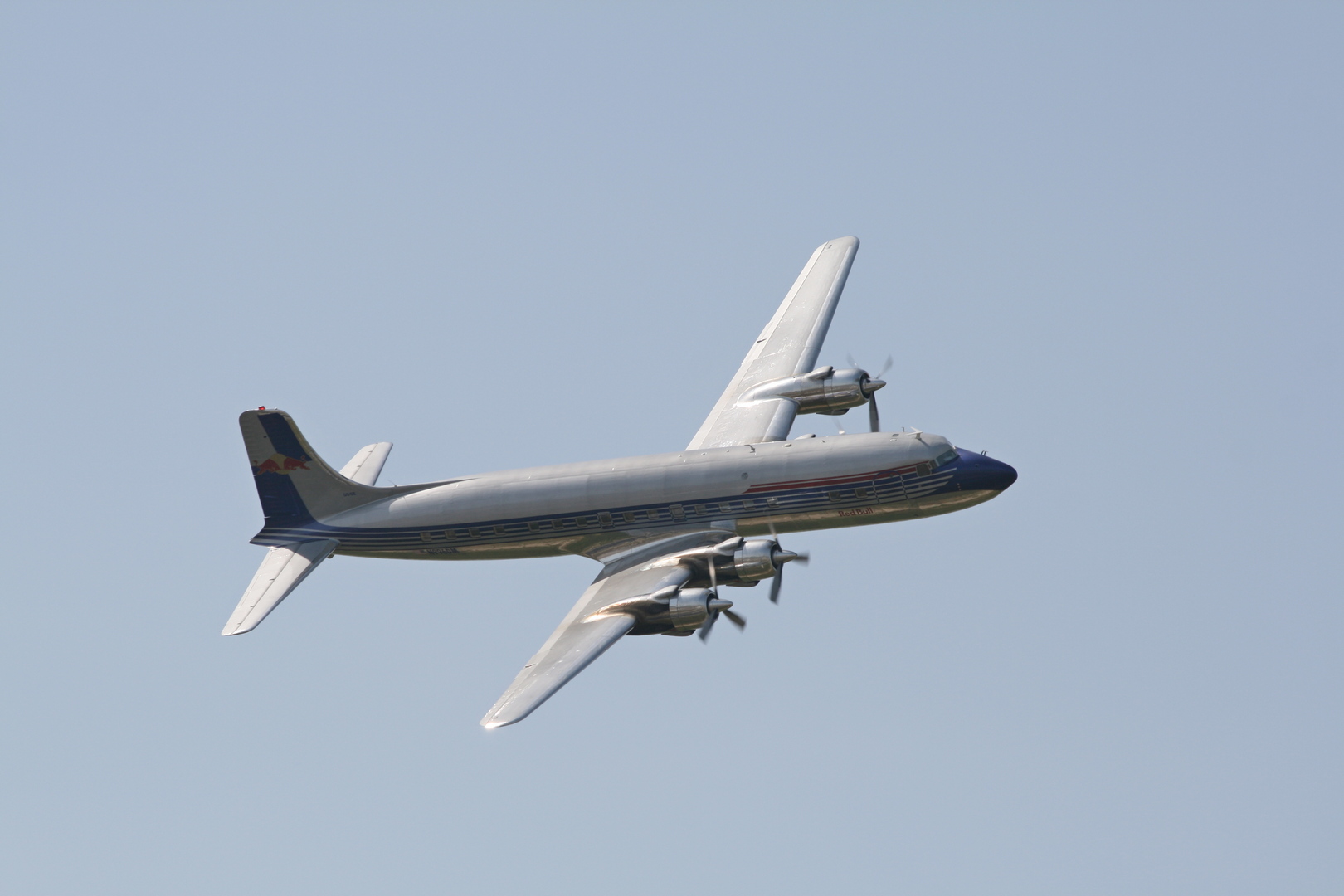
February 15 marked the 80th anniversary of the DC-6 airliner, created by the American company Douglas Aircraft. On that day in 1946, its first prototype, the XC-112A, took to the skies.
The aircraft was an evolution of the previous DC-4, from which it differed significantly in its pressurized, elongated fuselage and more sophisticated power plant. Initially, it was intended to be a military transport aircraft for the US Army Air Forces. The first prototype was built in this configuration. However, by the time it took off, World War II was already over, and the military canceled its order. At the same time, demand for passenger air travel was growing rapidly, and Douglas quickly adapted the new aircraft to current needs.
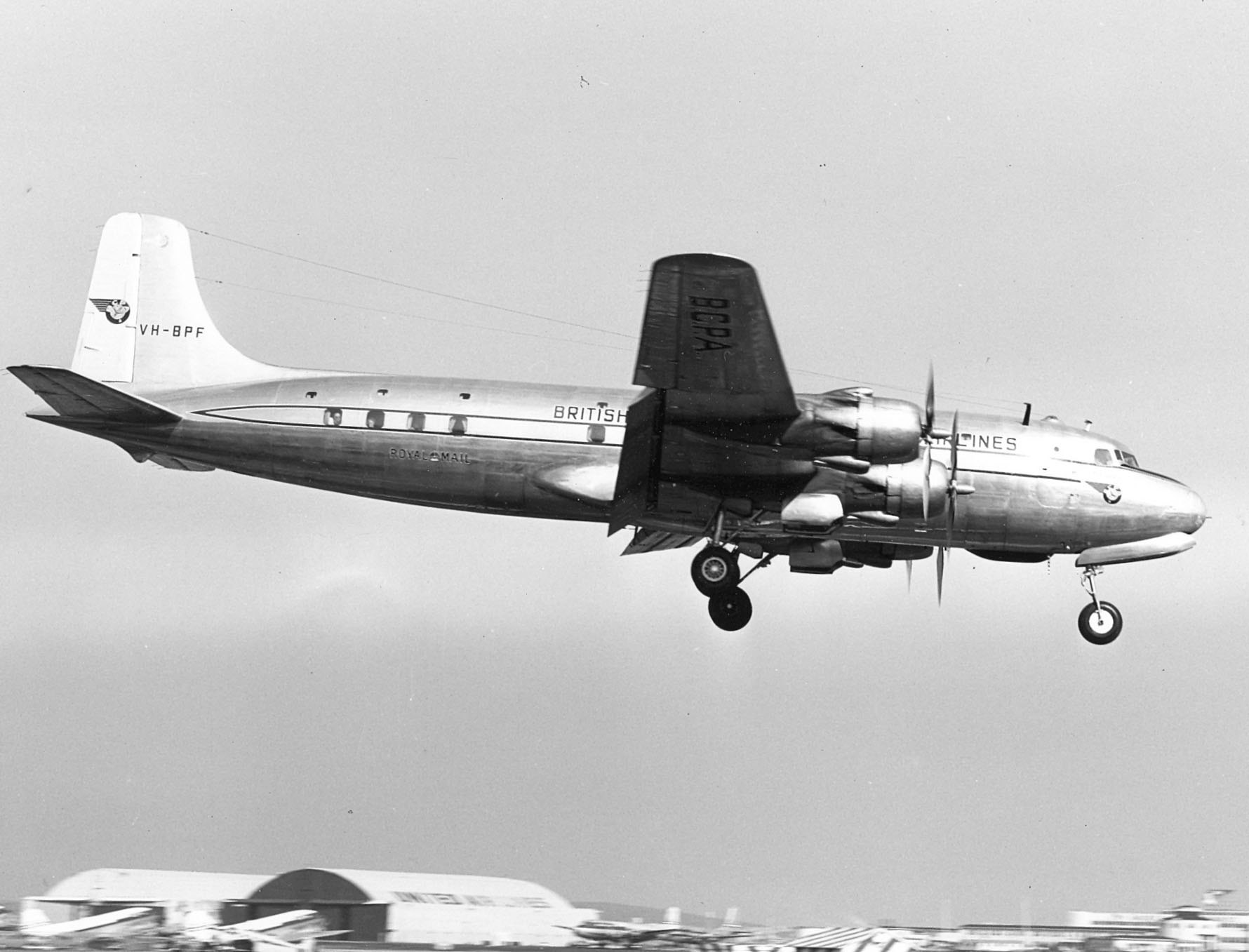
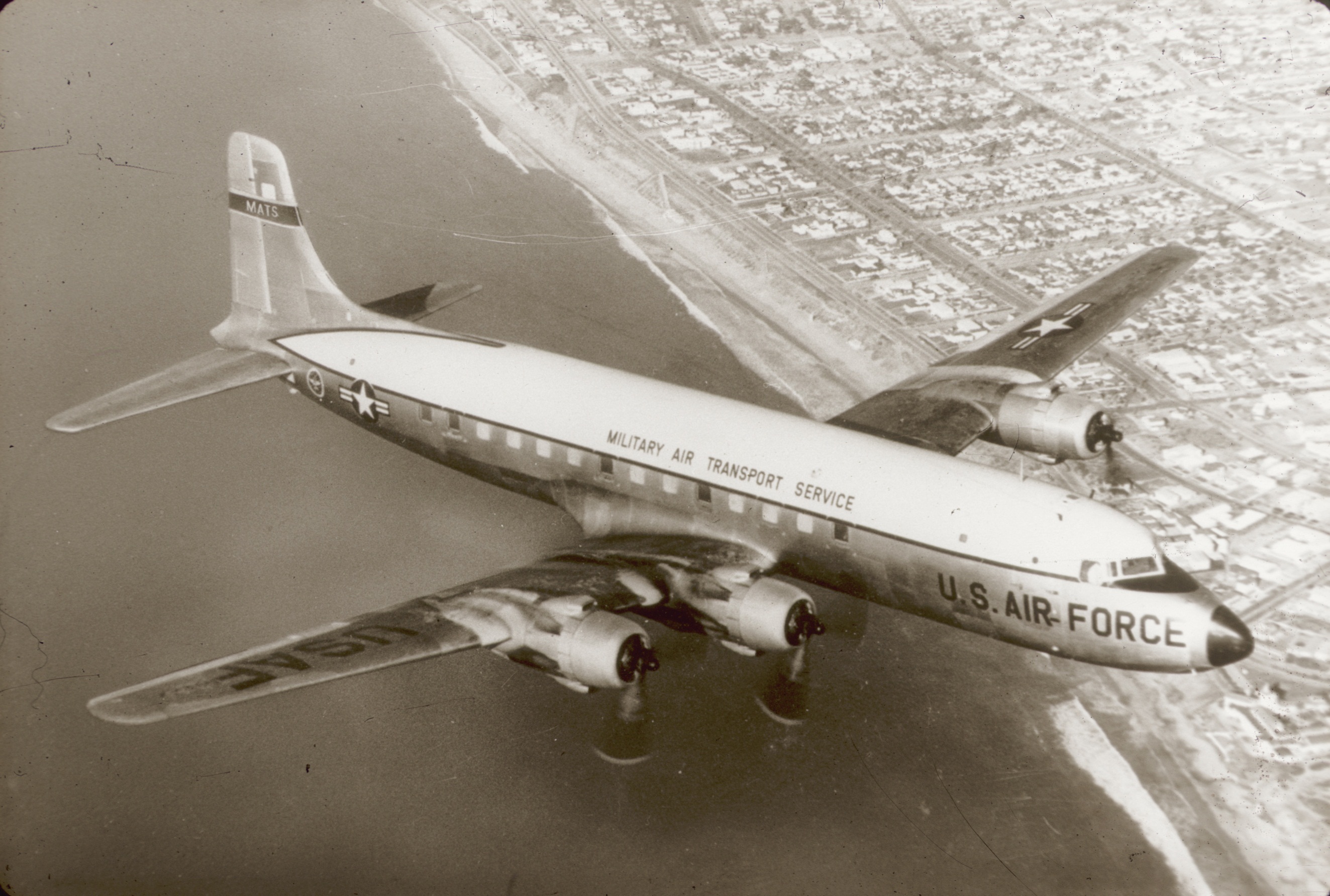
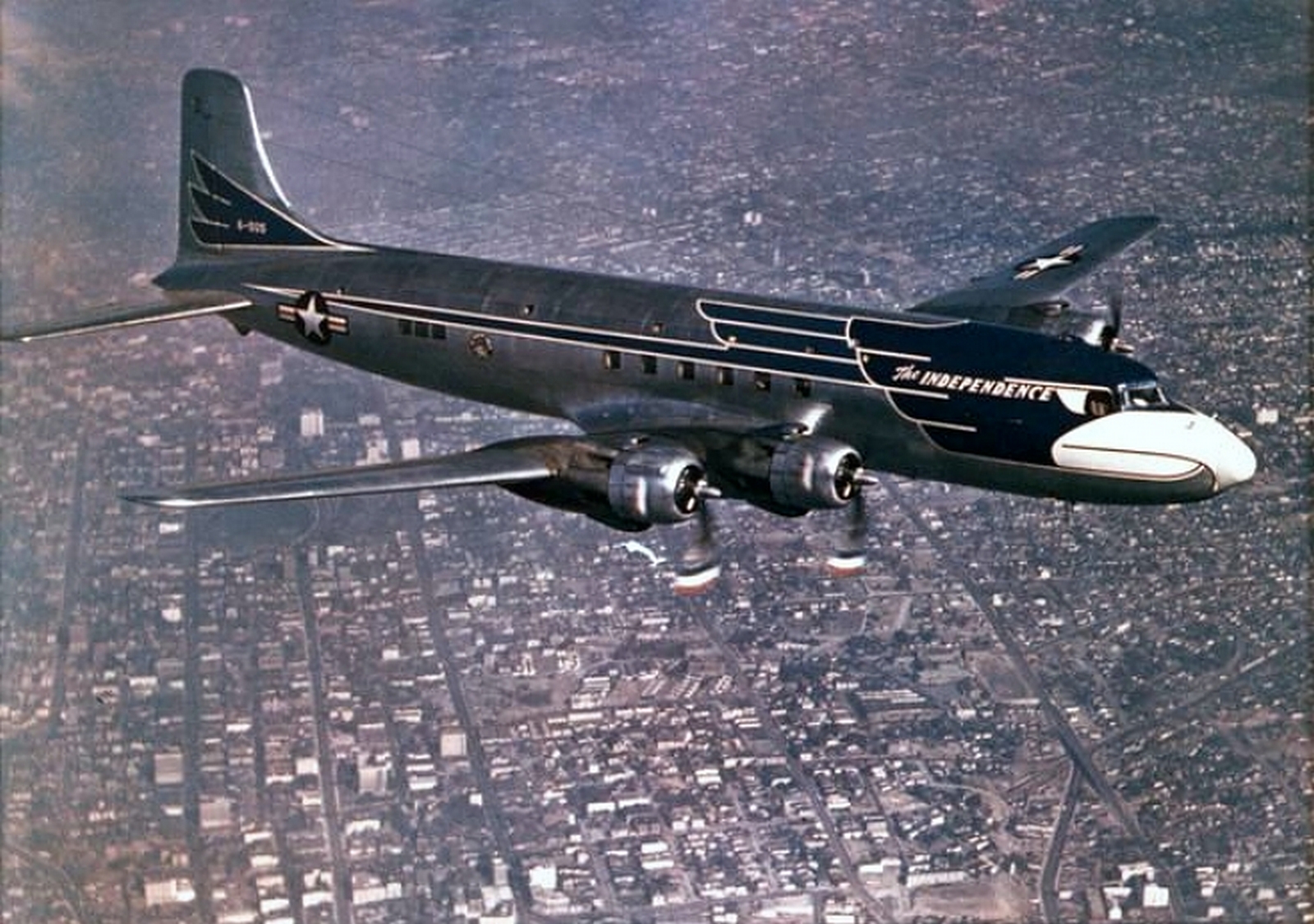
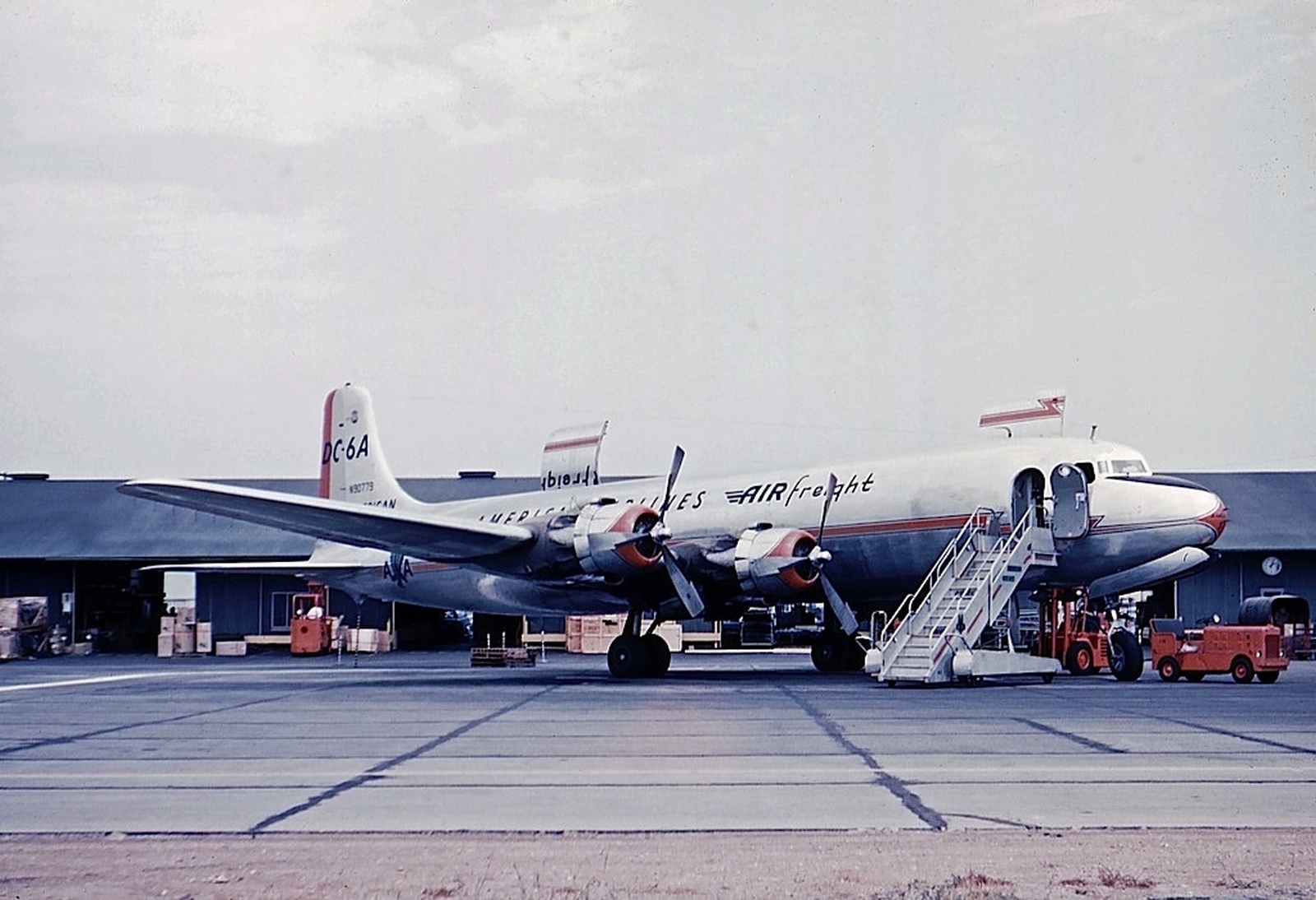
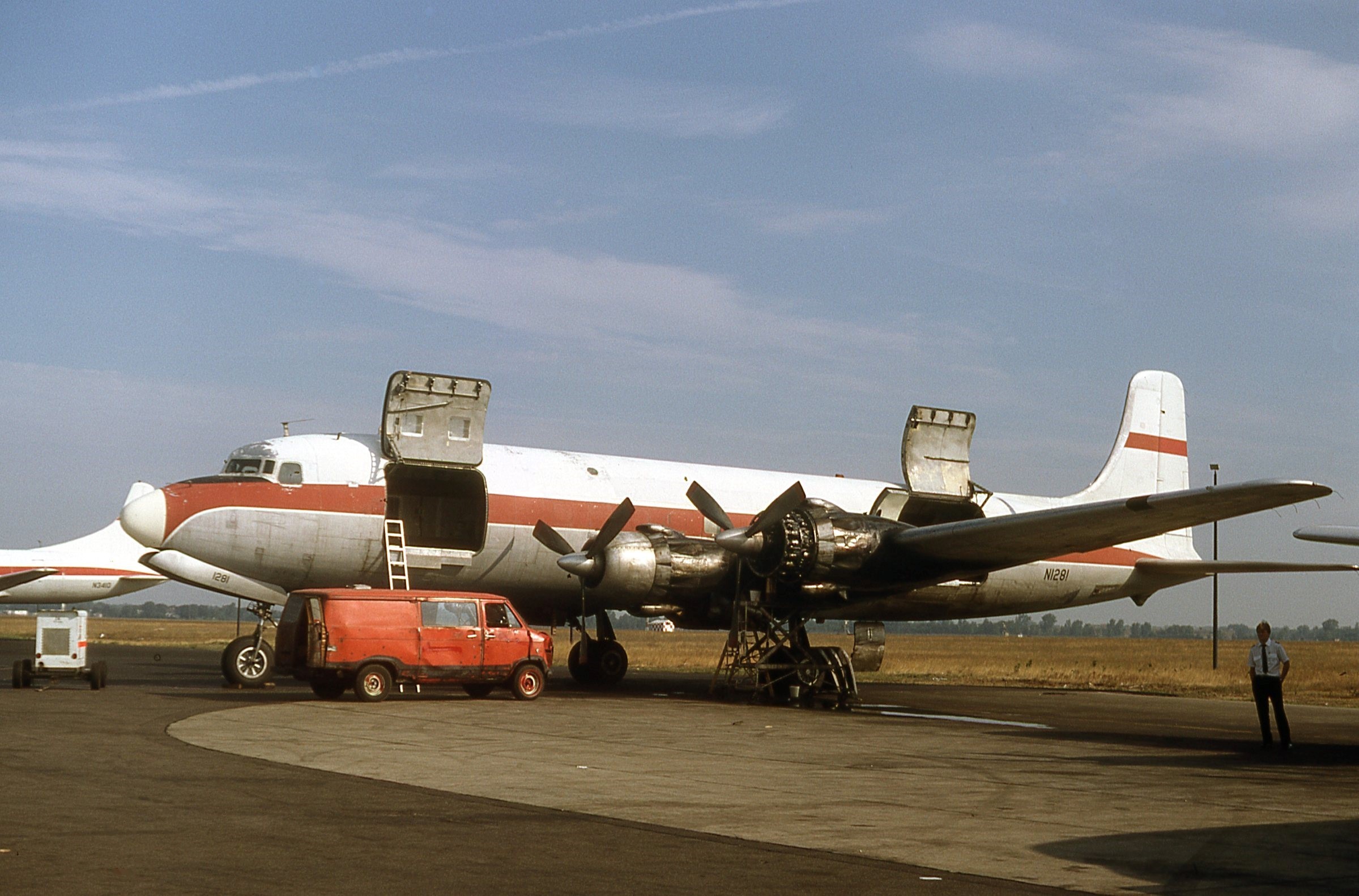
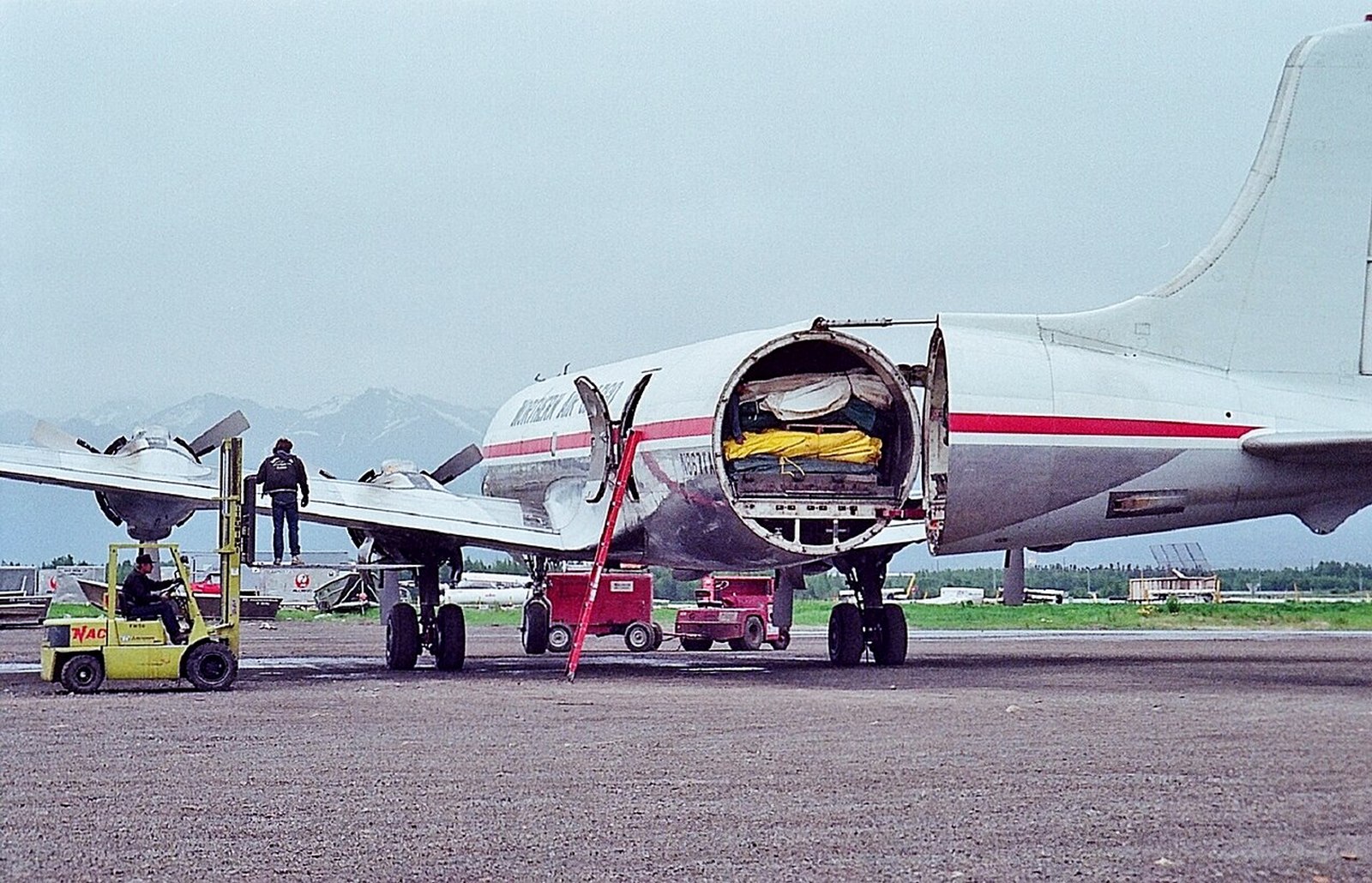
The DC-6 was produced in series until 1958, with a total of 704 units built. There are at least 12 known variants of the aircraft, including passenger liners, cargo-passenger aircraft, and civilian transport aircraft, which could be loaded by opening the entire tail section to the side. The aircraft was also remilitarized—166 military transport aircraft were built for the US Air Force and Navy in the C-118 Liftmaster and R6D versions, which had two large cargo doors on the left side. The VC-118 Independence presidential aircraft occupied a special place.
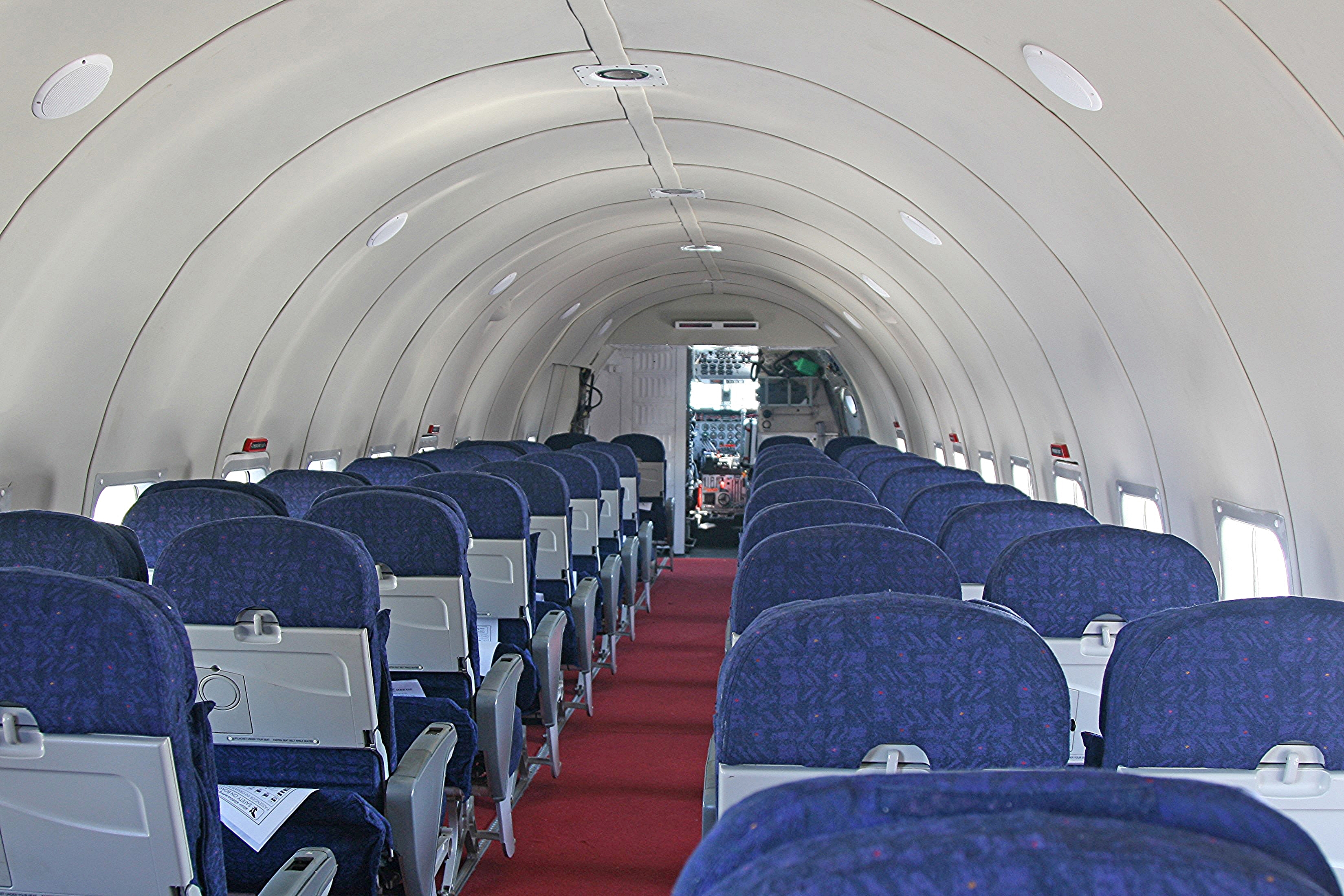
The passenger DC-6B was equipped with four Pratt & Whitney R-2800-CB17 air-cooled piston engines, each with a power of 2,500 hp. The aircraft was 32.18 m long, had a wingspan of 35.81 m, a maximum take-off weight of 49 t, a cruising speed of 507 km/h, and a maximum range of 7,600 km with a full fuel load. In various configurations, it could carry 42-89 passengers or over 12.7 tons of cargo.
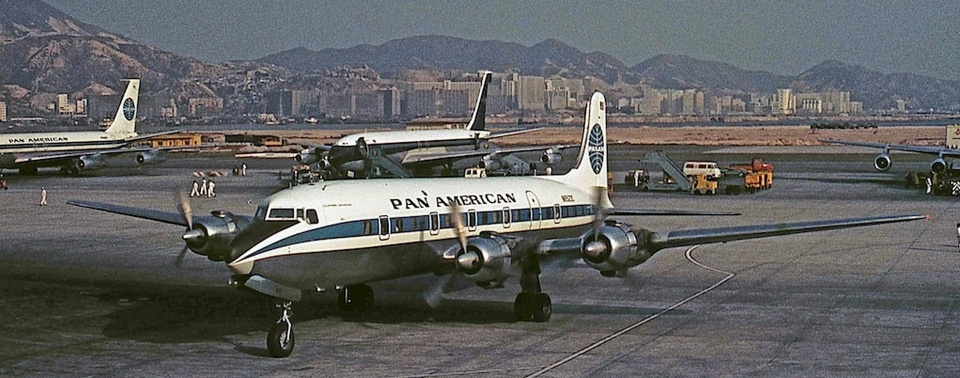
American airlines began operating the DC-6 in the spring of 1947. The aircraft were put into service on routes of various lengths, including transatlantic ones. However, after only two years, DC-6 flights had to be suspended due to a series of accidents and disasters caused by fires on board. The causes of the incidents were quickly identified, the defects were eliminated, and within a few months the aircraft returned to service. The DC-6 went on to earn a reputation as one of the most reliable piston-engine airliners.
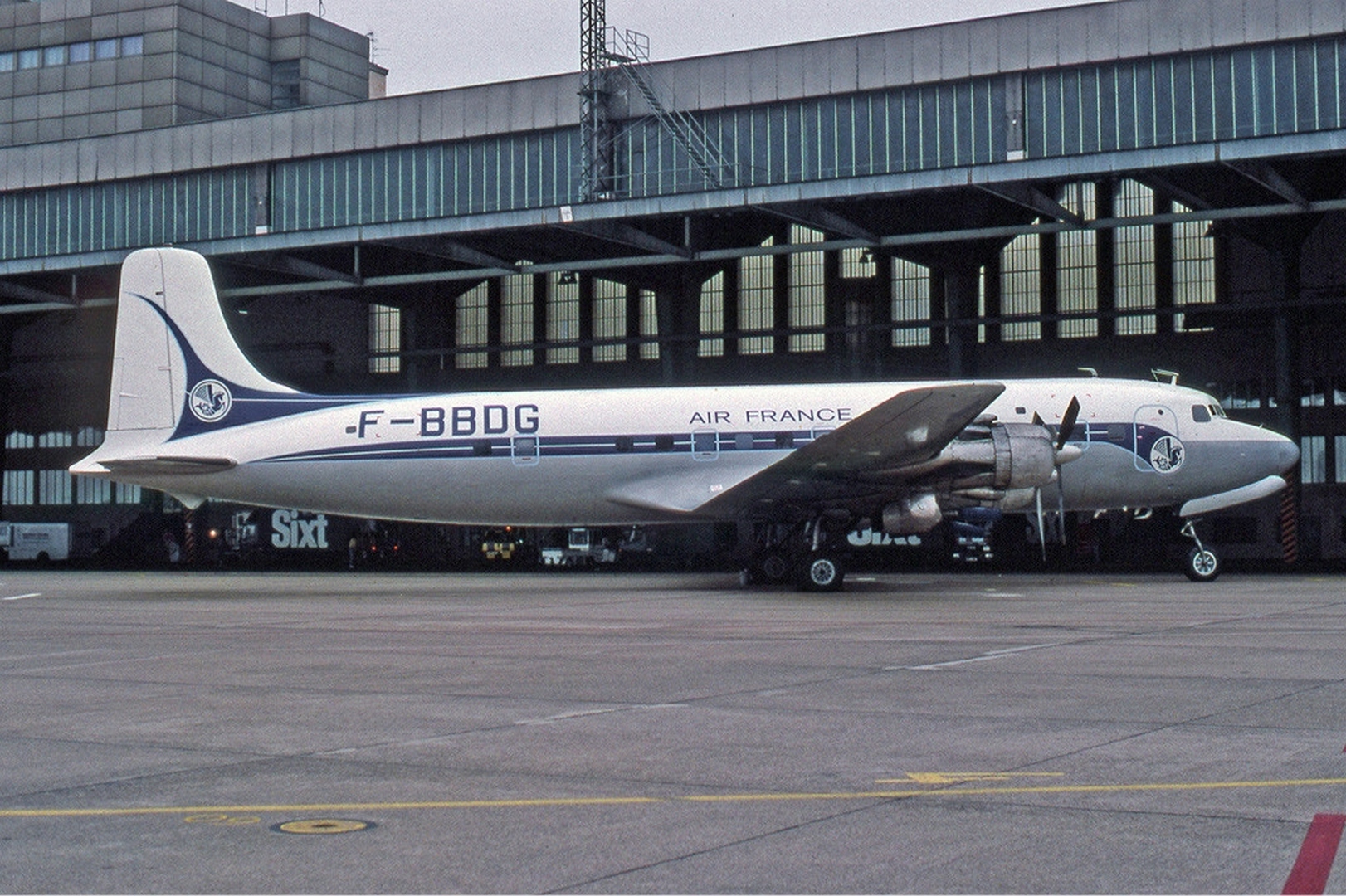
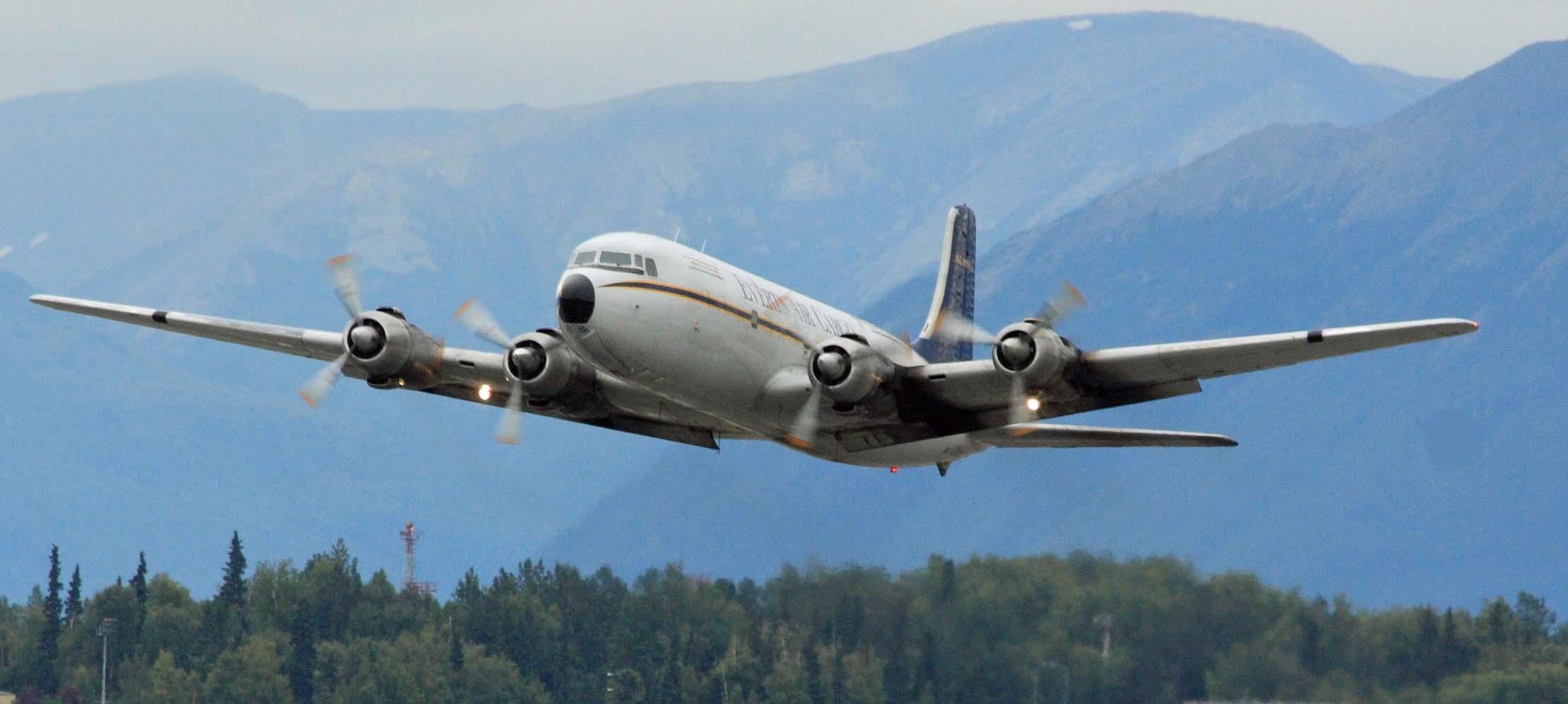
The aircraft gained widespread popularity outside the United States. In total, such aircraft were purchased by civil and military operators in more than 70 countries, including Argentina, Afghanistan, Brazil, Great Britain, Egypt, Ethiopia, Indonesia, Canada, Mozambique, Germany, France, and Japan. A small number of aircraft remain in service, including the American airline Everts Air, which uses them to deliver cargo in Alaska.