Fan-page
 Youtube
 TikTok
 Aviamuseum
 State Aviation Museum
70 years of the An-8 transport aircraft
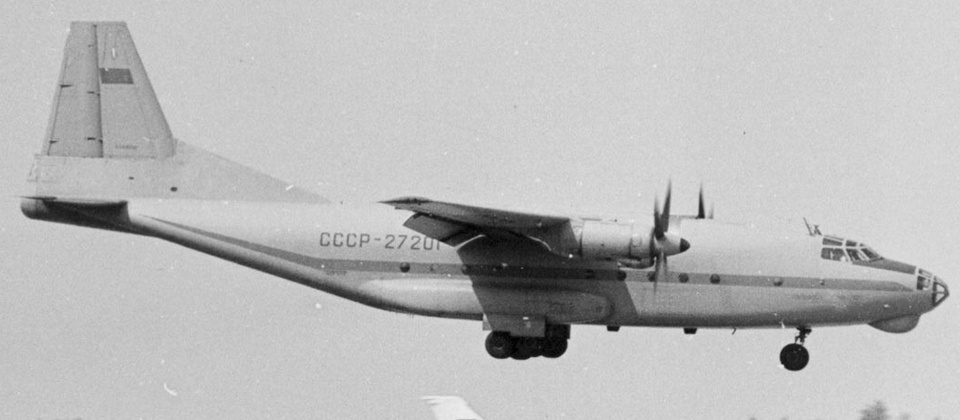
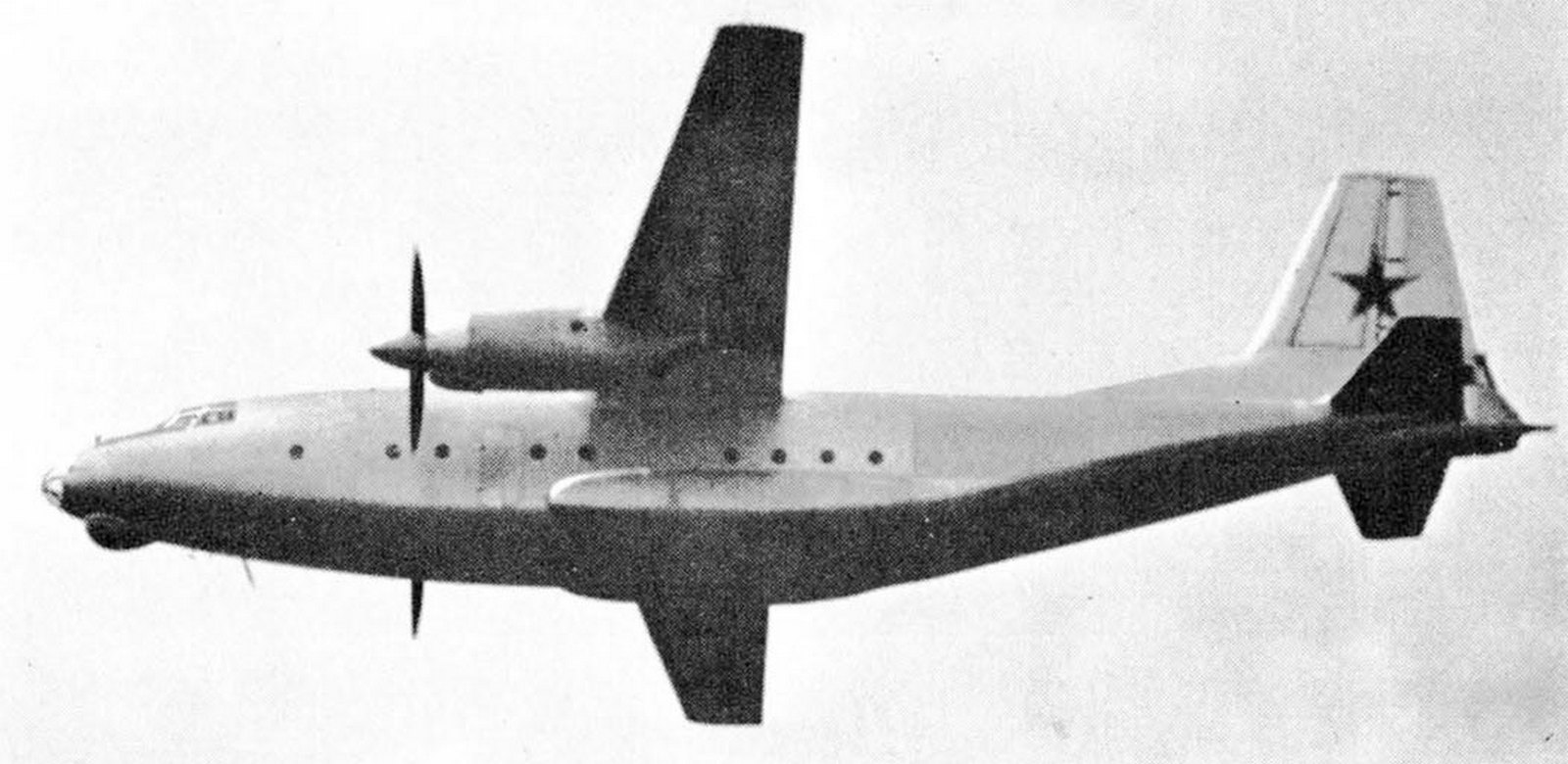
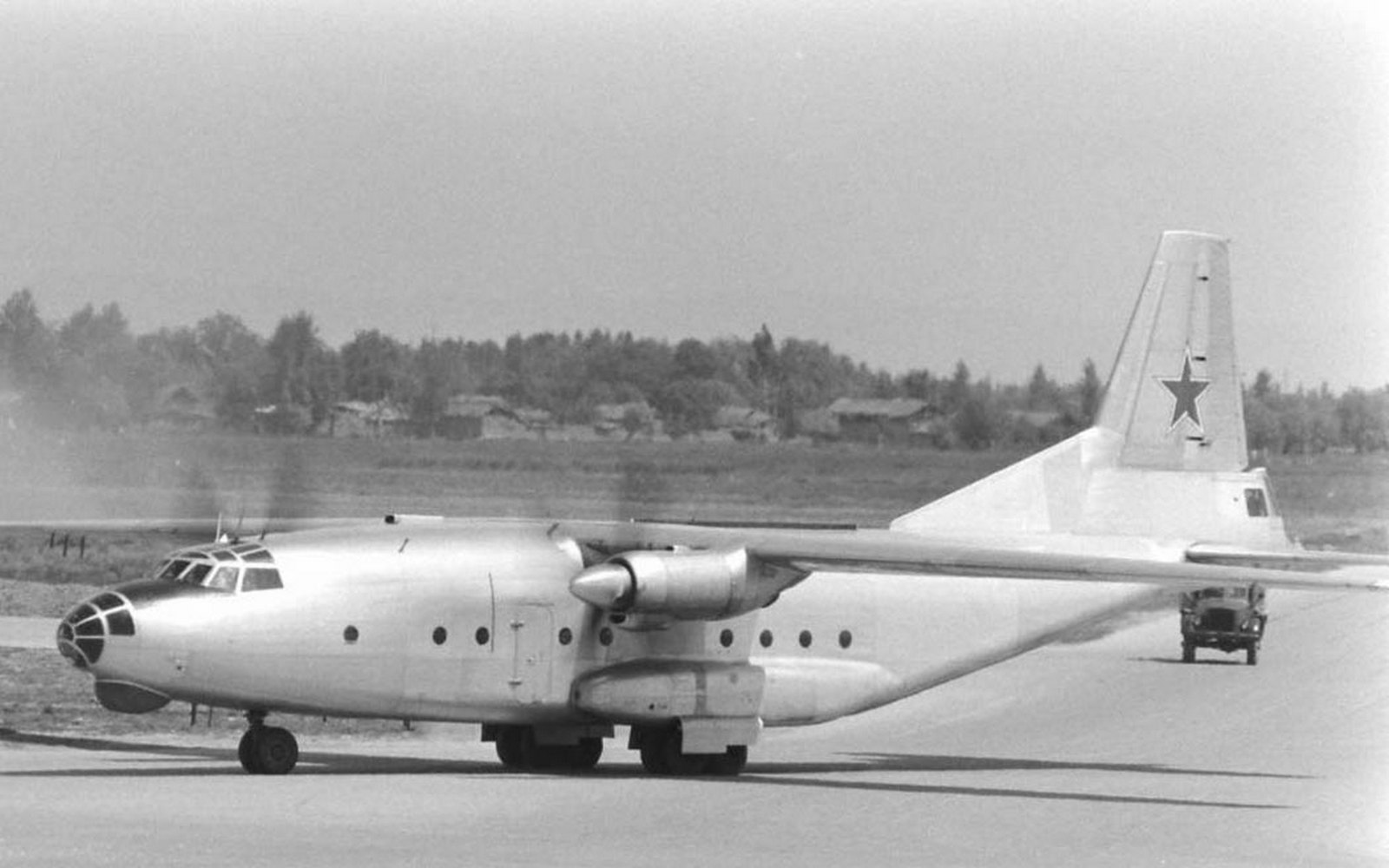
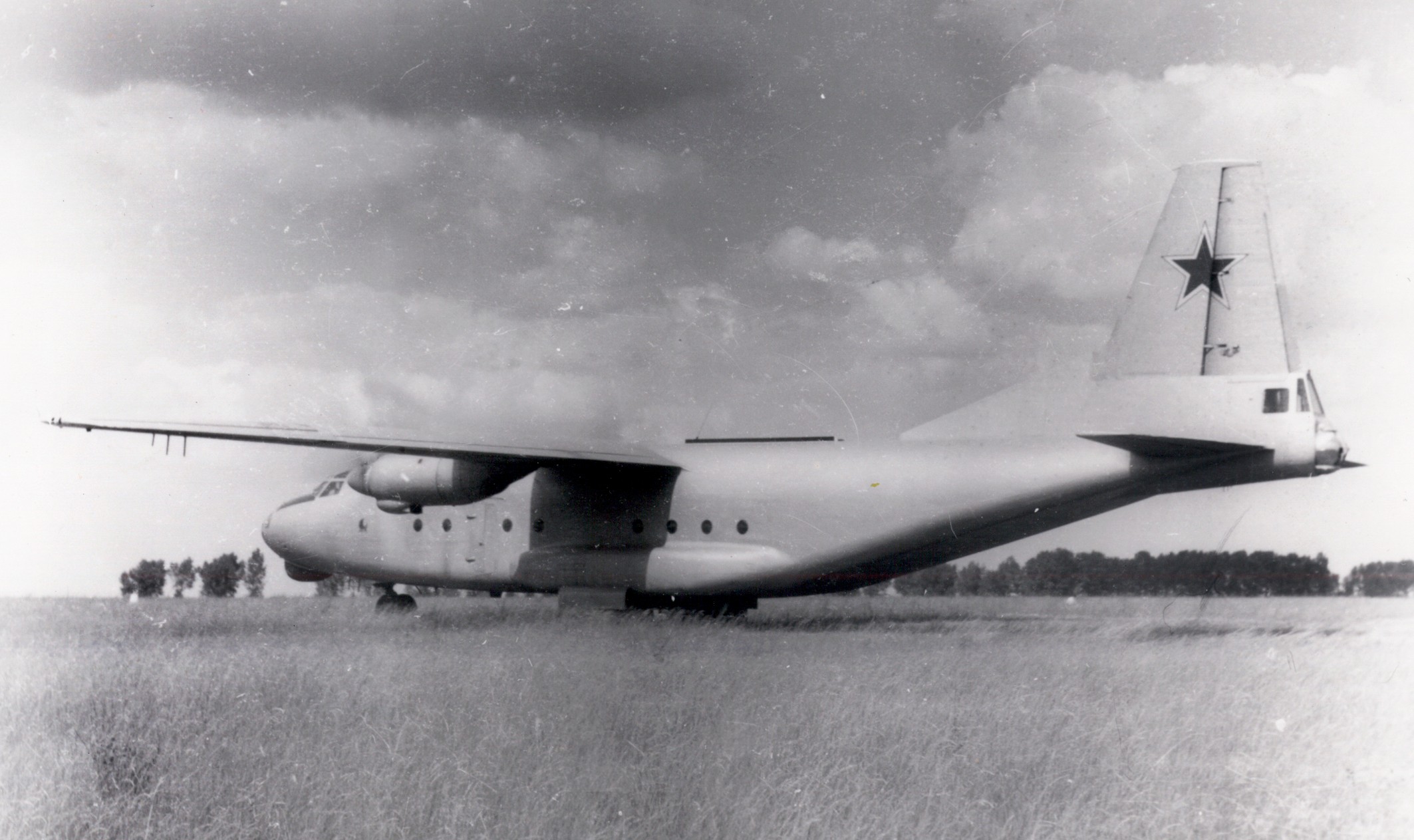
February 11 marked the 70th anniversary of the An-8 transport aircraft, developed by O.K. Antonov Design Bureau. On that day in 1956, its first prototype took to the skies at the Svyatoshin factory airfield in Kyiv.
The An-8 became the first specialized military transport aircraft in the USSR. Tests of the prototype proved that the aircraft generally met the requirements. However, many issues were identified. The most serious problems arose due to the experimental TV-2T turboprop engines. Despite their generally advanced design, they had many shortcomings that could take years to fix. It was then decided to replace them with less “advanced” but much more reliable AI-20D engines with a power of 5,180 hp, which were created in Zaporizhia under the leadership of O.G. Ivchenko.
It was with these engines that the aircraft went into serial production at aircraft plant No. 84 in Tashkent, where 149 units were produced between 1958 and 1961. The An-8 was built in a single military transport version. In addition, several aircraft were used as flying laboratories, in particular for testing launch powder accelerators. The USSR did not export aircraft of this type.
The serial An-8 with two AI-20D engines had a length of 30.74 m, a wingspan of 37.9 m, a maximum take-off weight of 38 t, a maximum speed of 520 km/h, a maximum payload of 11 t, and a range of 2,800 km with a payload of 5 tons.
The An-8 began to be introduced into service with military transport aviation regiments in 1959. The new aircraft radically increased their capabilities for transporting equipment and personnel. The aircraft began to be actively involved in large-scale military exercises. In particular, in 1962, several transport aviation regiments were involved in the Warsaw Pact's “Steel Shield” maneuvers, which took place in the GDR.
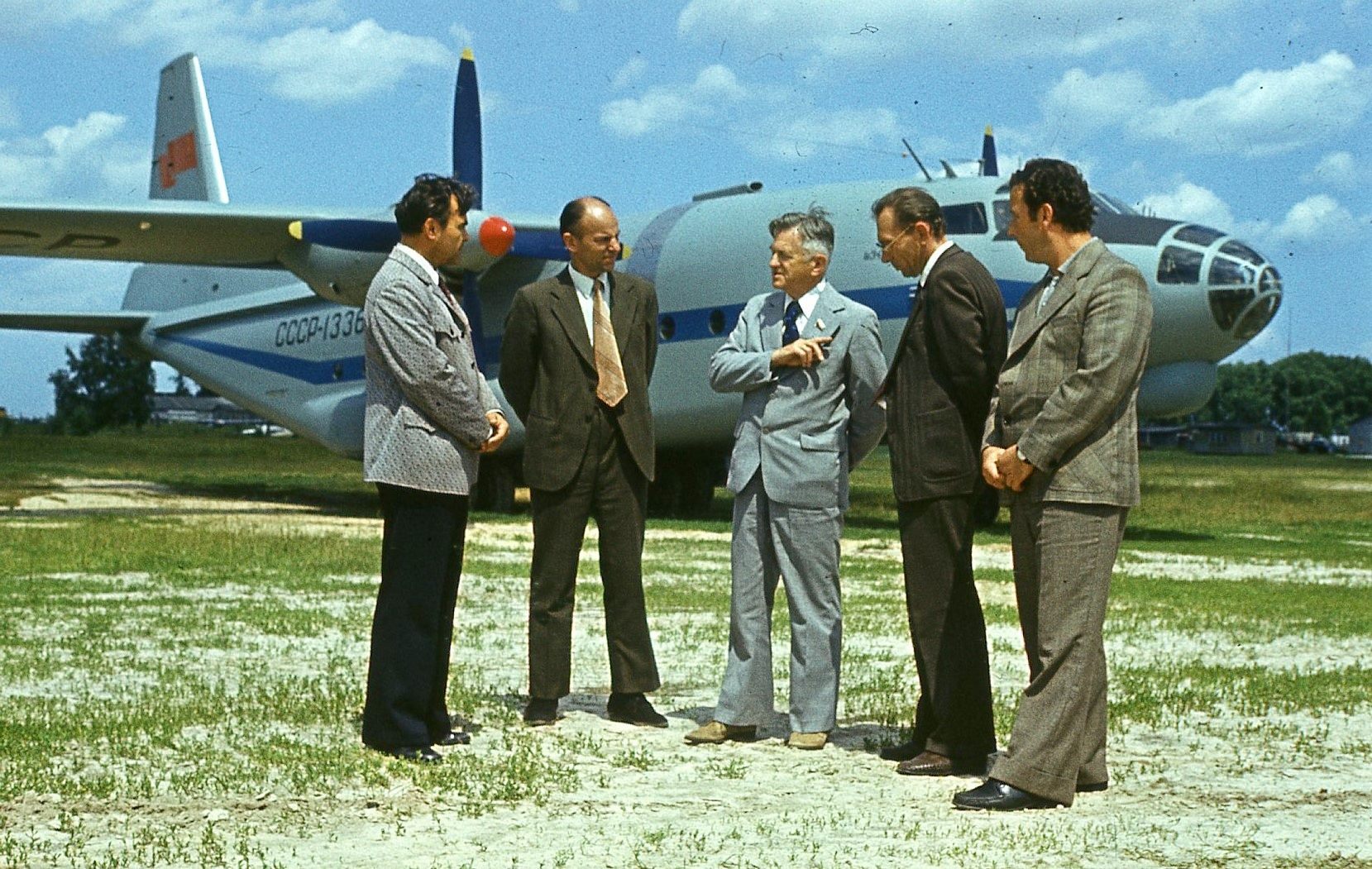
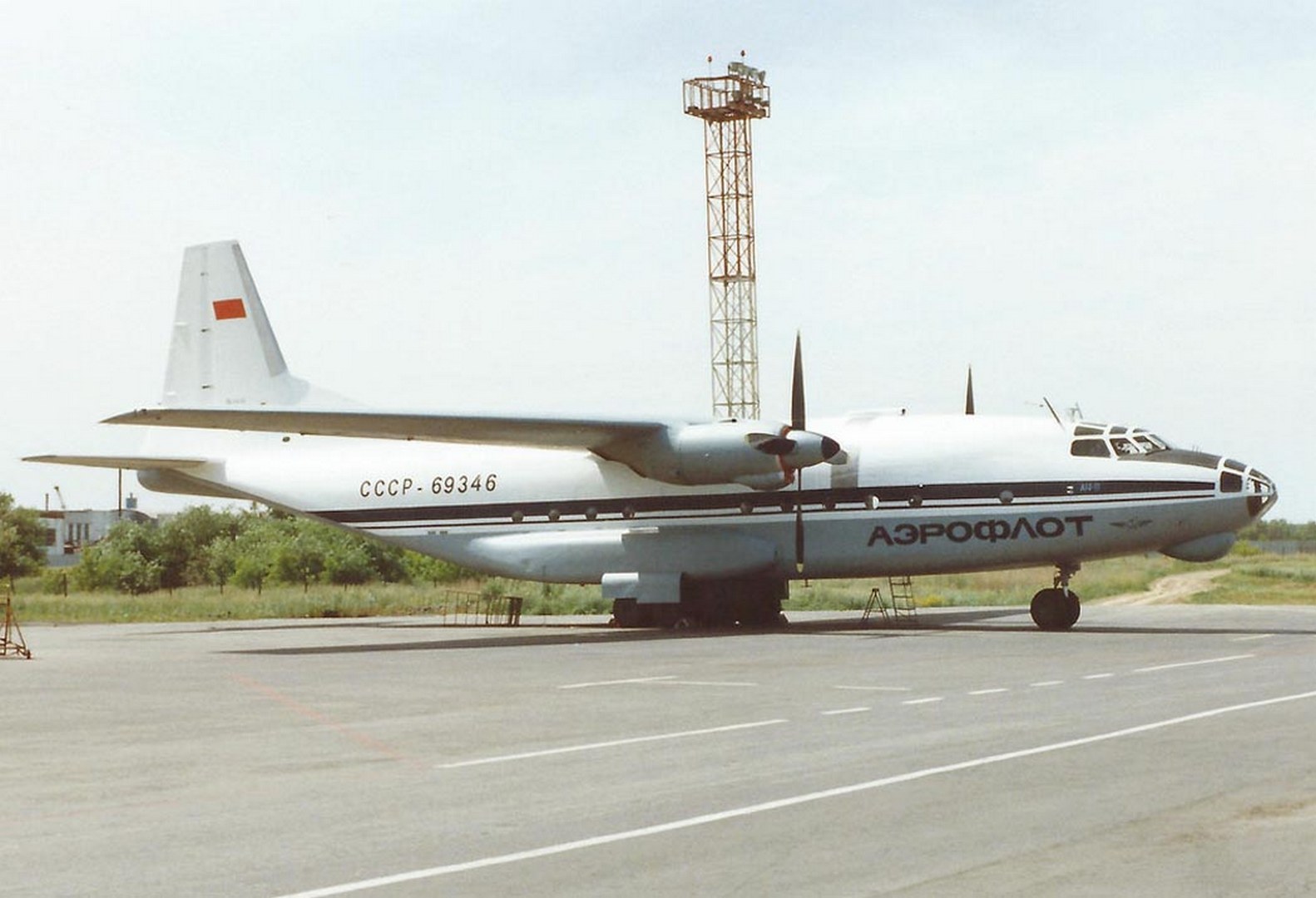
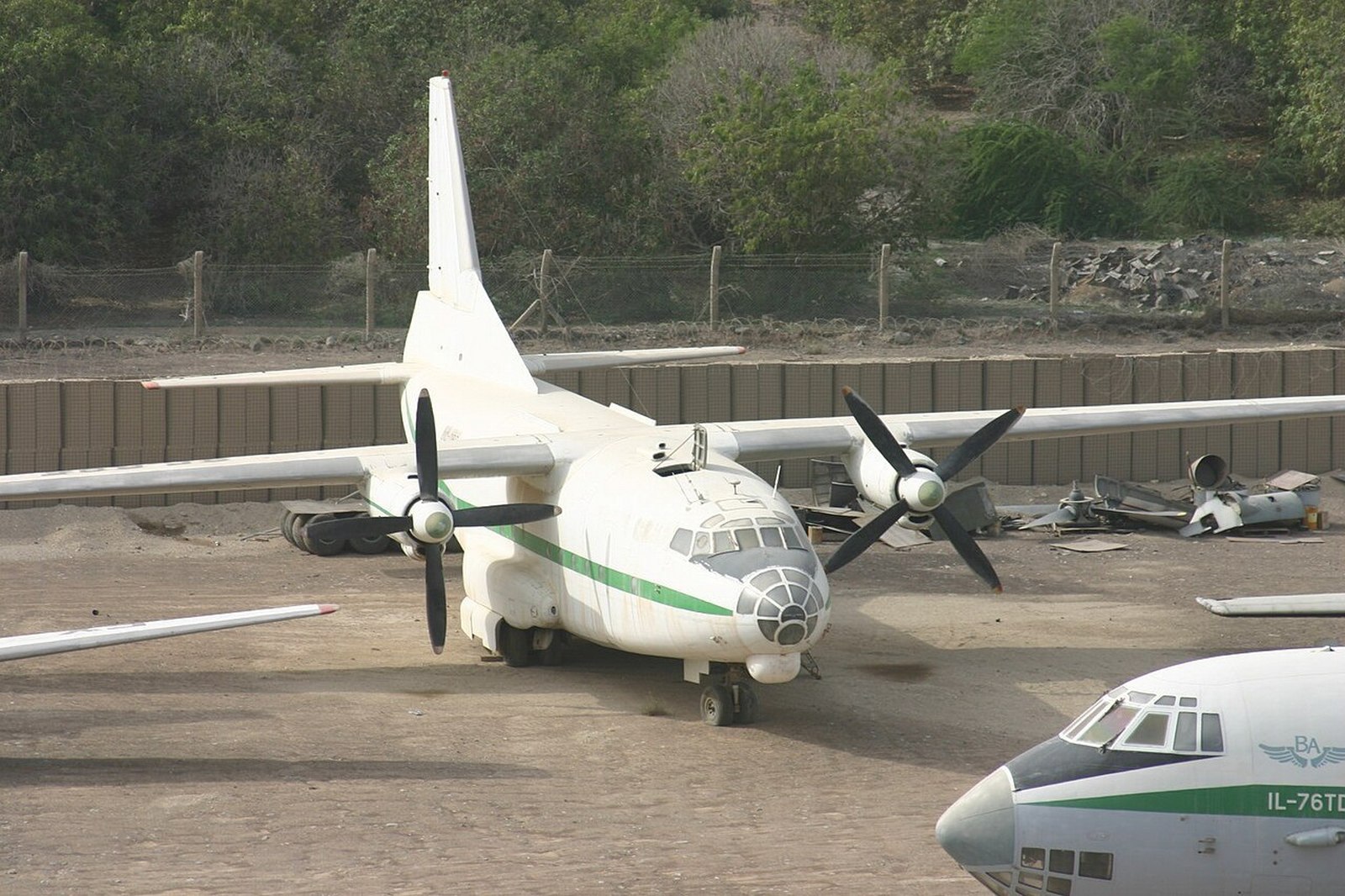
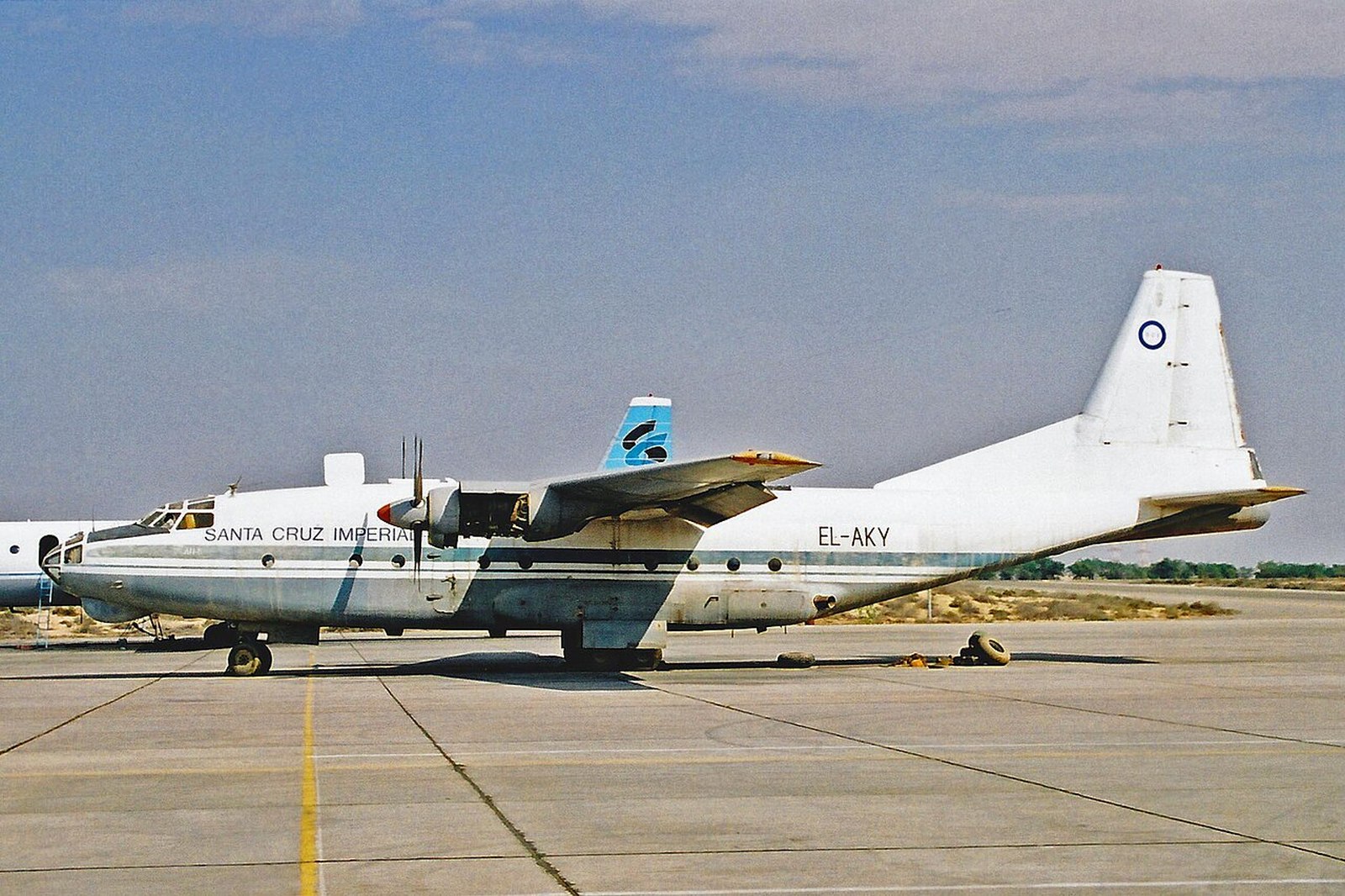
As with any new technology, certain shortcomings were discovered during the operation of the An-8. These mainly concerned the reliability of equipment and systems. The aircraft needed to be modernized, but no one bothered with this, as a more advanced An-12 was quickly developed to replace it. By 1970, the vast majority of the “eights” had already been decommissioned. Those that remained in service were transferred to auxiliary air units of the Navy and Air Defense, as well as to the transport divisions of several ministries, including the aviation industry. A small number of An-8s also went to Aeroflot. It was the civilian An-8s that served for a very long time. After the collapse of the USSR, the hopelessly outdated aircraft ended up with several commercial airlines, which used them for flights in Asian and African countries until almost the end of the first decade of the 21st century.