Fan-page
 Youtube
 TikTok
 Aviamuseum
 State Aviation Museum
55 years of the F-14 Tomcat carrier-based fighter jet
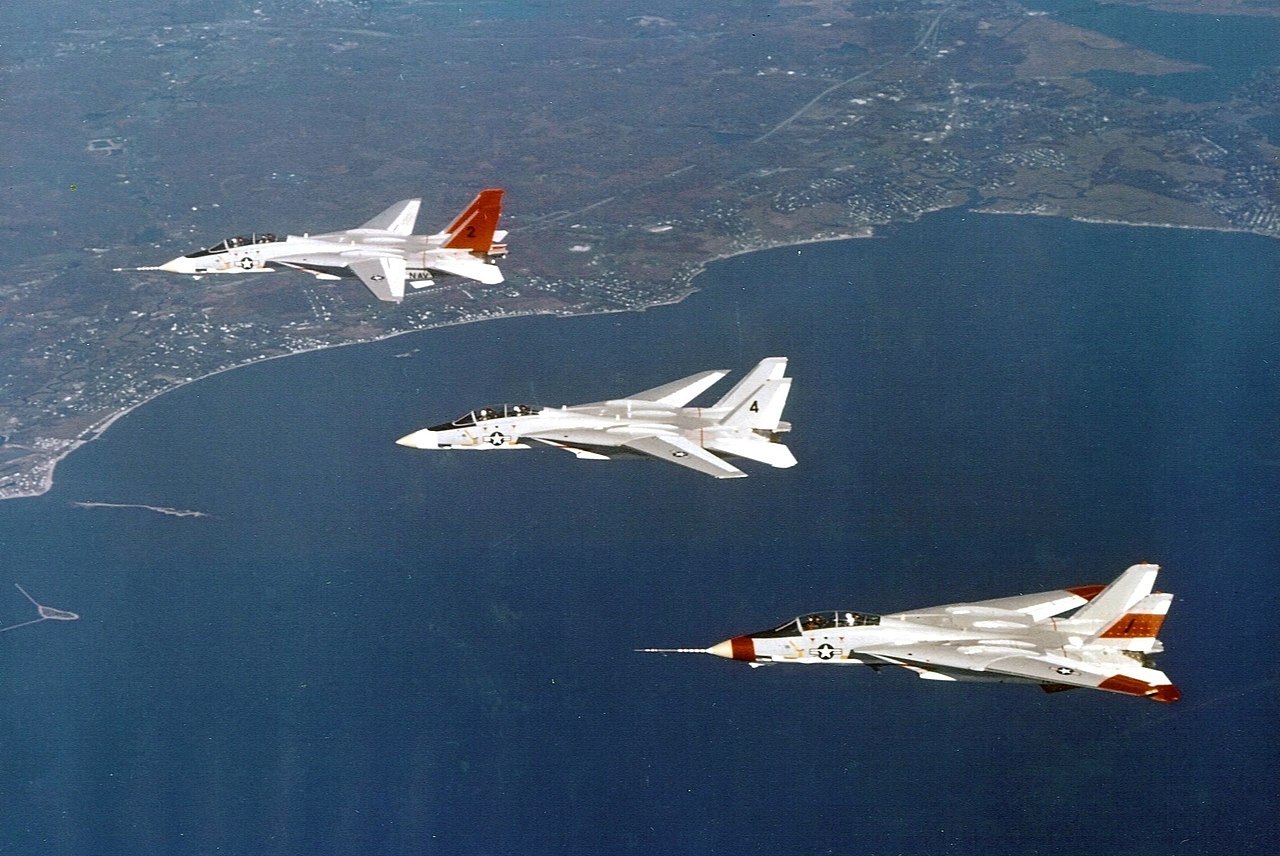
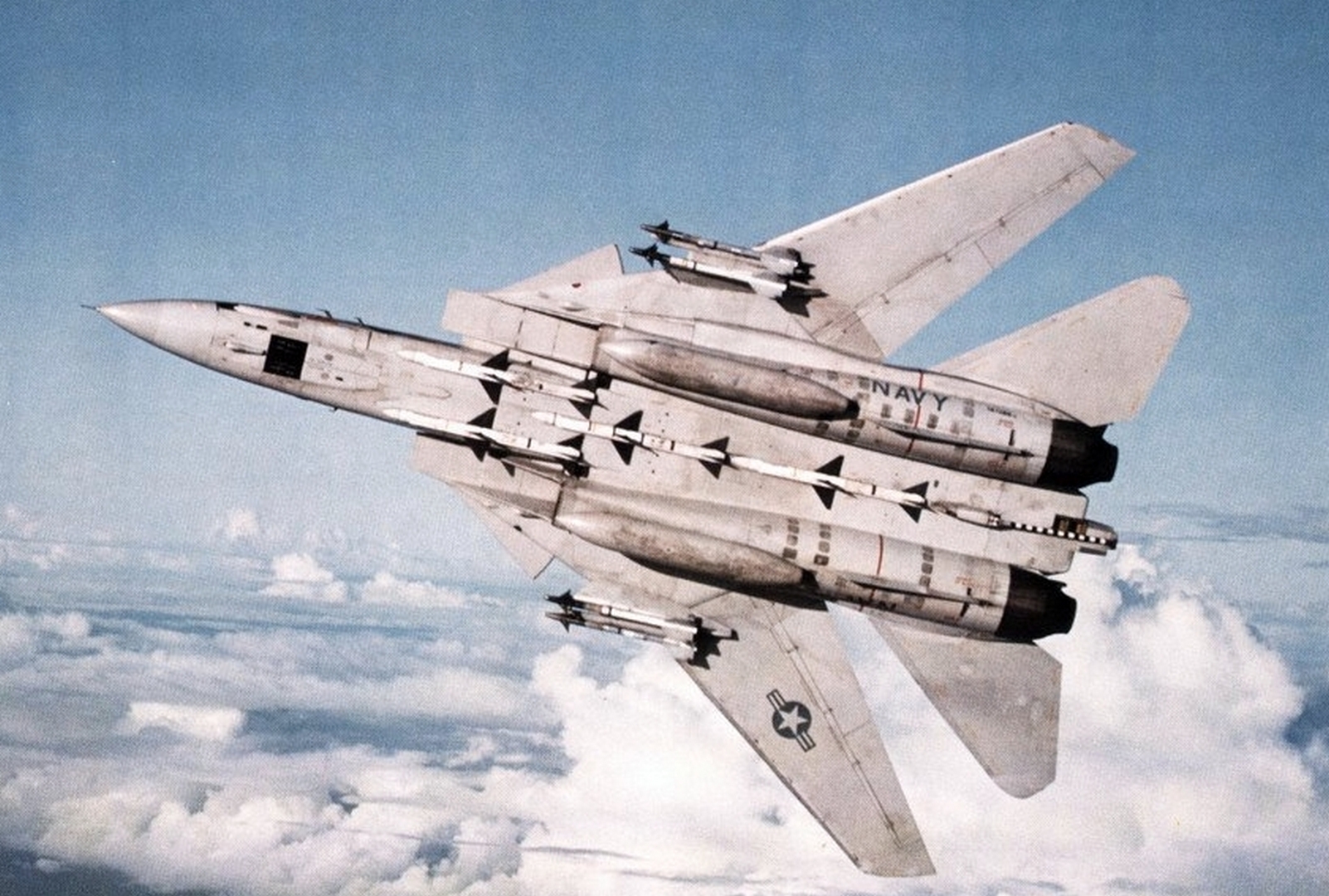
December 21 marked the 55th anniversary of the F-14 Tomcat fighter jet, created by the American company Grumman Corporation. On that day in 1970, its first prototype took to the skies.
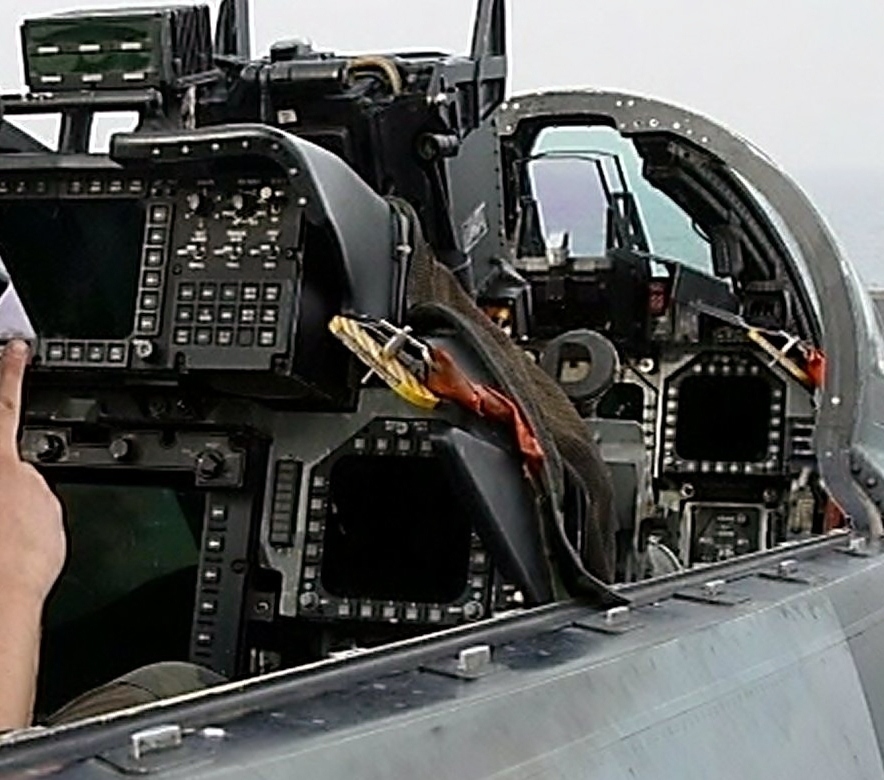
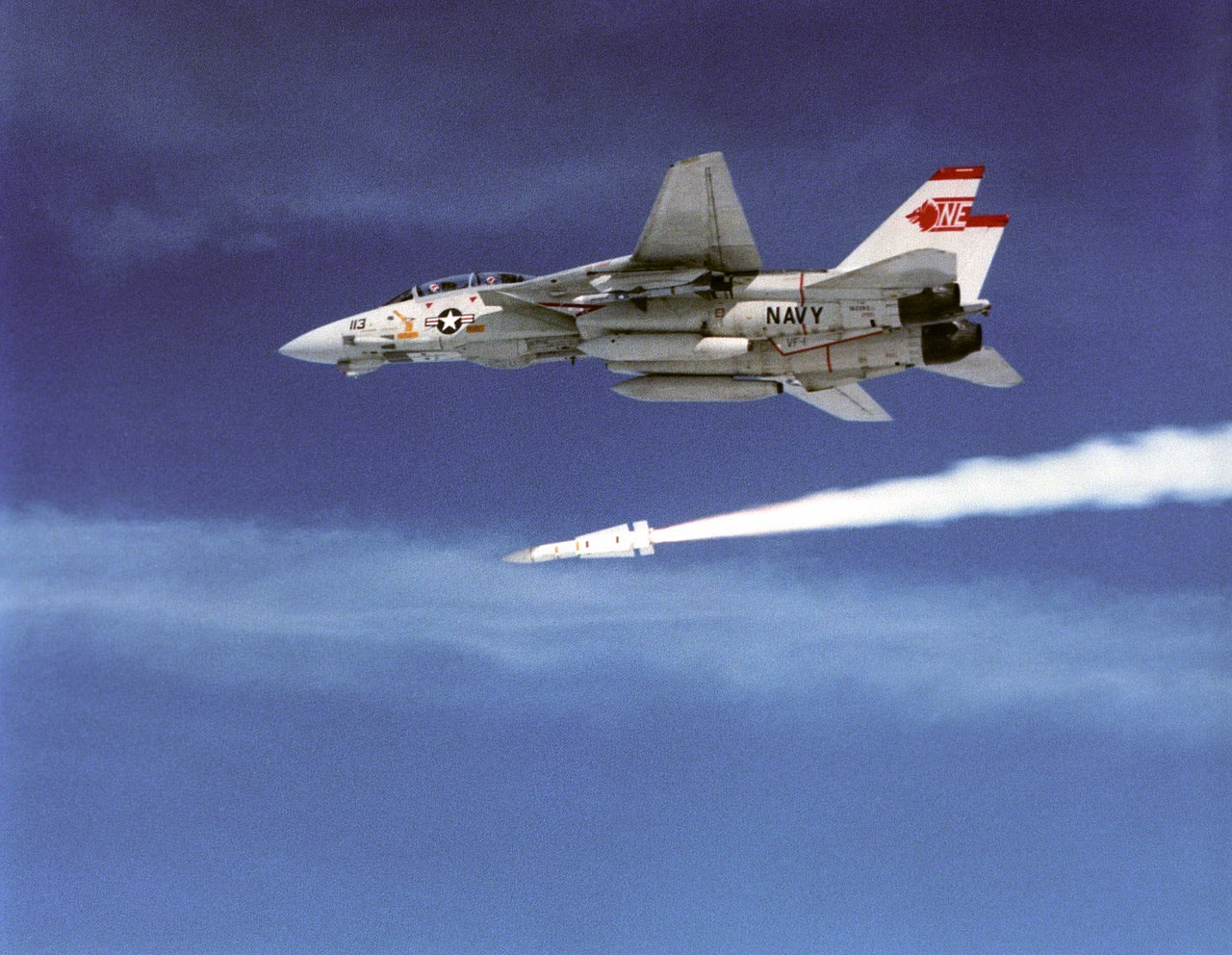
The new aircraft combined the features of a long-range, supersonic interceptor and fighter to gain air superiority. The combination of high speed and maneuverability, as well as improved takeoff and landing characteristics, was facilitated by the then-fashionable variable wing sweep design. Another important feature of the Tomcat was its weapon system with long-range air-to-air missiles, as well as a radar that allowed it to track up to 24 targets simultaneously and select up to 6 of them for attack. In the early 1970s, no other fighter in the world had such capabilities.
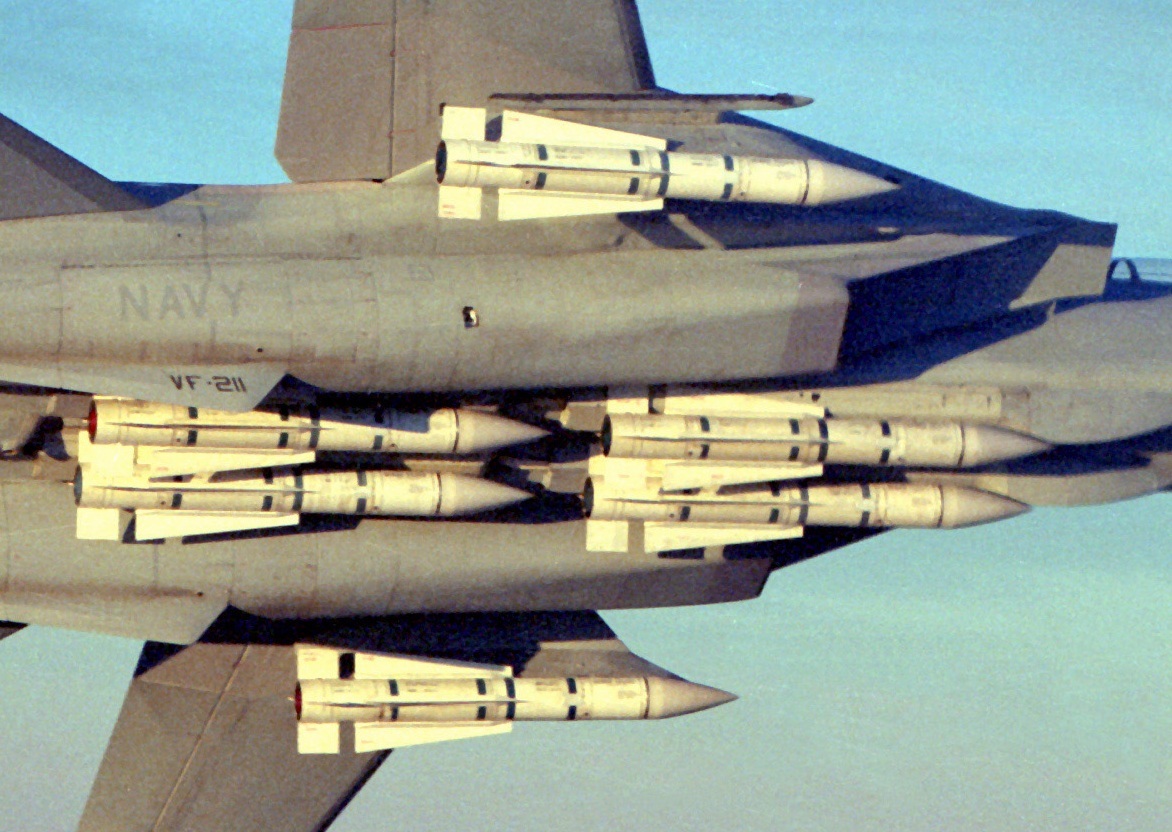
Serial production of the F-14 was completed in 1991. A total of 712 units were built in three main versions. All aircraft were two-seaters: pilot and weapons system operator. The F-14D became the most advanced, receiving digital avionics, and its combat capabilities were increased by the ability to use high-precision aerial bombs. The fighter was equipped with two General Electric F110-GE-400 twin-circuit turbojet engines with a thrust of 12,200 kgf each. The aircraft had a length of 19.13 m, a maximum wingspan of 19.55 m, a maximum take-off weight of 33,725 kg, a maximum speed of almost 2,500 km/h, and a range of 3,000 km. Its armament included a 20 mm M61A1 Vulcan cannon. The Tomcat could carry up to 6,600 kg of weapons on 10 external hardpoints, including up to six AIM-54 Phoenix air-to-air missiles with a range of over 150 km (usually no more than four were carried). The use of AIM-7 and AIM-9 air-to-air missiles was also envisaged. An arsenal of bombs, including high-precision JDAMs, was used to engage ground targets.
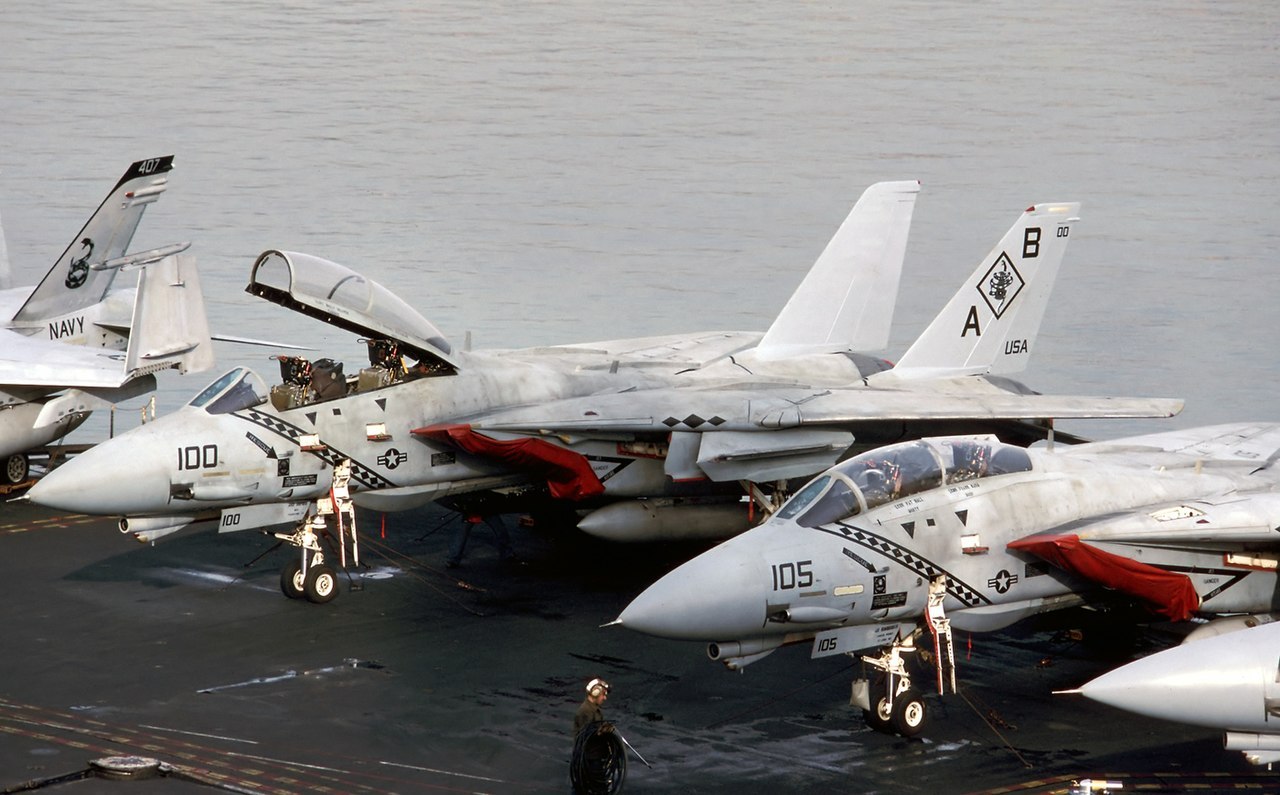
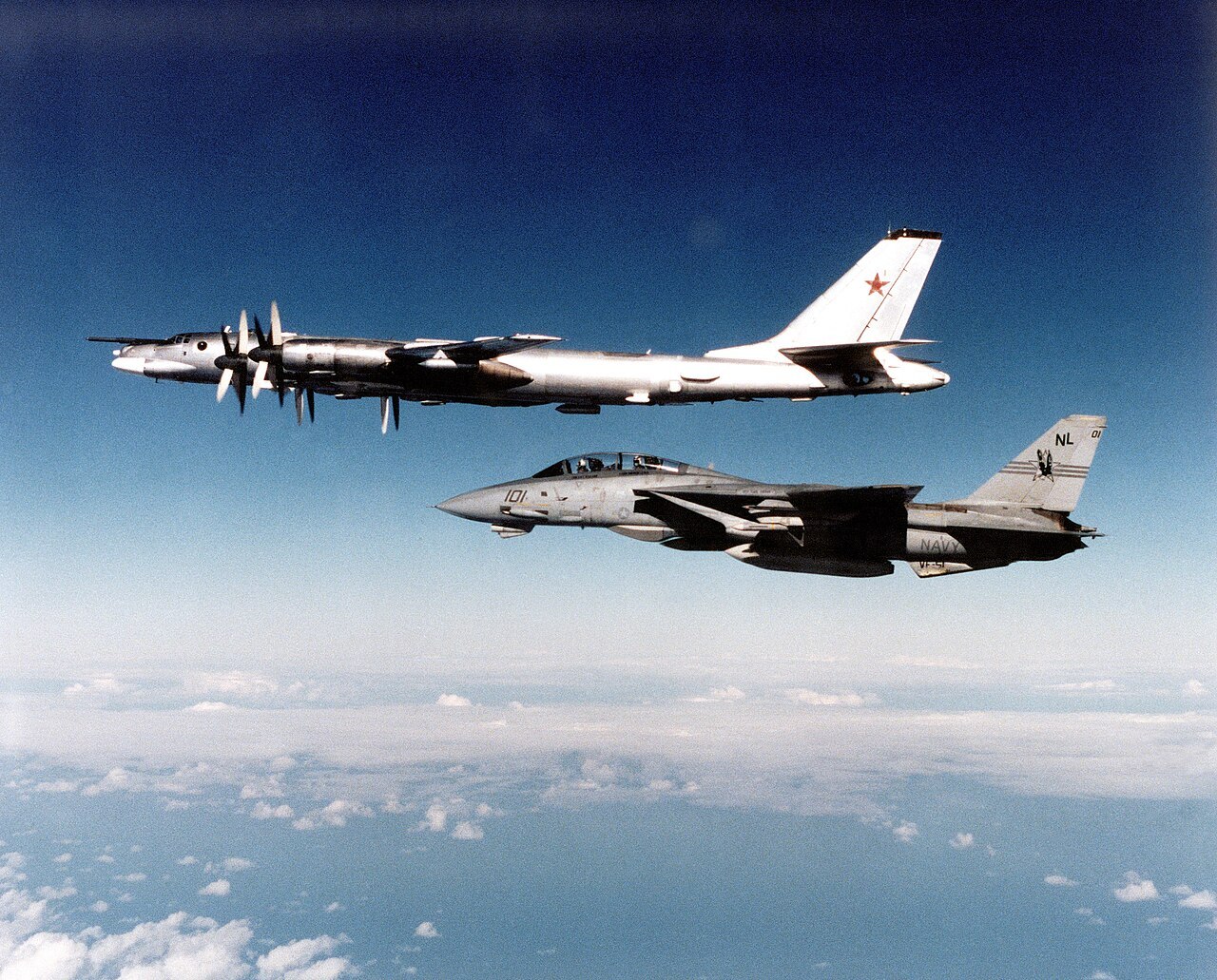
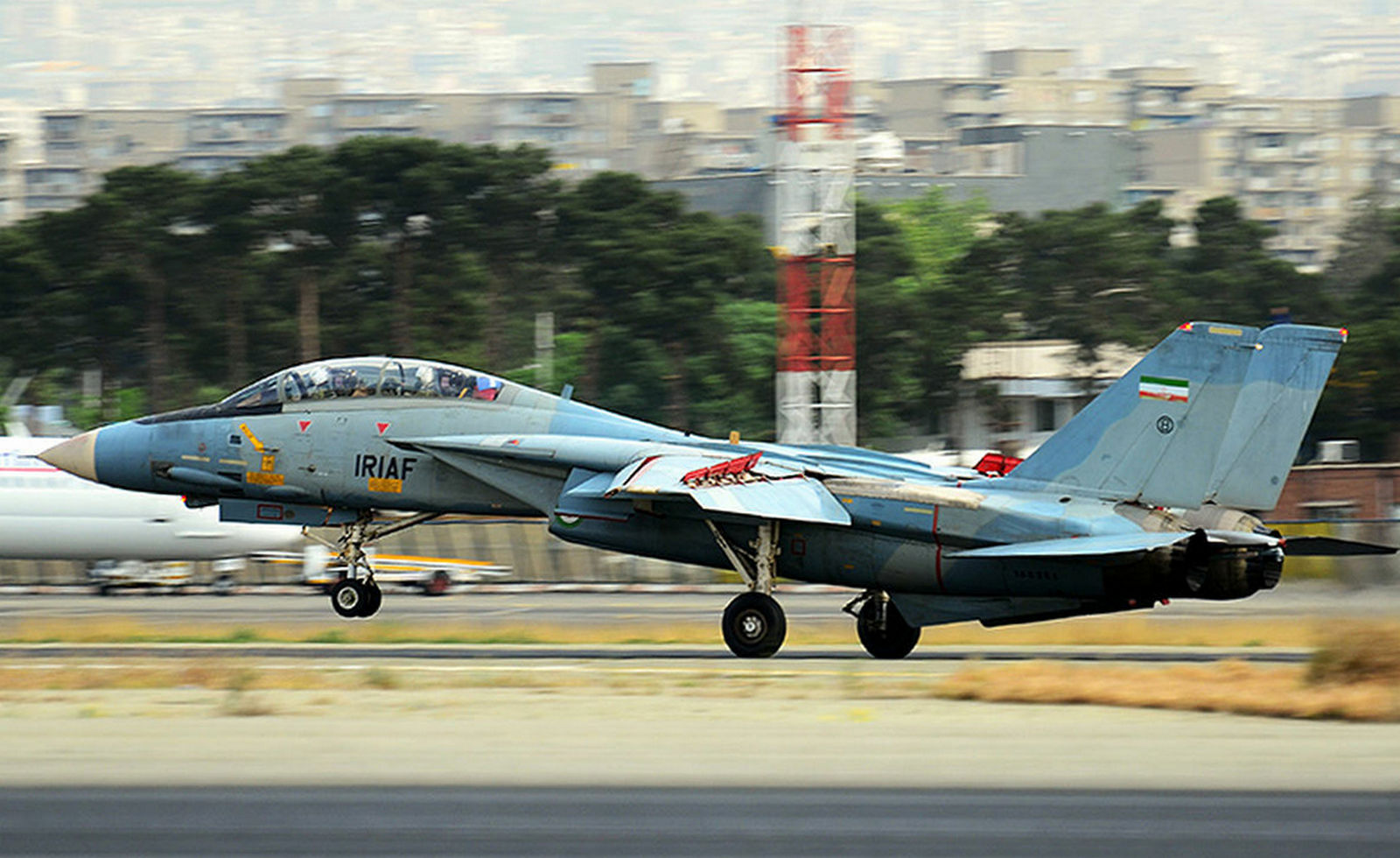
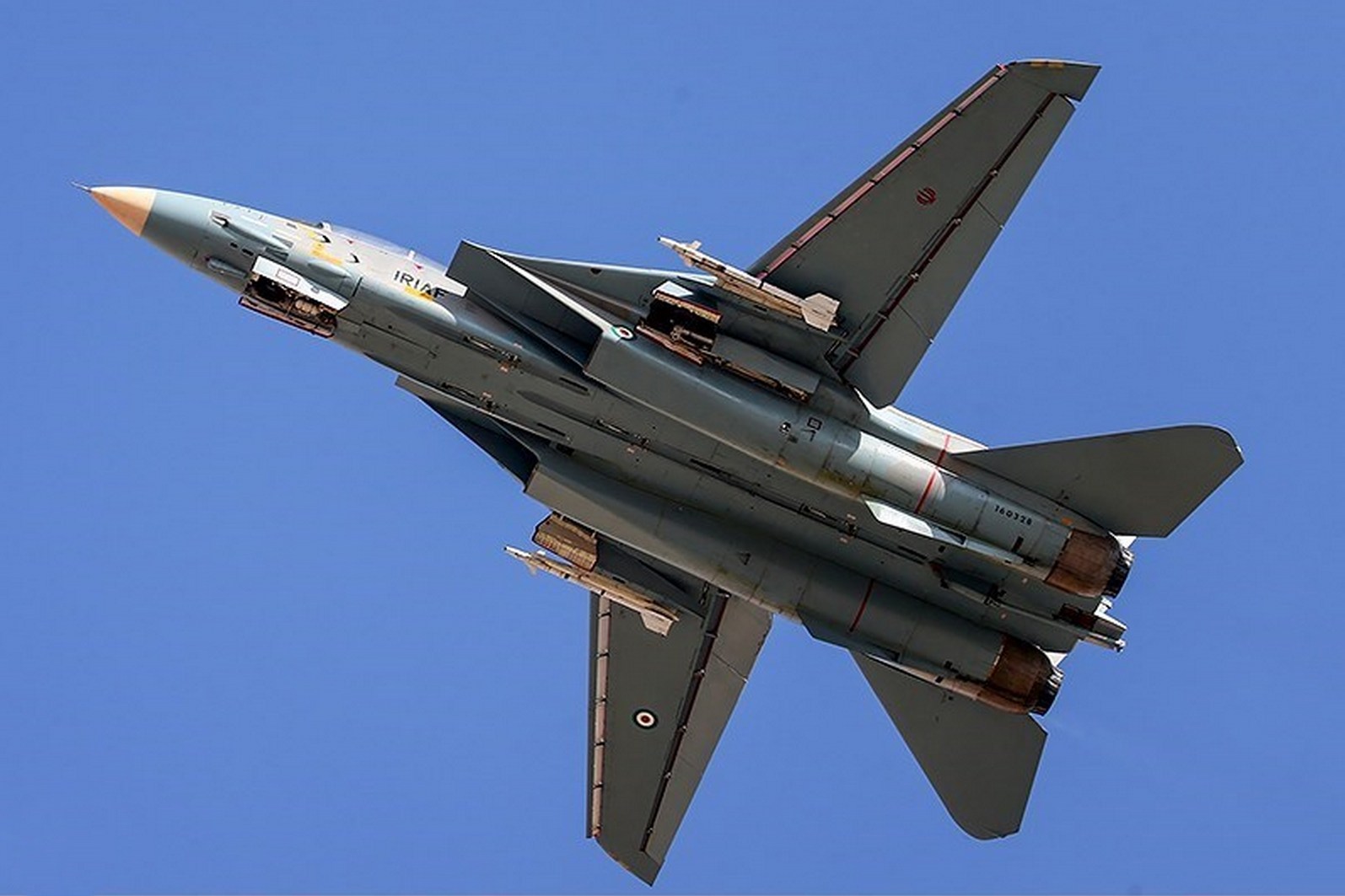
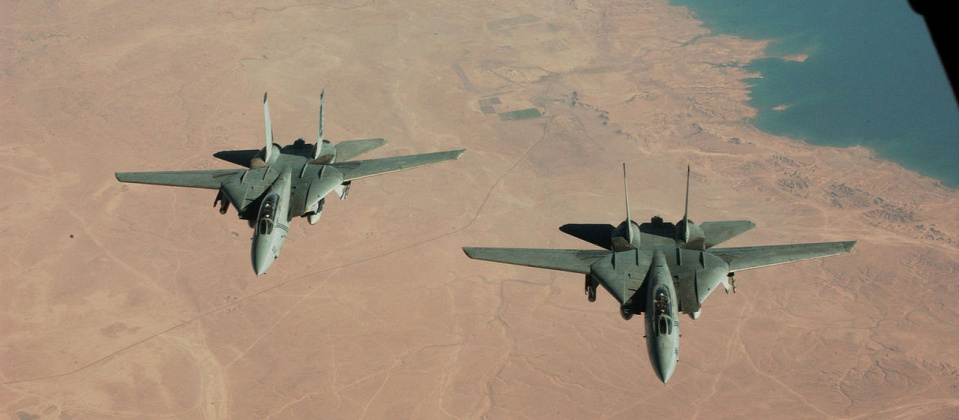
The vast majority of Tomcats were delivered to the US Navy. In addition, 77 aircraft were purchased by Iran, which had friendly relations with the West during the Shah's reign.
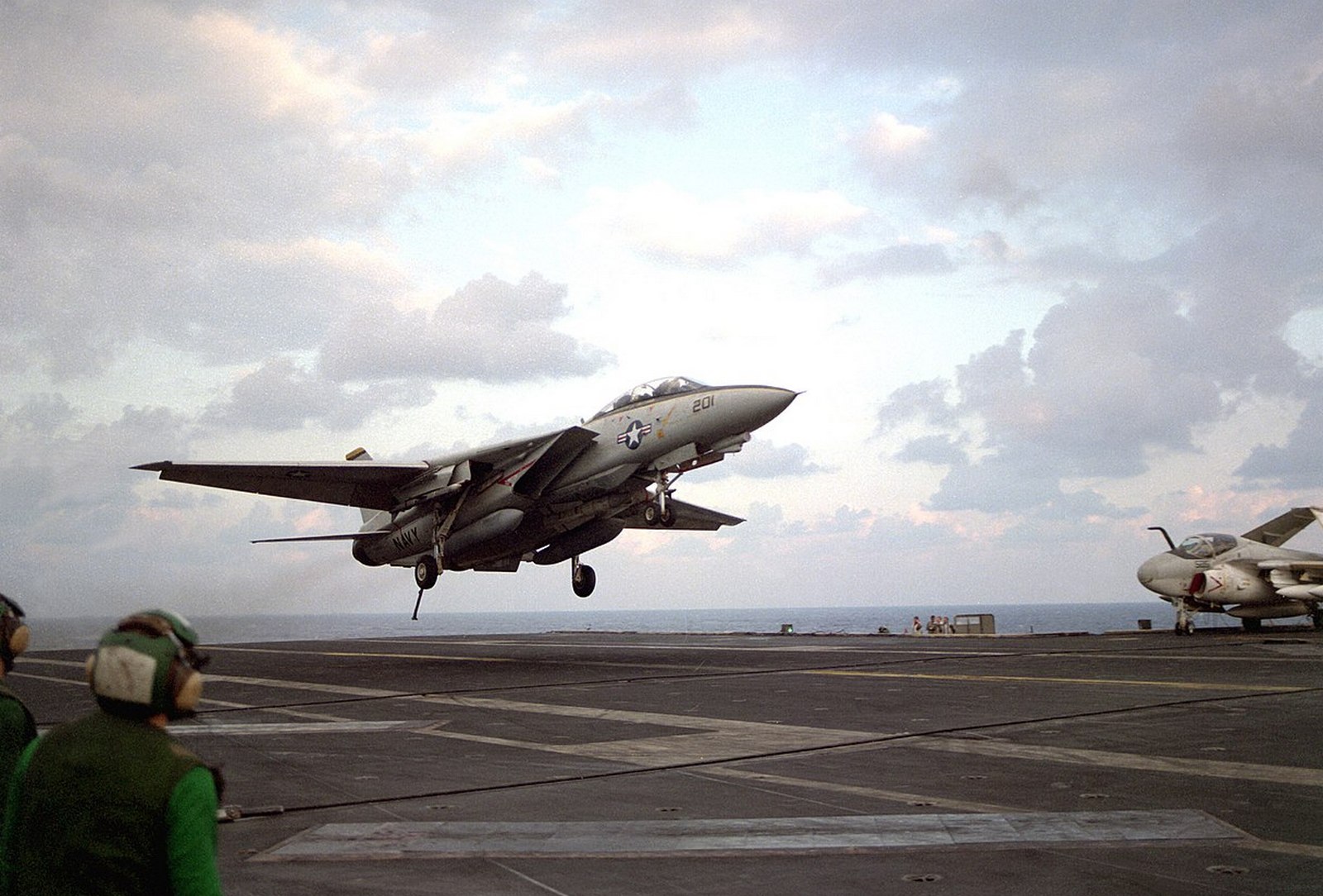
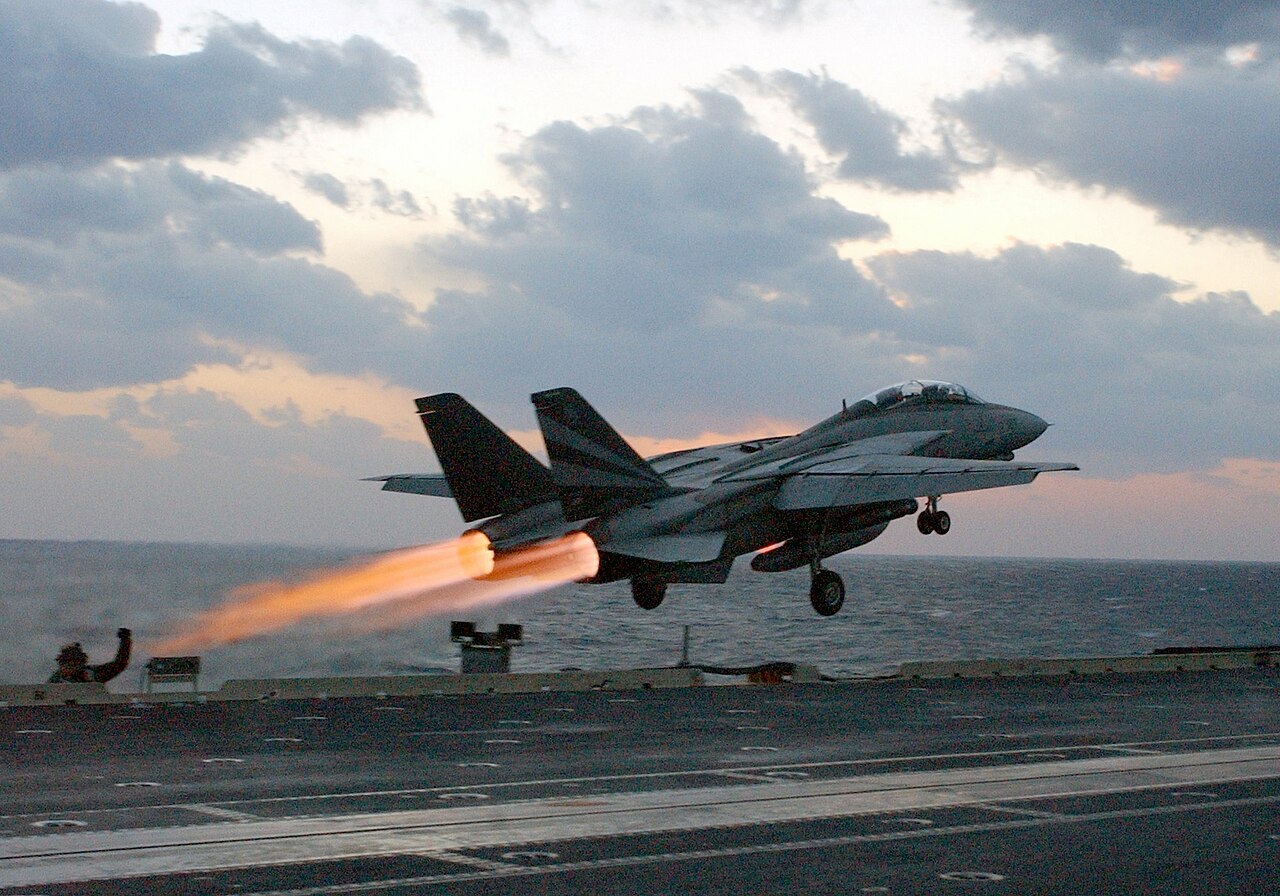
The Americans used the F-14 from their aircraft carriers in a number of regional conflicts, including the 1990-1991 Gulf War. Iran actively used the Tomcats, despite having significant problems maintaining their combat readiness, as it faced US sanctions after the Islamic Revolution. According to Iranian data, F-14 crews achieved at least 35 aerial victories in the war with Iraq (1980-1988). Iraq insisted that at least 11 Tomcats were shot down. However, both sides exaggerated their successes, and verification of their claims remains problematic.
In the US, the Tomcats served their purpose in 2006. Iran, however, continues to operate them, making almost heroic efforts and even modernizing them. Overall, the aircraft has gone down in history with a high reputation. For a time, it enjoyed the frenzied popularity of a real movie star thanks to the Hollywood blockbuster Top Gun (1986) starring Tom Cruise.