Fan-page
 Youtube
 TikTok
 Aviamuseum
 State Aviation Museum
90 years of the cult DC-3 aircraft
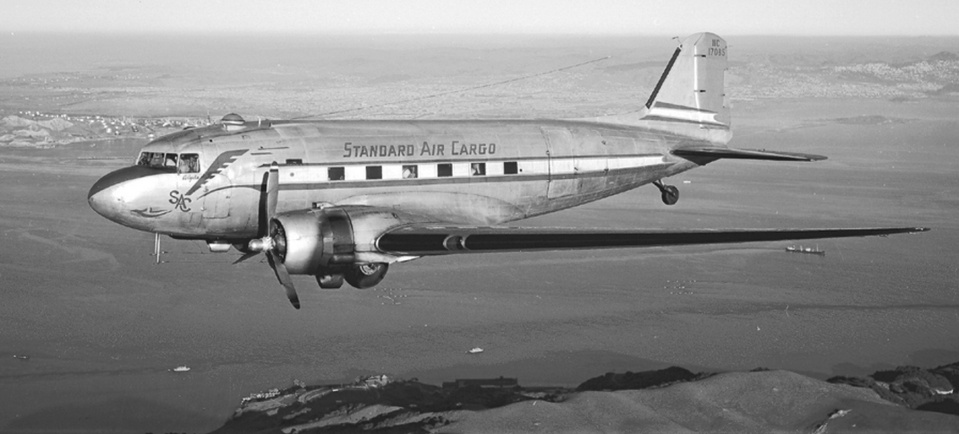
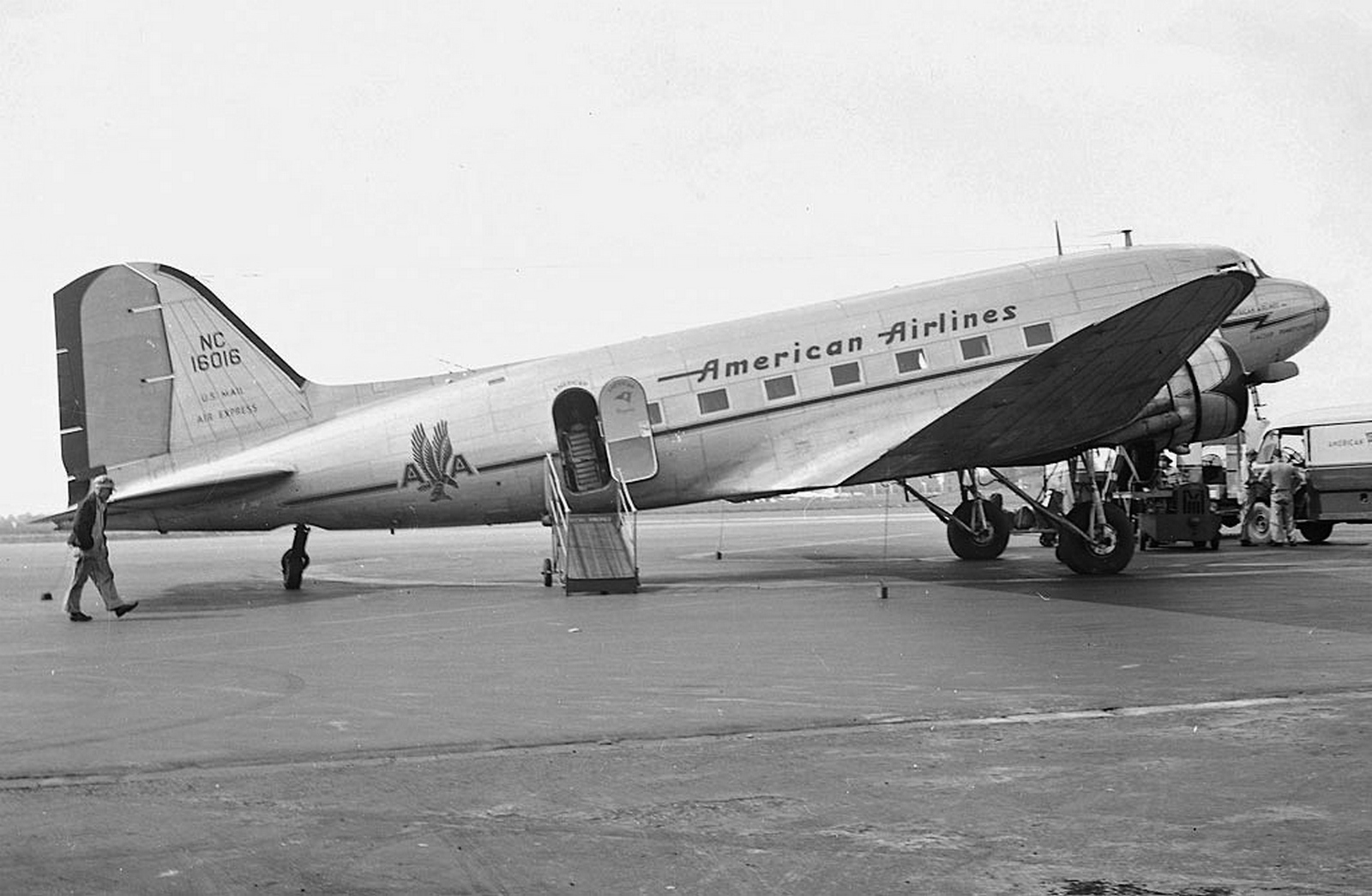
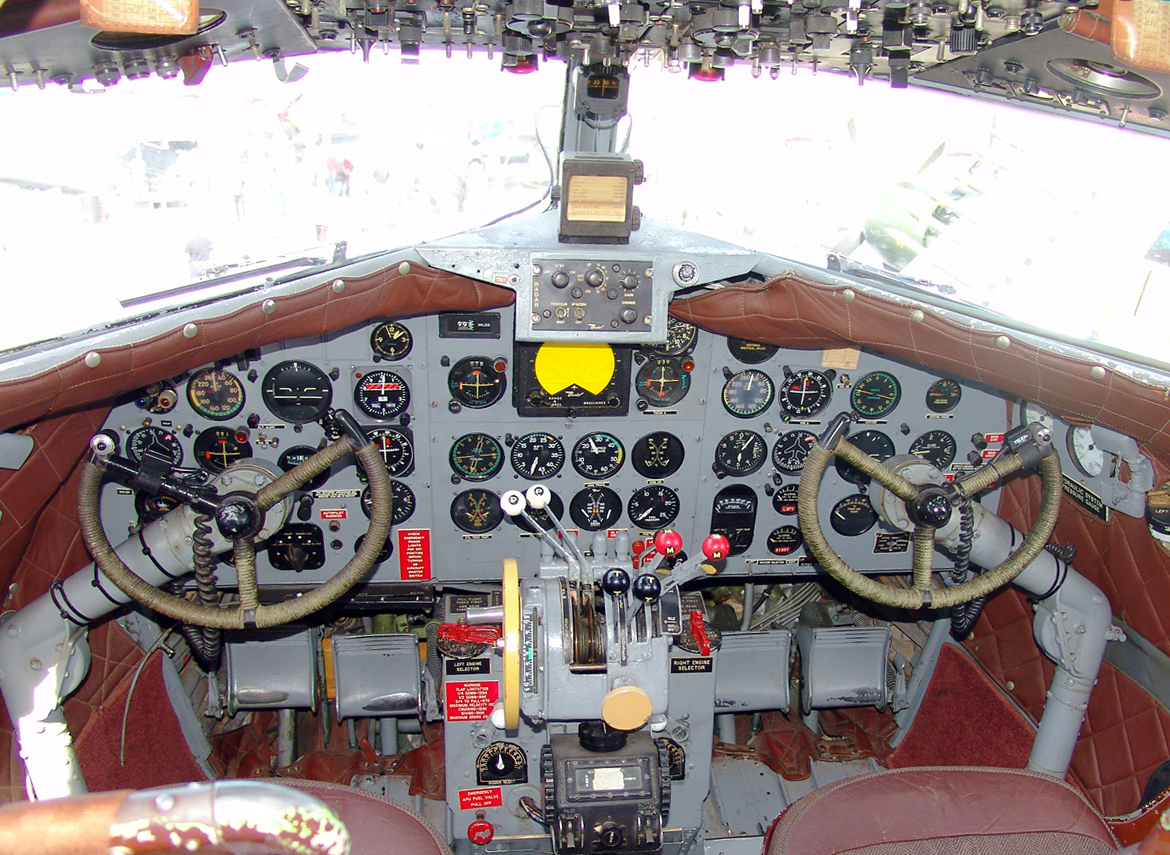
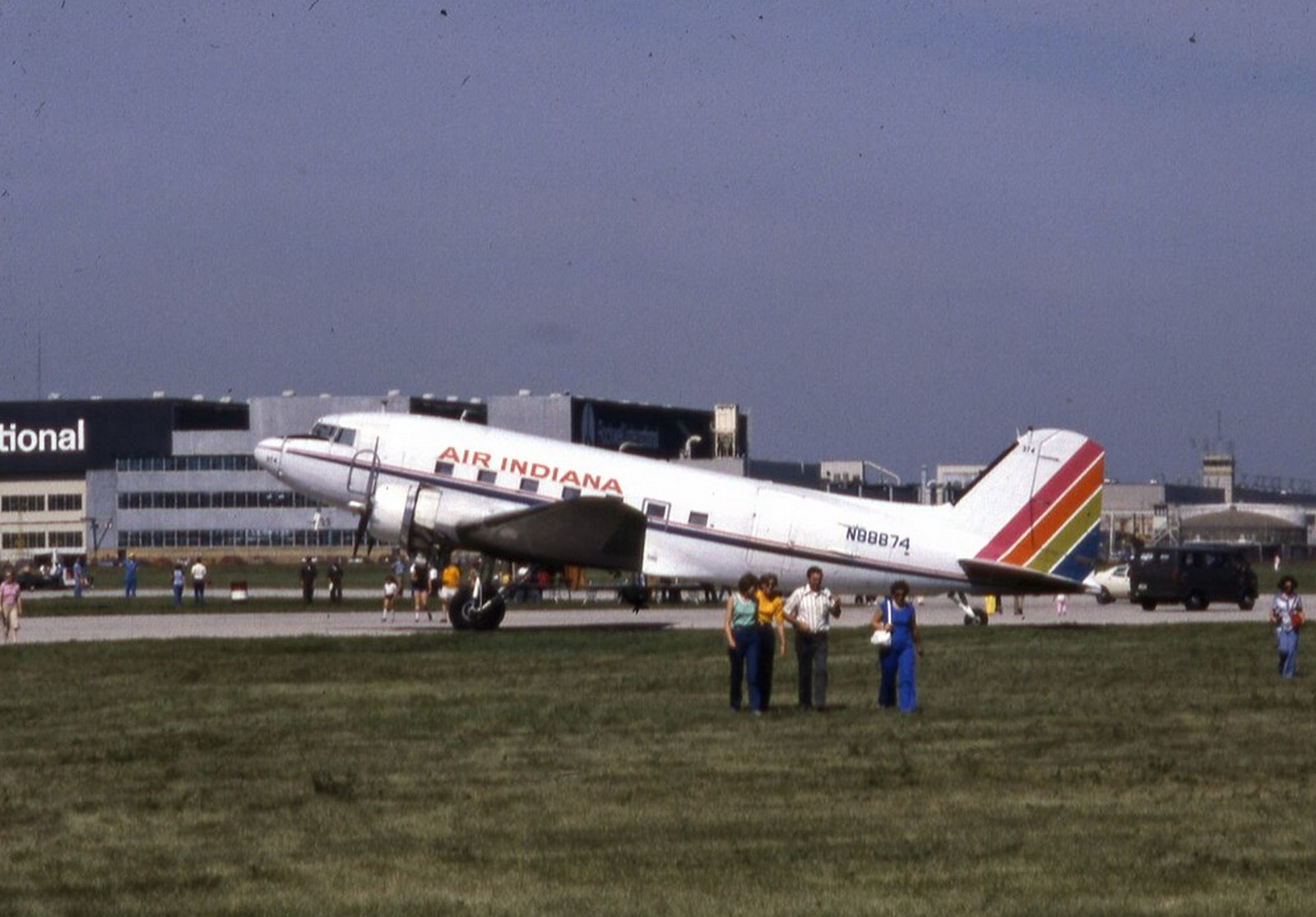
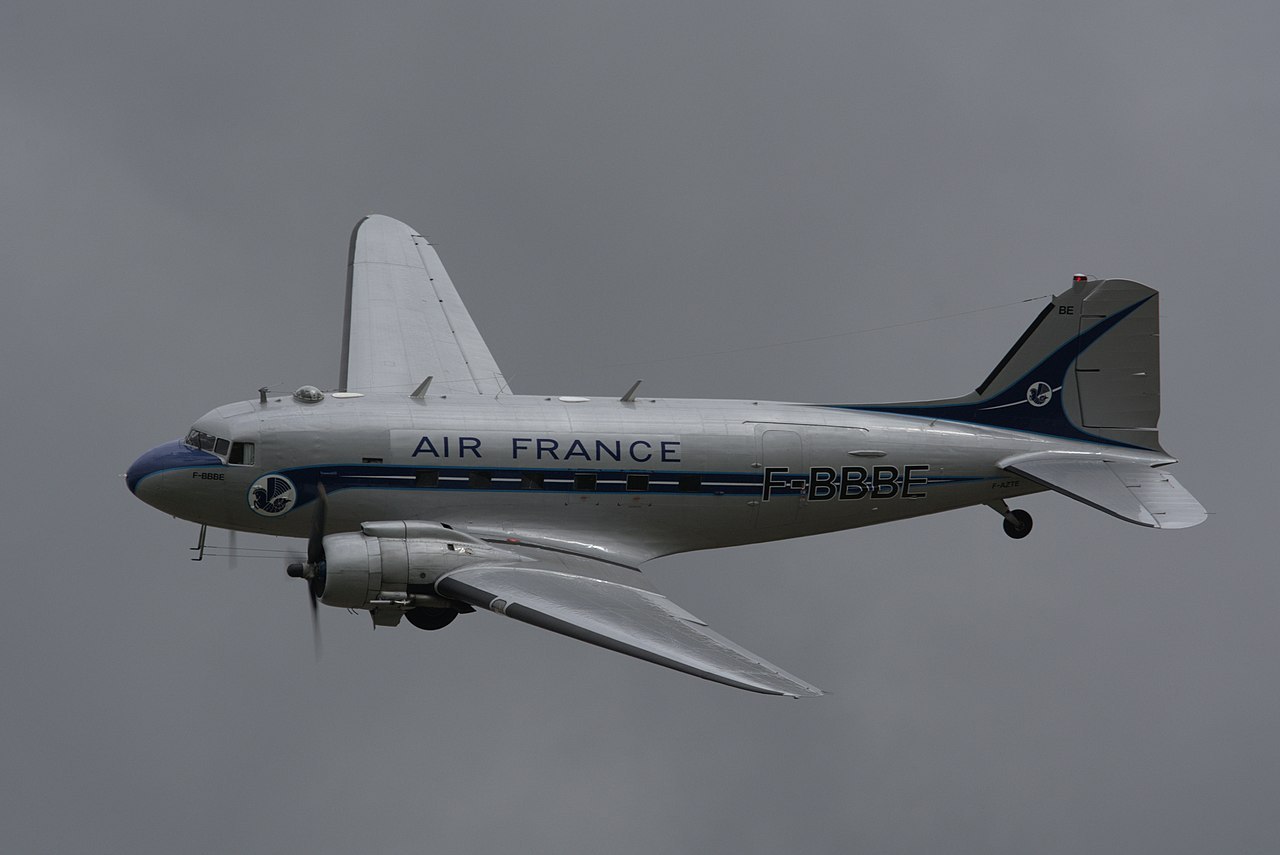
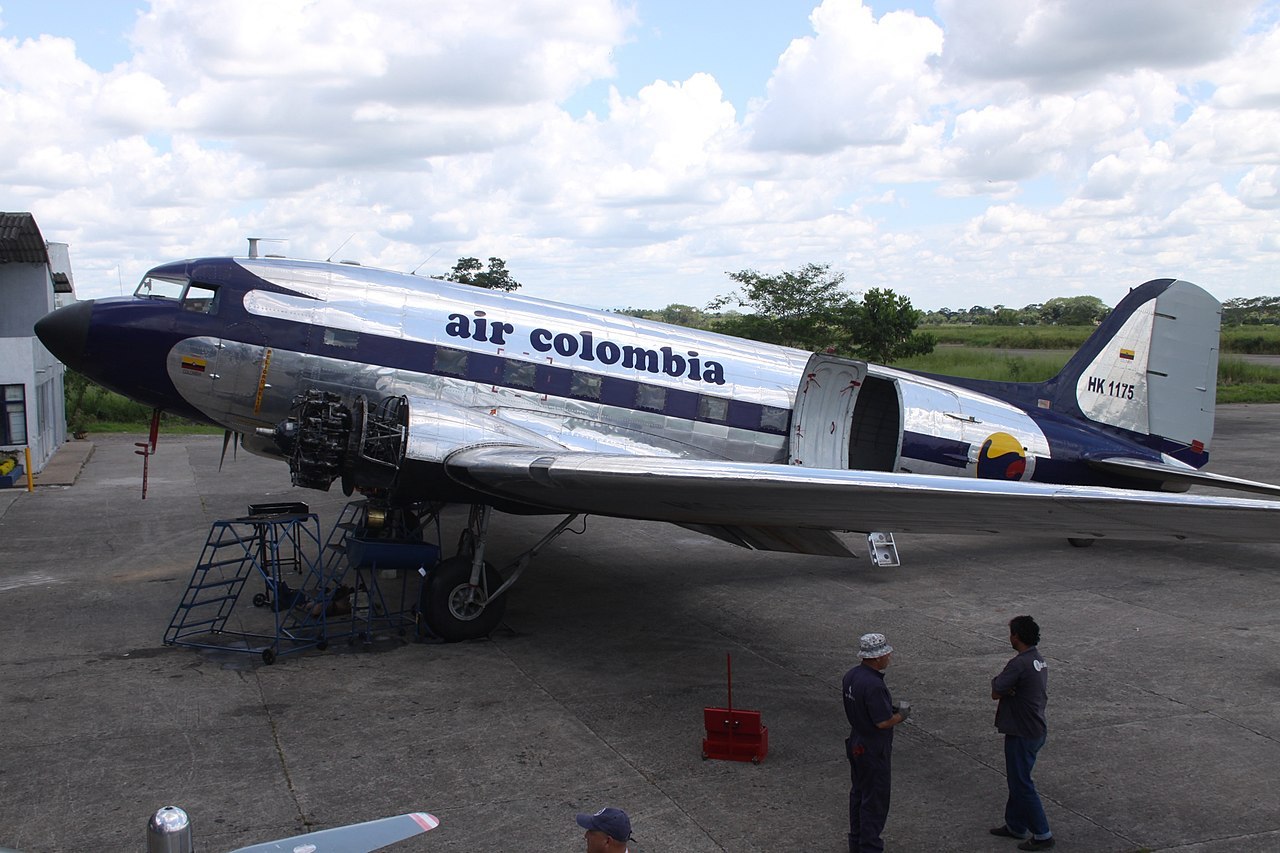
December 17 marked the 90th anniversary of the DC-3 passenger aircraft, which had a huge impact on the development of global civil aviation and the aviation industry. It was created by the American company Douglas Aircraft. On that day in 1935, the first prototype of the aircraft, originally named DST (Douglas Sleeper Transport), took to the skies in Santa Monica, California.
The aircraft did not appear out of nowhere, but was a development of the previous DC-2 (there is a separate article about it on our website). The first customer was American Airlines, which wanted to acquire a modern airliner with 14-16 sleeping passenger seats. At that time, transcontinental airlines, which mainly operated biplanes, were gaining popularity in the United States. Flights with numerous refueling stops could last more than a day, and in the competitive struggle, companies tried to attract passengers with high comfort on board.
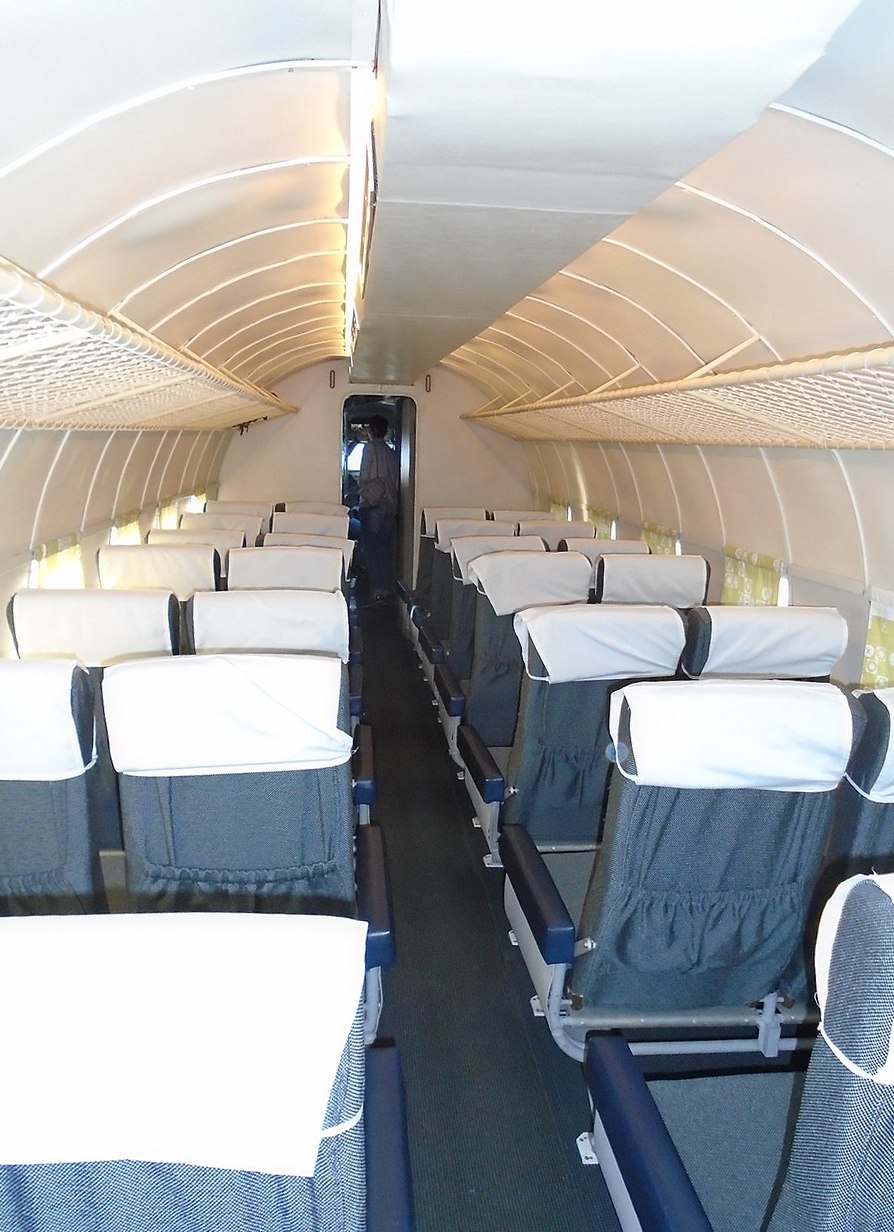
The DC-3 became a very harmonious aircraft. For its time, it had an optimal passenger cabin size, combined with comfort and significantly higher speed than its predecessors. It could cross the United States with several stops in 15-17 hours. This led to a transition from sleeping berths to configurations with 21-32 seats. As a result, economic performance improved significantly.
The DC-3's design was also advanced. In addition, the production process used a jig-and-template method, which significantly increased productivity, machine quality, and manufacturing speed. This had an impact beyond the United States. For example, the Soviet Union's acquisition of a license for the DC-3 led to a technological “revolution” in its aviation industry.
The serial DC-3A was equipped with two Pratt & Whitney R-1830-S1C3G Twin Wasp air-cooled engines with a power of 1,200 hp each. It had a length of 19.7 m, a wingspan of 29 m, a maximum take-off weight of 13,200 kg, a maximum speed of 413 km/h, and a range of over 2,500 km with a payload of 1,500 kg.
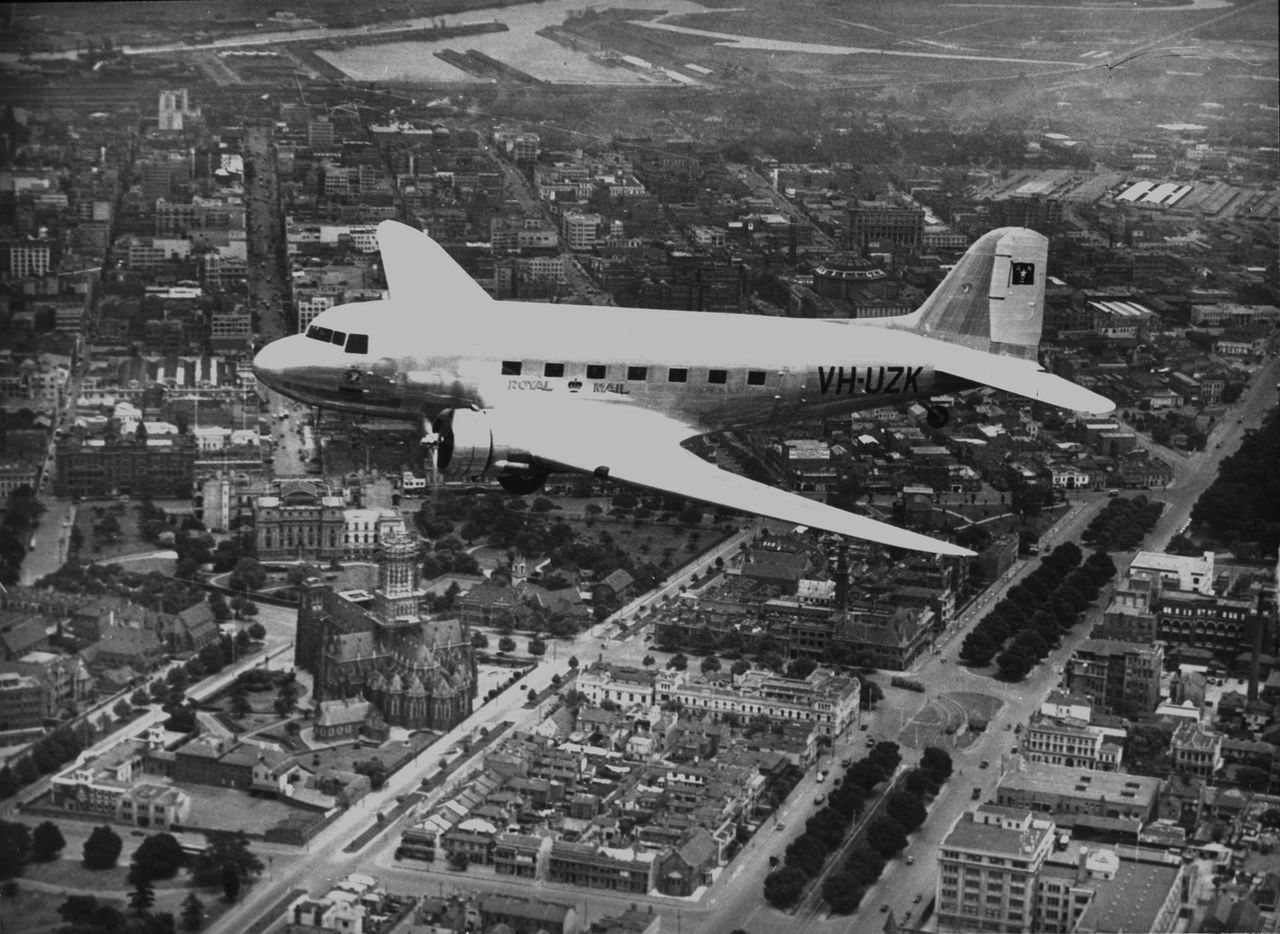
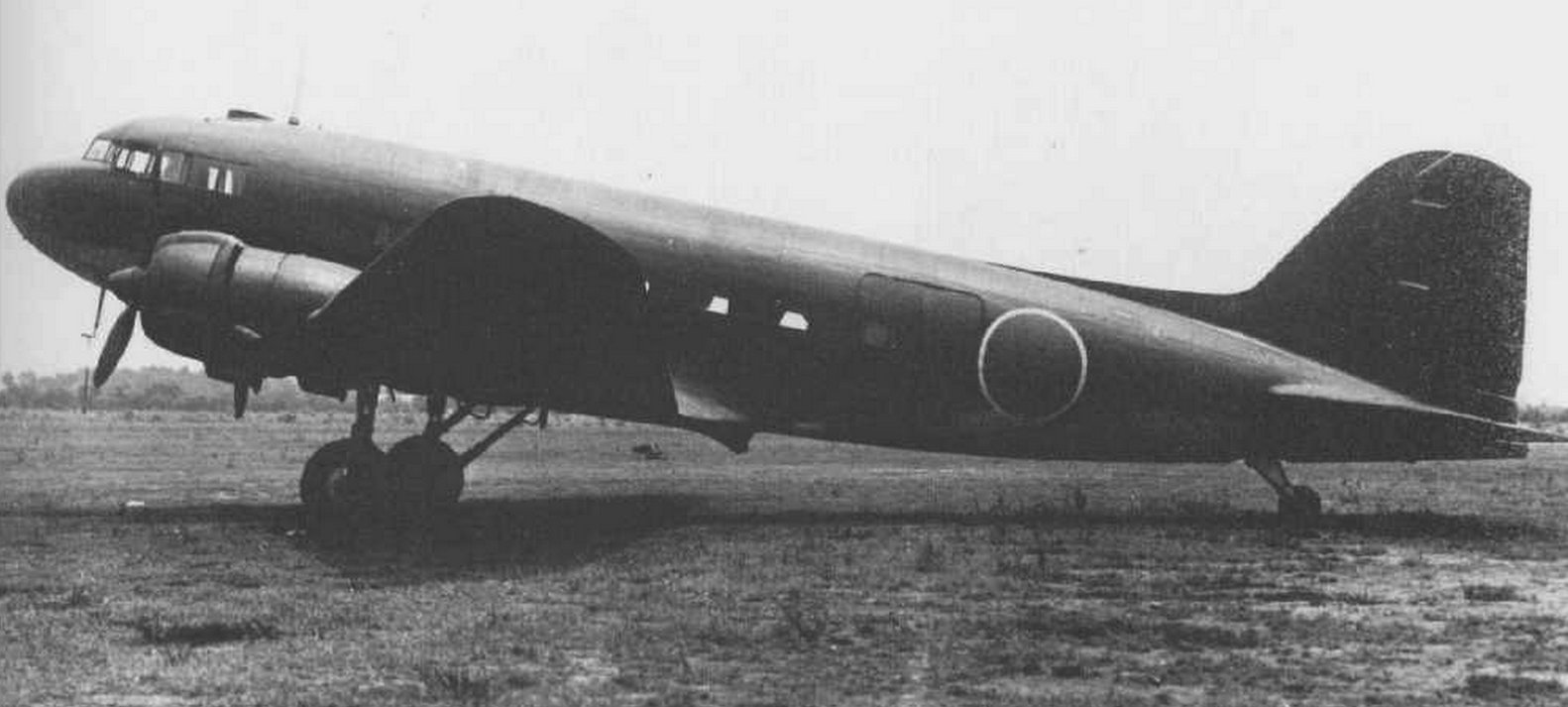
In addition to the United States, aircraft from the DC-3 family were manufactured under license in Japan and the USSR, with a total of over 16,000 units built. There were dozens of variants and modifications, among which the military transport C-47, C-49, and others were widely used. In the USSR, the aircraft was produced under the name Li-2, and during World War II, it was actively used not only as a transport aircraft but also as a bomber. In several countries, different variants of the aircraft received their own “names,” under which they became known throughout the world. For example, the British name “Dakota” became widely used.
At one time or another, aircraft from the DC-3 family were in service in most countries around the world. Here are just a few of them: Australia, Argentina, Brazil, Great Britain, India, Indonesia, Kenya, Laos, Nicaragua, Pakistan, South Africa, France, Sweden, and Japan.
In the pre-war years, the DC-3 captured up to 95% of the American passenger air transport market. The aircraft had the potential for global expansion, but World War II prevented this. However, it marked the peak of the use of transport options that were used in the vast majority of theaters of war. After the war, thousands of demilitarized Dakotas were put on the civilian aircraft market. However, more advanced aircraft quickly appeared, making it increasingly difficult to compete with them. And when airliners with gas turbine engines entered service, the veterans of the DC-3 family were relegated to secondary roles.
But it was not for nothing that these aircraft were called the eternal “Douglas.” The enormous resource of the design allowed for the continuous extension of their service life. New opportunities for modernization also opened up. The aircraft began to be equipped with turboprop engines and modern air navigation equipment. As a result, dozens of aircraft are still in service and are used by civil and military operators in various countries.