Fan-page
 Youtube
 TikTok
 Aviamuseum
 State Aviation Museum
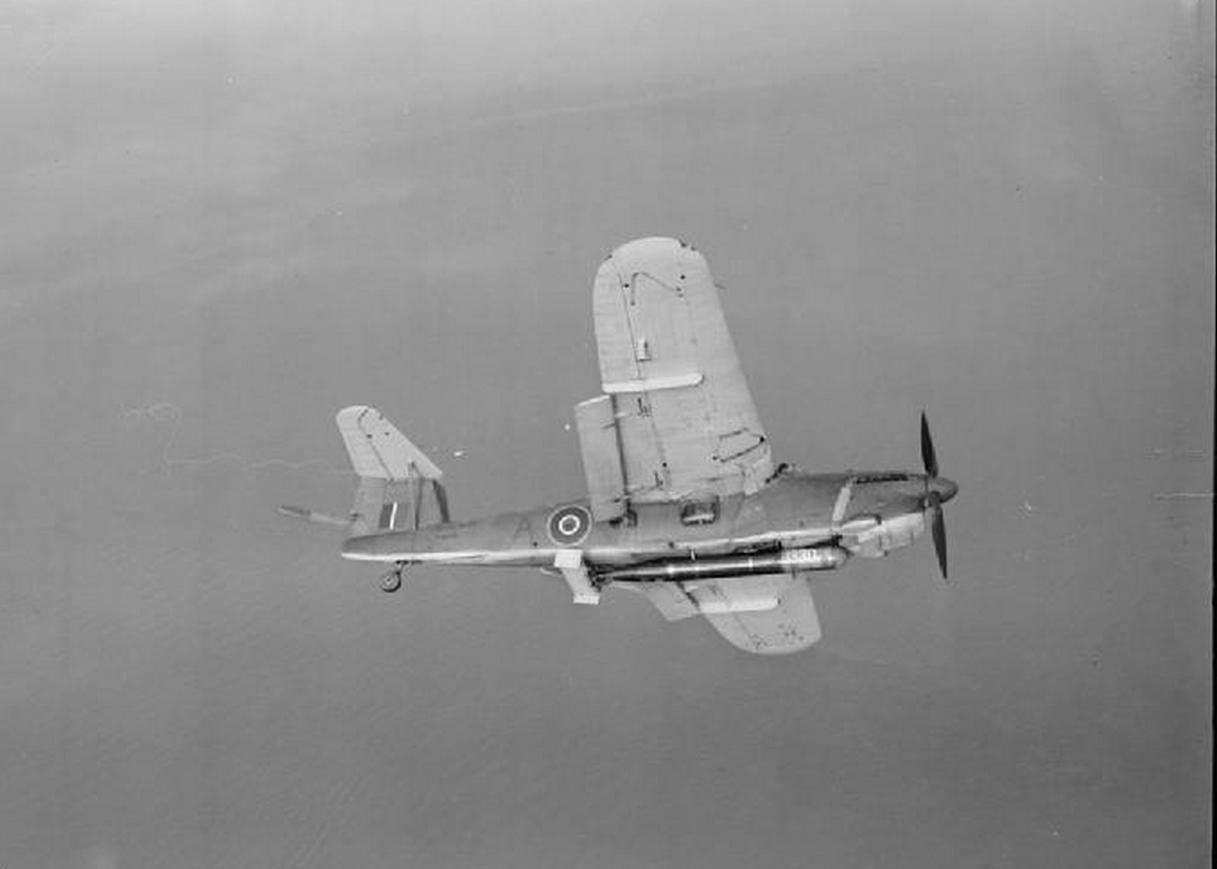
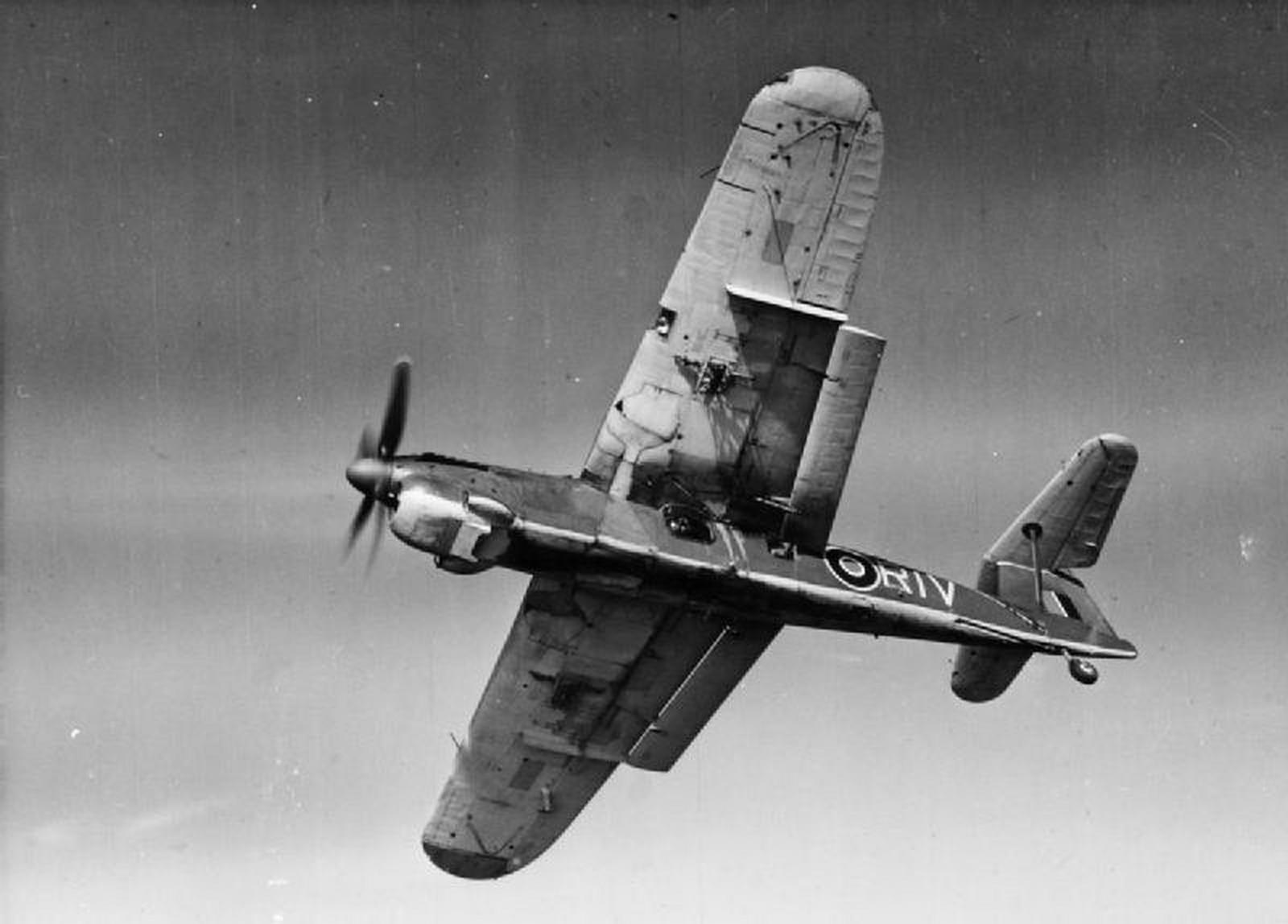
85 years of the Fairey Barracuda deck-based torpedo bomber
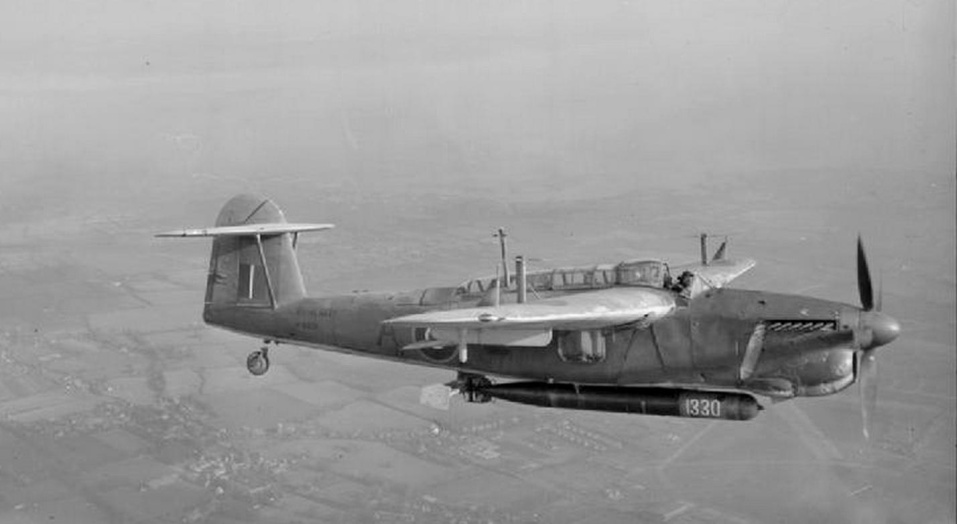
December 7 marked the 85th anniversary of the British deck-based torpedo bomber Fairey Barracuda. On that day in 1940, its first prototype took to the skies.
Back in 1937, the British Ministry of Aviation announced its requirements for a new torpedo bomber, which it envisioned as fast, long-range, and with a significant combat load. However, it proved difficult for the developers to satisfy these “whims,” the creation of the aircraft was delayed, and the Royal Navy's aircraft carriers entered World War II with outdated biplanes on their decks.
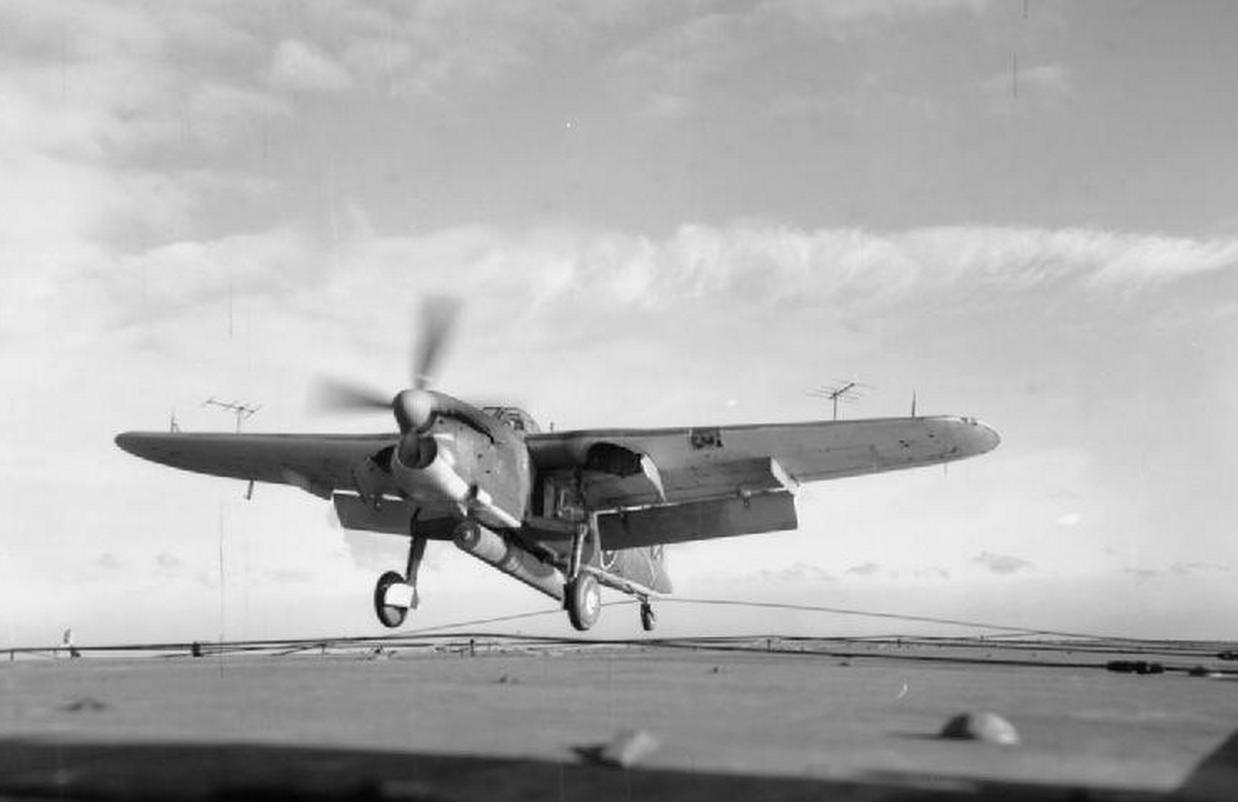
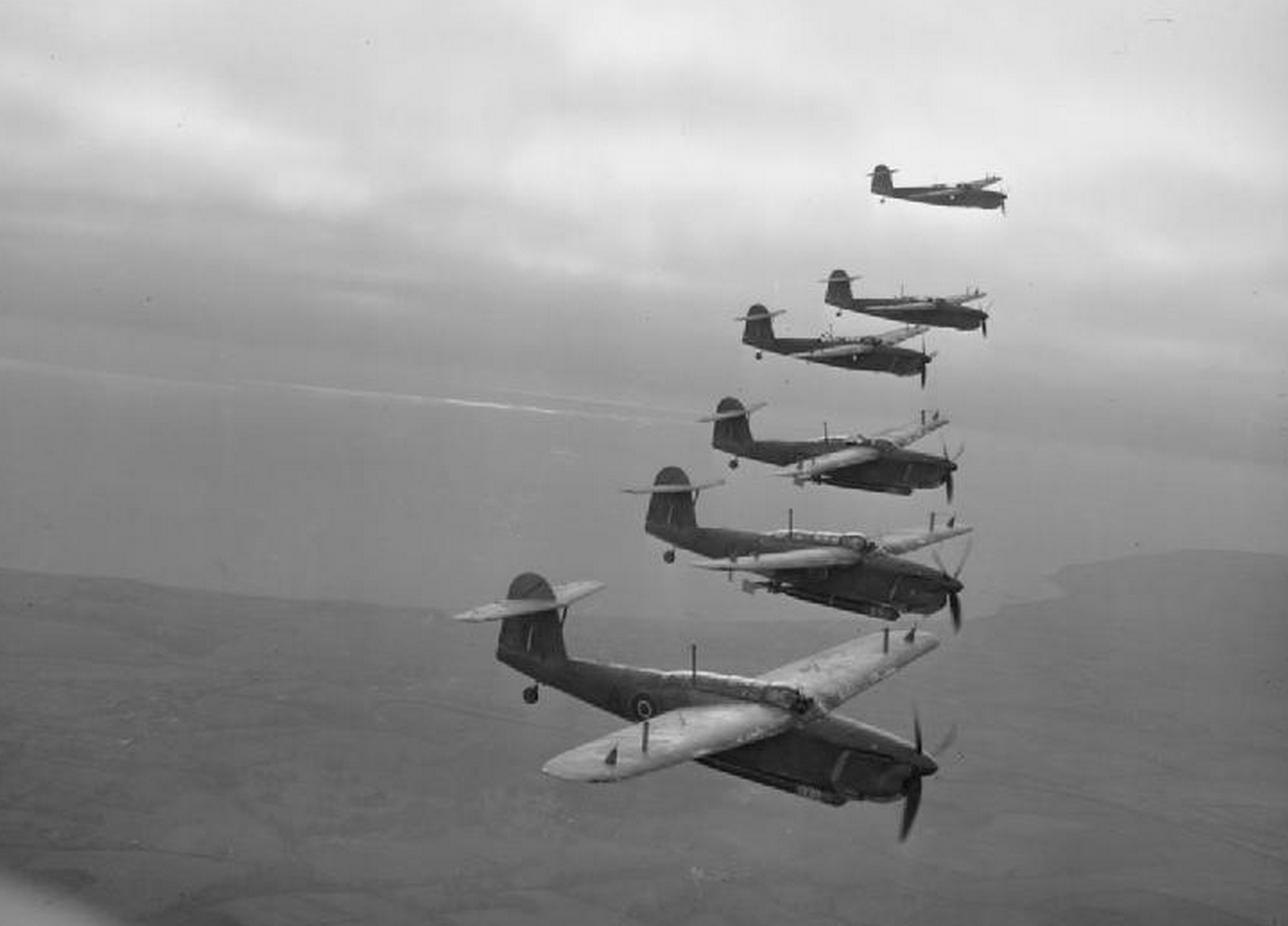
In the end, the Barracuda aircraft, created by Fairey Aviation, a well-known company in the navy, turned out to be the best of all the proposals from the British aviation industry. However, it can hardly be called a masterpiece of engineering. In particular, the aircraft fell significantly short of the maximum speed requirements and had reliability issues. But there was no longer any possibility of waiting for something more perfect, and in 1941, the Barracuda went into serial production. Production was completed in 1945, with more than 2,600 units built in five main variants.
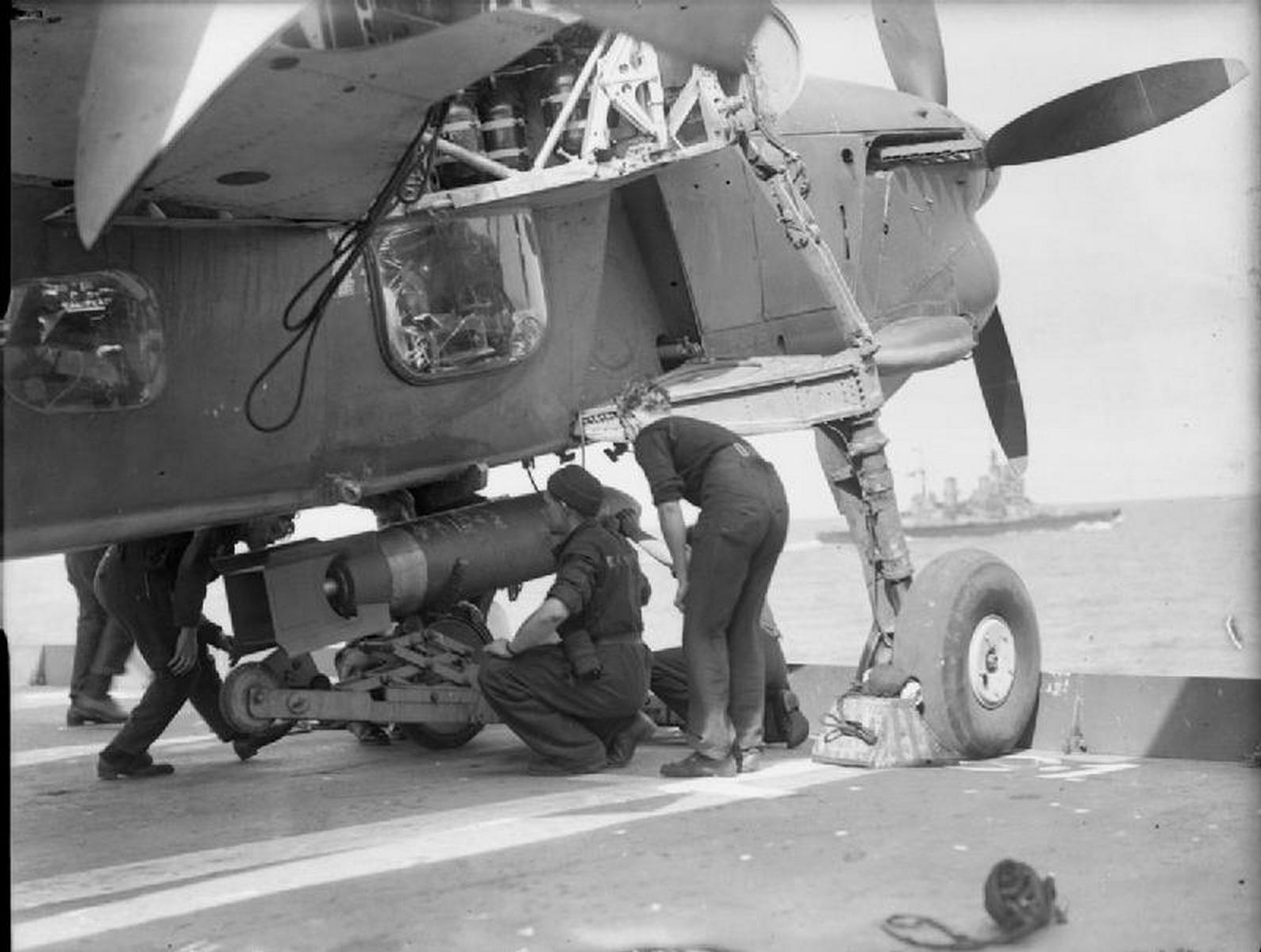
The most popular (1,688 units) was the Barracuda Mk.II with a Rolls-Royce Merlin 32 V-12 liquid-cooled engine with a power of 1,640 hp. The aircraft had a length of 12.12 m, a wingspan of 15 m, a maximum take-off weight of 6,400 kg, a maximum speed of 390 km/h, and a range with maximum load of over 730 km. Its defensive armament consisted of two 7.7 mm machine guns in the rear cabin. It was designed to carry one 730 kg torpedo or up to six bombs with a total weight of 800 kg. The defensive armament consisted of two 7.7 mm machine guns in the rear cabin. It was designed to carry one 730 kg torpedo or up to six bombs with a total weight of 800 kg.
In addition to Great Britain, Canada and France also received Barracudas. A Dutch squadron also flew them as part of the British fleet.
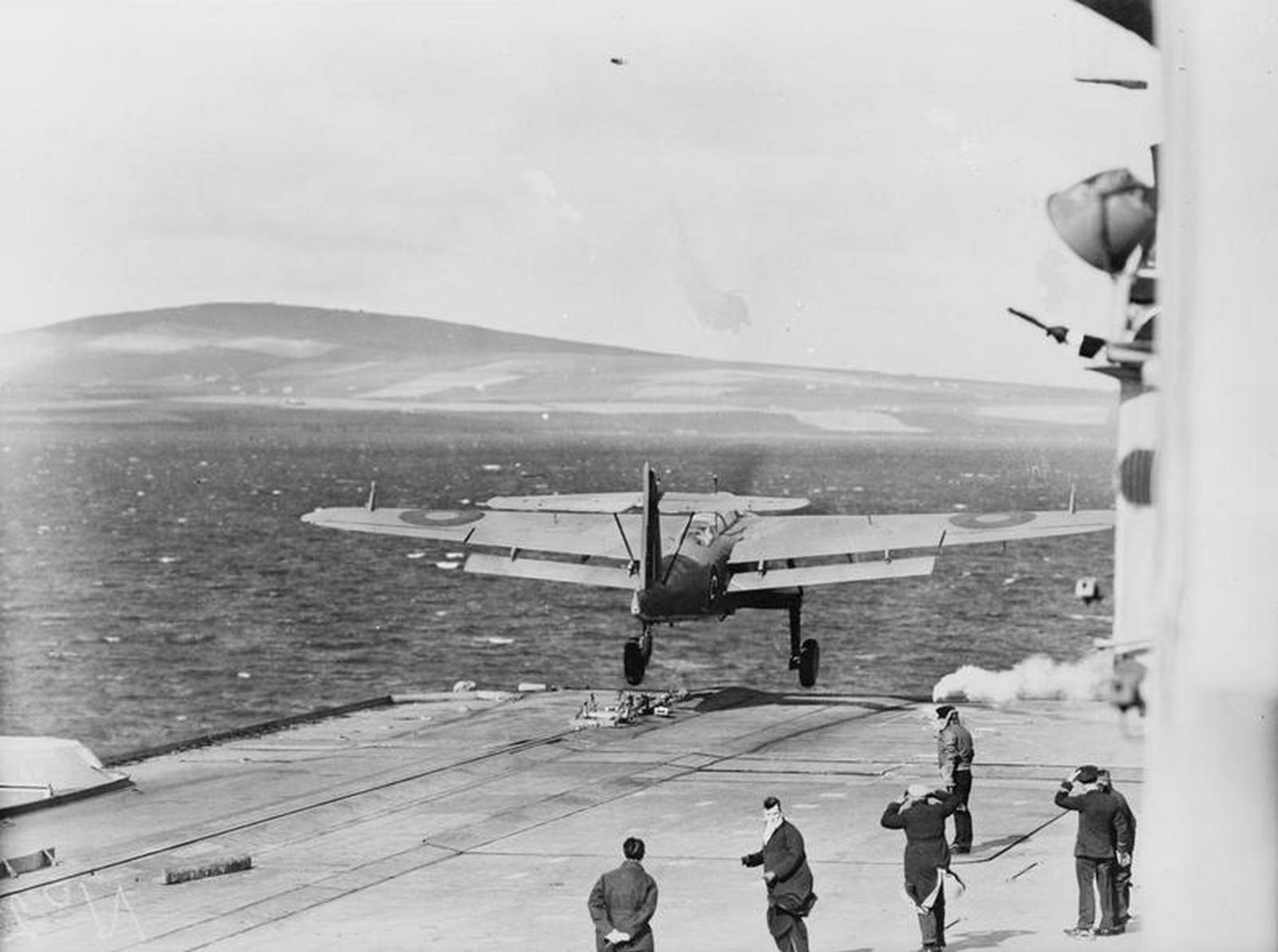
The Barracudas were first used in combat in July 1943, from the aircraft carrier Ilustrious off the coast of Norway. Until the end of the war, they were used from decks and land as torpedo bombers, dive bombers, anti-submarine and patrol aircraft. They fought from the Atlantic to the Pacific. The most famous operation was in April 1944 against the German battleship Tirpitz. At that time, 42 bombers from two aircraft carriers inflicted significant damage to the ship and heavy losses to its crew.
Royal Navy aviators were not enthusiastic about the domestic Barracuda and were happy to switch to the more advanced American Avengers. In the post-war period, the Barracudas continued to serve, but quickly took on secondary roles, in particular being used for training purposes. They flew for quite a long time – the British decommissioned the last ones in the mid-1950s.