Fan-page
 Youtube
 TikTok
 Aviamuseum
 State Aviation Museum
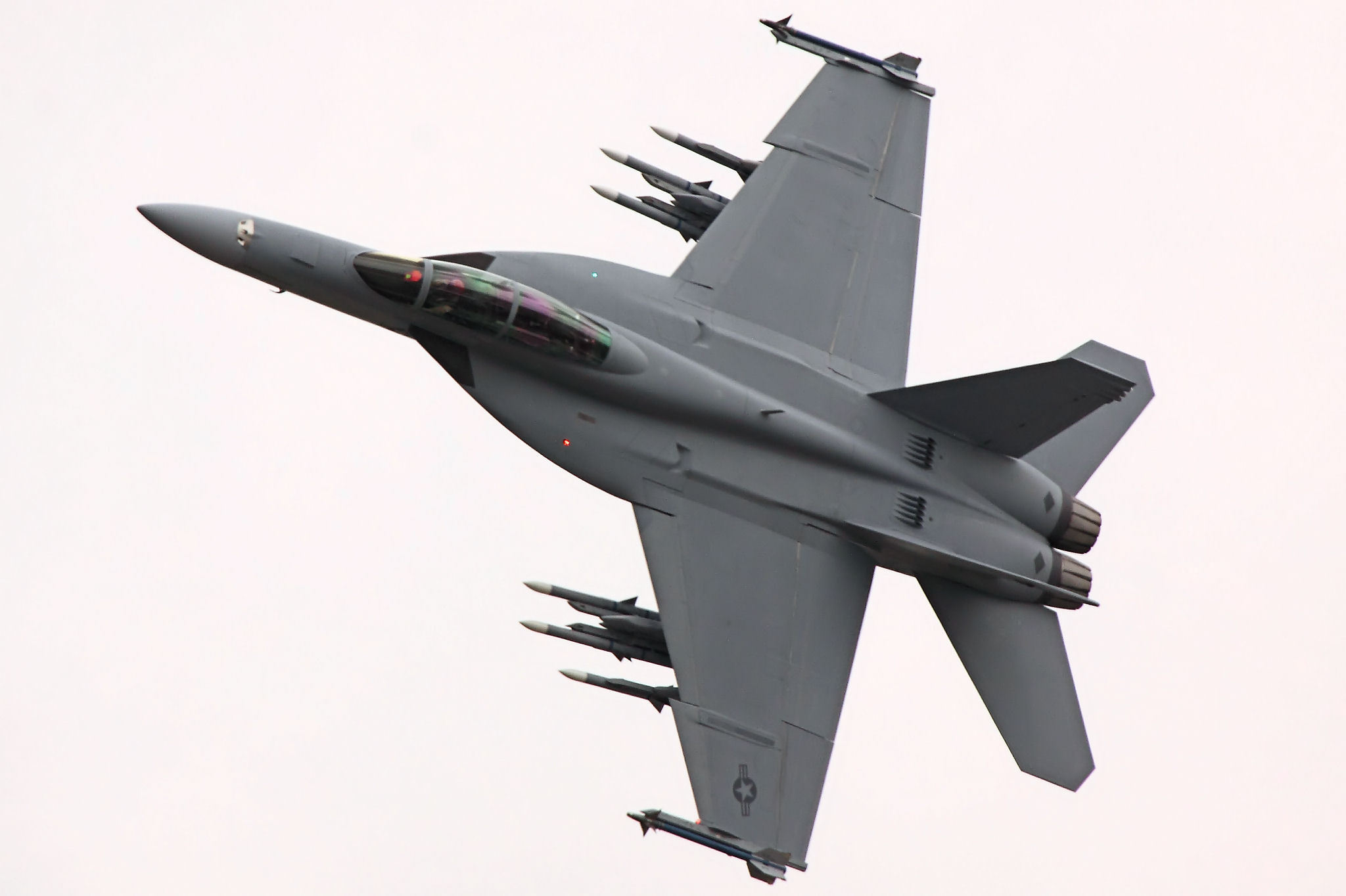
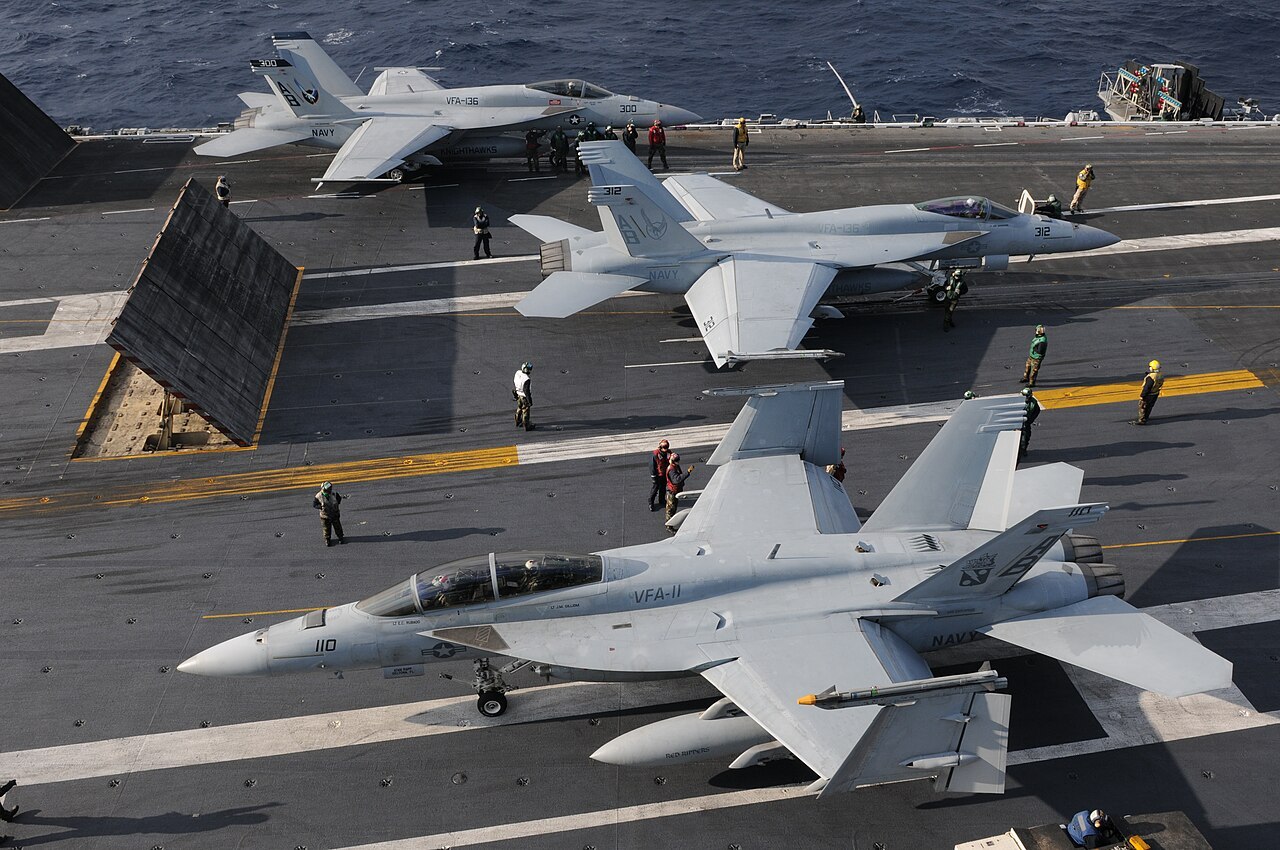
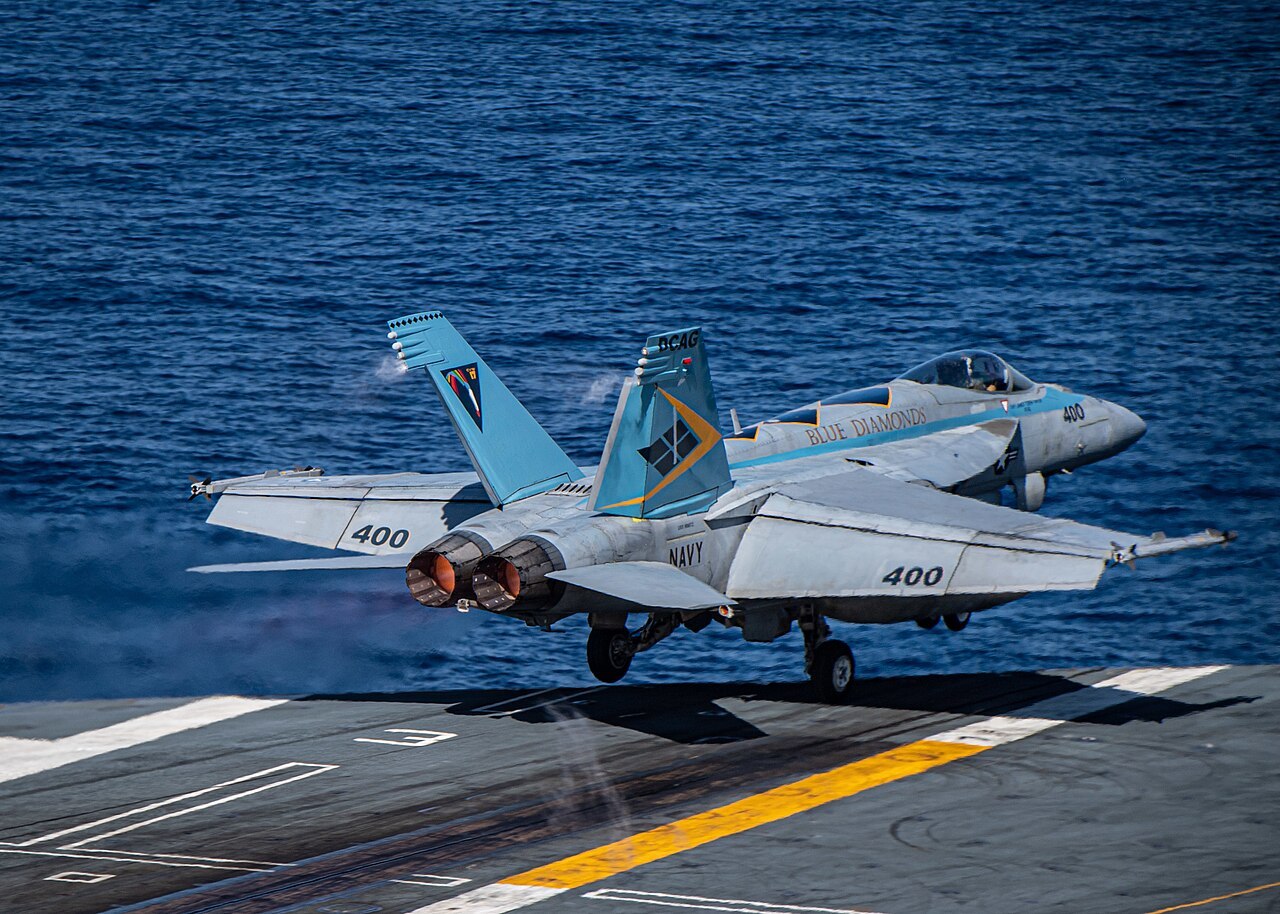
30 years of the F/A-18E/F Super Hornet multi-role fighter jet
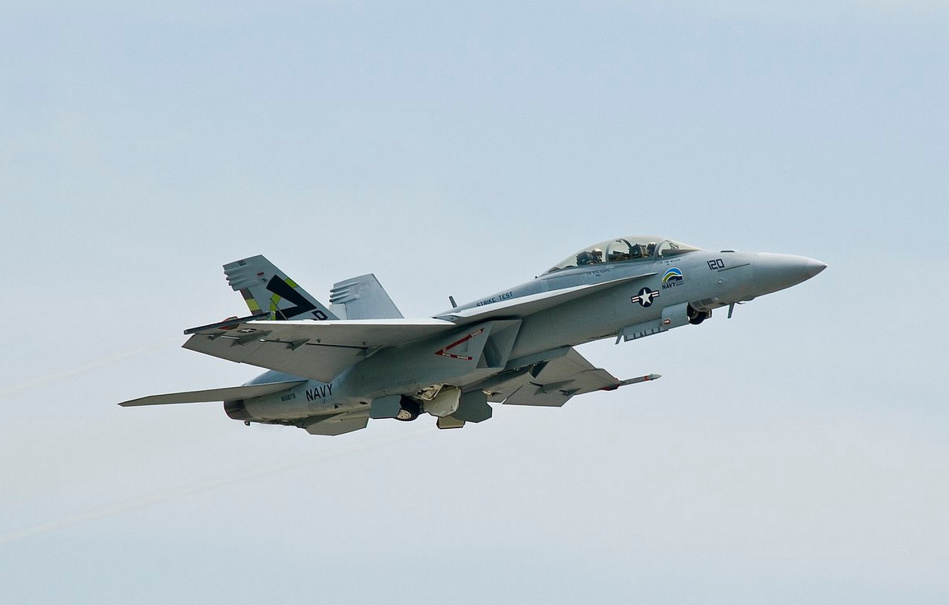
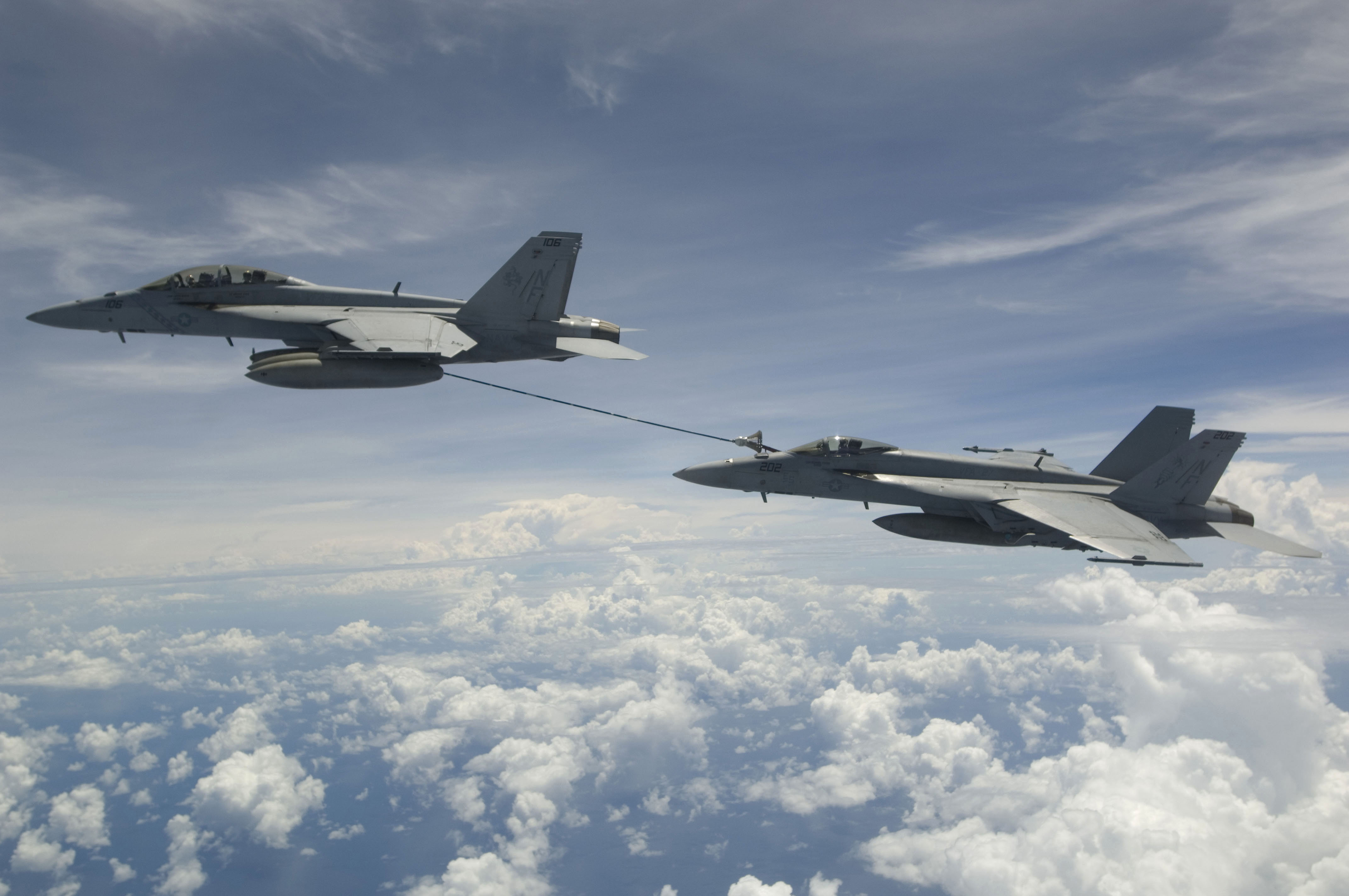
November 29 marked the 30th anniversary of the F/A-18E/F Super Hornet multi-role fighter jet. On that day in 1995, its first prototype took flight. The aircraft was developed by McDonnell Douglas Corporation, which merged with American aerospace giant Boeing in 1997.
The new fighter was intended to replace all US Navy combat aircraft based on aircraft carriers. The aircraft was developed as a further development of the previous F/A-18 Hornet. The result was not just a larger aircraft, but a largely new one. Its name was chosen under the influence of the political realities of the end of the Cold War, when Congress was reluctant to fund new defense programs. Therefore, the Super Hornet project was pushed through as an improvement on the Hornet, which was well known to politicians.
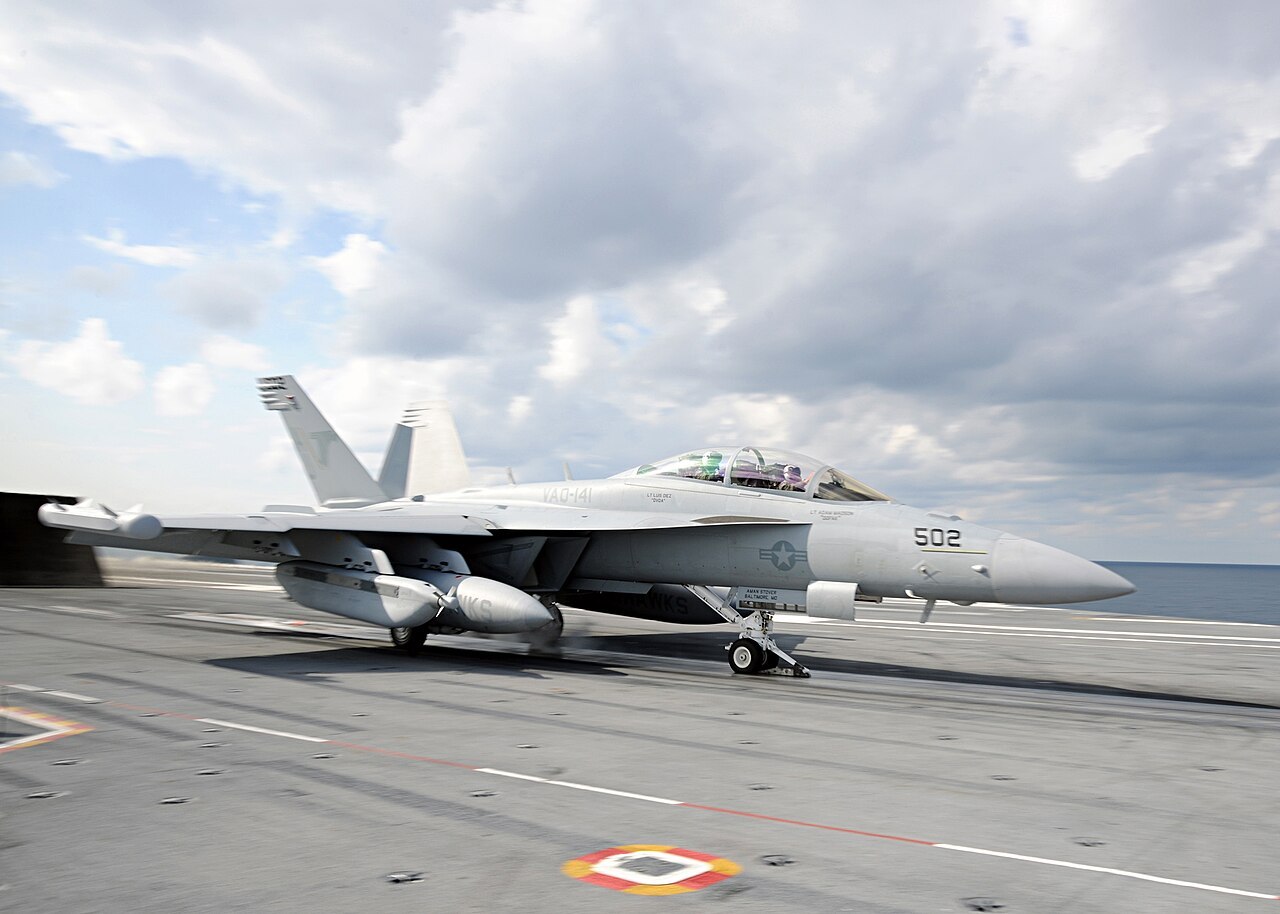
Serial production of the aircraft is scheduled to be completed in 2027. In total, more than 750 units have already been built in three main variants: the single-seat and two-seat multi-role deck fighters F/A-18E and F/A-18F, respectively, as well as the EA-18G Growler electronic warfare aircraft.
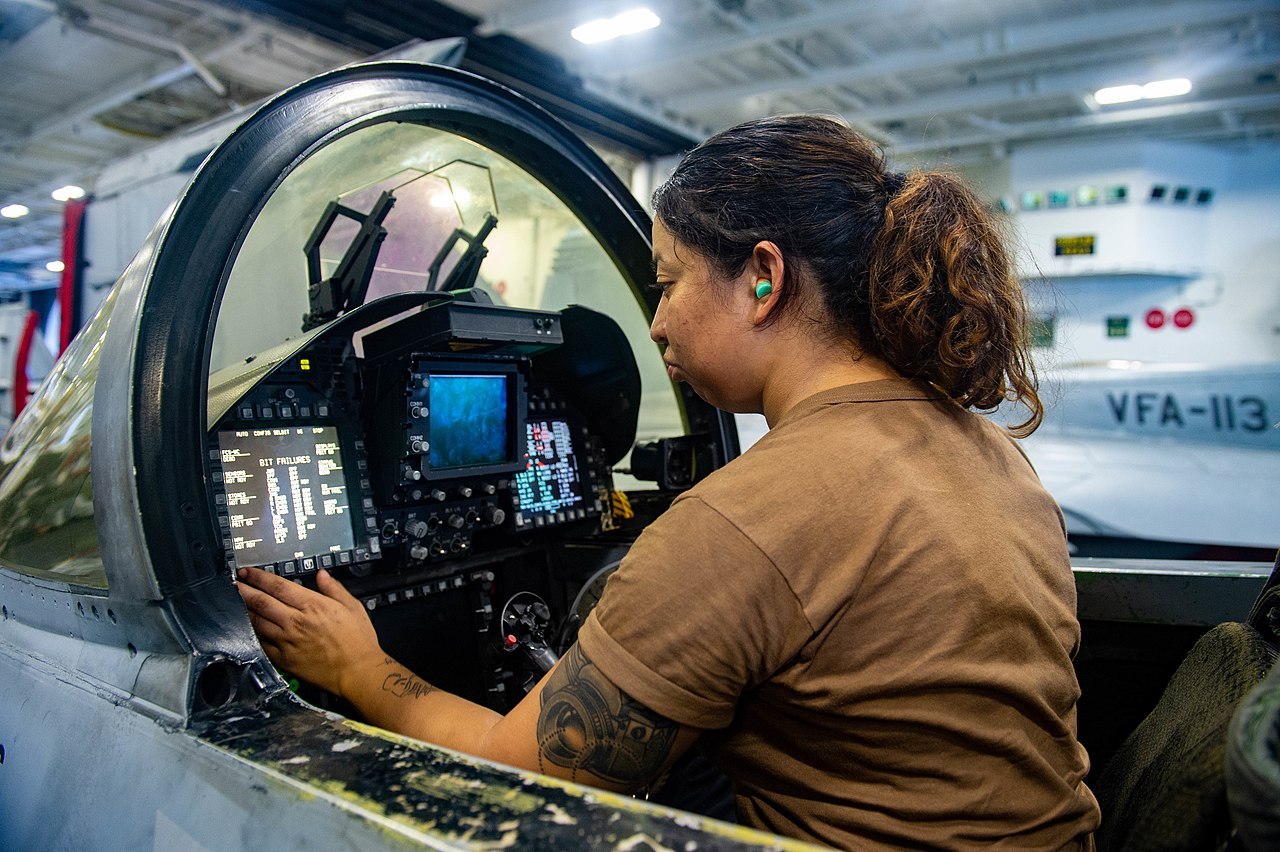
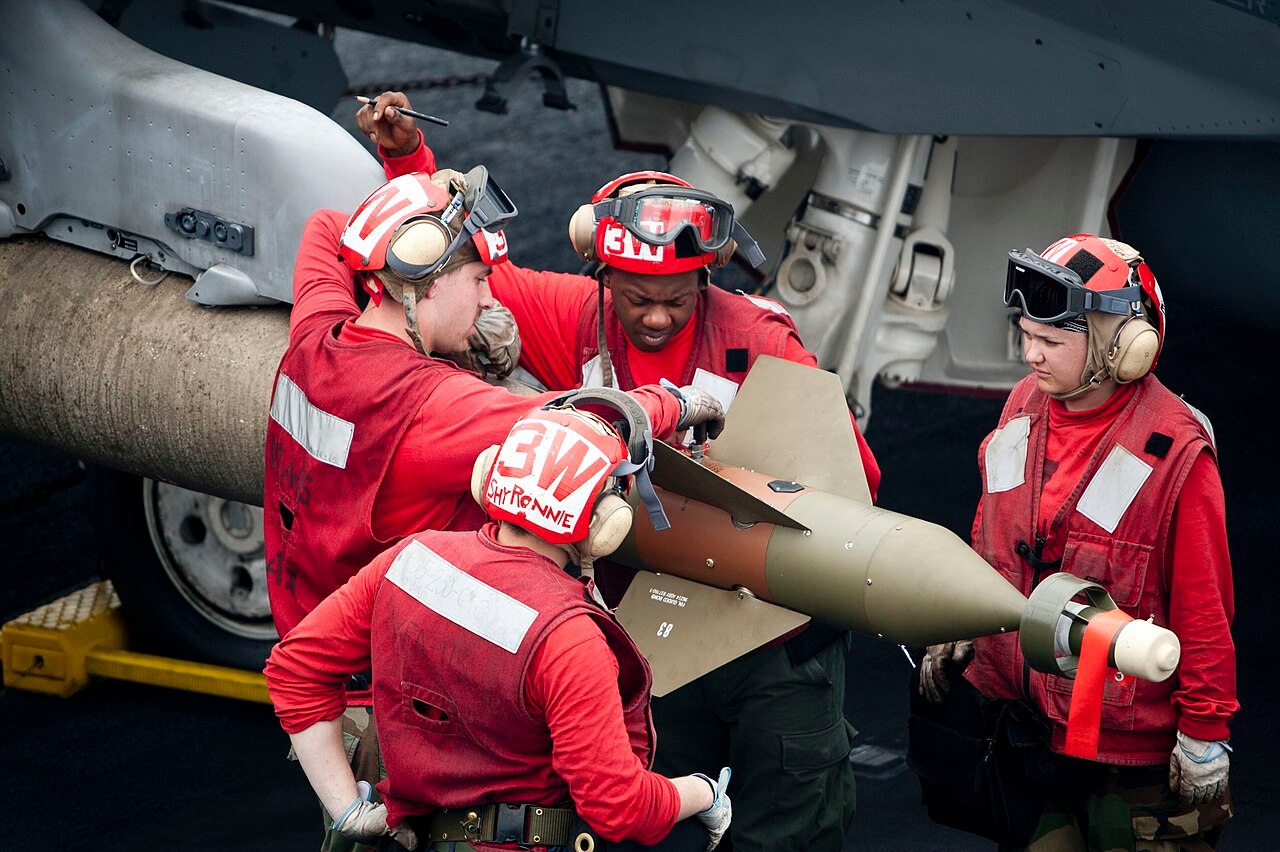
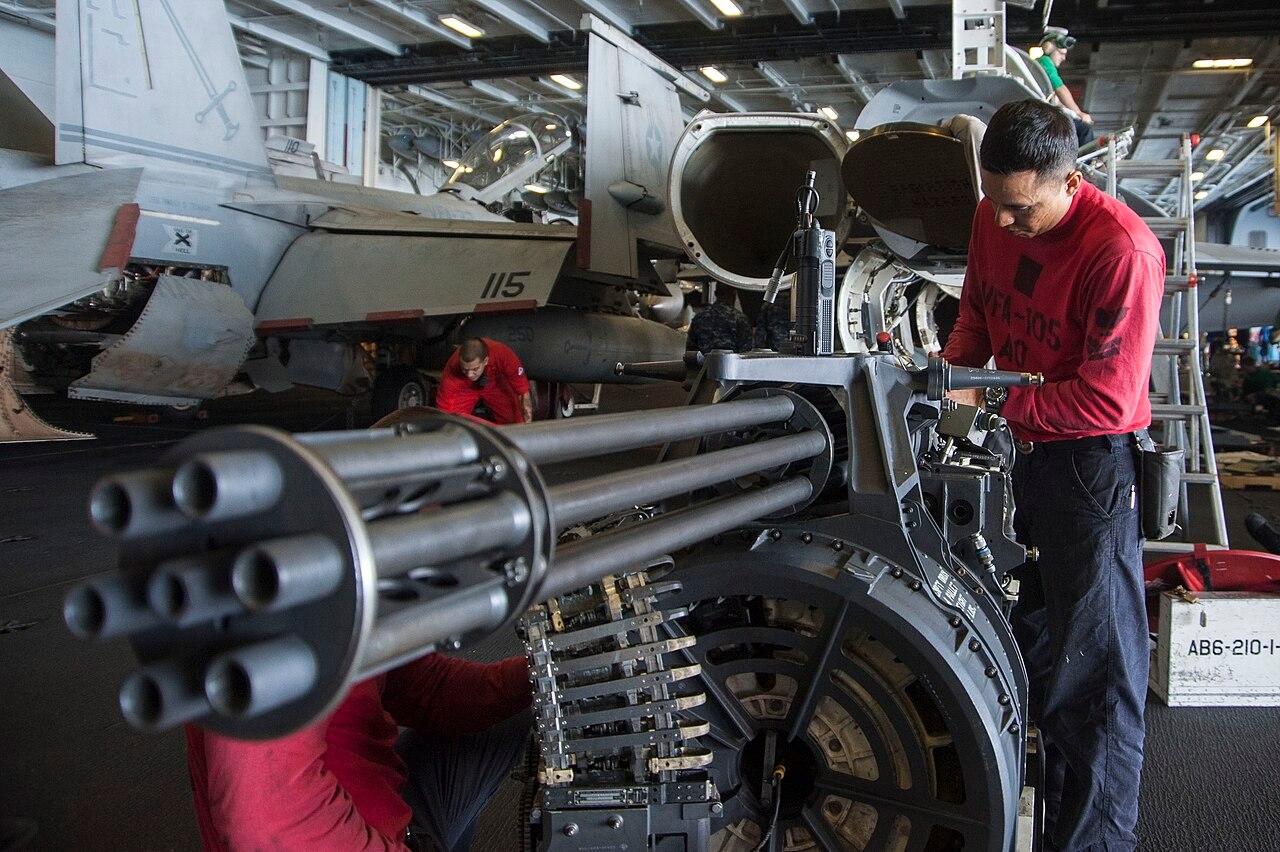
The Super Hornet is equipped with digital avionics, including a phased array radar. It is powered by two General Electric F414-GE-400 turbofan engines, each with 10 tons of thrust. The aircraft is 18.31 m long, has a wingspan of 13.62 m, a maximum take-off weight of almost 30 tons, a maximum speed of 1,908 km/h, and a range of over 3,300 km. It is armed with a 20 mm M61A2 Vulcan cannon, standard for modern American fighters. The Super Hornet can carry over 8 tons of various weapons on 11 external hardpoints, including AIM-120 and AIM-9 air-to-air missiles, eight types of air-to-surface guided missiles, and a wide range of precision-guided bombs.
The vast majority of aircraft were delivered to the US Navy. In addition, 24 aircraft were delivered to the Australian Air Force and another 28 to the Kuwaiti Air Force.
Since 2002, Super Hornets have participated in all military campaigns involving US Navy carrier groups. In particular, in 2003, three squadrons provided direct air support during Operation Iraqi Freedom.
The aircraft are highly valued by the US Navy. The latest F-35Cs are not replacing the F/A-18E/Fs, but complementing them. Only in the next decade is it planned to begin replacing the Super Hornets with 6th generation fighters, the development of which under the F/A-XX program began recently.