Fan-page
 Youtube
 TikTok
 Aviamuseum
 State Aviation Museum
90 years of the famous British fighter plane Hawker Hurricane
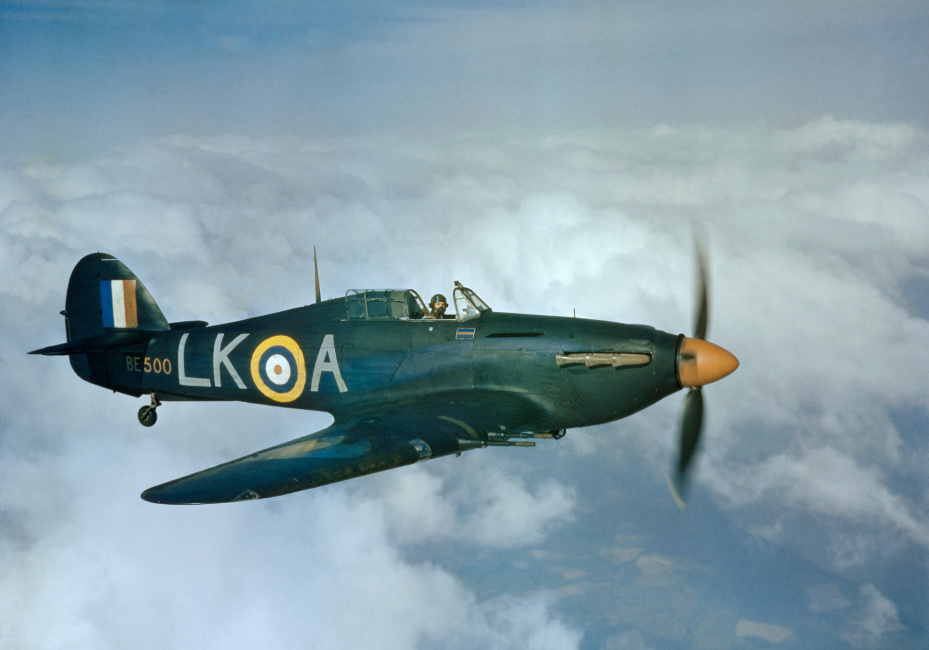
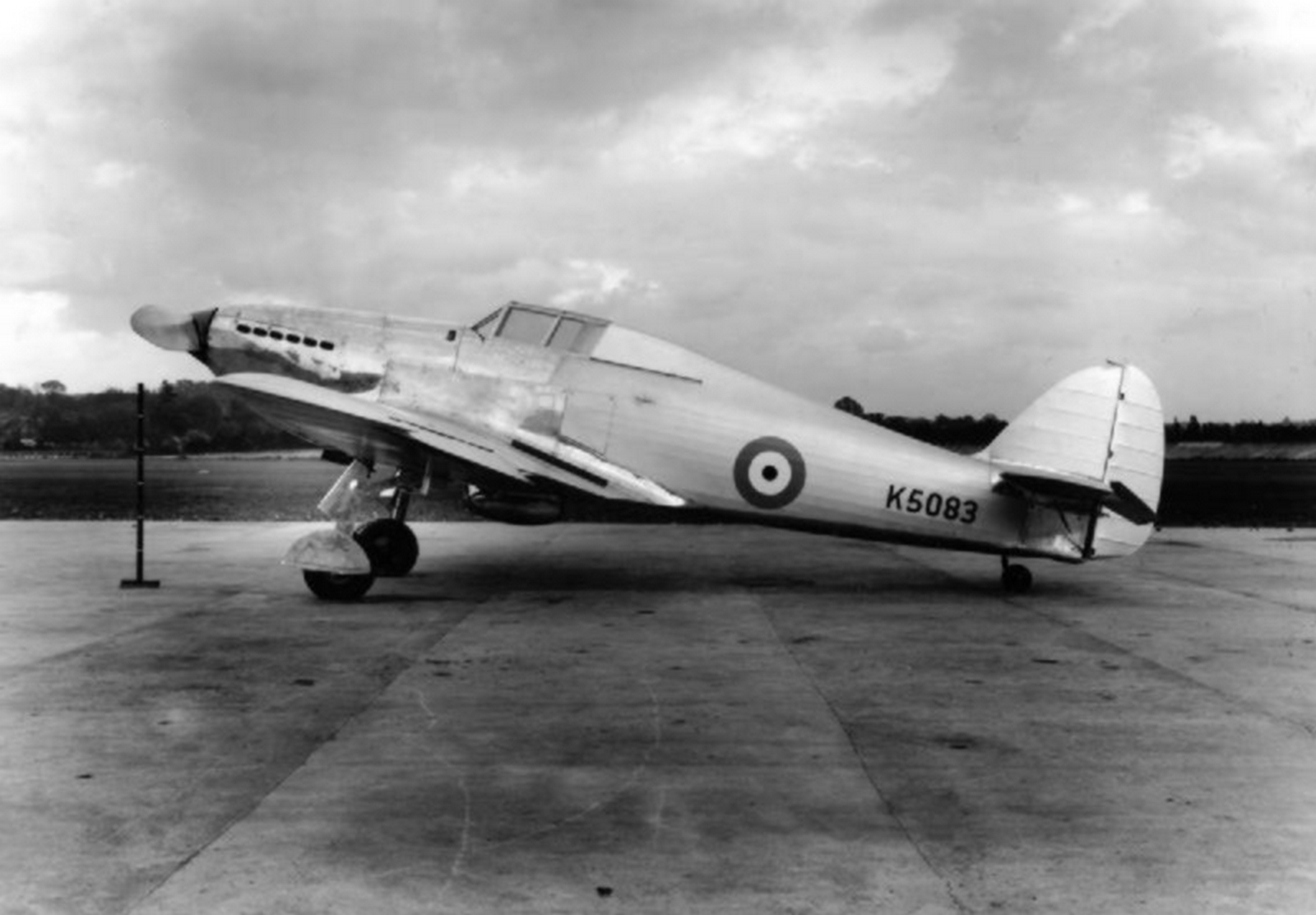
November 6 marked the 90th anniversary of one of the most famous British fighter planes, the Hurricane, created by Hawker Aircraft Ltd. On that day in 1935, its first prototype took to the skies.
The Hurricane came into being when there was still debate about which fighter was better: a maneuverable biplane or a high-speed monoplane. The choice in favor of the latter was far from obvious, but the coming war proved that it was the right one.
The Hurricane inherited a rather outdated mixed design from its biplane predecessors. The fuselage was a steel truss with mostly fabric covering. The wing with steel spars initially had wooden covering. It was only in 1939 that aircraft with an all-metal wing began to be produced, using duralumin for the skin.
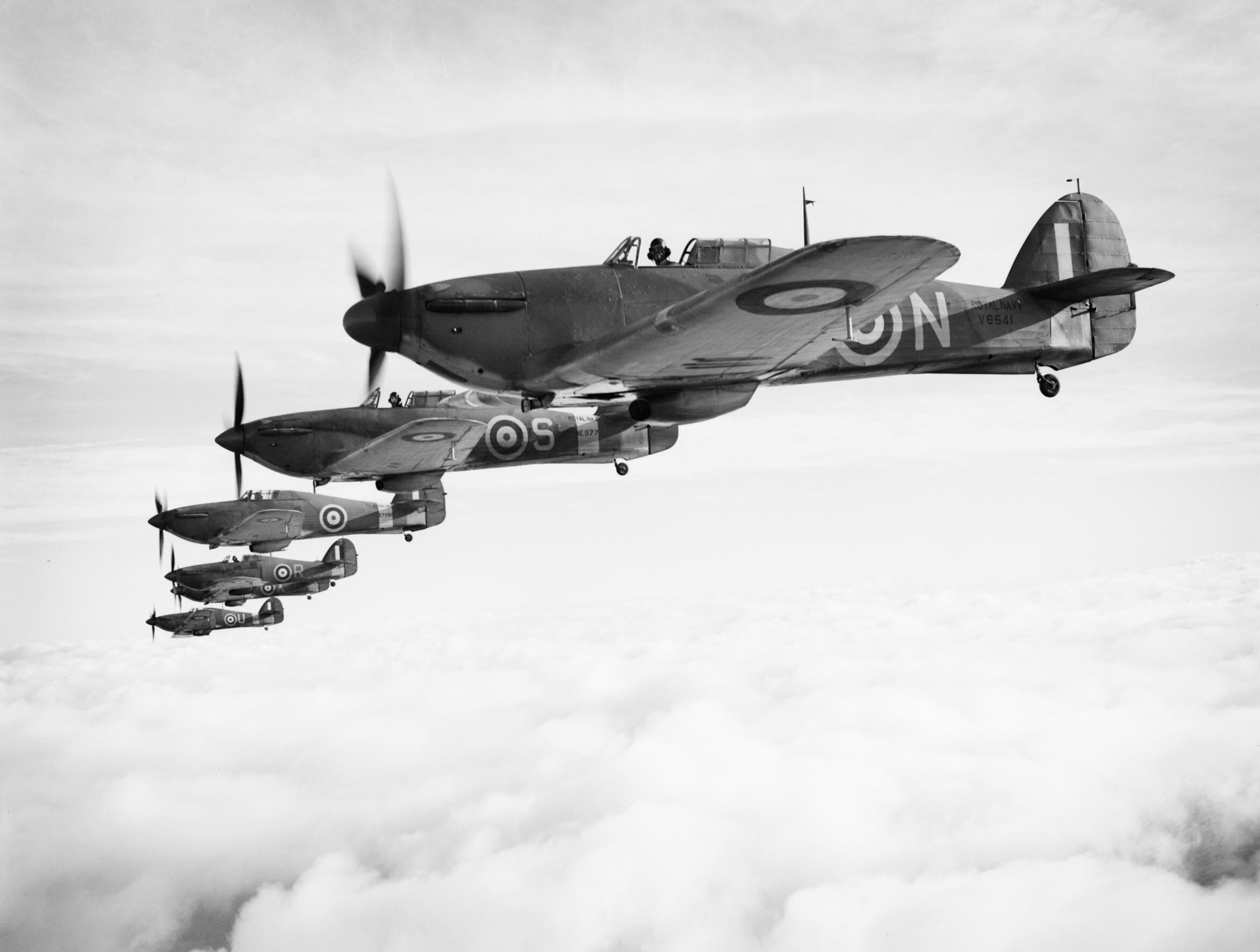
Although the Hurricane became obsolete in the early years of World War II, its serial production continued until mid-1944. In total, 14,487 units in 16 basic variants were produced at factories in England and Canada. In addition to land-based fighters, deck-based aircraft and reconnaissance aircraft were also built.
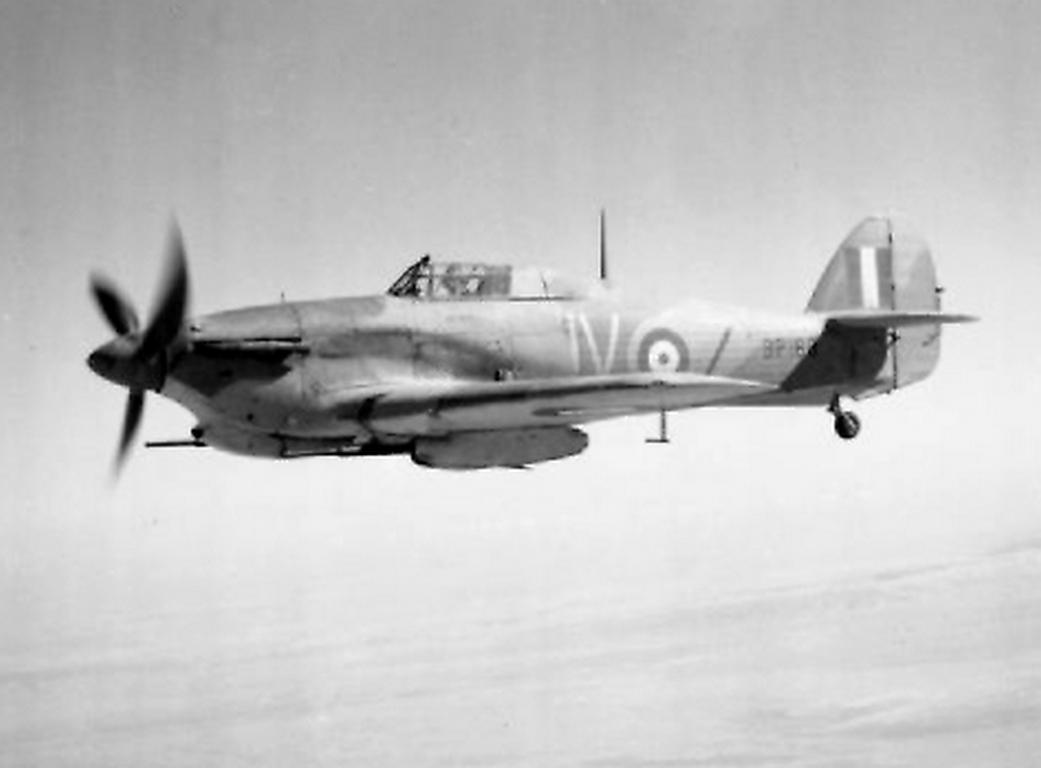
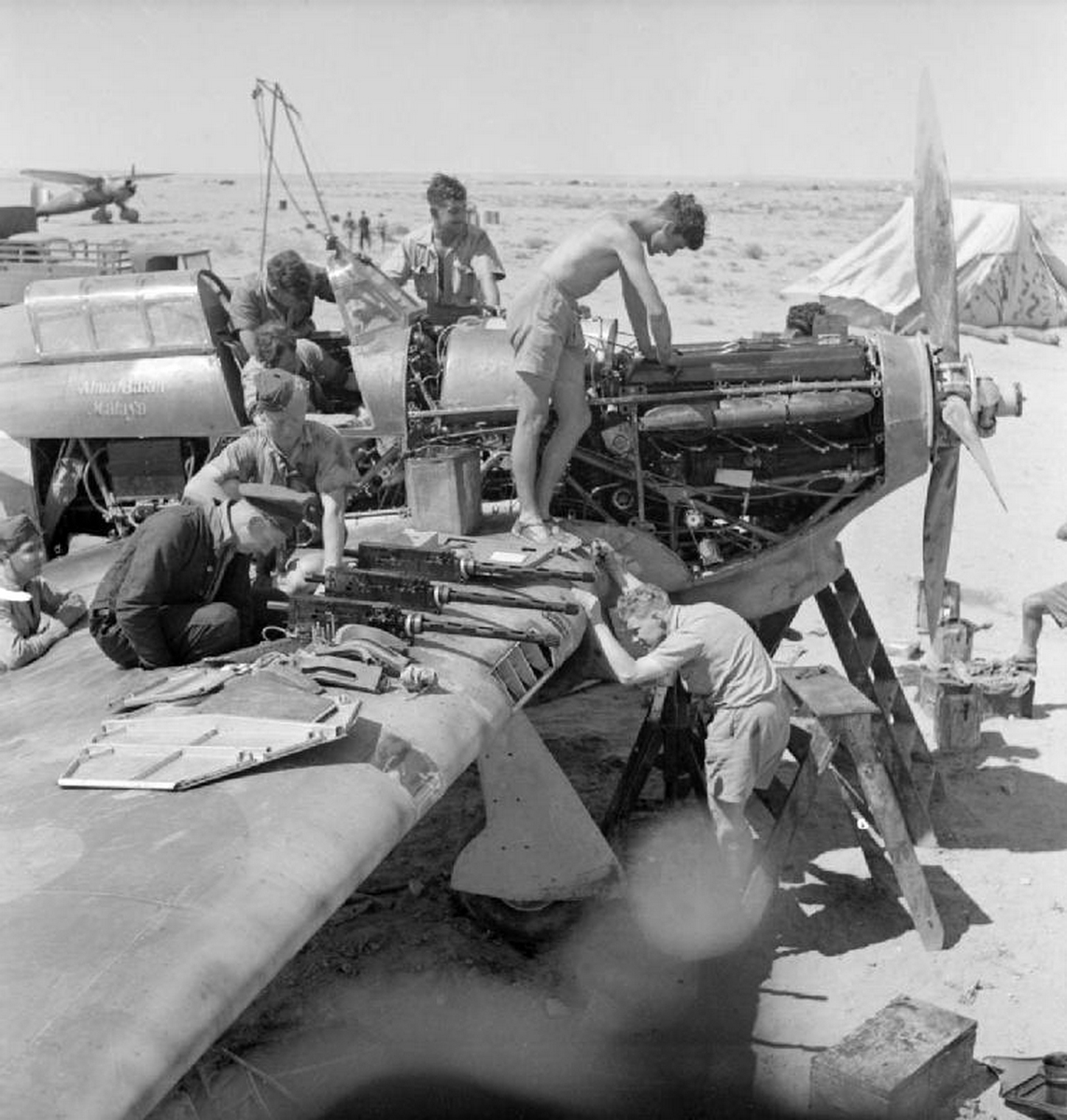
Among the most common was the Hurricane Mk.IIB, which was equipped with a 1,280 hp Rolls-Royce Merlin XX liquid-cooled engine. The aircraft had a length of 9.82 m, a wingspan of 12.19 m, a maximum take-off weight of 3,300 kg, a maximum speed of 550 km/h, and a range of over 1,580 km with drop tanks. Its armament consisted of 12 7.7 mm machine guns mounted in the wings. It was designed to carry bombs with a total weight of over 450 kg. On some variants, four 20 mm cannons or two 40 mm cannons were installed instead of machine guns. They were mainly used as fighter-bombers.
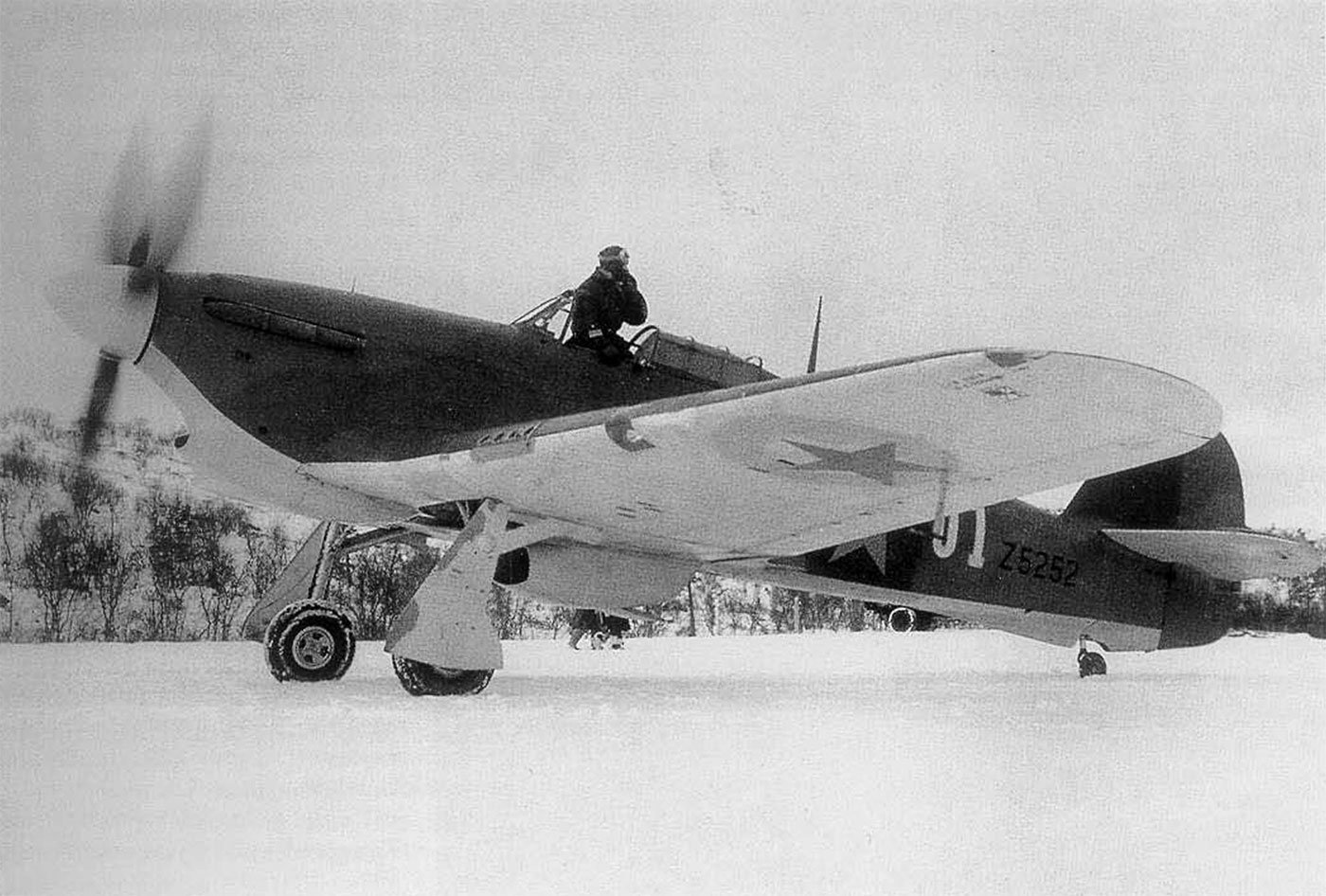
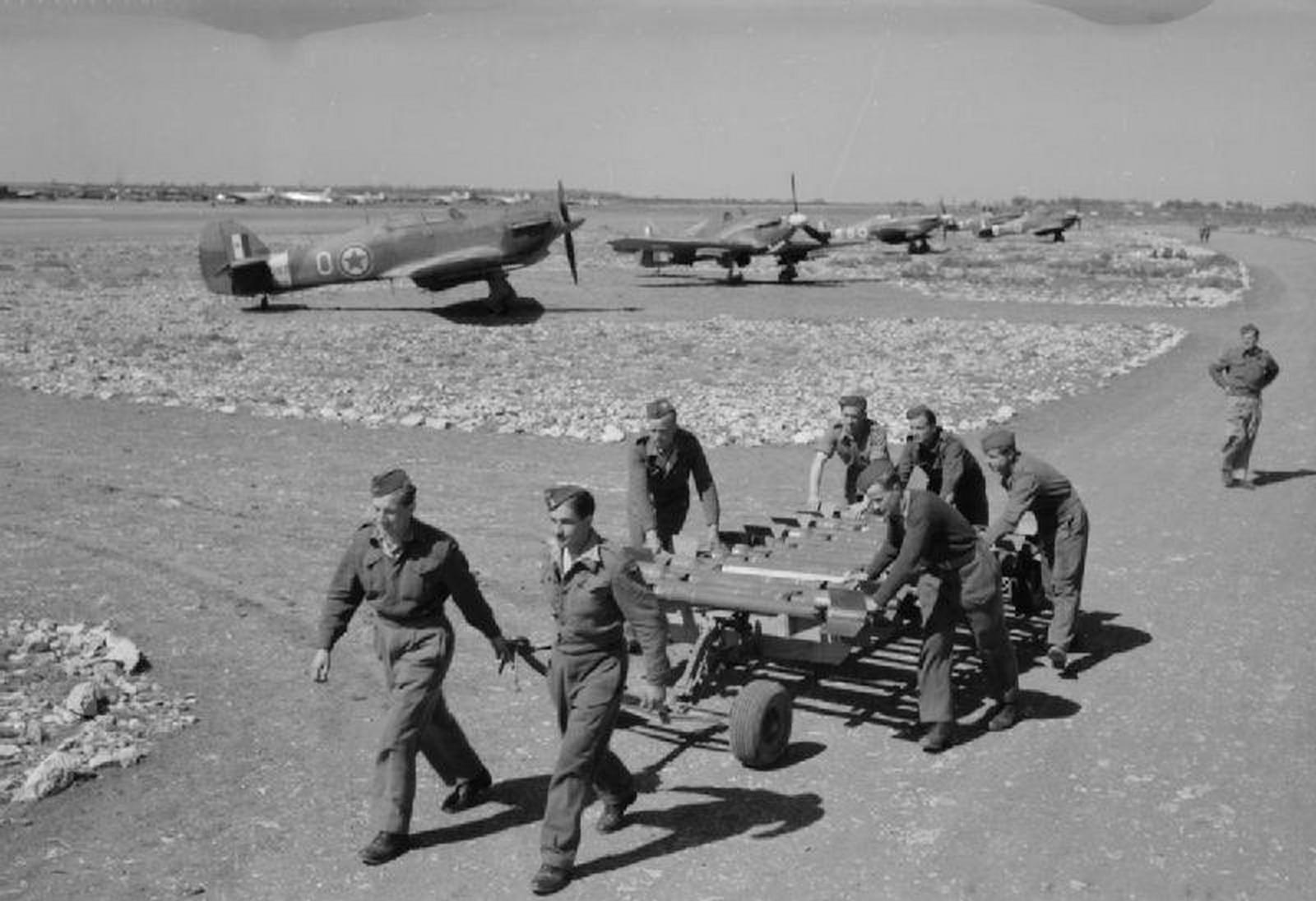
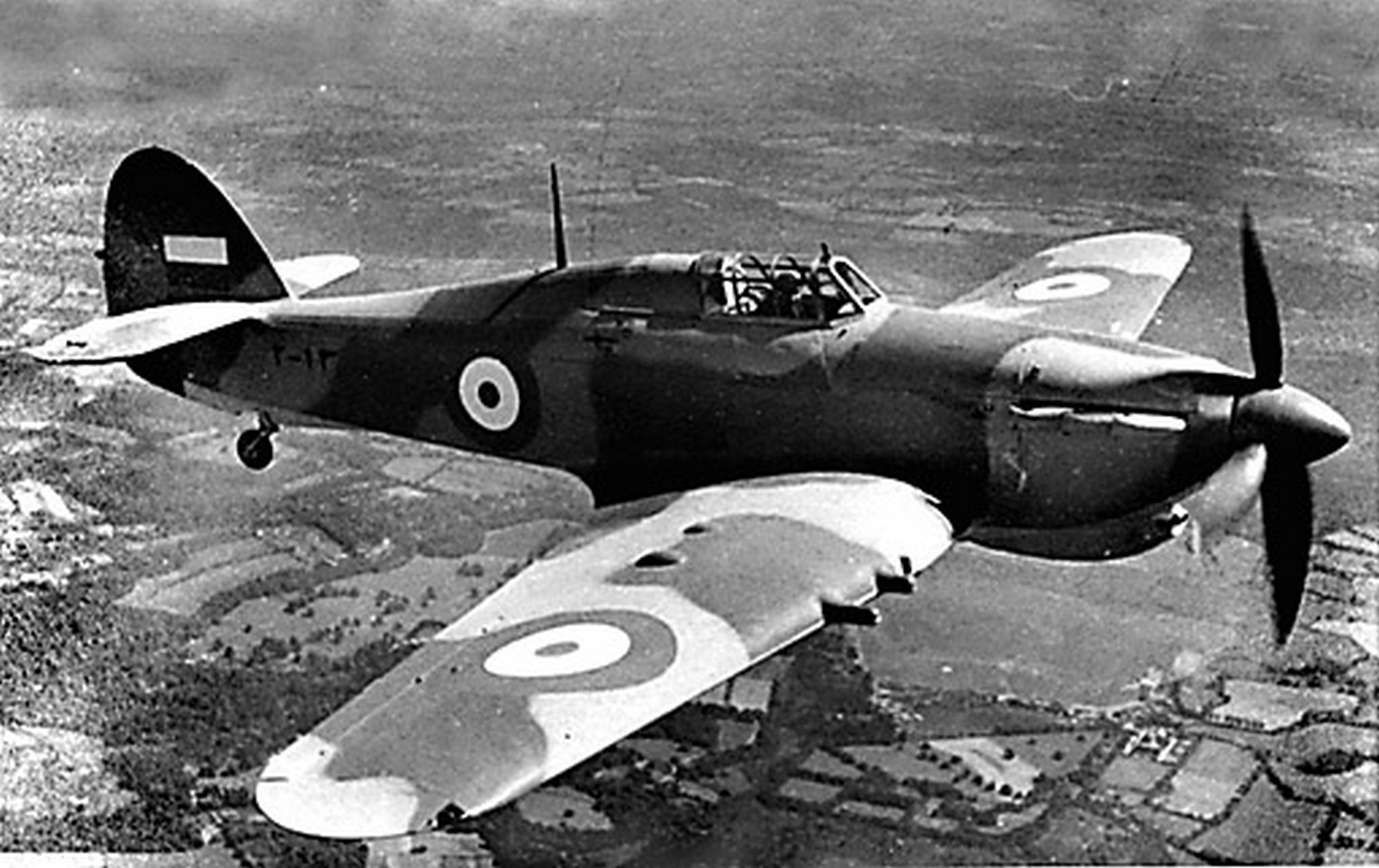
In addition to Great Britain and its dominions, the Hurricane was also adopted by 13 other countries, including Greece, Iran, the Netherlands, Romania, the USSR, Turkey, Finland, and Yugoslavia. The aircraft were used in all major theaters of war. The Hurricanes played a special role in 1940 during the Battle of Britain, when they had to repel a large-scale campaign by the Nazi Luftwaffe. In terms of combat capabilities, the British fighter was inferior to the German Bf 109E, especially in terms of vertical maneuverability. However, thanks to its good horizontal maneuverability, Royal Air Force pilots were quite successful in fighting enemy aircraft.