Fan-page
 Youtube
 TikTok
 Aviamuseum
 State Aviation Museum
60 years of the A-7 Corsair II attack aircraft
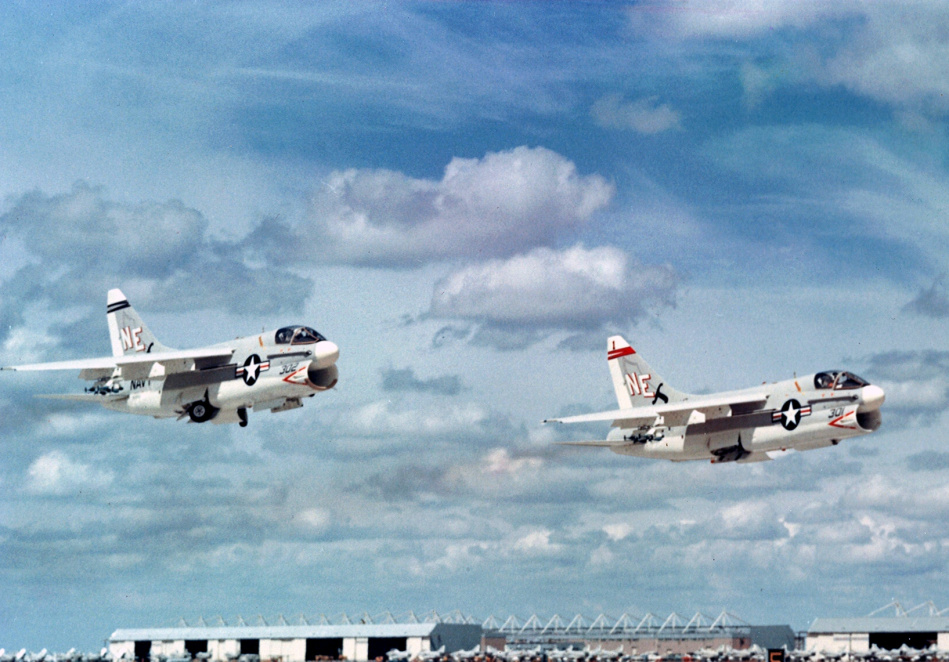
September 26 marked the 60th anniversary of the A-7 Corsair II attack aircraft, created by the American company Ling-Temco-Vought (LTV). On that day in 1965, its first prototype took to the skies.
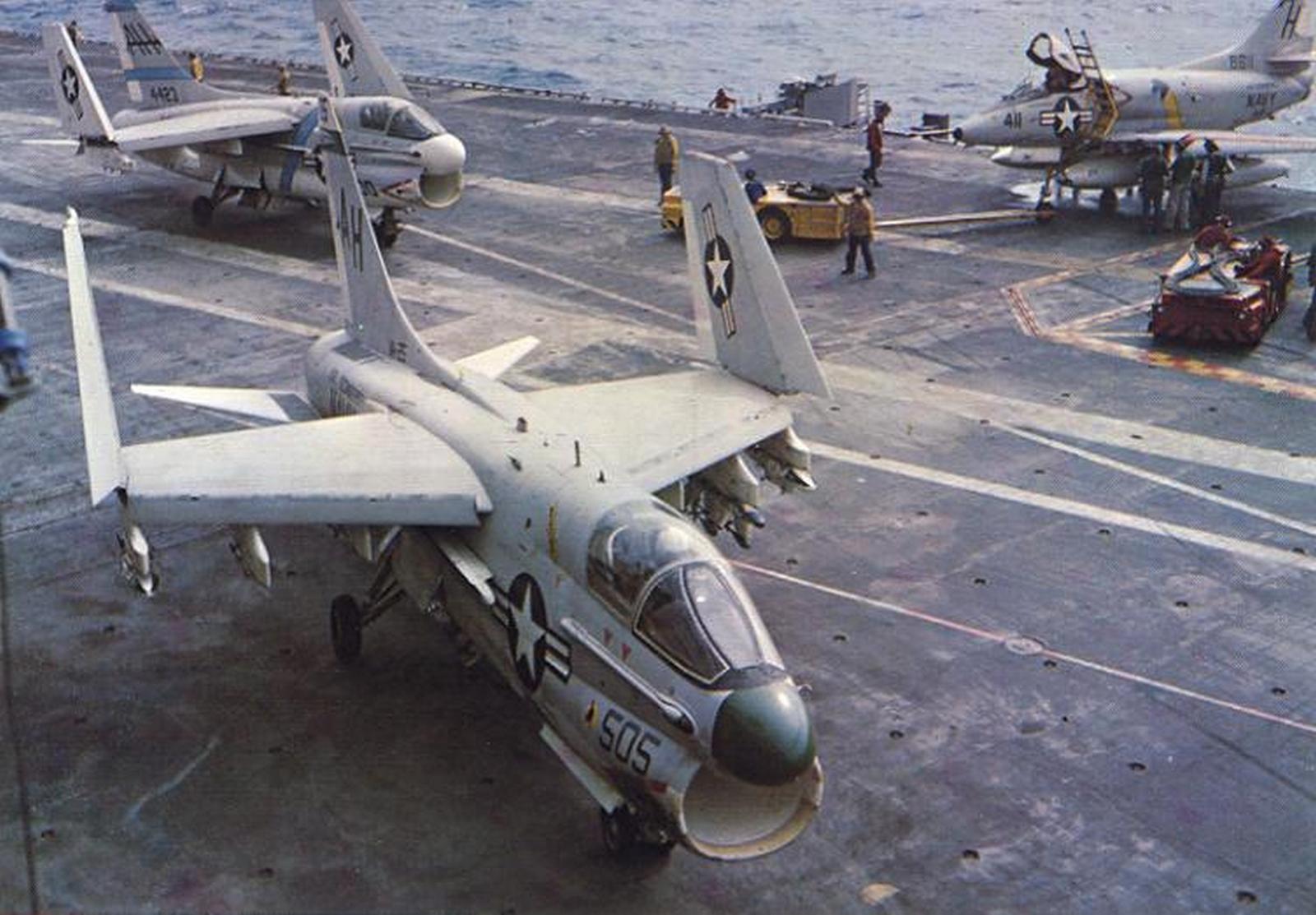
The aircraft was developed according to the requirements of the US Navy based on the Vought F-8 Crusader carrier-based fighter, which began flying in 1955. Unlike the Crusader, the new attack aircraft was designed to be subsonic, with a shorter fuselage and a larger wing area. The A-7 was equipped with a range of modern equipment, including radar, which significantly expanded its capabilities compared to the US Navy's main carrier-based attack aircraft at the time, the A-4 Skyhawk.
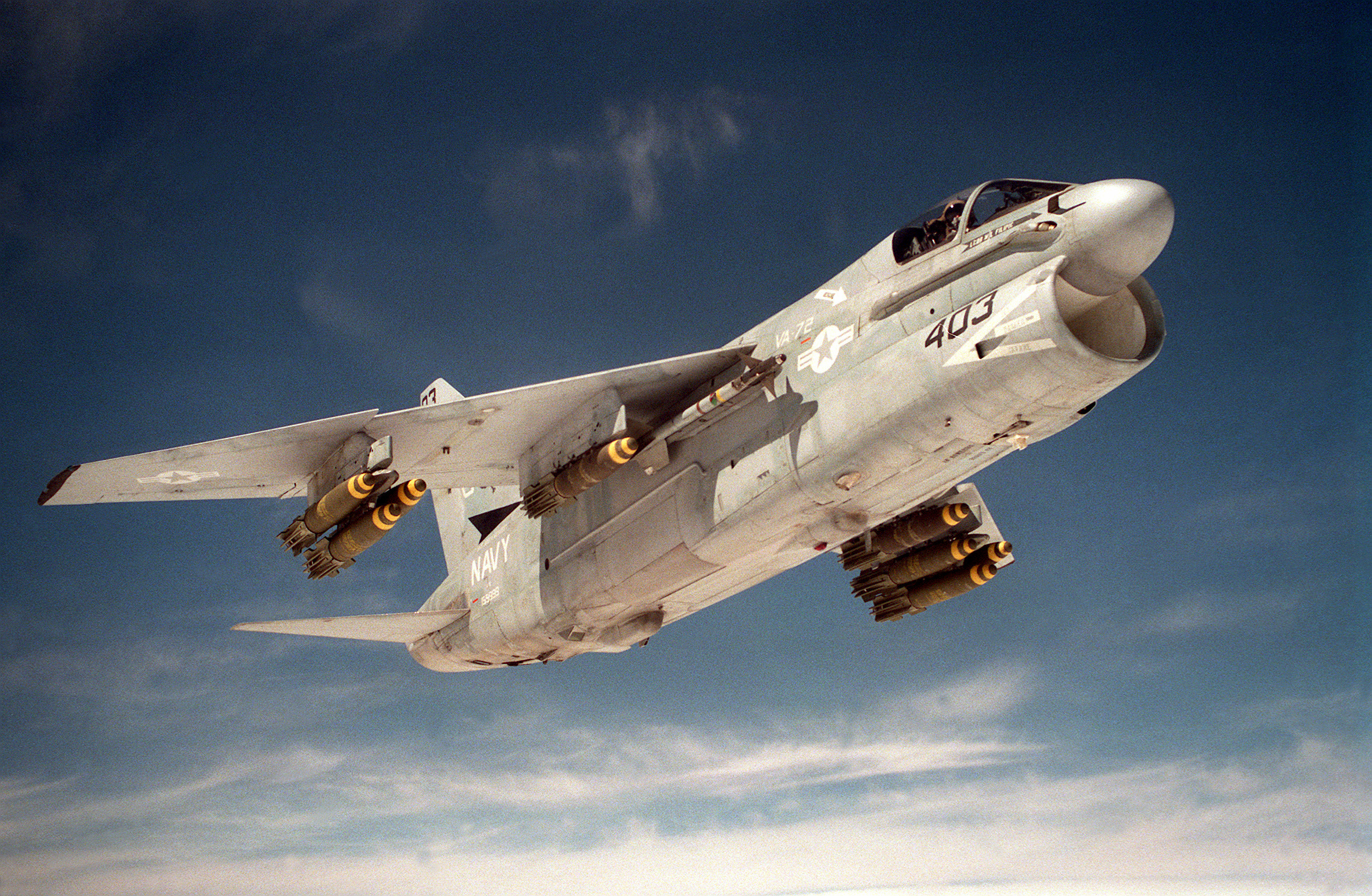
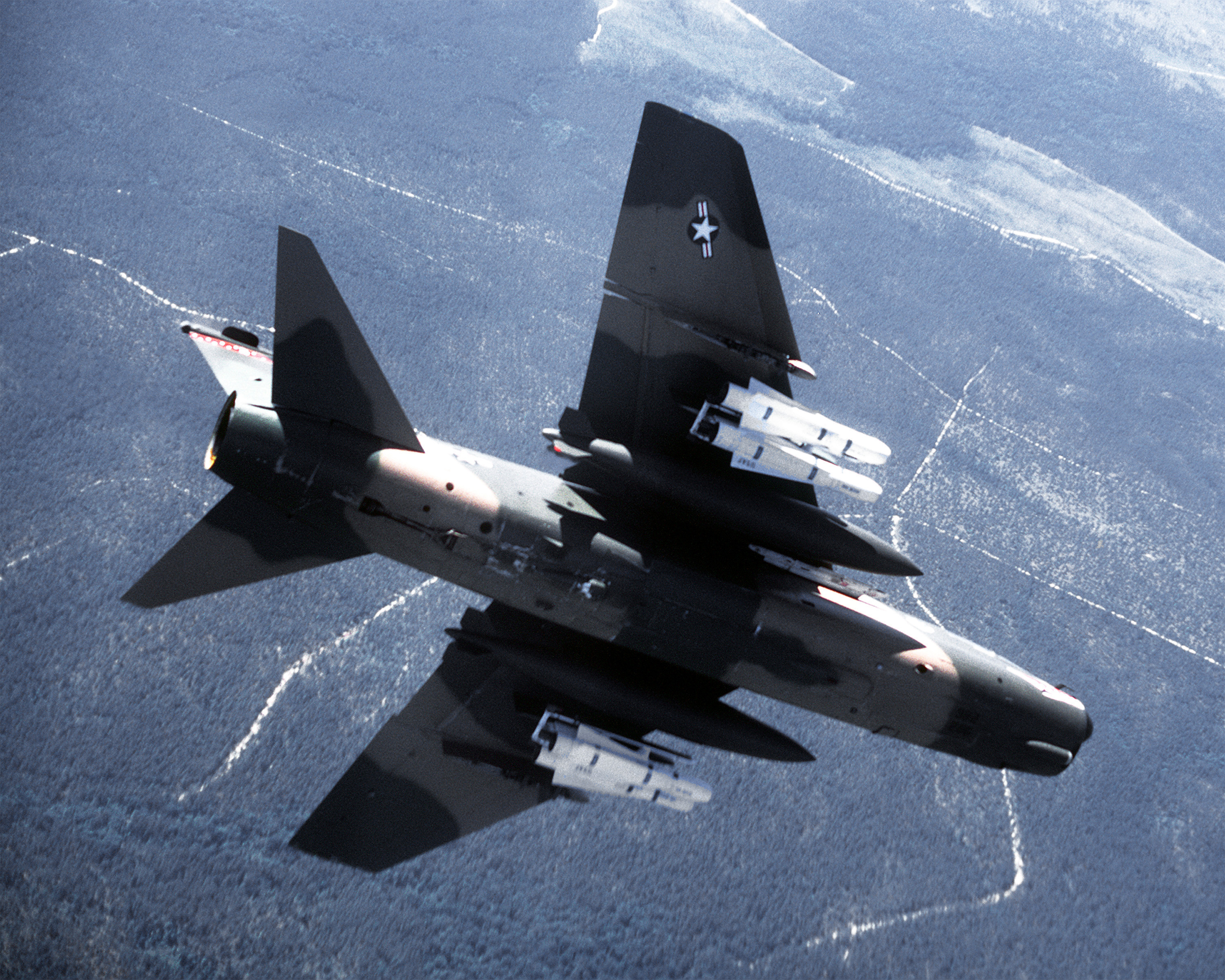
Serial production of the A-7 continued until almost the end of 1984. A total of 1,545 units were built in ten basic variants and numerous modifications. Among the most common was the A-7E carrier-based attack aircraft, which was equipped with a single Allison TF41-A-2 twin-circuit turbojet engine with a thrust of 6.8 tons. The aircraft had a length of 14.06 m, a wingspan of 11.8 m, a maximum take-off weight of over 19 t, a maximum speed of 1,100 km/h, and a range of almost 2,500 km. On board was a 20 mm M61A1 Vulcan cannon with six rotating barrels. On eight external hardpoints, the Corsair could carry various weapons with a total weight of 6.8 tons, including AGM-65 Maverick air-to-ground guided missiles, AGM-62 Walleye television-guided bombs, and a wide range of “conventional” ammunition. The use of nuclear bombs was also envisaged.
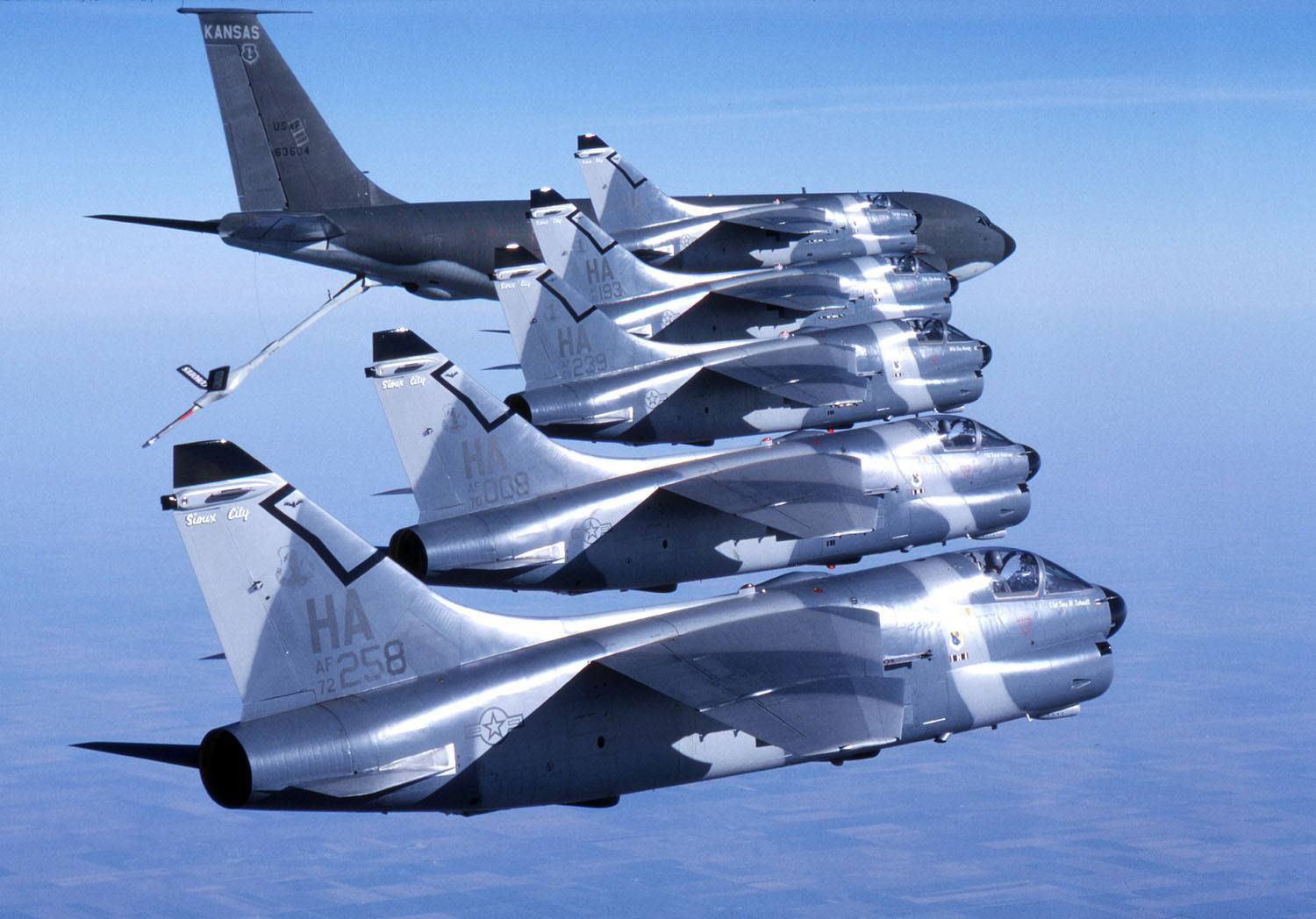
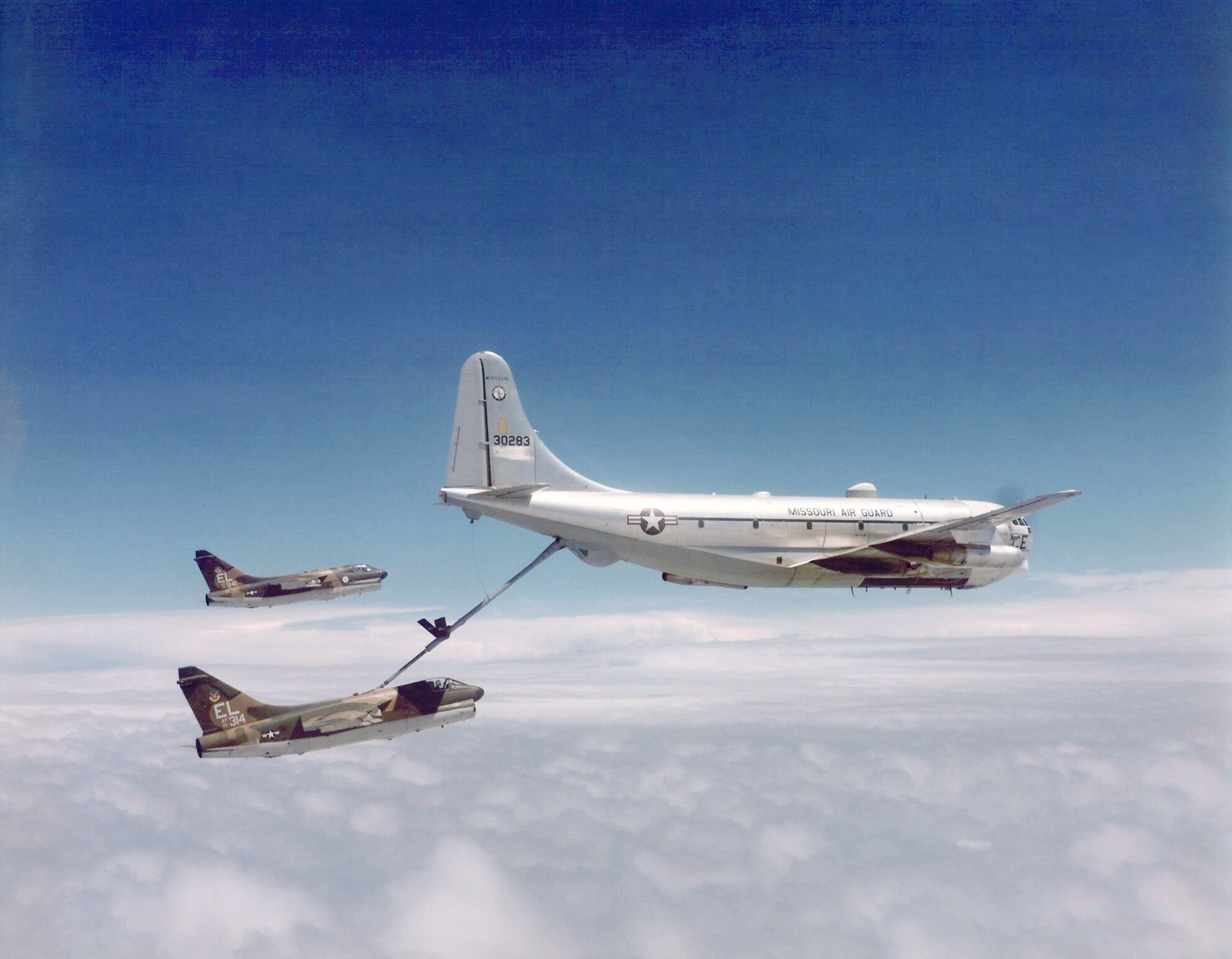
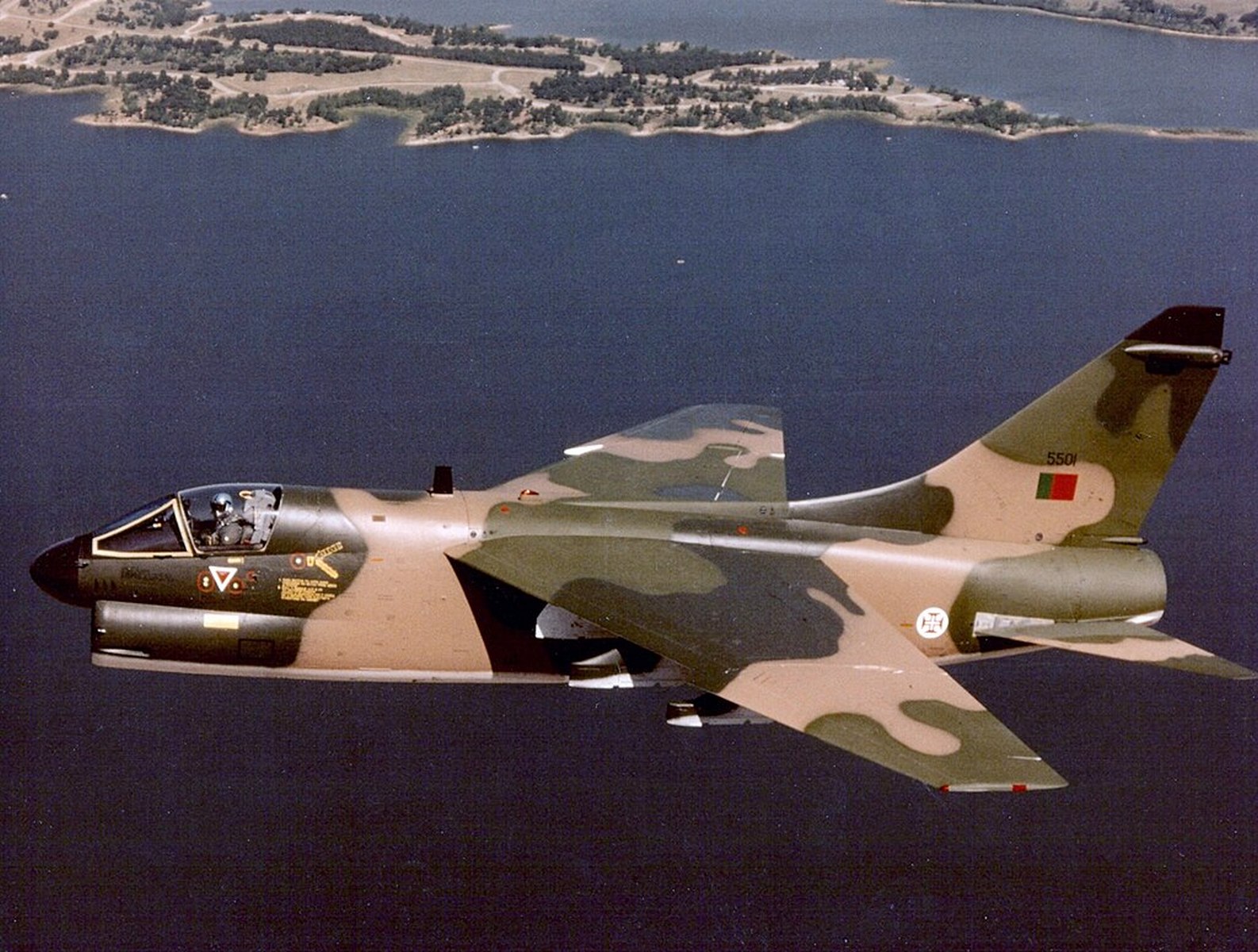
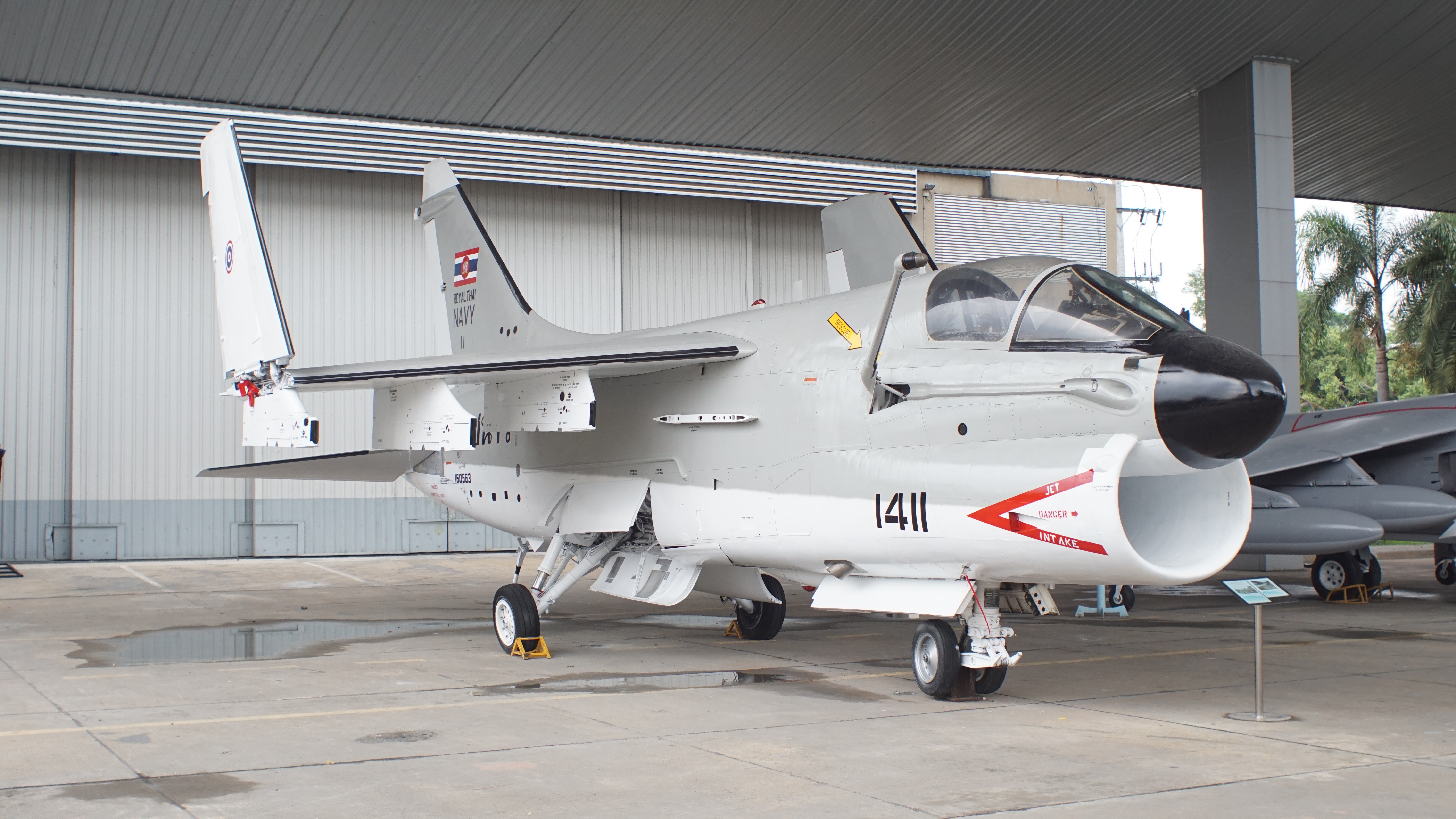
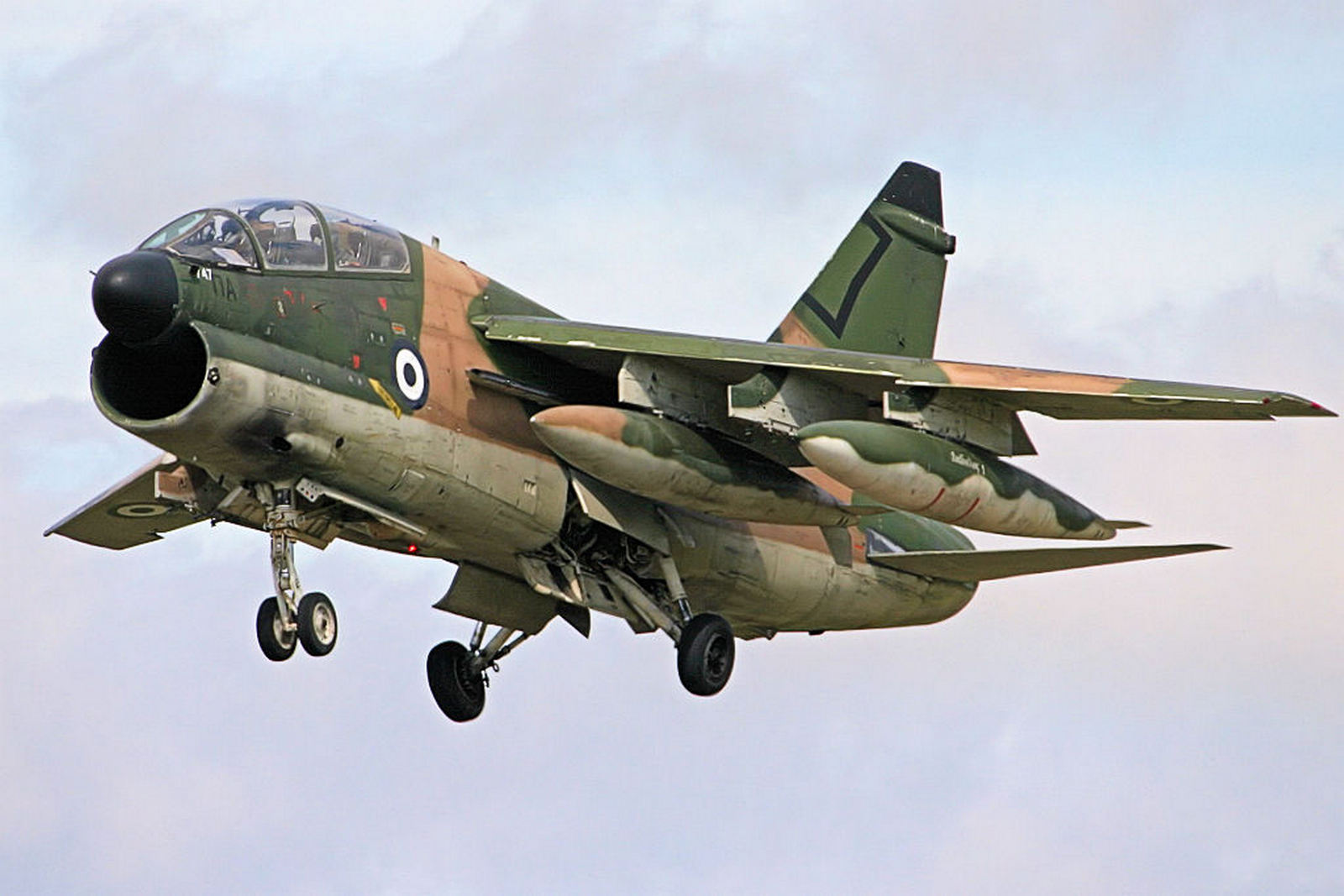
In the United States, Corsairs were adopted not only by the Navy, but also by the Air Force and the National Guard. In addition, they were supplied to Greece, Portugal, and Thailand. The Americans decommissioned their A-7s in 1991, while Greece kept them in service the longest, until 2014.
The main “battlefield” for the A-7 was the Vietnam War, where these attack aircraft earned the respect of their pilots. Their high reliability and maneuverability, as well as their ability to withstand significant combat damage, were particularly appreciated. The aircraft's powerful armament received the highest marks. However, losses were high – 98 aircraft. The Americans used the Corsairs in several other conflicts, including Lebanon and Libya, and at the very end of their career, in early 1991, the A-7s fought against Iraq during Operation Desert Storm.