Fan-page
 Youtube
 TikTok
 Aviamuseum
 State Aviation Museum
90 years of the Junkers Ju 87 dive bomber
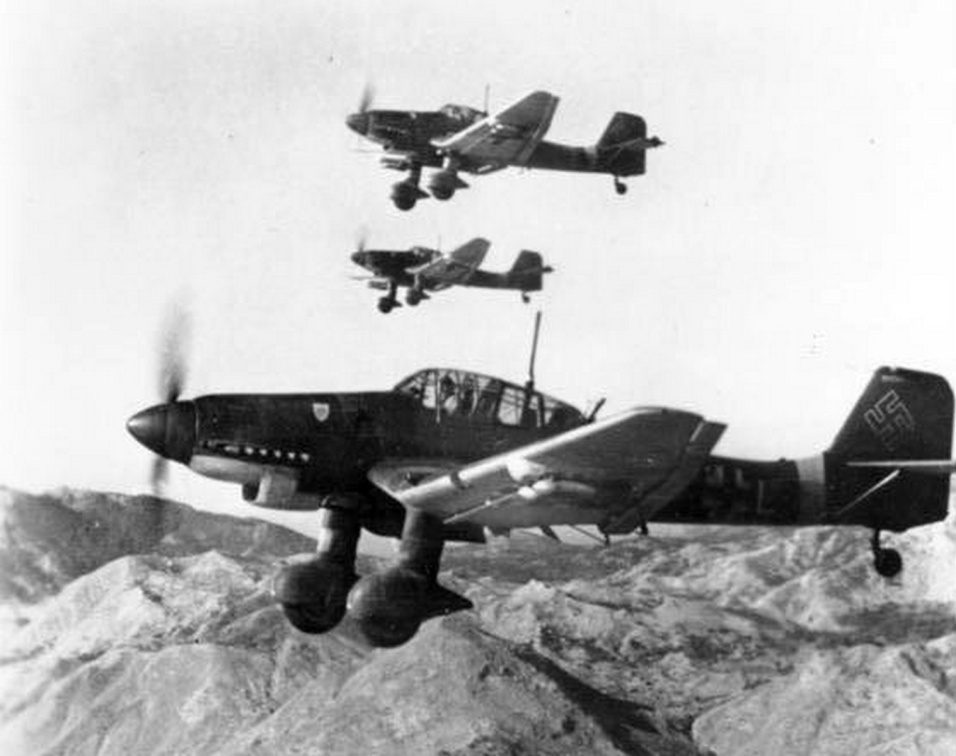
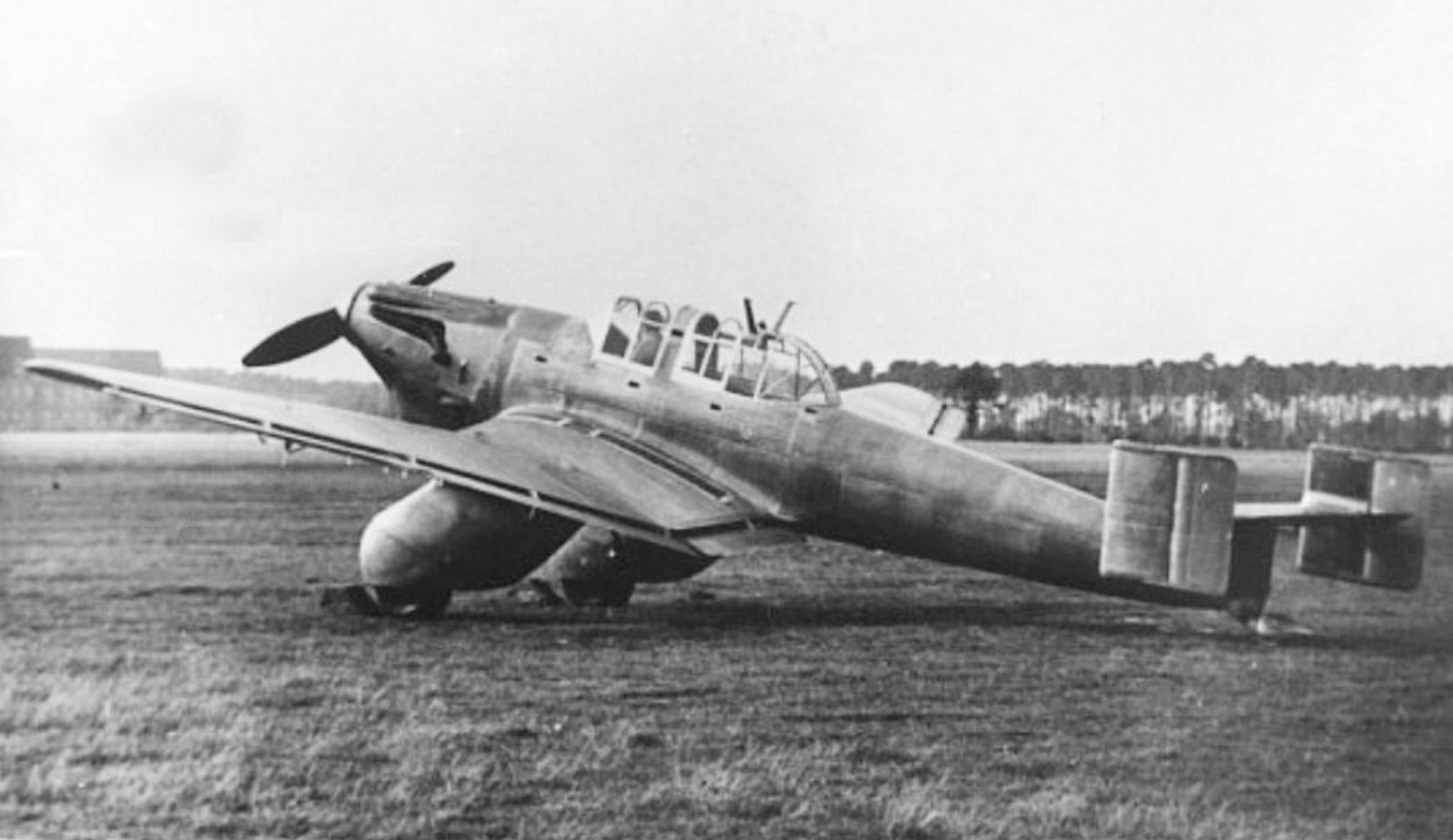
September 17 marked the 90th anniversary of the German dive bomber Junkers Ju 87, known as the “Stuka.” On that day in 1935, its first prototype, the Ju 87V1, took to the skies. The aircraft was still far from its final configuration, notably featuring a twin-tail design and a British Rolls-Royce Kestrel V12 engine.
The founder of Junkers Flugzeug, Professor Hugo Junkers, had nothing to do with this machine. When the Nazis came to power in Germany in 1933, he was already an elderly man, seriously ill, and saw no point in hiding his extremely negative attitude towards the “new order.” The authorities nationalized his businesses without hesitation and effectively placed him under house arrest. Junkers died there on his 76th birthday on February 3, 1935.
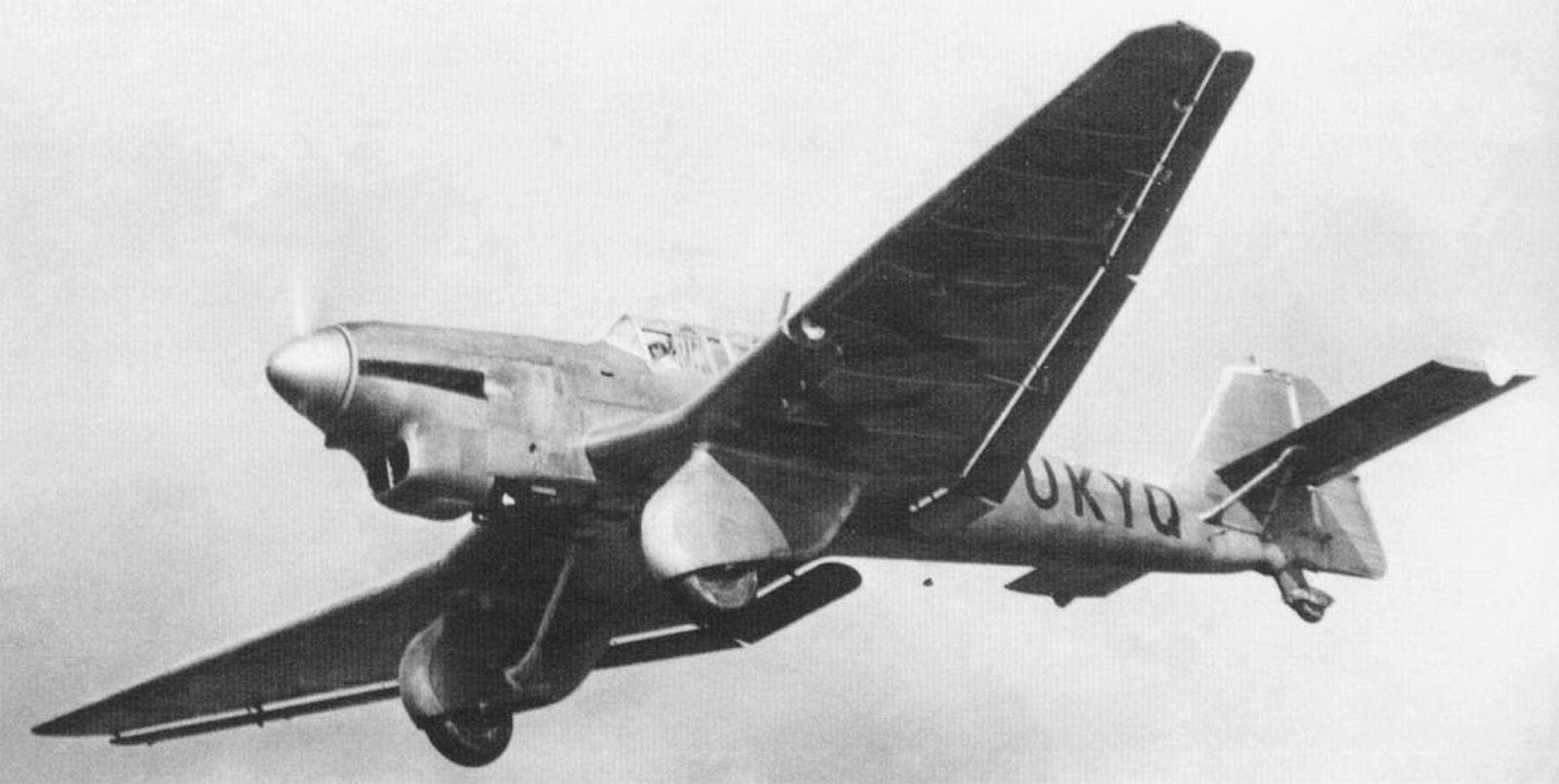
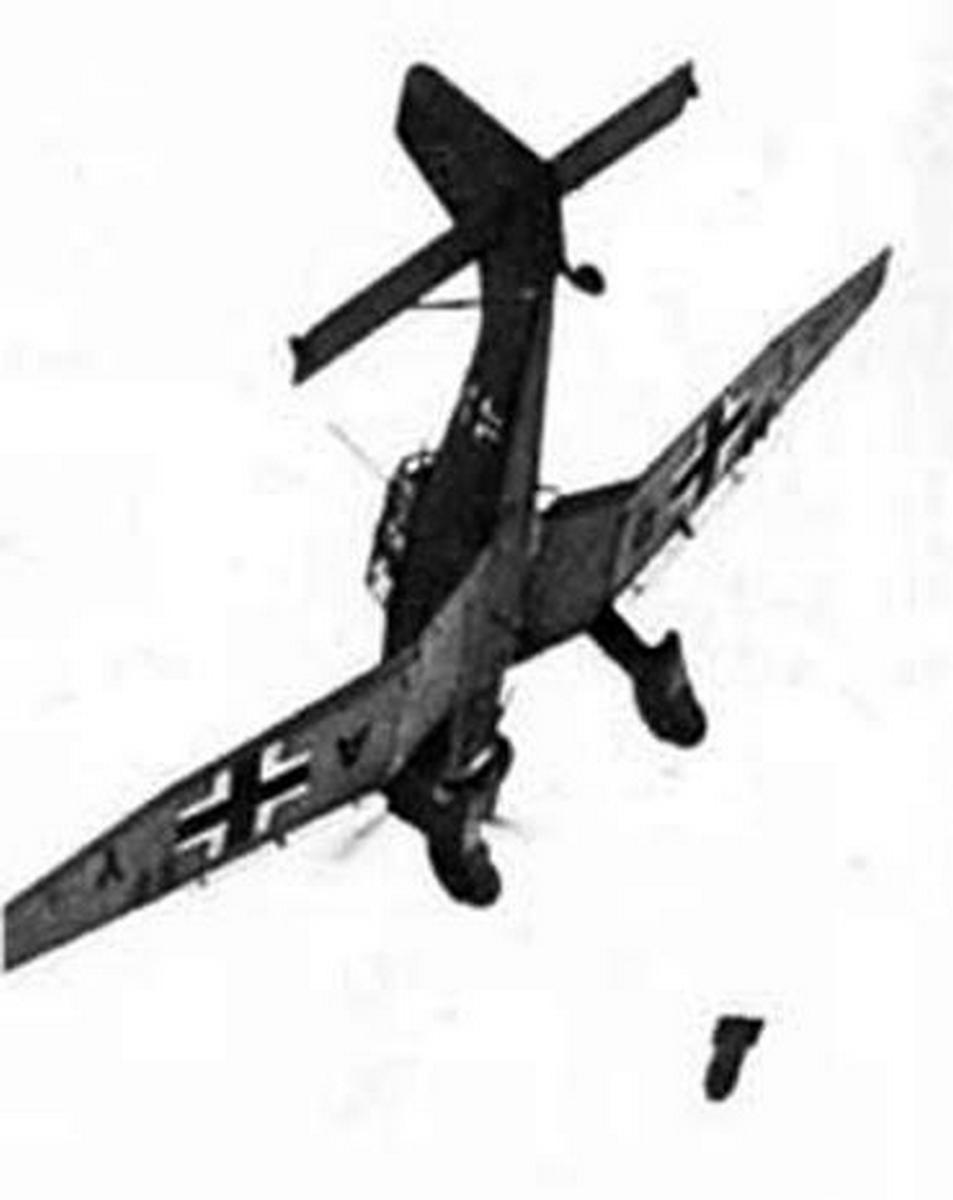
At the time of its creation, the Ju 87 was a very advanced concept—an aircraft for direct support of troops, capable of delivering highly accurate strikes thanks to its dive capability. Among the specific design features were underwing brake racks that were deployed during the dive to prevent the aircraft from exceeding its speed limit.
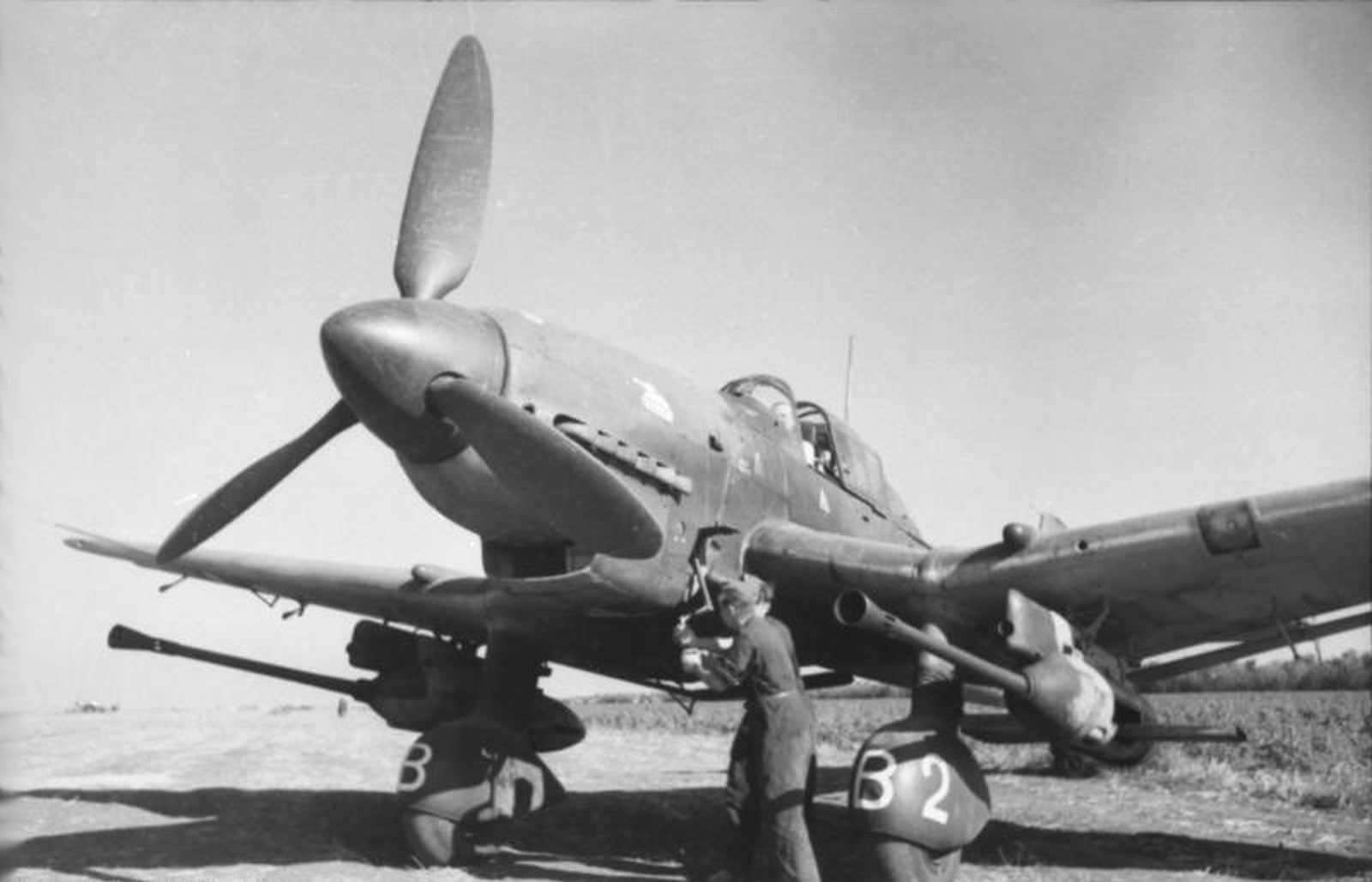
After significant refinements, the Ju 87 went into serial production, which continued until mid-1944. In total, more than 6,000 units were built in eight basic variants and numerous modifications. Among them was the Ju 87G anti-tank attack aircraft with two 37 mm cannons under the wing.
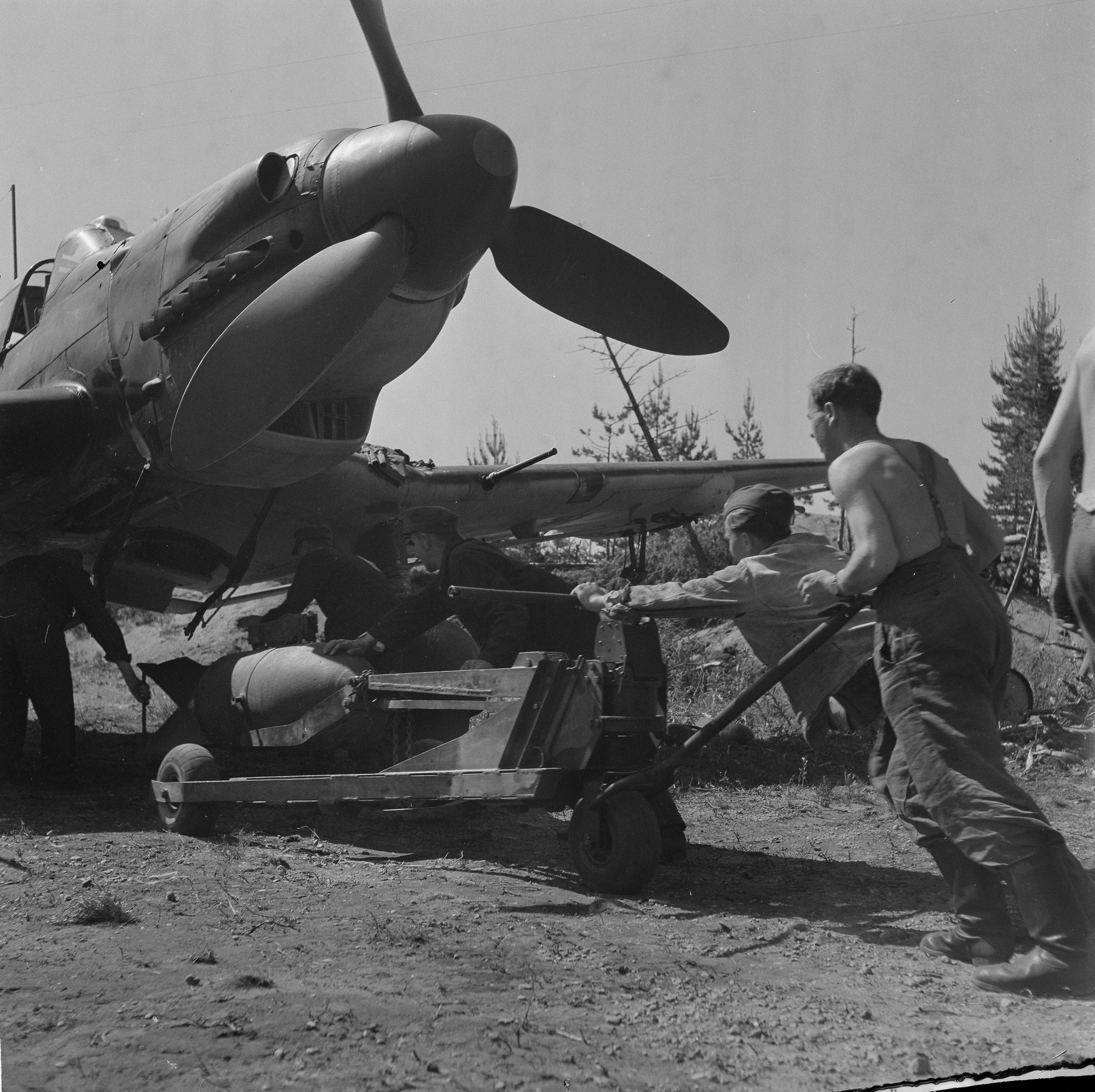
The serial Ju 87D1 dive bomber was equipped with a single V-shaped Jumo 211J liquid-cooled engine with a takeoff power of 1,400 hp. The aircraft had a length of 11.5 m, a wingspan of 13.8 m, a takeoff weight of 6600 kg, a maximum speed of 410 km/h, and a flight range of over 1500 km. It was armed with two 7.92 mm machine guns located in the wing and twin machine guns of the same caliber to protect the rear hemisphere. The normal bomb load was 1,000 kg (some modifications with overload could lift up to 1,800 kg).
In addition to the Nazi Luftwaffe, the Ju 87 was also supplied to Germany's allies: Bulgaria, Italy, Romania, Slovakia, Hungary, and Croatia. The Stuka was also supplied to Spain. Individual examples found their way to several other countries, including Great Britain, Yugoslavia, and Japan.
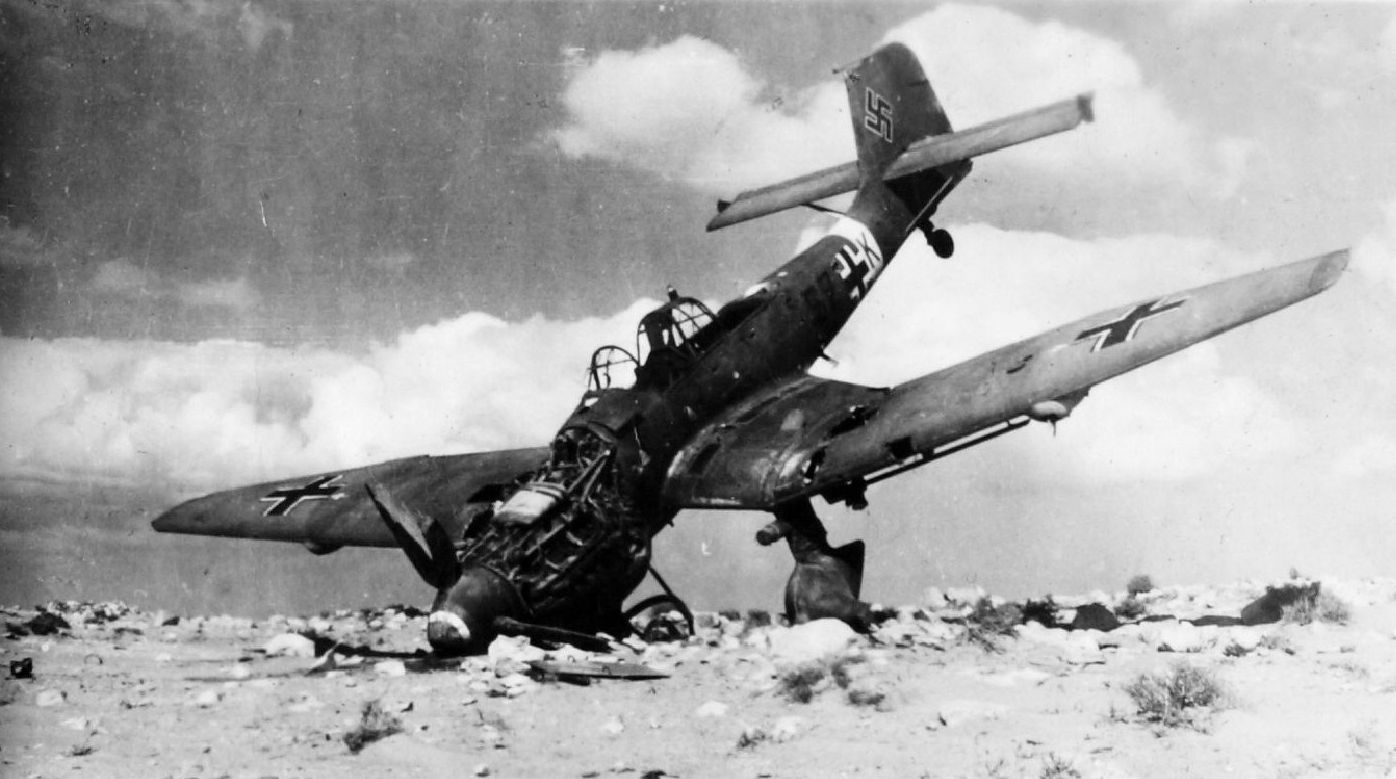
The aircraft had good maneuverability and was not difficult to fly. However, the tactic of dive bombing required highly trained pilots, and mistakes could be costly. On August 15, 1939, during a demonstration at a training ground for the Luftwaffe command, 13 Stukas crashed into the ground, killing all 26 crew members. The group was diving behind their leader through thick clouds, and no one had time to pull out of the dive. There has never been another incident in history where so many aircraft crashed in a single incident.
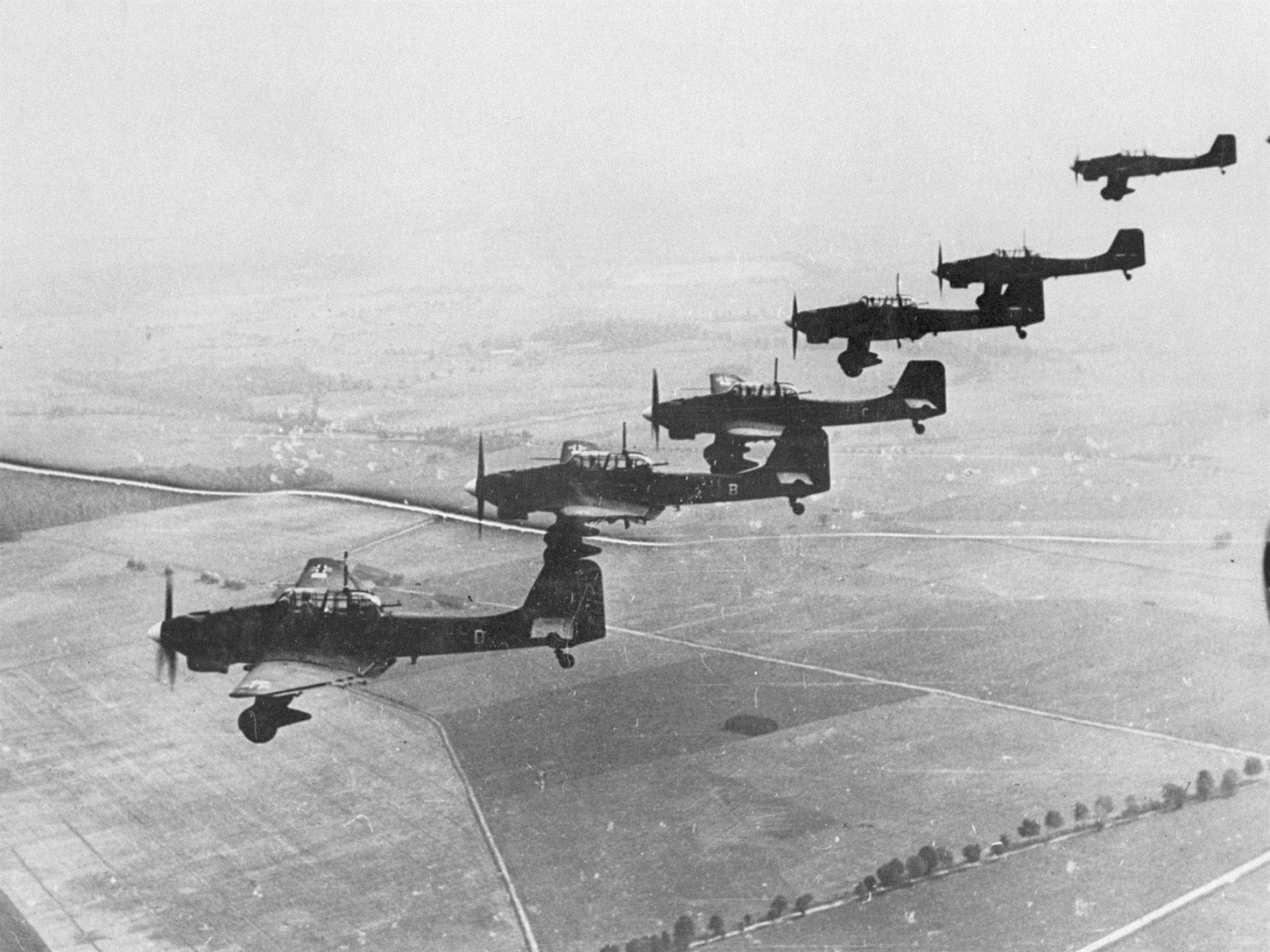
The Ju 87 saw combat for the first time in 1936, during the Spanish Civil War. In World War II, the “Stukas” participated from the very beginning and became one of the ominous symbols of Nazi aggression. They quickly proved their high effectiveness on the battlefield. Ace dive bombers achieved significant results, for example, managing to hit individual tanks with bombs. In the second half of the war, the Ju 87 became obsolete, and the quality of training for young pilots declined significantly, leading to heavy losses. However, these aircraft continued to be used until the end of the war in Europe, particularly as night bombers.