Fan-page
 Youtube
 TikTok
 Aviamuseum
 State Aviation Museum
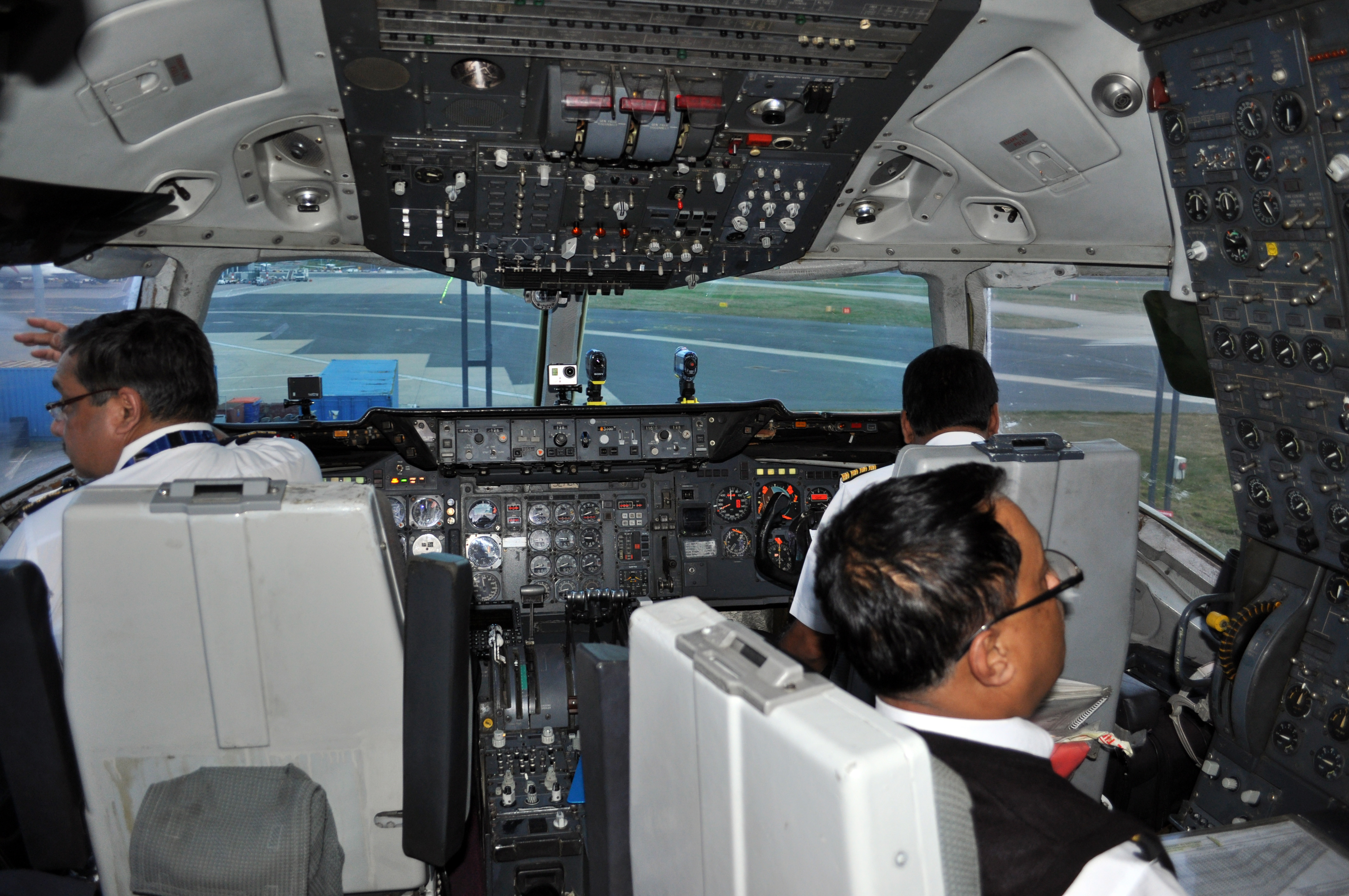
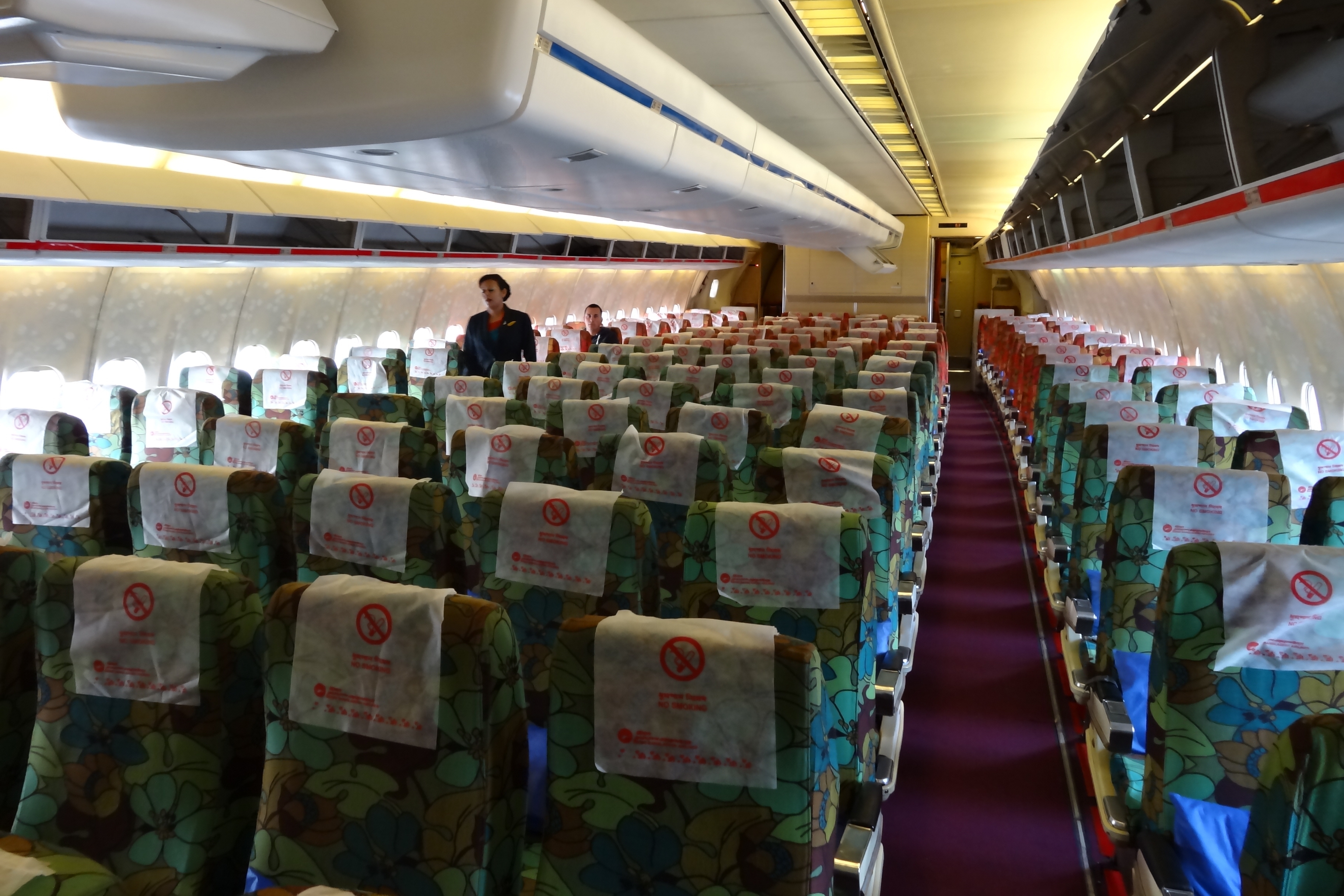
55 years of the wide-body DC-10 airliner
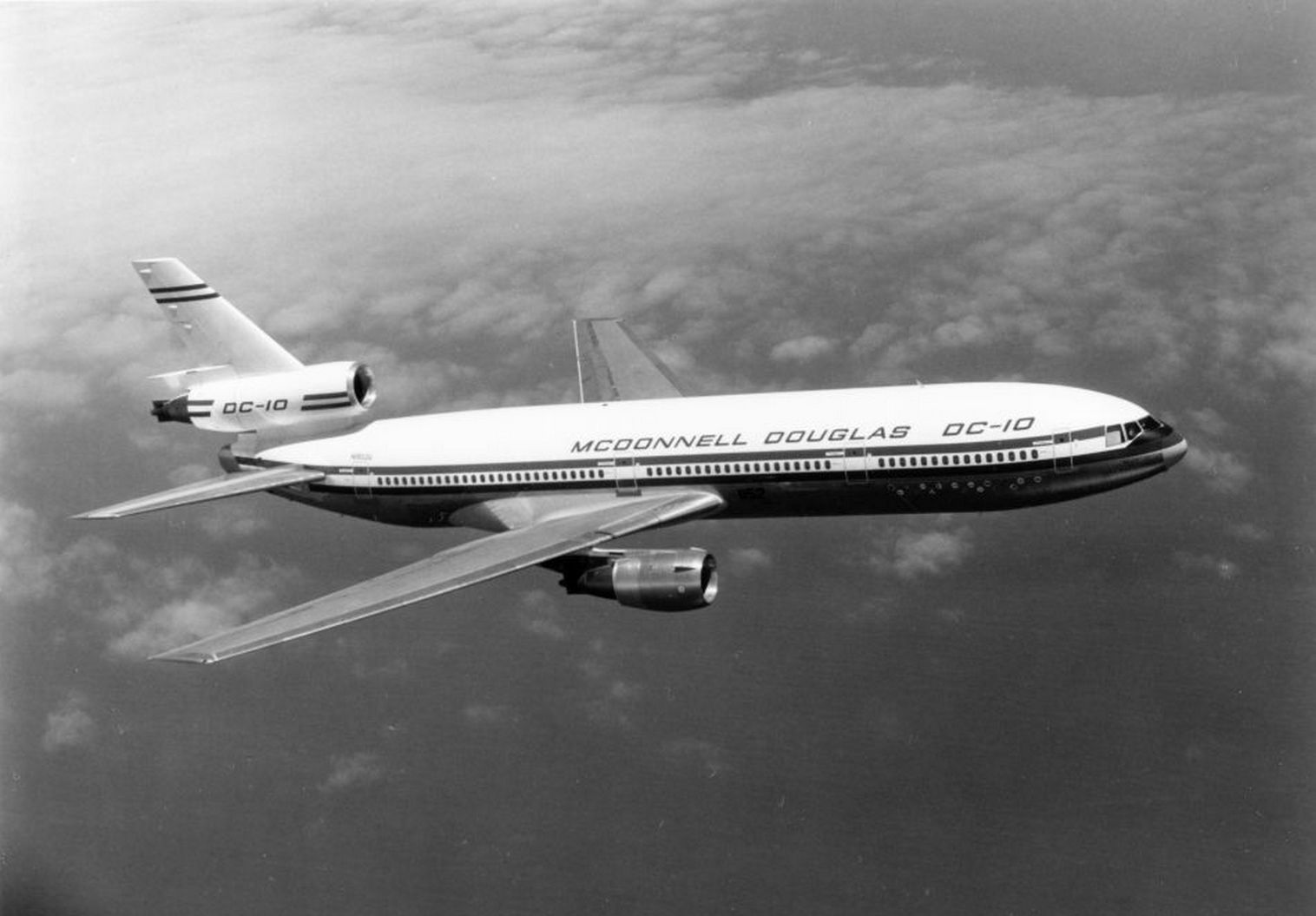
August 29 marked the 55th anniversary of the wide-body DC-10 airliner, created by the American company McDonnell Douglas Corporation. On that day in 1970, its first prototype took flight.
The aircraft was conceived as a medium-range twin-engine aircraft for domestic routes in the United States. However, in the early stages of design, the engineers added a third engine, which improved a number of flight characteristics. In addition, this allowed the aircraft to be used for transoceanic flights, as US aviation regulations at the time prohibited the operation of twin-engine aircraft on such routes.
The DC-10 was developed in fierce competition with Lockheed, which was designing the L-1011 TriStar, an airliner similar in size and layout. To speed up the work, McDonnell Douglas management brought in a number of subcontractors. In particular, the fuselage was designed by Convair.
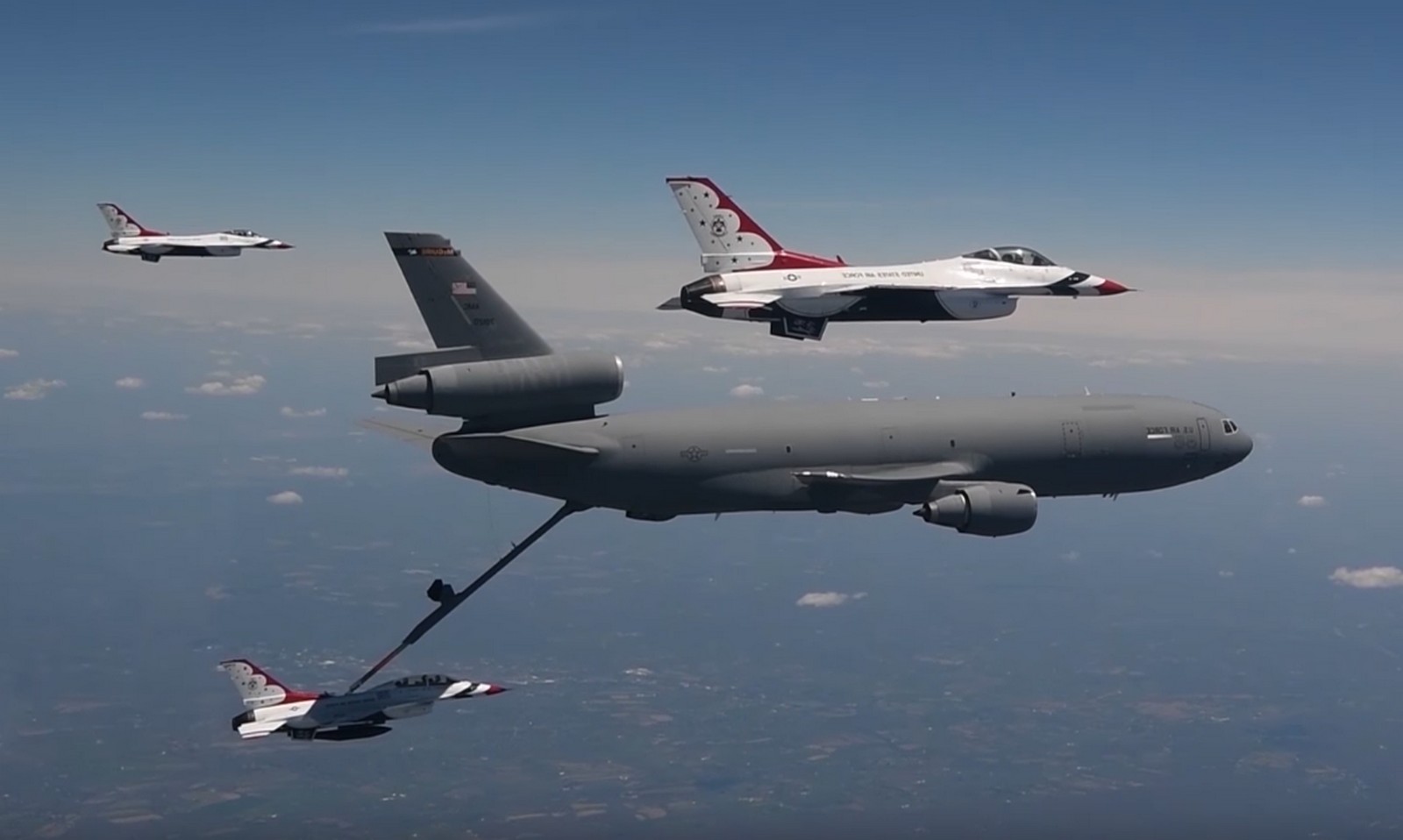
The DC-10 passed its tests quickly and received its type certificate on July 29, 1971. Serial production ceased in 1989, with a total of 386 aircraft built. Among them, in addition to nine basic civilian versions with different ranges, was the KC-10 Extender military tanker aircraft.
The DC-10-40 long-range airliner was equipped with three Pratt & Whitney JT9D turbofan engines, each with a thrust of 24 tons. It had a length of 55.5 m, a wingspan of 50.4 m, a maximum take-off weight of almost 252 t, a maximum speed of 940 km/h, and a practical range of 9,400 km. The aircraft could carry up to 380 passengers, but a two-class configuration with 270 seats was more common.
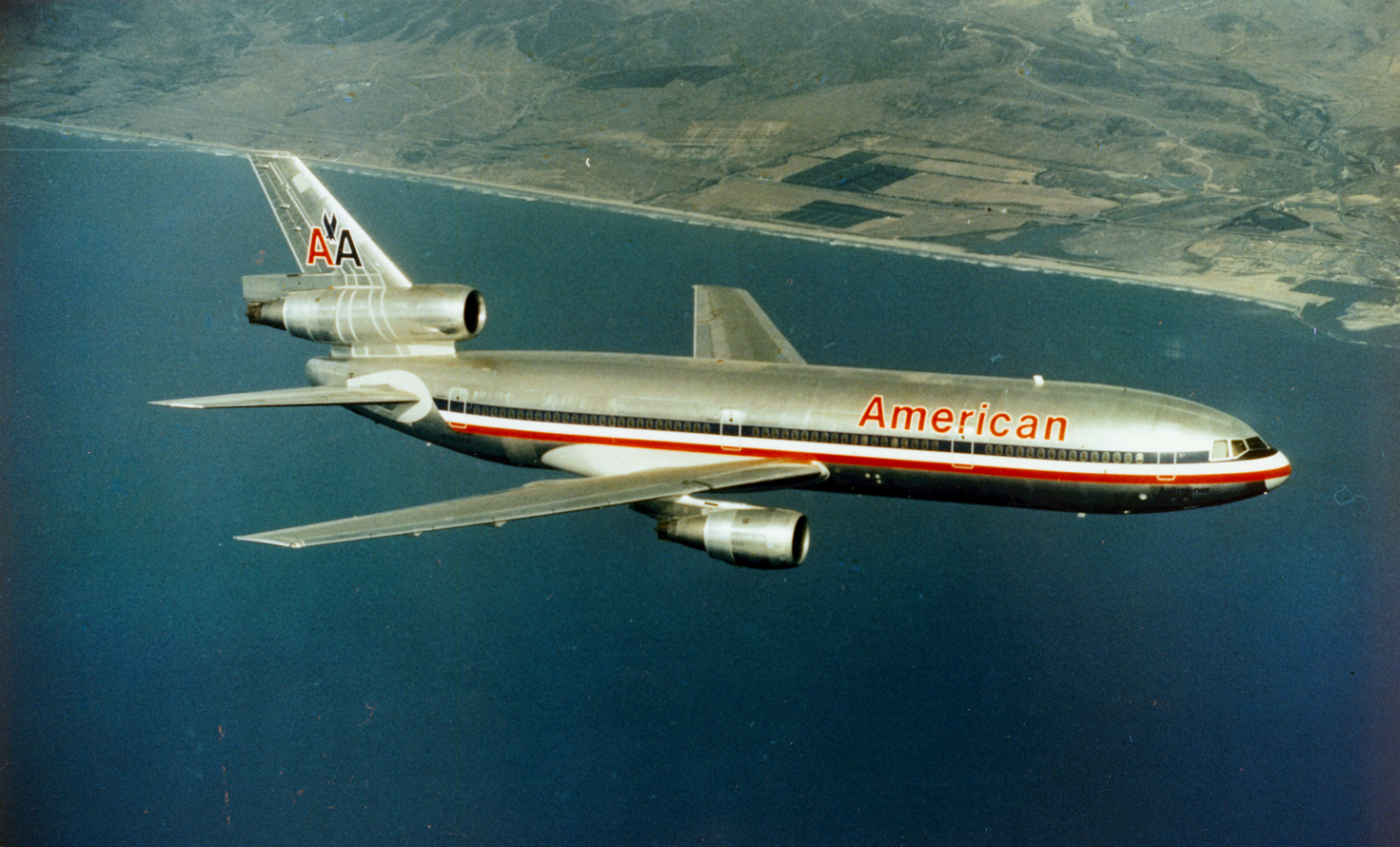
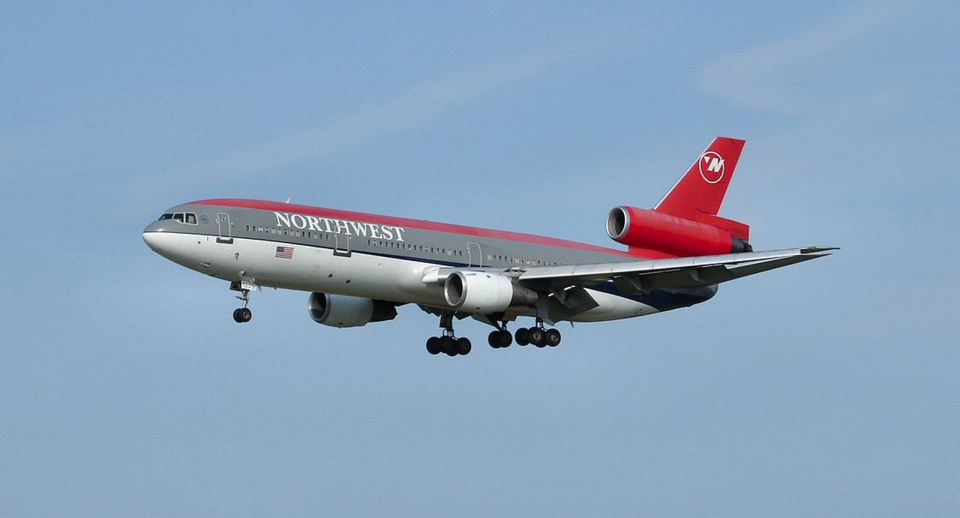
In August 1971, American Airlines began operating the DC-10. It seemed that the aircraft was living up to the expectations of both carriers and the manufacturer—its competitor, the L-1011, did not enter service until the following year, and orders for it were significantly lower. However, on June 12, 1972, during a routine flight, the door of the American Airlines airliner's cargo hold blew off in midair. The explosive decompression damaged the passenger cabin floor and the control system wires running through it. It was only by a miracle that the crew made a successful emergency landing.
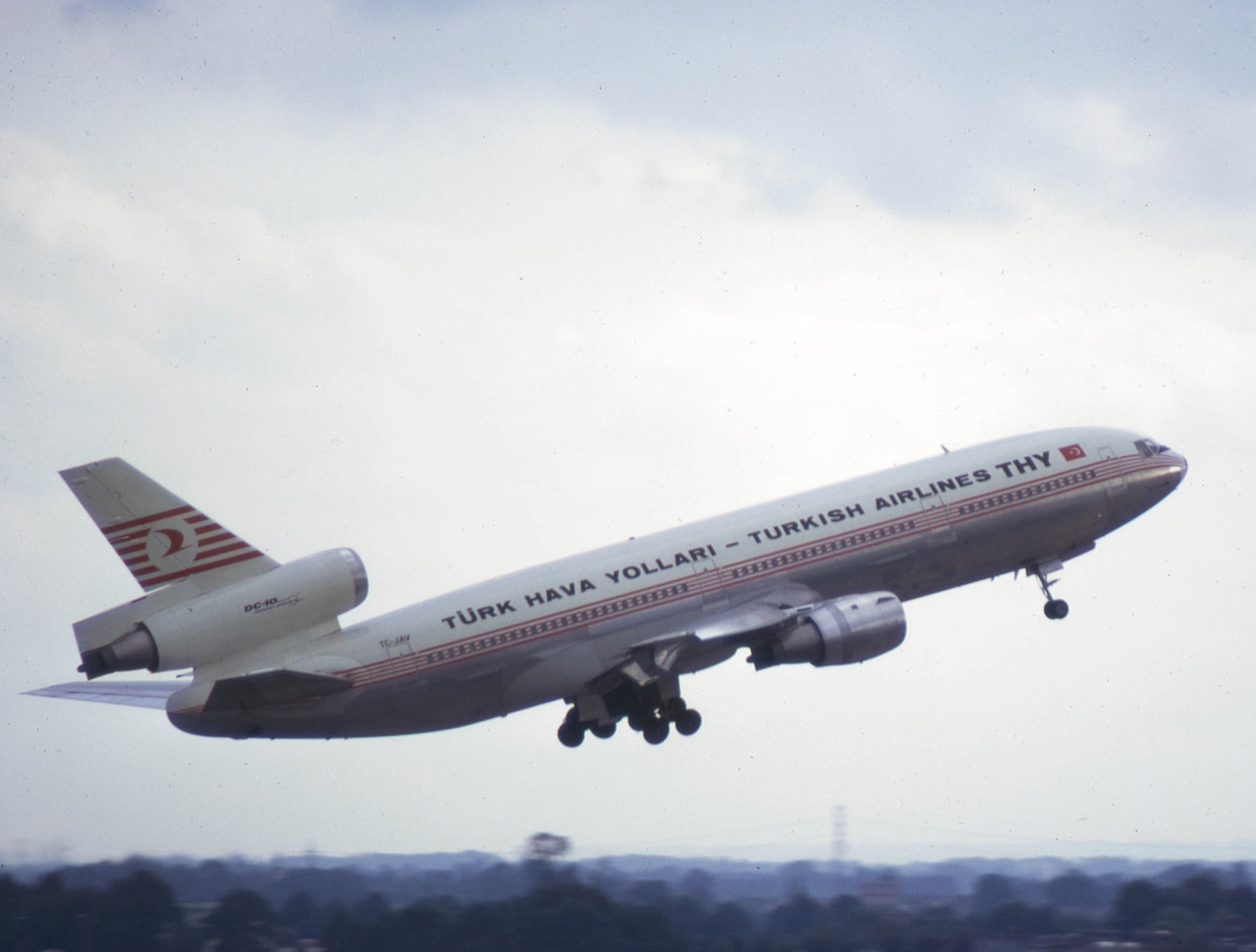
Problems with the cargo doors were discovered during testing. There were long disputes between McDonnell Douglas and Convair over their redesign, and certain design changes were made, but the problem remained unresolved. This led to several more incidents, the most horrific of which was the crash of Turkish Airlines Flight 1010 on March 3, 1974, which killed 346 people and was the deadliest in the world at the time. The DC-10 suffered a series of accidents and crashes for other reasons as well. Although the aircraft's shortcomings were eventually eliminated and its reliability improved significantly, its reputation was damaged, leading to the premature termination of serial production.
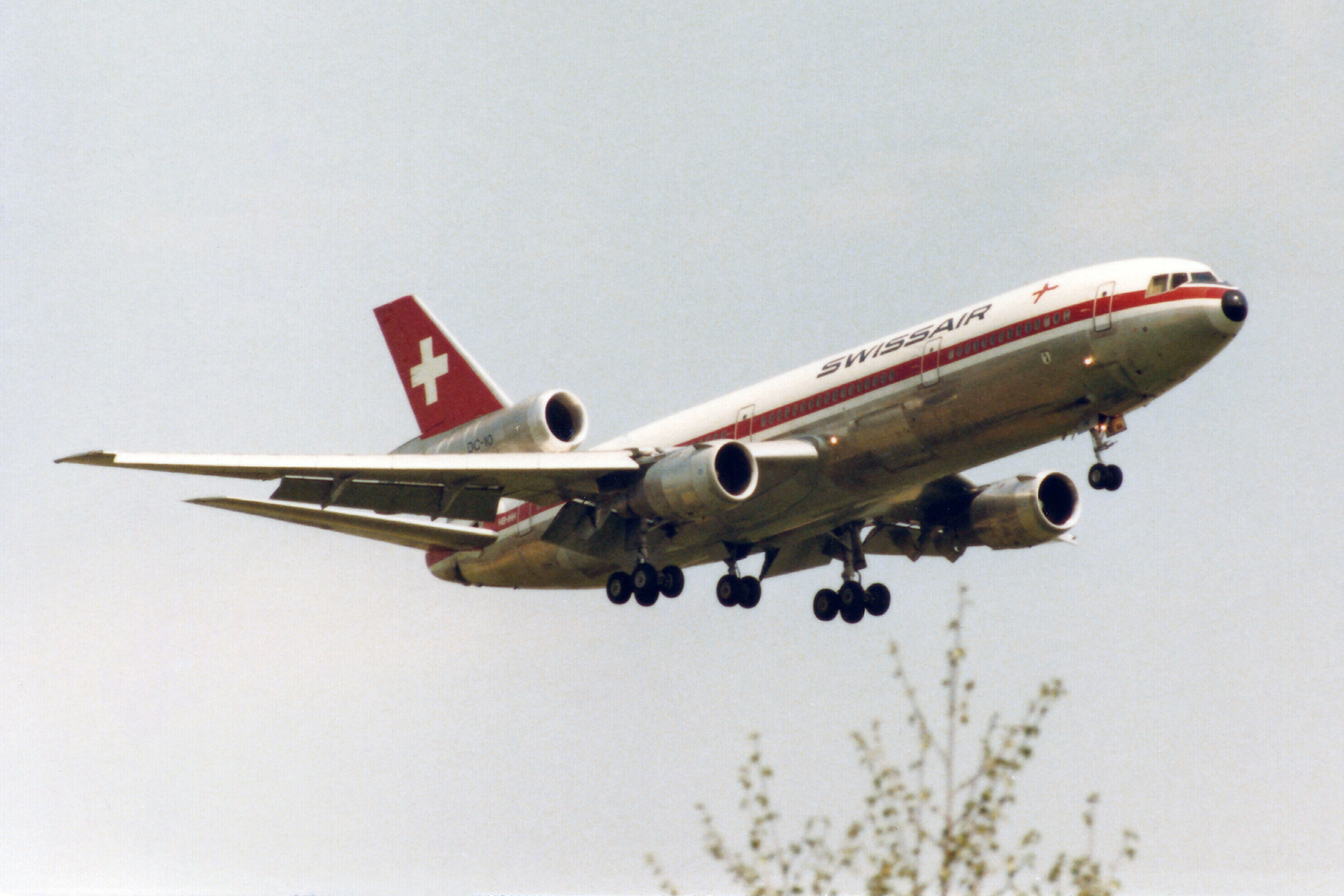
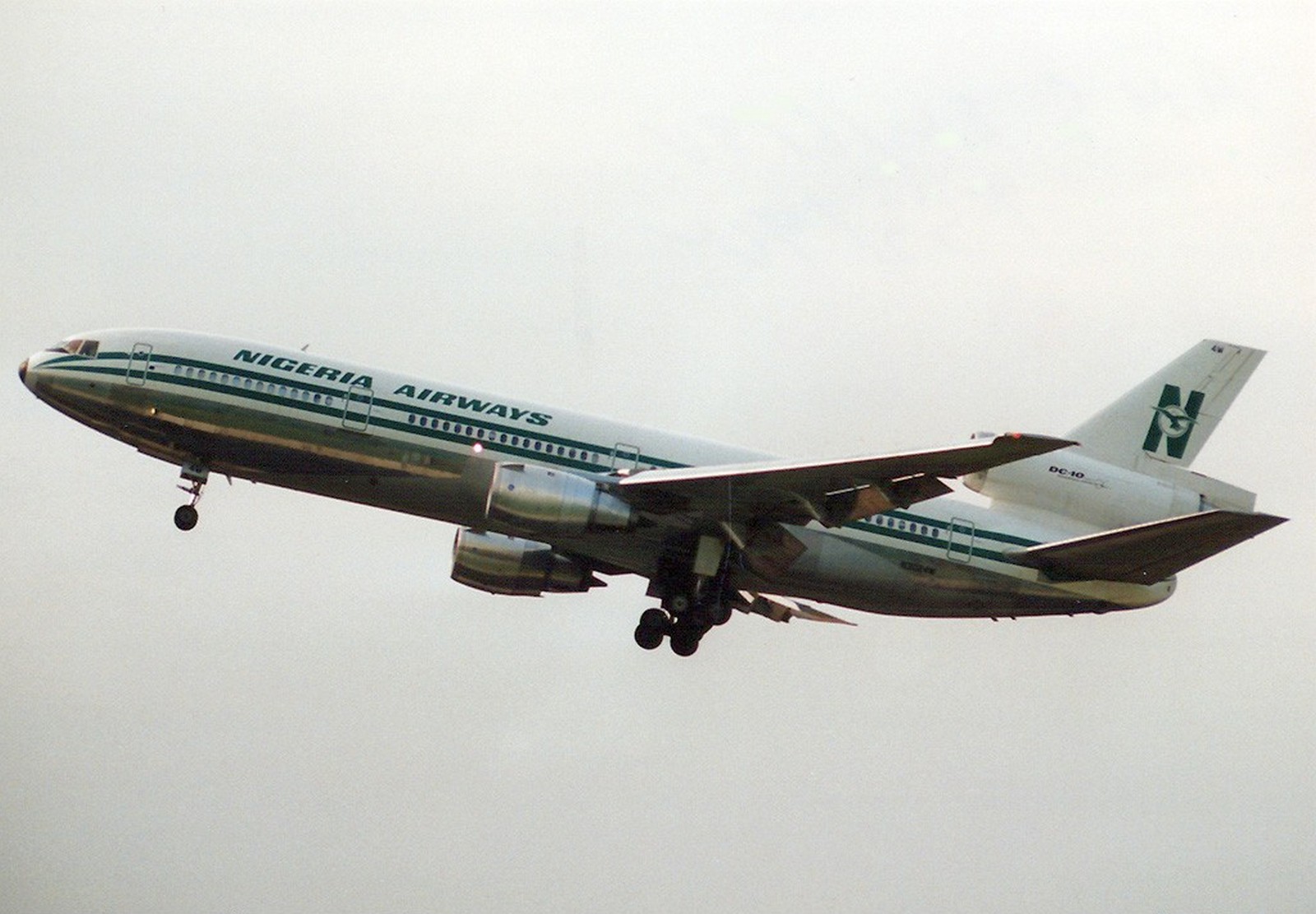
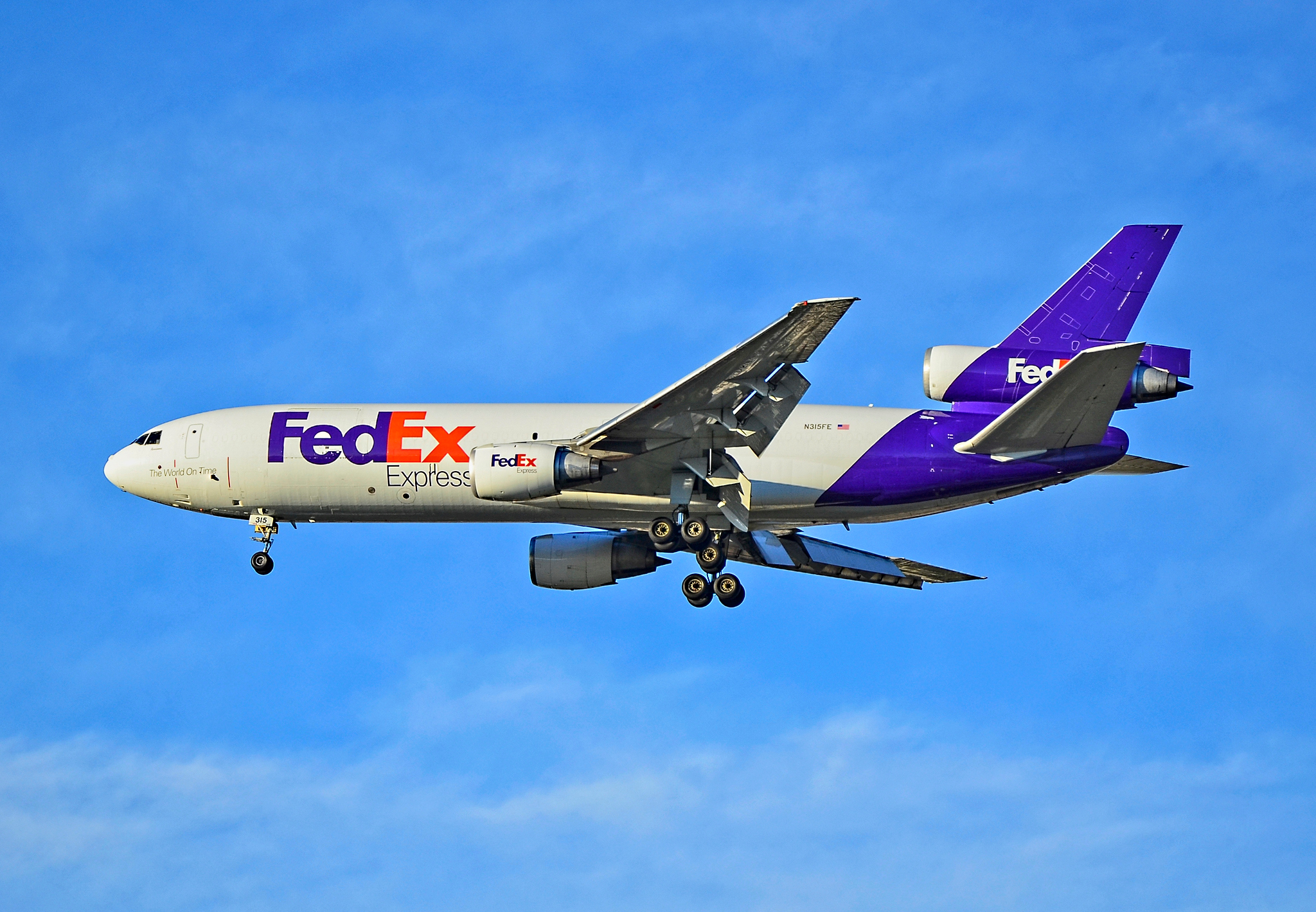
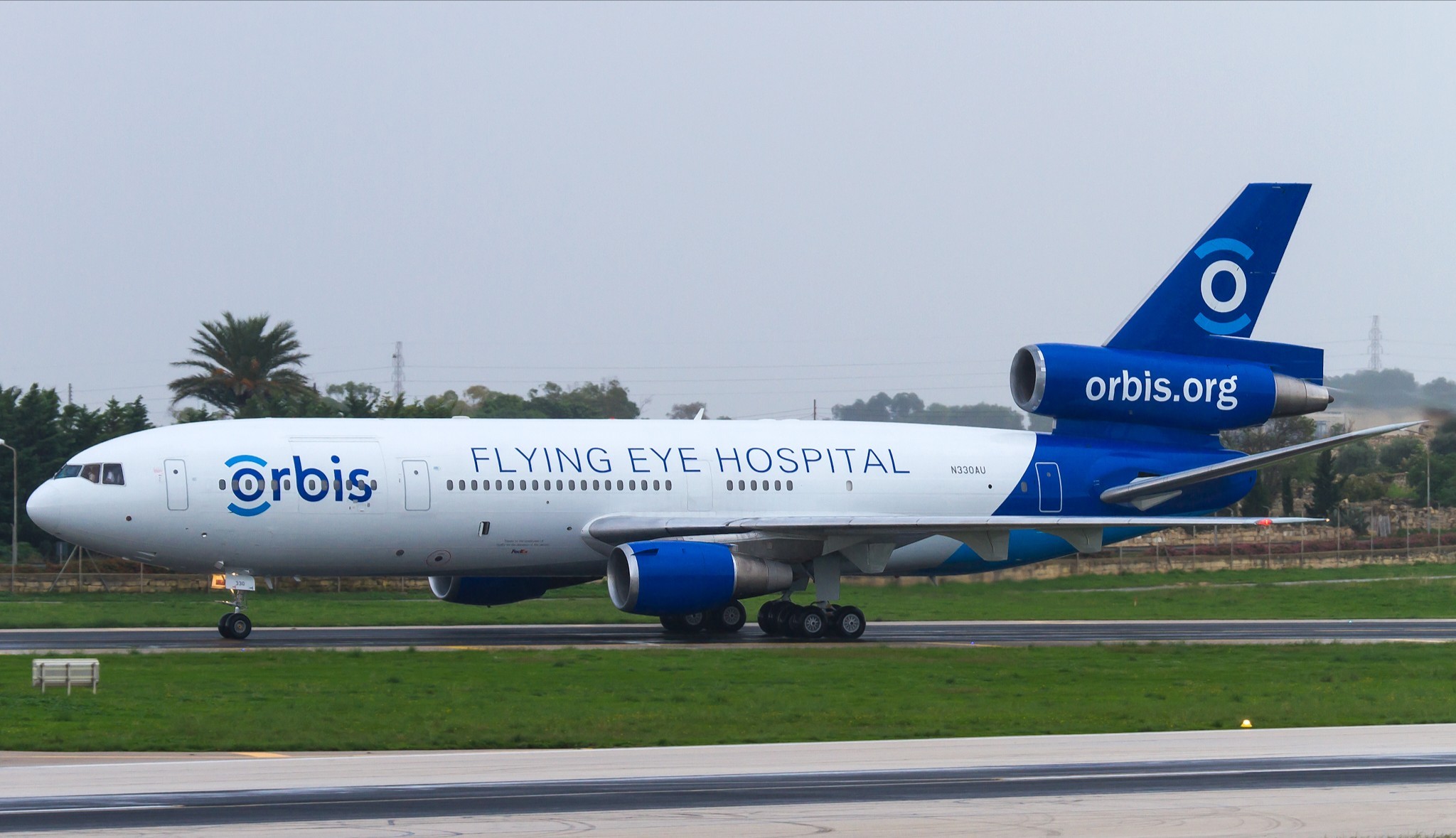
The aircraft began to be actively removed from passenger airlines and transferred to cargo transportation. Nevertheless, the DC-10 became widely used around the world. In total, operators in more than 50 countries outside the US purchased it, including Brazil, the UK, Mexico, Nigeria, Germany, Romania, Saudi Arabia, Turkey, the Philippines, Switzerland, and Japan. In 2024, the US Air Force stopped using KC-10 tankers. As of early 2025, only two airlines continued to operate DC-10 cargo planes. In addition, four aircraft remained in service, converted for fighting forest fires, and the international organization Orbis International used one DC-10-30 as a flying ophthalmology clinic.