Fan-page
 Youtube
 TikTok
 Aviamuseum
 State Aviation Museum
The plane crash with the highest number of victims on board a single aircraft
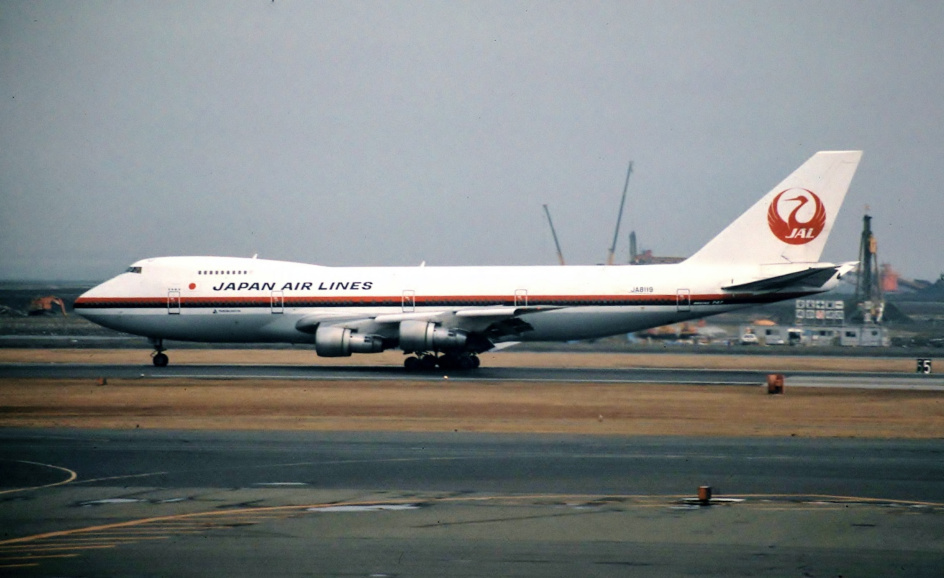
August 12 marked the 40th anniversary of the deadliest plane crash in history. On that day in 1985, a Boeing 747SR-46 wide-body airliner crashed into a mountain in Japan.
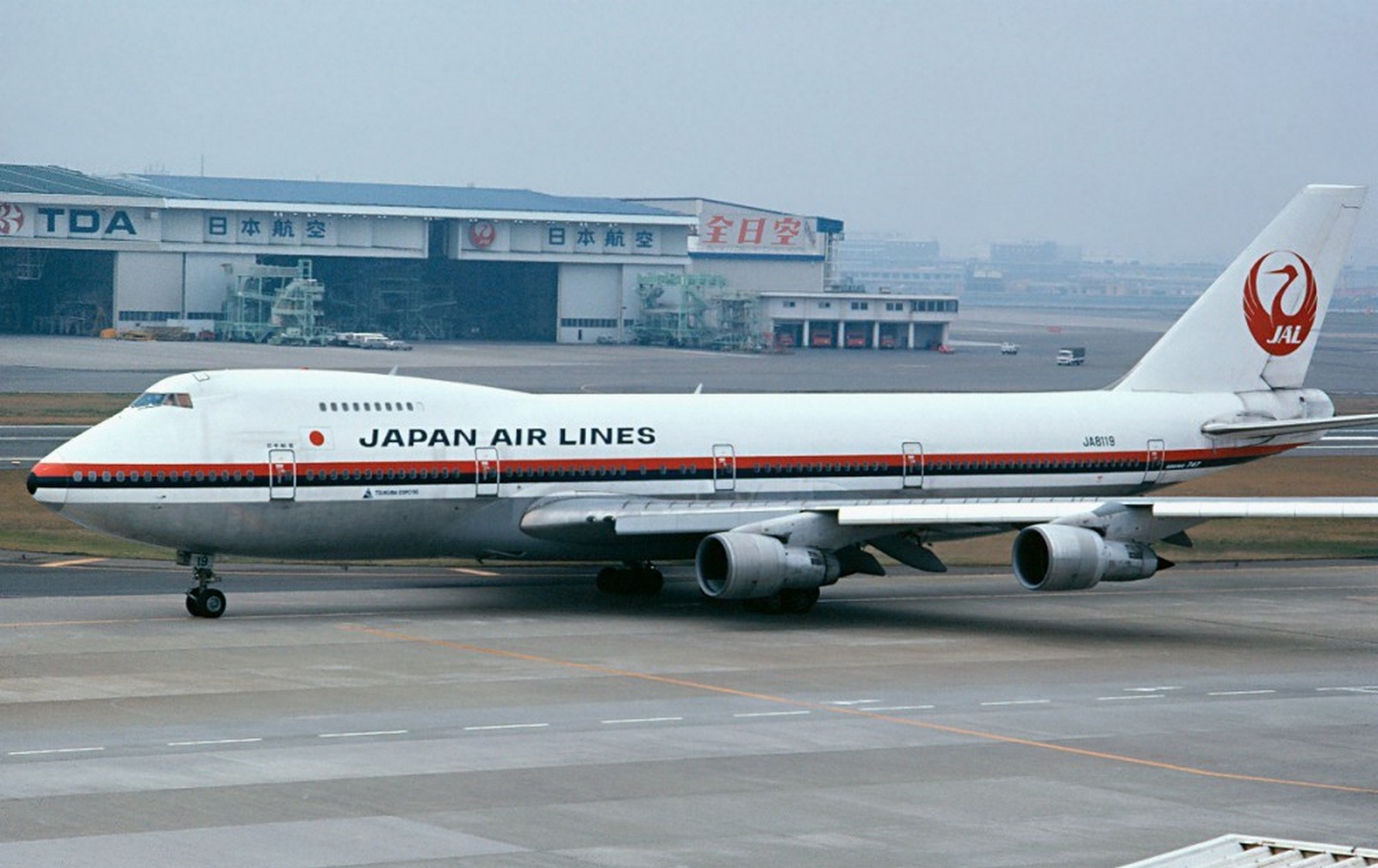
The Japan Airlines plane was operating flight JAL 123 on the Tokyo-Osaka route. It was piloted by a crew of three led by experienced captain Masama Takahama, who had 12,423 hours of flight time. There were 509 passengers on board, served by 12 flight attendants. A total of 524 people were on board.
The Boeing 747SR-46 was a variant created at the request of Japanese airlines for relatively short domestic flights. Flight JA8119 (serial number 20783) was not new – built in early 1974, it had flown more than 25,000 hours and made 18,835 landings.
At 18:12 local time, the airliner took off from Tokyo's Haneda Airport. Twelve minutes later, at an altitude of 7,200 meters, the passengers and crew heard a sound similar to an explosion, after which the fuselage depressurized. Ten seconds later, the flight engineer reported that pressure was dropping in all four hydraulic systems. Very soon, the plane stopped responding to the pilots' control inputs. The pilots tried to control it by changing the thrust of different engines. For over half an hour, they tried to save the plane and everyone on board.
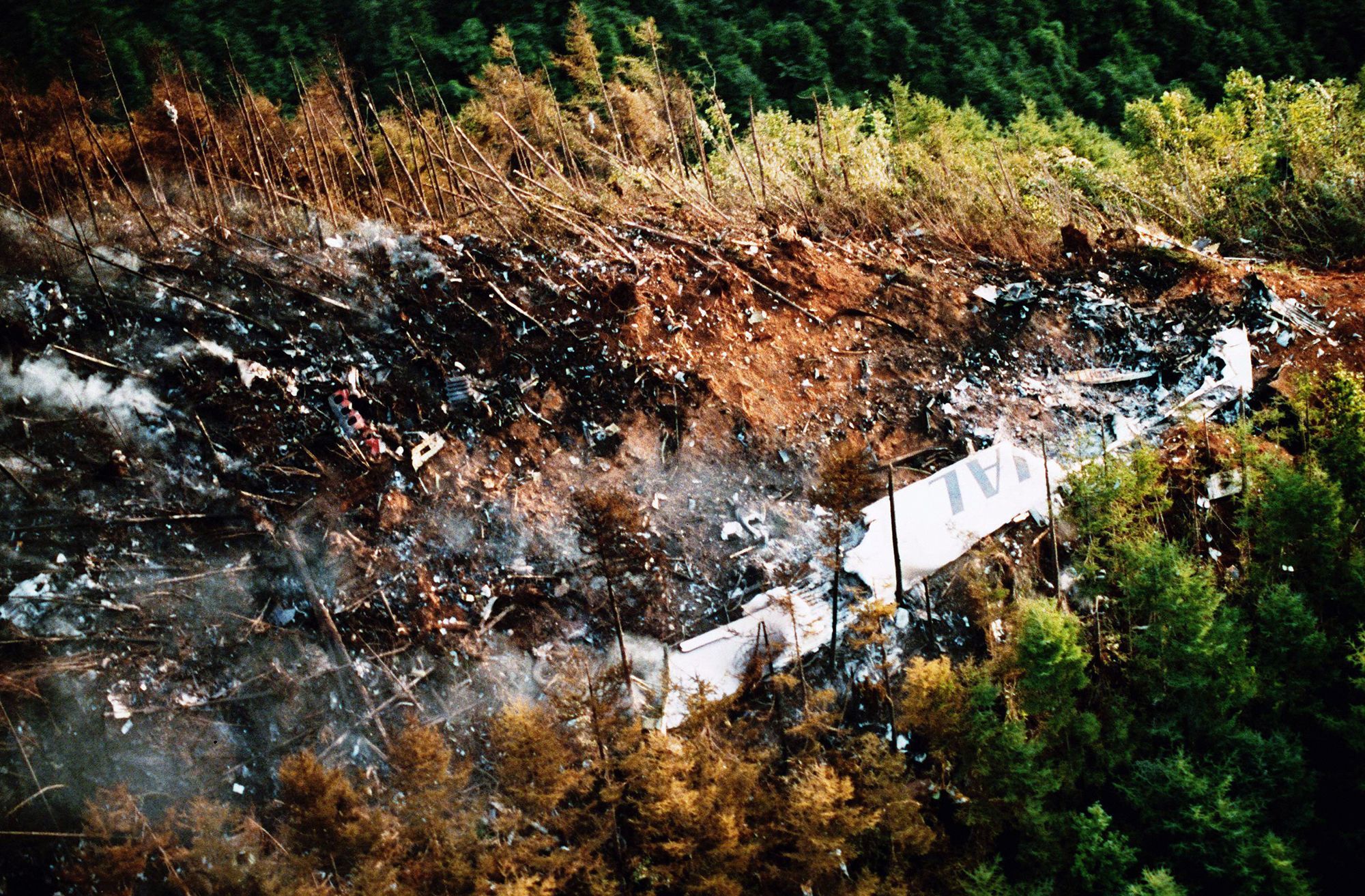
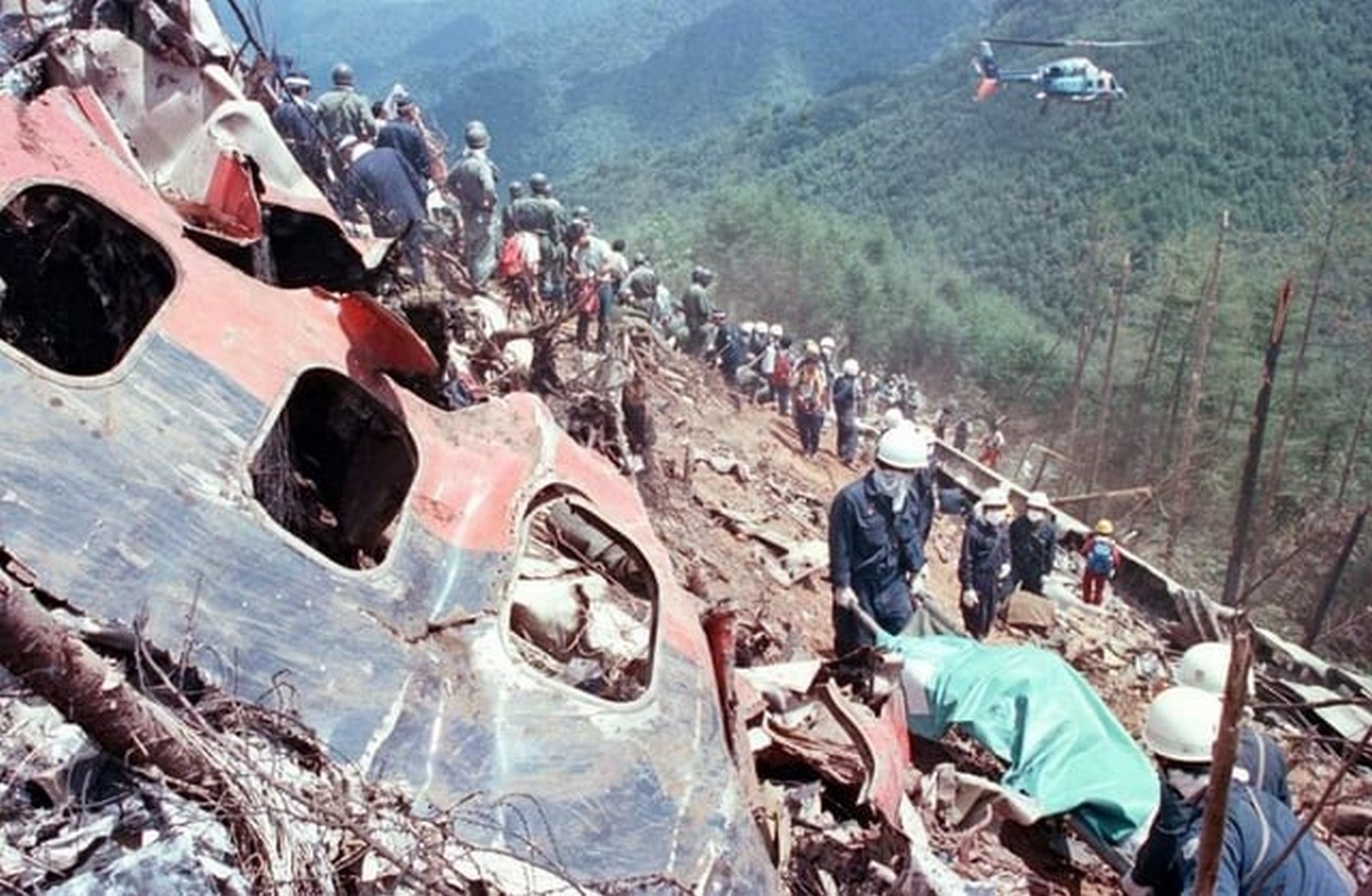
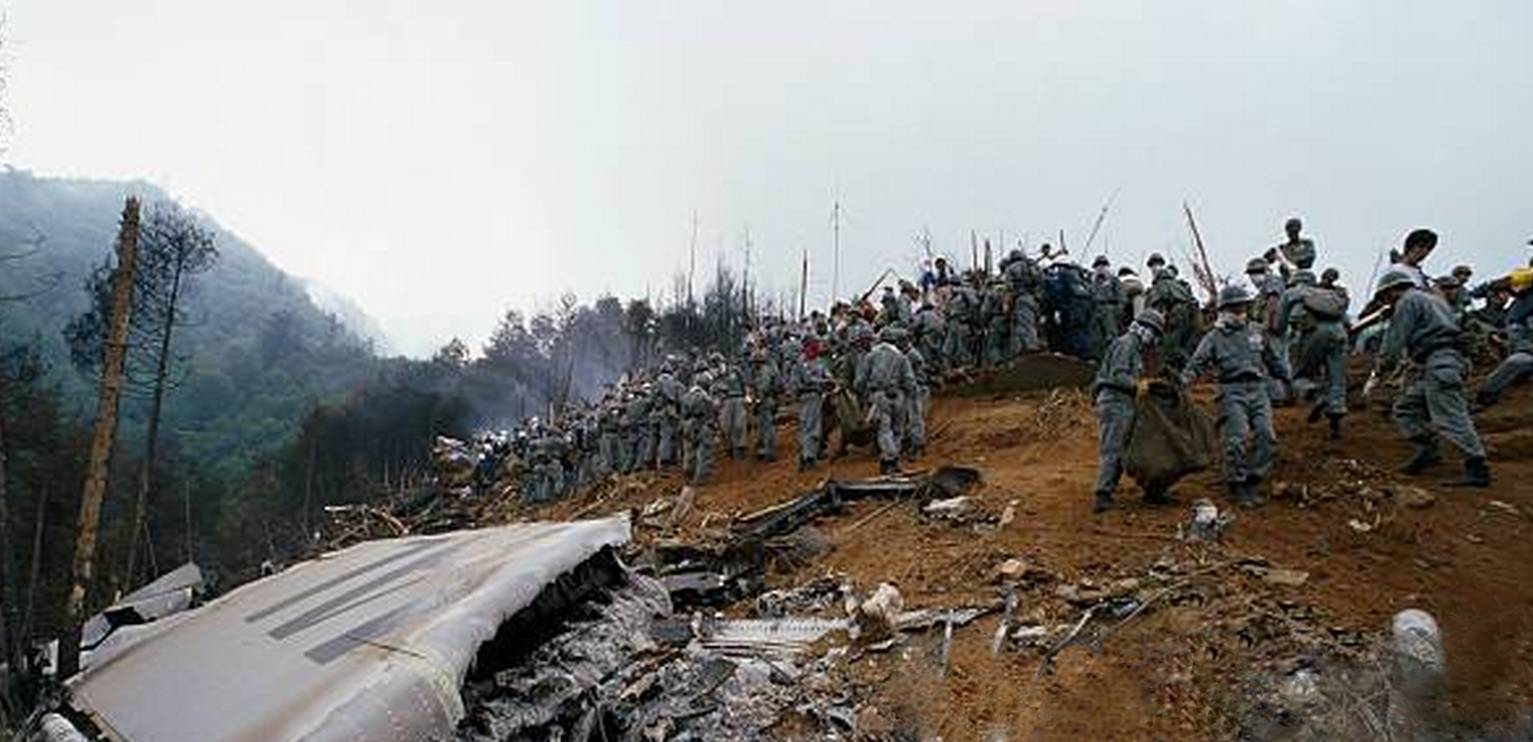
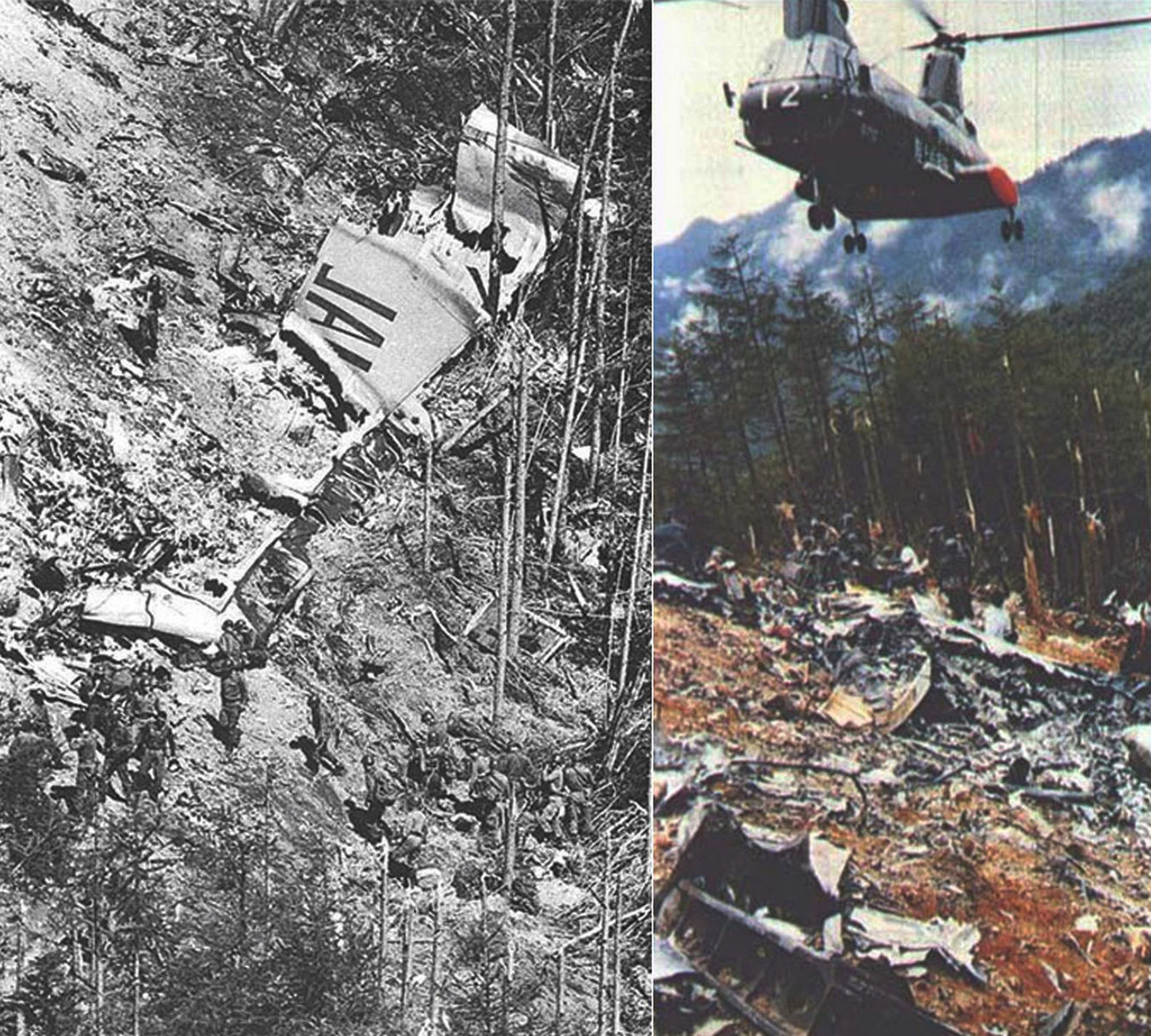
But at 6:56 p.m., the Boeing crashed into Mount Takamagahara, 112 km northwest of Tokyo. Several dozen people survived the crash, although all suffered serious injuries. However, rescuers did not arrive at the crash site until the next day, and most of the victims died before help arrived. Only two women and two little girls survived. The tragedy claimed the lives of 520 people.
An investigation into the disaster revealed that it was caused by the destruction of the aft bulkhead, which led to explosive decompression, a breach in the hydraulic system pipes, and the detachment of almost the entire keel. The bulkhead was destroyed due to poor-quality repairs that were carried out in violation of Boeing's technical guidelines.