Fan-page
 Youtube
 TikTok
 Aviamuseum
 State Aviation Museum
July 28 marked the 90th anniversary of the B-17 Flying Fortress heavy bomber
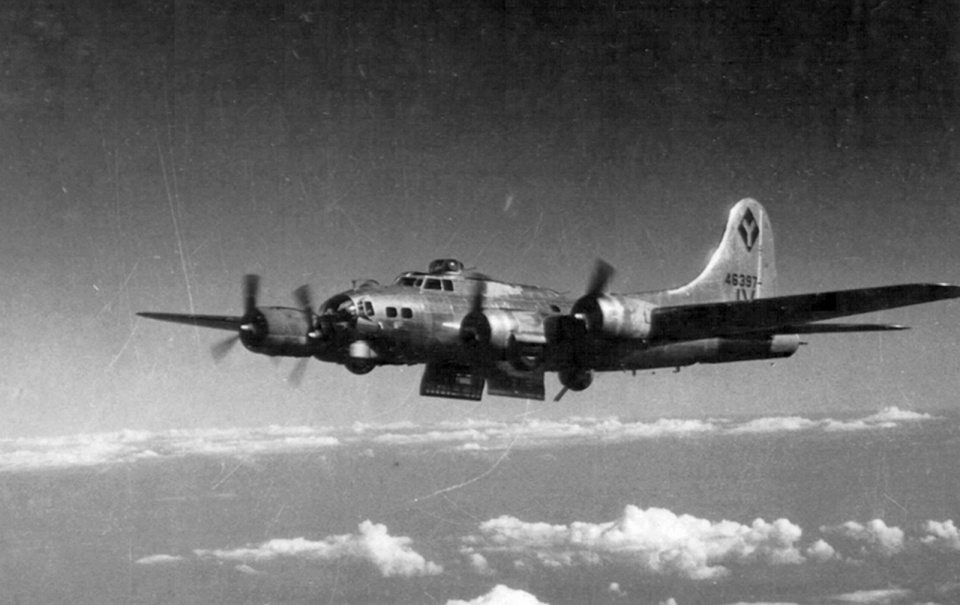
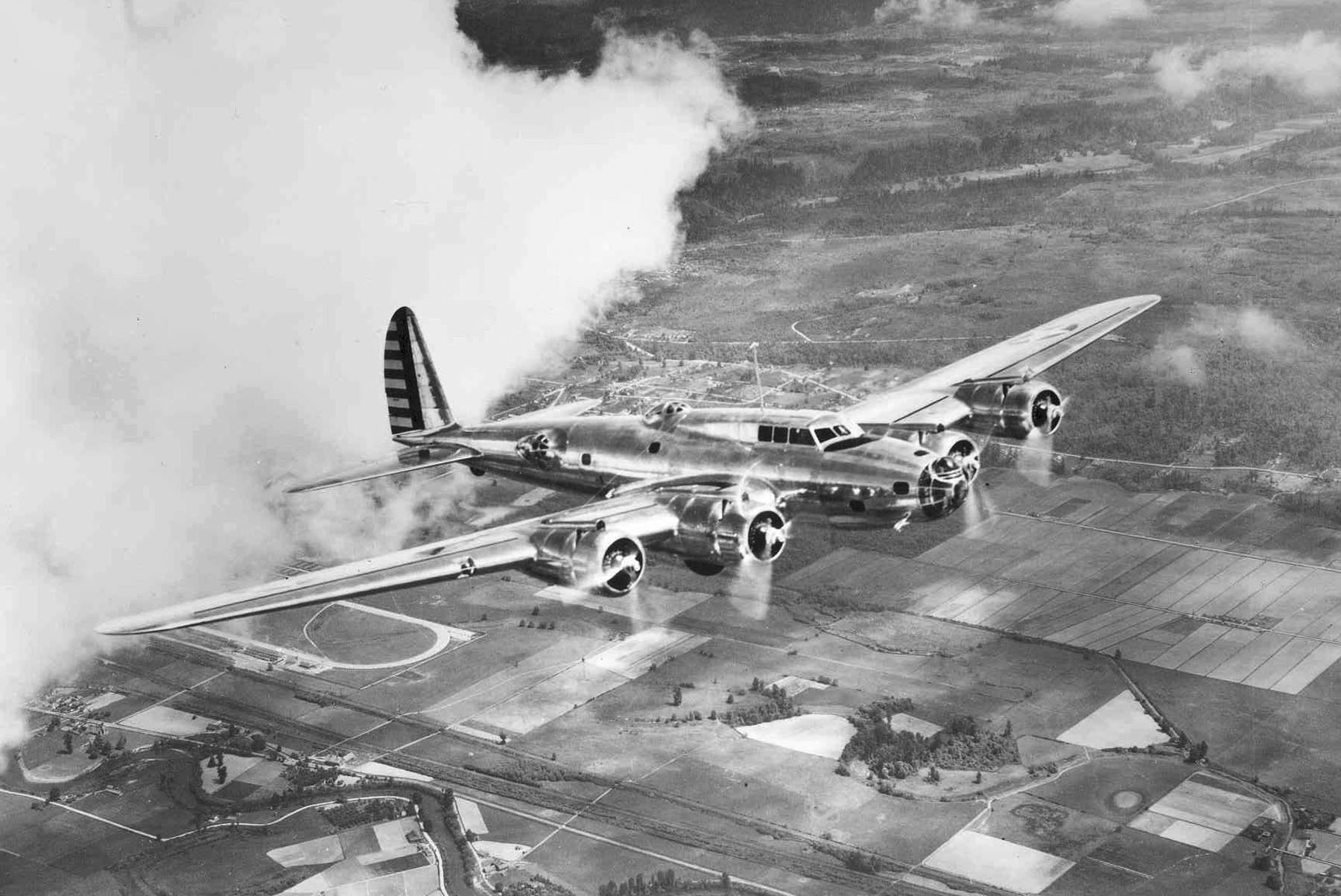
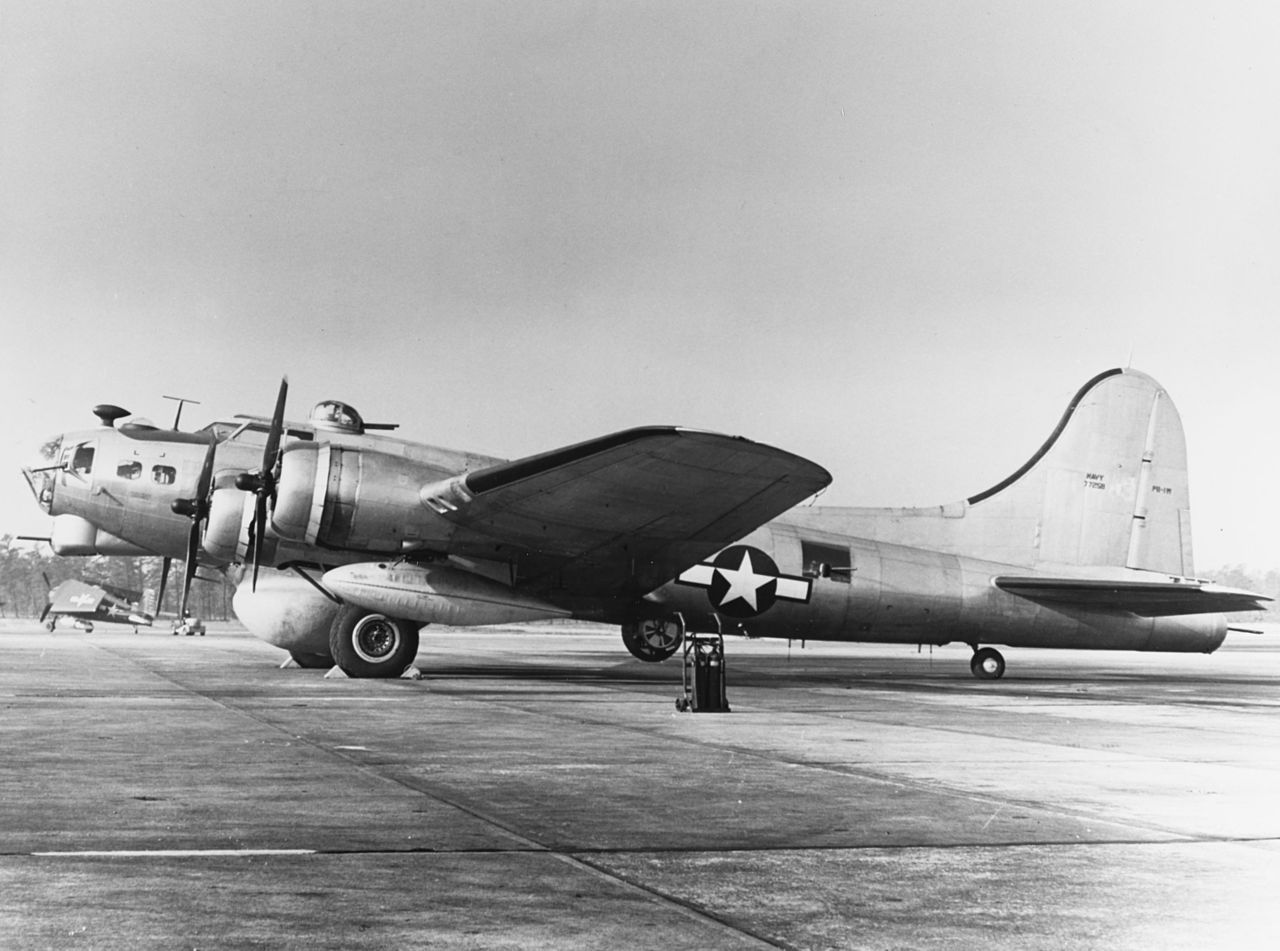
July 28 marked the 90th anniversary of the B-17 Flying Fortress heavy bomber, created by the American company Boeing. On that day in 1935, its first prototype, the Boeing Model 299 experimental aircraft, took to the skies. The name “Flying Fortress” was coined by journalist Richard Williams when he first saw the bomber with machine guns sticking out on all sides.
The B-17 was created at the request of the US Army Air Corps, which needed a heavy bomber that could reinforce units at remote bases in Hawaii, Alaska, and Panama. The program was nearly shut down after the first prototype crashed on October 30, 1935. However, it quickly became clear that it was due to an unfortunate mistake by the crew. Overall, the military saw that the aircraft was very promising and ordered a pre-production batch in January 1936. Full-scale production began the following year, and by July 1945, 12,731 units had been built.
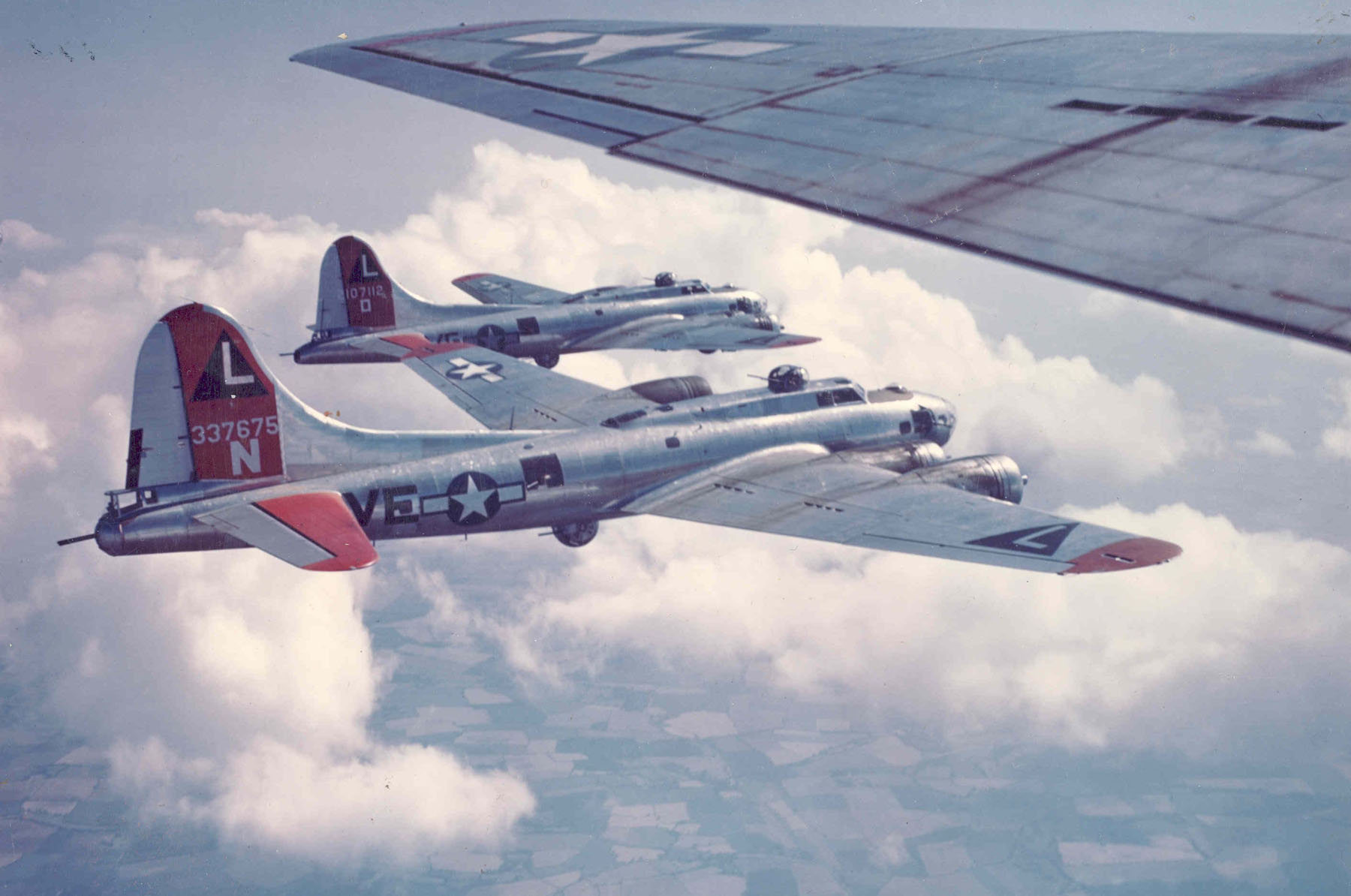
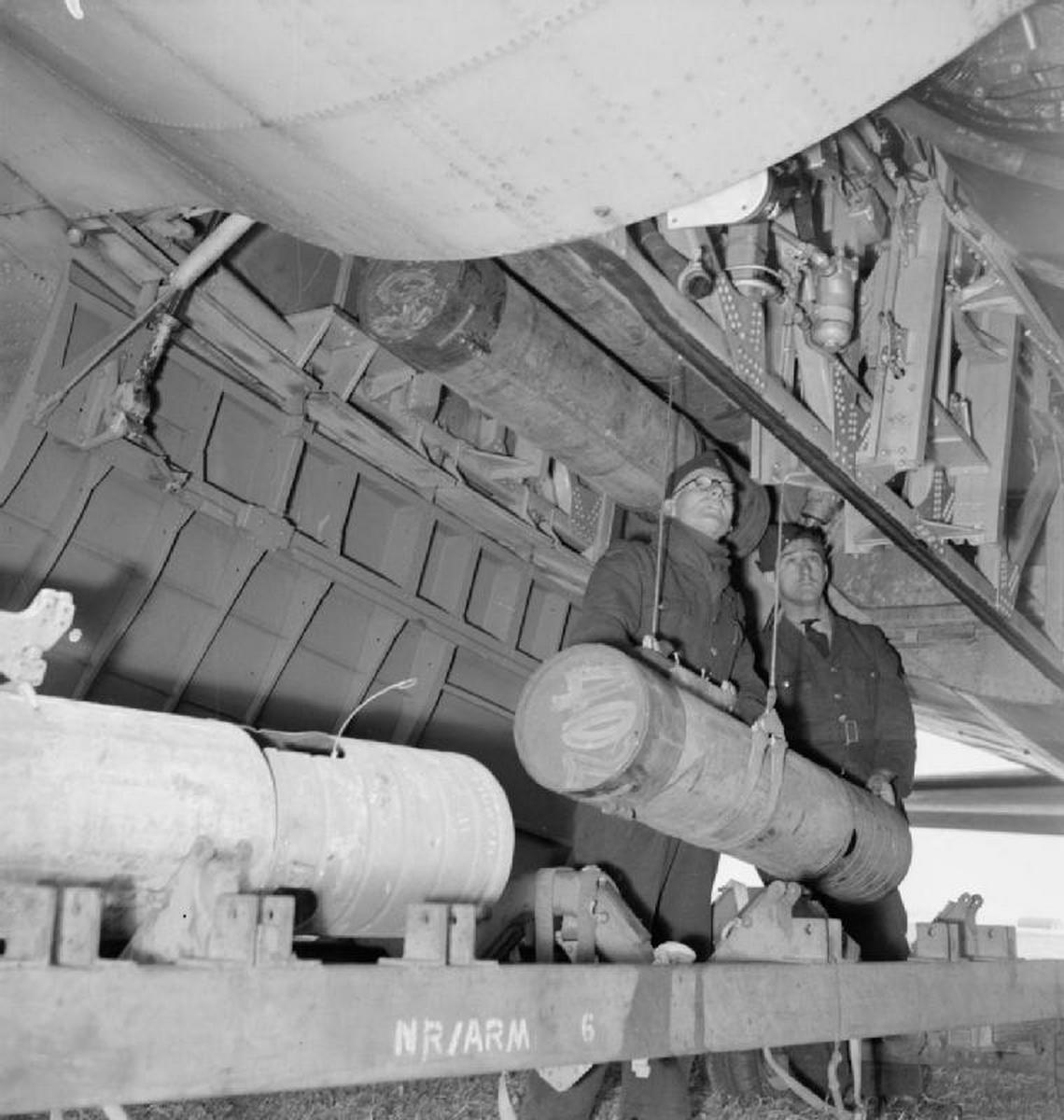
There are 13 known basic variants of the Flying Fortress, each with its own modifications. The most numerous variant (8,680 units) was the B-17G, which was equipped with four Wright R-1820-97 Cyclone air-cooled radial engines with a power of 1,200 hp each. It had a length of 22.66 m, a wingspan of 31.62 m, a maximum take-off weight of 29,700 kg, a maximum speed of 462 km/h, and a range of over 6,000 km. The aircraft could carry up to 7,800 kg of bombs over short distances and no more than 2,000 kg over 1,300 km. Its defensive armament consisted of 13 12.7 mm machine guns. The crew consisted of 10 people.
The US Army Air Corps received its first B-17s in 1939. In particular, the aircraft were used for maritime patrols, and the first combat use of the “Flying Fortress” took place even before America entered World War II. On October 27, 1941, one B-17 dropped bombs on a German submarine but missed.
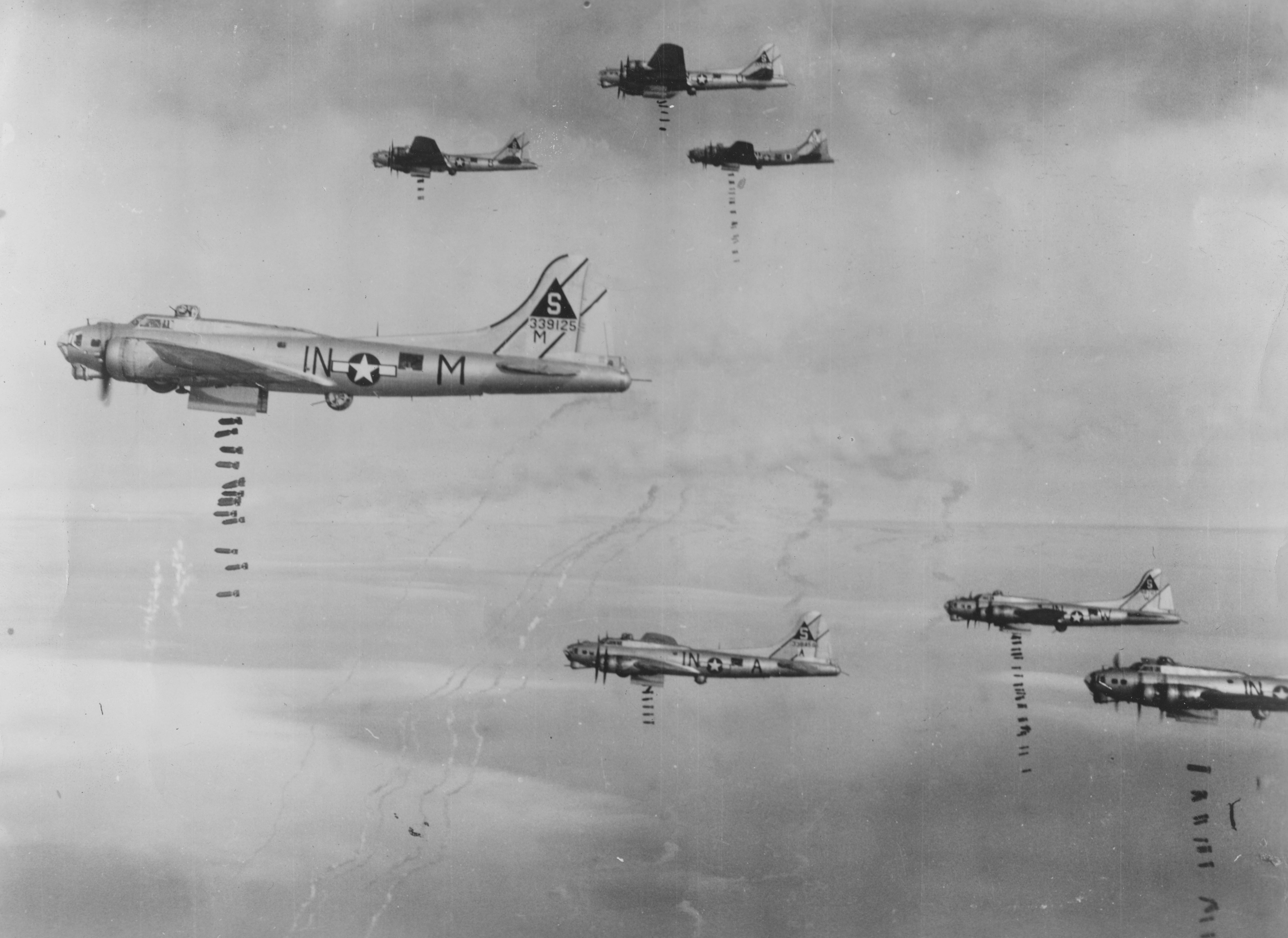
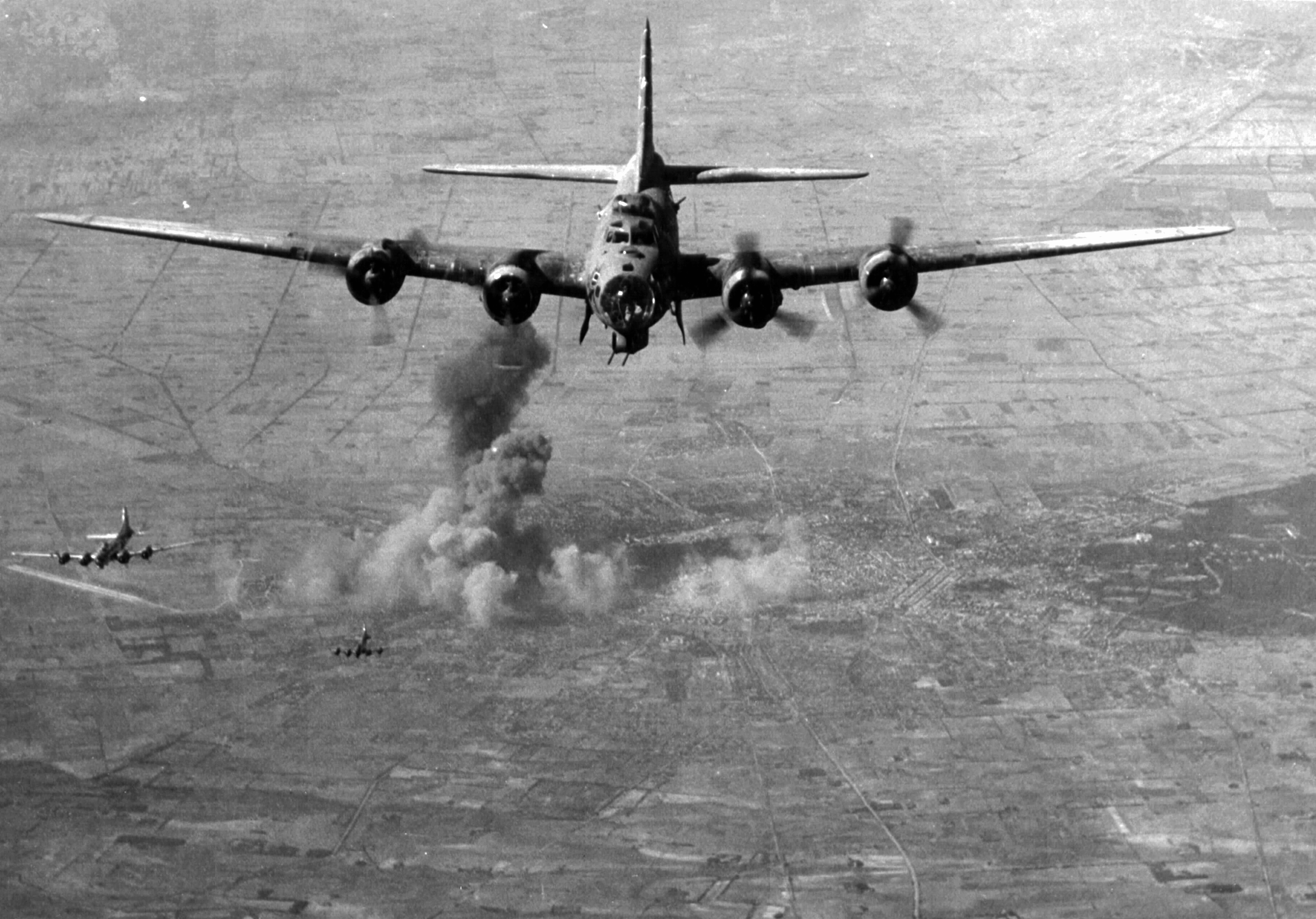
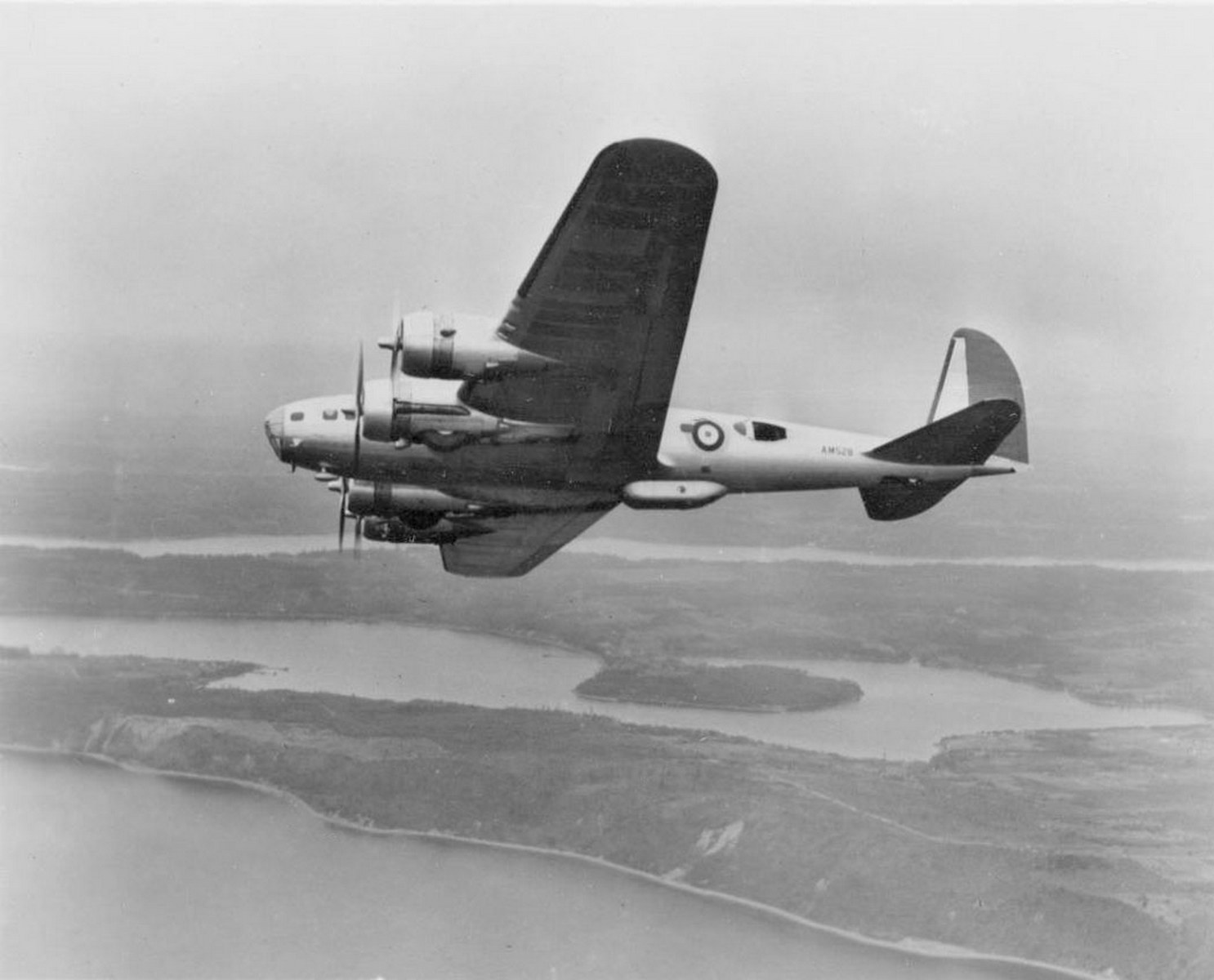
During the war, B-17s were used in most theaters of war. In addition to the United States, they were actively used by Britain. The massive raids of the “Flying Fortresses” on Germany were particularly devastating, which is covered in a separate article on our website. Overall, the aircraft earned a very high reputation among its crews and is rightly considered one of the legendary machines in aviation history.
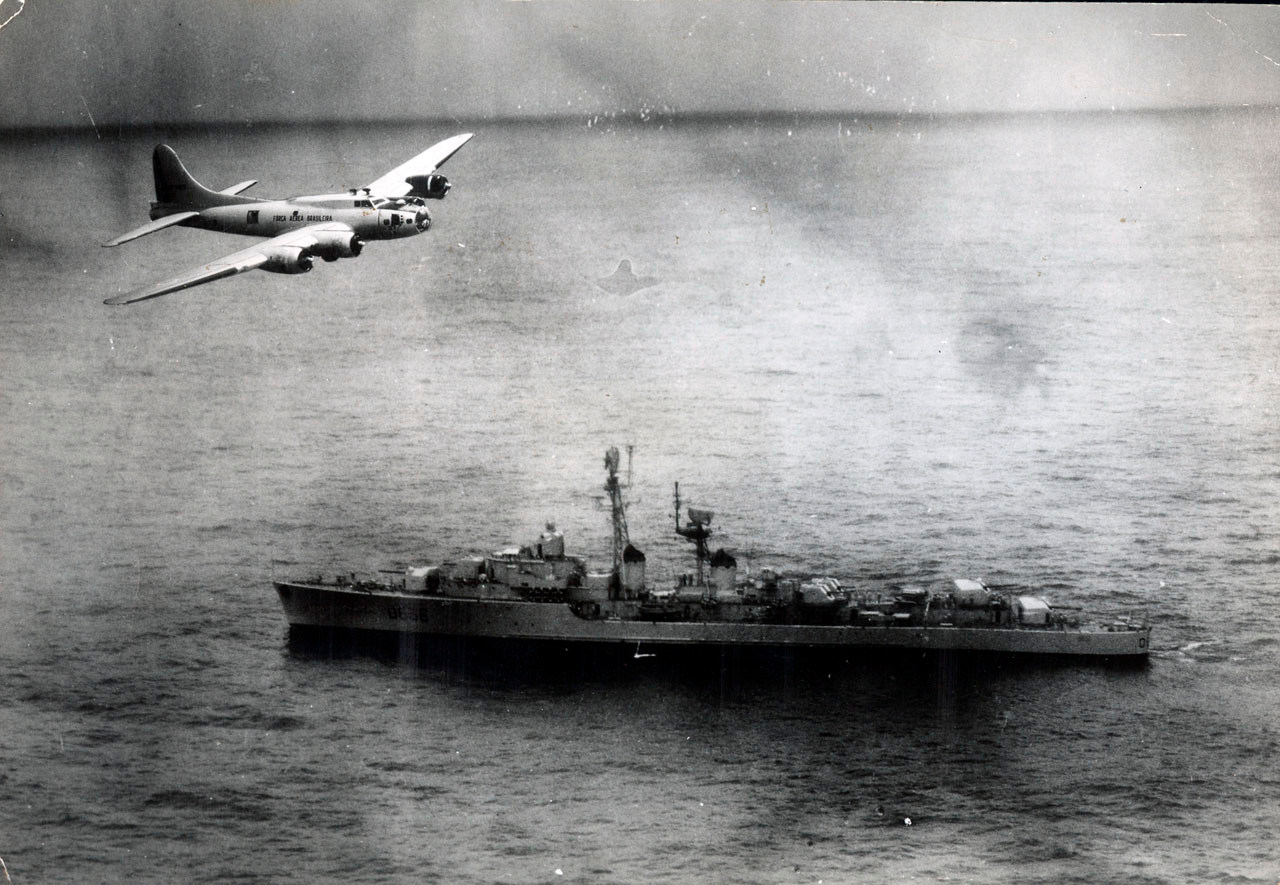
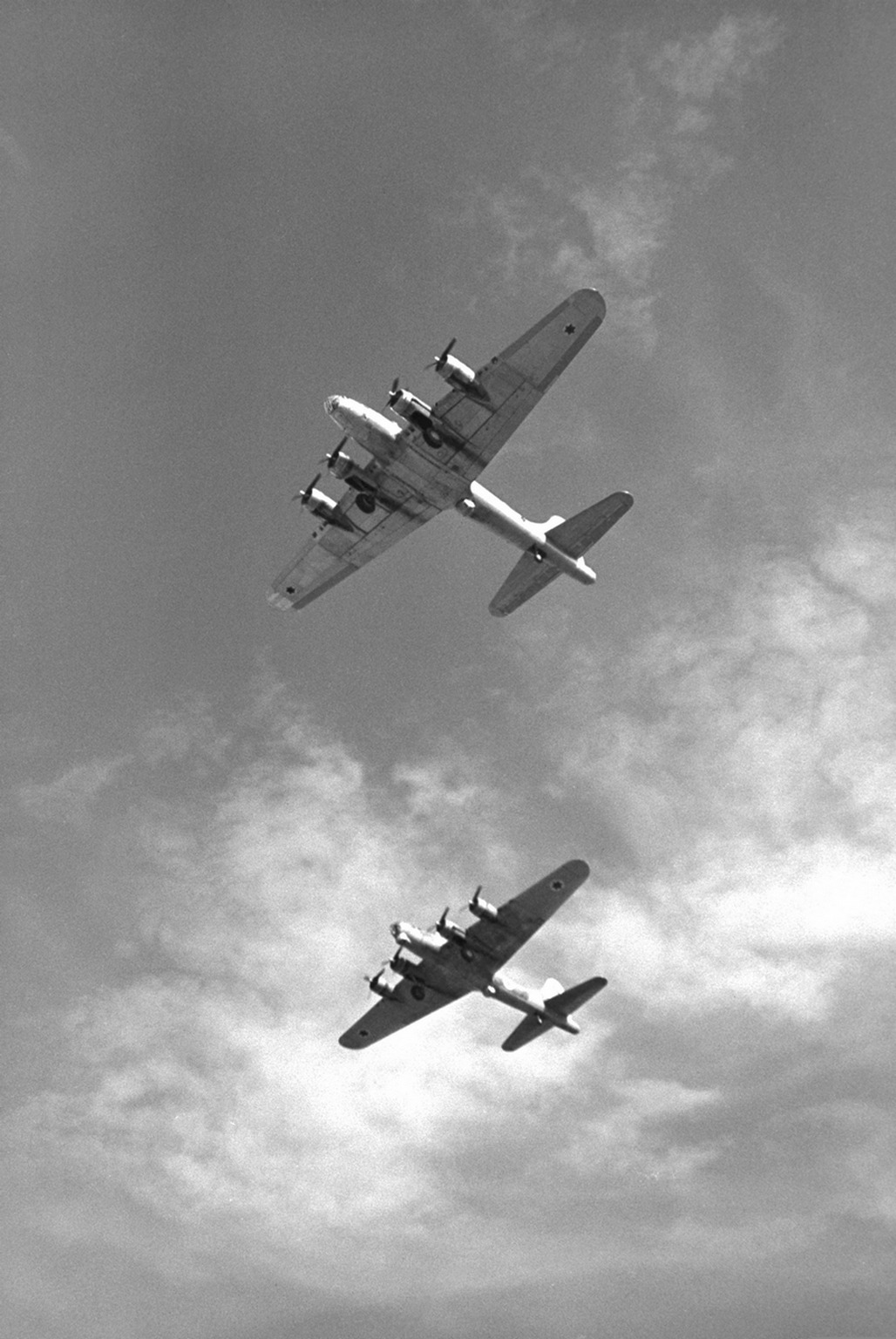
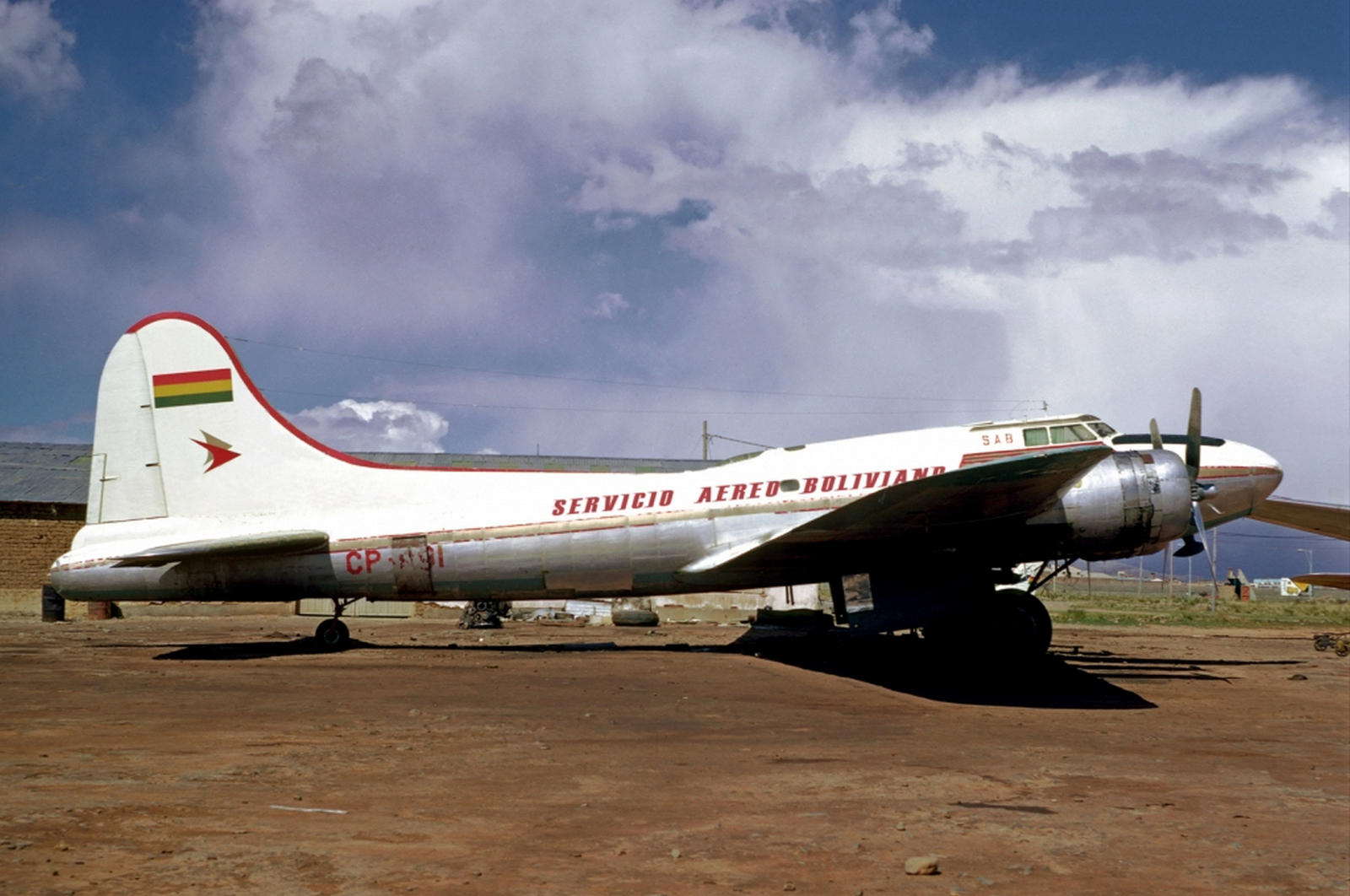
Export deliveries of the B-17 began during the war and continued after its end. In total, more than 20 countries received such aircraft, including Argentina, Brazil, Israel, Canada, the Republic of China, South Africa, Peru, and Portugal. In the post-war period, they were also used by civilian operators, in particular for extinguishing forest fires. At least two aircraft are still airworthy and periodically participate in air shows.