Fan-page
 Youtube
 TikTok
 Aviamuseum
 State Aviation Museum
60 years ago, the first prototype of the OV-10 Bronco took flight
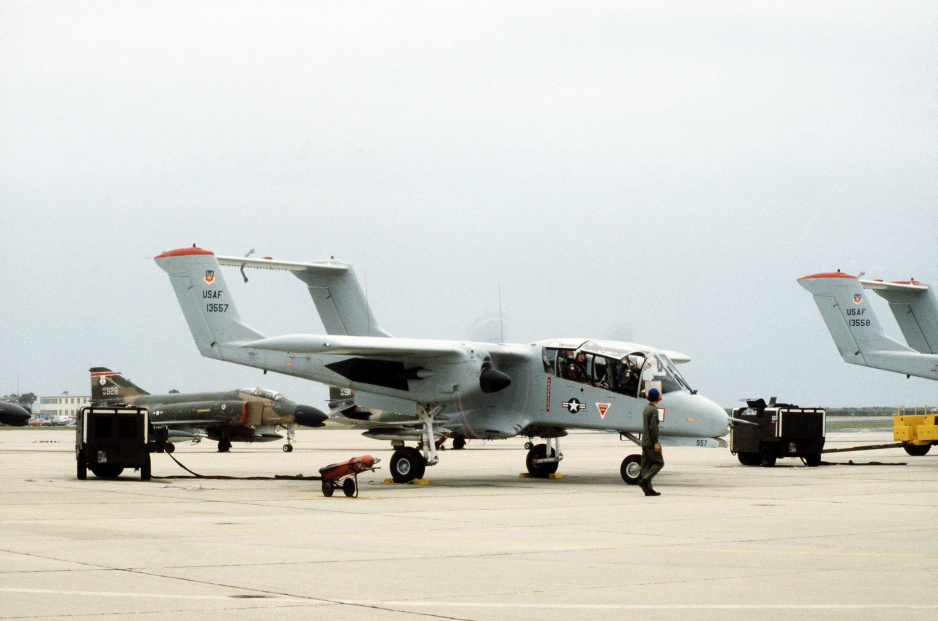
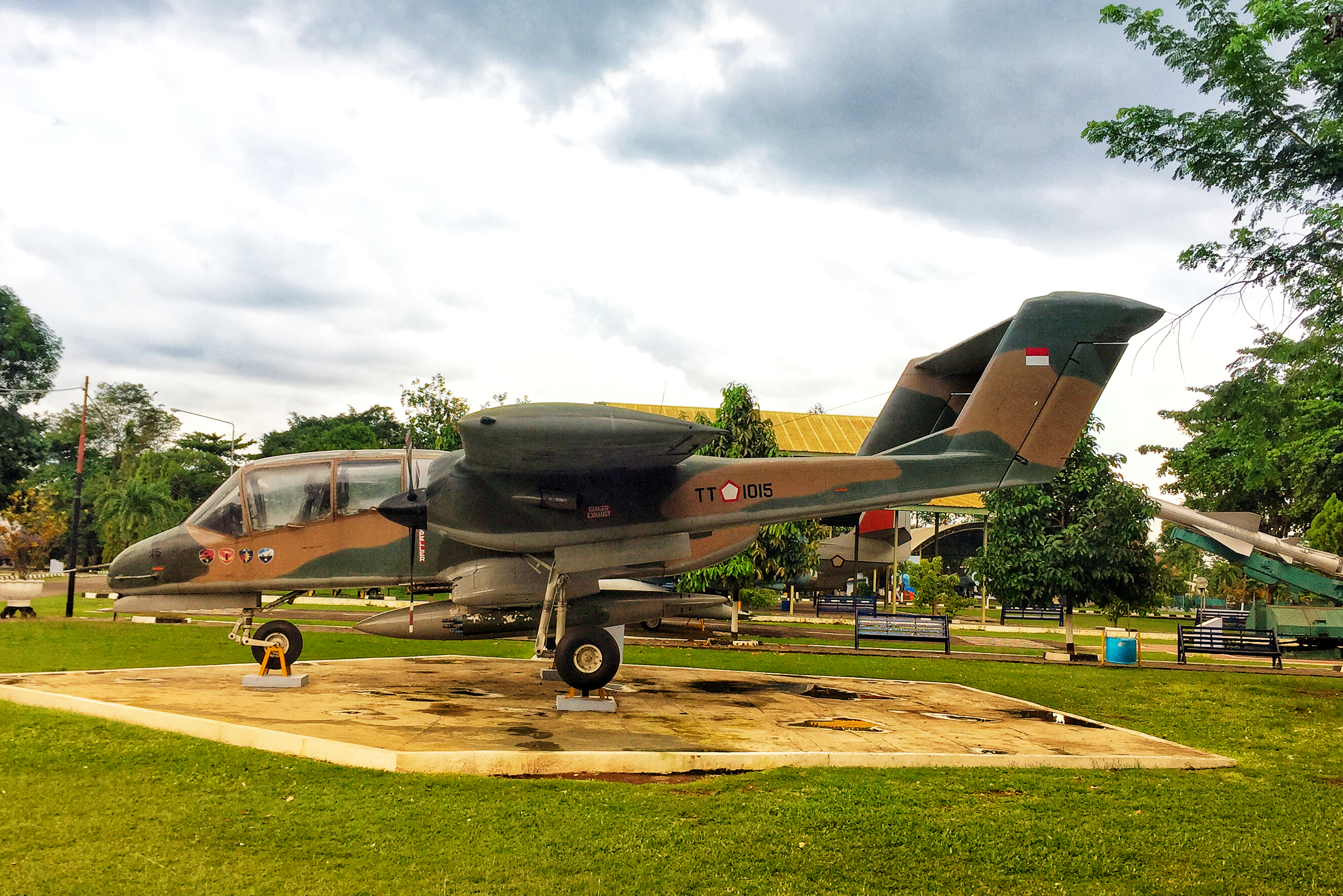
July 16 marked the 60th anniversary of the OV-10 Bronco light attack and reconnaissance aircraft, developed by the American company North American Aviation. On that day in 1965, its first prototype took flight.
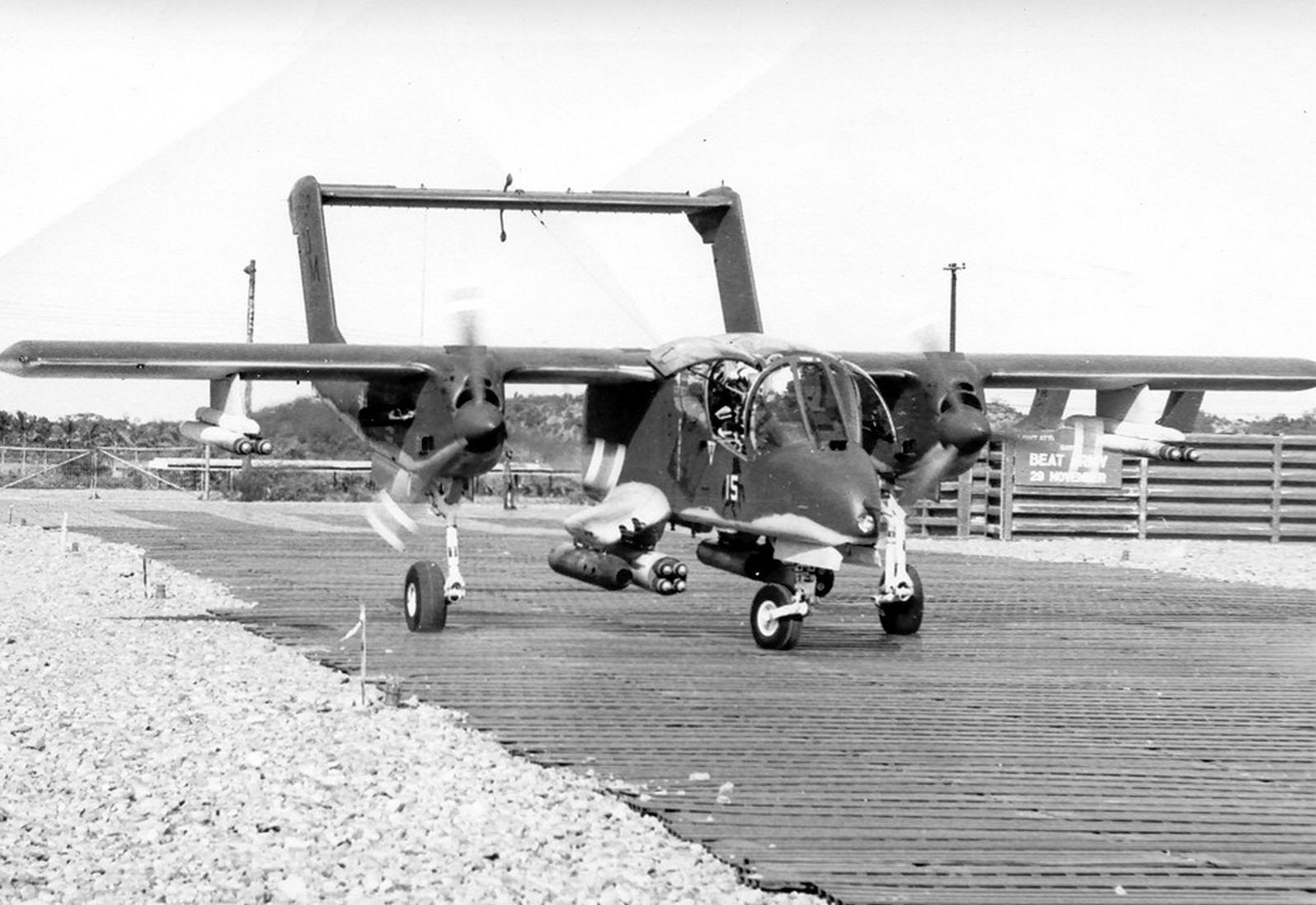
The aircraft was created at the request of the US Army, Air Force, and Navy for a light multi-purpose combat aircraft with an emphasis on use over jungles. In addition to direct support for ground troops, various types of reconnaissance, and artillery fire correction, it was designed to carry small loads and up to six soldiers.
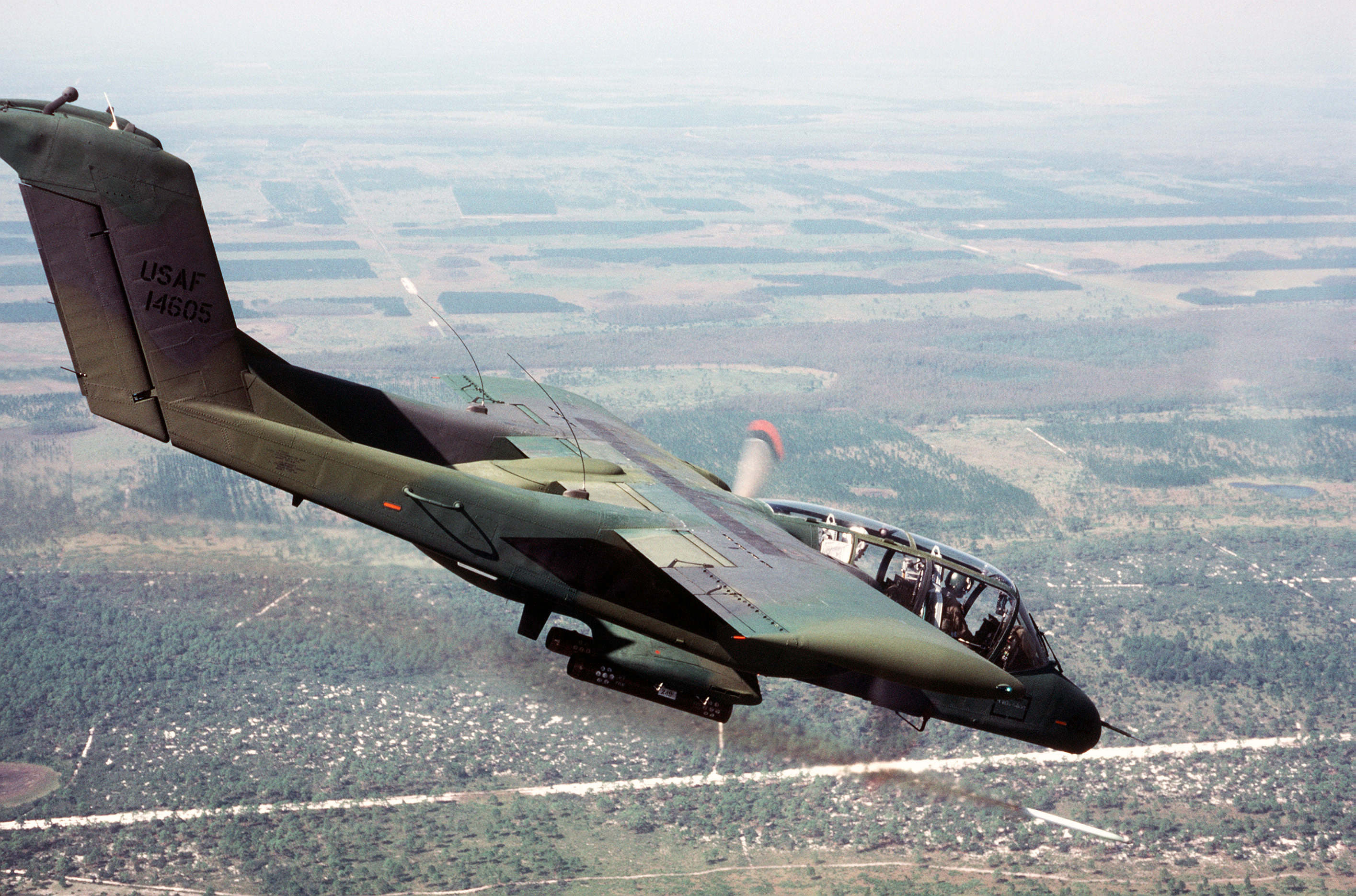
The Bronco had an unconventional twin-boom design and a straight wing with advanced mechanization, which, combined with airflow from the propellers, ensured high takeoff and landing characteristics. The aircraft was equipped with two Garrett T76-G-420/421 turboprop engines, each with a power of 1,040 hp. It had a length of 13.41 m, a wingspan of 12.19 m, a maximum takeoff weight of 6,550 kg, a maximum speed of 460 km/h, and a range of 2,200 km. Its armament included a 20 mm cannon or four 7.62 mm machine guns. The aircraft could carry a wide range of weapons with a total weight of over 1,500 kg on seven external hardpoints, including several types of unguided missiles and aerial bombs.
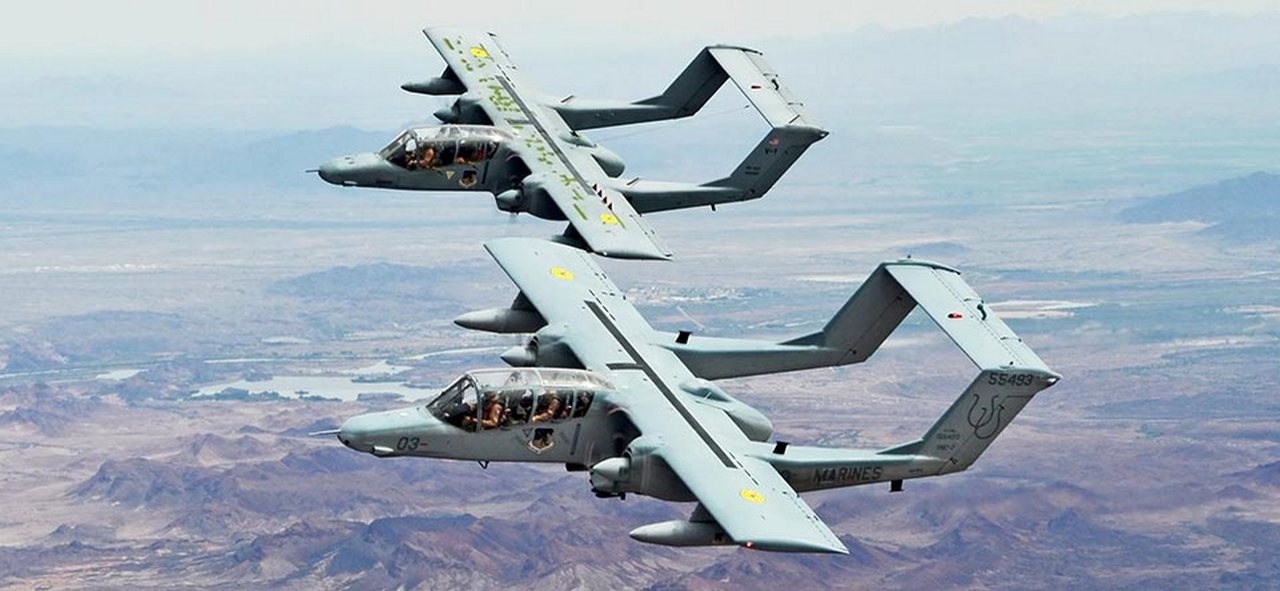
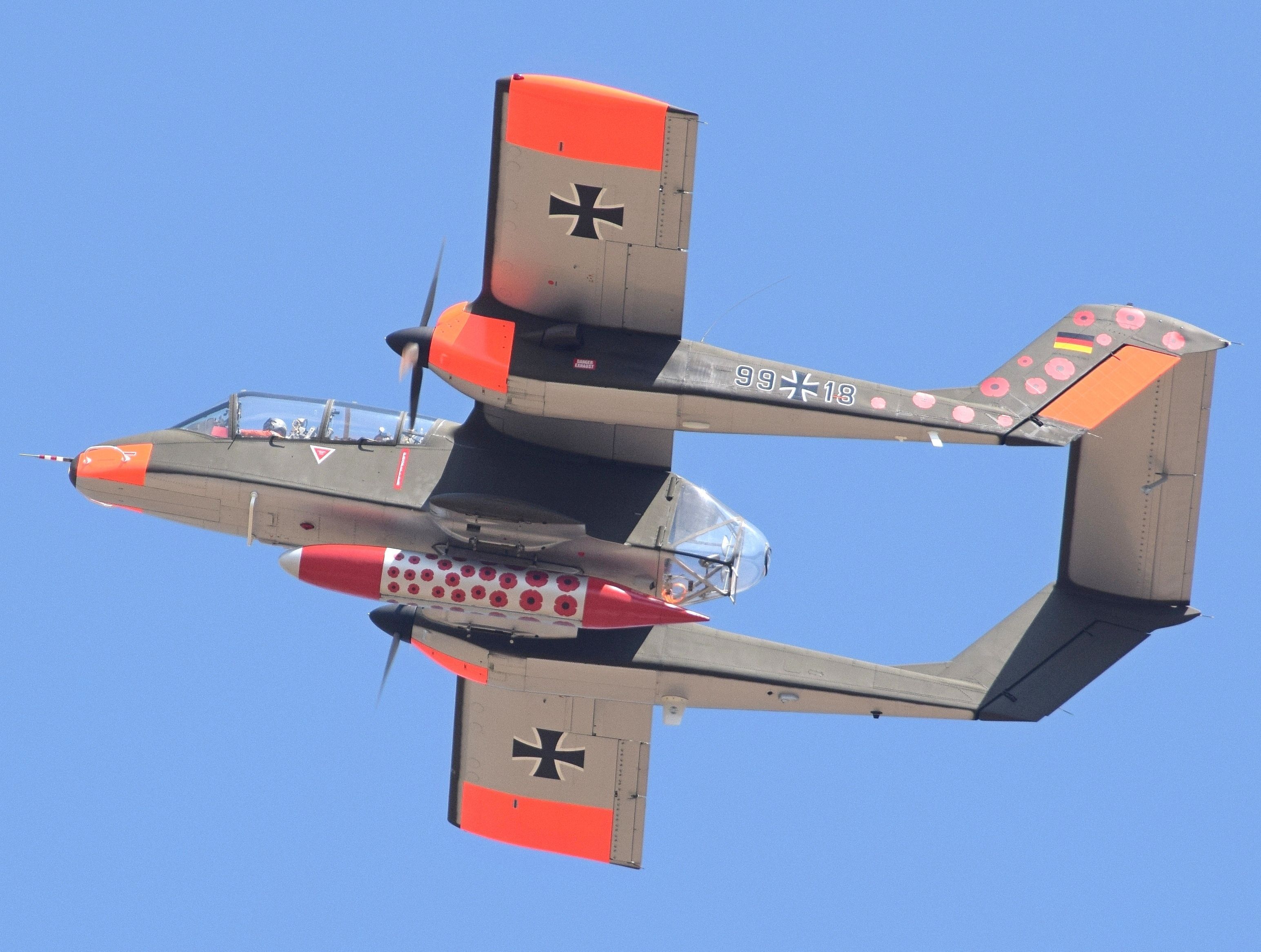
Serial production of the Bronco was discontinued in 1986. By that time, 360 units had been produced in seven main variants. In addition to the United States, the aircraft were purchased by Venezuela, Indonesia, Colombia, Morocco, Germany, Thailand, and the Philippines. The Bronco served longest in the Philippines, until the end of 2024.
The US Air Force and Marine Corps actively used the OV-10 during the Vietnam War. The last time American Broncos took part in combat operations was during Operation Desert Storm in 1991. Almost all other countries used these aircraft to fight various insurgents, guerrillas, or drug cartels. Only German aircraft, which were used as target tugs, did not see combat.
Overall, the Bronco proved to be a surprisingly successful aircraft. Relatively simple and inexpensive, highly maneuverable, reliable, and capable of operating from small, field airstrips, it was well suited for the role of an army battlefield aircraft.